How global restaurants achieve lower spoilage and higher margins with sake by the glass: 90 mL pour economics, two-week post-opening stability, and 3-bottle tasting flights that lift check averages.
Higher Gross Margins and Minimal Spoilage: The Economics of Sake by the Glass
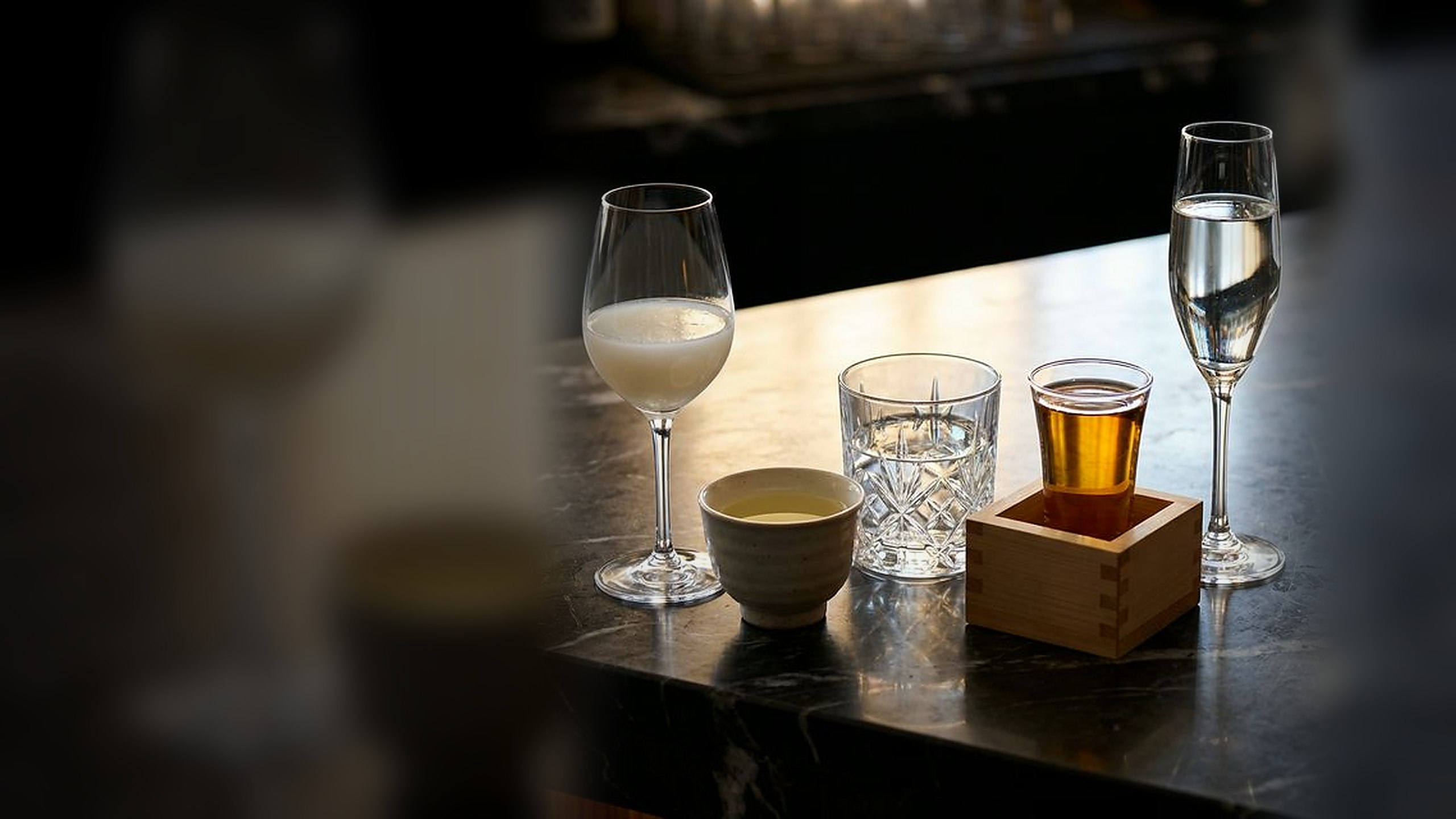
For beverage directors worldwide, table wine’s greatest hidden cost is oxidative spoilage 48 to 72 hours after uncorking. High-quality sake—especially pasteurized Junmai Ginjo and refrigerated Nama kept at 0–4°C—remains expressive for 7 to 14 days post-opening, enabling a 720 mL bottle poured into eight 90 mL (3 oz) stems to yield 72–78% gross margins with virtually zero dump loss.
The Lean 6-Bottle High-Velocity Restaurant List
| Slot | Program Role | Pour Strategy | Ideal Benchmark |
|---|---|---|---|
| 1. Sparkling Opener | Champagne margin alternative | 90 mL crystal flute | Shichiken Sparkling |
| 2. Fresh & Aromatic | Gateway for Pinot Grigio / Sauv Blanc guests | 6–8°C white-wine stem | Kankiku OCEAN99, Mimurosugi |
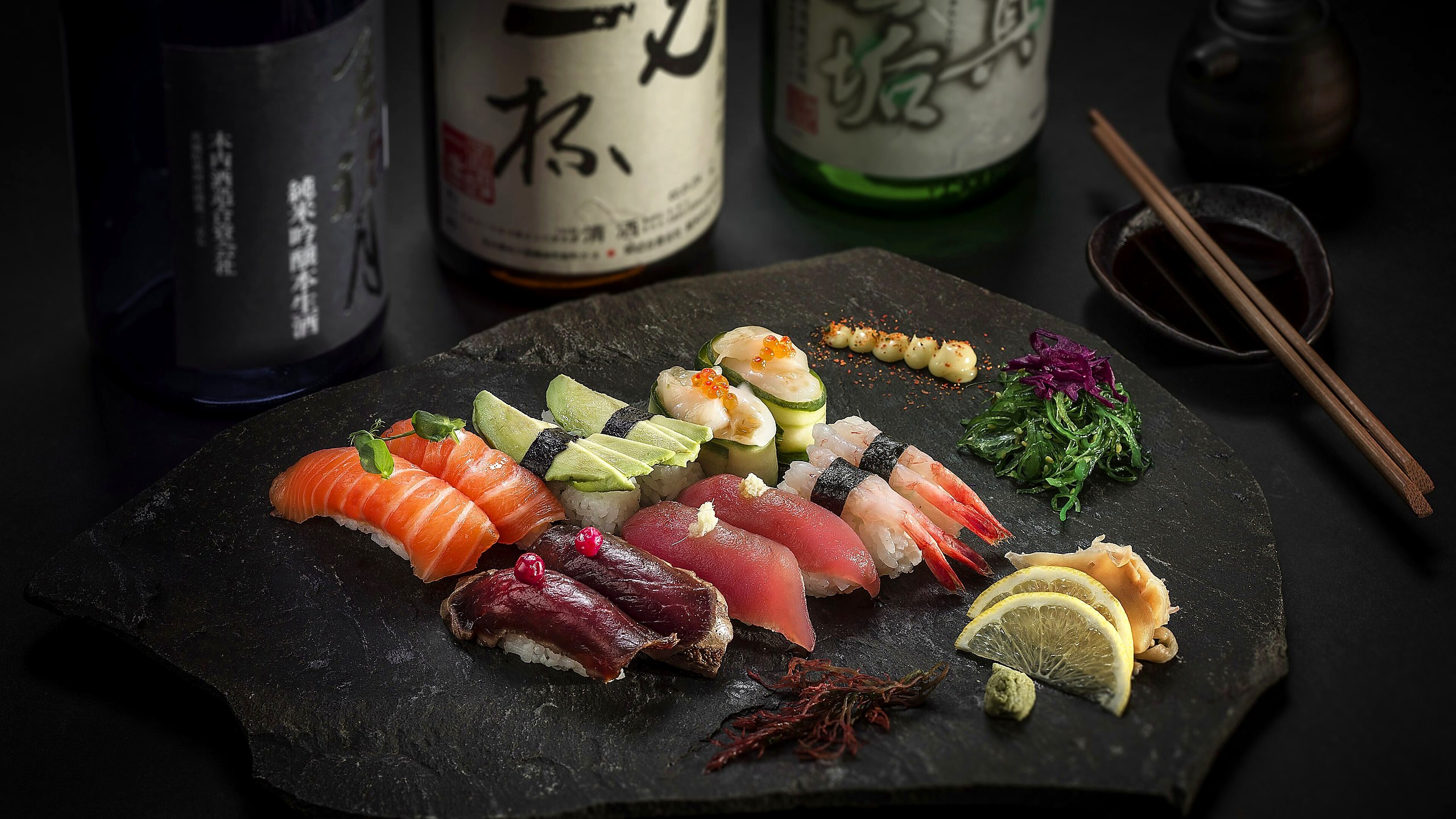
| 3. Mineral & Crisp | Raw bar, sushi & shellfish anchor | 10°C stem + 180 mL carafe | Tabika, Zaku, Tenbi |
| 4. Textured Terroir | Natural-wine & sauce crossover | 12–15°C Burgundy bowl | Ubusuna, Jikon, Kaze no Mori |
| 5. Warmed Gastronomy | Steak, Hanwoo, duck & aged cheese | 42–45°C tin chirori | Suehiro Gensai, Daishichi, Oku |
| 6. Prestige Allocation | VIP celebration bottle list | Bottle service only | Kankiku Seijitsu, Kokuryu, Juyondai |
Why 3-Pour Tasting Flights Multiply Bottle Upgrades
Offering a three-glass 60 mL tasting flight across contrasting styles—chilled Ginjo, lively Nama, and warmed Kimoto—removes guest hesitation, raises beverage spend per cover immediately, and consistently converts curious tables into full-bottle orders.
Featured Breweries, Specs & Flavor Balance
| Flagship Label | Brewery & Region | Signature Rice & Water | Brewery Profile |
|---|---|---|---|
| Shichiken | Yamanashi Meijo Co., Ltd. (2283 Daigahara, Hakushu-cho, Hokuto City, Yamanashi 408-0312, Japan) | Hakushu-Grown Yumesansui, Yamada Nishiki, Hitogokochi (Estate & Contract-Farmed) · Mt. Kaikomagatake Subterranean Soft Water (Ojira River System, Top 100 Famous Waters) | Brewery Profile |
| OCEAN99 | Kankiku Meijo Co., Ltd. (11 Takenosato, Matsuo-machi, Sammu-shi, Chiba 289-1532, Japan) | Chiba Fusanomai, Chiba Fusakogane, Yamada Nishiki, Omachi, Ushuhomare · Kujukuri Plain Subterranean Soft Spring Water from the Ancient Persimmon Tree Well | Brewery Profile |
| Mimurosugi | Imanishi Sake Brewery Co., Ltd. (510 Miwa, Sakurai-shi, Nara 633-0001, Japan) | Tsuyuhakaze, Yamadanishiki, Omachi · Subsurface water from sacred Mt. Miwa (medium-soft water) | Brewery Profile |
| Tabika | Hayakawa Sake Brewery Co. (468 Ojima, Komono-cho, Mie-gun, Mie 510-1323, Japan) | Kaminoho, Yamadanishiki, Omachi, Gohyakumangoku · Subsurface water from Mount Shakagatake in the Suzuka Mountains (soft water) | Brewery Profile |
| Tenbi | Choshu Brewery Co., Ltd. (72 Yoshika, Kikugawa-cho, Shimonoseki-shi, Yamaguchi 750-0316, Japan) | Yamada Nishiki, Saito no Shizuku · Koya River System & Kikugawa Natural Subterranean Medium-Soft Water | Brewery Profile |
| Ubusuna | Hananoka Shuzo Co., Ltd. (2226-2 Nishiyoshiji, Nagomi-machi, Tamana-gun, Kumamoto 861-0906, Japan) | Nagomi-machi Natural-Farmed Homase, Higo Kabashiko, Yamada Nishiki · Brewery Shrine Spring Water (Kikuchi River Basin Subterranean Water from the Former Bairin Tenmangu Well) | Brewery Profile |
| Jikon | Kiyasho Sake Brewery Co., Ltd. (314-1 Honmachi, Nabari-shi, Mie 518-0726, Japan) | Yamadanishiki, Aiyama, Omachi, Hattannishiki, Senbonnishiki · Subsurface water from the Nunobiki mountain range (brewery well water, soft water) | Brewery Profile |
| Kazenomori | Yucho Sake Brewery Co., Ltd. (1160 Nakahonmachi, Gose-shi, Nara 639-2216, Japan) | Akitsuho, Tsuyuhakaze, Yamadanishiki, Omachi · Deep subterranean water from the Mt. Kongo and Mt. Katsuragi range (hard water, approx. 214 mg/L) | Brewery Profile |
| Gensai | Suehiro Sake Brewery Co., Ltd. (12-38 Nisshin-machi, Aizuwakamatsu-shi, Fukushima 965-0861, Japan) | Yumenoka, Fukunoka, Yamadanishiki, Gohyakumangoku, Kamenoo · Subsurface snowmelt soft water from Mt. Hakase and the Aizu Basin | Brewery Profile |
| Daishichi | Daishichi Sake Brewery Co., Ltd. (1-66 Takeda, Nihonmatsu-shi, Fukushima 964-0904, Japan) | Yamadanishiki, Gohyakumangoku, Yumenoka (100% Super-Flat Rice Polishing) · Mt. Adatara subterranean spring water and Hikage well water (medium-hard water) | Brewery Profile |
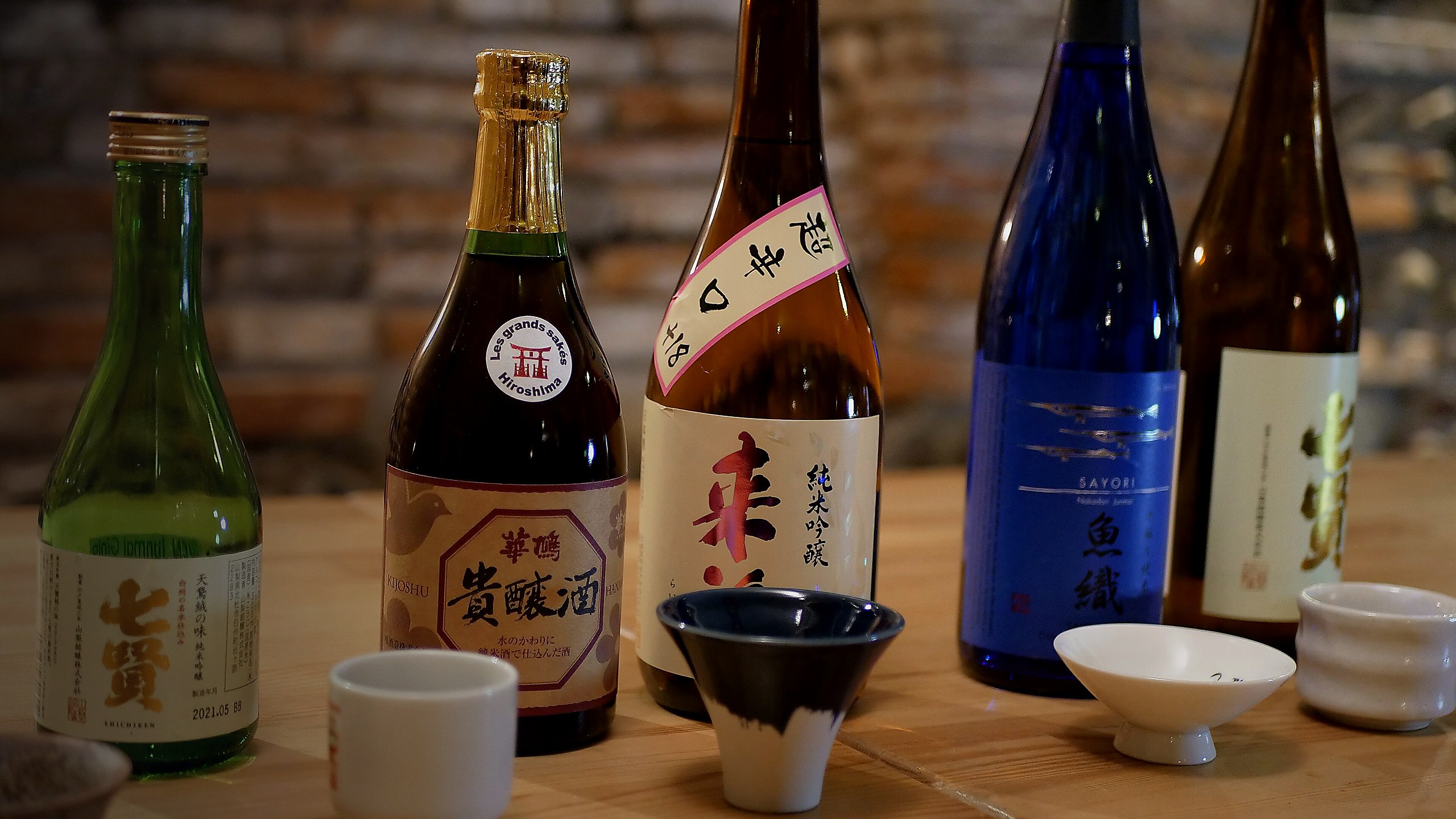
Founded in 1750 in Hakushu at the foot of the Southern Japanese Alps in Yamanashi, Shichiken ('Seven Sages of the Bamboo Grove') harnesses crystal-clear Mount Kaikomagatake snowmelt water. Renowned globally for its bottle-fermented sparkling sakes—including 'Mori no Kanade' aged in Suntory Hakushu whisky barrels—as well as its crisp 'Furinbizan' Junmai and 'Onakaya' Junmai Daiginjo, it pairs seamlessly with French gastronomy, roast poultry, and sushi.
A seasonal coastal series inspired by the changing skies and waves of the 99-ri Kujukuri Beach, marked by bright acidity and lively spritz.
Founded in 1660 at the foot of sacred Mount Miwa and Omiwa Shrine—revered as the ancestral deity of Japanese sake brewing—Imanishi Shuzo crafts Mimurosugi using shrine-mountain subterranean water and locally grown Yamadanishiki and Tsuyuhakaze rice. Luminous lychee, white peach, and Muscat aromas flow into a crystal-clear, juicy palate with a brisk finish that pairs effortlessly with sushi, sashimi, and delicate crudo.
Handcrafted by a tiny family team in Komono, Mie using ultra-soft Mt. Shakagatake snowmelt water and 100% gentle fune (box) pressing, Tabika is celebrated for its pillowy, rounded sweetness. Brewed with local Kaminoho, Omachi, and Yamada Nishiki, its soothing umami and gentle acidity pair beautifully with dashi-steamed clams and seasonal washoku.
Launched in late 2020 in Shimonoseki, Yamaguchi by Choshu Shuzo, Tenbi skyrocketed to national stardom with its bright, uplifting house style. Bearing sun-and-moon labels for day and night expressions, it offers crisp green apple and white grape aromatics, delicate pinpoint effervescence, and vibrant malic acidity that pair beautifully with seafood ceviche, seasonal vegetable tempura, and modern izakaya fare.
Created in Nagomi, Kumamoto by Kiyotaka Kanda of Hananoka Shuzo to embody 'earth, native ecosystem, and ancestral regenerative agriculture,' Ubusuna stands at the absolute pinnacle of contemporary craft sake. Brewed with pesticide-free local Yamada Nishiki and revived Edo-era heirloom rices (Homase and Kabashiko) using kimoto and wooden vats, its Champagne-like pinpoint mousse and electric orchard-and-yuzu complexity transfix fine-dining tables worldwide.
Named after the Zen phrase 'living fully in the present moment,' Jikon by 6th-generation brewer Tadakatsu Onishi in Nabari, Mie stands at the absolute summit of modern sake. Radiant muscat and white peach aromatics, crystalline Nunobiki mountain soft-water sweetness, and electric acidity achieve a golden-ratio balance that enchants on its own or alongside Matsusaka Wagyu and fine sushi.
Brewed in Gose City, Nara by 1719-founded Yucho Shuzo, Kaze no Mori unites ancient Muromachi-era Bodaimoto heritage with cutting-edge fermentation science across an all-Muroka Nama Genshu lineup. Fermented with ultra-hard Katsuragi Mountain subsurface water (over 200mg/L hardness) and local Akitsuho rice, its signature micro-effervescence, Muscat and pear aromatics, and chiseled mineral finish captivate diners from sushi counters to Michelin-starred French and Italian tables.
Named in honor of Harunaka (Gensai) Tanaka—the visionary Edo-period chief retainer who reformed the Aizu domain and elevated its brewing craft—Gensai represents the pinnacle of Suehiro Shuzo's Daiginjo artistry. Brewed with Special A-grade Yamadanishiki polished to 35%–40%, it delivers regal orchard-fruit aromatics, gossamer silkiness, and a poised finish worthy of celebratory kaiseki banquets.
Dedicated exclusively to traditional Kimoto-method brewing since 1752 in Nihonmatsu, Daishichi revolutionized the craft with its proprietary 'ultra-flat rice polishing' (cho-henpei seimai) technology. Offering rich, creamy lactic depth, velvety texture, and complex savory resonance that blossoms from chilled to gentle warm (nurukan), its sakes pair majestically with grilled unagi, Wagyu steak, and aged Comté cheese.
Recommended Pairing
Weekly Sake & Tasting Dispatch
Curated seasonal releases, sub-zero arrivals, and tasting city guides across global editions.