One hundred editions on Japanese sake
Brewing, tasting, pairing and culture, written for readers in your own language.
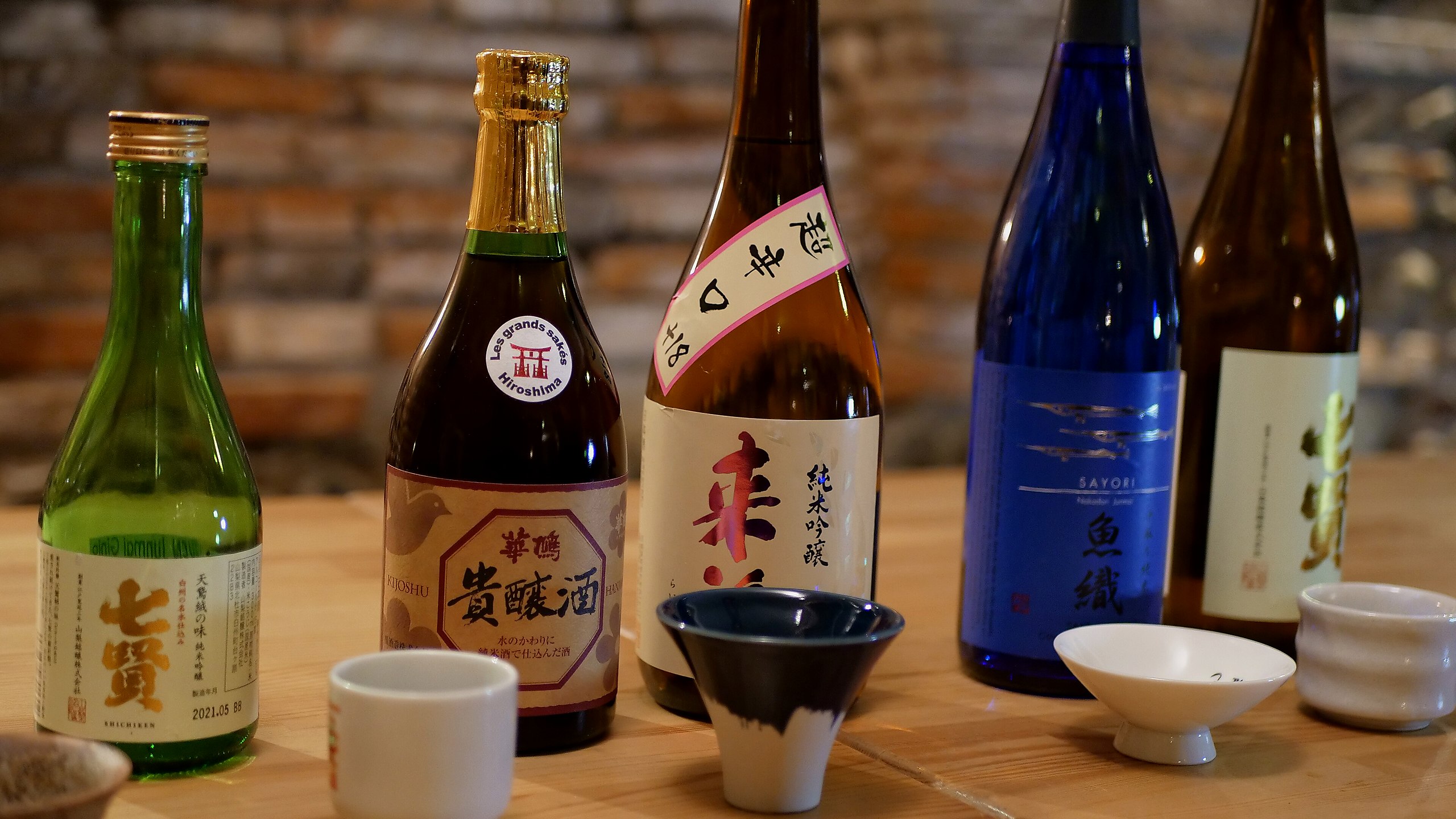
Pure Specs of Rice, Koji & Water: How Polishing Ratio, Brewing Water Minerals & Temperature Shape Sake Flavor and Cheese Pairing
A specification-first guide exploring sake’s transparent ingredients (rice, koji, water), mineral water physics, rice-grain flavor balance (1–5 scale), and empirical pairings with aged European cheeses.
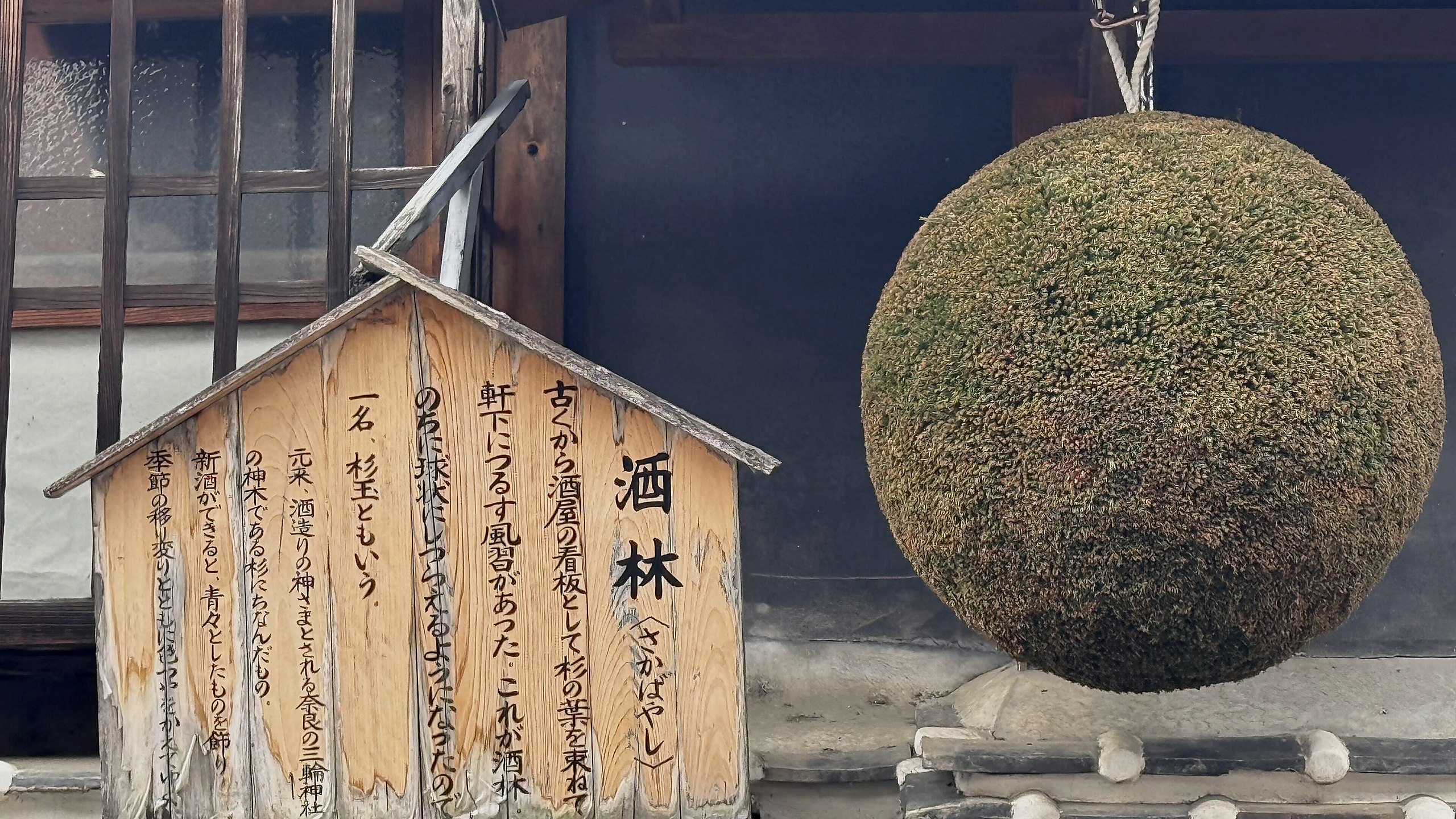
The Science of Rice Koji & Global Hospitality: Understanding Sake Ingredients, UNESCO Craft Heritage, and Zero-Alcohol Koji Beverages
A clear, culturally respectful guide for global hospitality buyers and curious guests explaining sake ingredients, UNESCO-recognized koji fermentation, and truly zero-alcohol koji rice drinks such as Amazake.
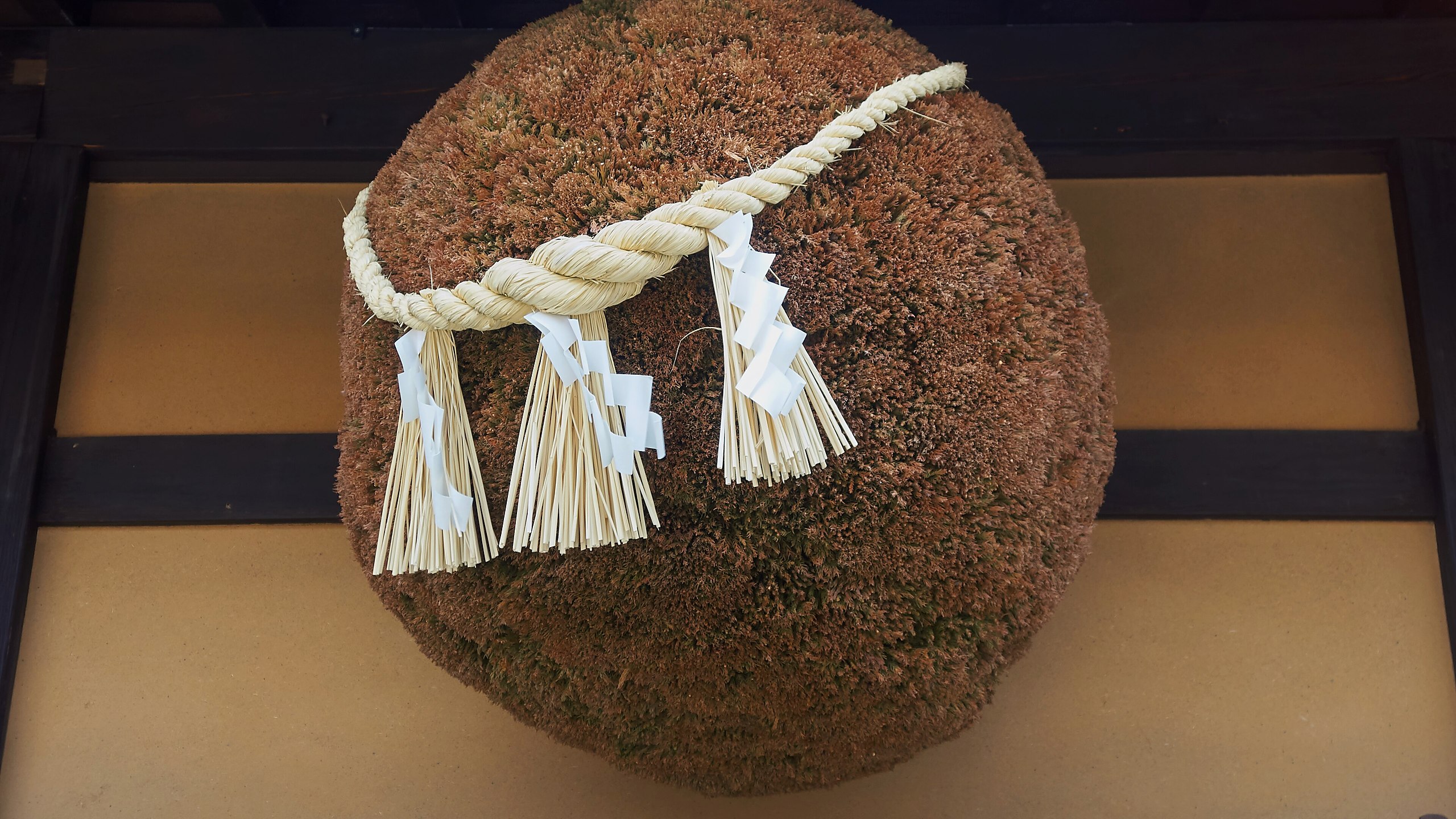
Japan Sake Travel & Korea Duty-Free Guide (2026): Navigating the 2L / US$400 Limit, Brewery Tours & Authorized Bottle Shops
Practical travel guide for South Korean and international visitors planning sake brewery tours in Japan: exact 2-liter (US$400) Korea customs rules, Tokyo/Chiba/Kyoto visits, cold-pack checked luggage tips, and tour booking.
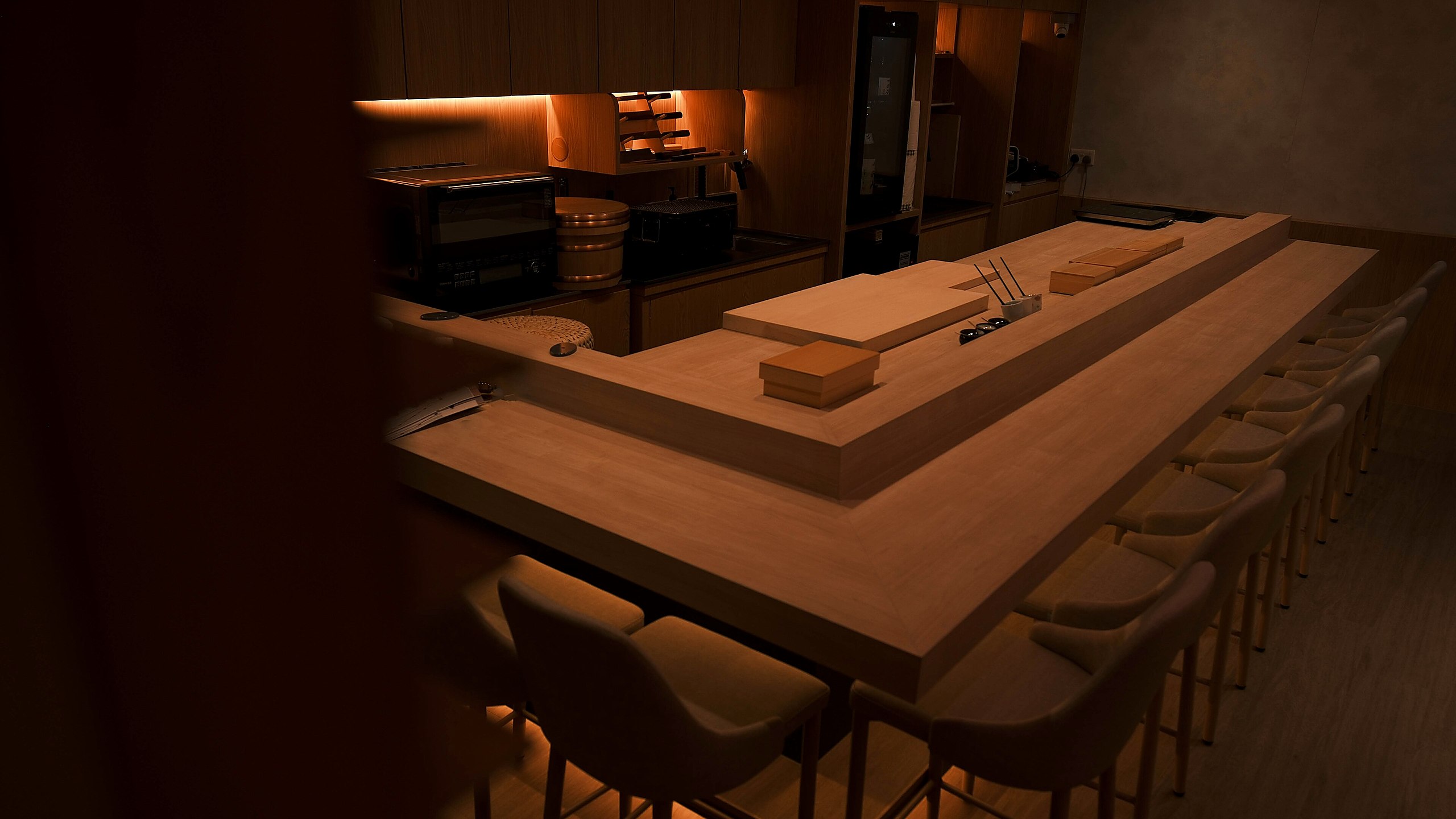
First-Timer’s Sake Guide for Bangkok, Ho Chi Minh City & Global Omakase Dining: Choosing by Flavor Balance & Temperature
A welcoming beginner’s roadmap for ordering sake confidently at omakase counters, yakitori grills, and modern Asian dining rooms—using SakeStream’s 1–5 Rice-Grain Balance instead of intimidating scores.
Hong Kong’s 0% Sake Duty Hub, -5°C Cold-Chain Preservation & Cantonese Seafood Pairings: A Technical Guide for Importers & Chefs
How Hong Kong’s zero liquor duty under 30% ABV supports world-class sake lists, why strict -5°C cold-chain logistics prevent heat damage (hineka), and how sommeliers match steamed garoupa, crab, and dim sum.
Terroir, Butter Sauces & Global Nikkei Gastronomy: How Kimoto Lacticity and Rice Terroir Harmonize with French & Latin Kitchens
Looking beyond wine comparisons to celebrate shared craft: how rice *terroir*, *Kimoto* lactic balance, and near-zero tannins open seamless dialogues with French butter sauces and bright Latin-Nikkei citrus plates.
[2026 Guide] Seoul’s Best Premium Sake Bars & Dining Rooms — Cheongdam, Hannam & Seongsu
Inside Seoul’s booming ¥4.4B premium sake landscape: from Cheongdam sommelier lounges and Hannam culinary counters to Seongsu glass-pour bars and tasting hubs like Asoto (朝人) and Syuen.
Hanwoo Beef, Aged Sukseonghoe & Kimoto Sake — The Science of Korean-Japanese Gastronomy Pairing
Why Kimoto, Yamahai, and crisp mineral Junmai rival Grand Cru wine alongside marbled Hanwoo beef and umami-dense aged fish—decoded via amino acids, lactic acidity, and fat melting point.
Hong Kong’s Zero-Duty Sake Hub & High-Gastronomy Cantonese Pairing Playbook
With the highest per-liter export value among major hubs (¥2,376/L), Hong Kong unites zero alcohol duty below 30% ABV with Cantonese seafood, roast meats, and Michelin dim sum pairings.
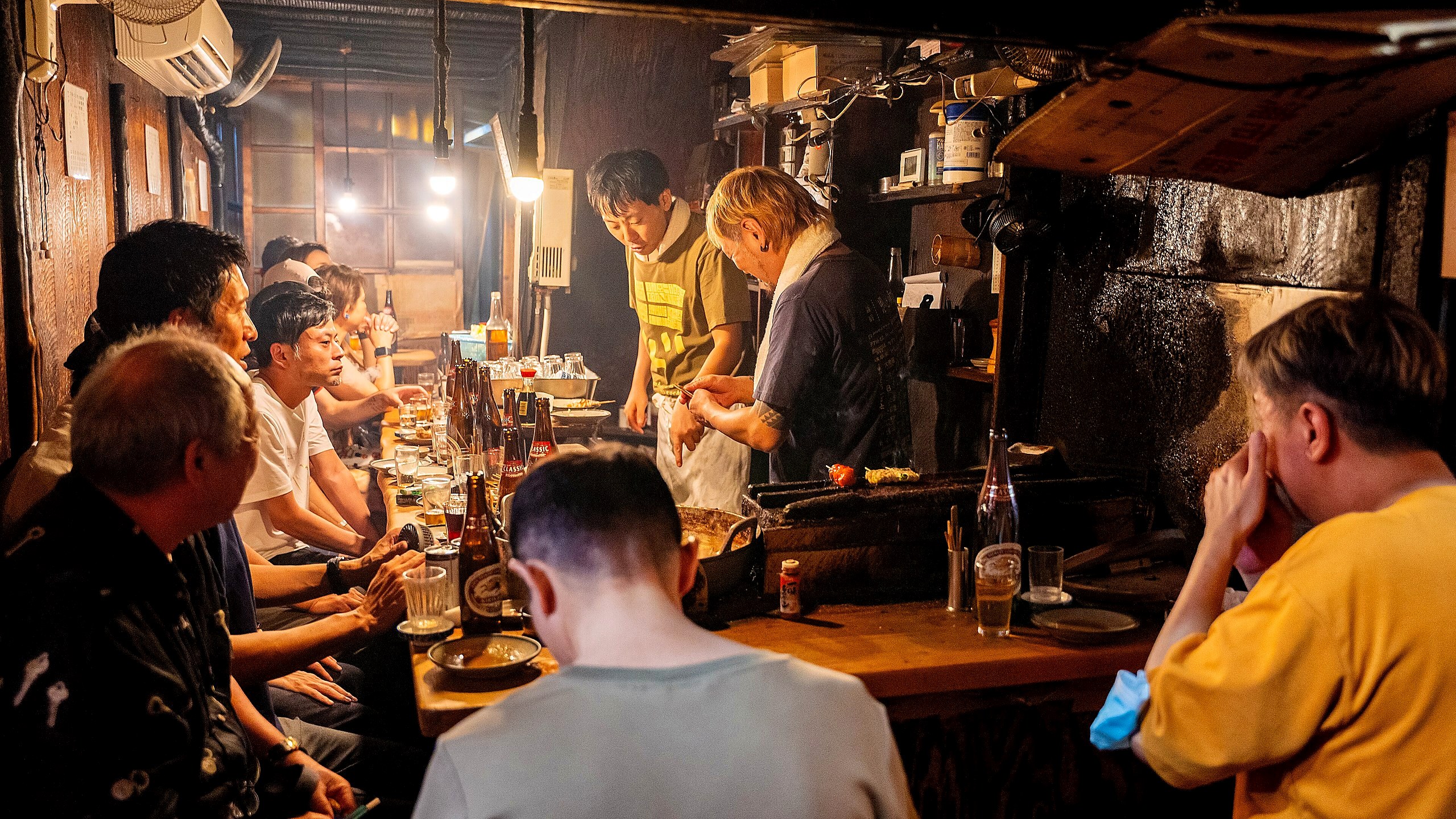
Taipei’s Cold-Chain Nama Sake Scene — Fine Izakaya, Taiwanese Cuisine & Neighborhood Bars
Ranked #5 globally at ¥2.7B, Taiwan boasts one of Asia’s most disciplined cold-chain networks for unpasteurized Nama-zake. Explore Taipei’s Zhongshan, Da’an, and Xinyi sake scene.
Singapore Michelin Sake Guide — Tropical Cold-Chain Cellars, Peranakan Spice & Chili Crab
A ¥1.5B luxury outpost in Southeast Asia, Singapore pairs impeccable cold-chain preservation with Michelin omakase, Peranakan spice, black-pepper crab, and herbal Bak Kut Teh.
Bangkok Modern Thai Dining × Sake — Taming Bird’s Eye Chili, Fish Sauce & Galangal
Why Bangkok’s Michelin-starred modern Thai kitchens increasingly look beyond wine—pairing Nigori, Kijoshu, and crisp aromatic Junmai with chili heat, lime, palm sugar, and fermented nam pla.
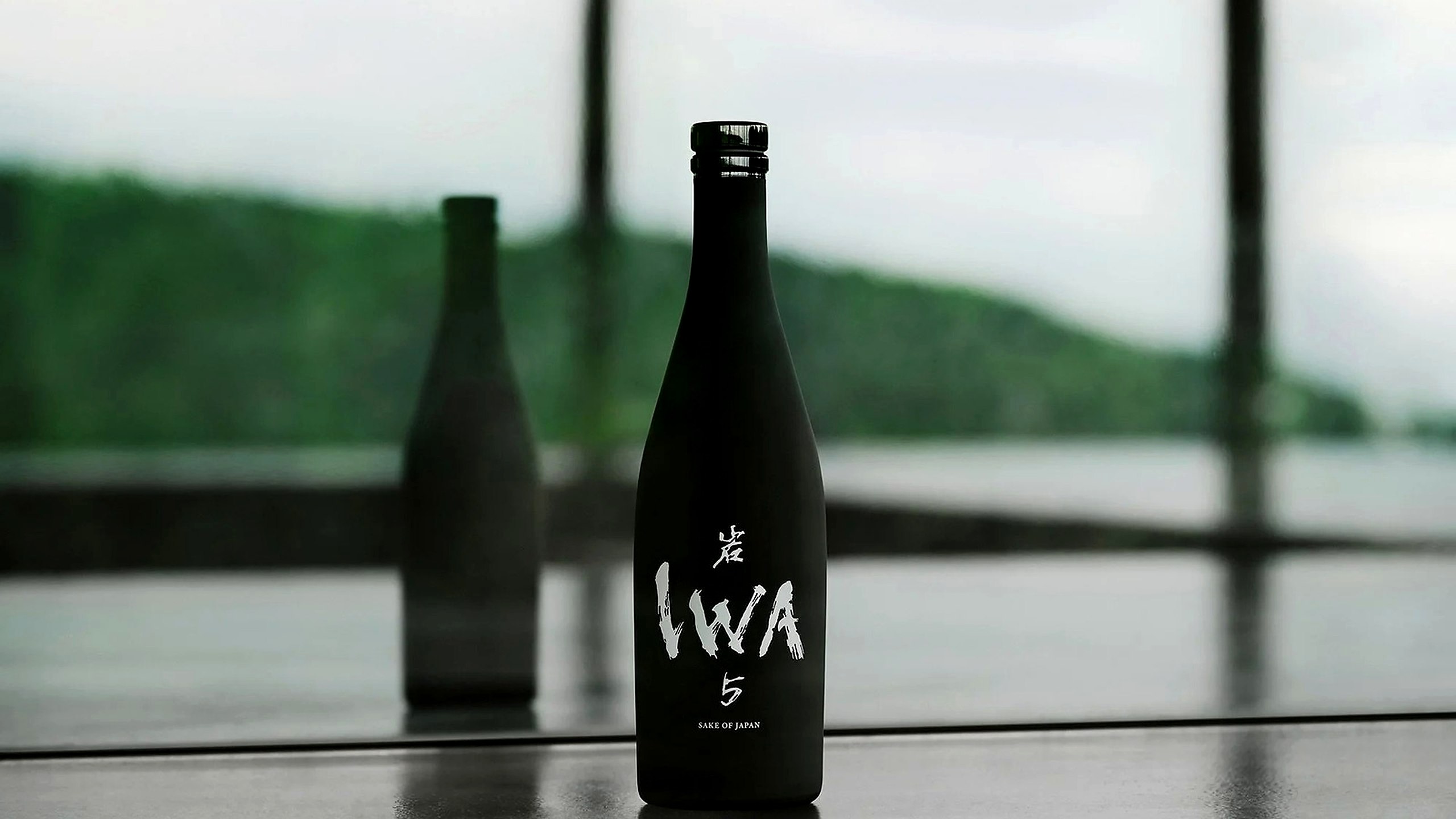
Dubai DIFC & Palm Jumeirah Sake Programs — Luxury Sommelier Strategy for Ultra-Fine Dining
Inside Dubai’s ultra-luxury hospitality corridor across DIFC and Palm Jumeirah—how top sommeliers curate cellar allocations of Dassai, IWA 5, Kokuryu, and Kankiku for Wagyu and caviar service.
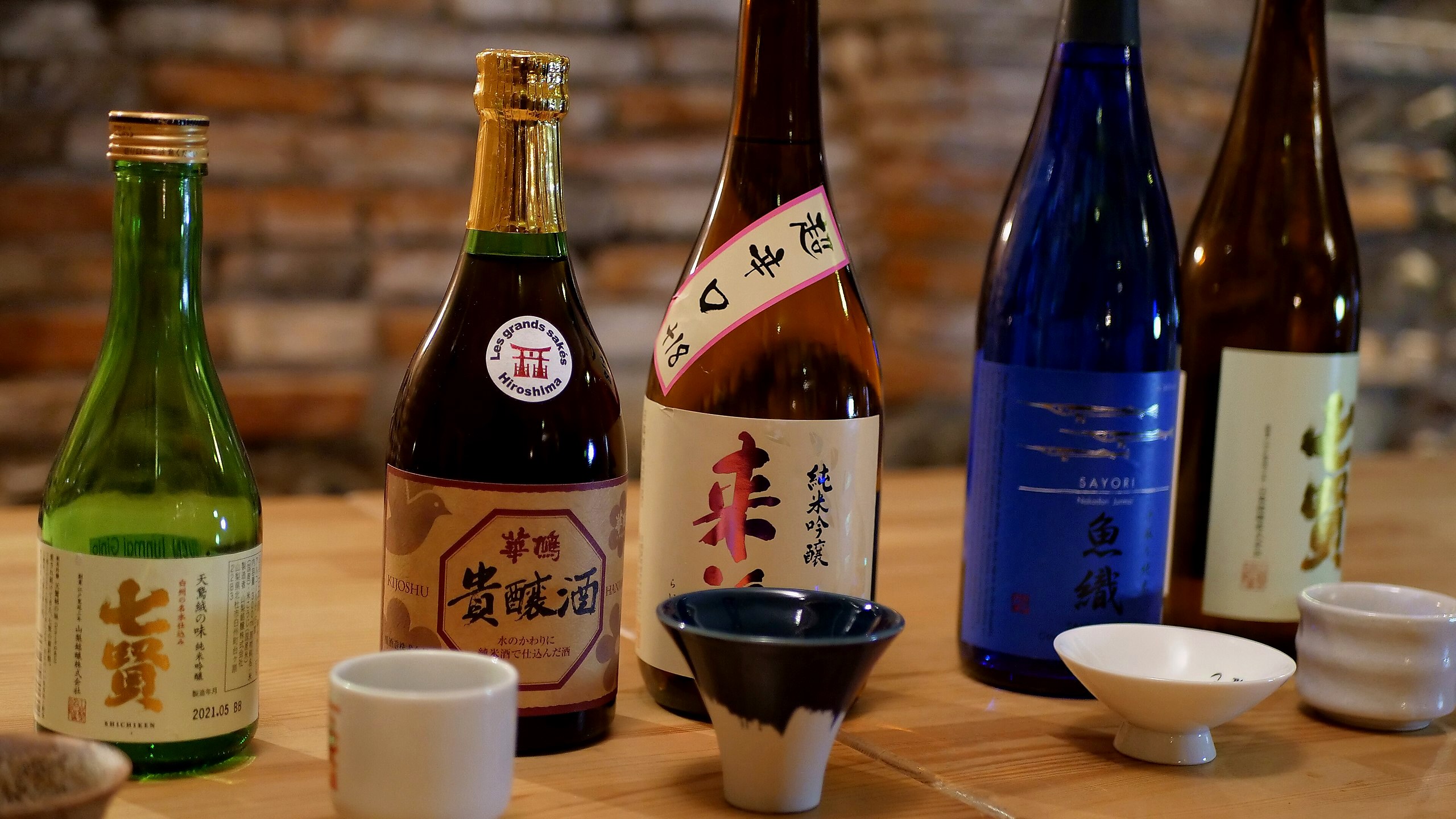
New York City Sake Guide 2026 — Manhattan Tasting Menus, Craft Izakayas & Brooklyn Kura
Inside America’s sake capital—from Michelin tasting counters in Tribeca and Chinatown izakayas to Brooklyn Kura, Hudson Valley’s Dassai Blue, and NYC’s natural-wine crossover scene.
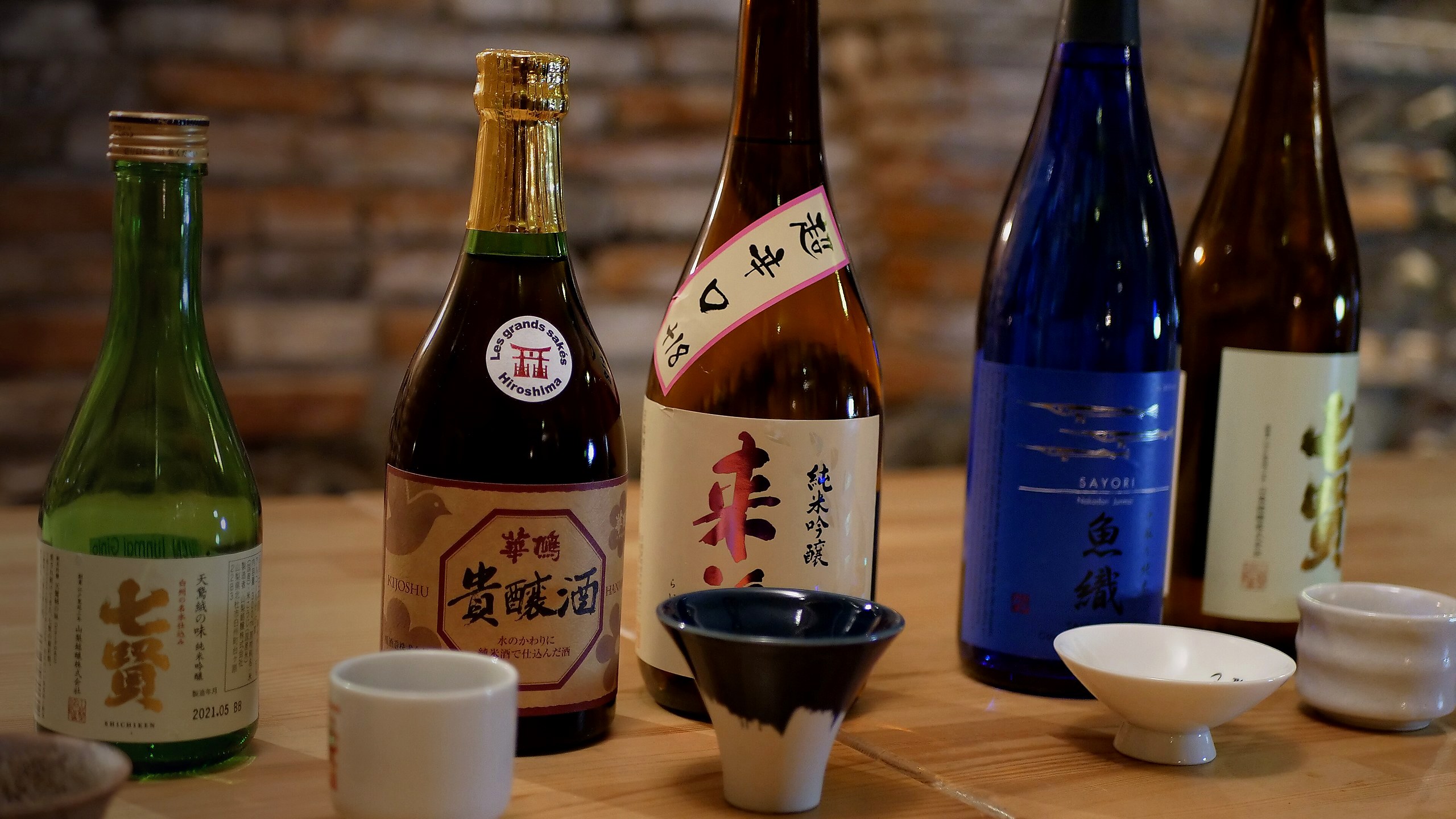
London Mayfair Sake & Artisan Cheese — Gastronomic Lessons from the Home of IWC
London hosts the IWC Sake judging—and its Mayfair sommeliers and cheesemongers are proving why Junmai, Kimoto, and Koshu outperform port and white wine alongside aged British cheeses.
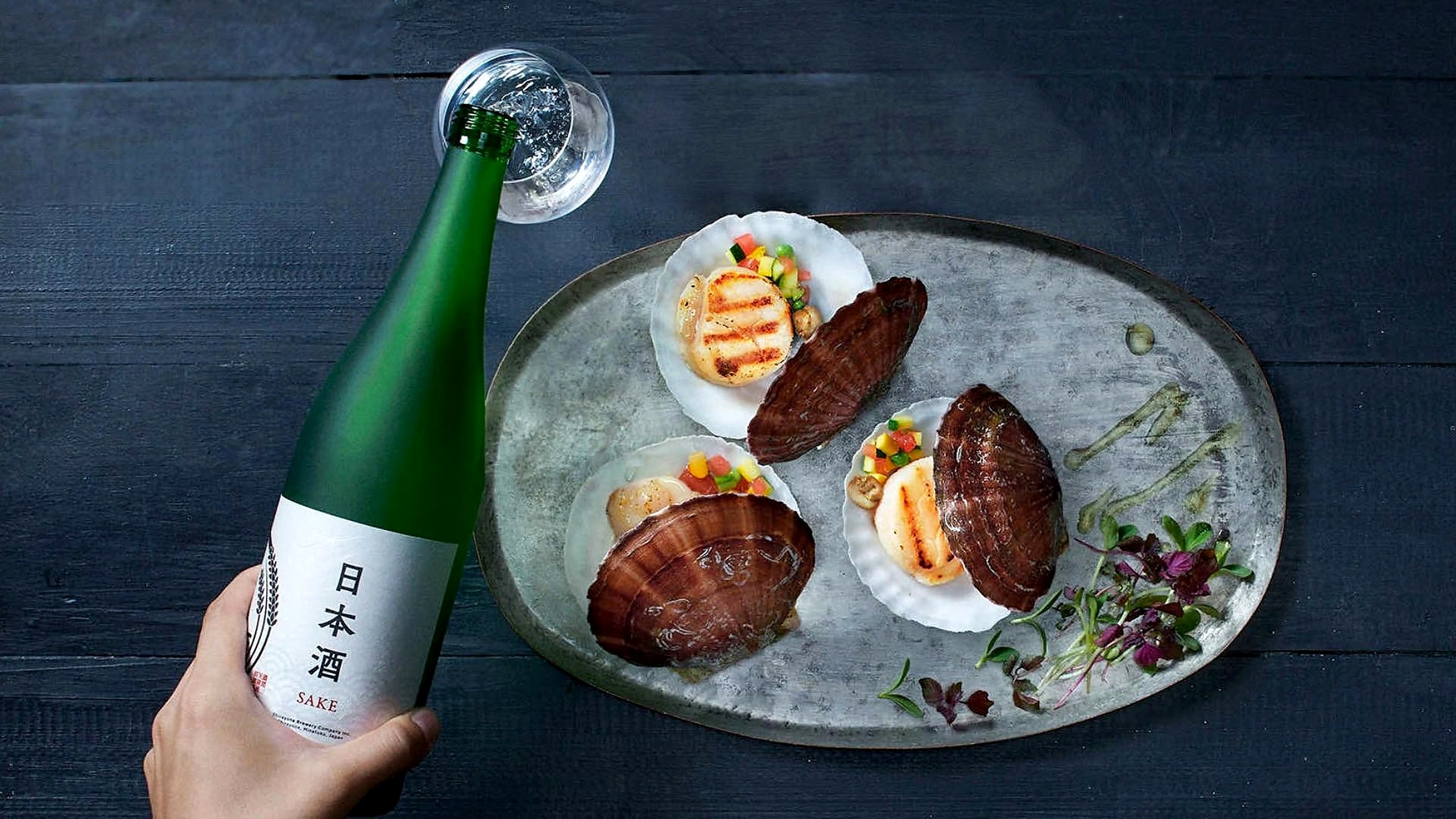
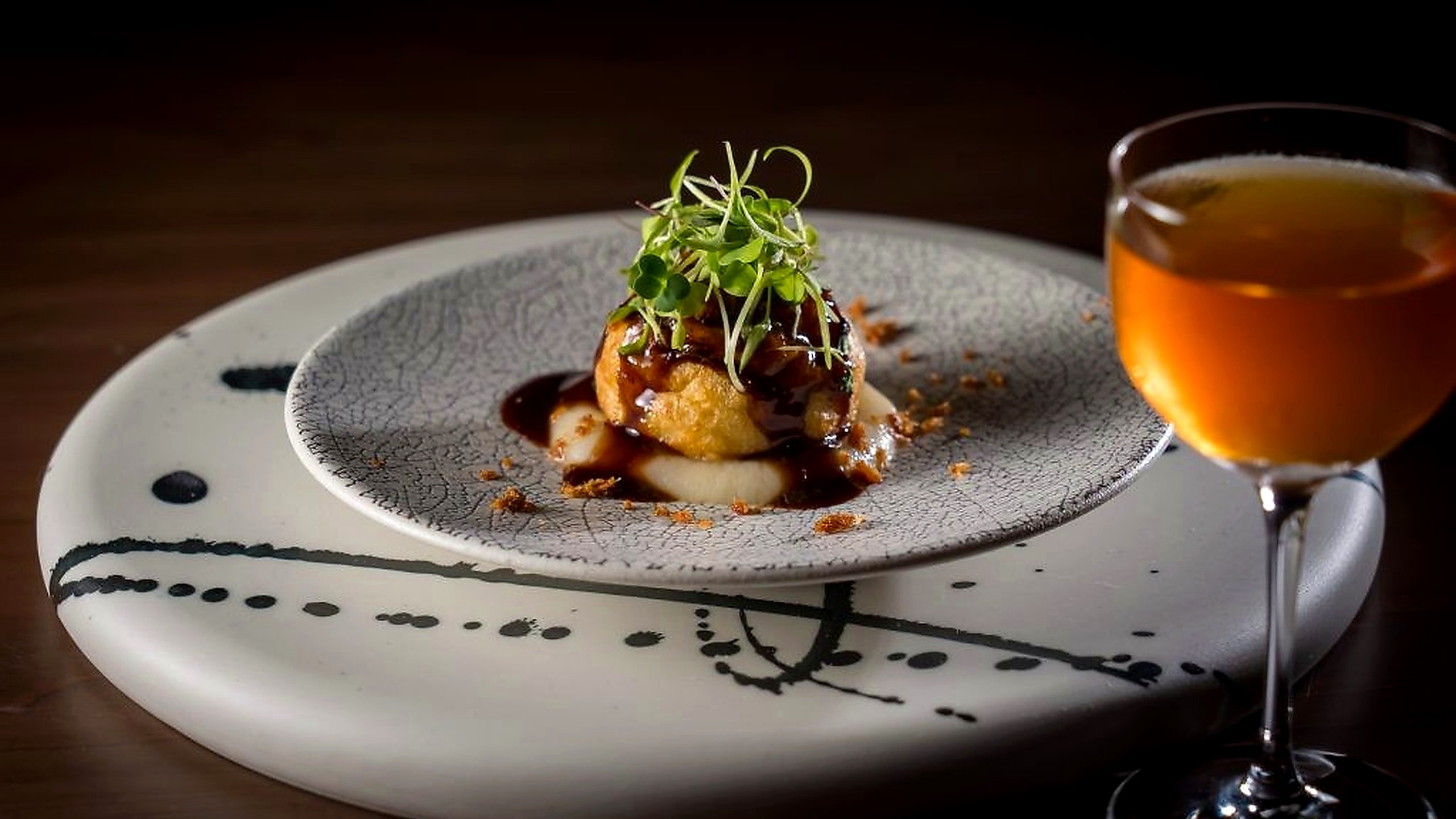
Paris Bistronomie × Sake — Why French Sommeliers Match Junmai with Butter Sauces, Shellfish & Jus
French sake imports hit an all-time record (+13.8%). Discover how Kura Master’s 10-year legacy moved sake from sushi bars into Paris bistronomie—pairing cleanly with beurre blanc, bisque, and wild poultry.
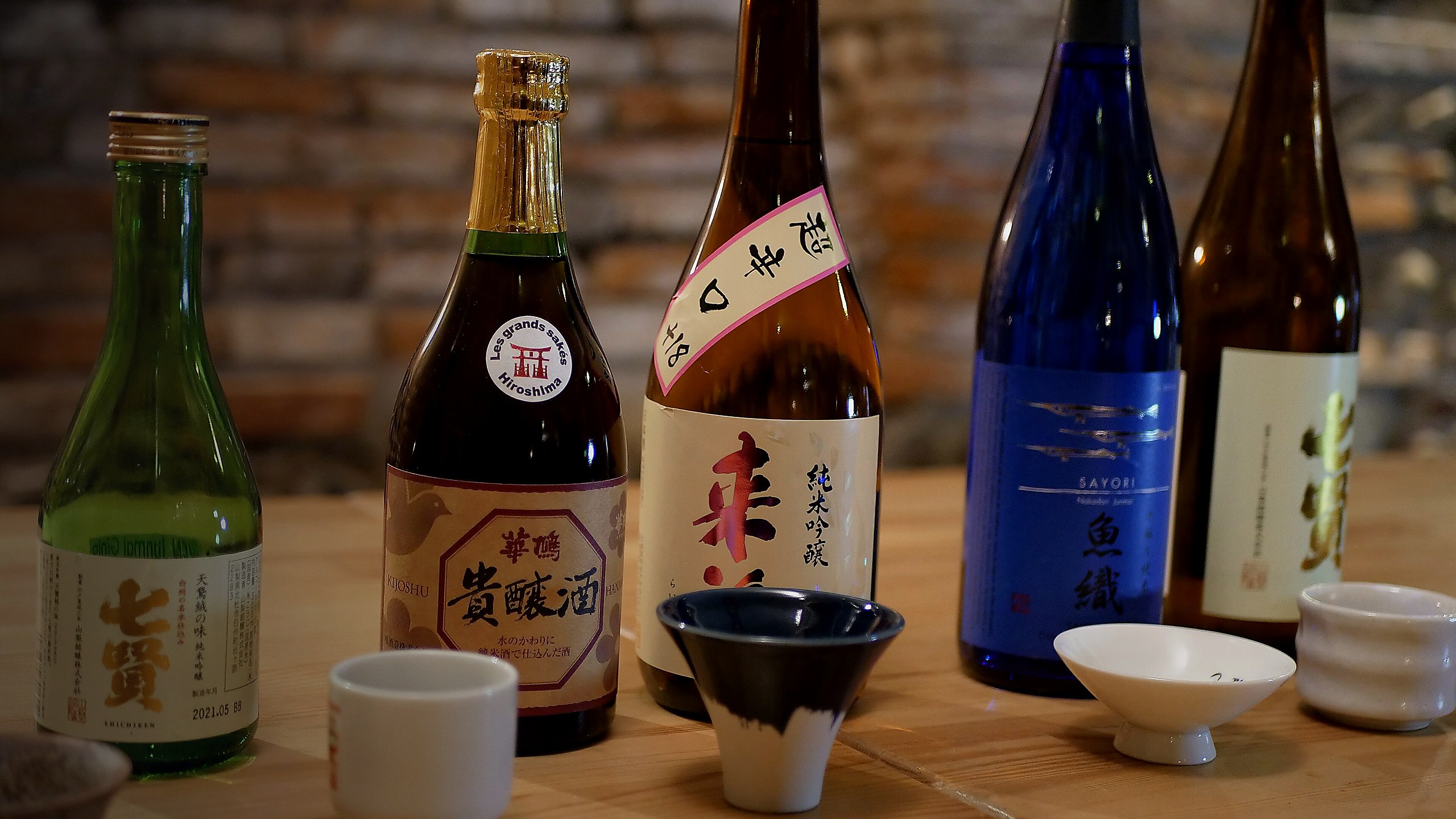
[November 2026 Report] Global Sake Competitions Roundup & The Forefront of Korea’s Premium Sake Market
From SAKE COMPETITION 2026, IWC 2026 (20th Anniversary), and Kura Master 2026 (10th Anniversary) to the late-October U.S. National Sake Appraisal and November regional honors—plus how Korea’s record ¥4.4B (5,483 kL) market is driving gastronomy sake.
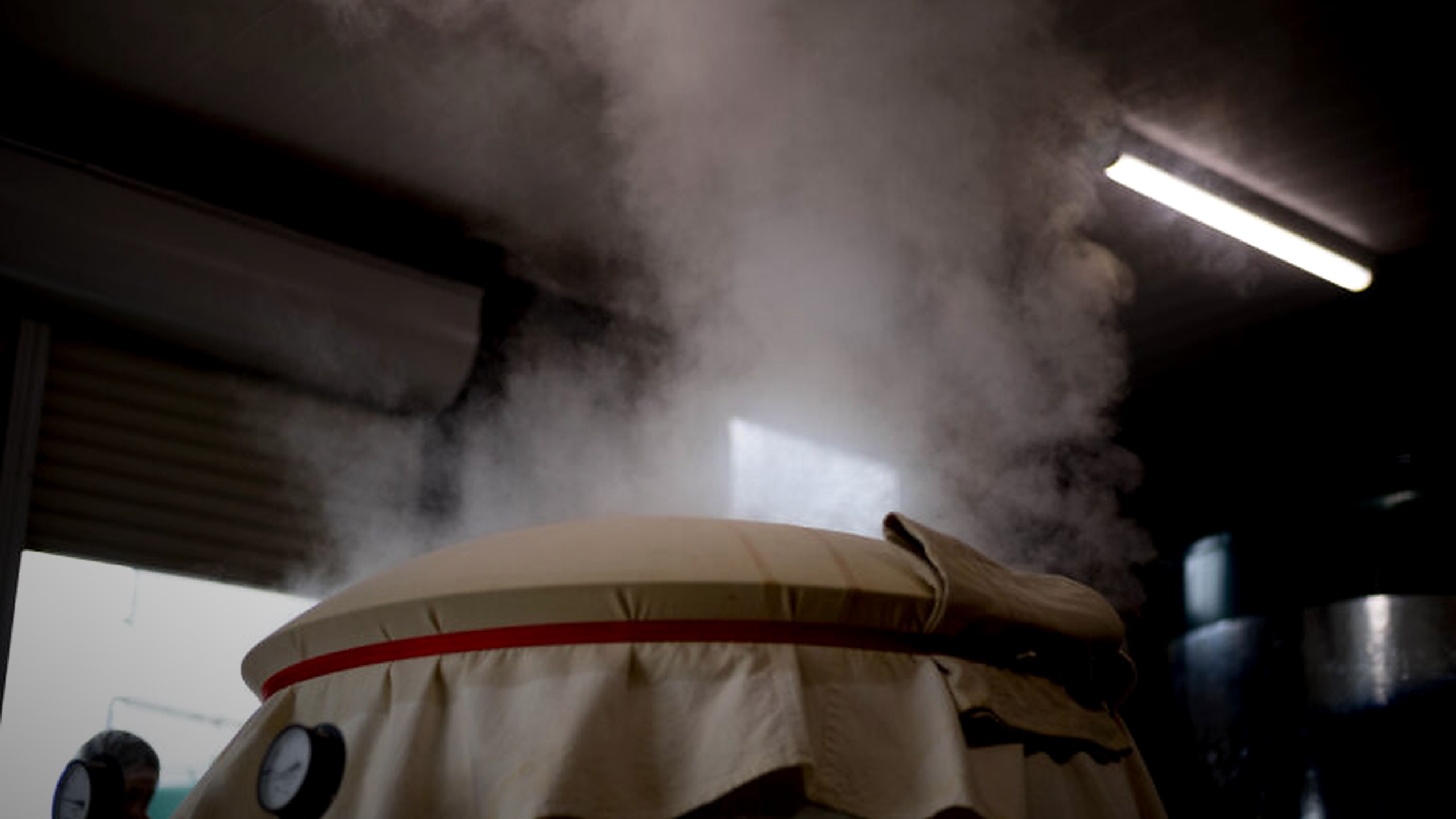
[November 2026 Special Report] Japan’s Regional Tax Bureau Sake Appraisals & U.S. National Sake Appraisal 2026 — Fukushima’s 6-Peat, Zaku, Nito, AKABU, Kiritsukuba & Garyubai
Unlike May’s National New Sake Appraisal judging unaged winter pressings, November’s Regional Tax Bureau Appraisals evaluate post-summer "Akiagari" maturation in true market-ready condition. Here is the complete breakdown of the Nov 2026 Sendai, Nagoya, Kanto-Shinetsu, Fukuoka, and Honolulu U.S. National Sake Appraisal winners.
[2025–2026 Global Sake Export Data Decoded] Record 81 Countries & South Korea’s All-Time High ¥4.4B Surge — Why Global Gen Z/Millennials and Sommeliers Choose Sake After Wine
Official Ministry of Finance and JSS figures confirm ¥45.88 billion in sake exports across an all-time record 81 countries. Above all, we decode why South Korea surged +17.4% to a historic ¥4.395 billion and 5,483 kL even as wine and whisky imports cooled.
The Science of Sake Brewing Water — Nada’s Hard Miyamizu vs. Fushimi & Hiroshima Soft Water
Water makes up 80% of sake in the bottle. Explore how dissolved potassium, phosphorus, calcium, and magnesium dictate yeast kinetics, creating crisp Nada “Otokozake” versus silken soft-water styles.
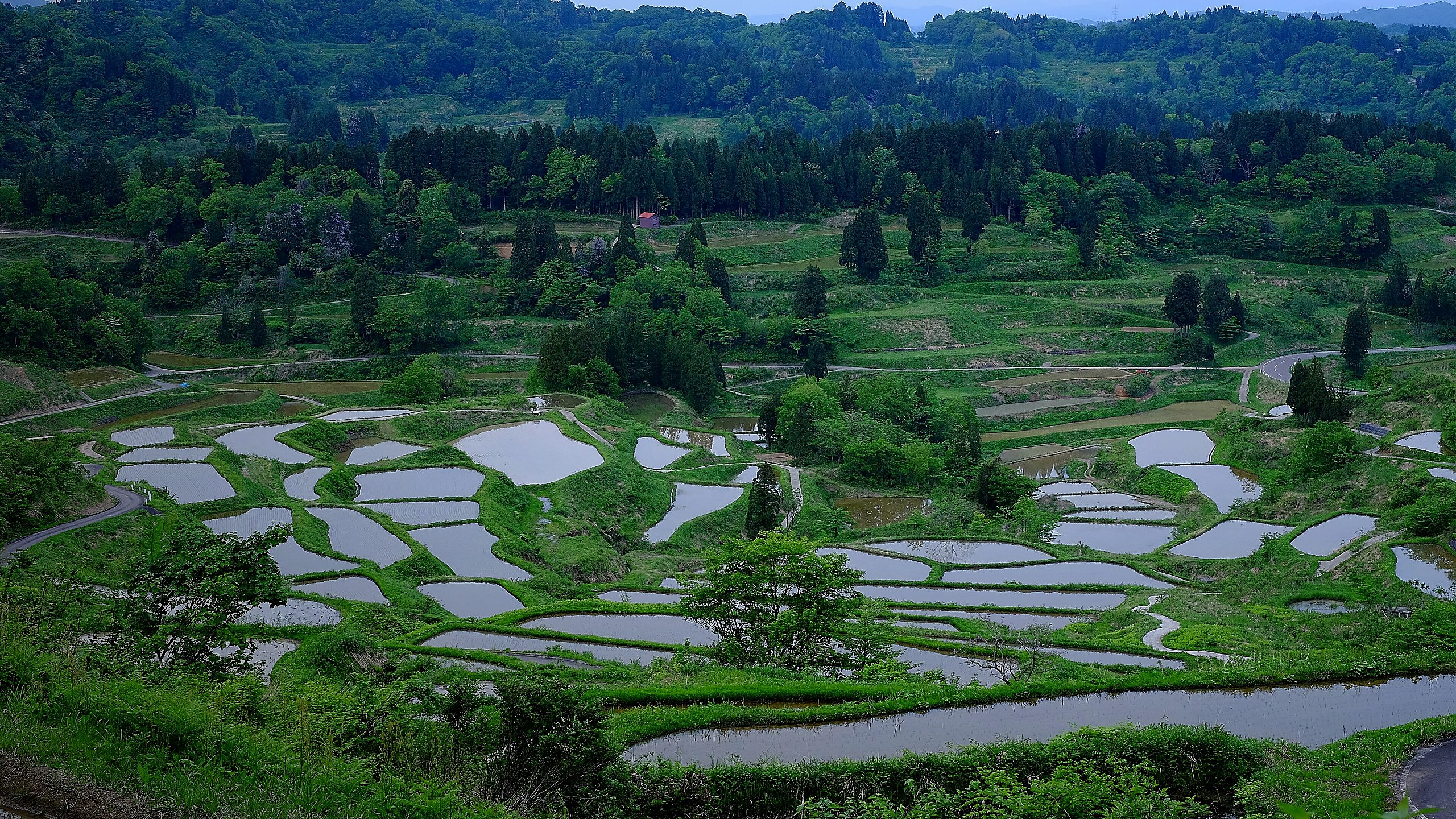
[The 2026BY Sake Rice Crisis & Tech Counter-Revolution] 1.6x Gohyakumangoku Surge, Heat-Tolerant Rice "Niji no Kirameki" & "Shunyo", and Flat Polishing Science
As Gohyakumangoku surges 1.5–1.66x to ¥24,200–27,300 per 60kg bale and Yamada Nishiki hits ~¥33,200, Japan’s breweries face an unprecedented rice crisis. Yet pioneers are flipping the script with heat-tolerant "Niji no Kirameki" (2nd place at SAKE COMPETITION 2026), thiol-rich "Shunyo", and Satake’s flat-polishing geometry.
The Enzyme Engine of Sake: Inside Koji Mold (Aspergillus oryzae) & Multiple Parallel Fermentation
Why sake needs no malting or crushed fruit: inside the enzymatic arsenal of Aspergillus oryzae—amylases for sweetness, proteases for umami—and how Koji style shapes Daiginjo vs. aged Junmai.
Kimoto, Yamahai & Sokujo Microbiology — Natural Lactic Acid Succession & Food-Friendly Structure
Why centuries-old Kimoto and Yamahai starters lead 2026 sommelier programs worldwide—from nitrate-reducing bacteria and wild lactic succession to creamy texture and warm-sake resilience.
[Craft Sake Frontier 2026] Ine to Agave, haccoba, Pukupuku Brewing & LIBROM — Breaking Japan’s 70-Year Licensing Freeze Toward December’s Inaugural WORLD CRAFT SAKE AWARD
Locked out by Japan’s 70-year freeze on new domestic seishu licenses, a fearless generation of young brewers forged an entirely new genre—"Craft Sake"—marrying rice and koji with hops, fruit, and botanicals. Ahead of the inaugural WORLD CRAFT SAKE AWARD on December 6, 2026 in Takanawa Gateway, meet the five breweries leading the movement.
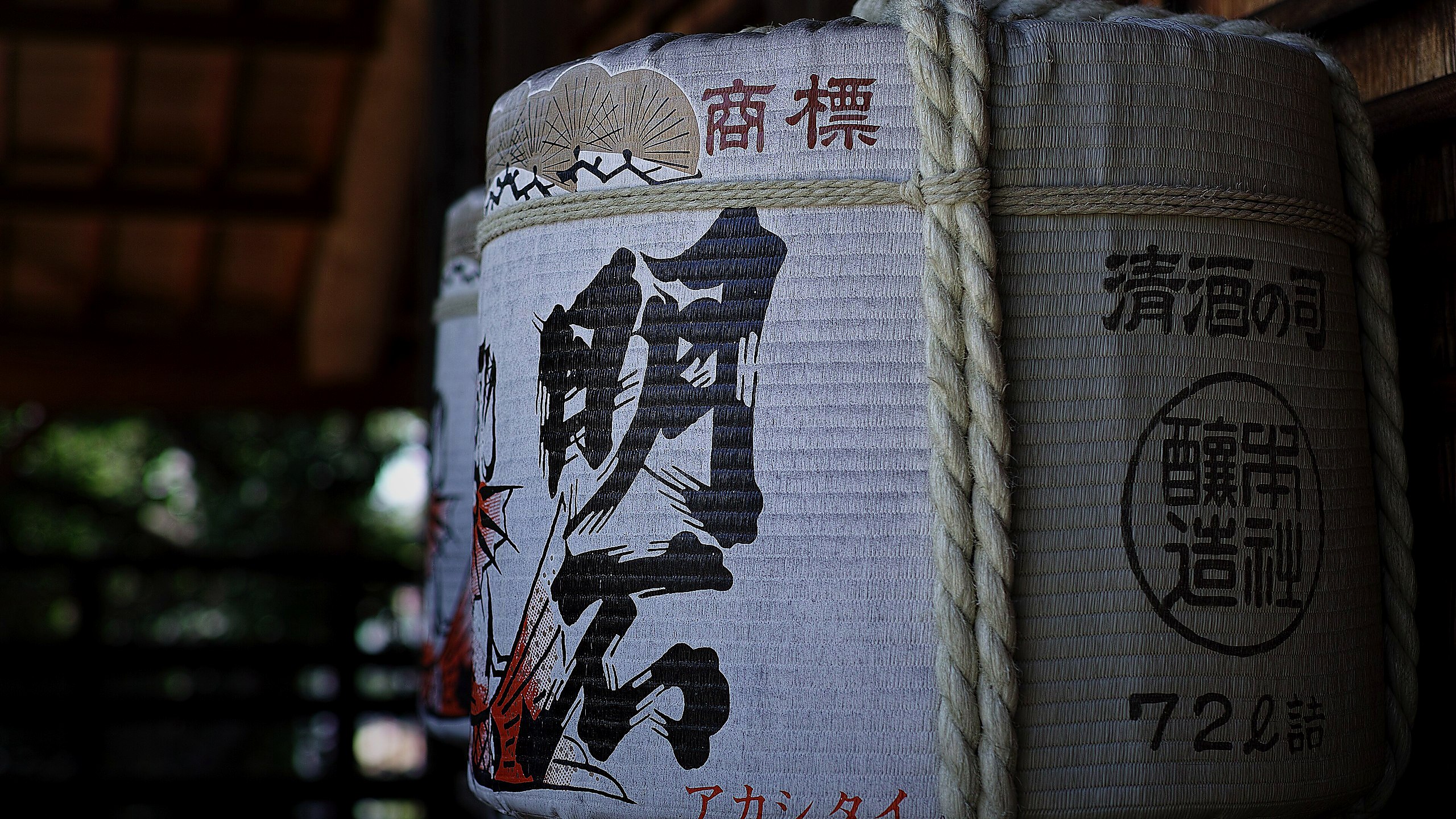
[The New Era of Global Local Sake Brewing 2026] Brooklyn Kura × Hakkaisan’s Historic Reverse Import to Japan, Dassai Blue at Year 3 & Space Brewing, Arkansas Yamada Nishiki, and the £1,000 UK Dojima Model
Just as fine winemaking expanded from France to Napa and Marlborough, sake has entered a global terroir era. From Brooklyn Kura’s historic reverse import to Japan with Hakkaisan, to Dassai Blue’s 3rd anniversary and ISS lunar-gravity fermentation, Arkansas’s Origami Sake, the UK’s £1,000 Dojima, and WAKAZE’s tap revolution.
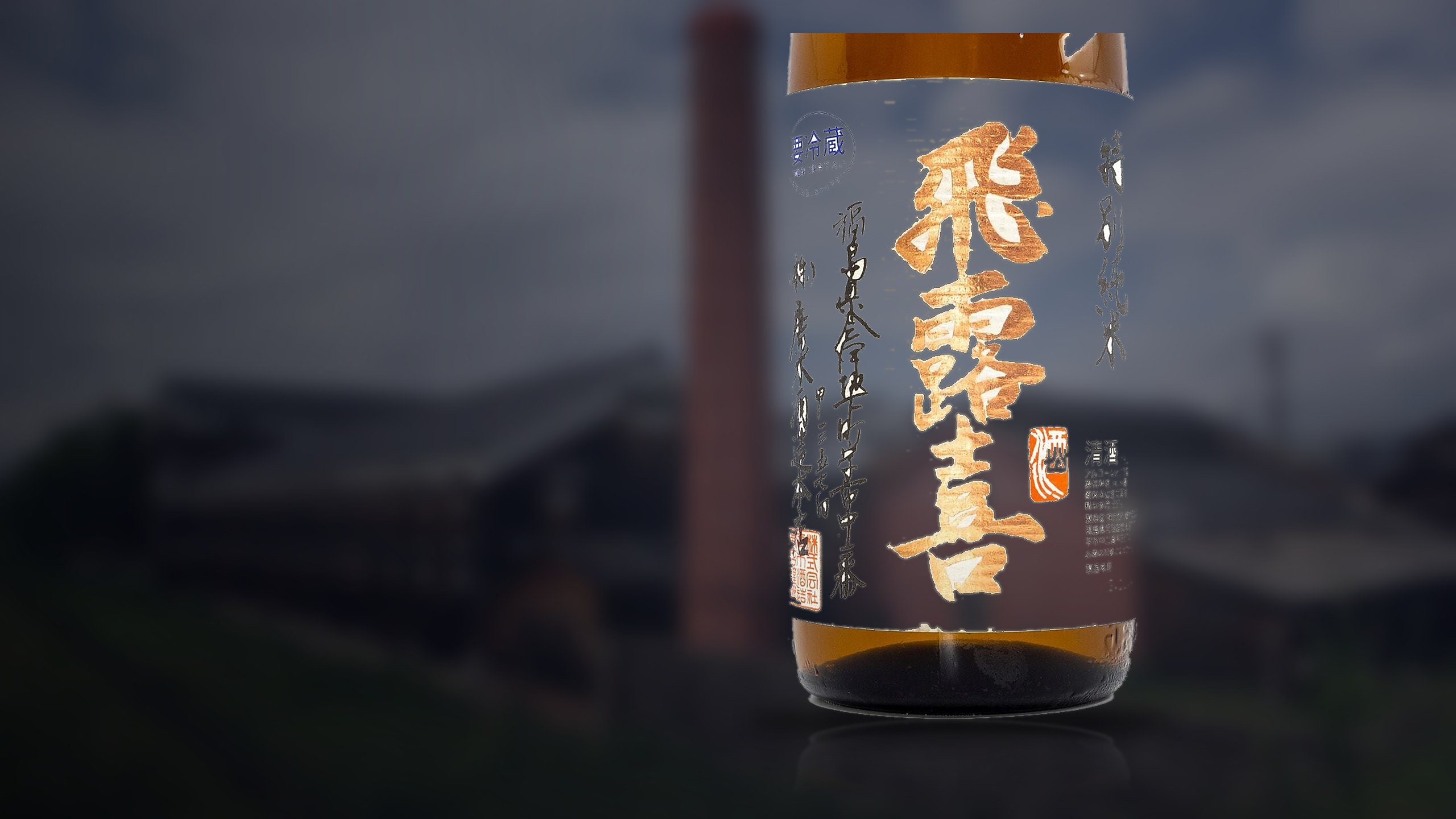
Hiroki — Rebirth and Awakening
Hiroki Shuzo in Fukushima. From near-closure to one of Japan's most sought-after brands.
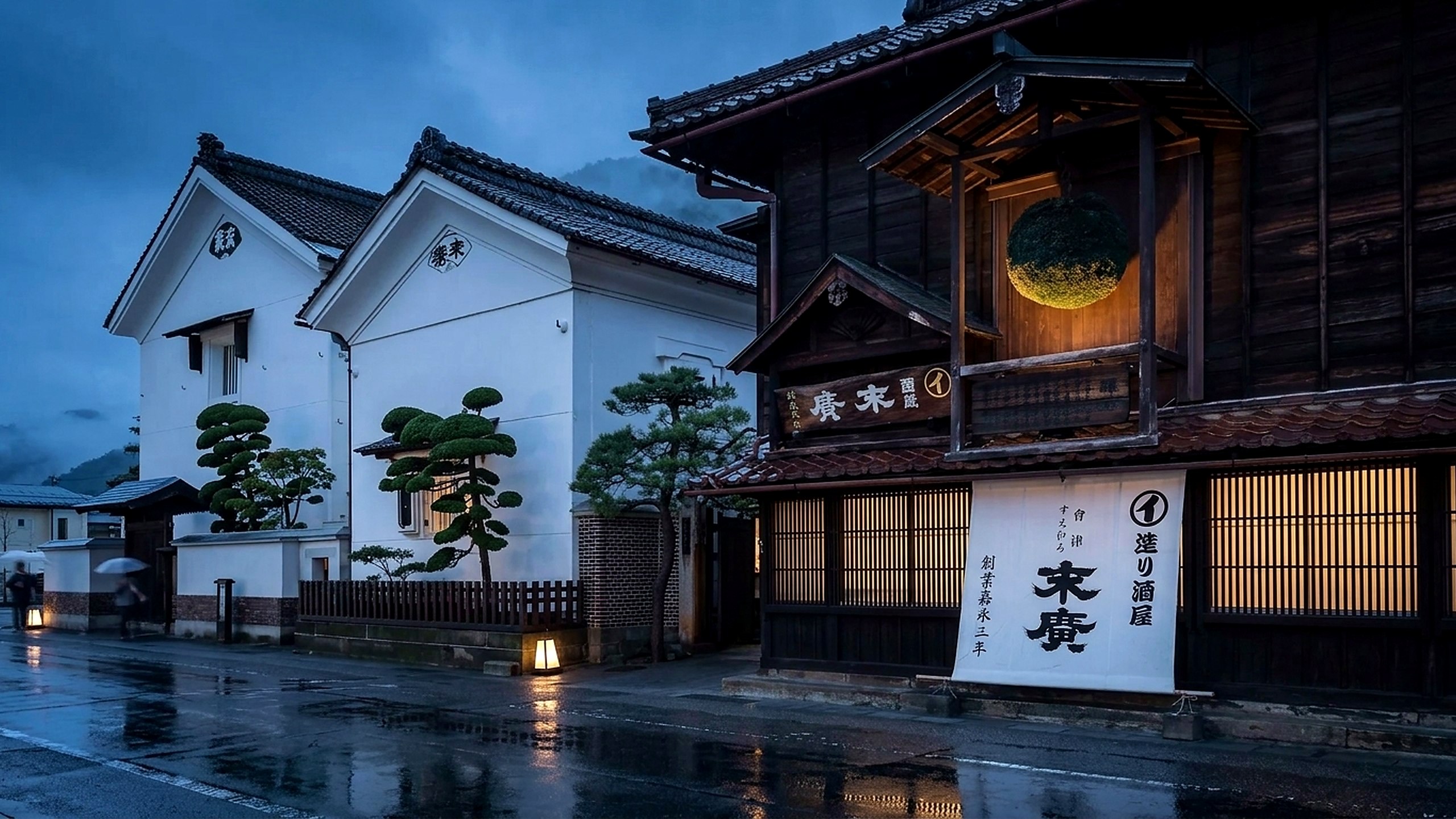
5°C to 55°C: The Thermal Physics of Sake — Why Temperature Unlocks Hidden Umami Curves
No other fine beverage spans 5°C to 55°C with such precision. Learn how warming alters aroma volatility, perceived sweetness, acidity balance, and fat solubility across all 10 traditional temperature grades.
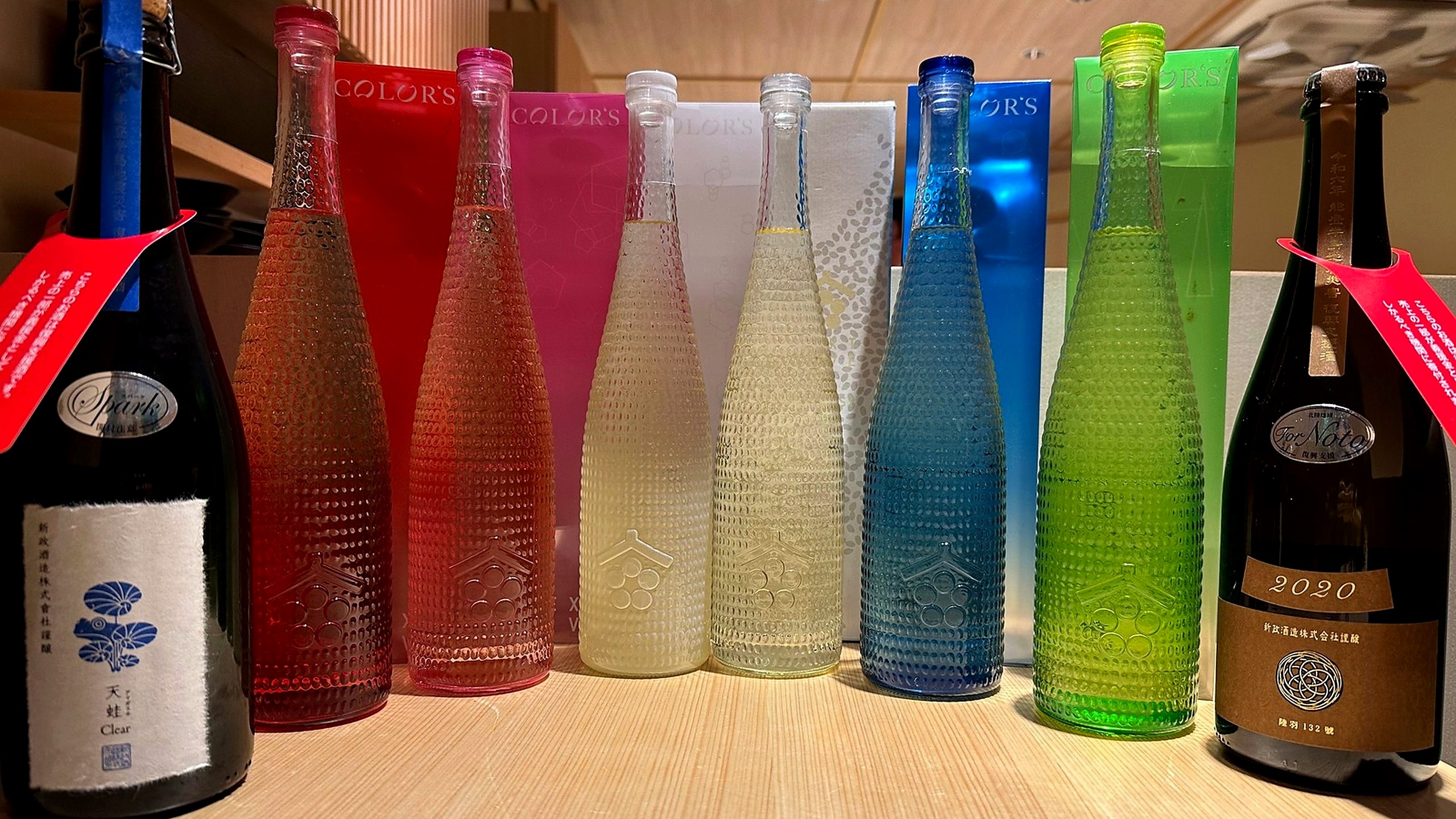
Sake Glassware Geometry — Why Crystal Stemware, Thin Porcelain, Tin & Cut Glass Transform Flavor
Pour the same bottle into a crystal Burgundy bowl, a narrow Daiginjo flute, hammered tin, or thin porcelain—and watch aroma and sweetness transform. Here is the physics behind vessel geometry.
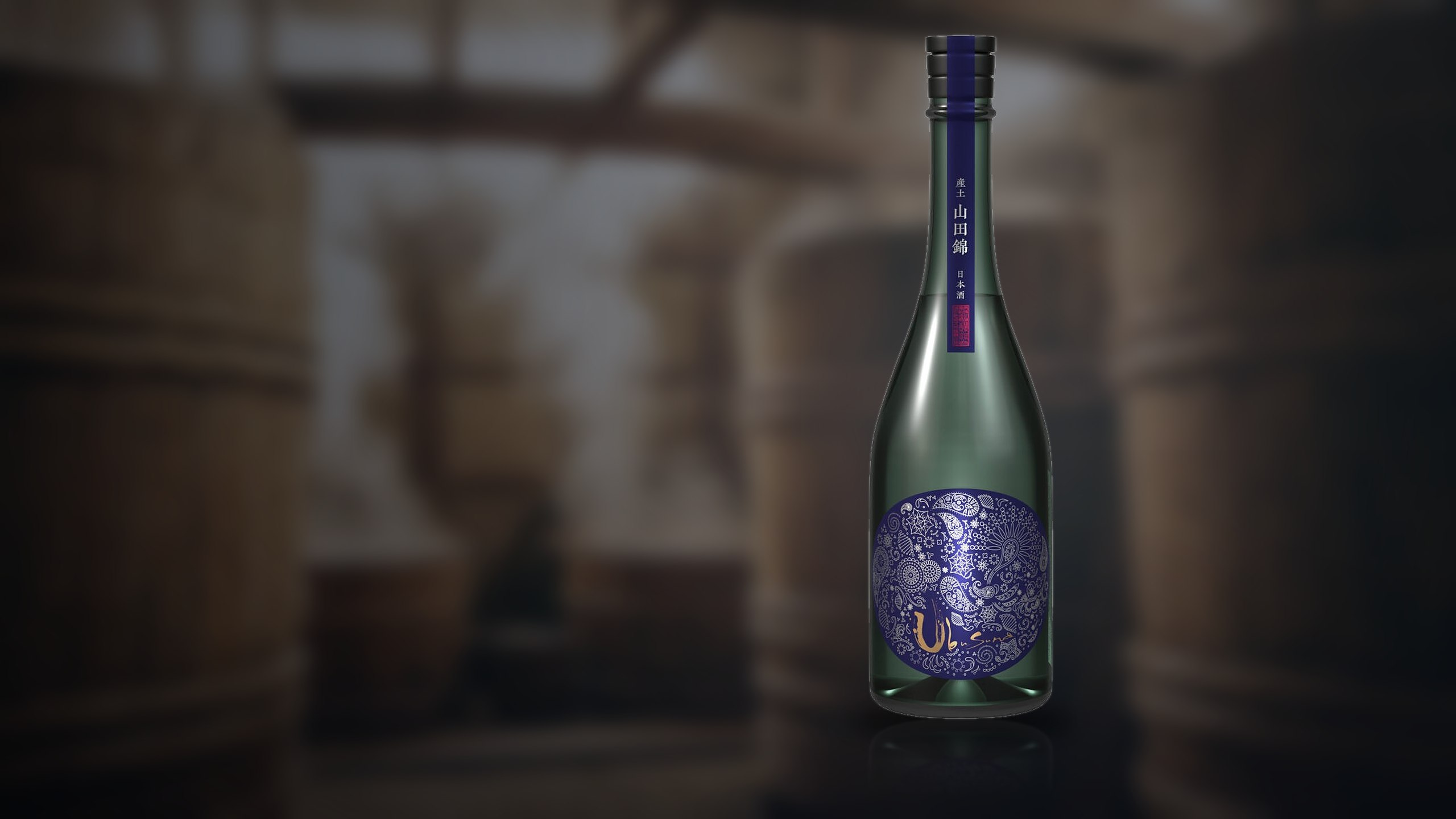
[The Quiet Revolution of 11–13% ABV Undiluted Genshu] How Kyoto’s Nichinichi, Kumamoto’s Ubusuna & Nara’s Mimurosugi Conquered Global Tasting Menus Without Adding a Drop of Water
For decades, "genshu" meant 17–19% ABV power, while low-alcohol sake meant watered-down dilution or cloying sweetness. In 2026, three-star sommeliers worldwide are obsessed with undiluted 11–13% ABV genshu engineered via fermentation physics, layered organic acids, and natural micro-effervescence.
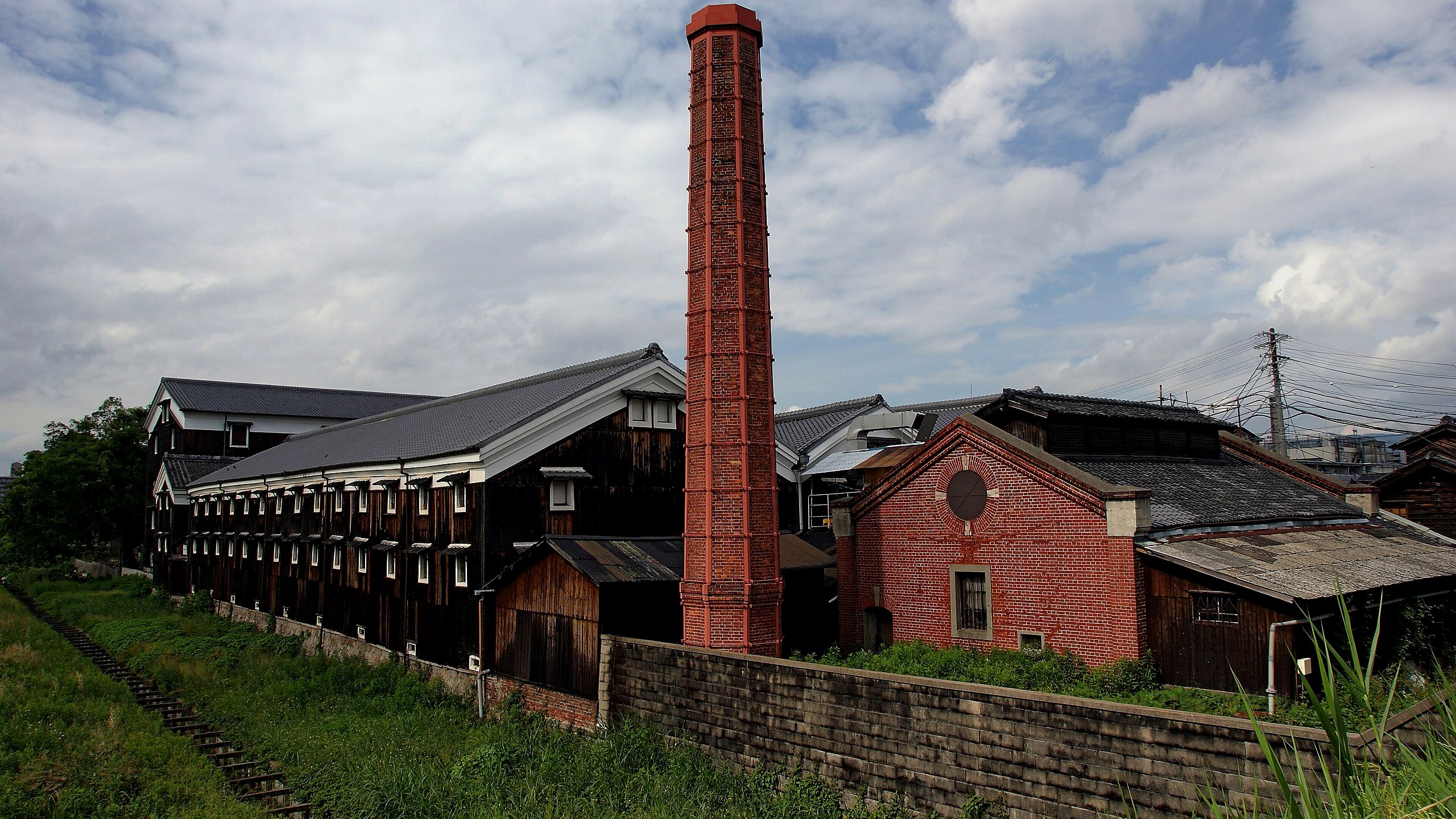
Muroka Nama Genshu Evolution — Sub-Zero (-5°C) Logistics & Days 1 to 14 After Opening
Why specialist shops like Koyama Shoten guard Muroka Nama Genshu at -5°C—and how living enzymes and trace oxygen evolve a single unpasteurized bottle from Day 1 sparkle to Day 14 velvet.
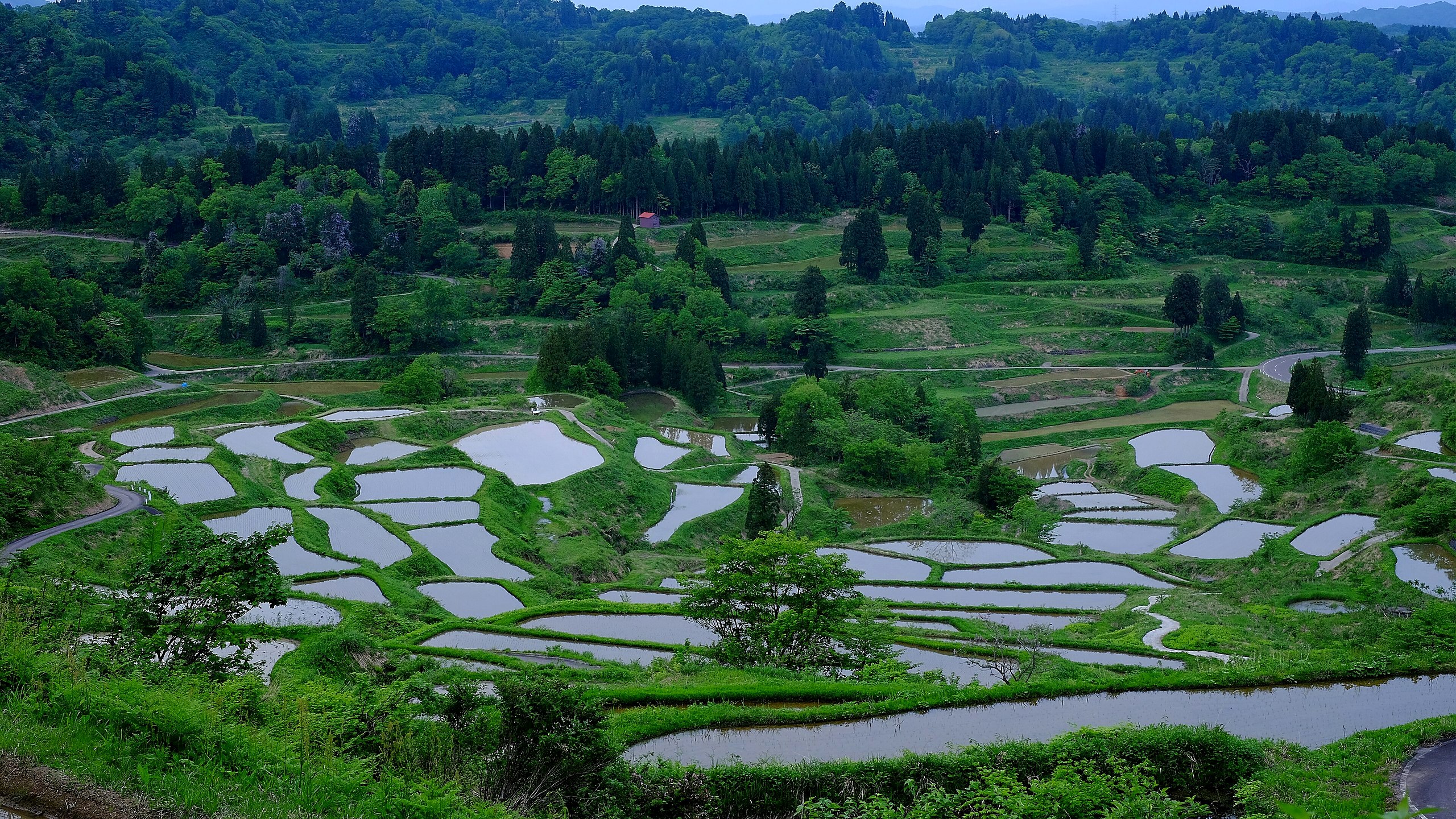
Heirloom Sake Rice Atlas — Yamada Nishiki, Omachi, Gohyakumangoku, Kamenoo & Sakemirai
What separates true sake rice (*Shuzo Kotekimai*) from table rice? Explore the starchy *Shinpaku* core and compare Japan’s seven great cultivars: Yamada Nishiki, Omachi, Gohyakumangoku, Kamenoo, Miyama Nishiki, Sakemirai, and Homase.
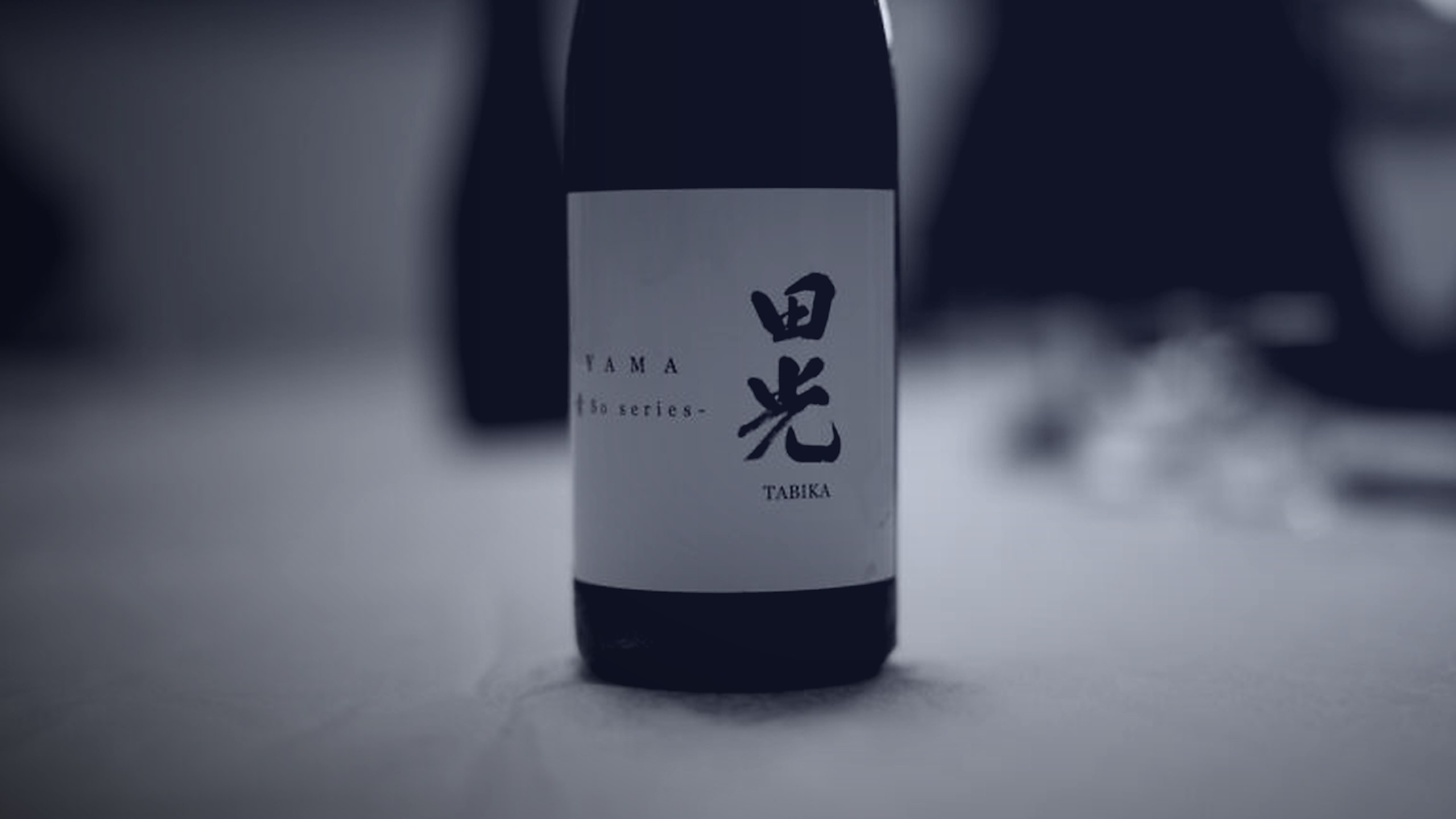
[The New Regional Sake Renaissance] Kyushu’s Hiran, Koeigiku, Nabeshima & Shichida × Neo-Niigata’s Nifudazake & Abe — Eight Breweries Rewriting Japan’s Sake Map
Northern Kyushu—once dismissed as strictly shochu territory—has blossomed into a global epicenter for lush, terroir-driven sake, while 20- and 30-something brewers in Niigata are subverting their prefecture’s famous "light and dry" orthodoxy with high-acid, fruit-charged "Neo-Niigata" bottlings.
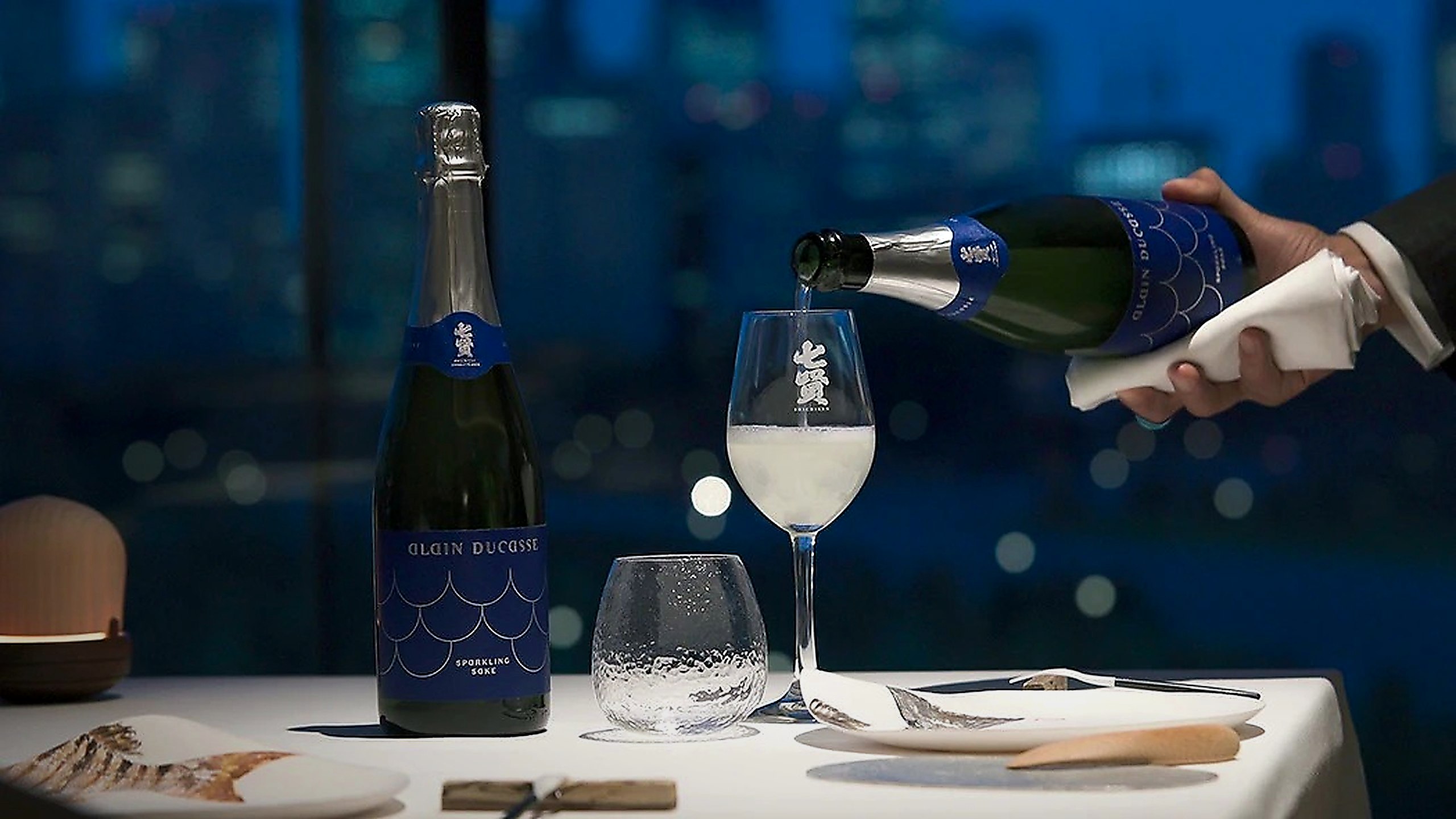
[Awa Sake Association 10th Anniversary & 34 Breweries] From Kura Master Supreme Winner "Shichiken Hoshi no Kagayaki" to World Sommelier Exam Adoption — The Definitive Bottle-Fermented Sparkling Sake Guide
Marking its 10th anniversary on October 20, 2026 with 34 member breweries and over 44 certified labels, the Japan Awa Sake Association has propelled secondary-fermented sparkling sake onto the ASI World’s Best Sommelier exam and swept top 2026 European trophies.
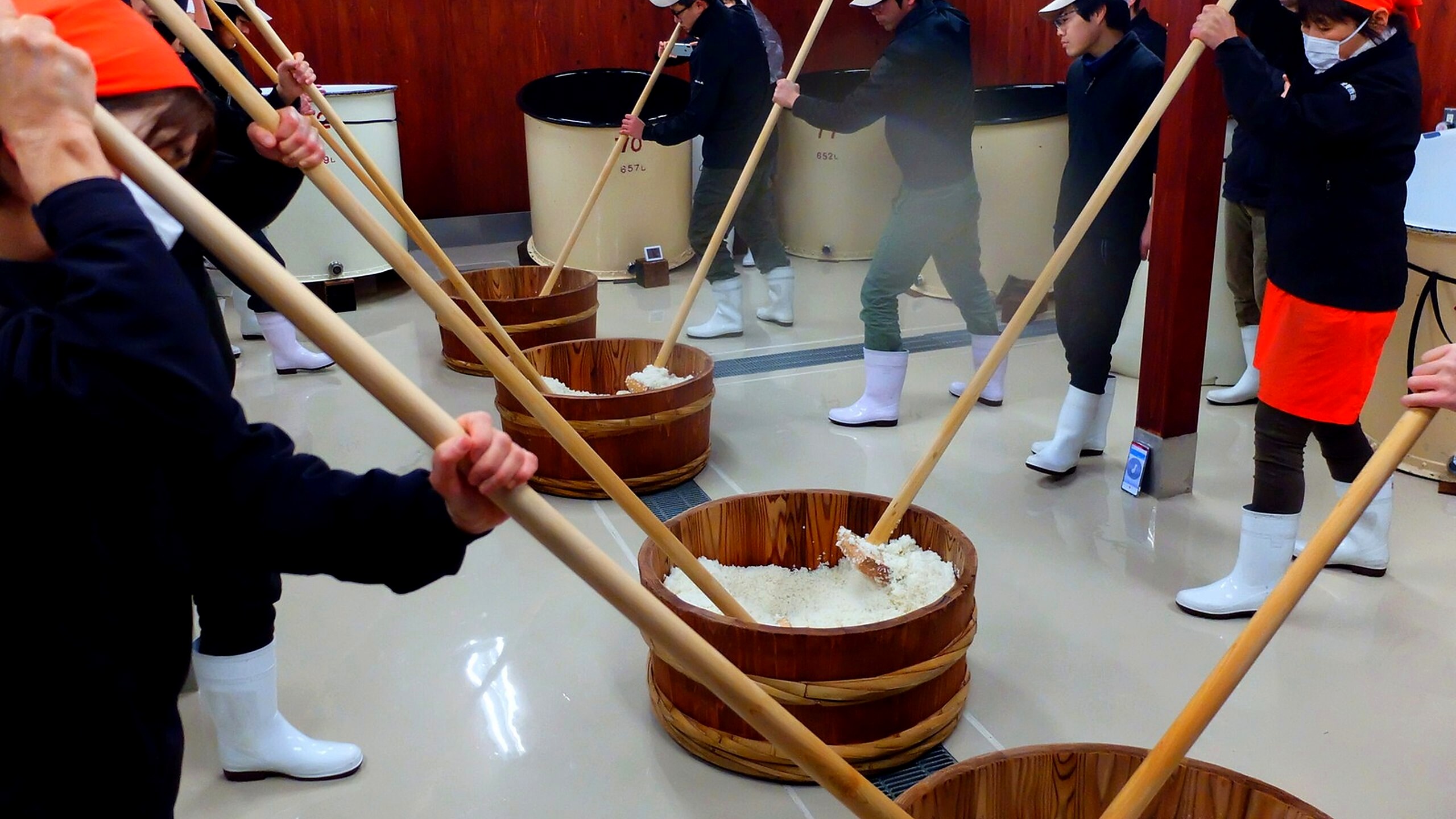
The Wooden Cedar Vat (Kioke) Revival — Micro-Oxygenation, Terroir Microflora & Forest Polyphenols
Why vanguard breweries—Aramasa, Ubusuna, Senkin, and Kaze no Mori—are reviving giant Yoshino cedar fermentation vats (*Kioke*) to cultivate site-specific microflora and velvety micro-oxygenation.
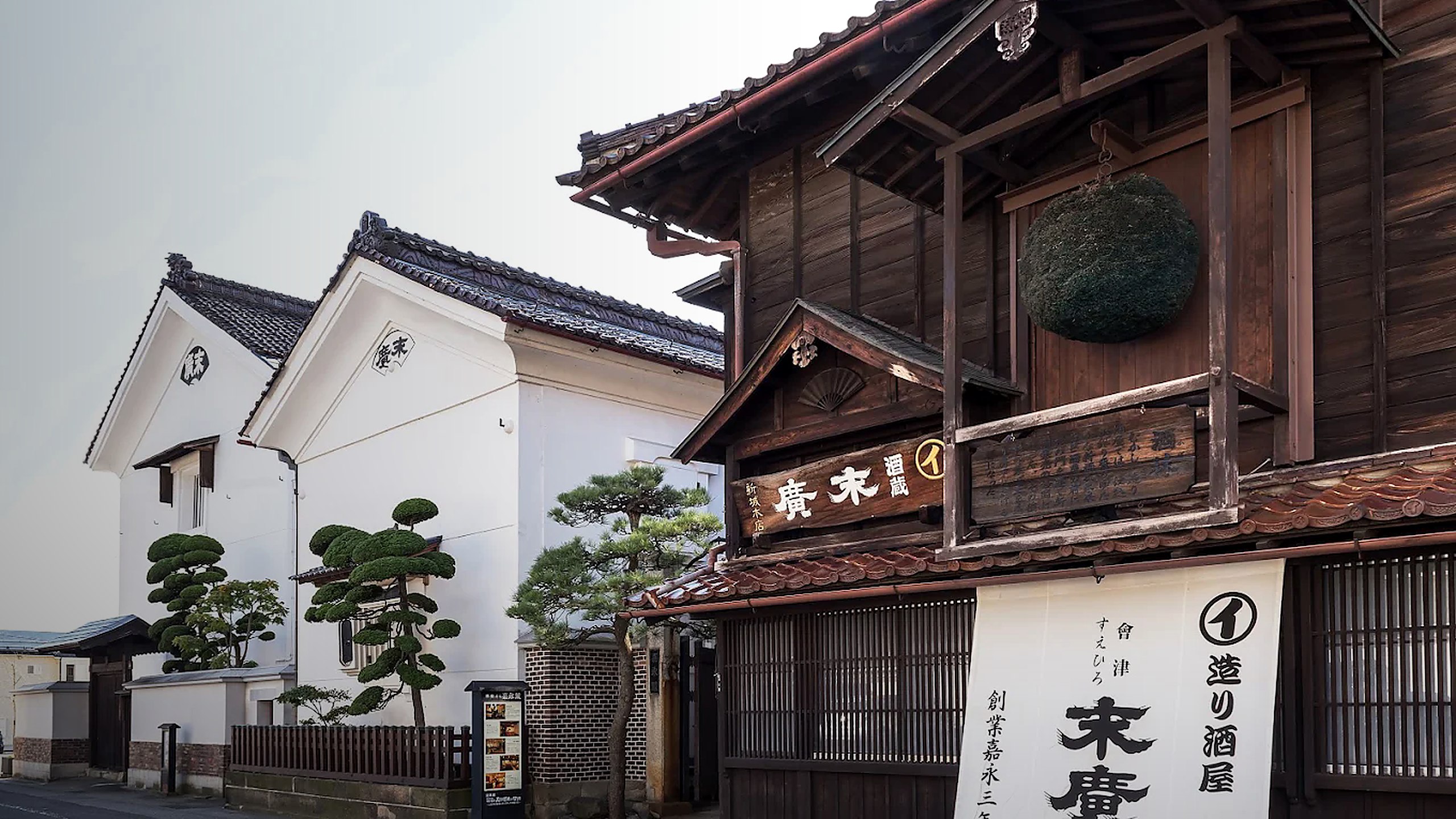
[Inside Tohoku’s Twin Sake Sanctuaries 2026] #1 Gold-Medal Fukushima (Sharaku, Gakki Masamune, Hirotogawa) × Post-NEXT5 Akita (Hanamura, Ippakusuisei, Yamamoto)
With 20 Gold Medals in the May 2026 National New Sake Appraisal (its 12th solo #1 finish) plus a 6th straight Tohoku Sake Appraisal title in November 2026, Fukushima shares Tohoku’s throne with Akita’s deep "Post-NEXT5" bench. Here is the definitive insider guide to eight under-¥2,500 Tohoku masterpieces.
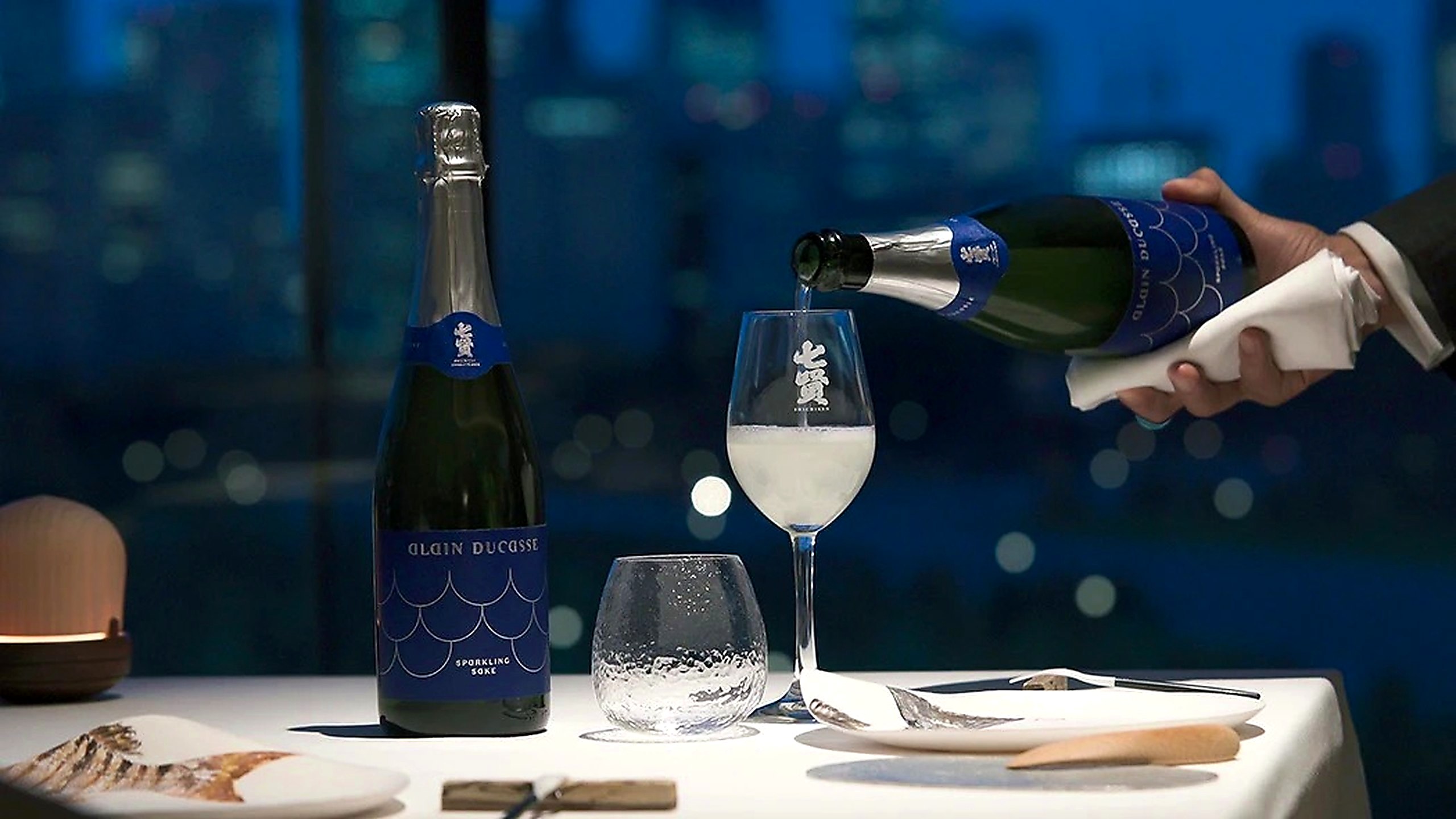
Sparkling Sake & Awasake Physics — Bottle-Conditioned Bubbles vs. Champagne & Prosecco
Comparing Japan’s strict bottle-refermented Awasake standard (>3.5 bar, crystal clear) with lightly cloudy sparkling sake—and why chefs from Alain Ducasse to Tokyo sushi masters pour bubbles brewed from rice.
Aged Vintage Sake (Koshu) — Maillard Chemistry & Pairing with Dark Chocolate, Truffle & Game
Sake isn’t only for drinking young. Discover how Maillard browning between amino acids and residual sugars creates nutty, caramel *sotolon* aromatics—making aged Koshu rival vintage Madeira and PX Sherry.
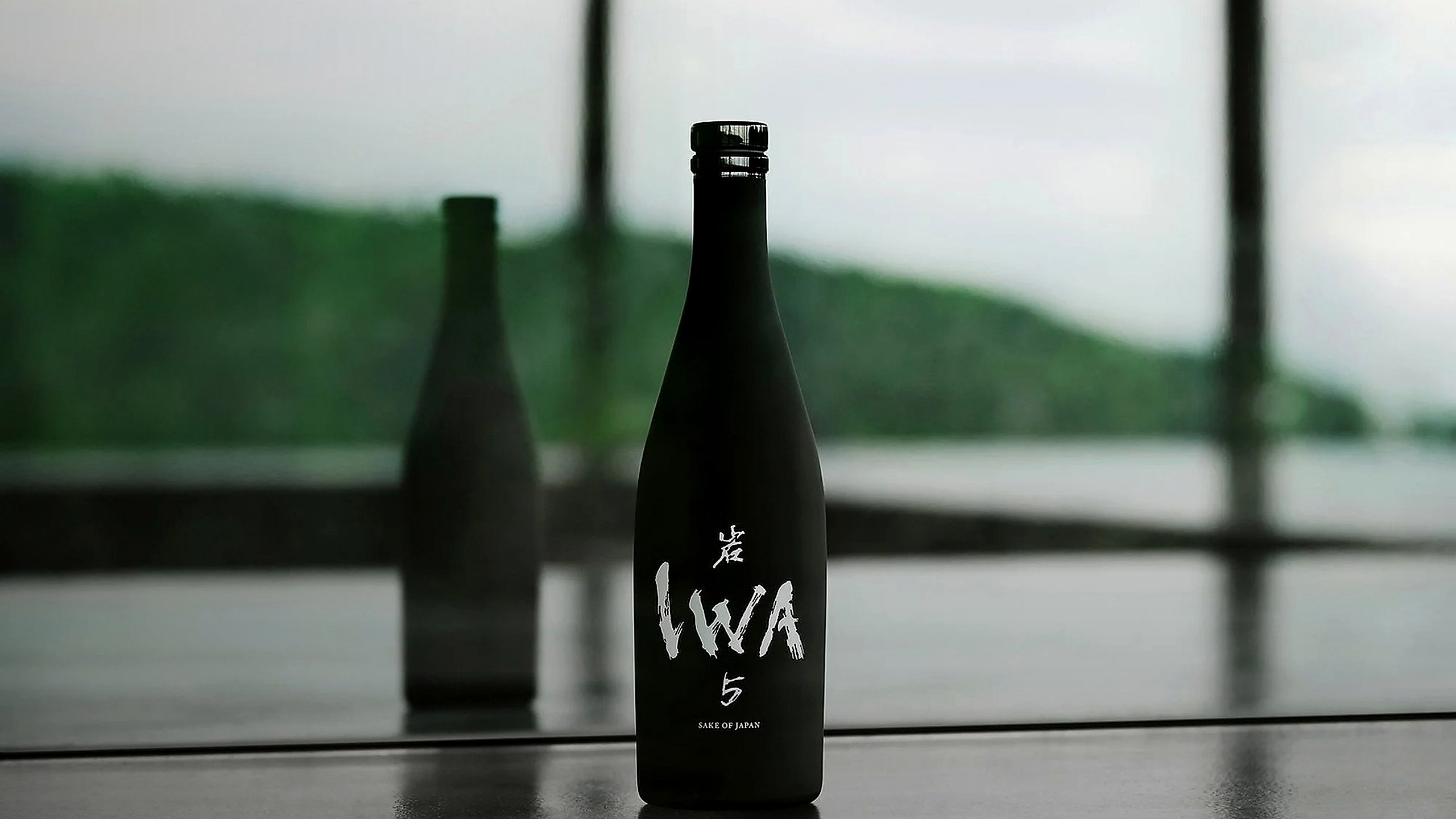
[Post-UNESCO Sake Terroir & Travel] Complete Guide to All 23 NTA Geographical Indications (GI) & Japan’s 5 Ultimate Sake Brewery Auberges (Oyado Fukuchiyo, ESHIKOTO, BYAKU Narai, IWA 5)
Following UNESCO Intangible Cultural Heritage inscription in December 2024 and the historic simultaneous designation of GI Kyoto, GI Tottori, and GI Fukuoka on October 1, 2025, Japan now protects 23 regional sake GIs. Explore the complete GI map and Japan’s 5 greatest sake brewery auberges.
Restaurant Sake Program ROI — Glass Pour Economics, Preservation & Margin Architecture
How global restaurants achieve lower spoilage and higher margins with sake by the glass: 90 mL pour economics, two-week post-opening stability, and 3-bottle tasting flights that lift check averages.
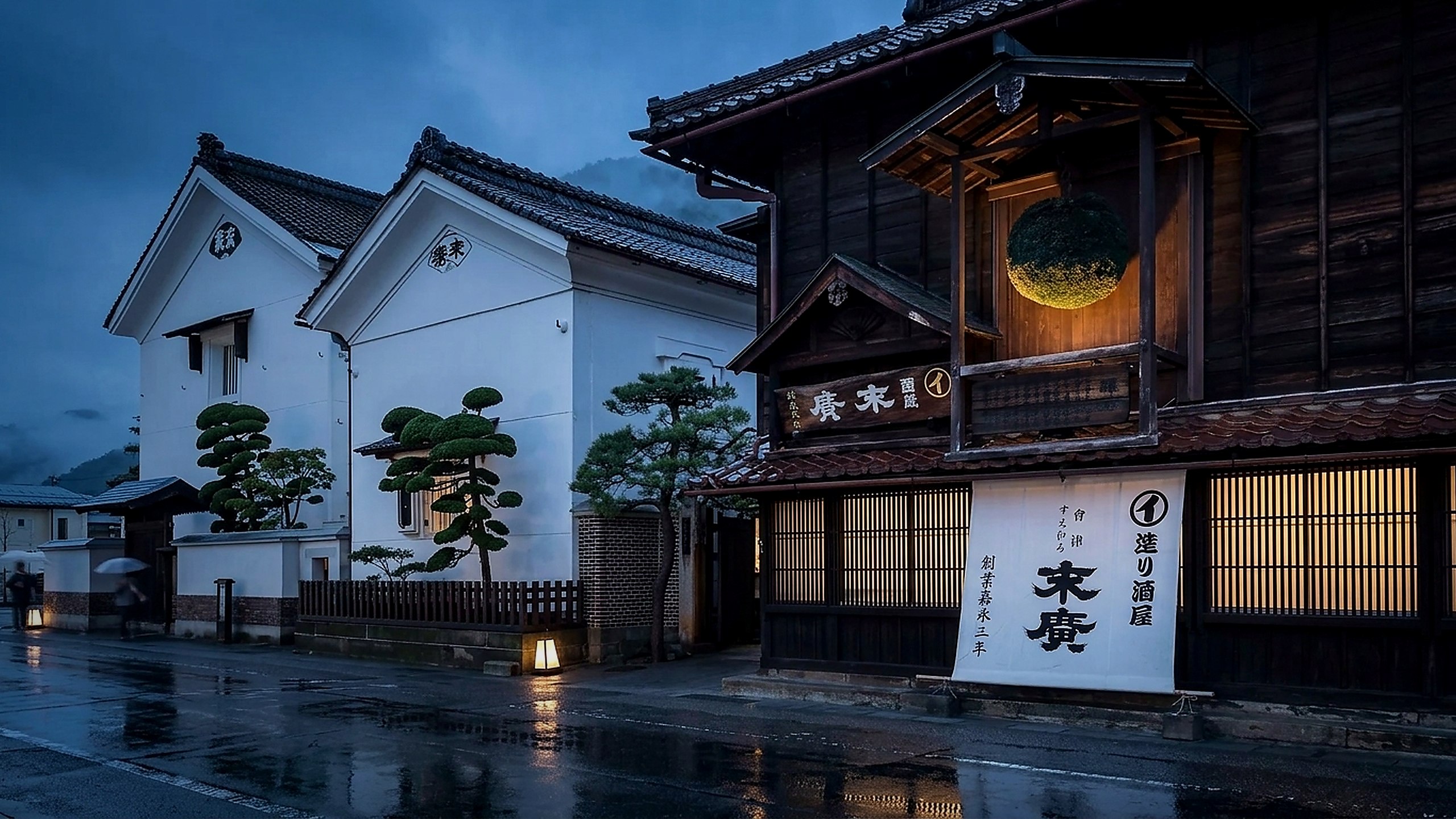
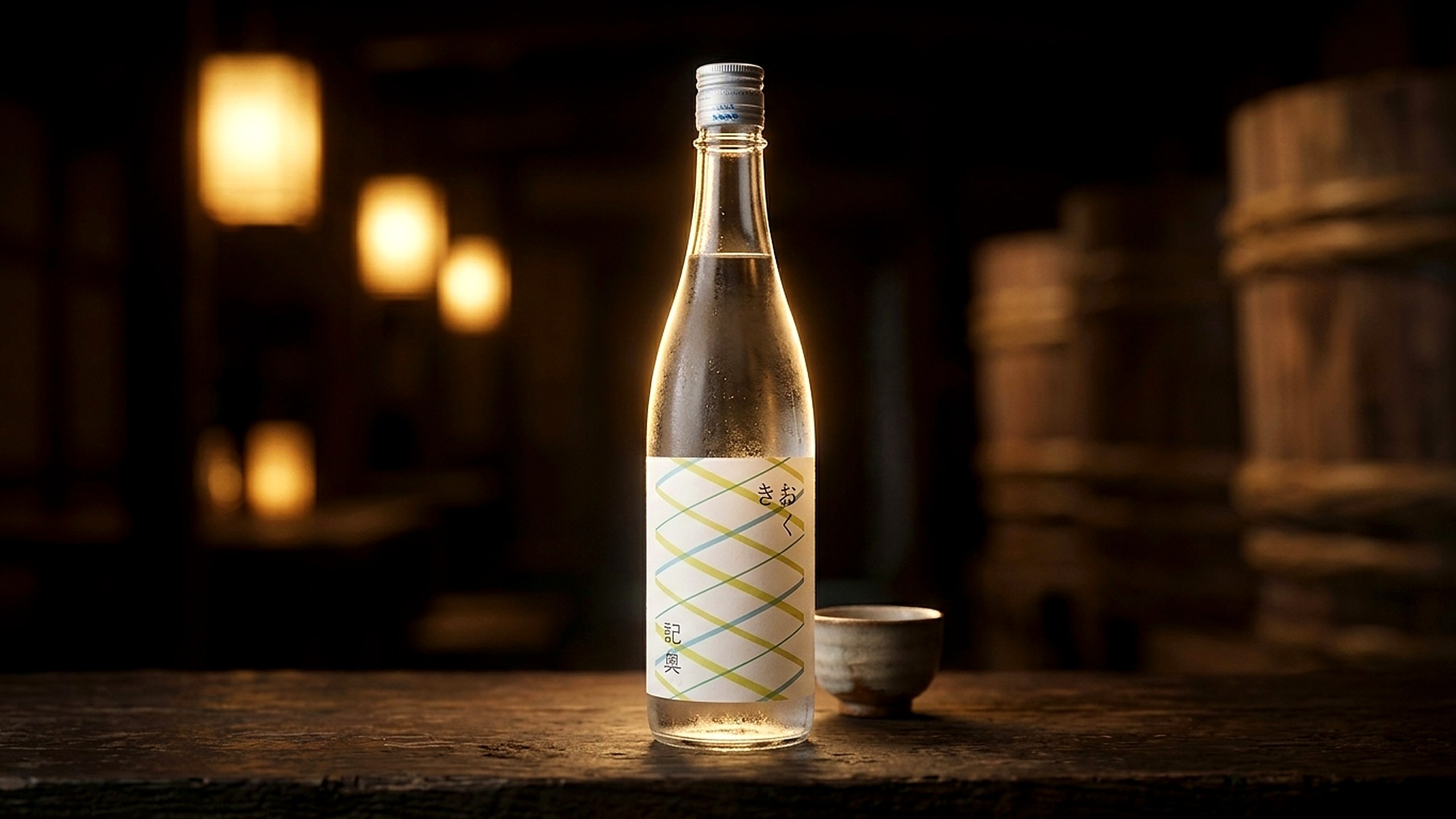
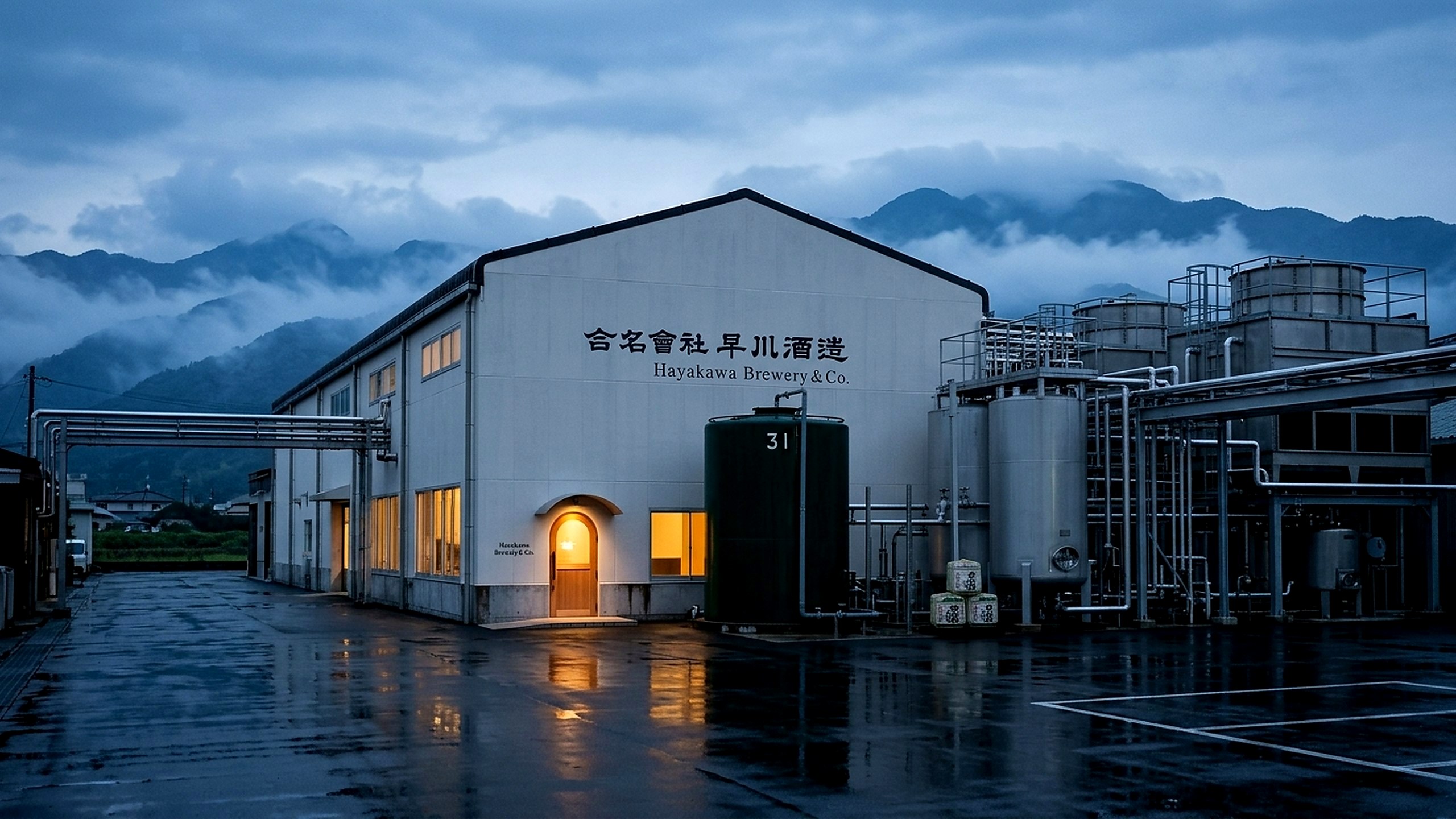
Asoto × Syuen (酒縁) × Koyama — The Three Master Breweries That Captivated Seoul Tasting Vol.2: Gensai, Tabika & Ki-oku
Building on the triumph of the inaugural April 2026 event, the 2nd Seoul Tasting & Special Gathering held on November 4, 2026 at renowned Seoul dining destination Asoto (朝人) captivated Korea’s top sommeliers and enthusiasts. An in-depth look at Suehiro Shuzo, Hayakawa Shuzo, and Yamazaki Goshi Kaisha.
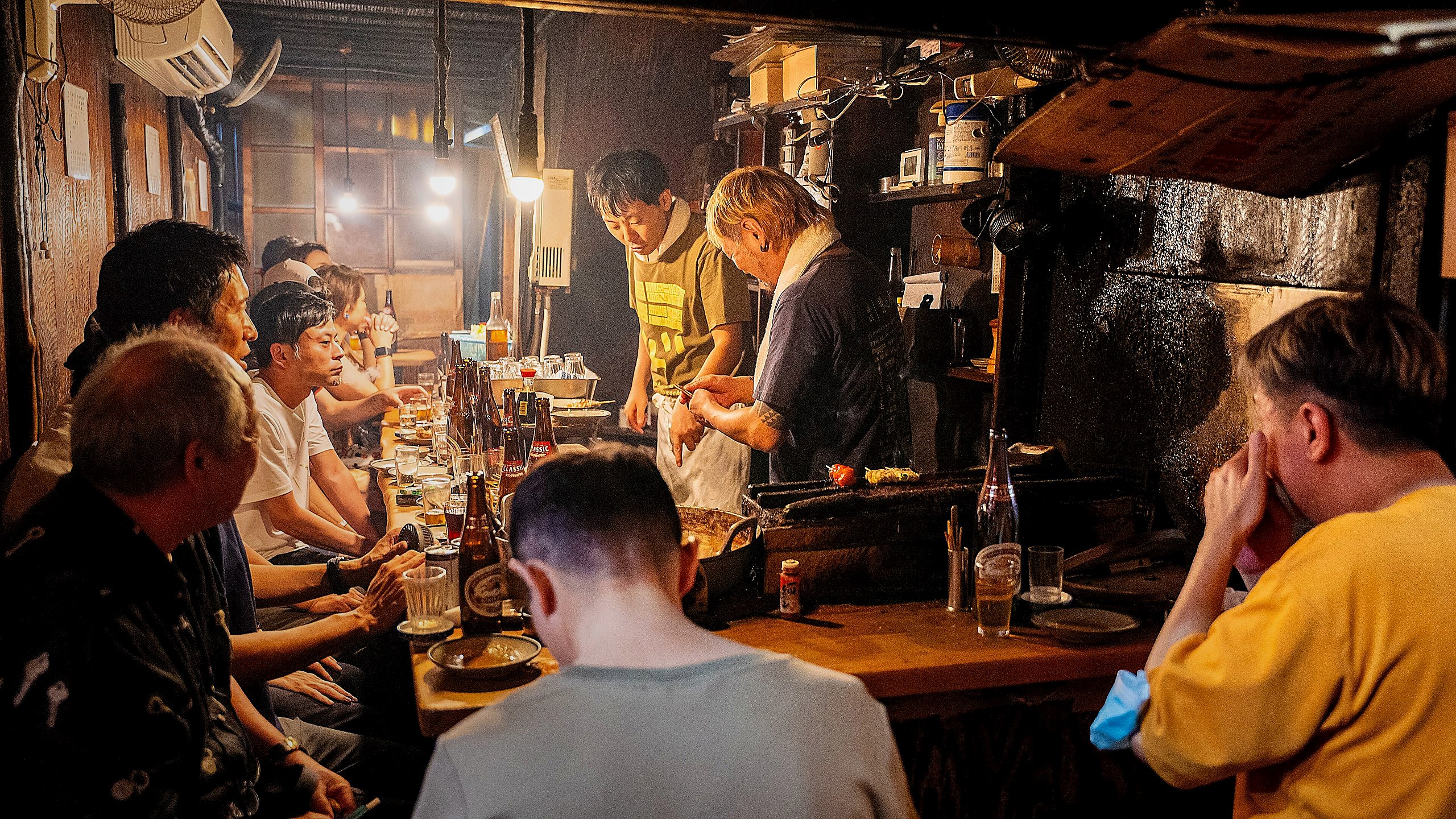
[Modern Chinese & Artisan Cheese × Sake Pairing Science] How Kimoto, Kijoshu, and Elegant Aged Koshu Elevate Hairy Crab, Sichuan Peppercorn, Peking Duck, and 24-Month Comté
Why do Bordeaux reds and crisp dry whites struggle against Shanghai hairy crab roe, numbing Sichuan mala spice, Peking duck hoisin glaze, and 24-month Comté—while Kijoshu, warm Kimoto, and aged Koshu unlock breathtaking synergy? Here is the molecular playbook.
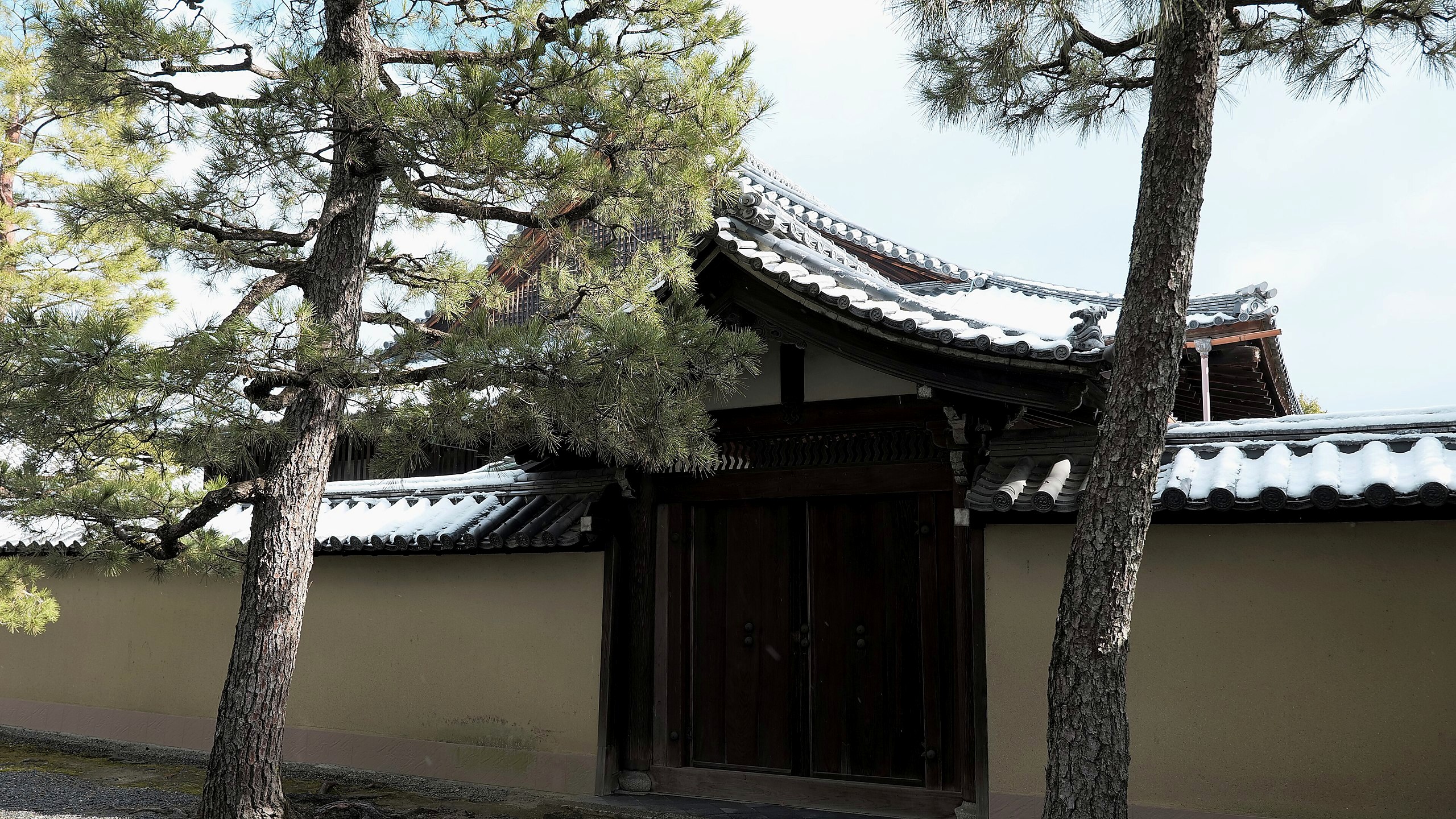
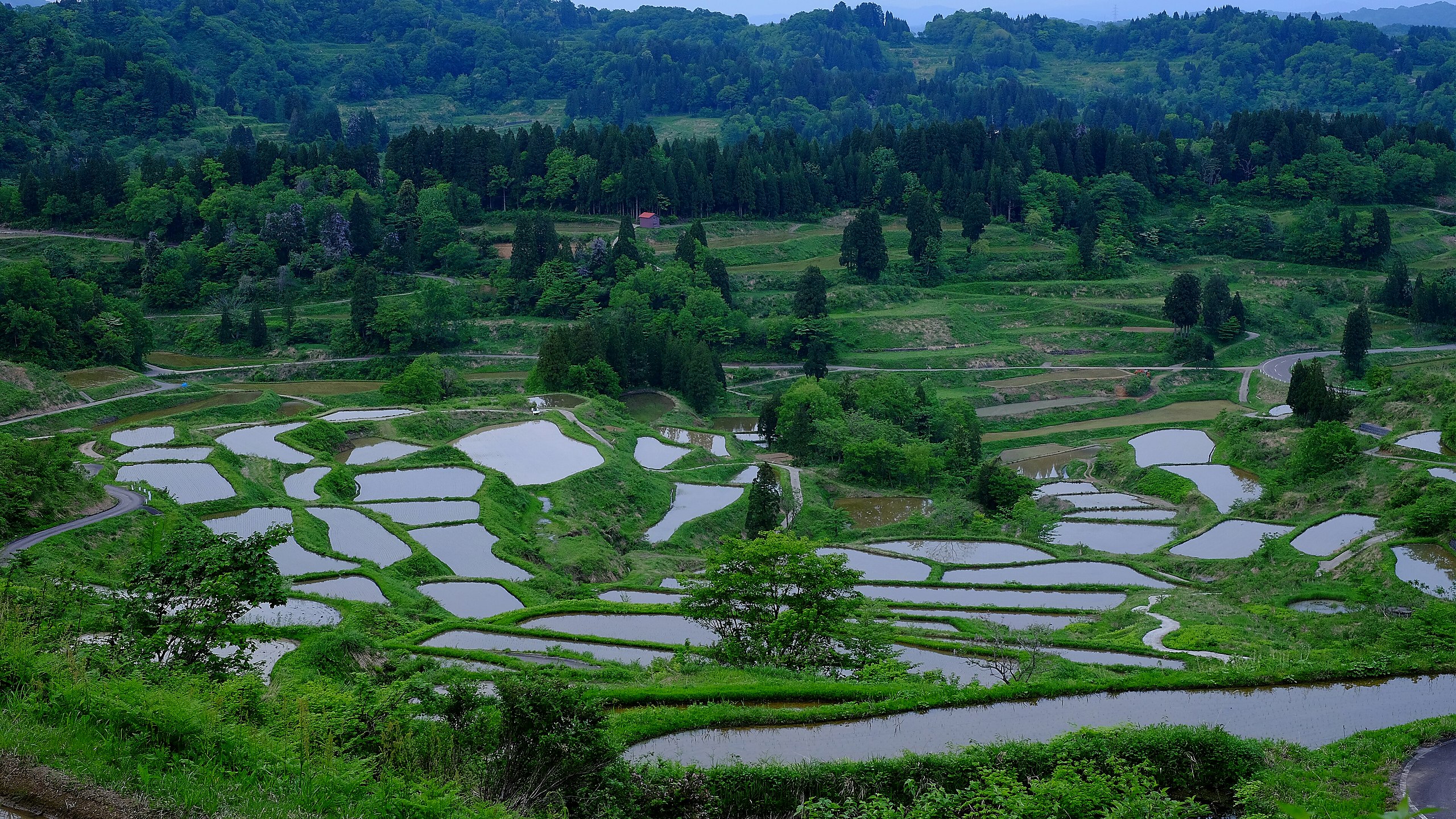
Fukushima & Aizu Snow Terroir — Mount Bandai Meltwater Behind Gensai, Hiroki, Sharaku & Daishichi
Why Fukushima’s Aizu Basin ranks among Japan’s highest-decorated brewing terroirs—uniting Mount Bandai snowmelt with winter precision across Suehiro Gensai, Hiroki, Miyazumi Sharaku, and Daishichi.
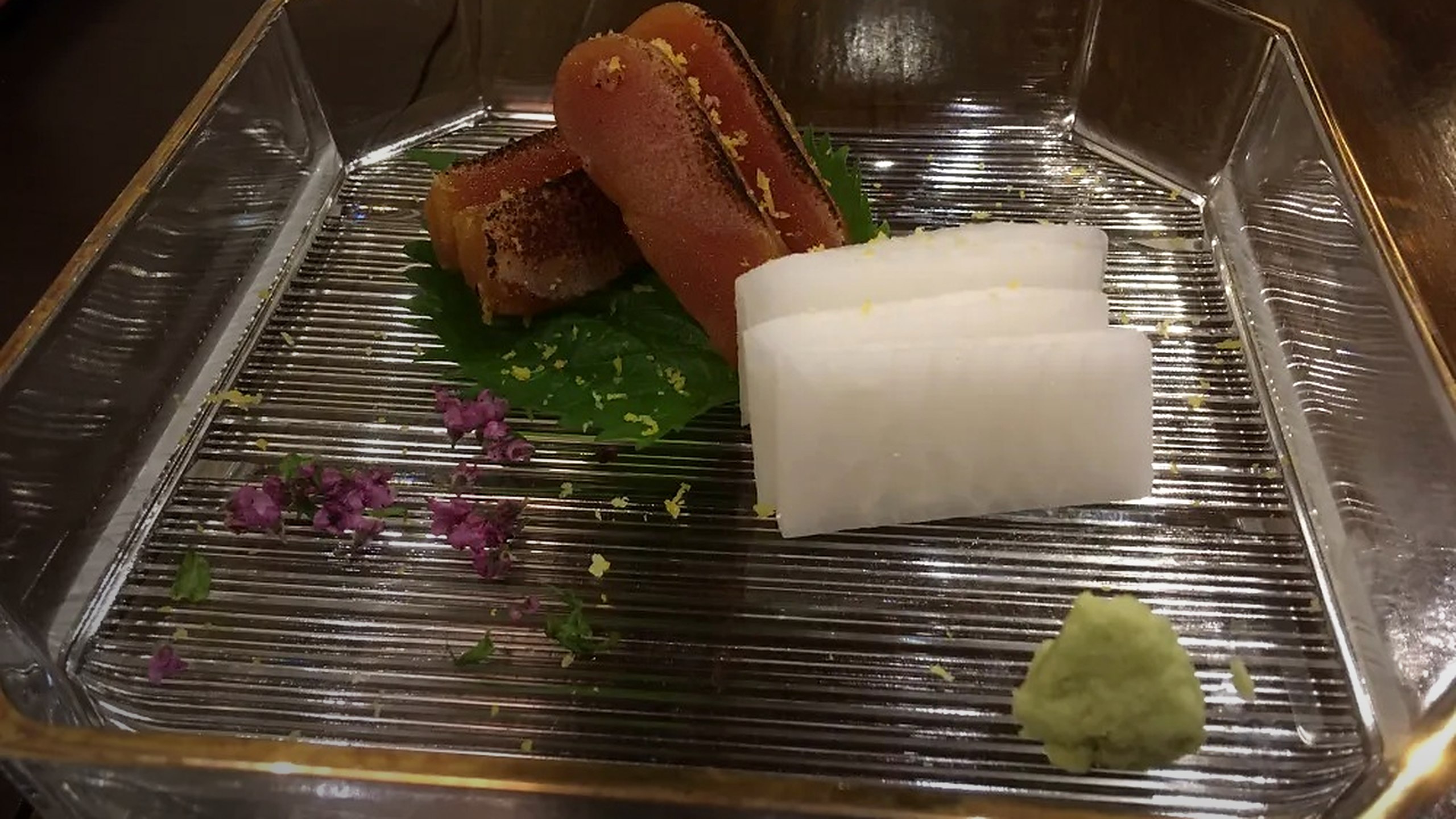
[Italian & New Nordic Gastronomy × Sake Pairing Frontier] Why White Truffle, 24-Month Parmigiano, Bottarga, and Fermented Seafood Crave Sake’s "Glutamic × Succinic Acid" Matrix Over Wine
From Copenhagen’s three-star temples to Milan, Tokyo, and Seoul, innovative Italian and New Nordic kitchens are turning to sake. Discover the biochemical magic of glutamic × succinic acid synergy, zero-iron seafood purity, 10°C–40°C thermal staging, and 6 essential sommelier bottles.
Mie & Ise-Shima Terroir — Suzuka Mountain Springs Behind Tabika, Jikon & Zaku
Home to Ise Grand Shrine and Japan’s finest spiny lobster and abalone—discover why Mie’s ultra-pure Suzuka and Nabari aquifers fuel global icons Tabika, Jikon, and Zaku.
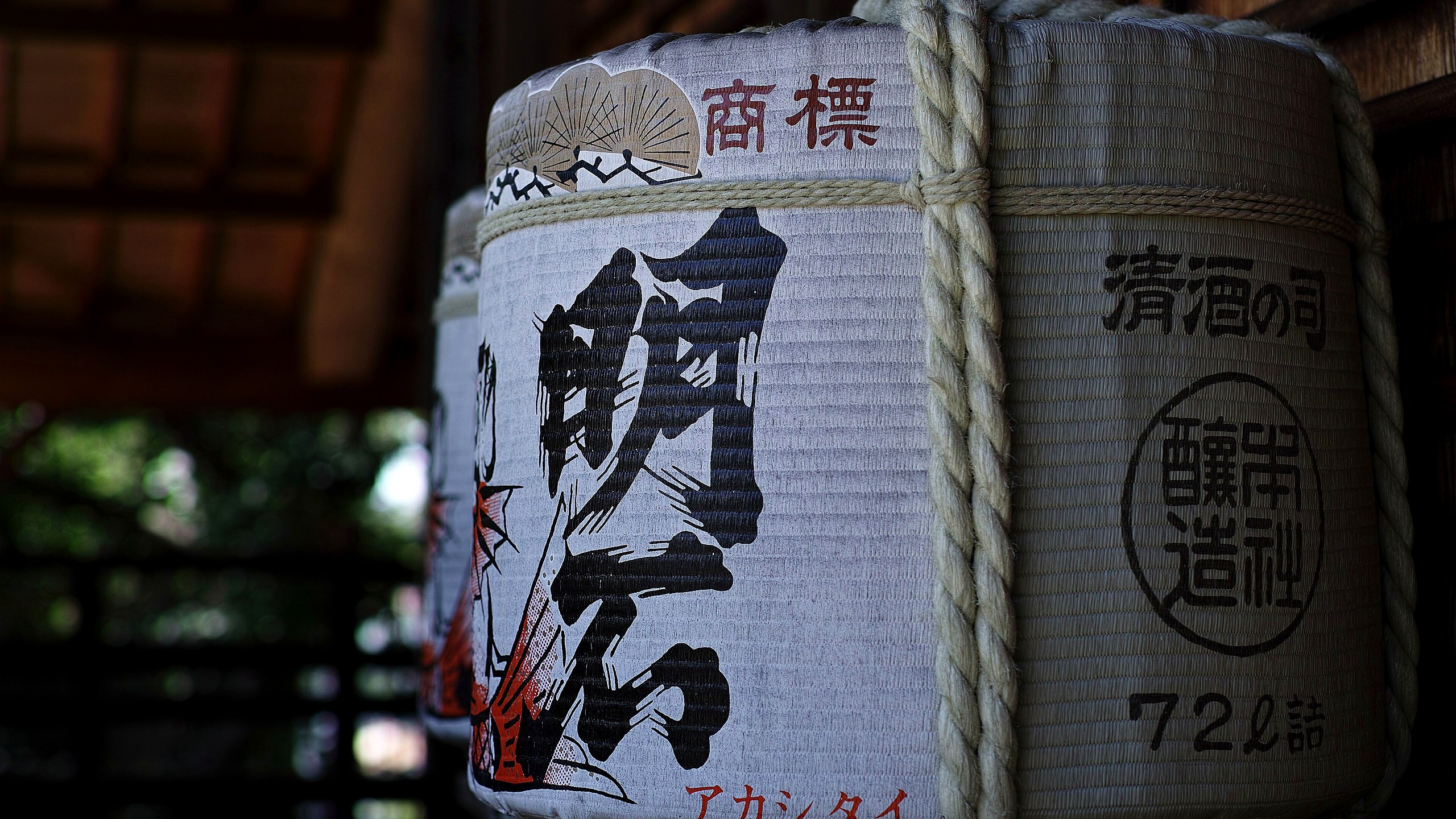
Aichi & Mikawa Fermentation Heritage — How Ki-oku, Kuheiji & Nito Bridge Burgundy and Umami
Born inside Japan’s cradle of Hatcho miso, tamari soy, and aged vinegar, Aichi brewers Yamazaki (Oku / Ki-oku), Banjo (Kuheiji), and Maruishi (Nito) lead Japan’s most gastronomic, wine-minded sake revolution.
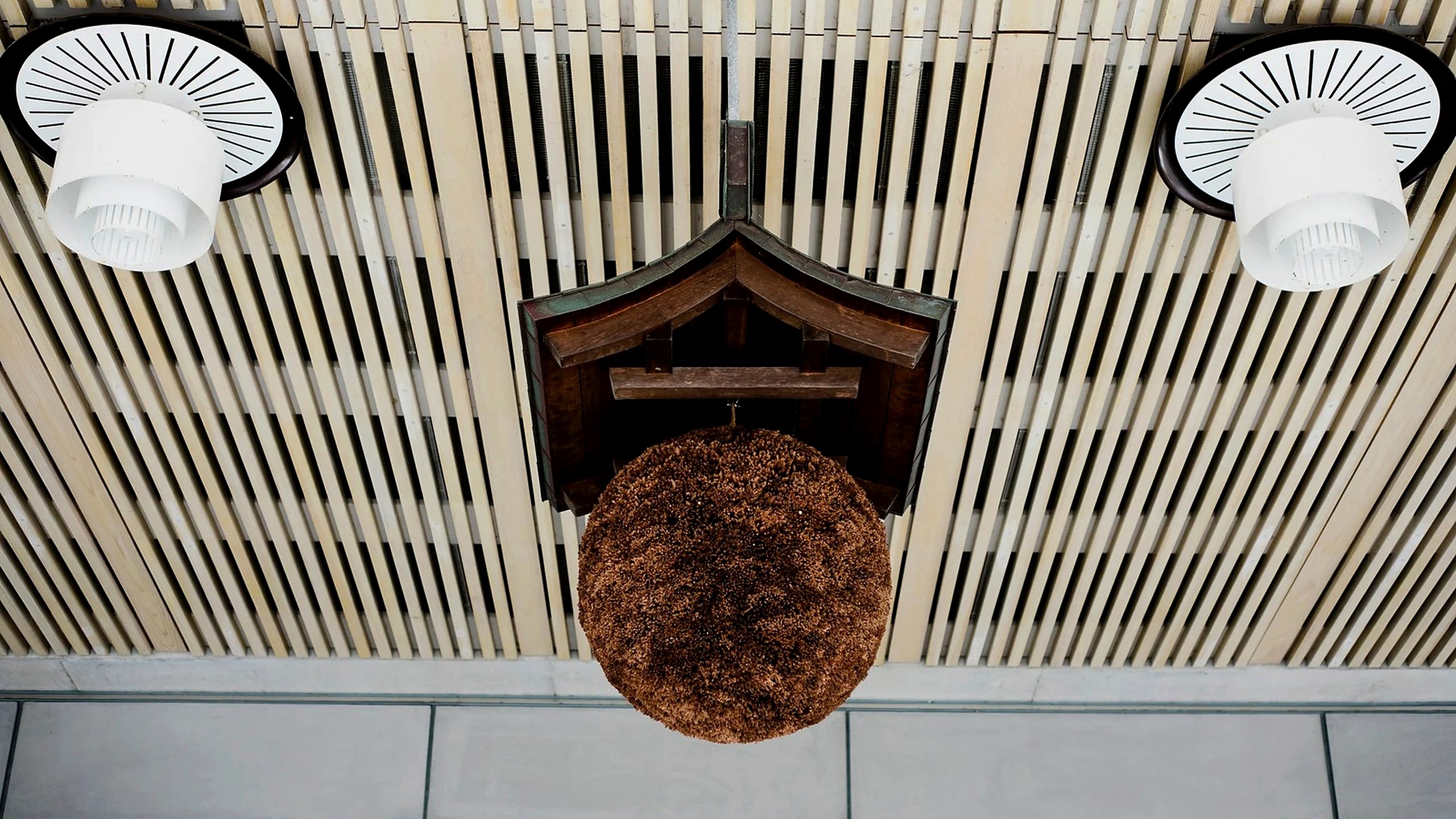
Yamaguchi & Setouchi Modern Junmai — How Dassai, Tenbi & Toyo Bijin Redefined Aromatics
Yamaguchi’s soft coastal springs sparked sake’s global aromatic renaissance—from Asahi Shuzo’s pioneering Dassai to Choshu Shuzo’s Tenbi and Sumikawa’s Toyo Bijin.
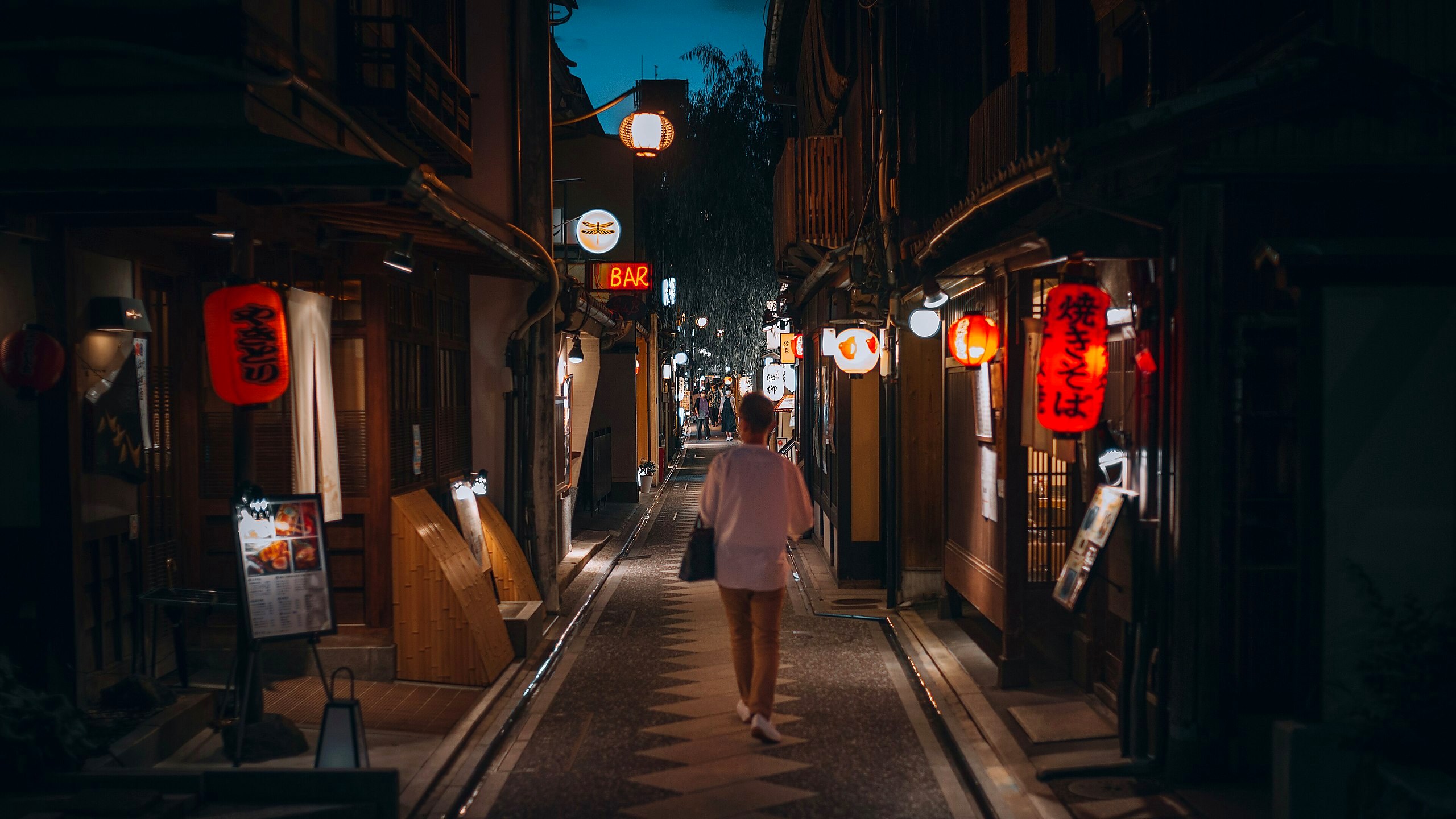
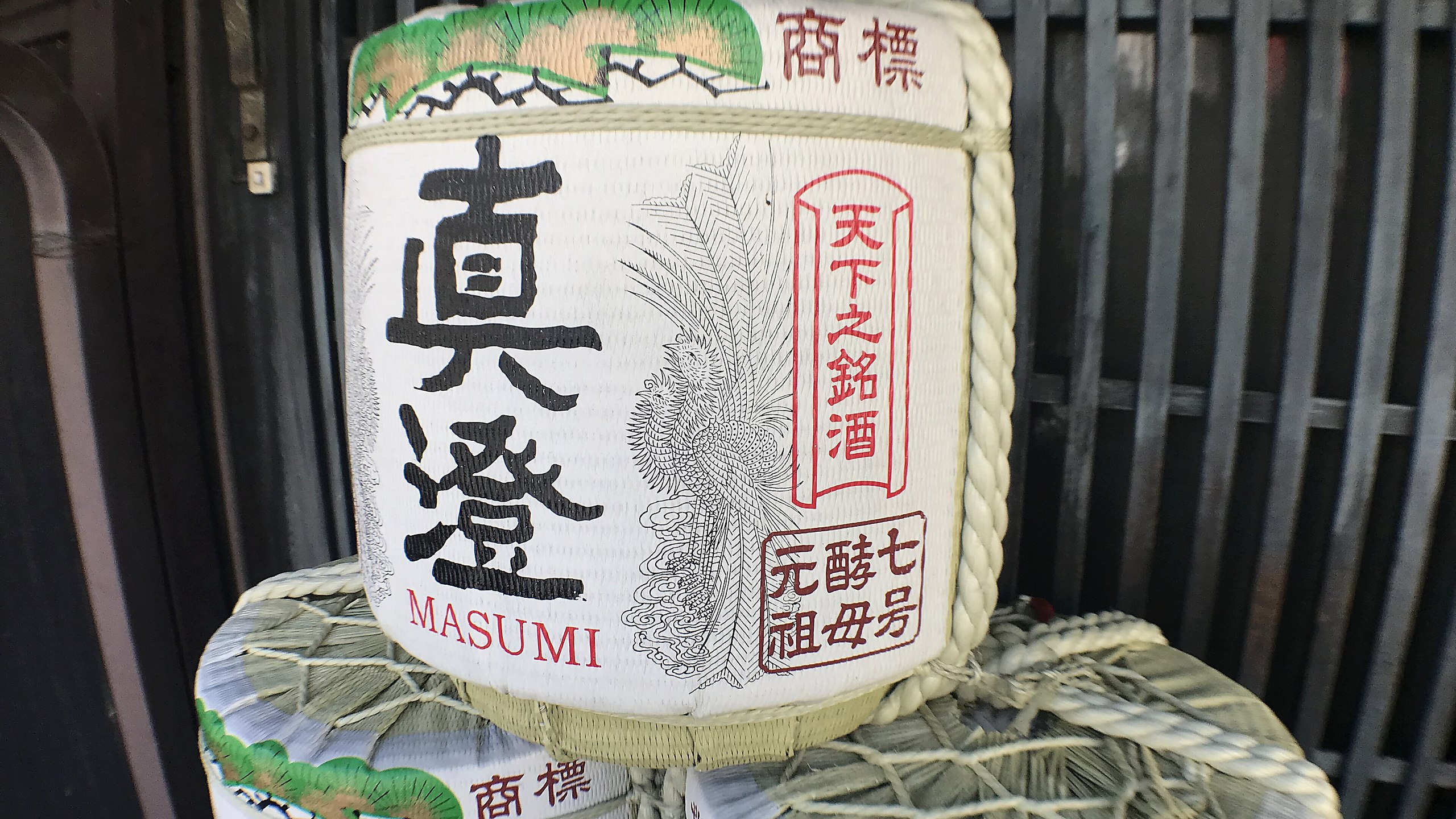
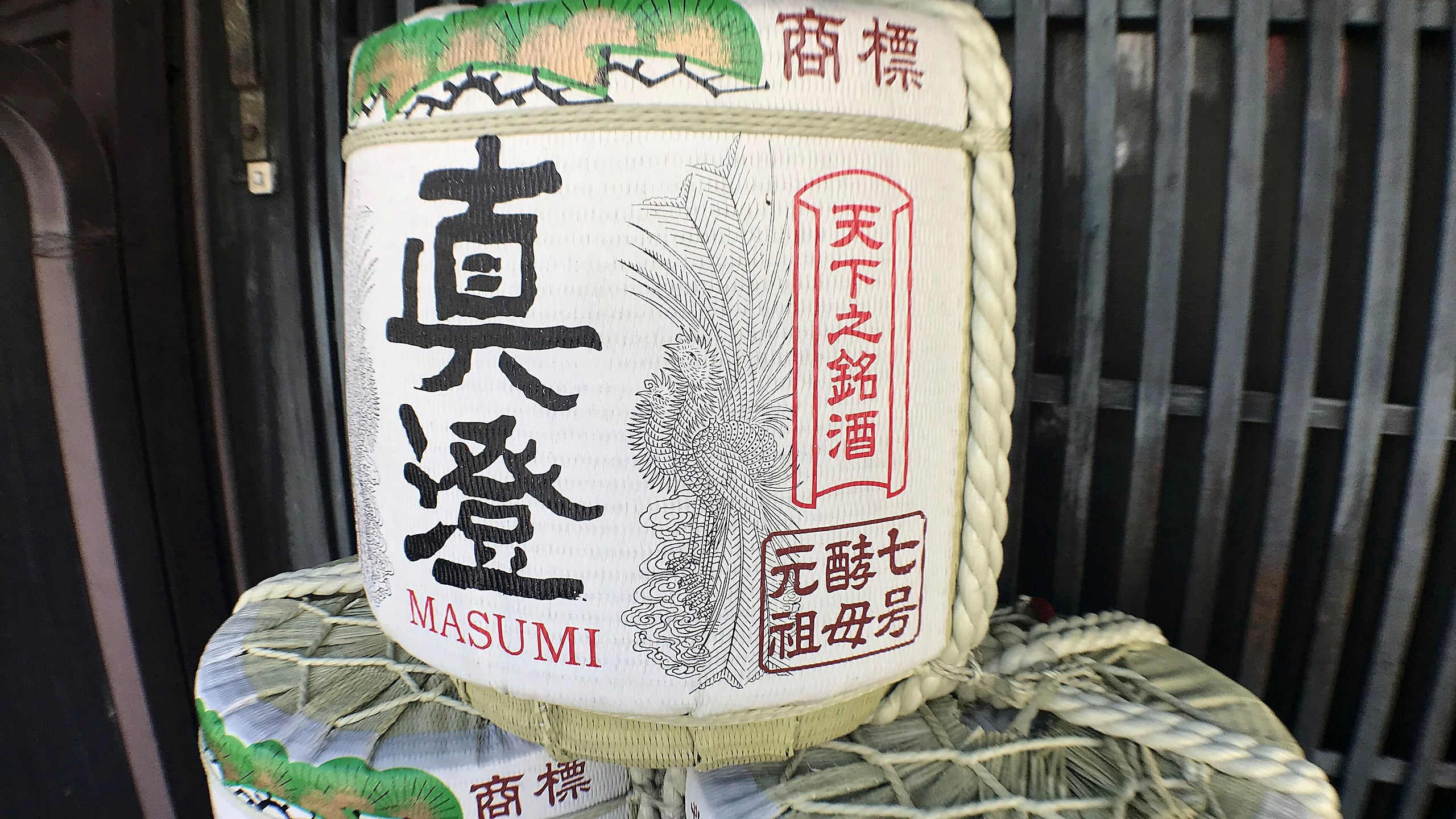
Nagano Alpine Terroir — High-Altitude Snowmelt, Miyama Nishiki & The Birthplace of Yeast #7
Home to ~70 alpine breweries and the birthplace of Japan’s legendary Kyokai No. 7 yeast—discover Nagano’s high-altitude purity through Masumi, Shinshu Kirei, Daishinsu, and Tomono Shuzo.
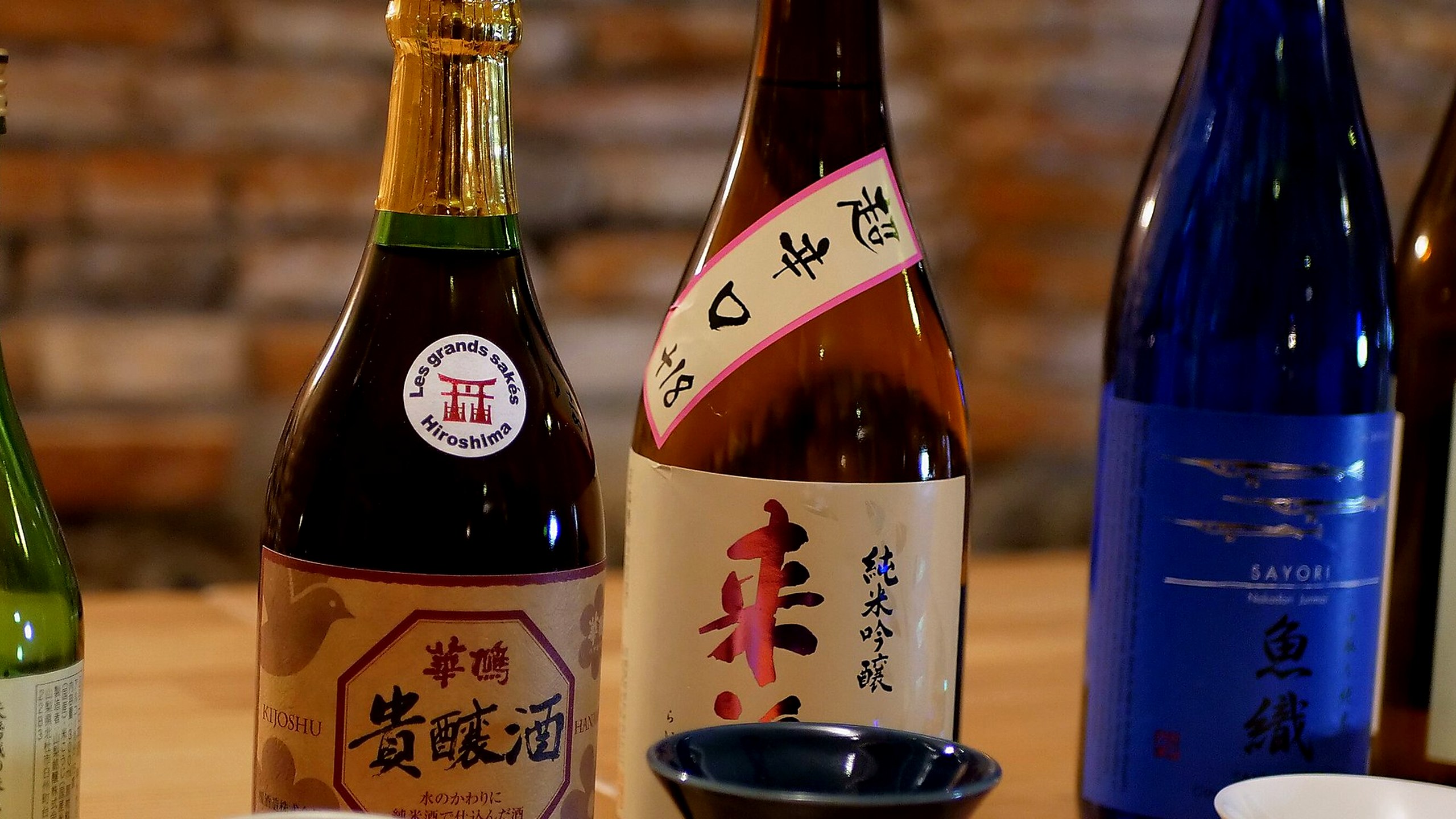
Saga & Kyushu Rich Terroir — IWC Champion Nabeshima, Flower Yeasts & Southern Gastronomy
Inside Kyushu’s savory powerhouse: discover how Saga’s fertile plains and volcanic waters yielded IWC World Champion Nabeshima and Amabuki’s aromatic flower-yeast breakthroughs.
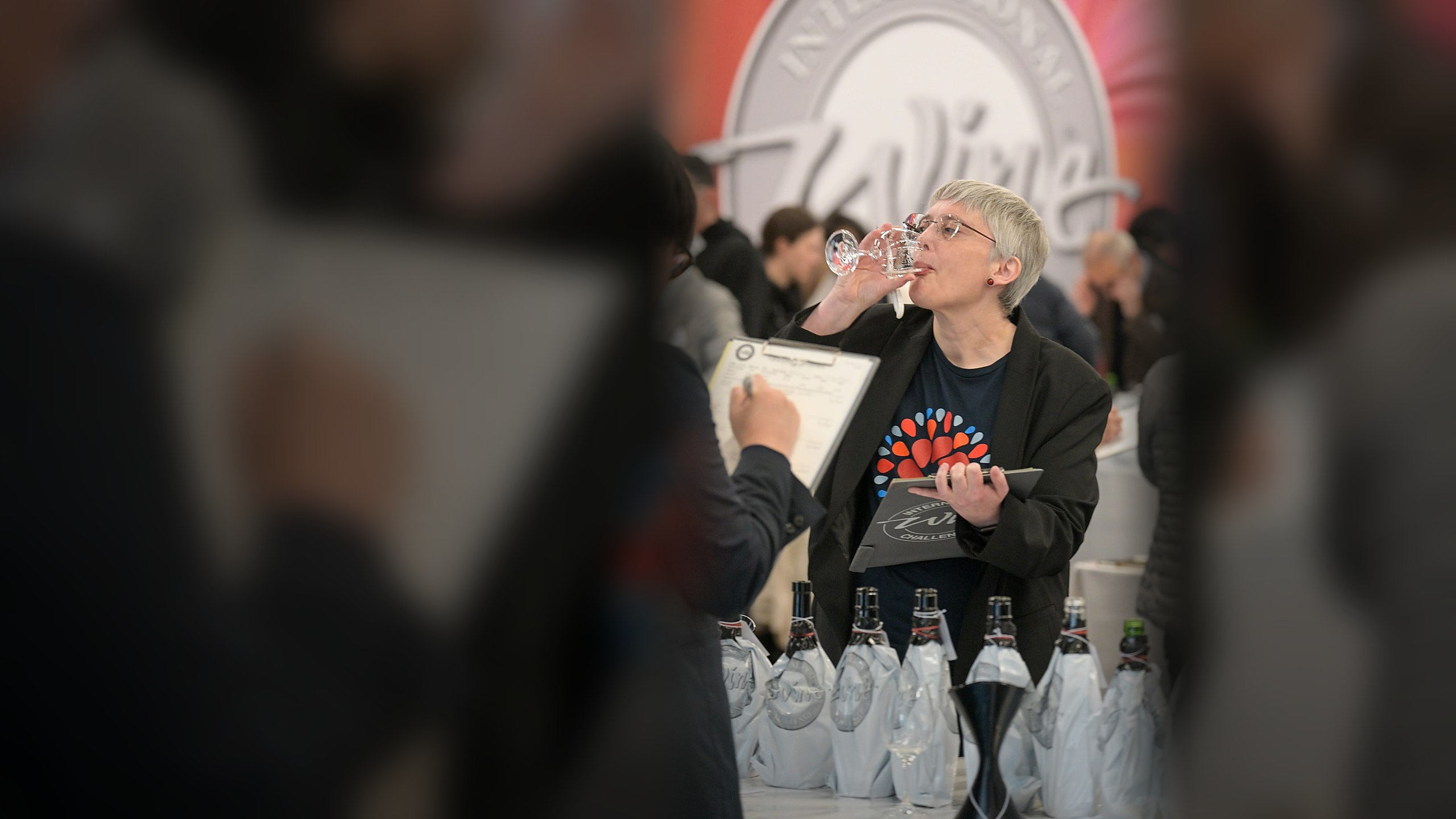
[Complete Guide to the 5 Major Sake Competitions] Zenkoku Shinshu Kanpyokai, SAKE COMPETITION, IWC, Kura Master & Milano Sake Challenge
Not all "Gold Medals" mean the same thing. From Japan’s 110-year-old National New Sake Appraisal to SAKE COMPETITION, IWC, Kura Master, and the Milano Sake Challenge, here is how each competition judges sake.
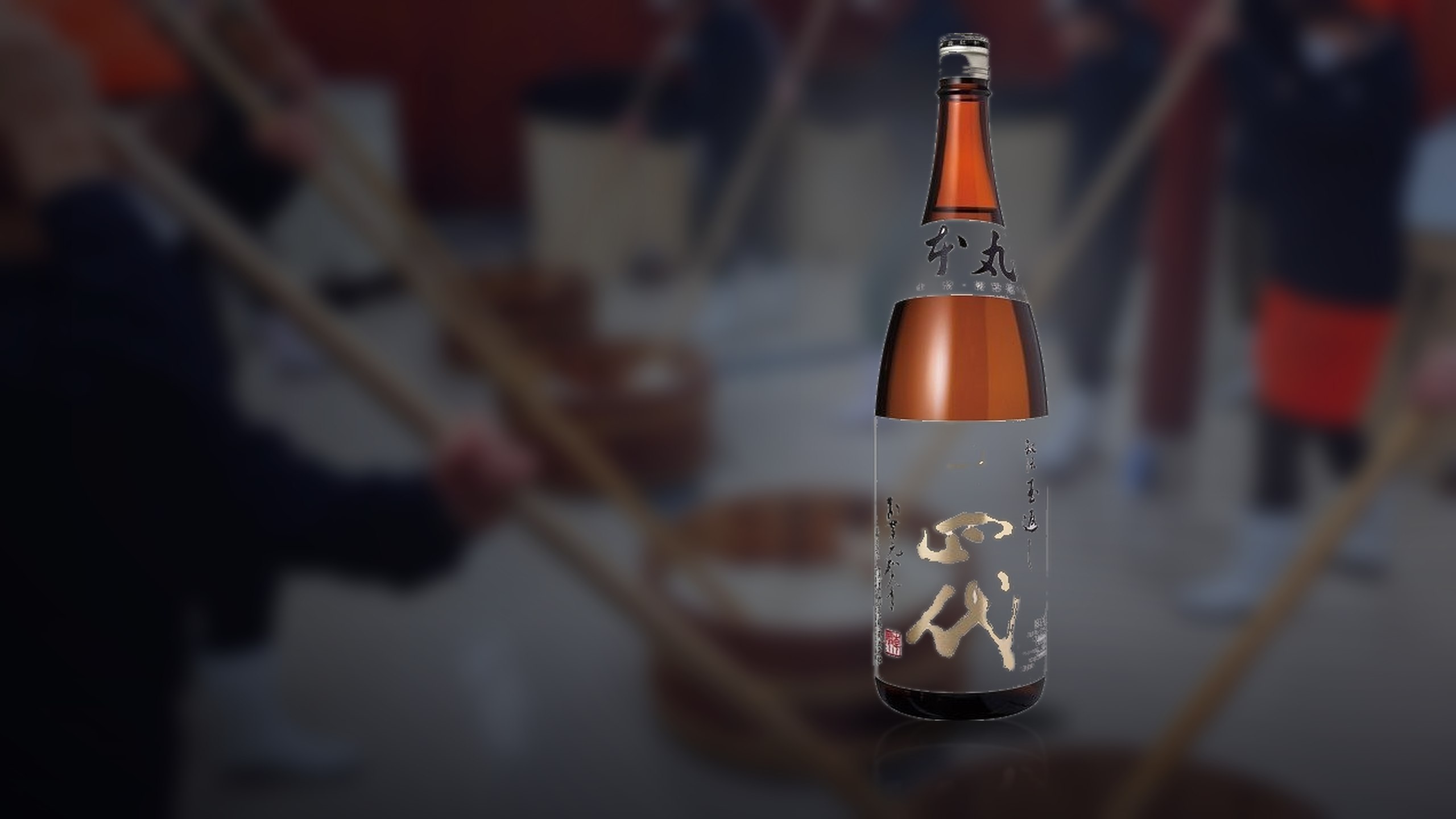
Juyondai — Why It's Called "Phantom"
Takagi Shuzo in Yamagata. Why Juyondai is called the "phantom sake."
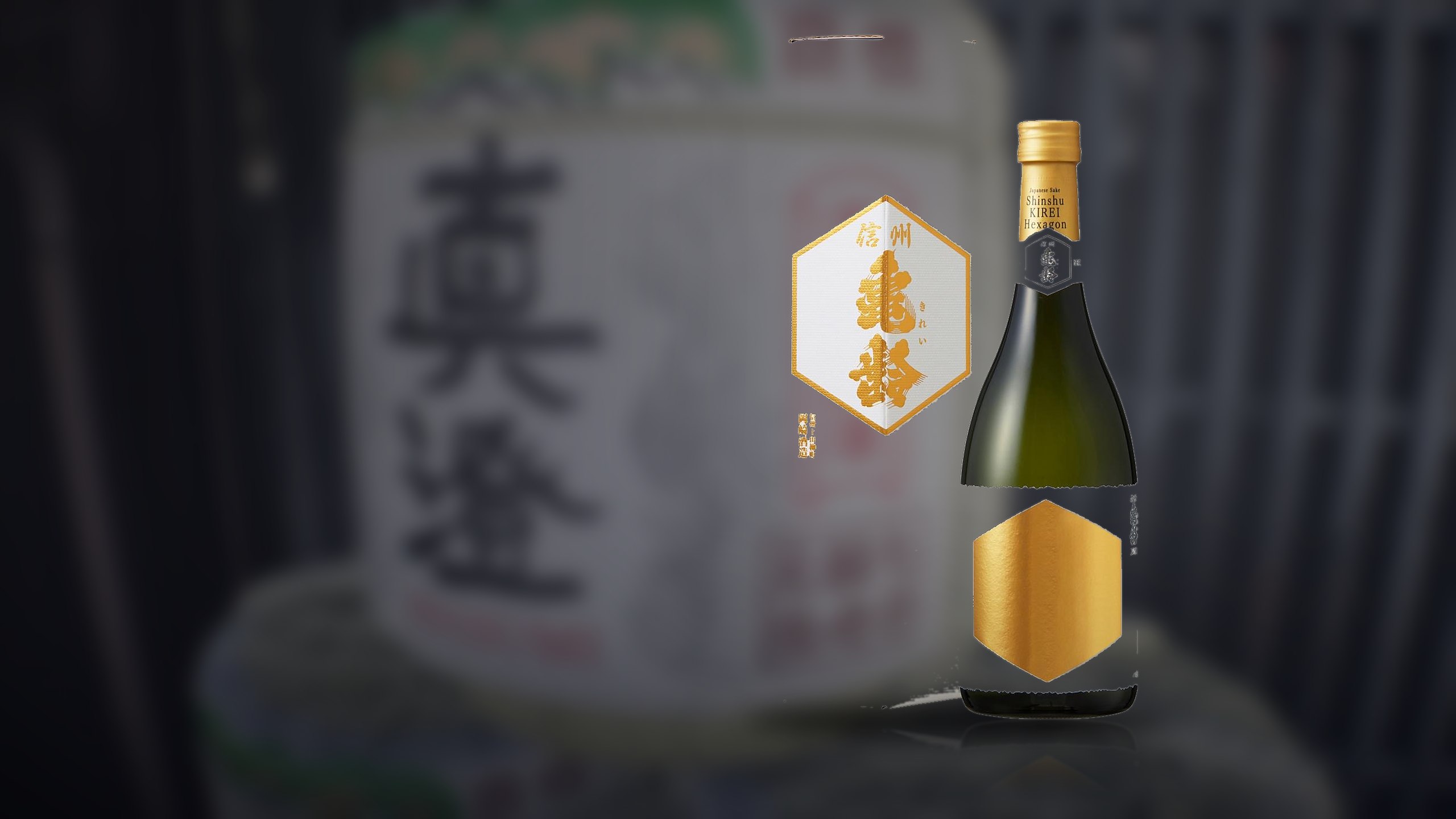
[Global Scale & Heritage Report] 1,215 Breweries, 2,891 Brands, 17,304 Commercial SKUs & an Average Age of 185 Years — The Living Heritage of Japanese Sake in Global Context
Scotch has ~150 distilleries; Tequila has ~170. Filtered to commercial-scale independent producers, Japanese Sake (1,215 breweries, 2,891 brands, 17,304 annual SKUs) matches the entire fine wine ecosystem of France—while boasting an average brewery age of 185 years (92.5% over 100 years old) and pasteurization techniques predating Louis Pasteur by 300+ years.
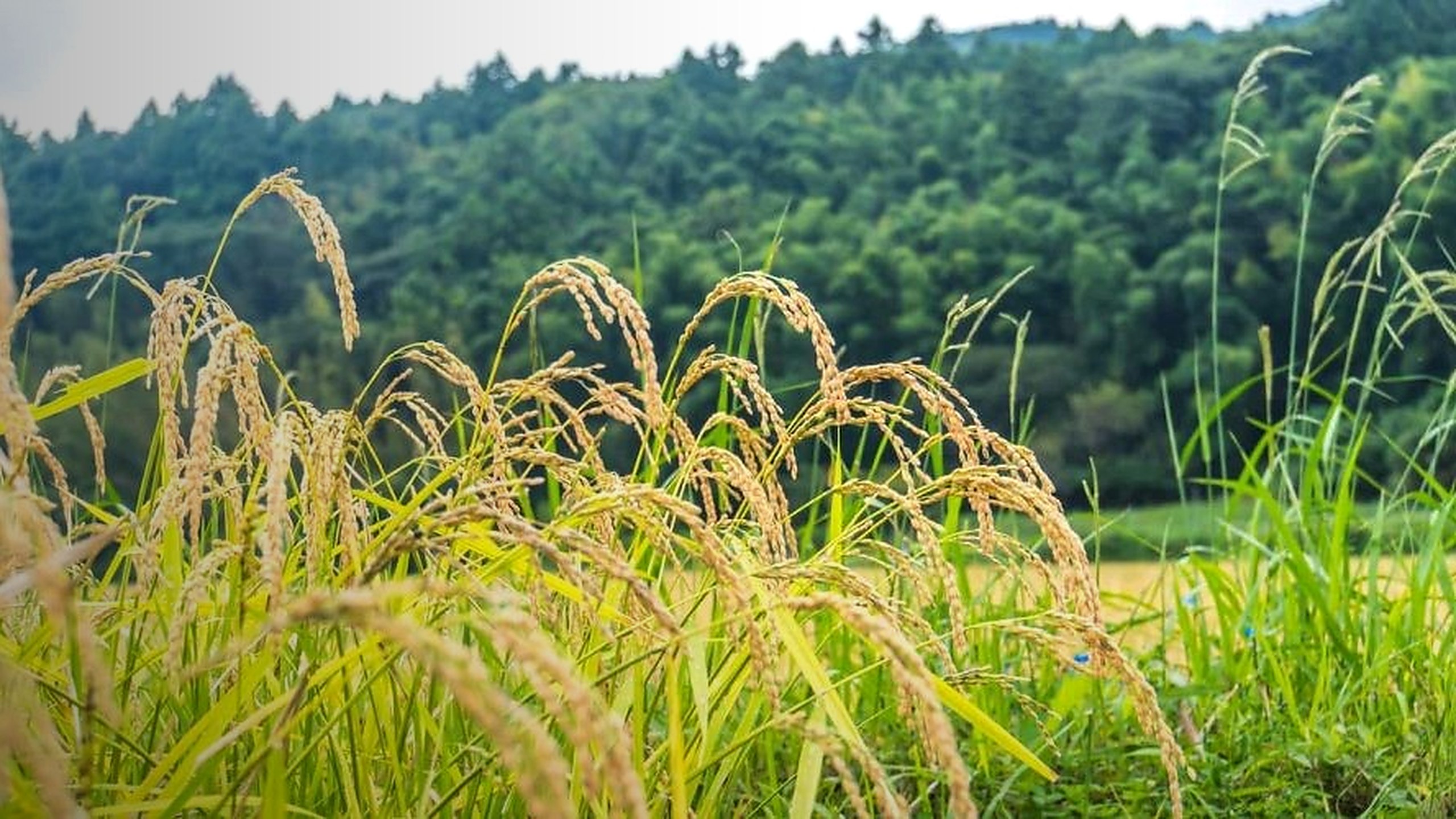
Sake Rice Encyclopedia — From Yamada Nishiki to Omachi
The sake rice that defines flavor. Characteristics and taste tendencies of major varieties.
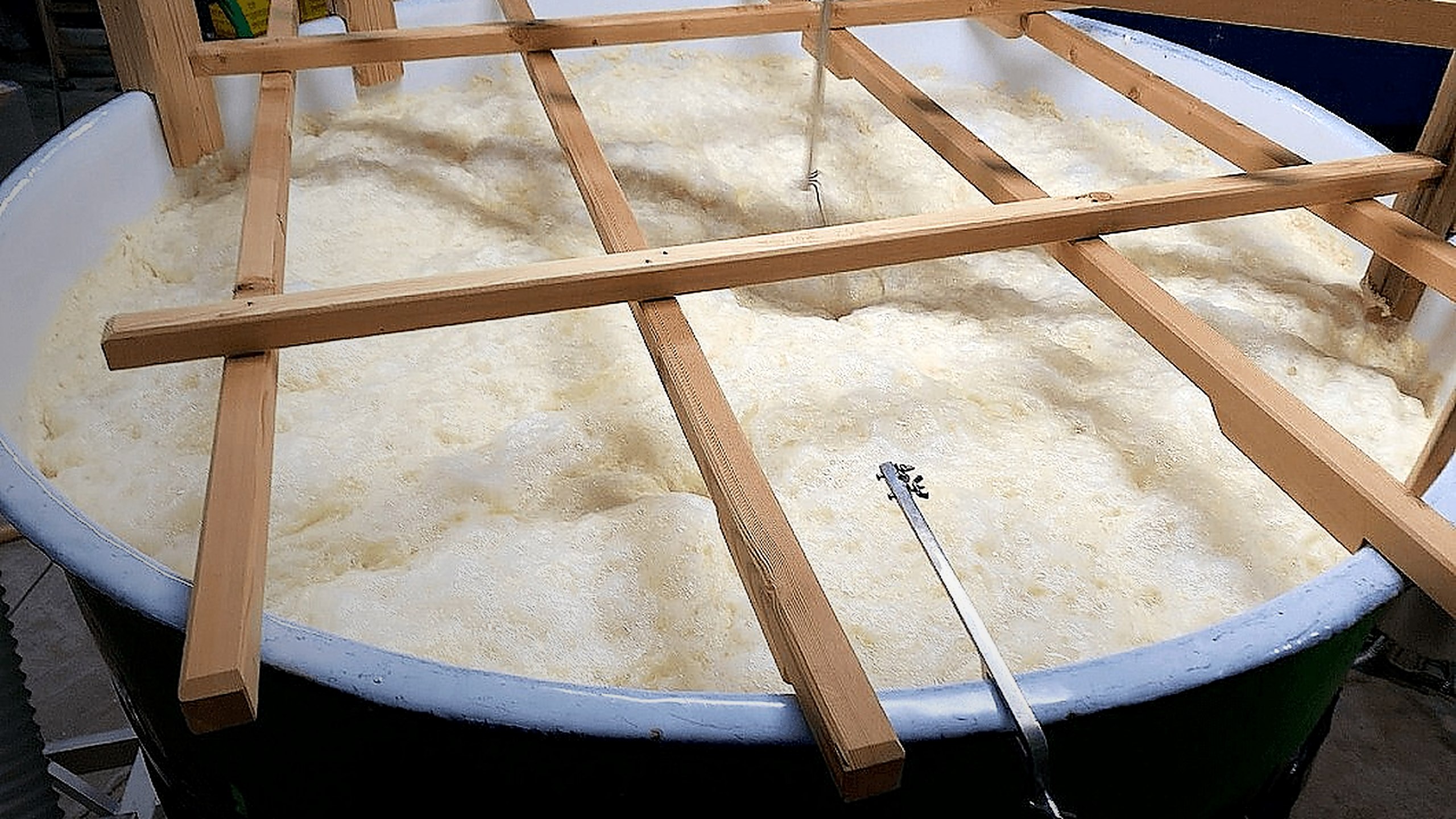
[Decoding Japanese Sake Yeasts] Kyokai No. 6, No. 7, No. 9, No. 1401 & No. 1801 — How Yeast Strains Architect Aroma and Acidity
Why does one sake whisper of white peach and muskmelon while another bursts with ripe red apple? Up to 80% of the answer lies not in the rice variety, but in a 5-micron microorganism: sake yeast. Here is the definitive insider guide to Kyokai and regional yeasts.
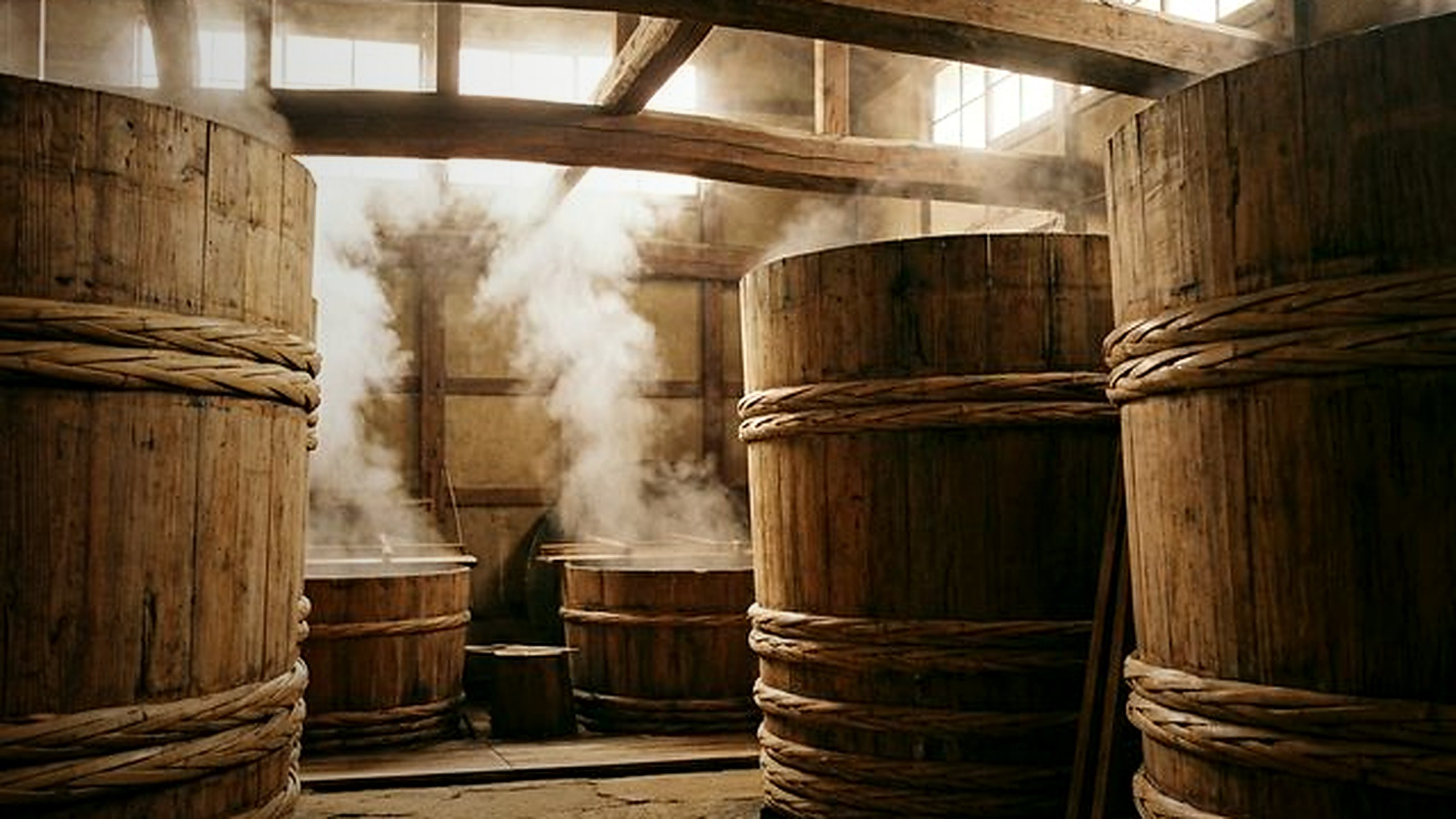
[The Kioke Wooden-Vat Renaissance] Why Japan’s Avant-Garde Breweries (Aramasa, Ubusuna, Senkin, Mimurosugi) Are Returning to Yoshino Cedar
Once universal across Japan, giant cedar fermentation vats (kioke) nearly went extinct in the 20th century as stainless steel took over. Today, a grassroots revival led by Japan’s most visionary young brewers has turned 100-year-old Yoshino cedar vats into the ultimate vessel of modern sake terroir.
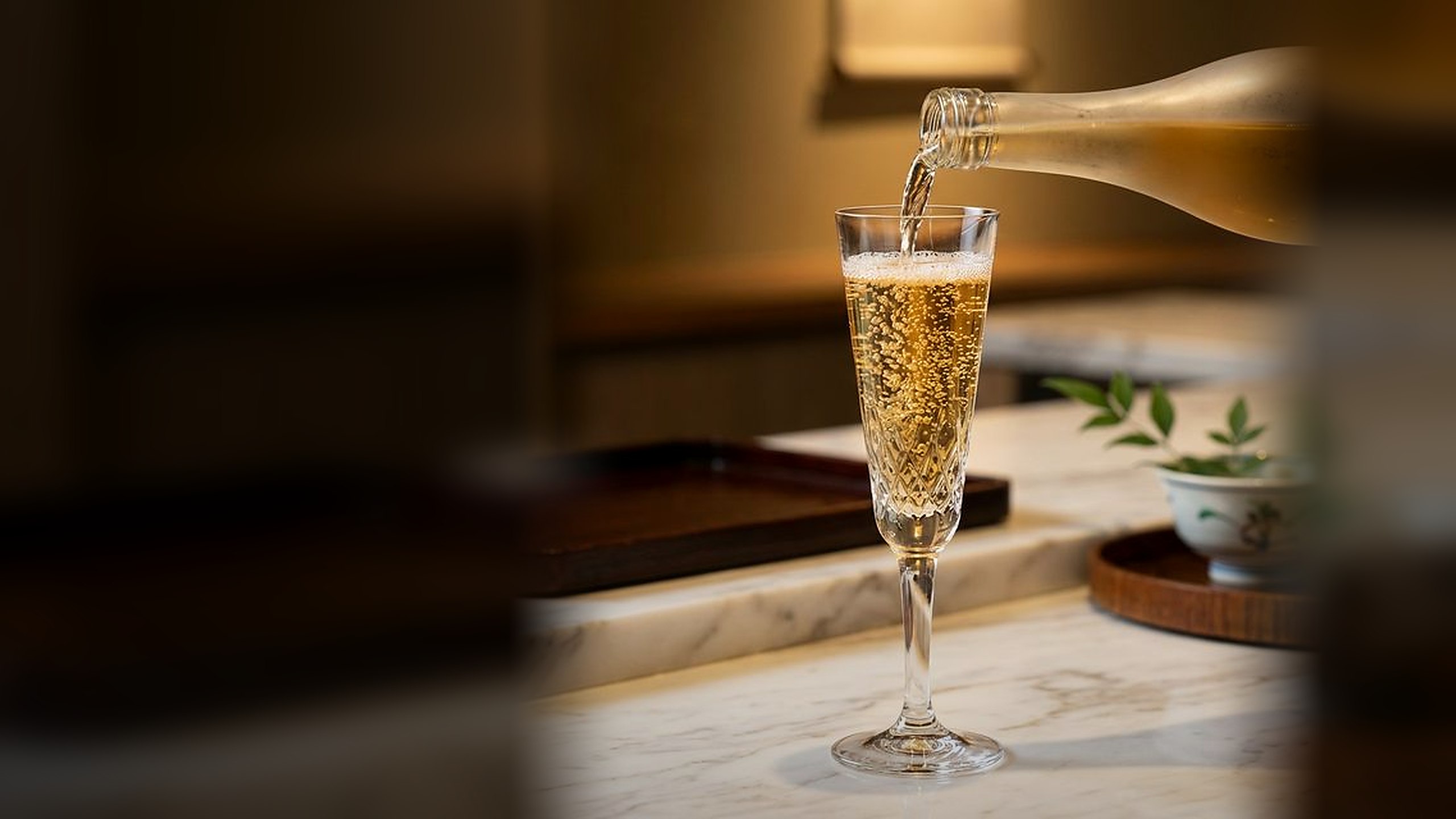
The World of Sparkling Sake
From bottle refermentation to carbonation. The diverse world of effervescent sake.
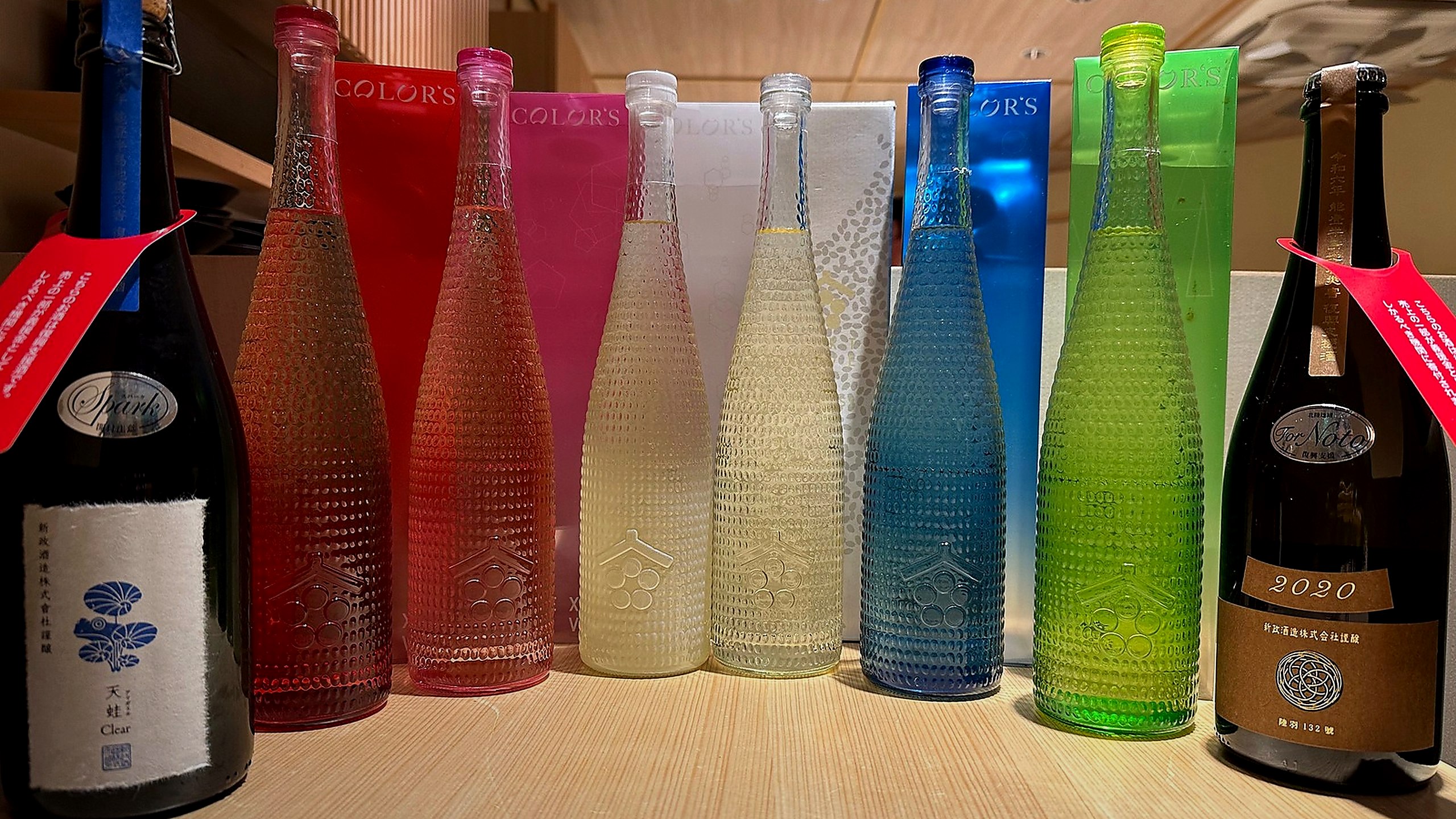
[The Open-Source Sake Revolution] From Akita’s Legendary NEXT5 Collective to Japan’s Fourth-Generation Owner-Brewer Movement
For centuries, sake brewing techniques were guarded as guild secrets. How did Japanese sake leap forward in quality over the past 15 years? Inside the open-source revolution sparked by Akita’s legendary NEXT5 collective and carried forward by today’s Owner-Brewers.
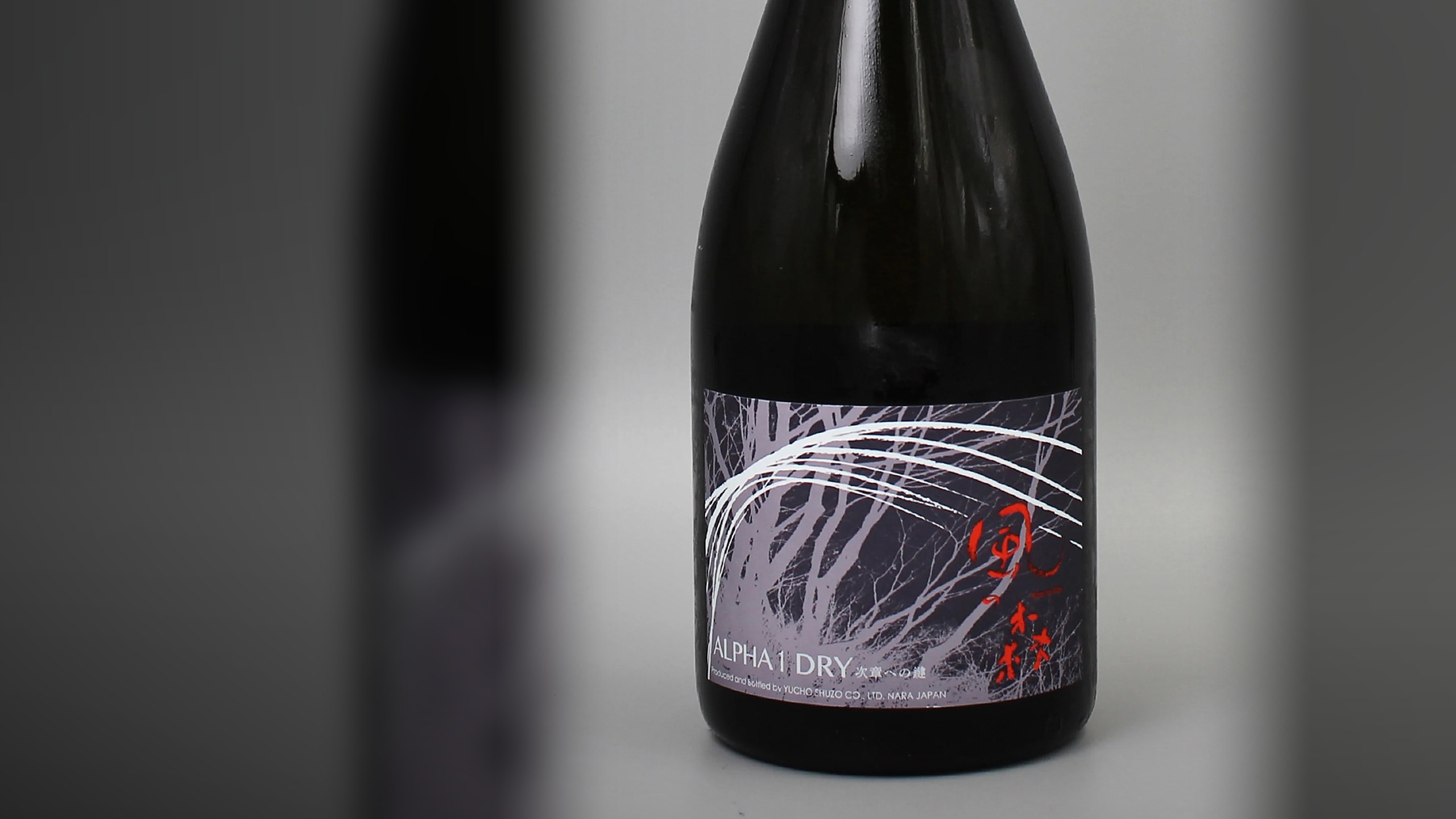
[The Science of Micro-Carbonated Sake] Kaze no Mori, Narutotai, Ubusuna, Kankiku & Tabika Nama — Why Modern Cult Sakes Prickle with Natural CO2
Walk into any top sake bar in Tokyo or Seoul today and you will hear one phrase above all others: "gas-kan" (natural micro-effervescence). With zero artificial carbonation, how do cult bottles like Kaze no Mori, Narutotai, Ubusuna, Kankiku, and Tabika Nama trap natural fermentation CO2 inside the bottle?
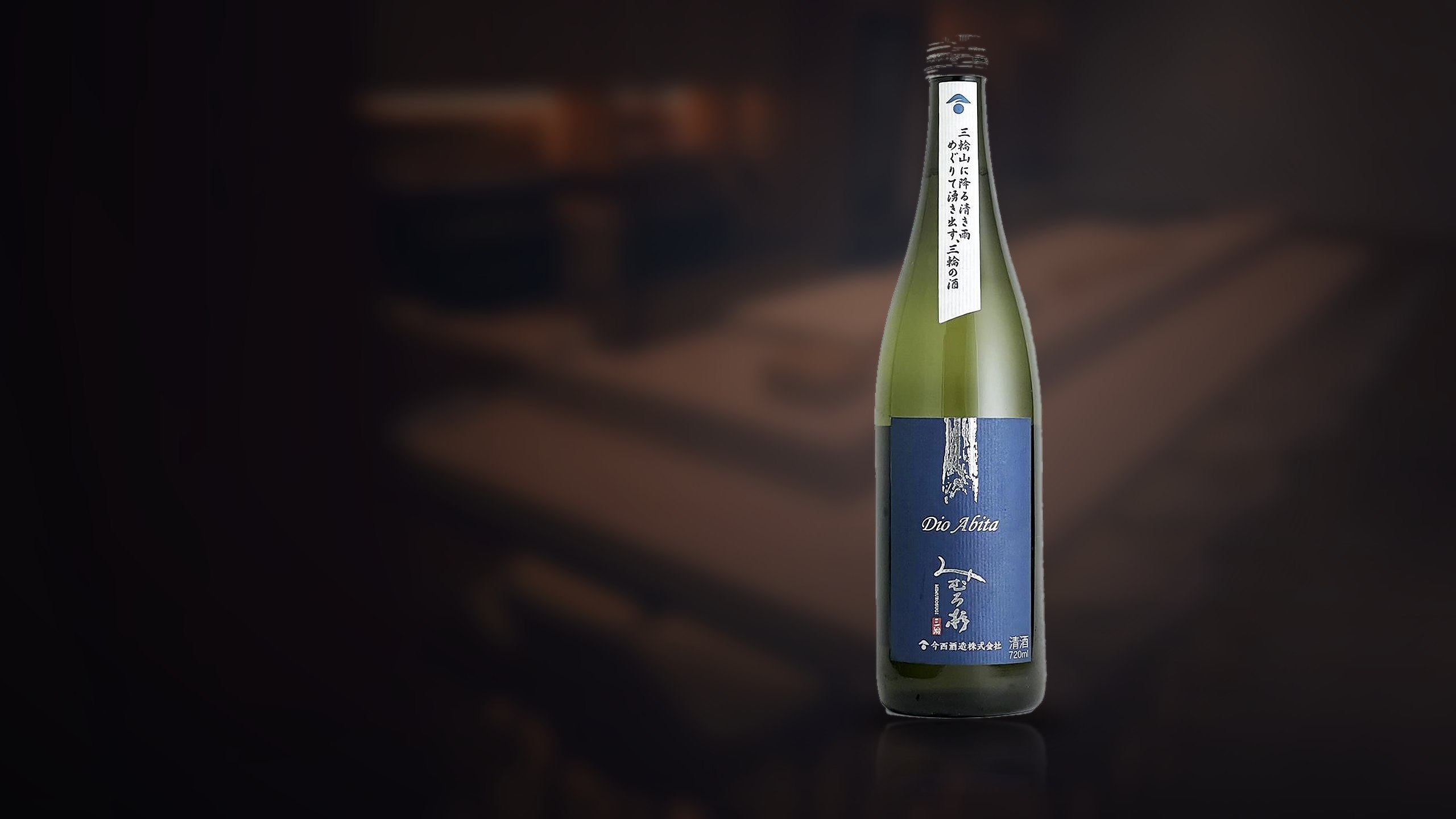
[2026 High-Attention Focus] 15 Gastronomy Sakes Featured Across Fine Dining — Search Interest & Competition Archive
Cross-analyzing domestic and global review platforms (SAKETIME, Sakenomy, Vivino), 2026 major blind competition results, and SNS search volume, here is a neutral, attention-indexed guide to 15 gastronomy sakes drawing broad culinary interest in 2026 (with zero subjective tier scoring).
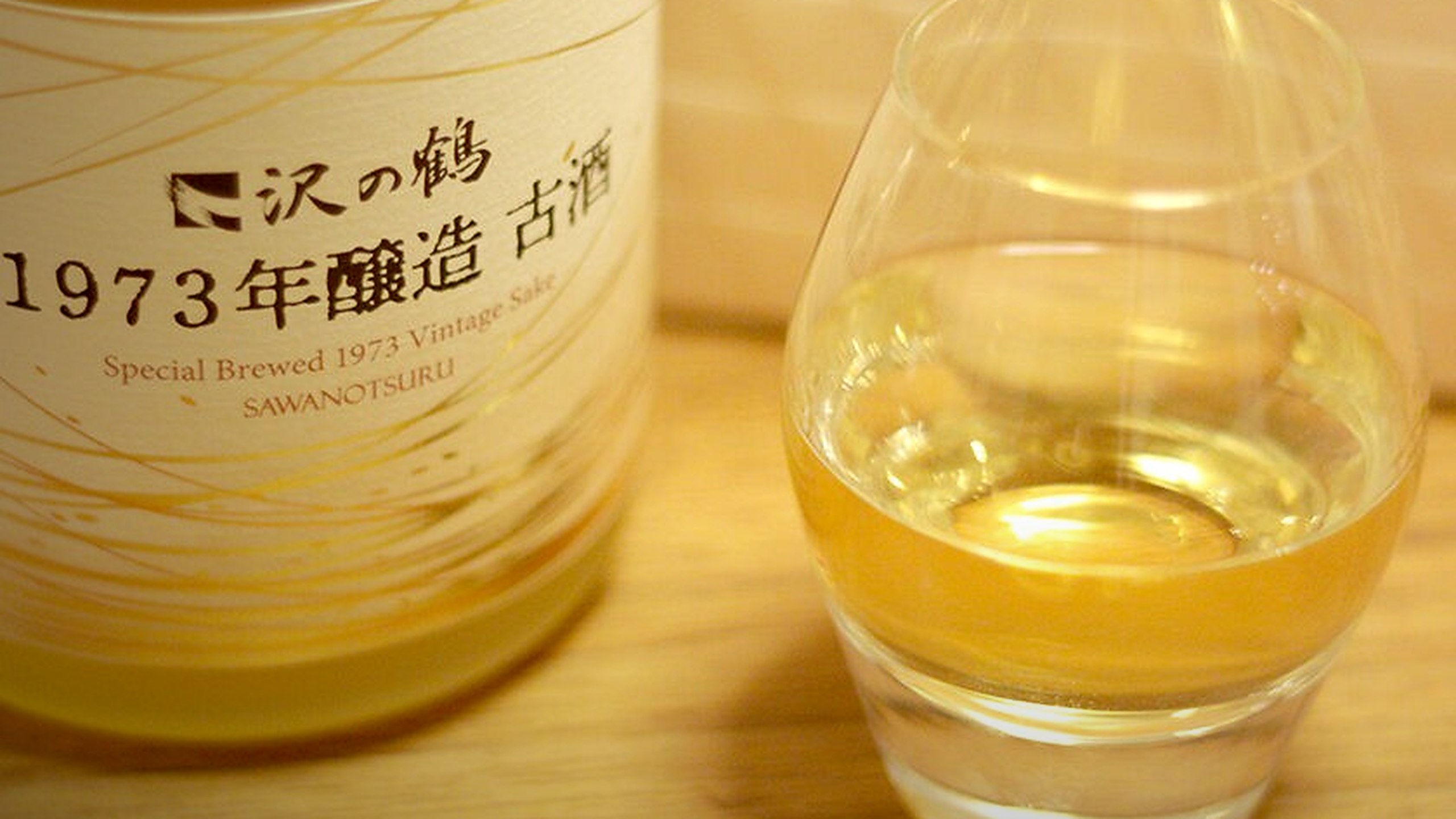
Koshu (Aged Sake) — Depth Brewed by Time
3 years, 5 years, 10 years... Exploring the transformation time brings to sake.
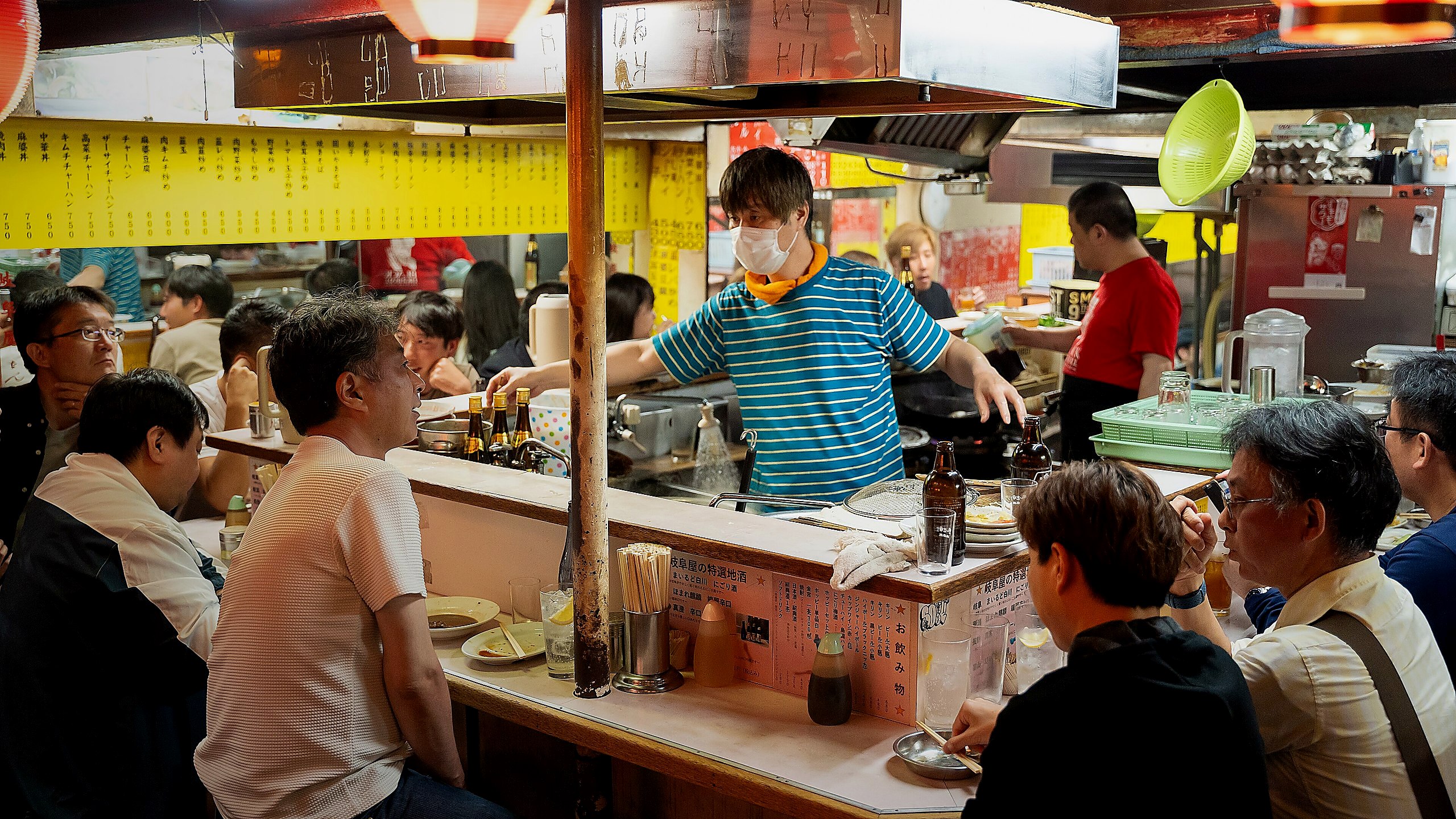
[15 Ultimate Sake Bar Delicacies (Sakana / Ate)] From Karasumi, Shirako & Ankimo to Korean Ganjang-Gejang — The Science of Umami Pairing
Why do cured fish roe (karasumi), fermented squid innards (shiokara), milt (shirako), and Korean soy-marinated raw crab (ganjang-gejang) make fine wine taste metallic, yet sing in harmony with Japanese sake? The lipid-iron chemistry and 15 ultimate sake bar pairings.
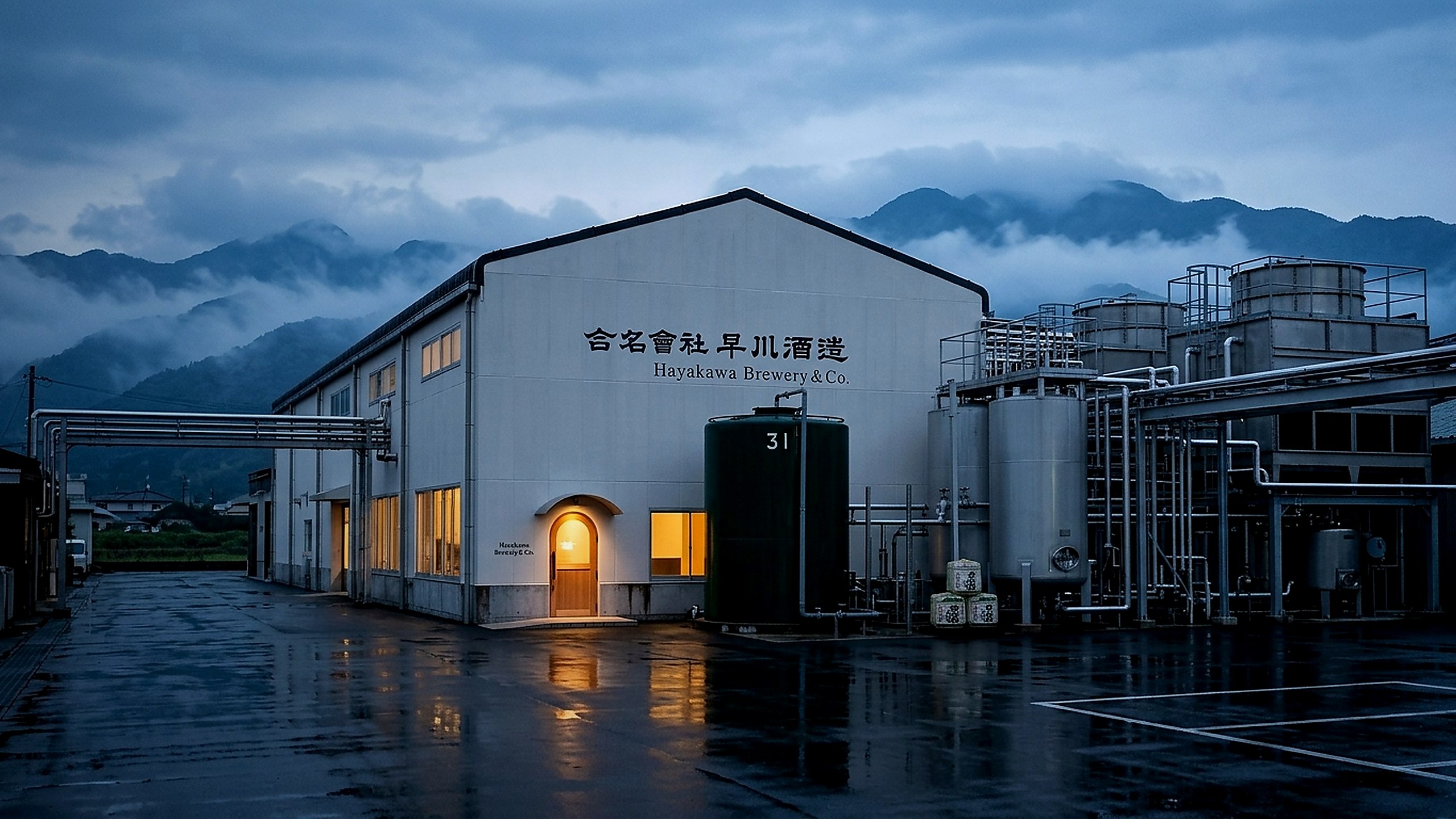
[Connoisseur’s Curation] 10 High-Attention Craft Sake Breweries in 2026–2027 Selected by Asoto × Syuen × Koyama
Which breweries will lead the next wave beyond secondary-market speculation? Curated by Tokyo’s legendary Koyama Shoten alongside Seoul’s Asoto and Syuen, here are the 10 craft breweries defining 2026–2027.
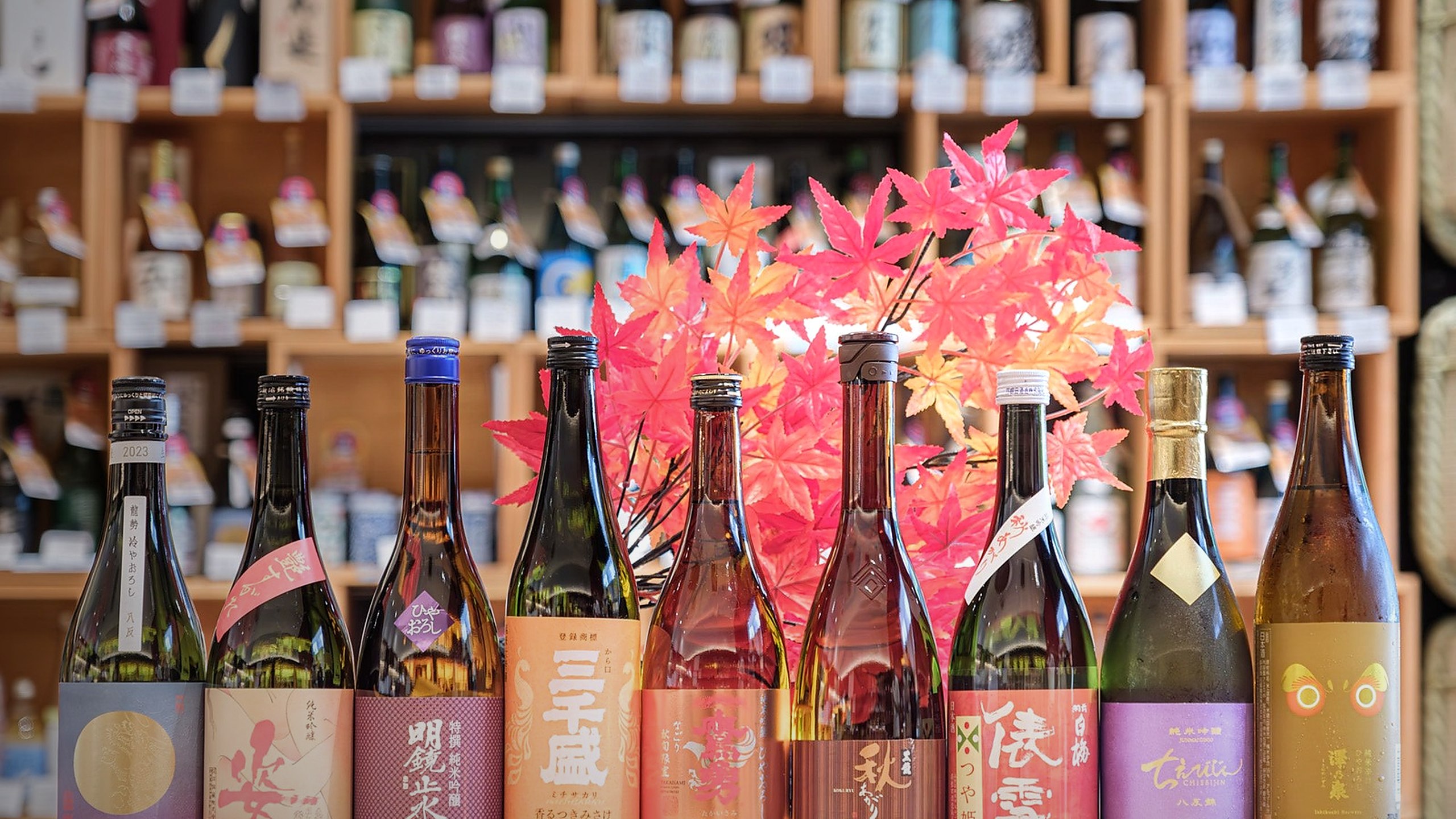
[The 12-Month Japanese Sake Calendar] Shiboritate, Risshun Asashibori, Spring Kasumi, Summer Sake & Autumn Hiyaoroshi Explained
While wine releases a single vintage once a year, Japanese jizake breweries release four distinct seasonal expressions from the same autumn rice harvest across all 12 months. Here is the insider guide to reading Japan’s seasonal sake calendar.
Sake Export 3.0 — Prestige Strategy
Beyond "cheap and delicious." Building narratives to compete in the luxury market.
[Decoding Sake Meter Value (SMV), Acidity & Amino Acids] Why "+5 = Dry" Is Outdated — How Sommeliers Predict Flavor from Technical Specs
For decades, drinkers were told that a positive Sake Meter Value (+5) meant "dry" and a negative number (-5) meant "sweet." In modern craft sake, why can a bottle with an SMV of -4 taste bone-dry and electric? Inside the NRIB Sweetness-Dryness equation and the three organic acids of sake.
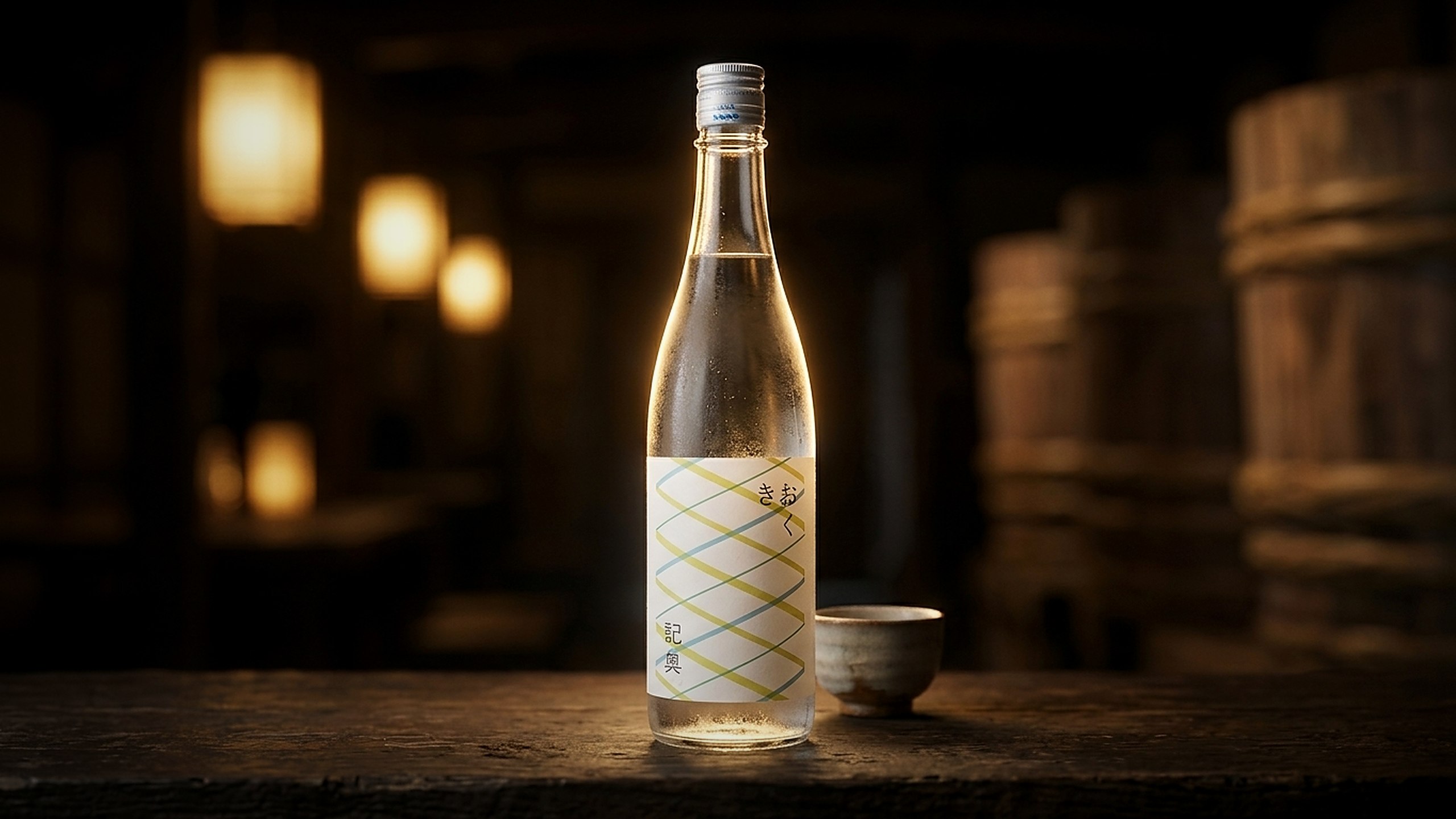
[2026 Trend Survey] The End of the Rice-Polishing Myth — Why Lower Polish Ratios No Longer Mean Superior Sake in 2026
Why the 20th-century dogma that "30% polish ratio equals superiority" has collapsed—and how stopwatch water absorption, traditional box pressing (Tabika), 14% ABV undiluted fermentation (Ki-oku), and low-polish terroir (Ubusuna) redefined fine sake.
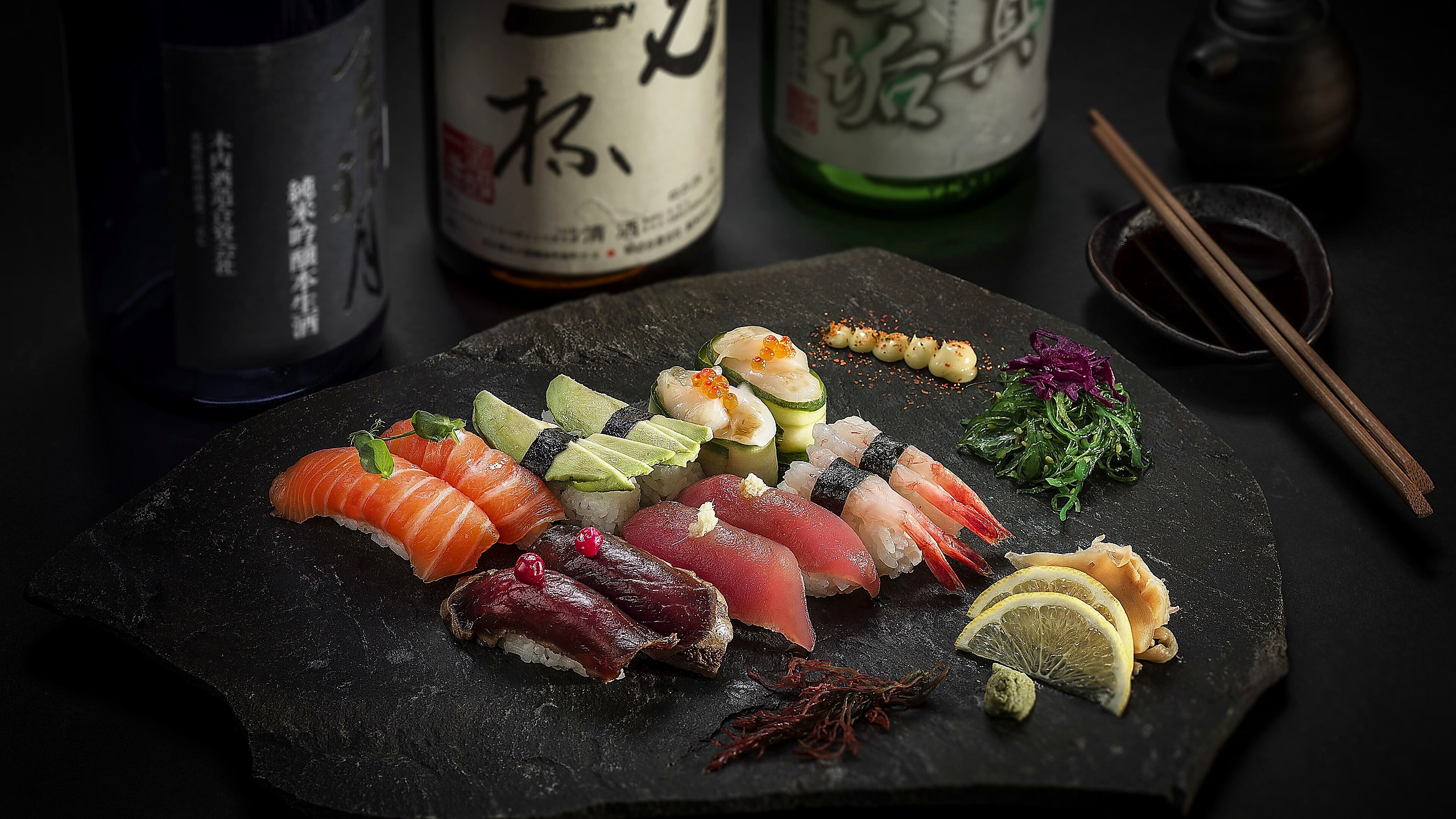
[Edomae Sushi Omakase × Sake Pairing Secrets] Red Vinegar Shari, Kohada, Otoro, Uni & Anago — How Ginza and Seoul’s Top Sushi Masters Pair Sake
When pairing sake with Edomae sushi omakase, novices try to match the fish topping (neta)—while Ginza and Seoul masters match the vinegared rice (shari) and its exact temperature. Here is the definitive course-by-course sushi pairing playbook.
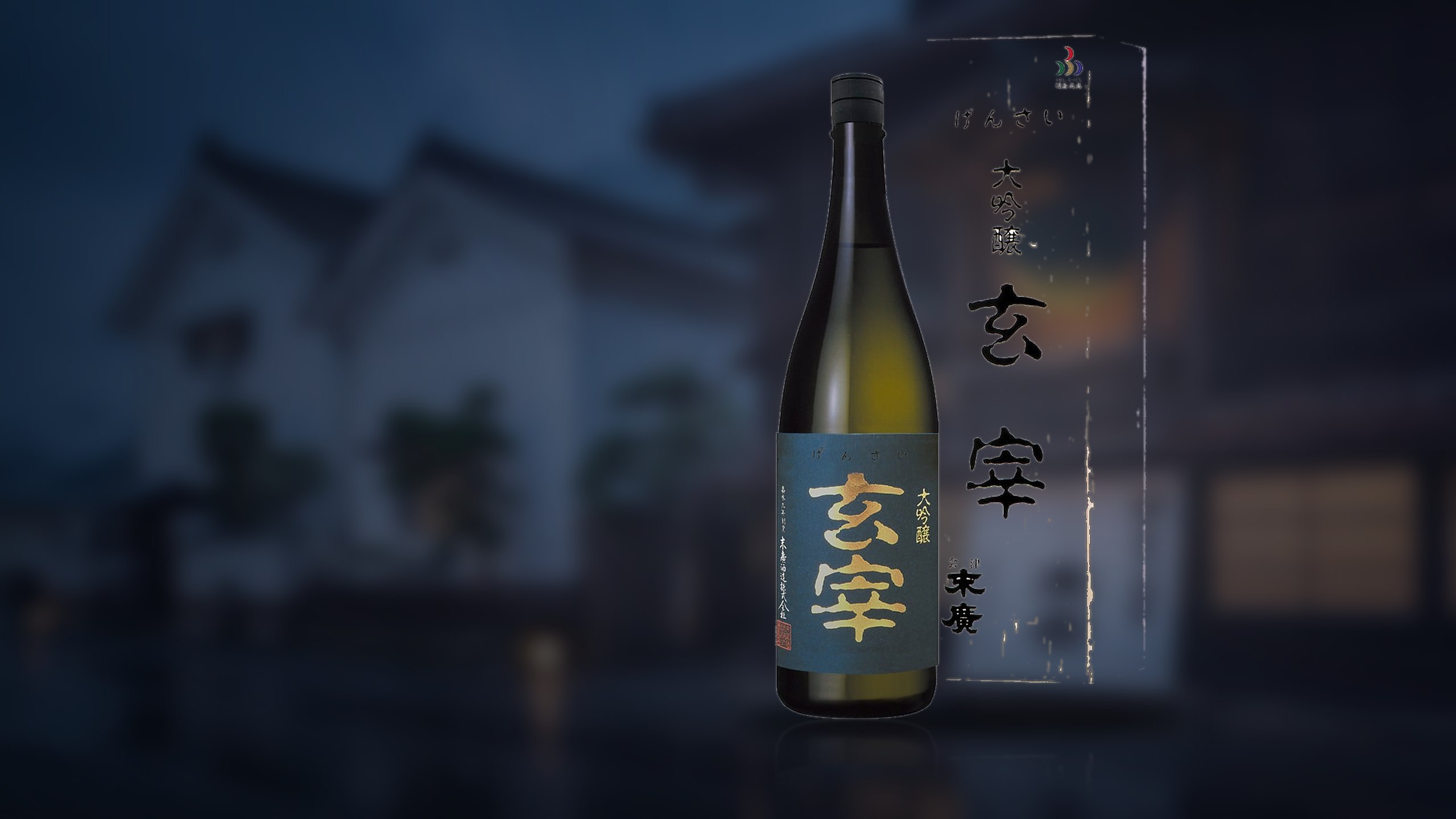
[2026 Accessible Craft Selection] Extraordinary Quality Without Secondary-Market Markups — 12 Expressive Craft Sakes at Honest Brewery Prices
You don’t need to pay secondary-market ransoms to drink world-class sake. Based on our 2026 Public Attention Archive and transparent importer list pricing, these 12 bottles deliver extraordinary Quality-Price Ratio (QPR) through honest brewery pricing.
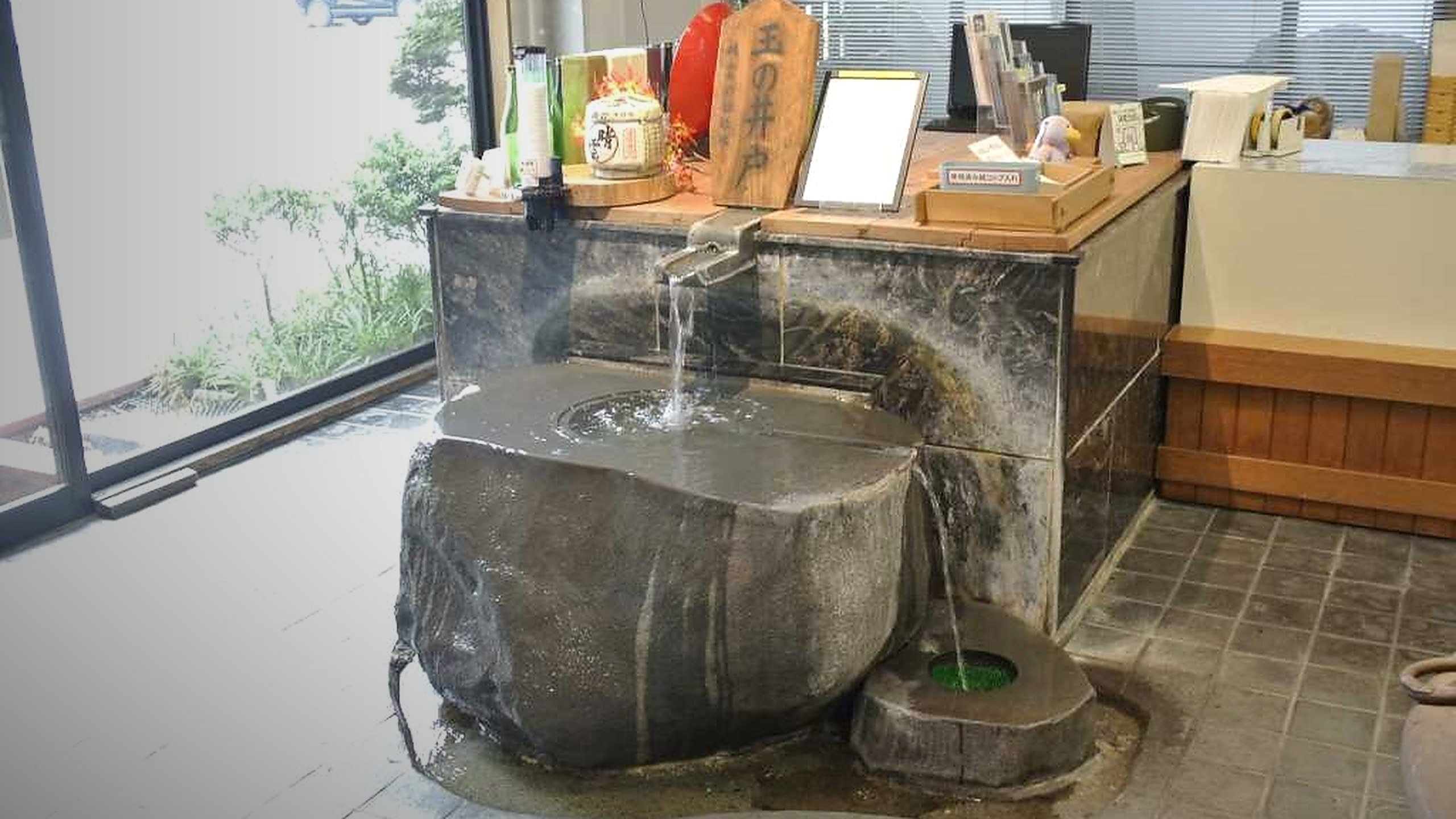
[The Chemistry of Japanese Sake Water] Nada’s Miyamizu, Fushimi’s Gokosui, Suzuka’s Ultra-Soft Springs (Tabika), Aizu Snowmelt (Gensai) & Mt. Miwa (Mimurosugi)
Water makes up 80% of every bottle of sake—and shapes fermentation far more directly than in wine. From the historic rivalry between Nada’s hard Miyamizu and Fushimi’s soft Gokosui to the sacred mountain springs behind Tabika, Gensai, and Mimurosugi, here is the chemistry of Japanese brewing water.
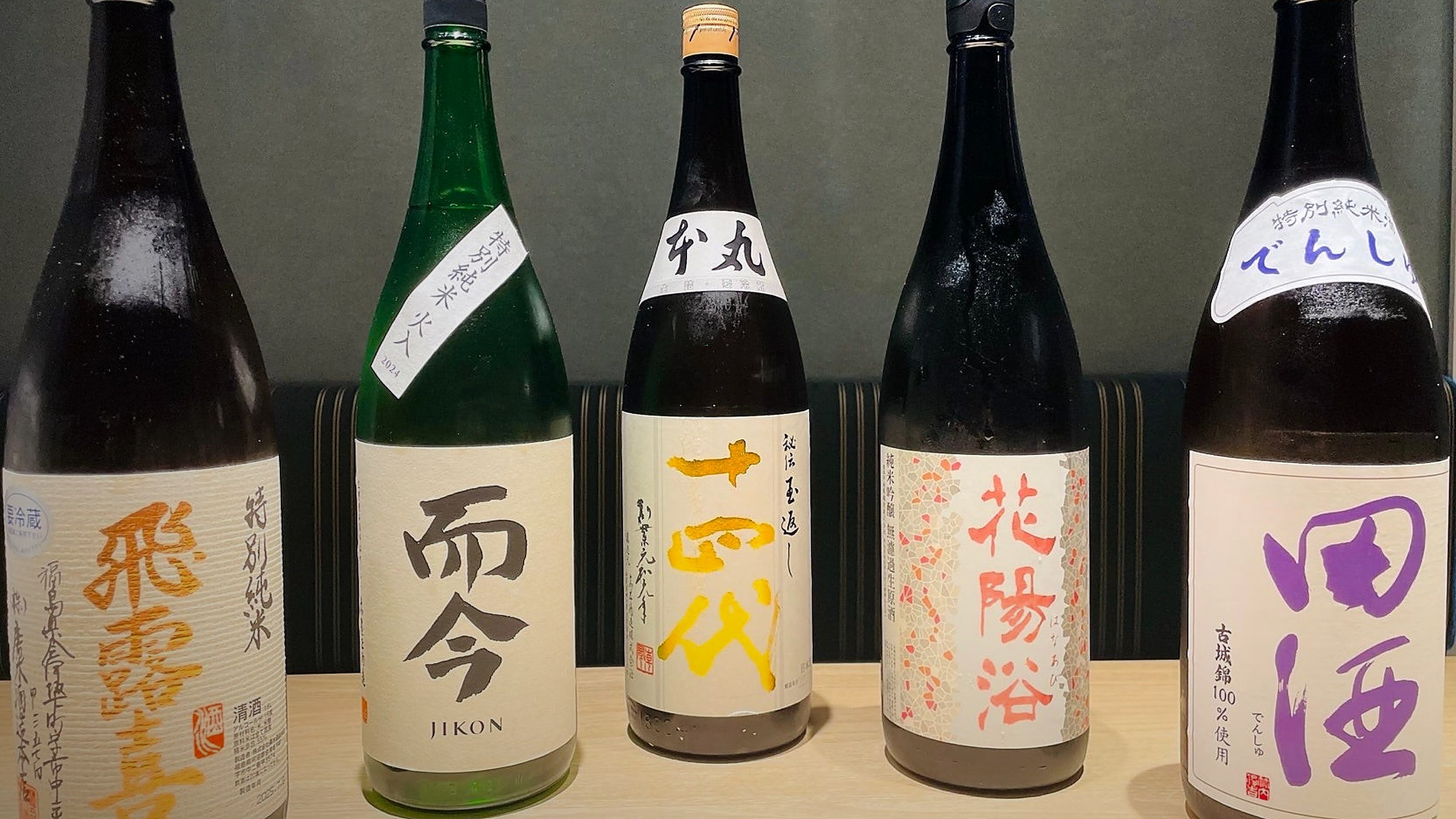
[2026 Perspective Guide] Consumer Community Platforms (e.g., SAKETIME) & International Blind Competitions (IWC, Kura Master, SAKE COMPETITION)
Why do consumer review charts like Japan’s SAKETIME diverge from blind-tasted competitions like IWC, Kura Master, and SAKE COMPETITION? A definitive cross-analysis for buyers and collectors.
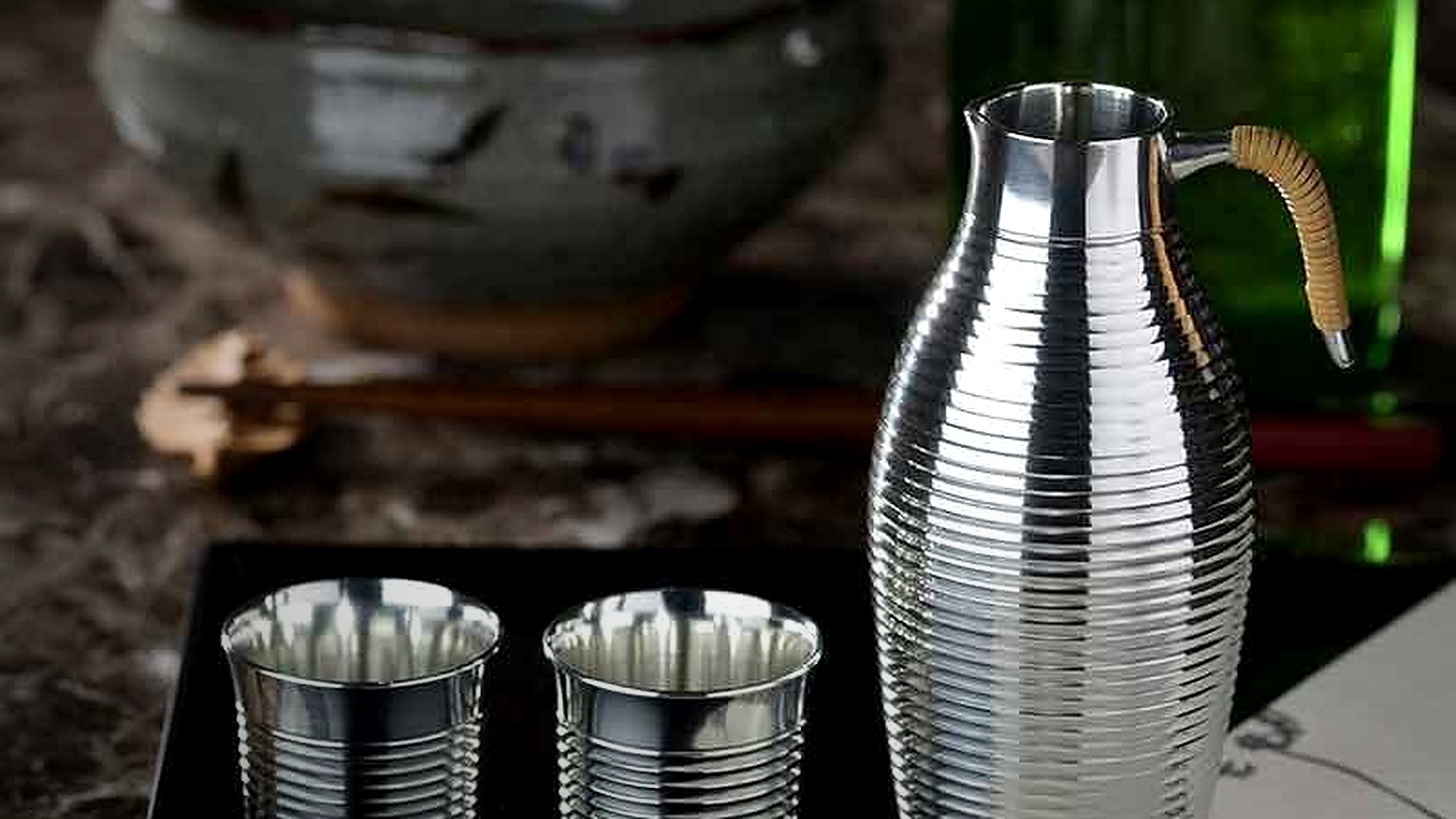
[Sake Ordering & Dining Etiquette in Tokyo and Seoul] Ichigo, Tokkuri, Choosing Your Ochoko, Mokkiri, Yawaragi-Mizu & BYOB Corkage Guide
How much sake is in an "ichigo"? When the server brings a tray of handmade ceramic and tin cups (ochoko), which shape should you pick for your bottle? And how do you actually drink an overflowing "mokkiri" box glass without spilling? The insider’s etiquette guide for Tokyo and Seoul.
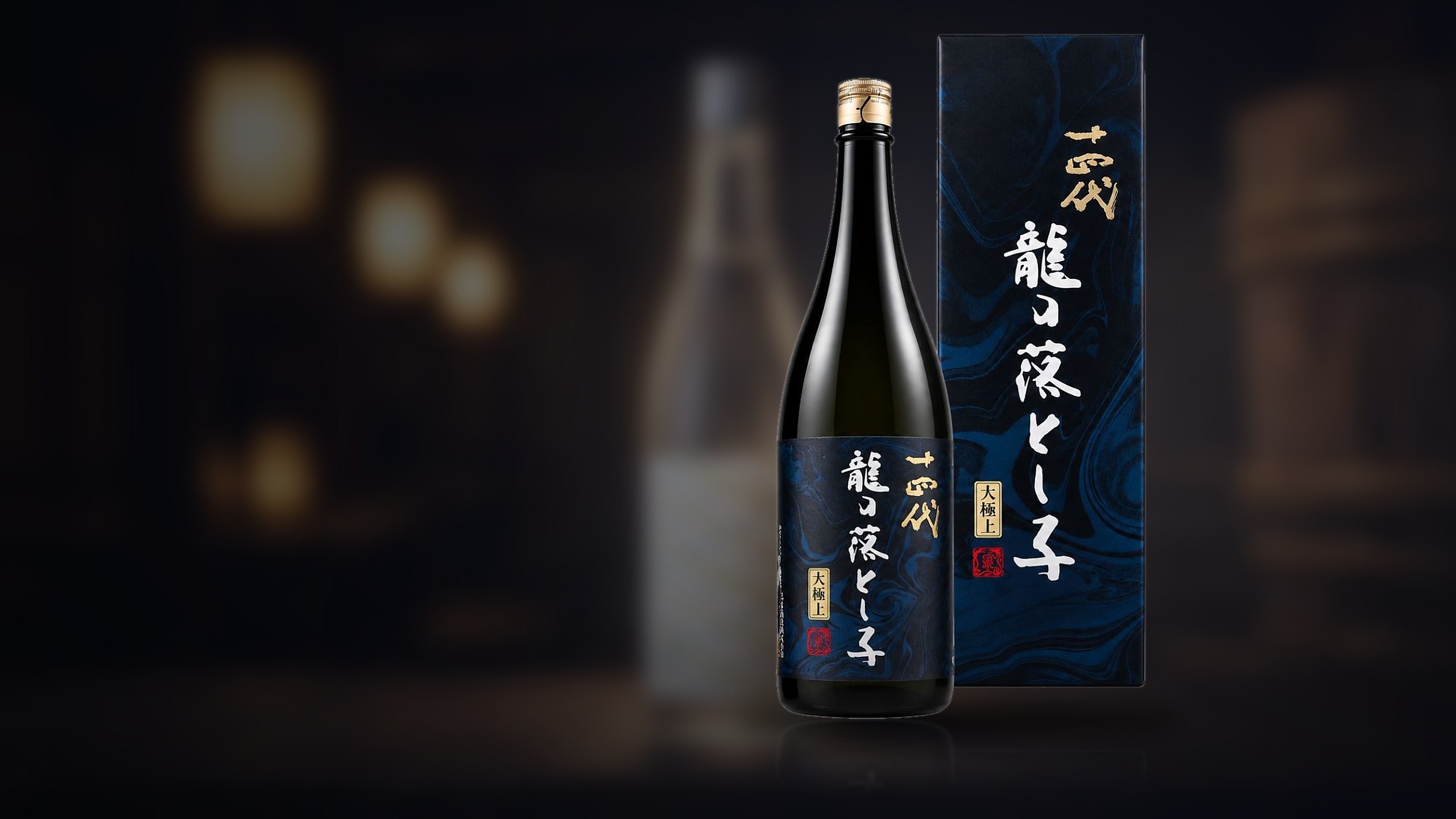
[2026 High-Attention Index] The 20 Most Sought-After Japanese Sake Brands — Search Trends, Reviews & SS / S / A Guide
From Juyondai, Aramasa, and Jikon to Mimurosugi, Ubusuna, Kankiku, Tabika, Gensai, and Ki-oku—the 2026 High-Attention Index (Organized by Attention & Style Profile) of Japan’s 20 most sought-after premium sake brands.
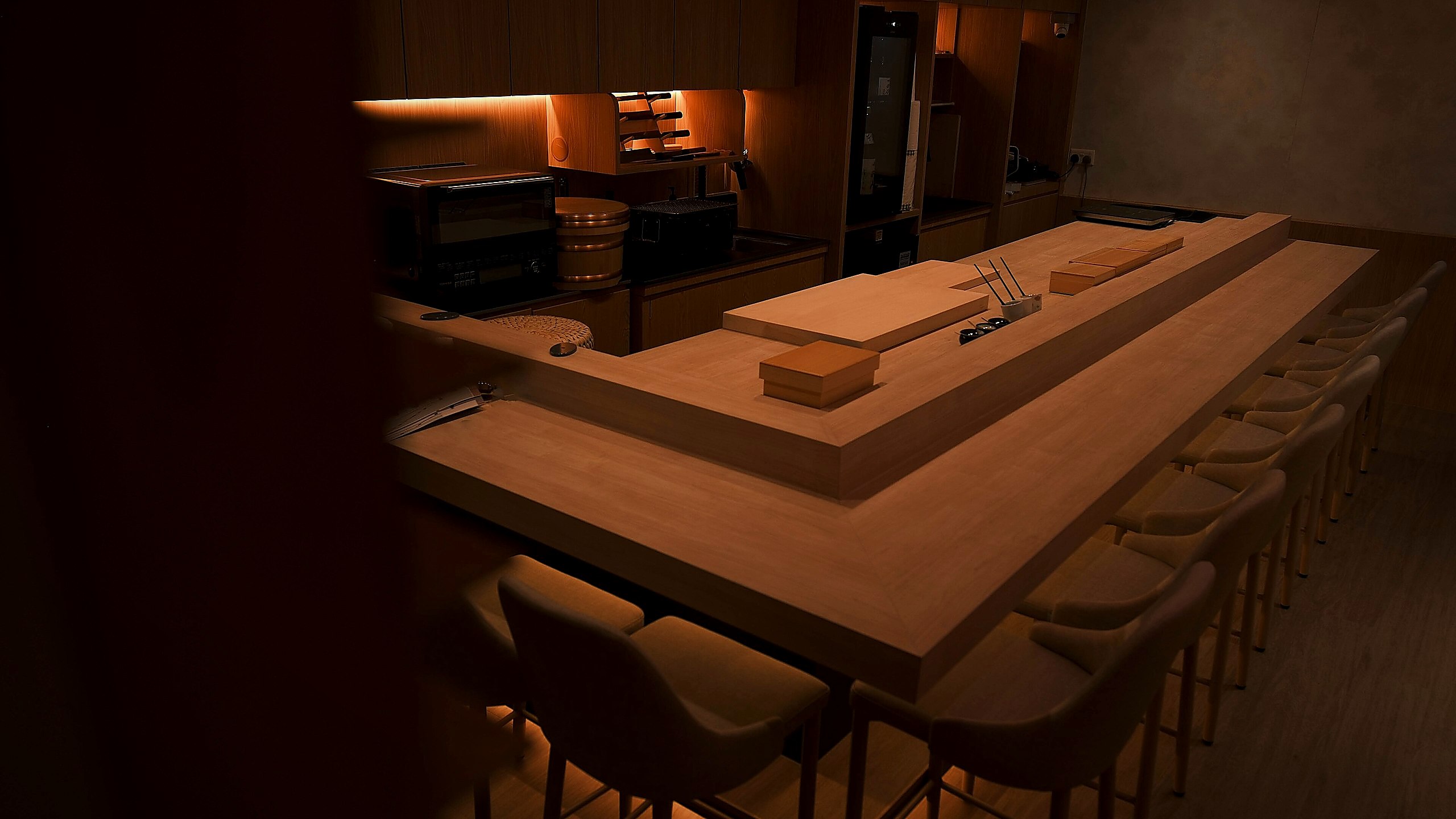
[Why Global 3-Star Michelin Restaurants Embrace Sake] Inside Nobu, Geranium, SingleThread & L’Effervescence — And 5 Challenging Dishes Where Sake Shines
From Chef Nobu Matsuhisa’s pioneering global partnership with Sado Island’s Hokusetsu Brewery to 3-star Michelin programs at Copenhagen’s Geranium, California’s SingleThread, and Tokyo’s L’Effervescence, here is why the world’s top sommeliers deploy craft sake for haute cuisine’s hardest dishes.
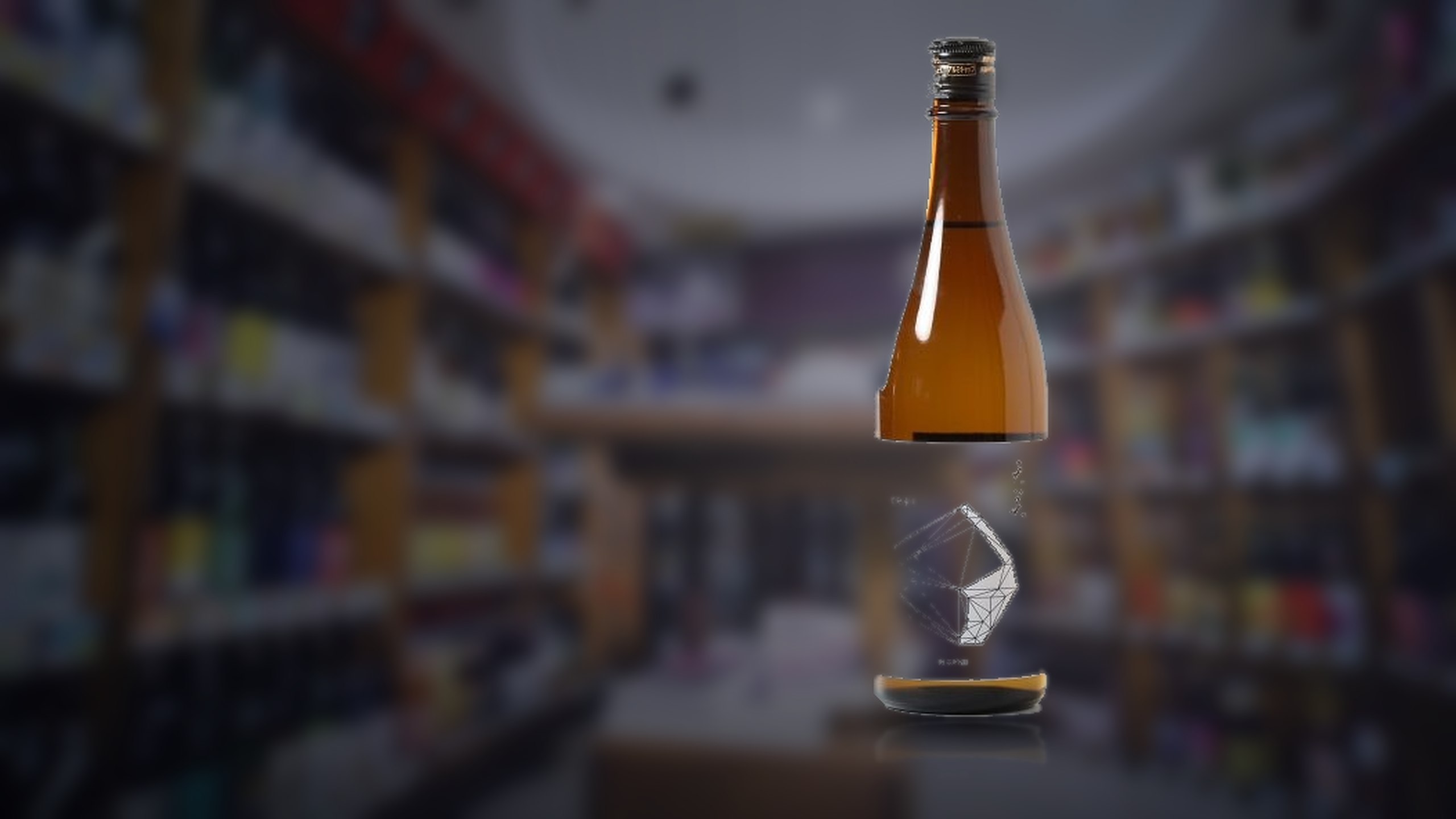
[Inside the 2026 Champions] Decoding the Brewing Mastery of Mimurosugi (Double Crown), Tenbi (IWC Champion) & Shichiken (Kura Master President Prize)
An inside look at the three breweries that swept the top trophies of 2026: Imanishi Shuzo’s Mimurosugi, Choshu Shuzo’s Tenbi, and Yamanashi Meijo’s Shichiken—and the shared philosophy uniting them.
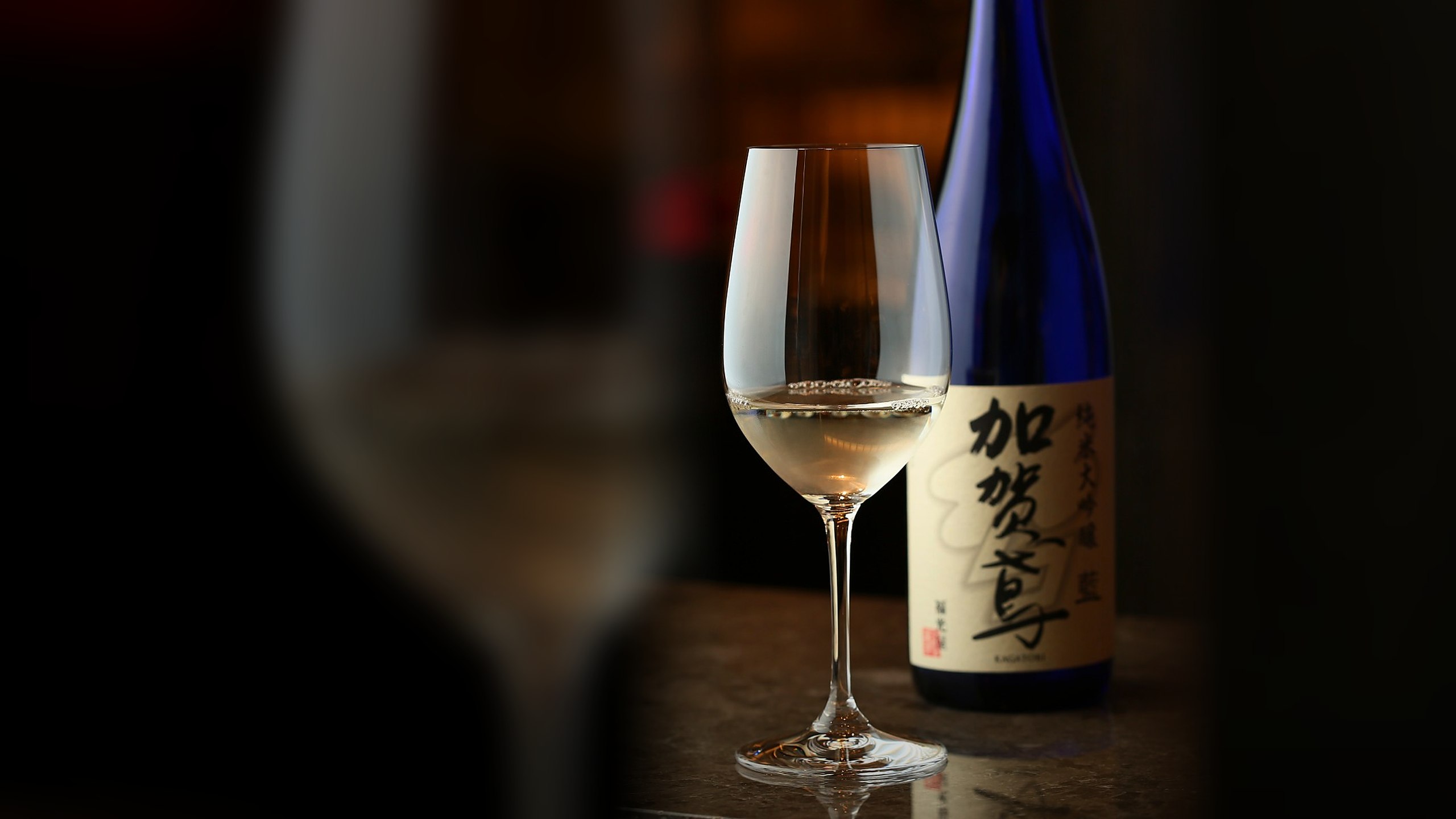
[The Ultimate Guide to Sake Grades] Junmai Daiginjo vs. Junmai Ginjo vs. Junmai vs. Honjozo — Definitions, Polishing & Flavor Profiles
What is the real difference between Junmai Daiginjo, Daiginjo, Junmai Ginjo, Tokubetsu Junmai, and Honjozo? A complete, sommelier-grade breakdown of Japan’s 8 special designations.
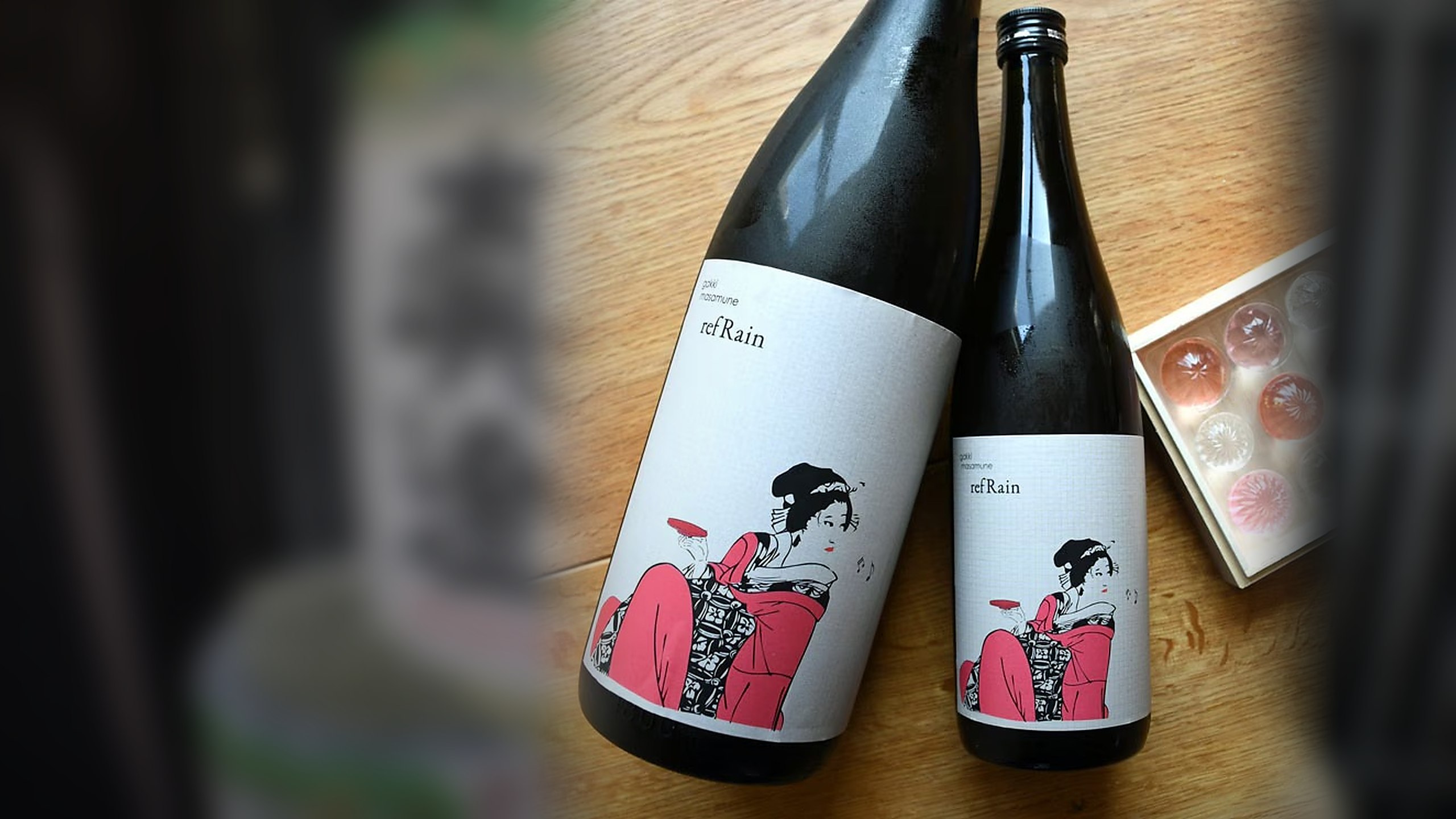
[Inside Japan’s 5 Fastest-Selling Allocation Sakes] Shinshu Kirei, Kaze no Mori, AKABU, Tenbi & Gakki Masamune — A Buyer’s Deep Dive
Beyond secondary-market trophy bottles, which sakes actually make knowledgeable Japanese drinkers sprint to their local specialty shop the morning an allocation lands? Here is an insider buyer’s profile of Japan’s 5 hottest real-world craft sakes: Shinshu Kirei, Kaze no Mori, AKABU, Tenbi, and Gakki Masamune.
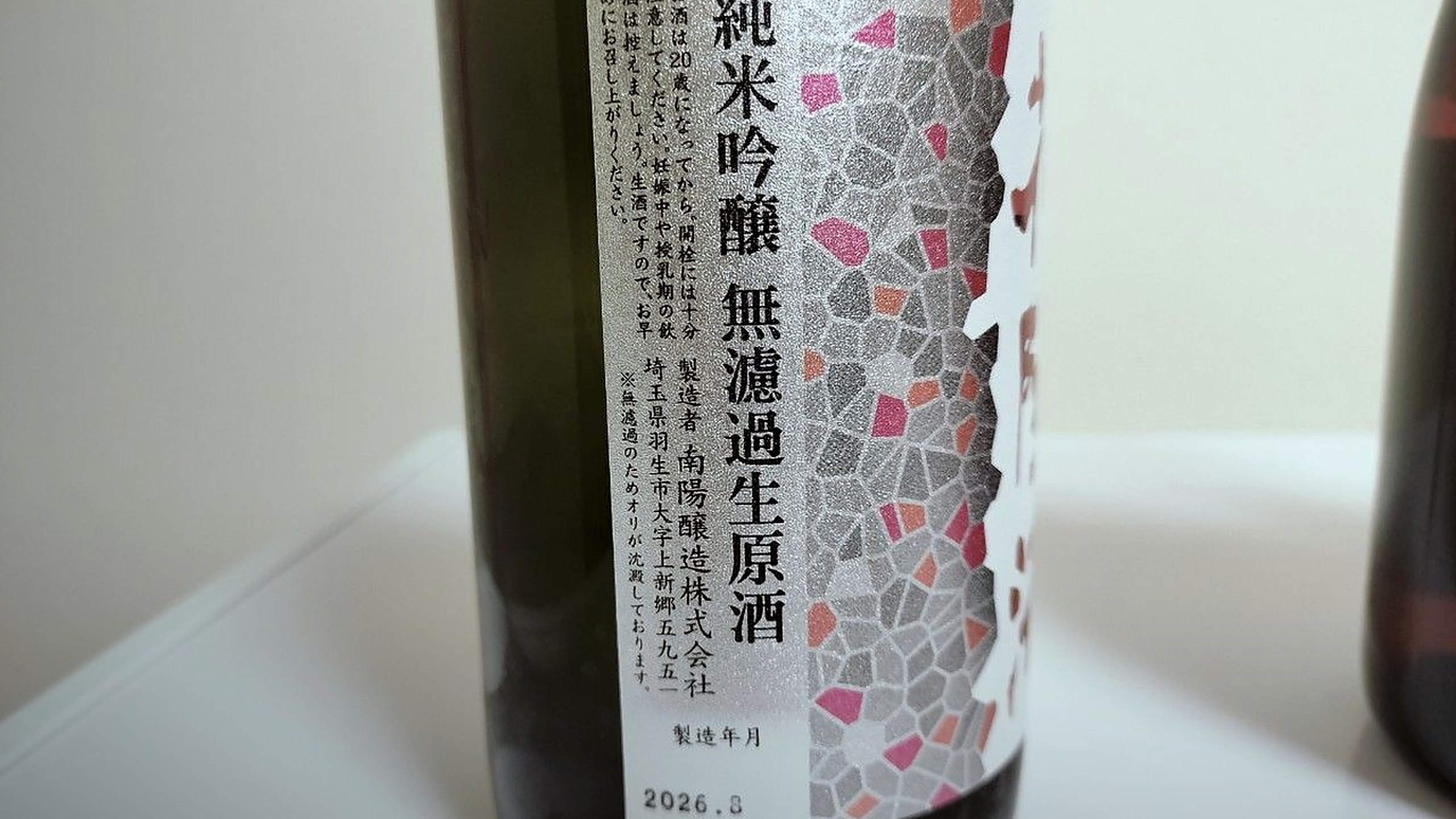
[Muroka Nama Genshu Explained] Why Sake Enthusiasts Obsess Over Unfiltered, Unpasteurized, Undiluted Sake — Plus Arabashiri vs. Nakadori
Decoding the most coveted phrase on modern sake labels: Muroka Nama Genshu. Plus a masterclass on pressing fractions—Arabashiri, Nakadori, and Seme—and how they shape texture.
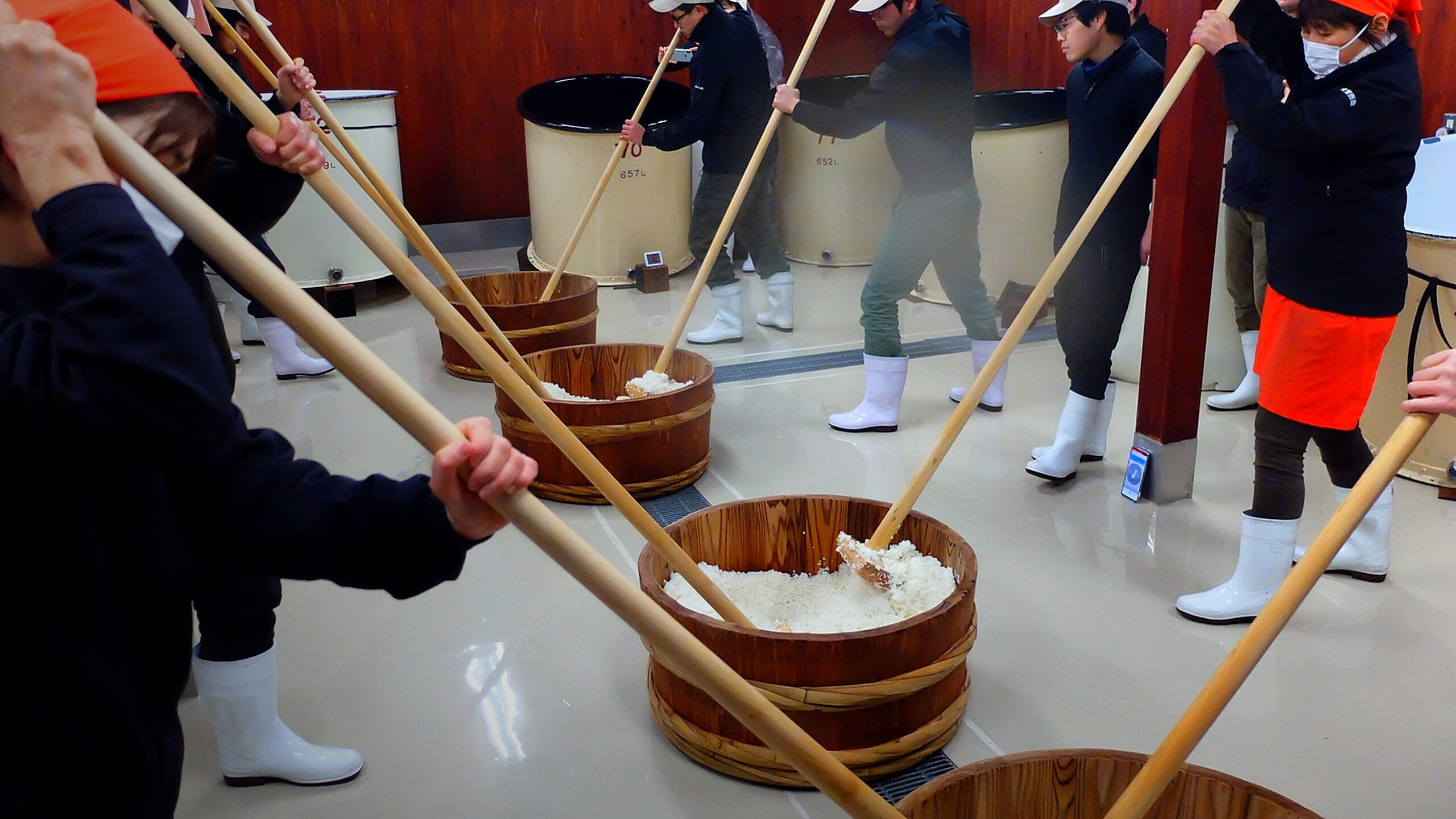
[Kimoto vs. Yamahai vs. Sokujo] How Wild Lactic Acid Fermentation Creates Depth & Umami — From Suehiro Shuzo’s Pioneer Spirit to Modern Craft
A deep dive into the three starter-mash methods of sake brewing: Sokujo, Kimoto, and Yamahai. From the 1909 birth of Yamahai at Fukushima’s Suehiro Shuzo to the modern natural-sake renaissance.
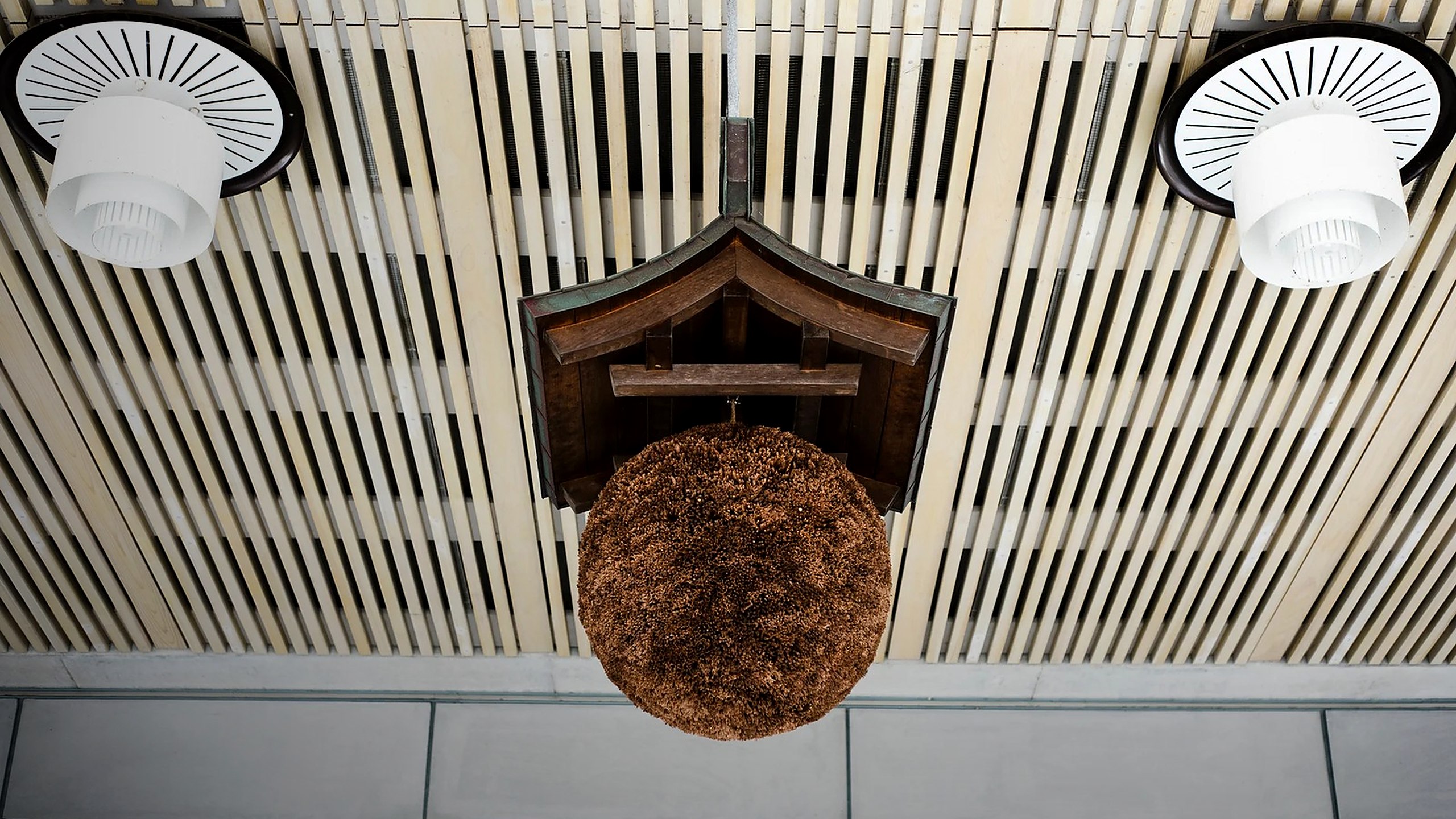
[Regional Terroir Map of Japanese Sake] Fukushima, Mie, Aichi, Chiba, Nagano, Nara & Saga — How Water Hardness and Climate Shape Flavor
Roughly 80% of every bottle of sake is water. From snowbound Aizu in Fukushima and the ultra-soft mountain springs of Mie to Aichi, Chiba, Nagano, Nara, and Kyushu—here is how regional terroir shapes Japanese sake.
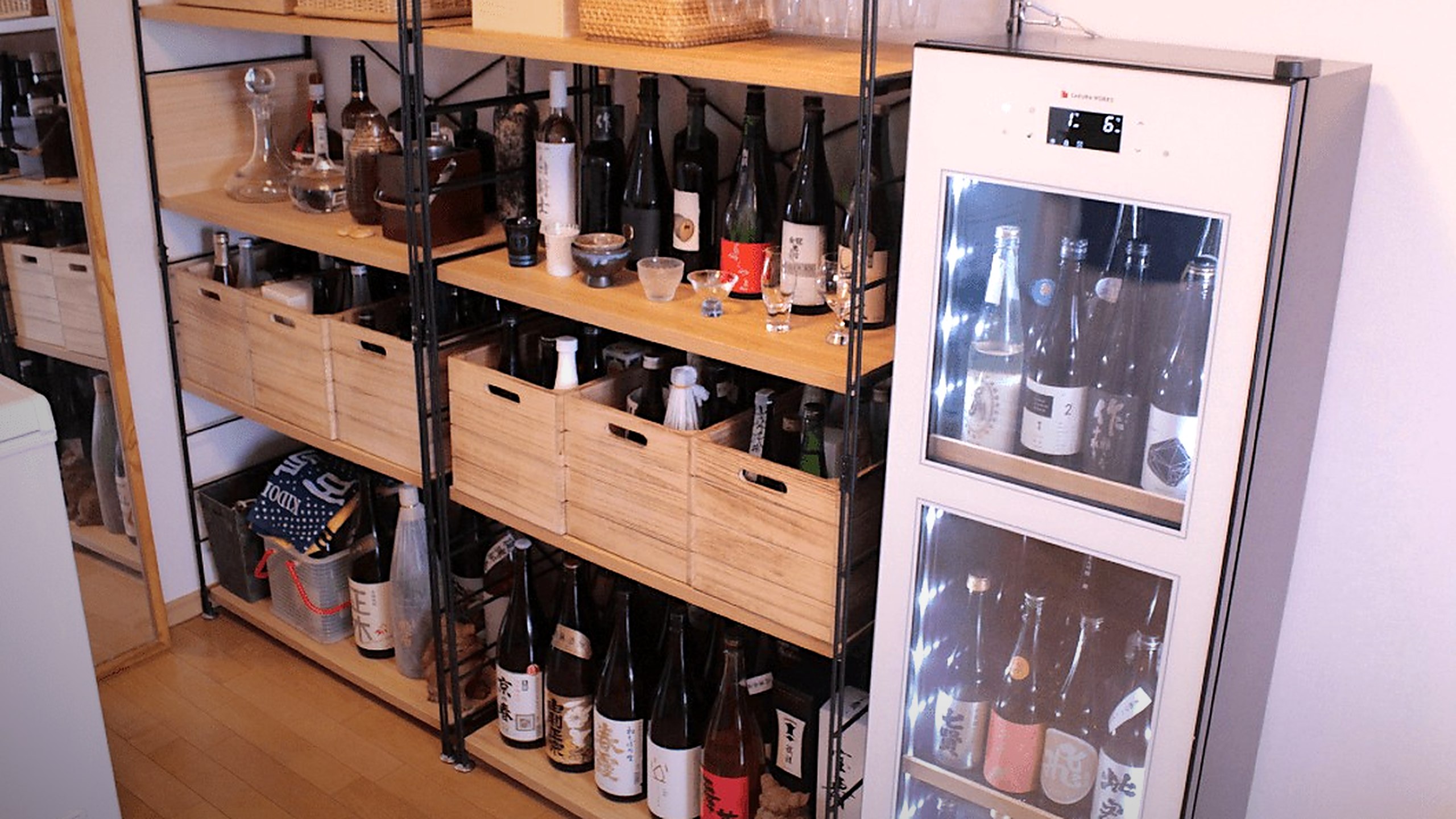
[Sake Storage & Shelf Life Master Guide] How to Store Unpasteurized Nama vs. Pasteurized Sake — Before and After Opening
Does sake expire? How long does an opened bottle last? Here is the definitive sommelier guide to protecting sake from UV light and heat—and why many premium sakes actually peak 3 to 10 days after opening.
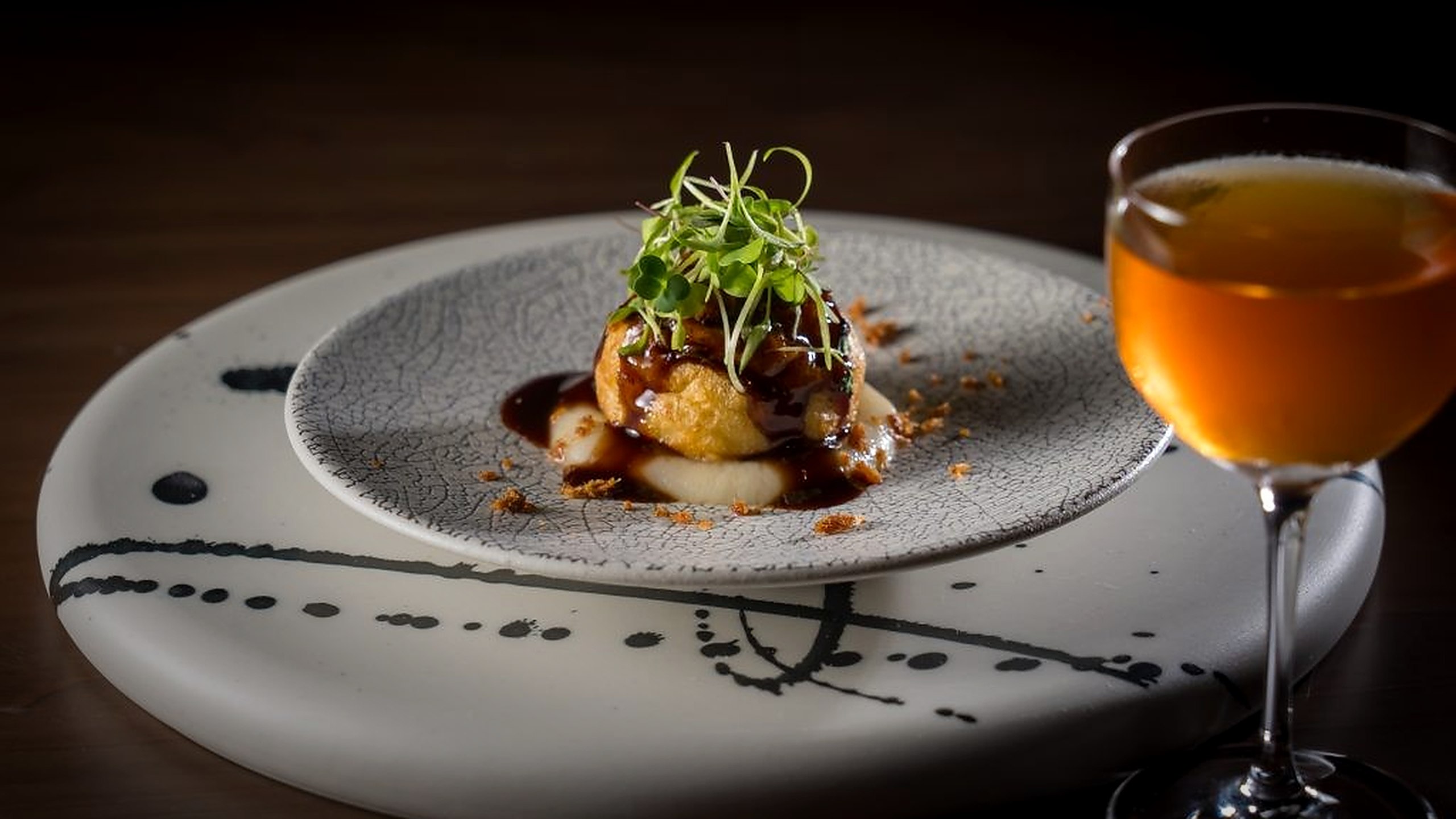
[Korean Fine Dining × Sake Pairing Bible] The Sommelier’s Matrix for Hanwoo Beef, Aged Sashimi, Abalone Liver Sauce & Fermented Tapas
Why Seoul’s Michelin-starred Contemporary Korean dining rooms and luxury Hanwoo beef omakase counters are turning to craft sake over wine—complete with our 4-Dish Sommelier Pairing Matrix.
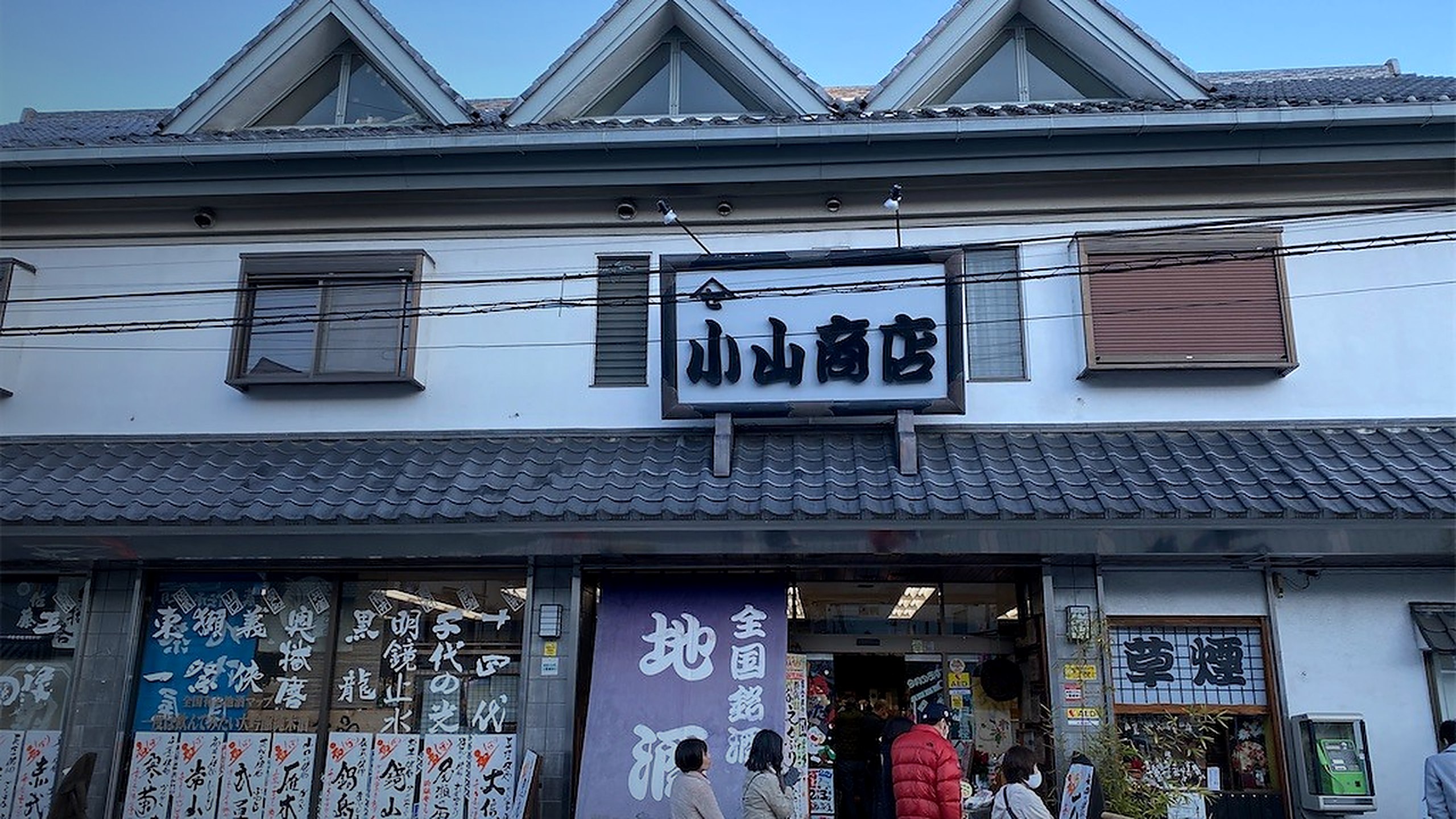
[2026 Seoul & Tokyo Sake Destination Guide] From Seoul’s Acclaimed Asoto (朝人) to Tokyo’s Legendary Koyama (Koyama Shoten)
Even the greatest sake is only as good as the cold chain and sommelier hands that bring it to your glass. A curated guide to Tokyo’s legendary Koyama Shoten, cross-border curator Syuen, and Seoul’s Asoto (朝人).
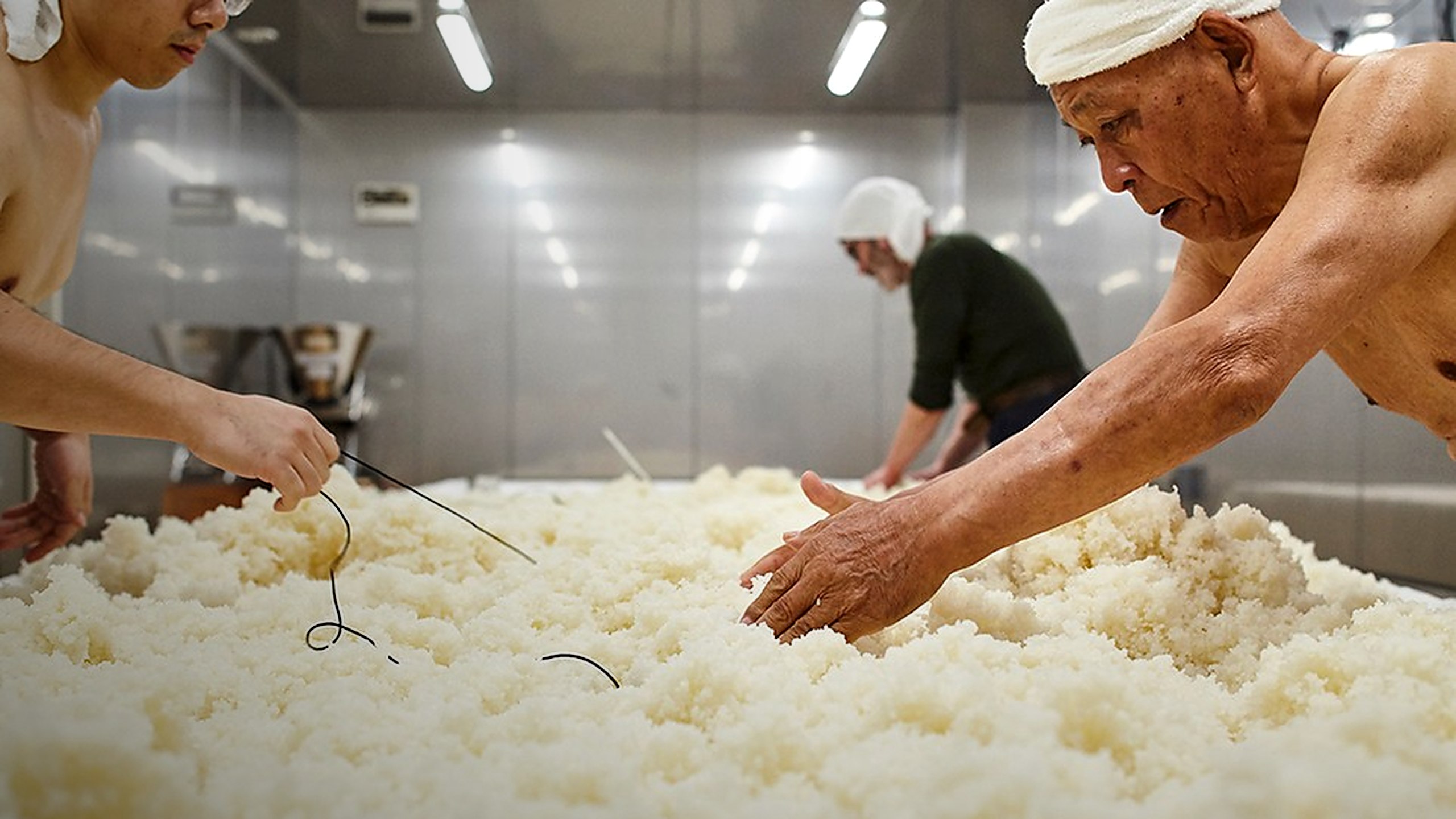
[UNESCO Intangible Cultural Heritage & The Science of Koji] Why Global Chefs and Winemakers Marvel at Multiple Parallel Fermentation
Recognized by UNESCO as Intangible Cultural Heritage of Humanity, Japan’s traditional *koji*-based brewing relies on the world’s most complex fermentation architecture: Multiple Parallel Fermentation. Here is the science behind the magic.
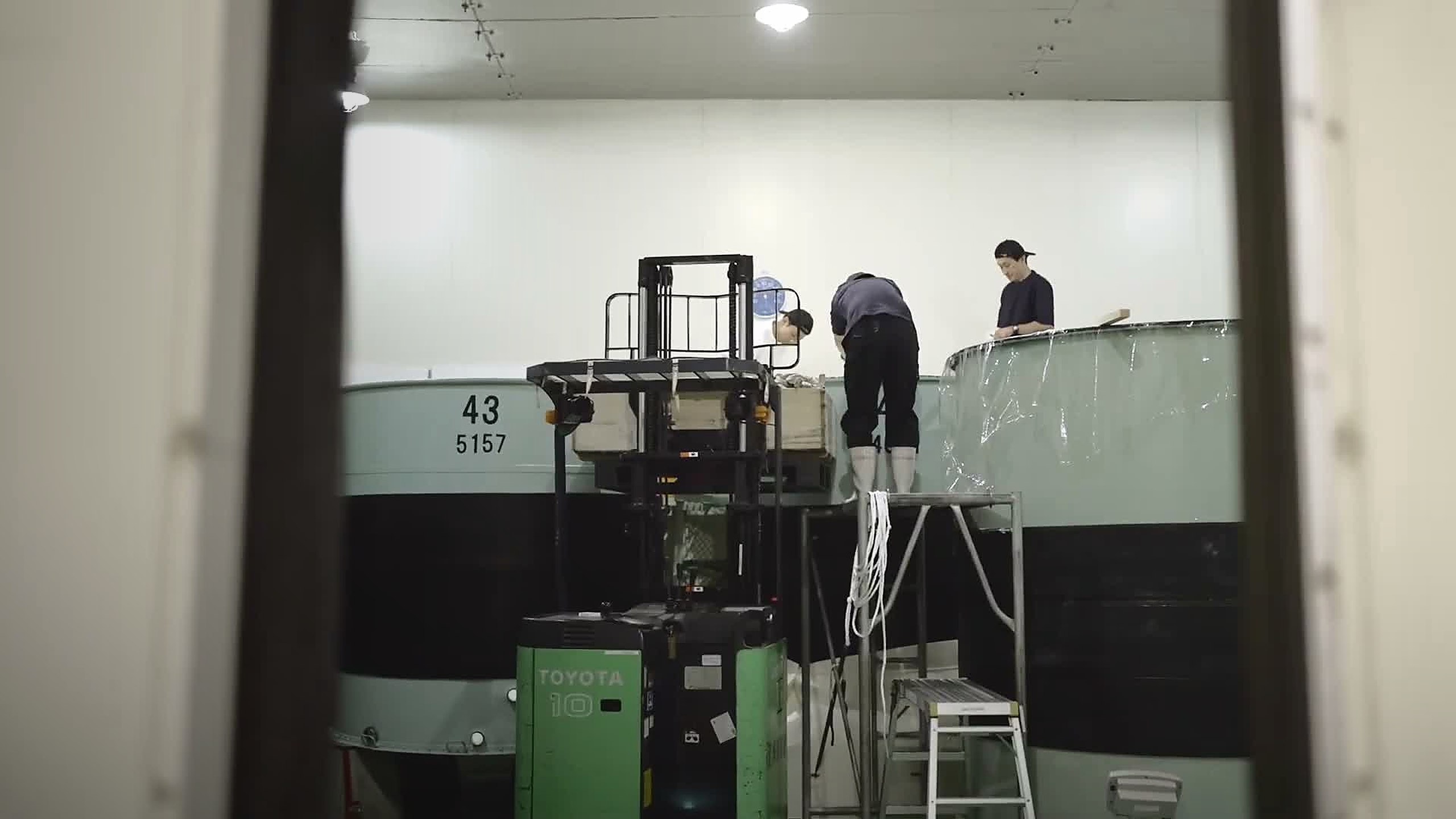
Seijitsu Koyama PB 2026 Edition — From March Completion & April Korea Launch to the Sub-Zero Cold Chain Behind Vol.2
The ultimate collaboration between Kankiku Meijo and Koyama (Koyama Shoten)—the 2026 PB edition of Seijitsu. Inside the -5°C sub-zero cold chain connecting March pressing in Chiba to April’s Korea debut and November 4’s sold-out Vol.2 tasting.
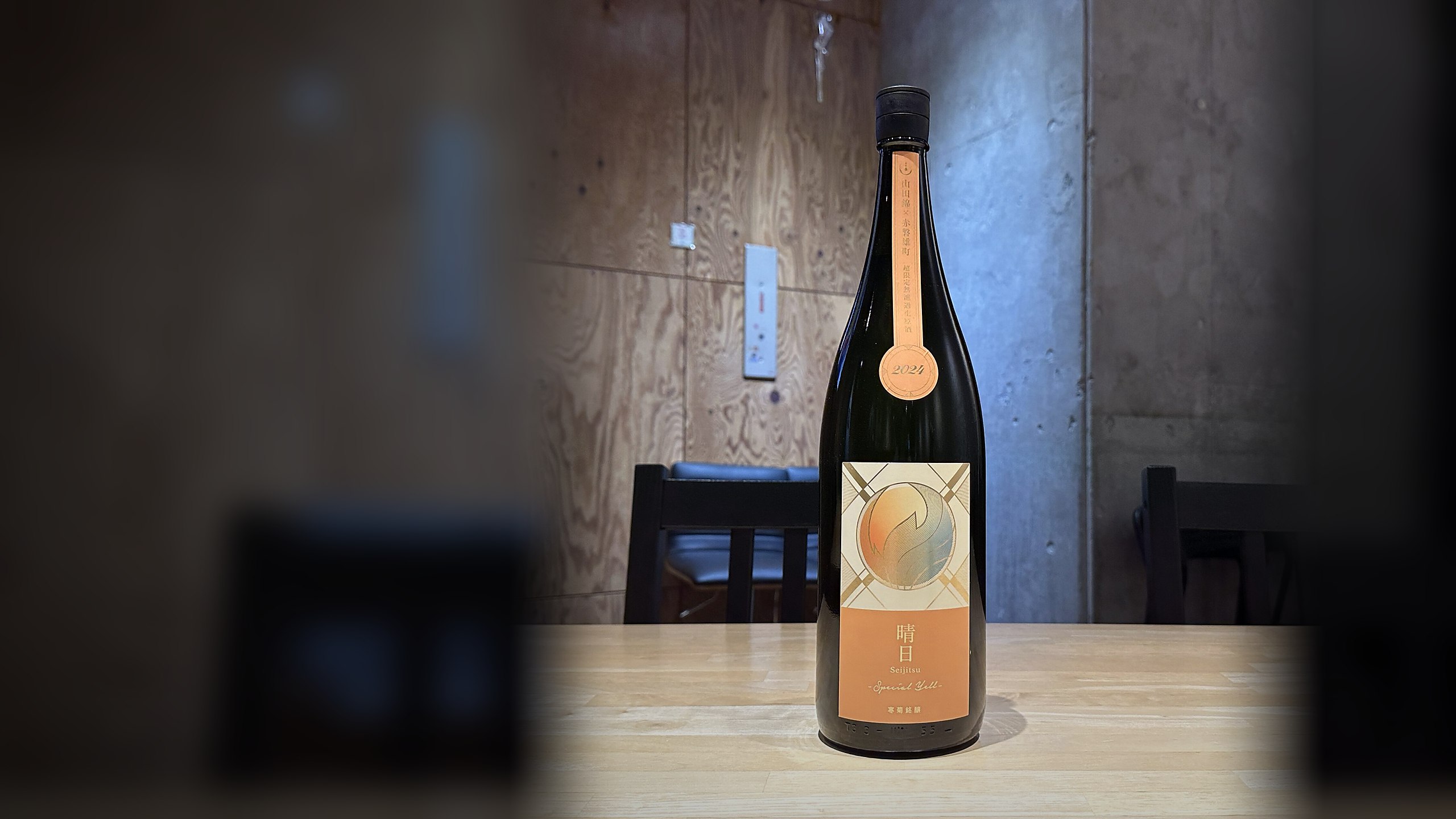
Koyama (Koyama Shoten) PB Kankiku Seijitsu — The Connoisseur's Pinnacle
A special edition Kankiku "Seijitsu" available only at Koyama (Koyama Shoten). How single-tank selection and 50 years of connoisseurship created a 200-bottle miracle.
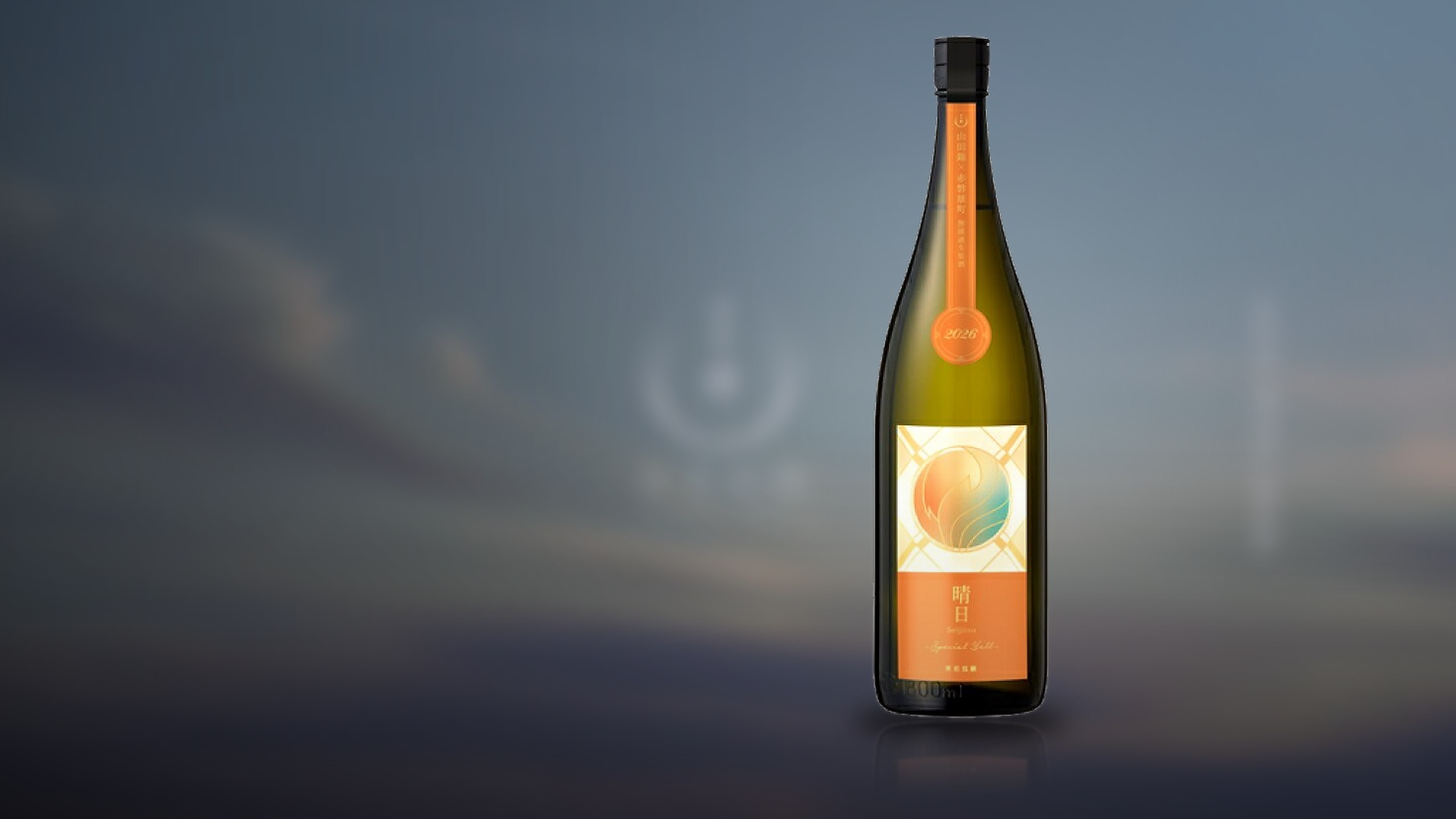
Kankiku Seijitsu — A Junmai Daiginjo That Shines Like the Sun
The pinnacle bottle from Kankiku Meijo—"Seijitsu." Yamada Nishiki polished to 35% and drip-pressed for transparency and elegance reminiscent of Kujukuri's clear skies.
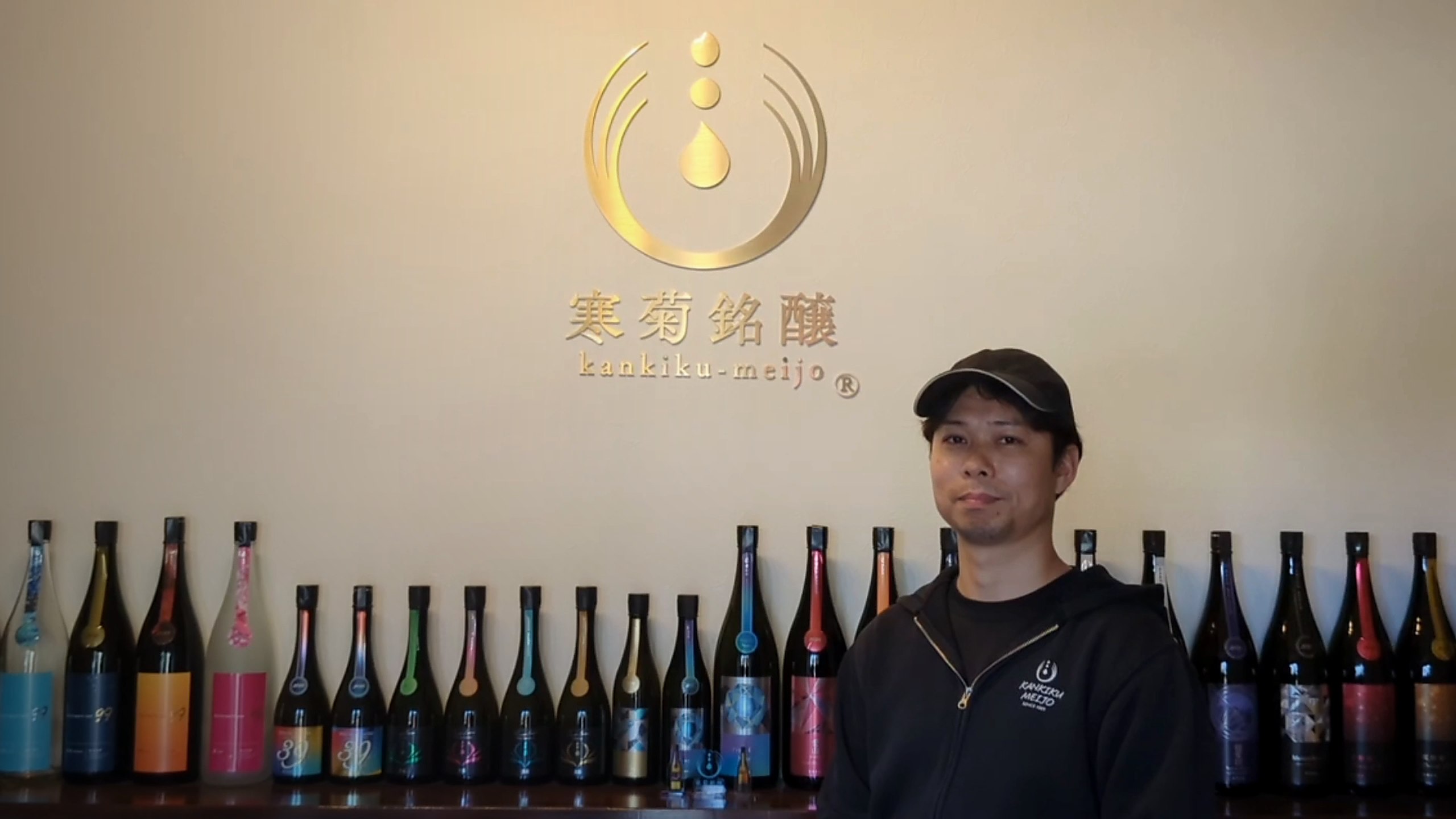
Kankiku — From Chiba to the World. Kankiku Meijo's Challenge
In Kujukuri, Chiba Prefecture, a young brewer crafts "Kankiku" where sea breezes blow through the brewery. The forefront where tradition meets innovation.
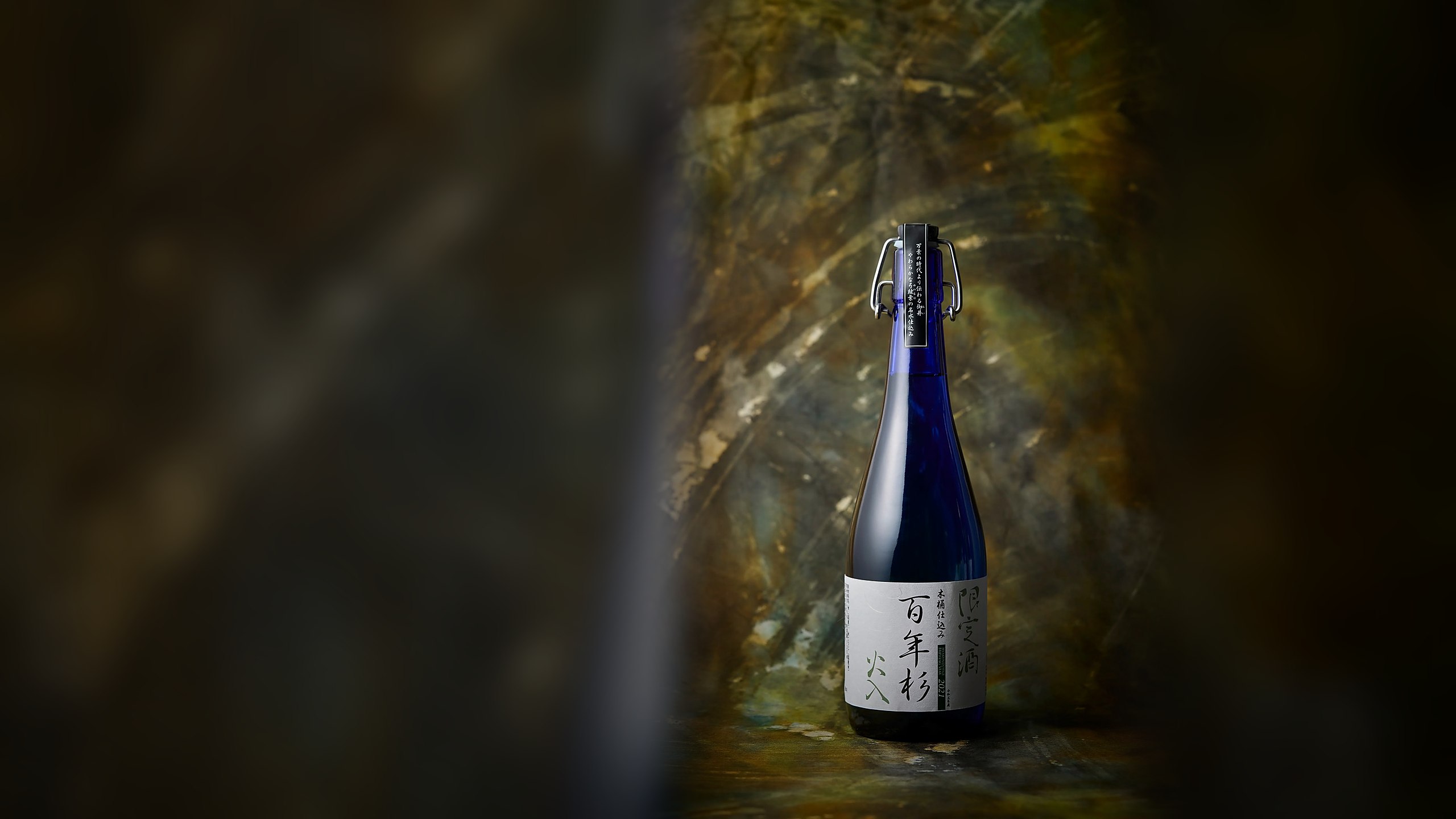
Ubusuna — Brewing Terroir. Sake Born from Kumamoto’s Kikuchi River Basin
In Nagomi-machi, Kumamoto Prefecture, Hananoka Shuzo crafts "Ubusuna"—a revolutionary terroir sake uniting Aso volcanic subterranean water, mycorrhizal natural farming, and wooden-vat kimoto brewing.
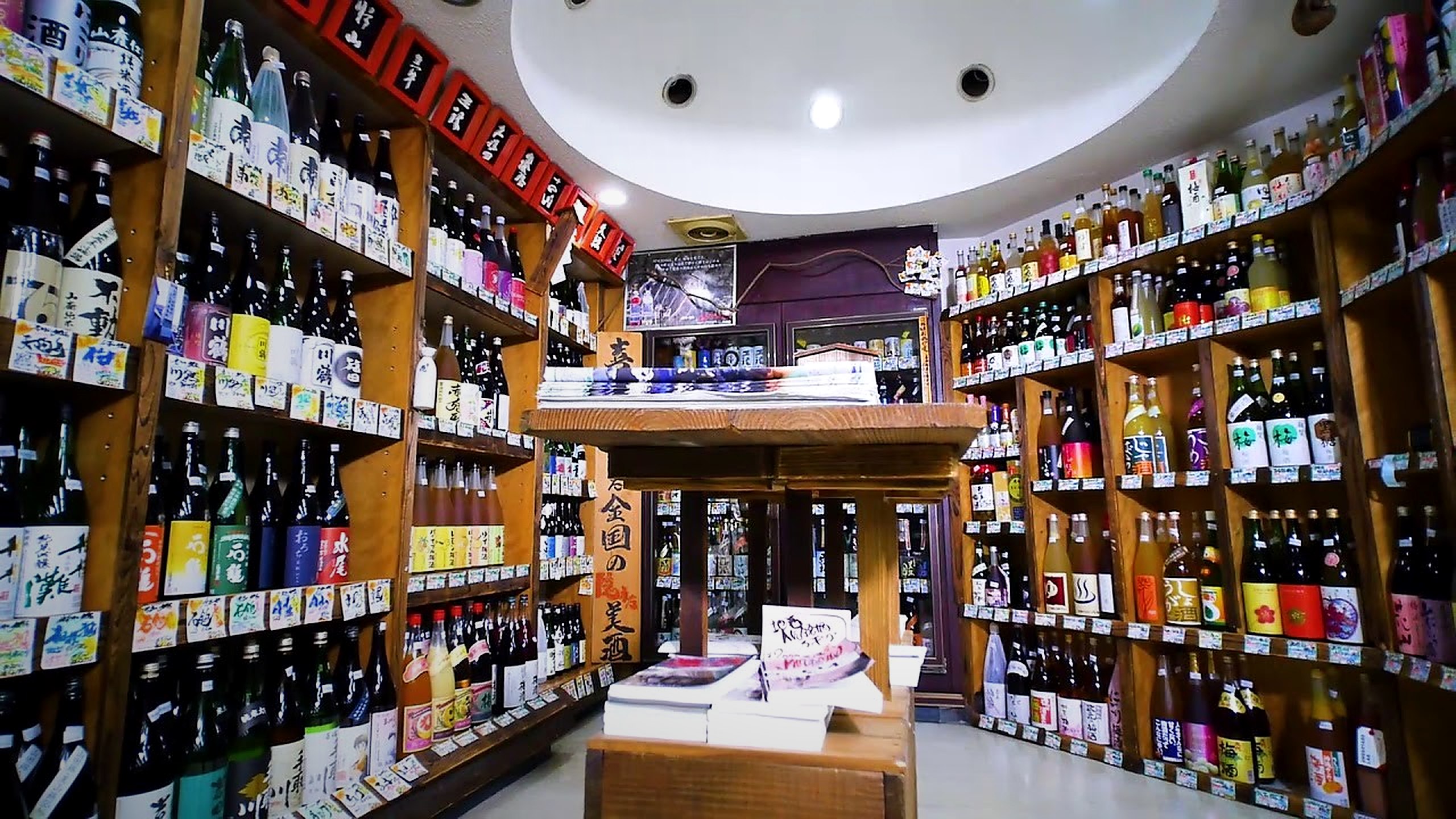
Koyama (Koyama Shoten) — The Connoisseur's Choice for Authentic Sake
In Tama City, Tokyo, Koyama (Koyama Shoten) is a legendary sake shop that every enthusiast knows—maintaining its commitment to authenticity and sub-zero cellar management for over half a century.
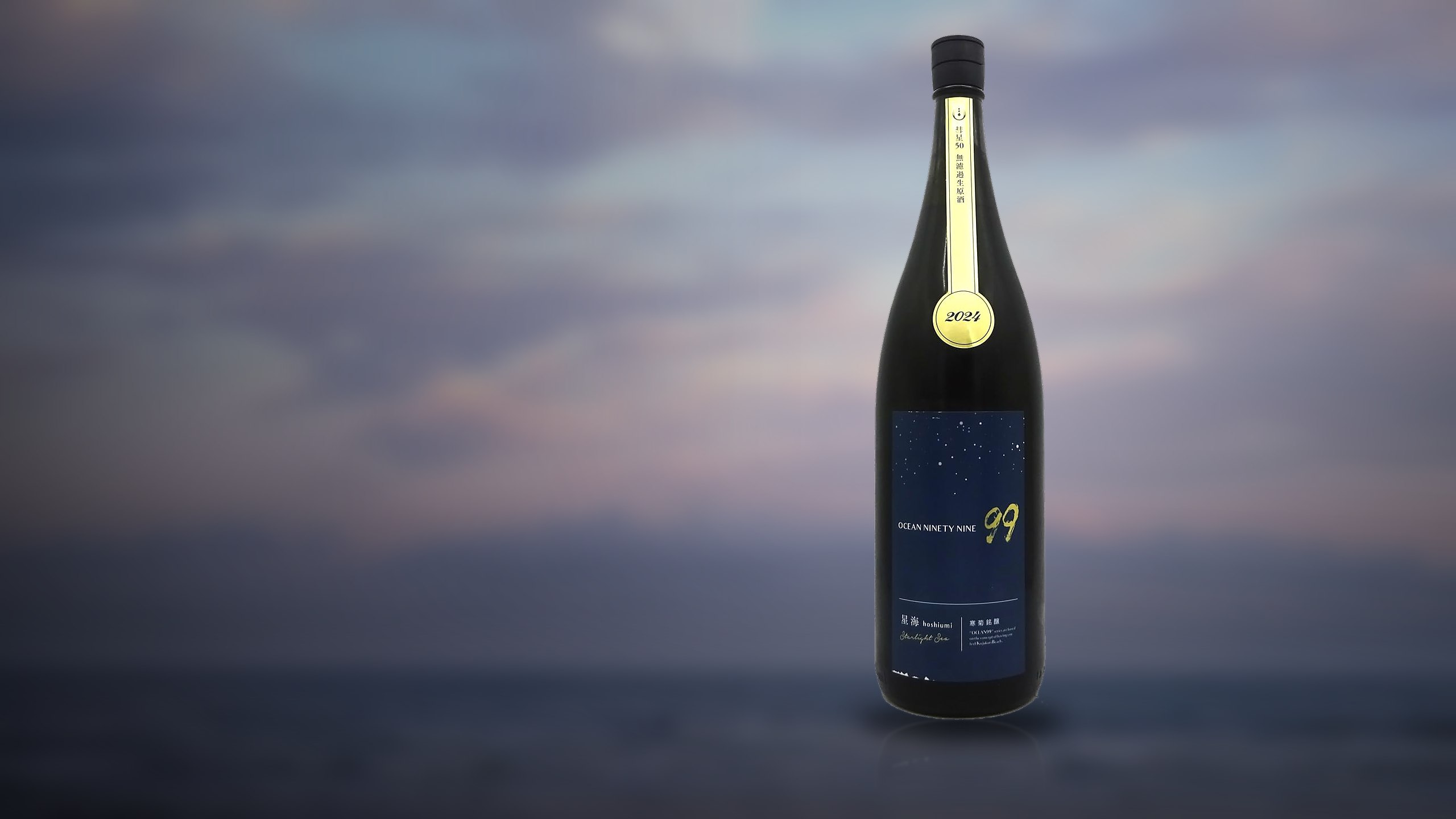
Kankiku OCEAN99 Series Complete Guide — Seasonal Sakes Reflecting Kujukuri’s Sea
The definitive guide to all 6 seasonal releases in Kankiku Meijo’s iconic "OCEAN99" series—Nagi, Ginkai, Kukai, Seikai (Summer Sea), Seikai (Starlight Sea), and Tokai.
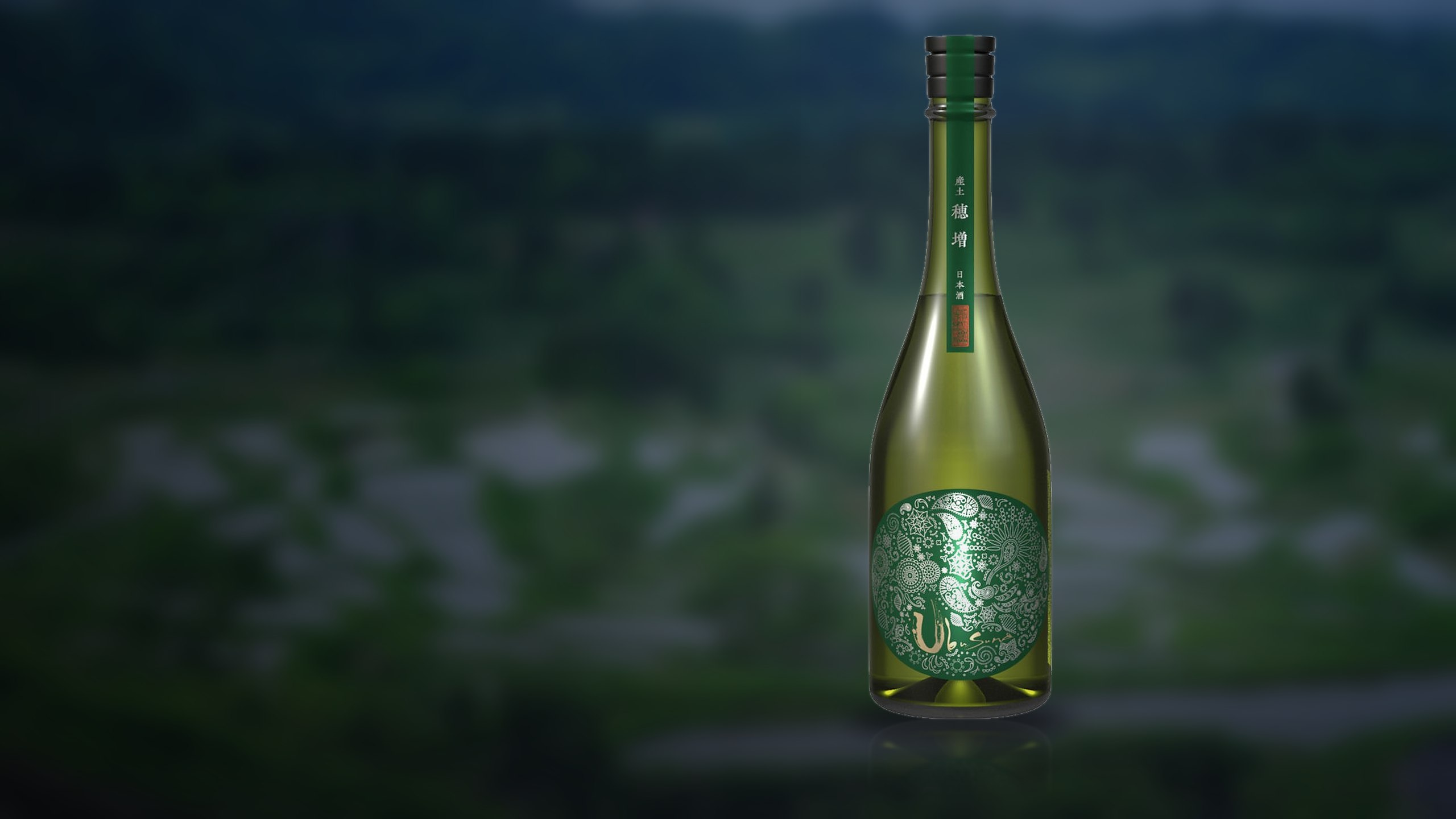
The Story Rice Tells in Ubusuna — Beyond Polish Ratios & The Revival of Edo Heirloom Rice "Homase" & "Kabashiko"
Why Hananoka Shuzo’s "Ubusuna" refuses to disclose rice polishing ratios—and the dramatic project to resurrect Edo-era Higo heirloom rice varieties "Homase" and "Kabashiko."
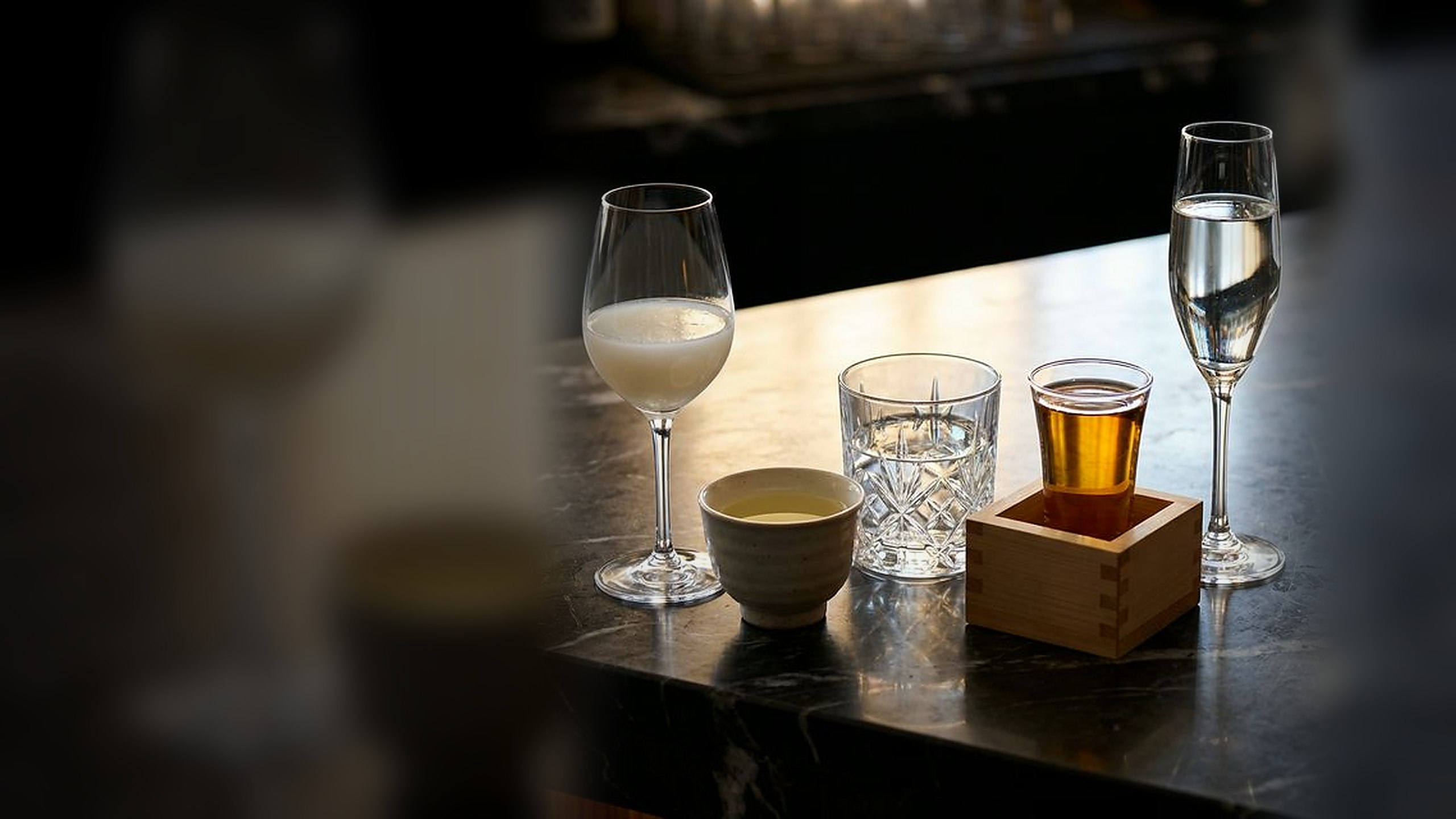
SakeStream × Koyama's 5 Must-Try Sakes of 2026
Curated by SakeStream in collaboration with Takeshi Koyama of Koyama (Koyama Shoten)—5 must-drink labels for 2026: Kankiku, Ubusuna (Hananoka Shuzo), Hiroki, Senkin, and Aramasa.
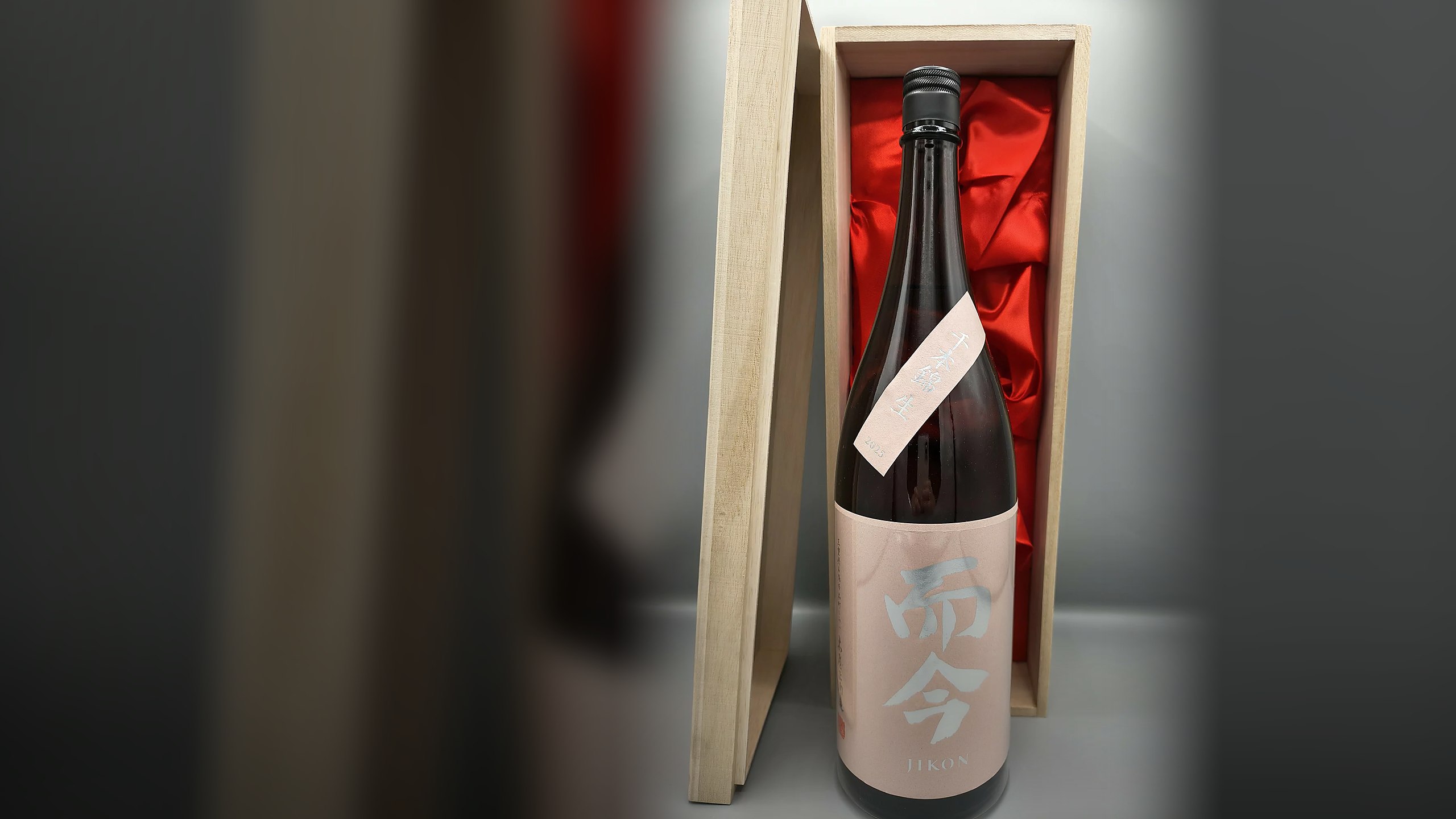
Jikon — The Philosophy of Living Now
Kiyasho Shuzo's "Jikon" from Mie. The Zen teaching in its name.
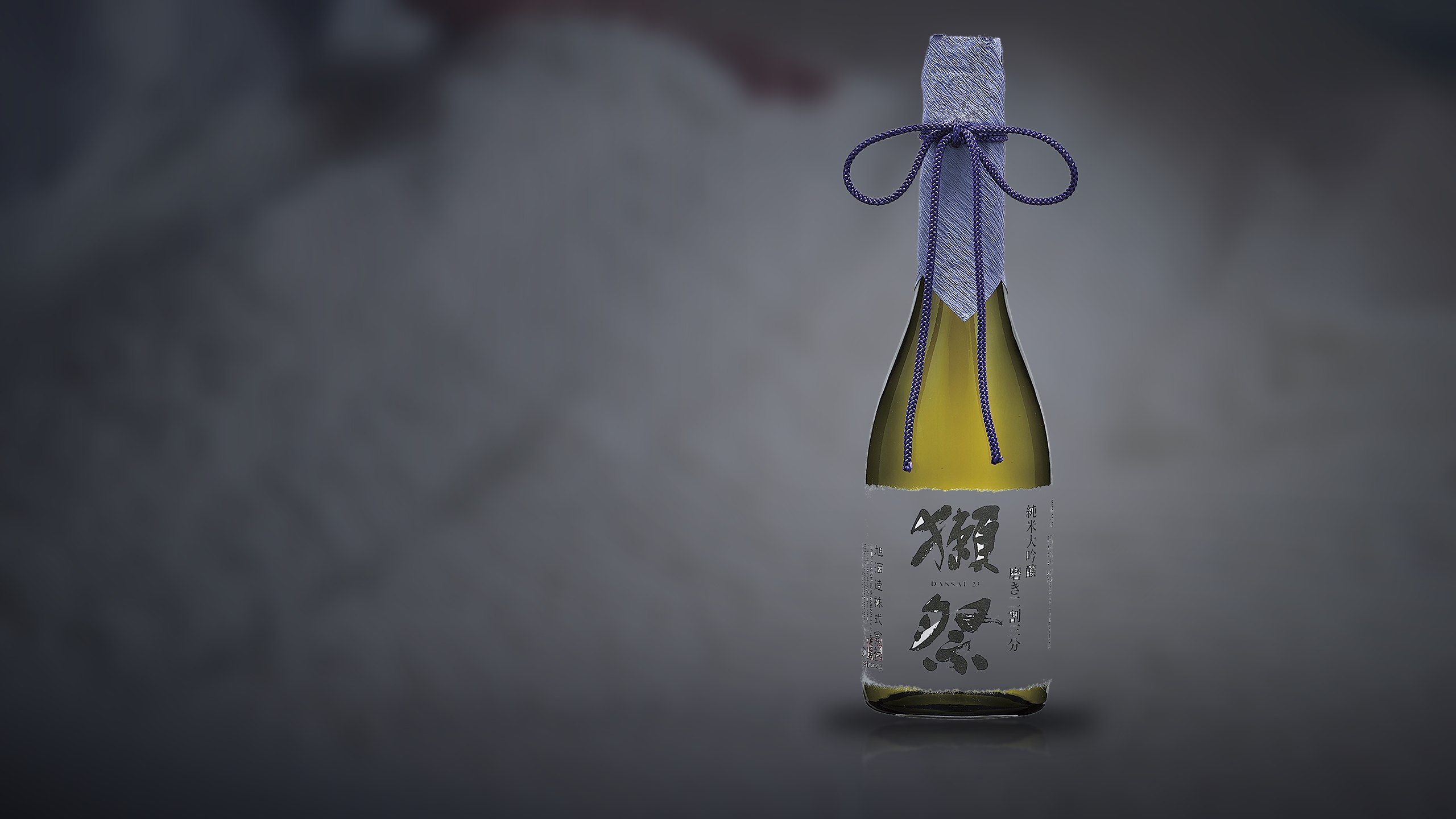
Dassai — The Data-Driven Revolution
Asahi Shuzo in Yamaguchi. Abolishing the toji system and aiming for the world's best through data.
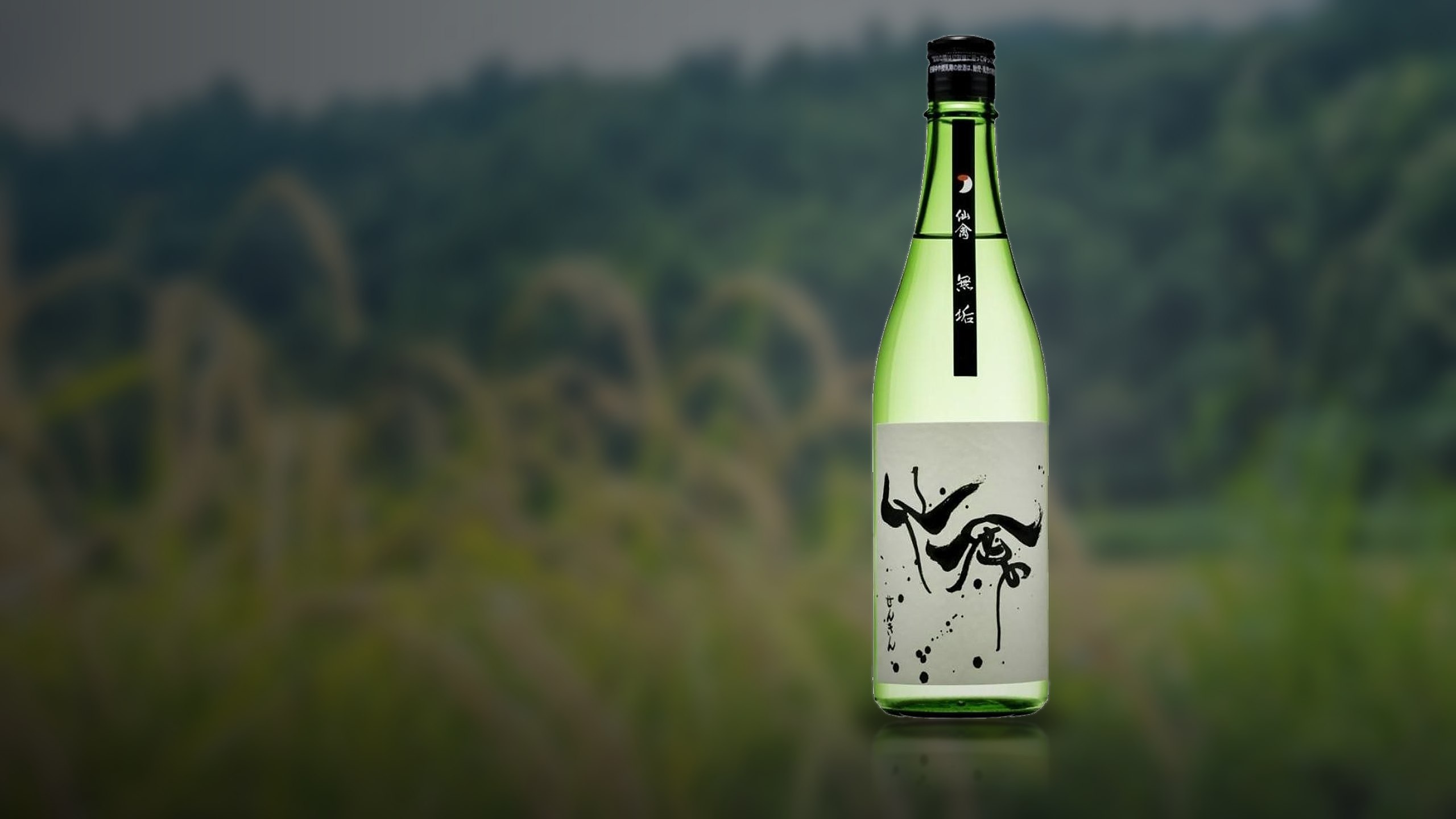
Senkin — Pioneer of Domaine
In Sakura, Tochigi. Growing their own rice and brewing sake unique to the land.
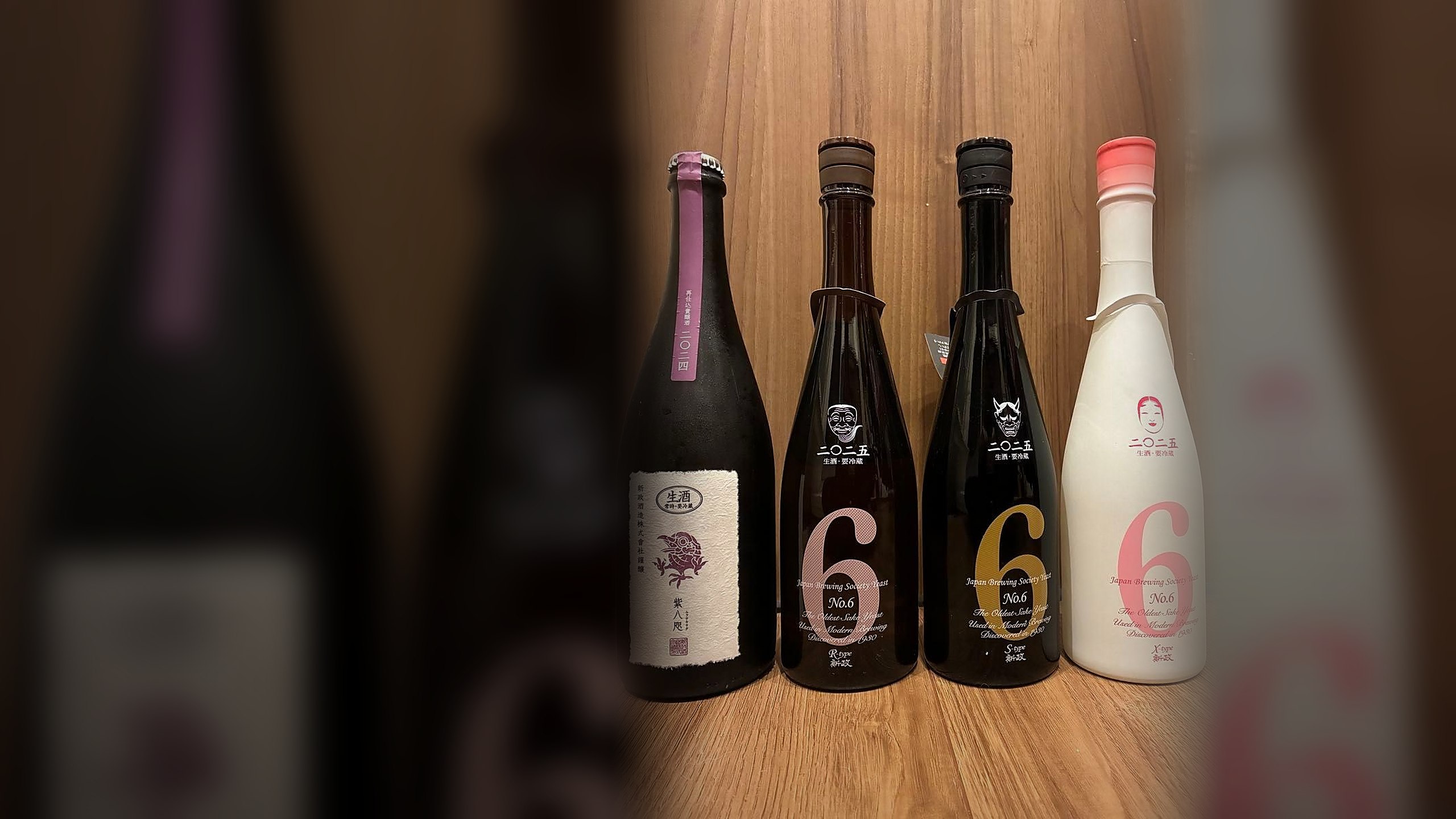
Aramasa — Innovation with Wood Barrels and Yeast No.6
Aramasa Shuzo in Akita. The birthplace of Yeast No.6, opening sake's future through wooden barrel brewing.
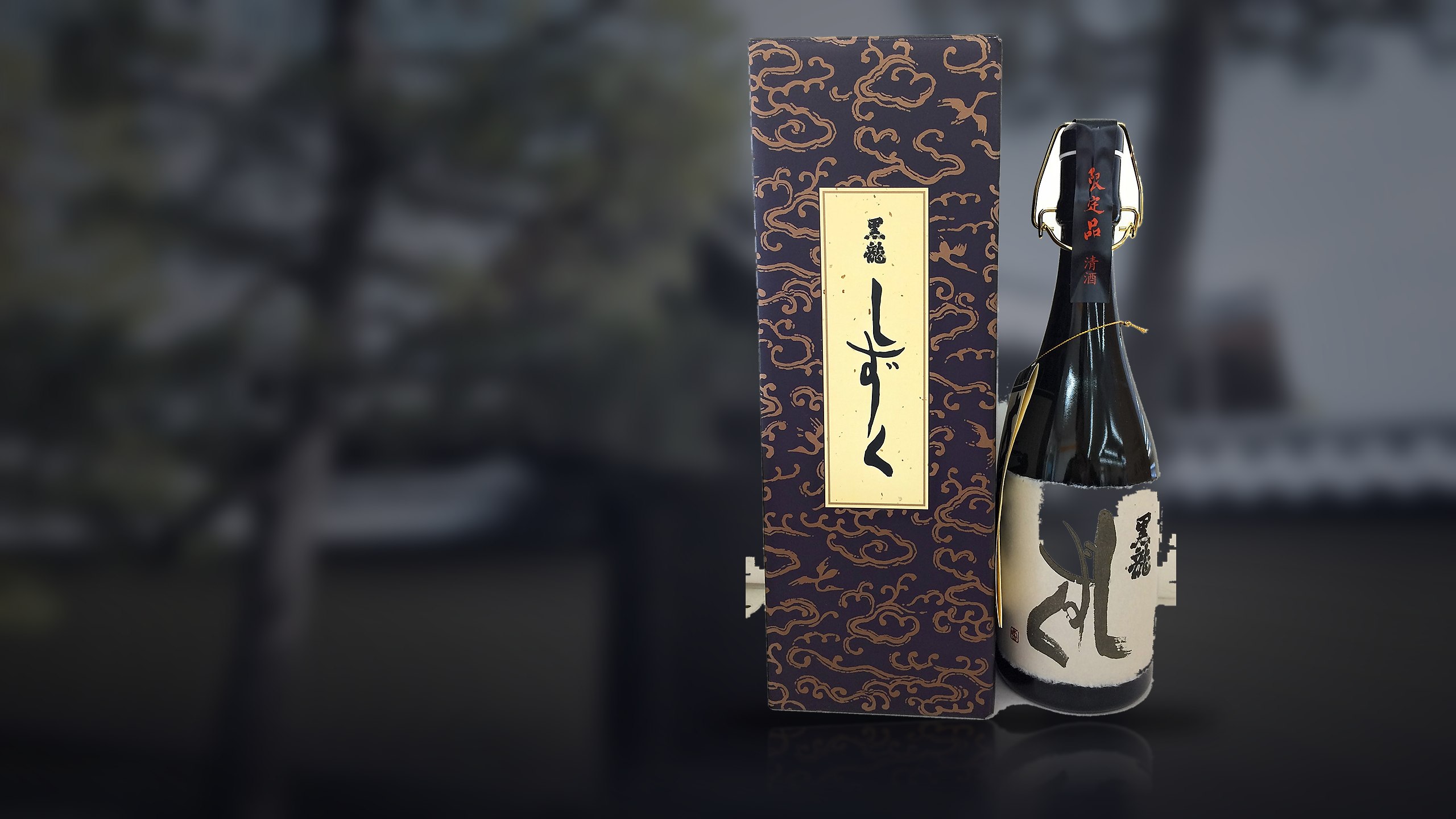
Kokuryu — Treasure of Hokuriku
Eiheiji, Fukui Prefecture. Dignity cultivated over 200+ years of history.
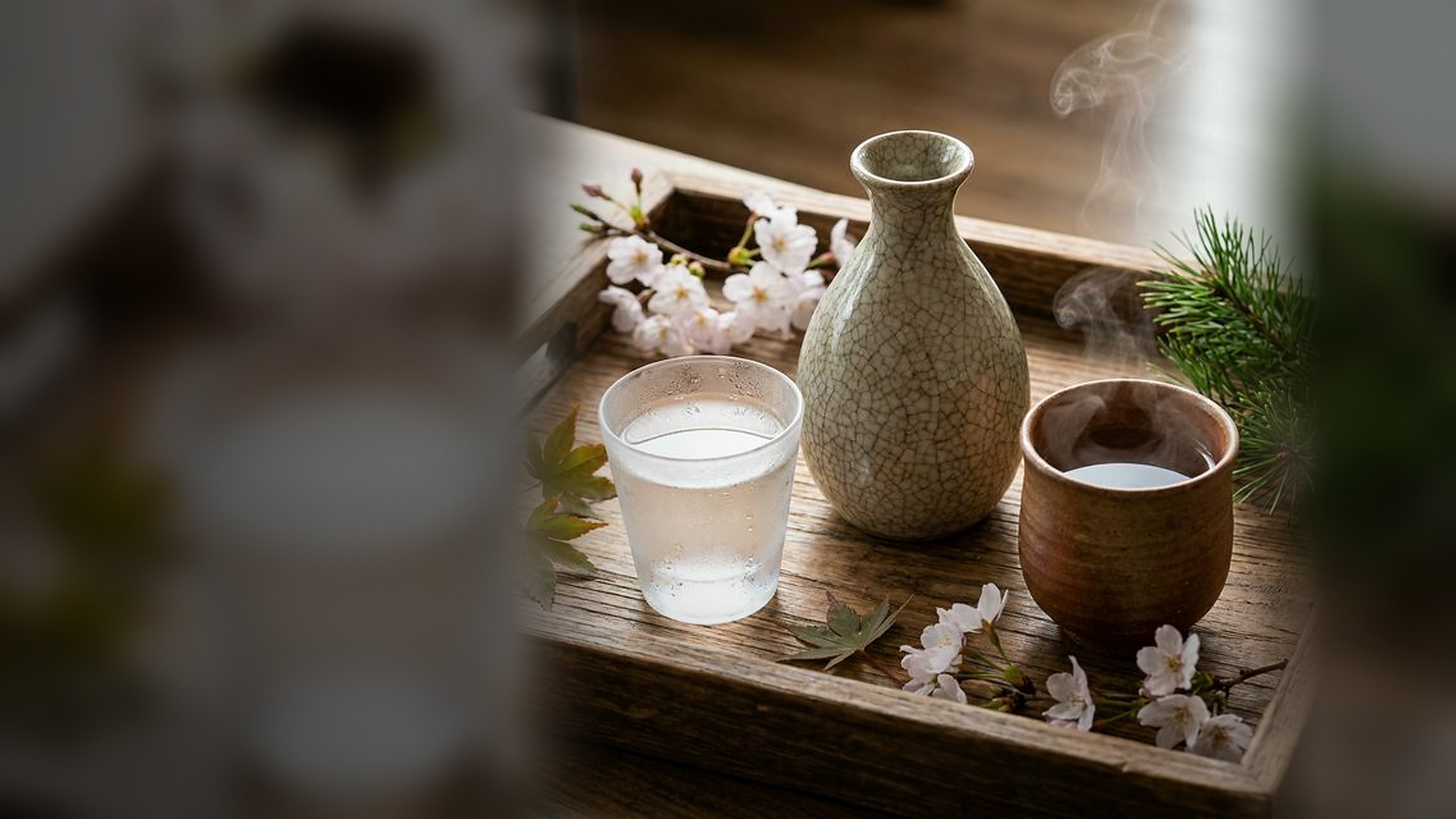
Complete Guide to Sake Temperatures
From chilled to hot. A complete guide to how temperature changes sake's expression.
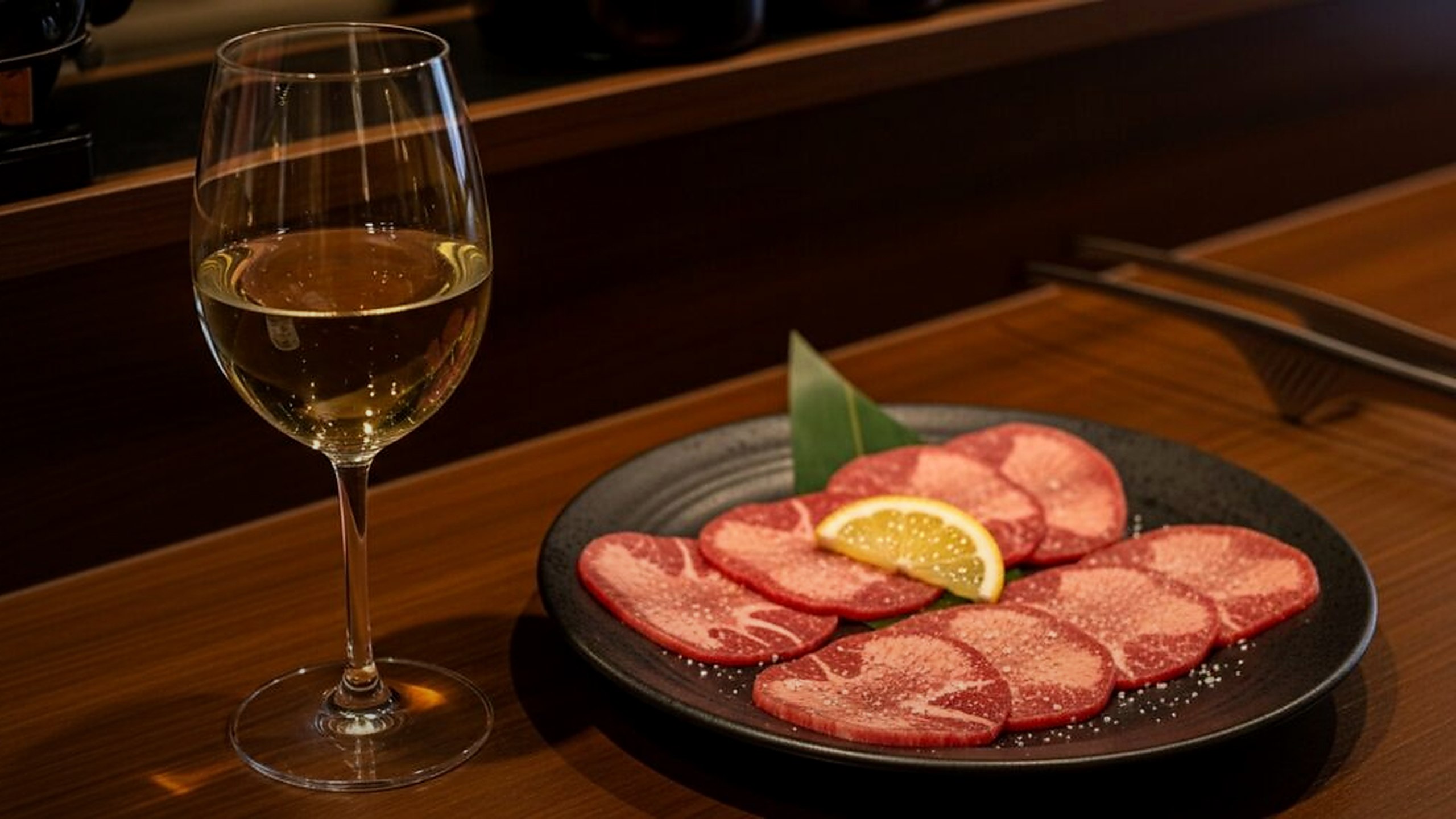
Korean Cuisine × Sake Ultimate Pairing
Which sake pairs with samgyeopsal? A pairing guide specialized in Korean cuisine.
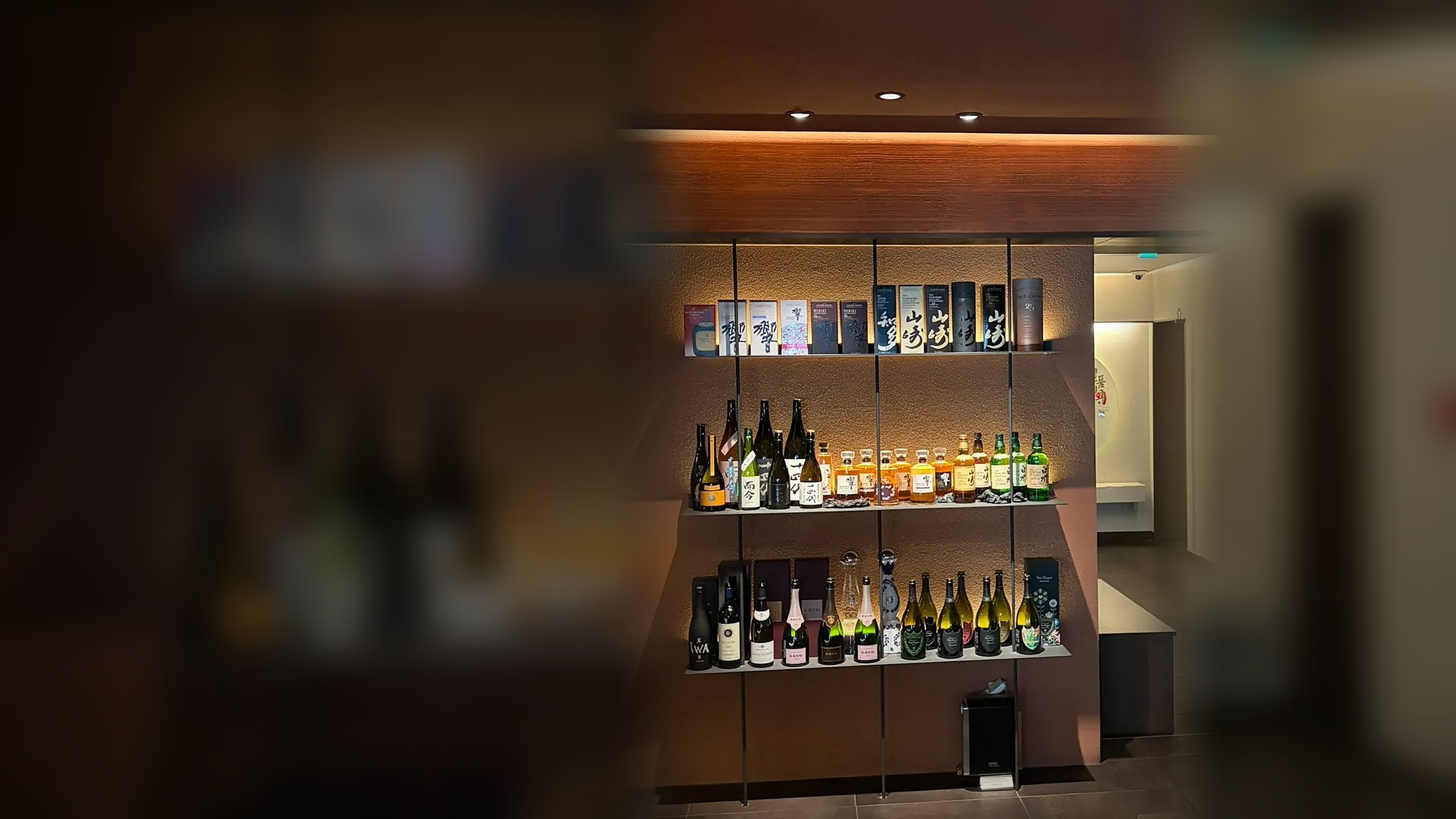
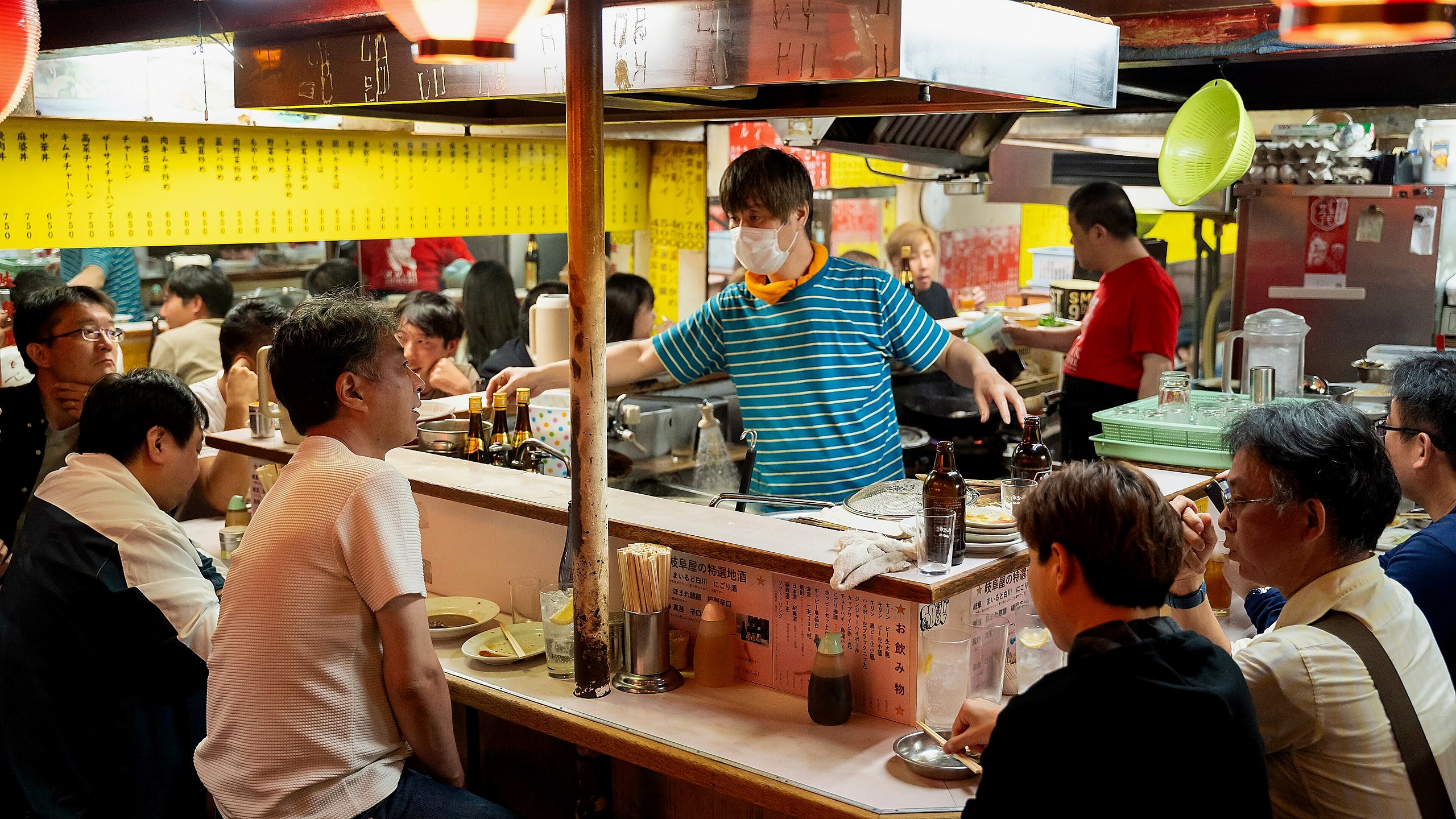
Seoul Sake Scene — Frontline Report
Gangnam, Cheongdam, Itaewon...The rapidly growing sake culture in Seoul.
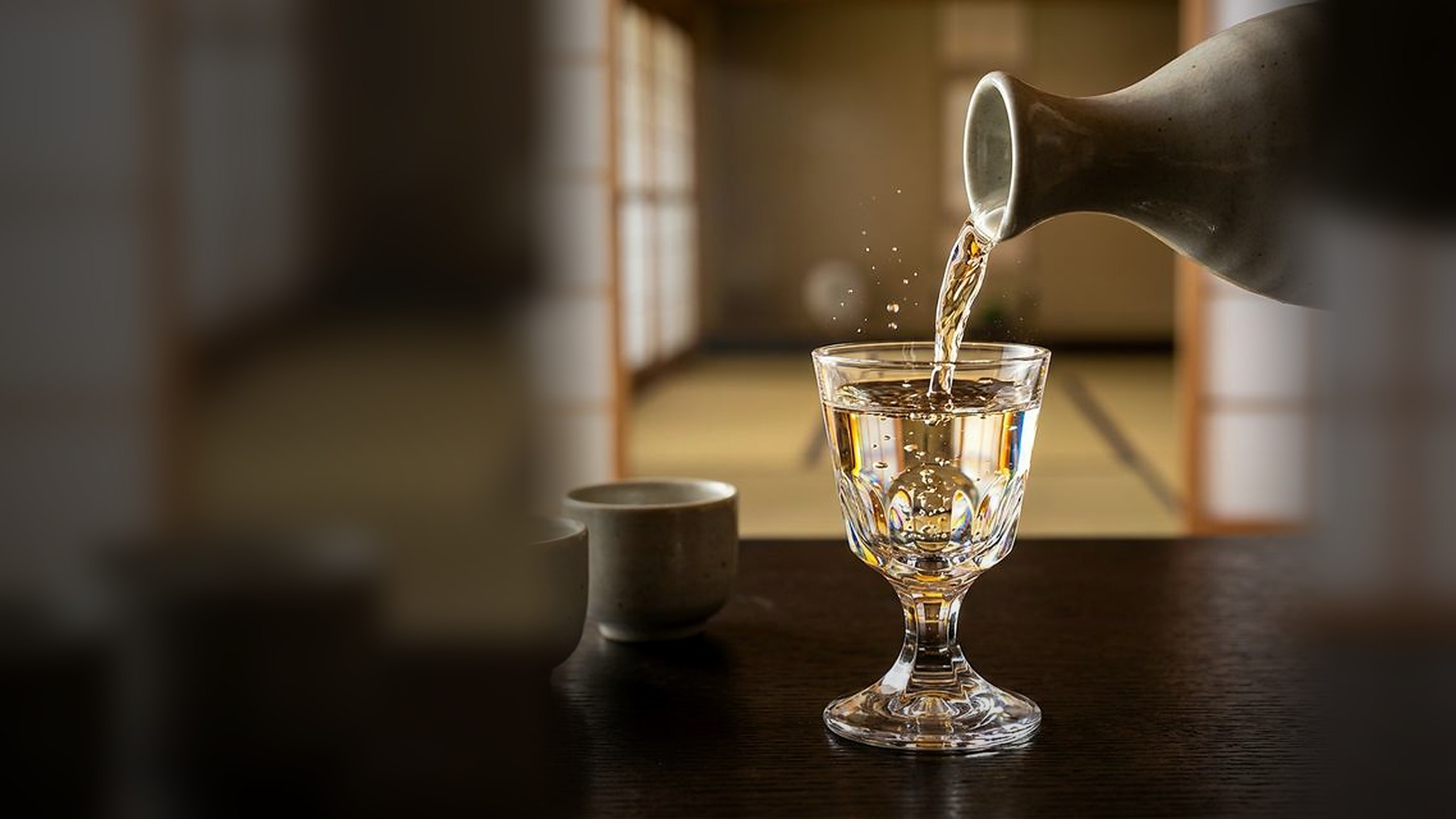
Sake Tasting 101 for Beginners
Learn sake tasting basics in 3 steps: color, aroma, and flavor.
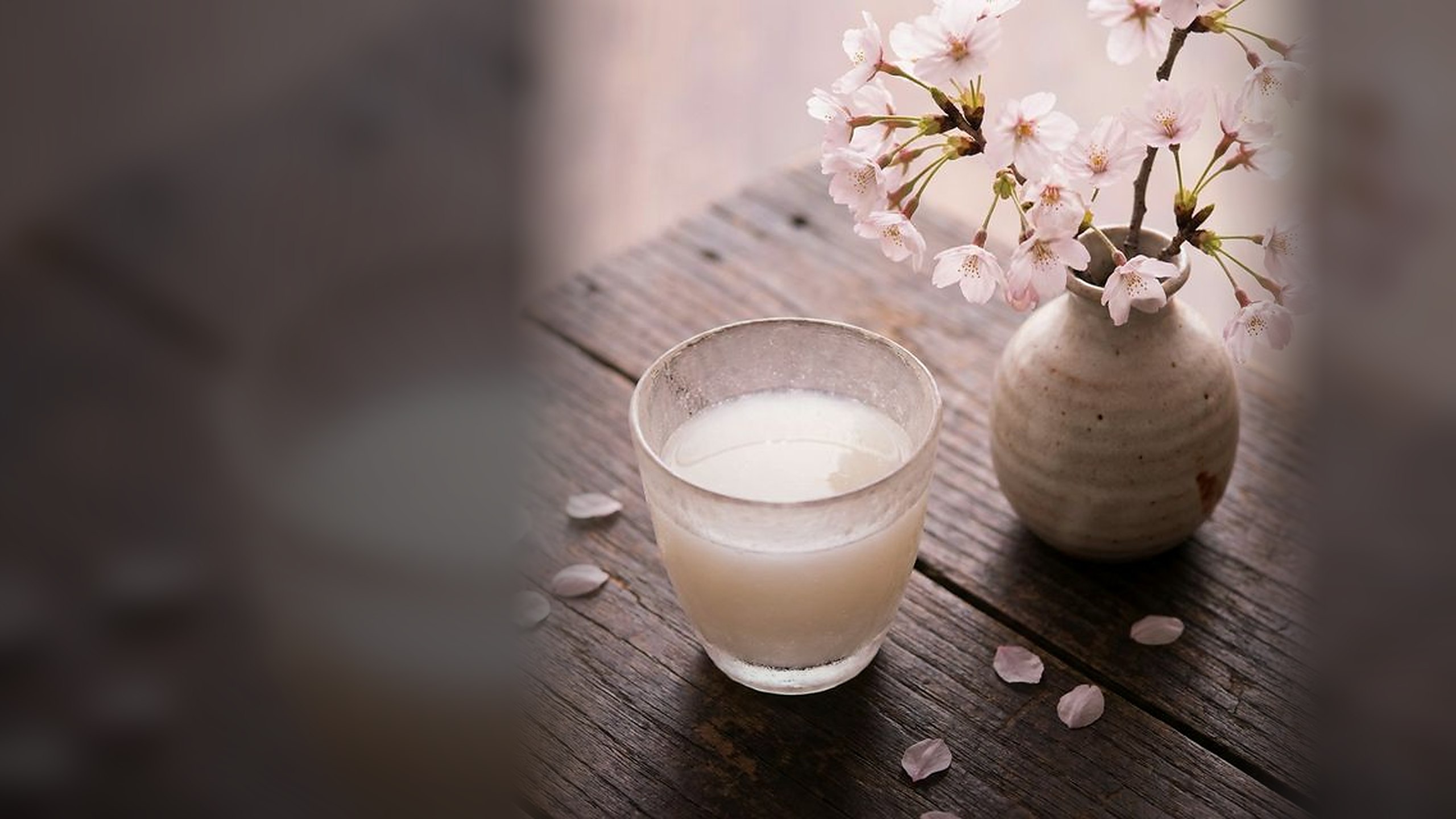
Nigori — The Charm of Cloudiness
The world of creamy, distinctive flavors born from coarse filtration.
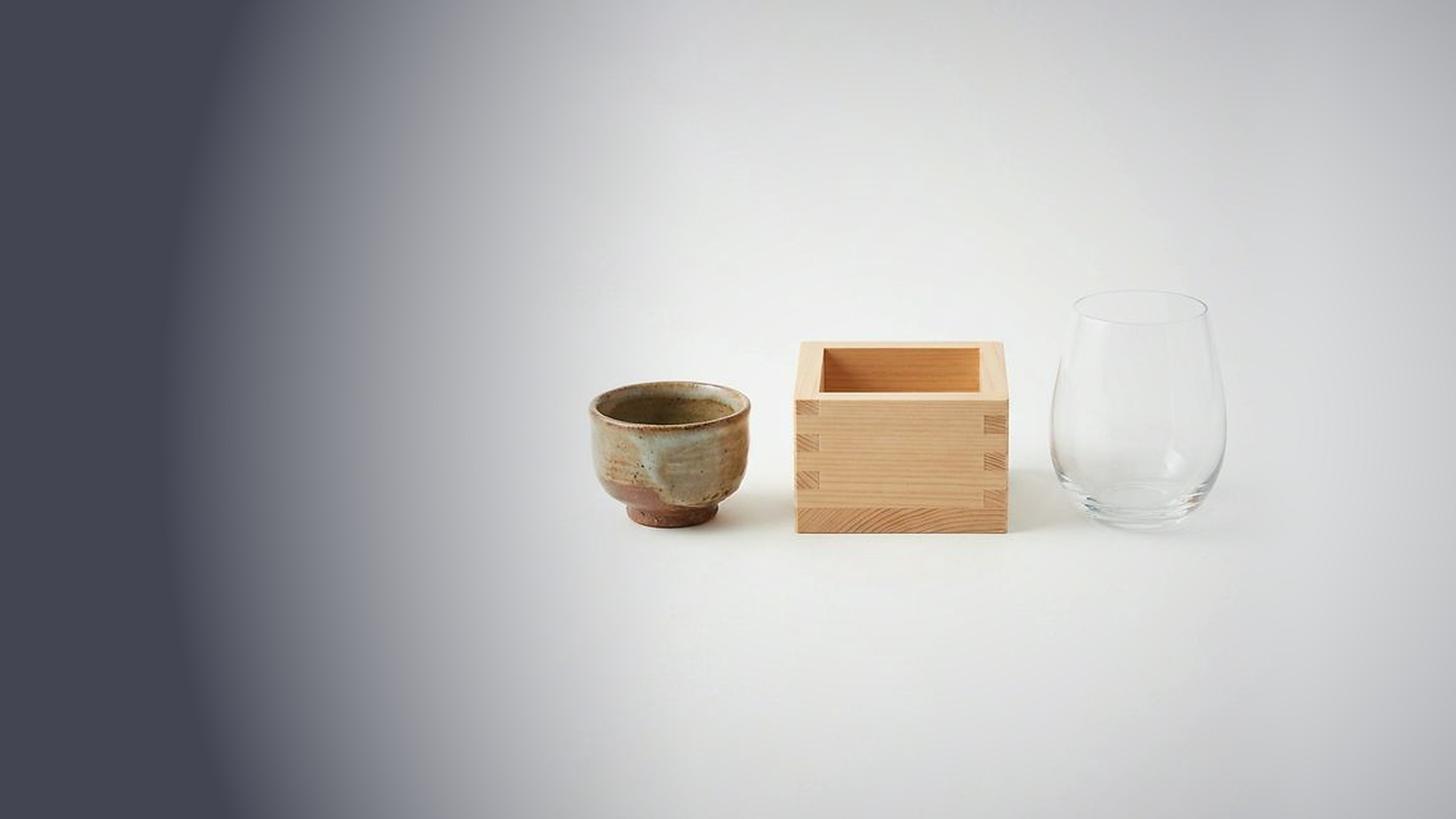
The Art of Choosing Sake Glasses
Ochoko, guinomi, wine glass... The science of how vessels change taste.
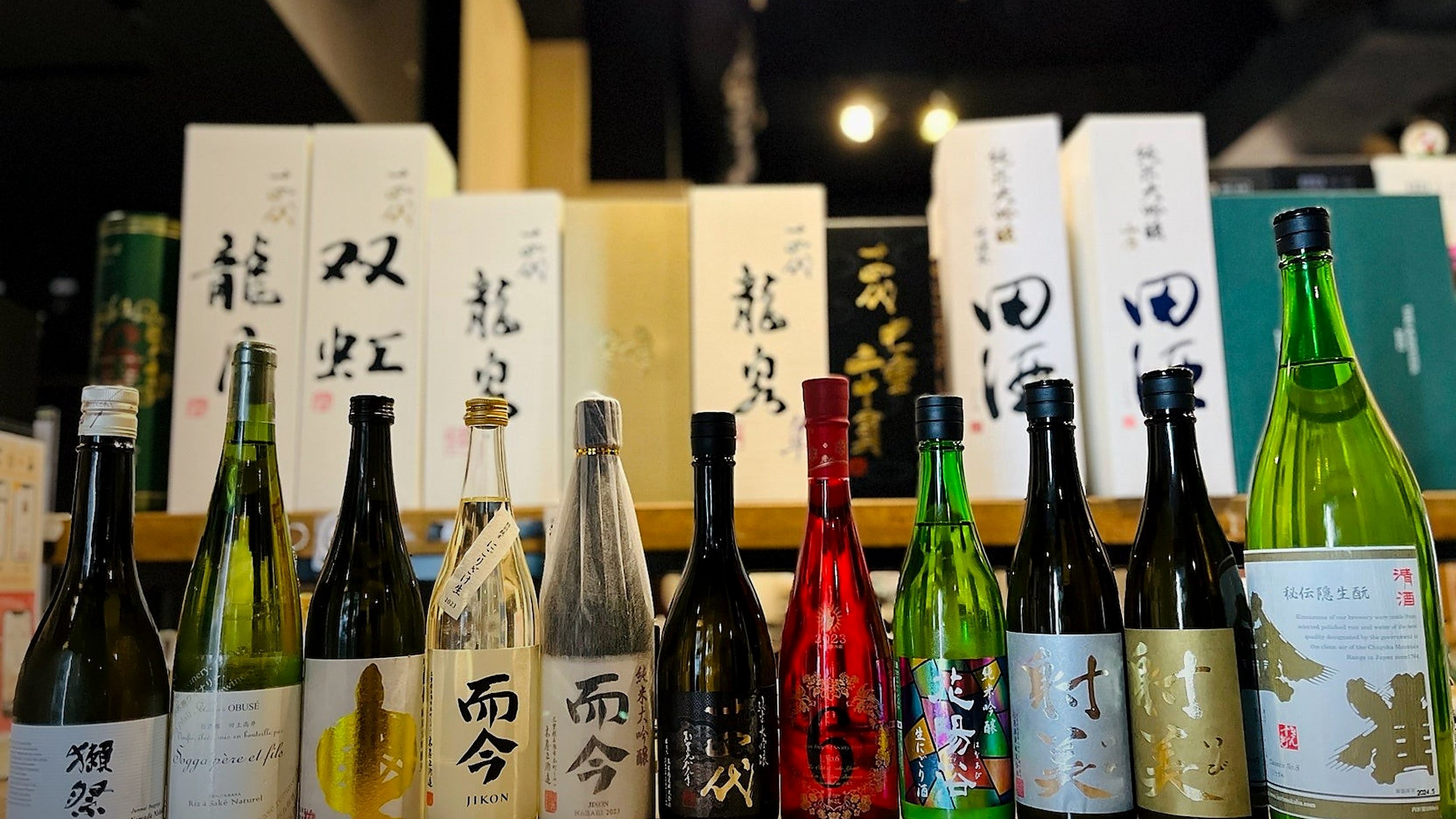
How to Read a Sake Label
Polish ratio, SMV, acidity... How to decode sake's personality from the label.
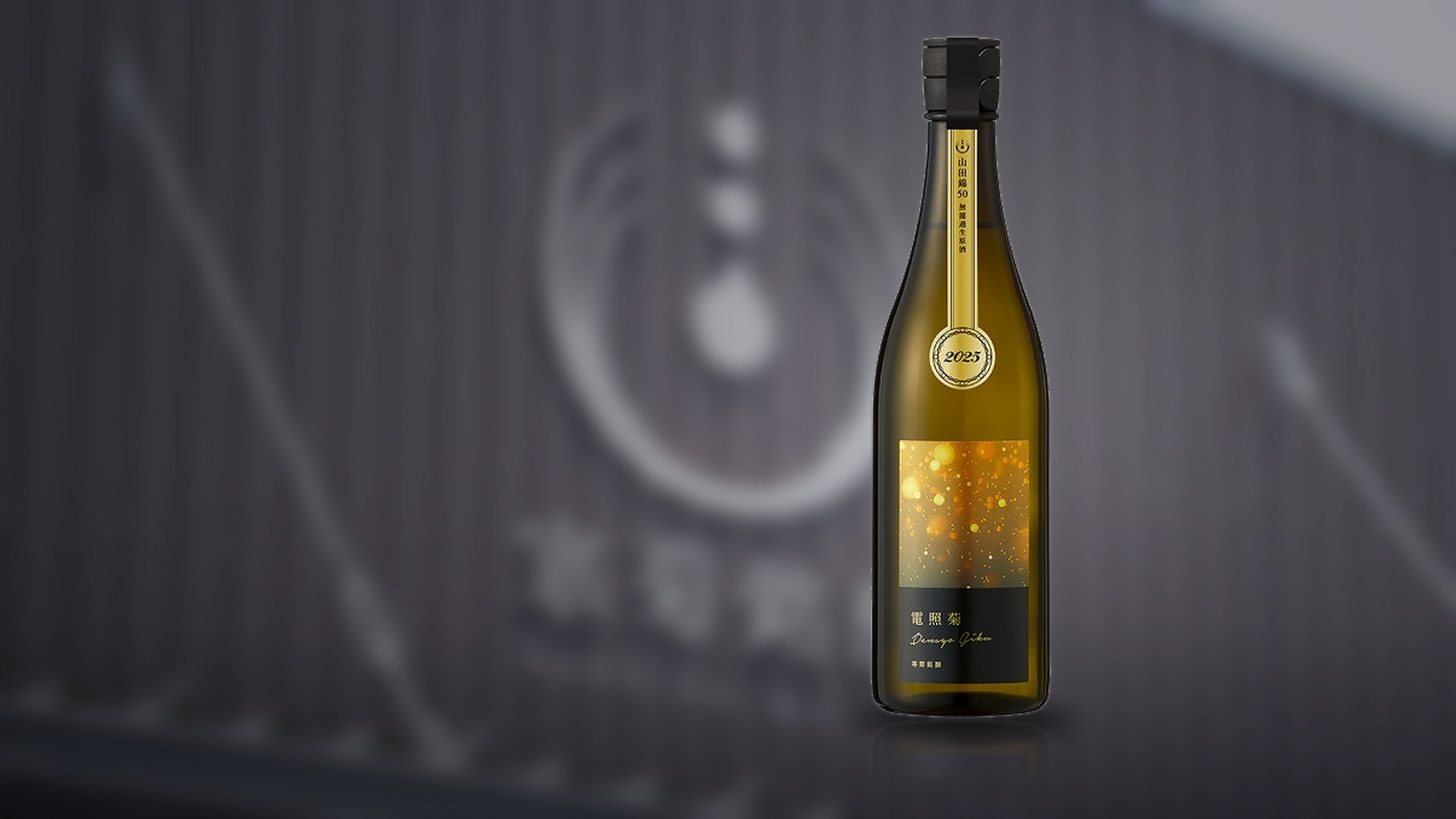
Kankiku Densho-giku — Sake Like Flowers Blooming at Night
Kankiku's popular series named after light-cultured chrysanthemums. The secret of its deep, night-sky flavors.
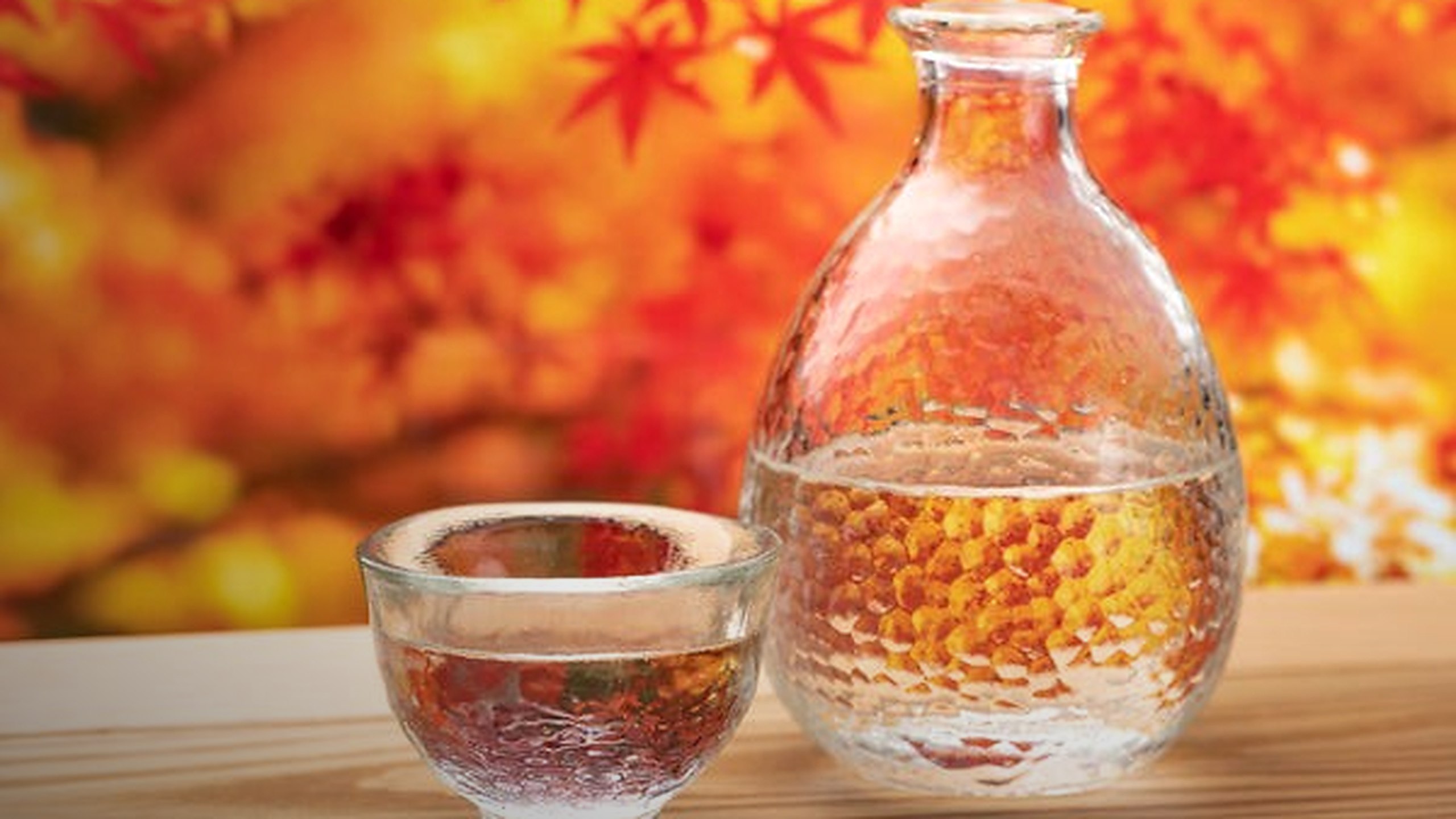
Sake Through the Seasons — The Charm of Seasonal Releases
New sake, summer sake, hiyaoroshi, winter limited... Enjoying sake through every season.
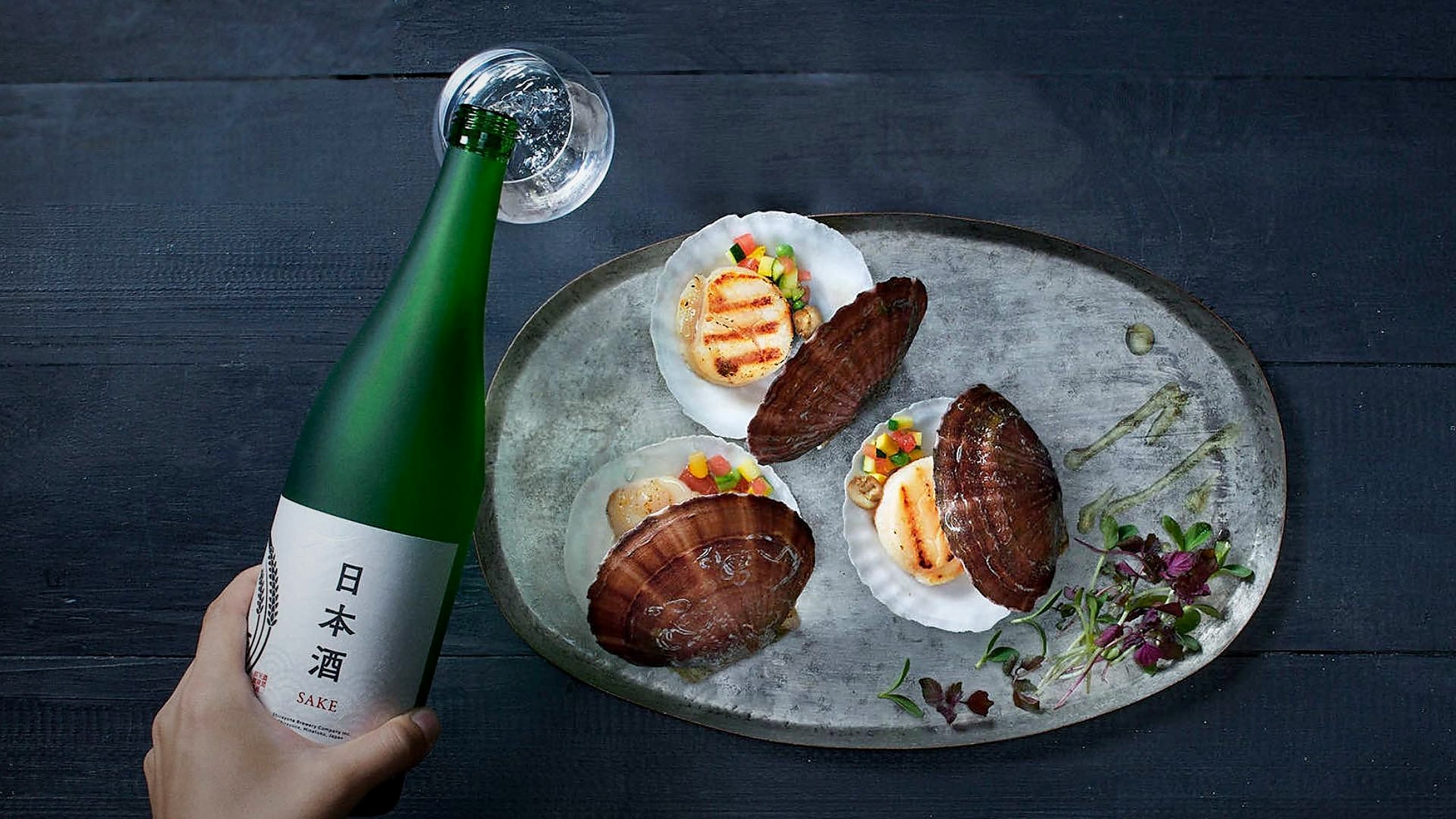
French Cuisine × Sake: New Frontier Pairing
Foie gras, bouillon, cheese... The surprising compatibility of French cuisine and sake.