The sake rice that defines flavor. Characteristics and taste tendencies of major varieties.
What Is Sake Rice?
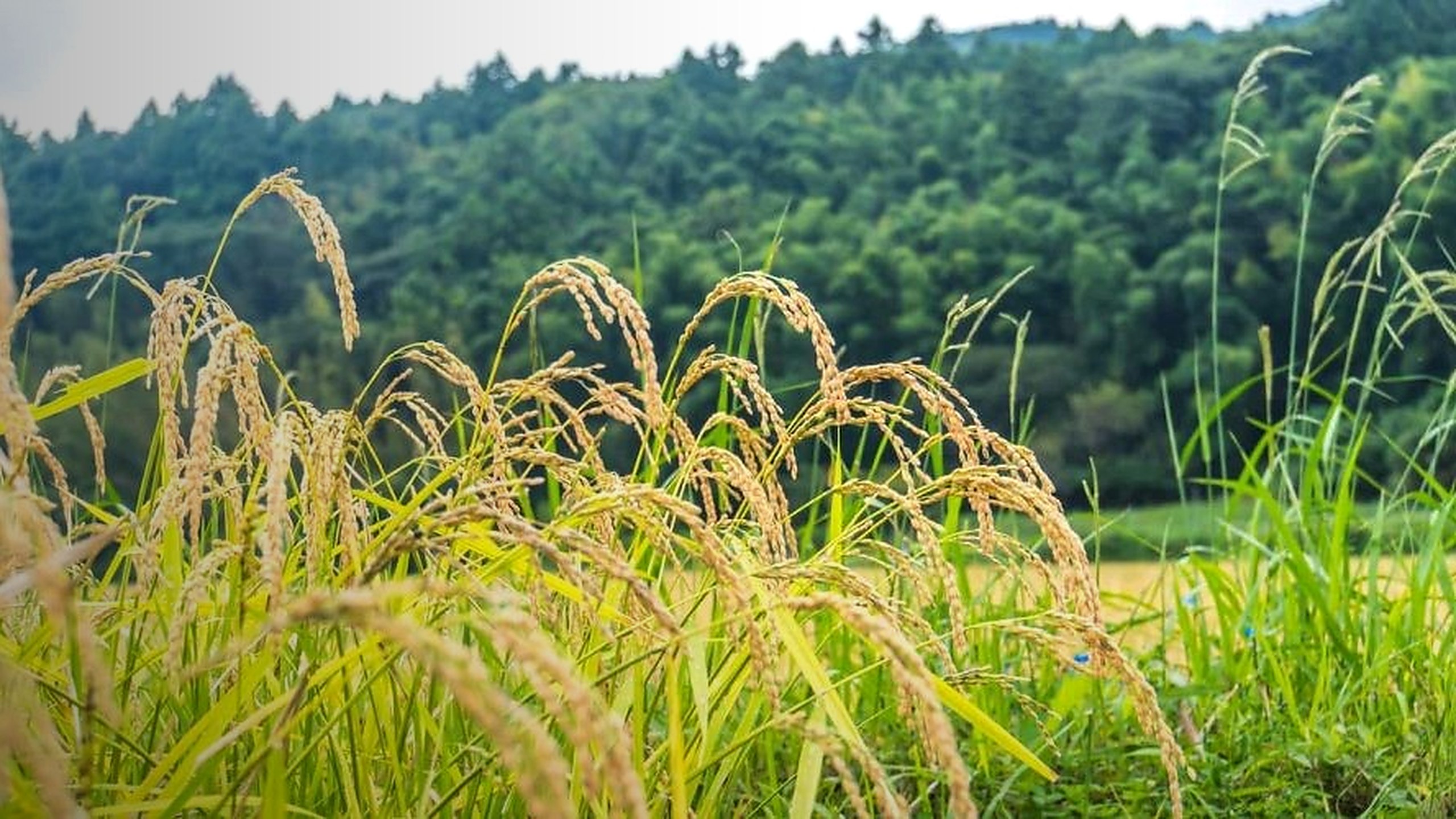
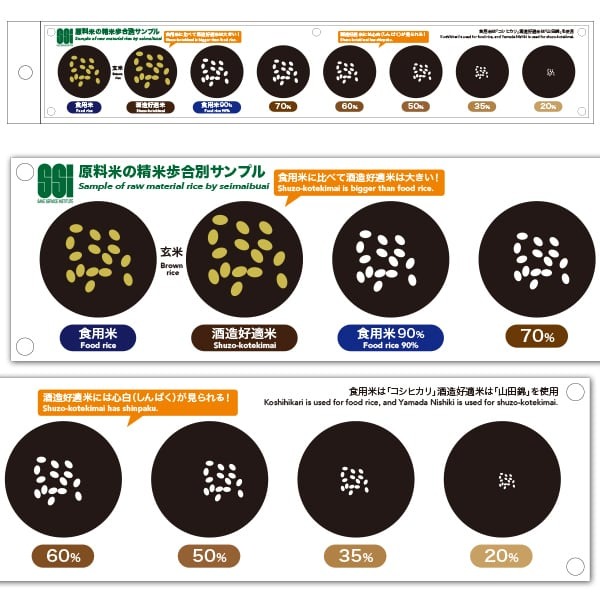
Sake rice — formally shuzo kotekimai, "rice suited to brewing" — is a family of varieties bred on an entirely different philosophy from table rice. The grains are larger, and at their center sits a white, opaque core called the shinpaku. The shinpaku looks white because of microscopic air gaps between its starch granules, and that porous structure is exactly what lets koji mold hyphae burrow deep into a treasure trove of starch. Just as important is what sake rice lacks: protein and lipids, which in excess cause off-flavors and aroma degradation. Polishing away the outer protein layers to leave only the shinpaku's starch — the entire philosophy of ginjo brewing is only possible because this raw material exists. Japan currently cultivates more than 100 sake rice varieties, and as with wine grapes, the choice of variety is the first line of any sake's blueprint. The numbers make the difference stark: table-rice Koshihikari weighs about 22g per thousand grains, while leading sake rices reach 26-28g. The larger the grain, the deeper it can be polished with the shinpaku left intact — and that numerical gap translates directly into quality in the glass.
Quick Specs & 2026 Rating Summary
Yamada Nishiki — The King
Born in Hyogo in 1936, it has ruled competitions ever since. Hyogo grows roughly 60% of the national supply, and the "Special A District" around Miki and Kato cities is considered the pinnacle. Clay-rich soils and sharp day-night temperature swings produce large grains with a high rate of shinpaku expression — yet a shinpaku never too large. The grain withstands extreme polishing without shattering, down to 50%, 40%, and beyond, which is why it became the protagonist of the ginjo era. The resulting sake is elegant, aromatic, finely structured. It still dominates ginjo and daiginjo competitions, and breweries like Dassai (獺祭), devoted exclusively to polishing Yamada Nishiki, testify to the variety's completeness. Special A District Yamada Nishiki has long been protected by the "muramai" system — direct contracts between breweries and farming villages running back over a century, a paddy-by-paddy philosophy of quality that echoes Burgundy's grand cru thinking.
Omachi — The Ancient Phantom
Discovered in Okayama in 1859, Omachi is among the oldest surviving sake rice varieties — trace the pedigrees of Yamada Nishiki or Gohyakumangoku far enough back and you arrive at Omachi, the ancestor of them all. Its stalks tower past 150cm and fall easily; it is disease-prone and brutally difficult to farm, and it once teetered on the edge of extinction. In the 1990s, devoted fans who call themselves "Omachists" drove a dramatic revival. In contrast to Yamada Nishiki's poise, Omachi yields powerful, wild, full-bodied sake with depth that blossoms with aging and warming. At SAKE COMPETITION 2026, Jikon (而今) Tokuto Omachi took first place in the Super Premium division — proof to the world that this ancient variety can produce the very summit of modern sake quality.
Gohyakumangoku — The Tanrei Agent
Grown widely across Hokuriku, centered on Niigata. The name commemorates 1957, when Niigata's rice production surpassed five million koku. Its large shinpaku limits extreme polishing, but it produces clean, sharply finishing, light-dry sake — the very image of the Niigata style owes much to this variety. Its lineage carries the blood of the heirloom "Kameno-o," famous as the model rice of the novel Natsuko no Sake. In recent years, a nationwide movement to revive Kameno-o and other vanished heirloom varieties has opened a new chapter in sake rice diversity.
Miyama Nishiki — Cold Climate Ace
Born in Nagano in 1978 through mutation breeding, prized for cold tolerance and grown widely across Tohoku and Shin-etsu. Its production ranks just behind Yamada Nishiki and Gohyakumangoku. It yields delicate, crisp sake with a firm, mineral transparency, quietly underwriting the rise of Tohoku's great breweries.
Next-Generation, Heirloom & Climate-Resilient Varieties (2026 BY Frontier)
The 2025-2026 brewing years marked a watershed in sake rice history. As record summer heat caused chalky, hard-to-dissolve grains and table-rice shortages drove steep sake rice price spikes (with Gohyakumangoku procurement prices surging roughly 1.6x), climate-resilient cultivars, functional rices, and Edo-era heirlooms vaulted onto center stage.
Niji no Kirameki (Heat-Tolerant Game Changer) — Bred by Japan's NARO for extreme summer heat resistance and originally grown mainly as table rice, this next-generation cultivar shocked the industry when Miyagi's Katsuyama Shuzo brewed Katsuyama Junmai Ginjo KIRA KIRA from 100% Miyagi-grown Niji no Kirameki (50% polish, ~13% ABV) and captured 2nd Place (GOLD) out of 328 entries in Junmai Ginjo at SAKE COMPETITION 2026, proving white-peach elegance and layered clarity under warming skies.
Shunyo (4MMP Muscat Aroma Pioneer) — Developed as a low-glutelin (low-protein) cultivar, Shunyo generates abundant rice-derived thiol 4MMP (4-mercapto-4-methylpentan-2-one) rather than conventional yeast esters, unleashing vivid Sauvignon Blanc, Shine Muscat, and lychee aromatics. Fukushima's Oki Daikichi Honten won the People's Choice Award at the October 2026 VIENNA SAKE AWARD 2026 in Austria with its Shunyo-brewed Gakki Masamune, captivating European wine palates.
Homase (Edo's "Finest Rice Under Heaven" Revived) — Celebrated in Edo-period Kumamoto as the premier rice in Japan, this heirloom was revived through pesticide-free natural farming in the Kikuchi River basin by Hananoka Shuzo for Ubusuna Homase, delivering wild vitality, electric acidity, and unmistakable placehood.
Sake Mirai (Monument of Brewer Breeding) — Bred over 18 years and registered in 1999 by 14th-generation Tatsugoro Takagi of Yamagata's Takagi Shuzo (Juyondai) from Yamasake No. 4 × Miyama Nishiki. Rather than keeping it exclusive, Takagi entrusted Sake Mirai to peer masters including Jikon, Kudoki Jozu, Sharaku, and Hanamura, forging a modern dynasty of crystalline sweetness and poised acidity.
Aizan (Aiyama) — A cross carrying both Yamada Nishiki and Omachi bloodlines. Its large, fast-dissolving shinpaku makes it tricky to brew, but the sake is lush, juicy, and sensual; Juyondai (十四代) made it a superstar.
Dewa Sansan & Akita Sake Komachi — Yamagata's Dewa Sansan (eleven years in development) brings floral lift and supple texture, while Akita Sake Komachi stays remarkably clean even at low polishing ratios, powering Aramasa's (新政) "Colors" series and modern low-polish kimoto brewing.
The Sake Rice Chart: Choosing by Variety
Choose sake by rice the way you choose wine by grape. With this chart, the variety on a label becomes a trailer for the flavor to come.
| Variety | Main Region / Lineage | Personality | Representative Bottles |
|---|---|---|---|
| Yamada Nishiki | Hyogo (Special A districts) et al. | The king: structure, depth, balance | Juyondai, Dassai, Kokuryu Shizuku |
| Omachi | Okayama (1859 heirloom) | Wildness, breadth, sensual umami | Jikon Tokuto Omachi, Kankiku Densho-giku |
| Gohyakumangoku | Niigata, Hokuriku | Light, sharp, dry (2025-26 price surge ~1.6x) | Kokuryu Jungin, Shimeharitsuru |
| Miyama Nishiki | Nagano, Tohoku | Cool, mineral, clean-edged | Daishinshu; junmai ginjo across the north |
| Sake Mirai | Yamagata (bred by Takagi Shuzo) | Noble transparency, dewy sweet umami & poise | Juyondai Sake Mirai, Jikon Sake Mirai, Hanamura |
| Aiyama | Hyogo | Dense sweetness and viscosity | Juyondai Nakadori Banshu Aiyama, Kankiku True White |
| Niji no Kirameki | Miyagi, nationwide (heat-tolerant) | White-peach elegance and crystalline finish | Katsuyama Junmai Ginjo KIRA KIRA (SAKE COMP #2) |
| Shunyo | Fukushima, Tohoku (low-glutelin) | 4MMP muscat, lychee & Sauvignon Blanc lift | Gakki Masamune Shunyo (Vienna winner), Tenmei |
| Homase / Kamenoo | Kumamoto, Yamagata, Tochigi (heirlooms) | Edo/Meiji heirloom acid, mineral energy & echo | Ubusuna Homase, Senkin Kamenoo |
| Akita Sake Komachi | Akita | Nimble transparency even at modest polish | Aramasa Colors Ecru |
Line Up One Brewery's Different Varieties
The fastest way to understand varietal character is to compare bottlings that differ only in rice — same brewery, same method. Aramasa Colors, or Jikon's Yamada Nishiki beside its Omachi, are the finest teaching tools available.
Let the Variety Carry You to the Next Bottle
Discover you love Omachi, and "Omachi junmai ginjo" becomes a search that crosses breweries. A rice variety is a passport of taste — it makes your preferences reproducible.
Read Variety Against Polish
The same Yamada Nishiki at 35% polish competes on aroma; at 60%, on the rice's raw strength. Crossing variety with polish ratio is label-reading at the advanced level.
Field Notes to Remember
Choosing Sake by Its Rice
The variety on the label is a trailer for the taste. Seek poise in Yamada Nishiki, wildness and depth in Omachi, clean sharpness in Gohyakumangoku, delicacy in Miyama Nishiki — and when you meet a character like Aizan or Dewa Sansan, you are looking at a brewery's declaration of ambition. Choose sake by its rice as you choose wine by its grape, and the pleasure deepens by an entire dimension.
Featured Breweries, Specs & Flavor Balance
| Flagship Label | Brewery & Region | Signature Rice & Water | Brewery Profile |
|---|---|---|---|
| Jikon | Kiyasho Sake Brewery Co., Ltd. (314-1 Honmachi, Nabari-shi, Mie 518-0726, Japan) | Yamadanishiki, Aiyama, Omachi, Hattannishiki, Senbonnishiki · Subsurface water from the Nunobiki mountain range (brewery well water, soft water) | Brewery Profile |
| Katsuyama | Sendai Izawake Katsuyama Sake Brewery Co., Ltd. (25-1 Futamata, Fukuoka, Izumi-ku, Sendai-shi, Miyagi 981-3225, Japan) | Yamada Nishiki, Hitomebore, Omachi · Mt. Izumigatake Subterranean Soft Water | Brewery Profile |
| Gakki Masamune | Oki Daikichi Honten Co., Ltd. (9 Honcho, Yabuki-machi, Nishishirakawa-gun, Fukushima 969-0213, Japan) | Yumenoka, Fukunoka, Dewasansan, Omachi, Gohyakumangoku · Subsurface soft water from the Kumado River system and Abukuma Highlands | Brewery Profile |
| Ubusuna | Hananoka Shuzo Co., Ltd. (2226-2 Nishiyoshiji, Nagomi-machi, Tamana-gun, Kumamoto 861-0906, Japan) | Nagomi-machi Natural-Farmed Homase, Higo Kabashiko, Yamada Nishiki · Brewery Shrine Spring Water (Kikuchi River Basin Subterranean Water from the Former Bairin Tenmangu Well) | Brewery Profile |
| Juyondai | Takagi Shuzo Co., Ltd. (1826 Oaza Tominami, Murayama-shi, Yamagata 995-0111, Japan) | Tatsu no Otoshigo, Sakemirai, Ushu Homare, Aiyama, Yamada Nishiki · Mount Hayama Subterranean Spring Water 'Sakura-Shimizu' (Soft Water) | Brewery Profile |
| Kamenoo | Sasaiwai Sake Brewery Co., Ltd. (3249 Matsunoo, Nishikan-ku, Niigata-shi, Niigata 953-0104, Japan) | Niigata Koshitanrei, Gohyakumangoku, Kamenoo, Takanenishiki · Mt. Kakuda & Mt. Yahiko Range Subterranean Water (Soft Water) | Brewery Profile |
| Kudoki Jozu | Kamenoi Shuzo Co., Ltd. (1 Aza Fukunouchi, Tono, Haguro-machi, Tsuruoka-shi, Yamagata 997-0158, Japan) | Yamada Nishiki, Miyama Nishiki, Dewa Sansan, Kame no O, Aiyama, Omachi, Kokuryo Miyako · Dewa Sanzan Mount Haguro Subterranean Spring Water (Soft Water) | Brewery Profile |
| Hanamura | Ryozeki Sake Brewery Co., Ltd. (4-3-18 Maemori, Yuzawa-shi, Akita 012-0813, Japan) | Aiyama, Yamada Nishiki, Omachi, Misato Nishiki, Akita Sakekomachi · Mount Kurikoma Subterranean Ultra-Soft Water (Rikimizu Spring System) | Brewery Profile |
| Mirai | Uehara Shuzo Co., Ltd. (1524 Ota, Shin-Asahi-cho, Takashima-shi, Shiga 520-1502, Japan) | Wataribune No. 2, Tamasakae, Ginfubuki, Yamadanishiki, Omachi, Kamenoo · Hira Mountain Range Artesian Subterranean Soft Water (Harie Spring Vein) | Brewery Profile |
| Dassai | Dassai Inc. (Asahi Shuzo Co., Ltd.) (2167-4 Osogoe, Shuto-cho, Iwakuni-shi, Yamaguchi 742-0422, Japan) | Yamada Nishiki (100% Exclusive Use) · Osogoe Natural Subterranean Soft Water (Shuto-cho, Iwakuni) | Brewery Profile |
Named after the Zen phrase 'living fully in the present moment,' Jikon by 6th-generation brewer Tadakatsu Onishi in Nabari, Mie stands at the absolute summit of modern sake. Radiant muscat and white peach aromatics, crystalline Nunobiki mountain soft-water sweetness, and electric acidity achieve a golden-ratio balance that enchants on its own or alongside Matsusaka Wagyu and fine sushi.
Founded in 1688 as the official purveyor to the feudal Date samurai clan of Sendai, Katsuyama crafts ultra-luxury sake by brewing just a single small tank per week and pioneering high-speed centrifugal extraction. Flagship expressions like Diamond Akatsuki, Den, and Ken use Special A-grade Yamadanishiki to achieve diamond-like purity and opulent umami that shine alongside truffle-infused French cuisine and fine sushi.
Revived by 5th-generation brewer Yuta Oki from a Taisho-era brand praised by the Imperial Household for 'playing harmony like a musical instrument,' Gakki Masamune has become a nationwide phenomenon from Yabuki Town. Bursting with vibrant green apple and Muscat aromatics, lively nakadori (middle-run) juiciness, and a whisper of natural spritz, it pairs effortlessly with prosciutto, crudo, and salt-grilled yakitori.
Created in Nagomi, Kumamoto by Kiyotaka Kanda of Hananoka Shuzo to embody 'earth, native ecosystem, and ancestral regenerative agriculture,' Ubusuna stands at the absolute pinnacle of contemporary craft sake. Brewed with pesticide-free local Yamada Nishiki and revived Edo-era heirloom rices (Homase and Kabashiko) using kimoto and wooden vats, its Champagne-like pinpoint mousse and electric orchard-and-yuzu complexity transfix fine-dining tables worldwide.
Pioneered by 15th-generation master brewer Akitsuna Takagi, Juyondai revolutionized modern sake by shifting the paradigm from dry austerity to lush, nectar-like aromatics of ripe musk melon and white peach. Crafted with proprietary rice strains like Sakemirai, Ryuno-otoshigo, and Ushuhomare alongside Special A-grade Yamadanishiki using the prized Shichitare Nijikkan drip technique, its velvety umami and crystalline finish elevate omakase sushi and Wagyu kaiseki.
A specialty junmai series brewed entirely from heirloom Kamenoo rice, offering earthy depth, savory complexity, and vibrant acidity. Brewed by Sasaiwai Sake Brewery Co., Ltd. in Niigata using Mt. Kakuda & Mt. Yahiko Range Subterranean Water (Soft Water) and Niigata Koshitanrei, Gohyakumangoku, Kamenoo, Takanenishiki, it brings together versatile, cuisine-elevating table-sake poise, savory, resonant rice umami, harmonious balance of umami, acidity, and finish with memorable poise.
Adorned with iconic ukiyo-e artwork, Kamenoi Shuzo's flagship brand is crafted by father-and-son team Toshiharu and Toshinori Imai using Ogawa (#10) yeast and a kaleidoscope of rare heirloom rice strains. Delivering seductive aromas of ripe peach and pear with low acidity and a velvety, luscious palate, both classic Kudoki Jozu and the small-batch 'Jr.' series enchant sake lovers worldwide.
Born from an extraordinary technical mentorship by Tatsugoro Takagi of Yamagata's legendary Juyondai, Hanamura is an ultra-allocated jewel brewed by Ryozeki Shuzo in Yuzawa. Crafted with Omachi, Rikuuda, and Dewasansan rice and ultra-soft Kurikoma mountain water, it offers nectar-like floral sweetness and a velvet texture that shines alongside kobujime sashimi and fruit-accented appetizers.
A special-edition junmai sake brewed with pesticide-free organic rice and indigenous yeast, embodying a sustainable vision for the future of sake brewing.
From the mountain valleys of Iwakuni, Yamaguchi, Dassai revolutionized global sake through data-driven precision brewing and ultra-polished Yamada Nishiki rice. Led by the iconic Dassai 23, its opulent aromas of white peach and Poire Williams, silky-smooth mid-palate, and crystalline finish pair effortlessly with fine Edomae sushi and Michelin-starred French cuisine.
Recommended Pairing
Weekly Sake & Tasting Dispatch
Curated seasonal releases, sub-zero arrivals, and tasting city guides across global editions.