[Complete Guide to the 5 Major Sake Competitions] Zenkoku Shinshu Kanpyokai, SAKE COMPETITION, IWC, Kura Master & Milano Sake Challenge
Culture & Trends

[Complete Guide to the 5 Major Sake Competitions] Zenkoku Shinshu Kanpyokai, SAKE COMPETITION, IWC, Kura Master & Milano Sake Challenge

2026-10-3012min readSakeStream
Back
EXECUTIVE SUMMARY & KEY TAKEAWAYS

Not all "Gold Medals" mean the same thing. From Japan’s 110-year-old National New Sake Appraisal to SAKE COMPETITION, IWC, Kura Master, and the Milano Sake Challenge, here is how each competition judges sake.

Key Sections in This Report:

Why the Specific Competition Behind a "Gold Medal" Matters

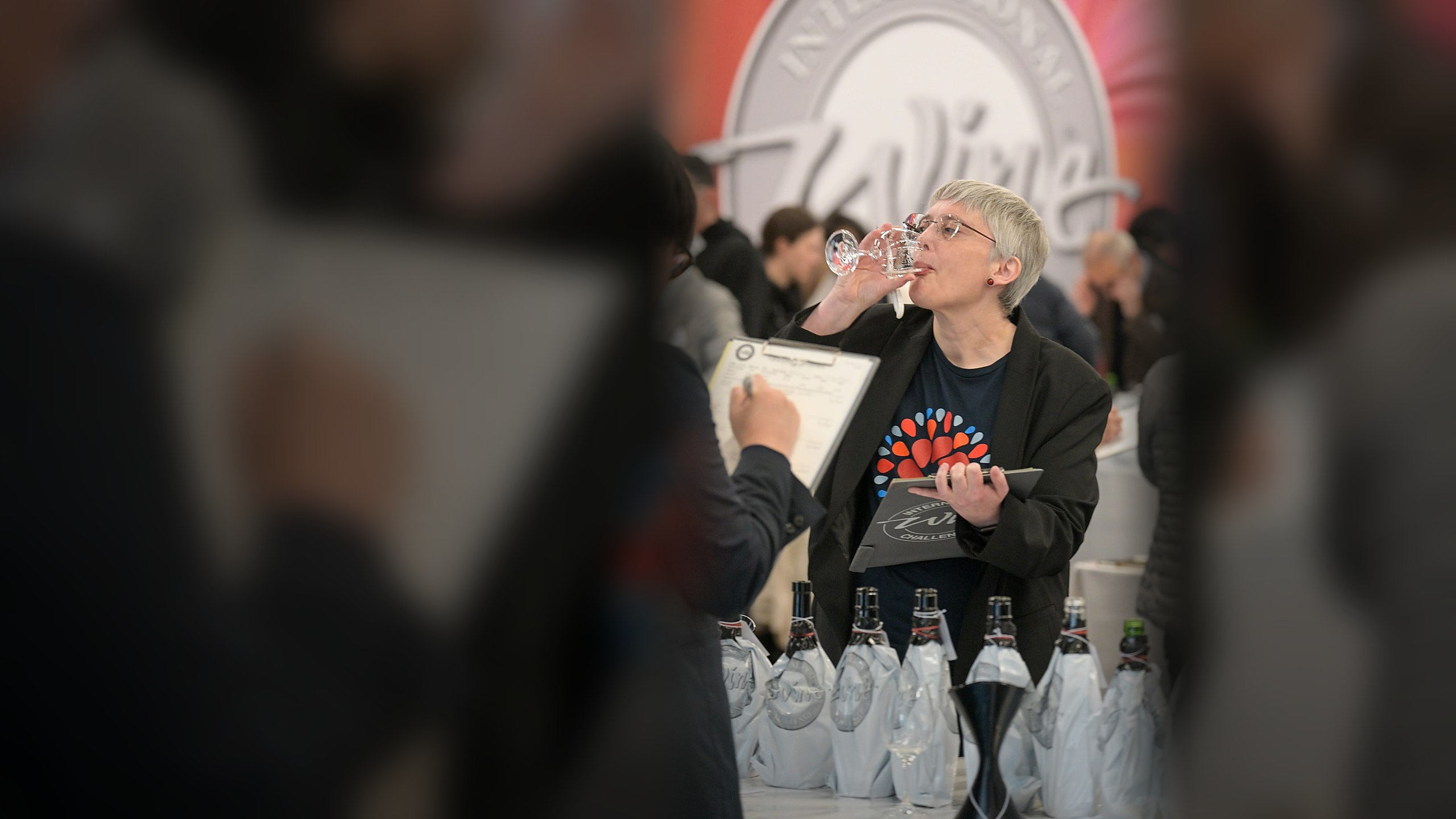
When a bottle of sake bears a shiny "Gold Medal" neck tag, what does that accolade actually tell you about the liquid inside? The answer depends entirely on who sat at the judging table—whether Japanese fermentation scientists, British Masters of Wine (MW), French Michelin-starred sommeliers, Italian chefs, or seasoned U.S.-Japan appraisal panels.

Here is the definitive guide to the World’s Major Sake Competitions, their judging methodologies, and their complete 2026 outcomes.

Cross-Comparison Matrix of Major Global Sake Competitions (2026 Edition)

Competition (Official Link)Organizer & Host CityJudging Methodology & Core Focus2026 Supreme Winners & Headlines
[Zenkoku Shinshu Kanpyokai](https://www.nrib.go.jp/kan/kaninfo.htm)NRIB & JSS (Higashihiroshima, Japan)Fault-deduction technical appraisal of new Daiginjo793 entries, 217 Golds / Fukushima #1 in Japan (20 Golds — 2nd straight, 12th overall)
[SAKE COMPETITION](https://sakecompetition.com/)Executive Committee (Tokyo, Japan)100% commercial retail bottles blind-tasted (5 core + Awamori Special)Mimurosugi Double Crown, Jikon, Ugo no Tsuki, Tachibanaya / Young Brewer: Shogo Aihara
[IWC SAKE Division](https://www.internationalwinechallenge.com/)William Reed (20th Anniv. · Saijo, Hiroshima)MW & international consensus panels (fine-wine structure)Champion Tenbi Hotaten (1,738 entries) / Niizawa Jozoten 5× streak / Nagano Pref.
[Kura Master](https://kuramaster.com/ja/concours/comite-2026/laureats/)Kura Master Assoc. (10th Anniv. · Paris)100% French MOF & 3-star sommeliers (gastronomic synergy)Supreme President Prize: Shichiken Sparkling Hoshi no Kagayaki (Yamanashi Meijo)
[U.S. National Sake Appraisal](https://www.sakeappraisal.org/)Joy of Sake / Kokusai Shukai (Honolulu · Est. 2001)Oldest overseas rigorous single-day blind technical judging486 entries (153 breweries) / GPs: Garyubai, Toyonoume, Imanishiki, Aizu Shikon, Shichida / Emerald: Hachinohe Shuzo
[Milano Sake Challenge](https://milanosakechallenge.com/)MSC Committee (Milan, Italy)Italian sommelier blind tasting + Italian food pairing + designMagnifica Award: Tamanohikari Organic Sparkling Kyo no Hoshi (+ Prosciutto Pairing Prize)

1. Zenkoku Shinshu Kanpyokai (National New Sake Appraisal) — Founded 1911 · The "Formula 1" of Brewing Science

Organizers
National Research Institute of Brewing (NRIB Official, Higashihiroshima) & Japan Sake and Shochu Makers Association
May 2026 Results (BY2025 Season)
Out of 793 entries nationwide, 410 earned prizes and 217 captured Gold Medals. Fukushima Prefecture claimed 20 Gold Medals, securing the #1 national Gold Medal ranking for the 2nd consecutive year and an all-time record 12th time overall.
Judging Philosophy
Graded on a strict fault-deduction basis, this 115-year-old appraisal evaluates technical perfection: radiant ethyl caproate aromatics, satin mouthfeel, and absolute absence of off-flavors. Breweries that consistently win Gold here (such as Suehiro Shuzo, Kawakei Shoten, and Hiroki Shuzo) possess world-class microbial hygiene and fermentation control.

2. SAKE COMPETITION — The World’s Largest Blind Showdown of Commercial Sake

Location
Tokyo (Official Site / 1,139 entries from 367 breweries in 2026)
Eligible Entries
Strictly commercially available retail bottles (bespoke non-commercial competition tanks are prohibited)
2026 Category Structure
5 Core Categories (Junmai, Junmai Ginjo, Junmai Daiginjo, Super Premium, and Modern Natural) + the Special *Awamori* Category commemorating the 2026 reconstruction of Shuri Castle’s main hall in Okinawa
Judging Philosophy & 2026 Highlights
Judged 100% blind to crown the finest bottles consumers can actually purchase. In 2026, Imanishi Shuzo’s Mimurosugi achieved a historic Double Crown (1st in Junmai & Junmai Ginjo), alongside category wins for Jikon Tokuto Omachi (Super Premium), Tachibanaya (Modern Natural), and Aihara Shuzo’s Ugo no Tsuki (Junmai Daiginjo)—whose brewer Shogo Aihara also captured the prestigious Diners Club Young Brewer Encouragement Award. Craft leaders Katsuyama KIRA KIRA (#2 Junmai Ginjo), Oku (SILVER), Gensai (BRONZE), and Tabika (Finalist) further defined the podium.

3. International Wine Challenge (IWC) SAKE Division — Evaluated Through the Lens of Fine Wine Architecture

Founded
2007 (Official Site / Celebrated its 20th Anniversary in 2026 in Saijo, Higashihiroshima with 1,738 entries)
Judging Philosophy & 2026 Highlights
International panels led by Masters of Wine (MW) debate each glass aloud using fine-wine structural criteria. In September 2026, Choshu Shuzo’s Tenbi Junmai Ginjo Hotaten was crowned IWC Champion Sake, Miyagi’s Niizawa Jozoten secured its unprecedented 5th consecutive Sake Brewer of the Year title, and Nagano was named Sake Prefecture of the Year.

4. Kura Master (Paris, France) — Judged Exclusively by Top French Sommeliers for Gastronomy

Founded
2017 (Official Site / Celebrated its 10th Anniversary in Paris in autumn 2026)
Judging Philosophy & 2026 Highlights
Evaluated exclusively by French MOF and Michelin three-star sommeliers on culinary synergy, culminating in Yamanashi Meijo’s bottle-fermented Shichiken Sparkling Hoshi no Kagayaki capturing the 2026 Supreme President Prize.

5. Milano Sake Challenge (Milan, Italy) — Italian Culinary Pairing & Design

Location
Milan, Italy (Official Site)
Judging Philosophy & 2026 Highlights
Combines blind technical tasting with live food-pairing trials alongside prosciutto, Parmigiano-Reggiano, and risotto. At the September 2026 awards in Milan, Kyoto’s Tamanohikari Shuzo captured the supreme Magnifica Award in Sparkling (plus Best Food Pairing alongside Prosciutto di San Daniele) for its organic JAS-certified *Organic Sparkling Kyo no Hoshi*.

6. U.S. National Sake Appraisal (全米日本酒歓評会) — Founded 2001 · The Oldest Rigorous Blind Appraisal Outside Japan

Location
Honolulu, Hawaii (Official Site / Founded in 2001)
Latest Results Announced October 28, 2026
Conducted over a rigorous single-day blind tasting by veteran Japanese and American judges, the 2026 edition evaluated 486 entries from 153 breweries. Category Grand Prix honors went to *Garyubai Daiginjo* (Sanwa Shuzo · Shizuoka, Daiginjo A), *Toyonoume Kyoka* (Takagi Shuzo · Kochi, Daiginjo B), *Imanishiki Junmai Ginjo Kinmon Nishiki* (Yonezawa Shuzo · Nagano, Ginjo), *Aizu Shikon Tokubetsu Junmai* (Nagurayama Shuzo · Fukushima, Junmai A), and *Shichida Junmai* (Tenzan Shuzo · Saga, Junmai B)—while Aomori’s Hachinohe Shuzo (*Mutsu Hassen*) received the coveted Emerald Award for highest cumulative multi-year distinction.

Summary Matrix: Which Competition Should Guide Your Buying?

●
For proof of a brewery’s foundational technical mastery → Zenkoku Shinshu Kanpyokai Gold Medalists
●
For the best retail Junmai & Junmai Ginjo you can buy today → SAKE COMPETITION Top Winners
●
For wine-like structural balance and layered finish → IWC SAKE Division Trophy & Gold Winners
●
For French fine dining, butter/cream sauces, and aperitifs → Kura Master President & Platinum Winners
●
For time-tested structural excellence in North America → U.S. National Sake Appraisal Grand Prix & Emerald Winners
●
For Italian gastronomy, cured meats, and table design → Milano Sake Challenge Magnifica & Pairing Winners
1,215 Breweries · 2,891 Labels · Neutral Archive
Linked from 1,215 Breweries · 2,891 Labels · 8,673 Reviews

Featured Breweries, Specs & Flavor Balance

Flagship LabelBrewery & RegionSignature Rice & WaterBrewery Profile
MimurosugiImanishi Sake Brewery Co., Ltd. (510 Miwa, Sakurai-shi, Nara 633-0001, Japan)Tsuyuhakaze, Yamadanishiki, Omachi · Subsurface water from sacred Mt. Miwa (medium-soft water)Brewery Profile
JikonKiyasho Sake Brewery Co., Ltd. (314-1 Honmachi, Nabari-shi, Mie 518-0726, Japan)Yamadanishiki, Aiyama, Omachi, Hattannishiki, Senbonnishiki · Subsurface water from the Nunobiki mountain range (brewery well water, soft water)Brewery Profile
Ugo no TsukiAihara Sake Brewery Co., Ltd. (1-25-15 Nigata-honmachi, Kure-shi, Hiroshima 737-0152, Japan)Yamadanishiki, Hattannishiki, Omachi, Senbonnishiki · Soft subterranean underflow water filtered through granite layers of the Mount Noro rangeBrewery Profile
TenbiChoshu Brewery Co., Ltd. (72 Yoshika, Kikugawa-cho, Shimonoseki-shi, Yamaguchi 750-0316, Japan)Yamada Nishiki, Saito no Shizuku · Koya River System & Kikugawa Natural Subterranean Medium-Soft WaterBrewery Profile
HakurakuseiNiizawa Sake Brewery Co., Ltd. (63 Kitamachi, Sanbongi, Osaki-shi, Miyagi 989-6321, Japan (Head Office) / 1-115 Koginzawayama, Imashuku, Kawasaki-machi, Shibata-gun, Miyagi 989-1501, Japan (Kawasaki Brewery))Kuranohana, Yamada Nishiki, Aiyama · Zao Mountain Range & Ou Mountains Subterranean Soft WaterBrewery Profile
ShichikenYamanashi Meijo Co., Ltd. (2283 Daigahara, Hakushu-cho, Hokuto City, Yamanashi 408-0312, Japan)Hakushu-Grown Yumesansui, Yamada Nishiki, Hitogokochi (Estate & Contract-Farmed) · Mt. Kaikomagatake Subterranean Soft Water (Ojira River System, Top 100 Famous Waters)Brewery Profile
GaryubaiSanwa Shuzo Co., Ltd. (501-10 Nishikubo, Shimizu-ku, Shizuoka City, Shizuoka 424-0038, Japan)Hyogo Yamada Nishiki, Shizuoka Homarefuji, Bizen Omachi, Aiyama, Miyama Nishiki, Gohyakumangoku · Okitsu River subterranean medium-soft water from the Southern AlpsBrewery Profile
ToyonoumeTakagi Sake Brewery Co., Ltd. (443 Akaoka-cho, Konan-shi, Kochi 781-5310, Japan)Gin no Yume, Tosa Urara, Kazenaruko, Yamada Nishiki, Matsuyama Mii · Subterranean soft water from the Monobe River basin in the Shikoku MountainsBrewery Profile
ImanishikiYonezawa Sake Brewery Co., Ltd. (4182-1 Okusa, Nakagawa-mura, Kamiina-gun, Nagano 399-3801, Japan)Nakagawa Village & Iijima Town Contract-Grown Miyama Nishiki, Hitogokochi, and Kinmon Nishiki · Central & Southern Alps Tenryu River Subterranean Water (Soft Water)Brewery Profile
AizuAizu Shuzo Co., Ltd. (603 Anazawa, Nagata, Minamiaizu-machi, Minamiaizu-gun, Fukushima 967-0006, Japan)Yumenoka, Fukunoka, Gohyakumangoku, Omachi, Yamadanishiki · Subsurface snowmelt water from Mt. Arakai in Okuaizu (ultra-soft water, hardness ~20 mg/L)Brewery Profile
510 Miwa, Sakurai-shi, Nara 633-0001, Japan · Imanishi Sake Brewery Co., Ltd. (Est. 1660)
Mimurosugiラムネガス華やか
Subsurface water from sacred Mt. Miwa (medium-soft water) Tsuyuhakaze, Yamadanishiki, Omachi Kyokai No. 9 strain, Miwa Heritage Yeast and Bodaimoto

Founded in 1660 at the foot of sacred Mount Miwa and Omiwa Shrine—revered as the ancestral deity of Japanese sake brewing—Imanishi Shuzo crafts Mimurosugi using shrine-mountain subterranean water and locally grown Yamadanishiki and Tsuyuhakaze rice. Luminous lychee, white peach, and Muscat aromas flow into a crystal-clear, juicy palate with a brisk finish that pairs effortlessly with sushi, sashimi, and delicate crudo.

Flavor Balance (1–5 Rice Grains)Shows which flavor direction the balance leans toward (1 to 5 rice grains), never a quality rank or score.
Serving & Glassware:Recommended Temperature: 10–14°C (Cool Cellar) & 42–45°C (Bain-Marie Warmed / Nurukan) / Recommended Glassware: Thin-rimmed white Burgundy or Riedel O Daiginjo wine glass. Right after opening at 10°C, savor the vibrant micro-effervescence and taut lactic/citric tension shaped by Subsurface water from sacred Mt. Miwa (medium-soft water); after 15 minutes as it reaches 14°C, multi-dimensional Tsuyuhakaze, Yamadanishiki, Omachi umami and savory kimoto complexity blossom.
Global Gastronomy Pairings
• Charcoal-grilled Yamato heritage chicken with narazuke sake-lees glaze and Yamato Wagyu shabu-shabu
• Crispy-scaled Jeju tilefish (okdom) and creamy abalone liver (geu) rice porridge risotto
• Dover sole meunière with cultured hazelnut brown butter, Meyer lemon, and capers
“Mimurosugi Roman Junmai Ginjo Yamadanishiki and Dio Abita open with morning-dew clarity and delicate lychee and white peach notes—juicy on the mid-palate yet vanishing effortlessly thanks to soft Mount Miwa water. The absolute pinnacle of the 'clean and juicy' style.”
Domestic Review · SAKETIME三輪の酒神礼賛
“Mimurosugi Kioke Bodaimoto—fermented in vats coopered from sacred Mount Miwa cedar using ambient lactic bacteria and brewery yeast—is true terroir sake, weaving silky acidity with white peach and cedar-herb nuances for Michelin-level pairings.”
Global Sommelier · Vivino / Michelin Guide Sommelier SelectionCamille L.
“Stopped by Imanishi Shuzo after visiting Omiwa Shrine and picked up Mimurosugi 'Hanakyun' Origarami and Junmai Ginjo Tsuyuhakaze—the Tsuyuhakaze's pink-grapefruit acidity and subtle bitterness are addictive at the dinner table.”
SNS Buzz · X (Twitter)@nara_sake_pilgrim
314-1 Honmachi, Nabari-shi, Mie 518-0726, Japan · Kiyasho Sake Brewery Co., Ltd. (Est. 1818)
Jikonバランスガス旨味
Subsurface water from the Nunobiki mountain range (brewery well water, soft water) Yamadanishiki, Aiyama, Omachi, Hattannishiki, Senbonnishiki In-house cultured yeast (Kyokai No. 9 lineage)

Named after the Zen phrase 'living fully in the present moment,' Jikon by 6th-generation brewer Tadakatsu Onishi in Nabari, Mie stands at the absolute summit of modern sake. Radiant muscat and white peach aromatics, crystalline Nunobiki mountain soft-water sweetness, and electric acidity achieve a golden-ratio balance that enchants on its own or alongside Matsusaka Wagyu and fine sushi.

Flavor Balance (1–5 Rice Grains)Shows which flavor direction the balance leans toward (1 to 5 rice grains), never a quality rank or score.
Serving & Glassware:Recommended Temperature: 10–13°C (Chilled / Hanabie to Suzubie) / Recommended Glassware: Thin-rimmed, medium-bowled white wine glass (such as Riedel O Daiginjo). Avoid over-chilling below 6°C so the delicate esters are not muted. Upon pouring, experience crystalline purity from Subsurface water from the Nunobiki mountain range (brewery well water, soft water) and lifted orchard-fruit aromatics; after 15 minutes as the glass warms to 14°C, silky Yamadanishiki, Aiyama, Omachi, Hattannishiki, Senbonnishiki mid-palate umami opens gracefully.
Global Gastronomy Pairings
• Ise-Shima spiny lobster sashimi and chilled ginjo-steamed Matoya oysters
• Jeju silver belt-fish sashimi and delicate pan-fried scallop & cod jeon with citrus soy
• Poached lobster tail and white asparagus warm salad with yuzu-infused citrus hollandaise
“Jikon Tokubetsu Junmai Muroka Nama and Junmai Ginjo Aiyama deliver bursting freshness, translucent juicy sweetness, and a laser-precise acid line—the Platonic ideal of modern Japanese sake.”
Domestic Review · SAKETIME / 国内口コミ日本酒マイスター
“One of the most coveted cult sakes among global sommeliers; the contrast between silky Nunobiki soft-water texture and vibrant acidity commands the spotlight at any Michelin table.”
Global Sommelier · Vivino / Global SakeAlexander Sterling
“How Toji Tadakatsu Onishi translates every rice variety—from Iga Yamada Nishiki to Sakemirai and Hakutsuru Nishiki—through Jikon's golden balance is pure wizardry.”
SNS Buzz · X (Twitter) / Instagram@jikon_chronicles
1-25-15 Nigata-honmachi, Kure-shi, Hiroshima 737-0152, Japan · Aihara Sake Brewery Co., Ltd. (Est. 1875)
Ugo no Tsukiフルーティ旨味甘味
Soft subterranean underflow water filtered through granite layers of the Mount Noro range Yamadanishiki, Hattannishiki, Omachi, Senbonnishiki Hiroshima Ginjo Yeast, Kyokai No. 9 Yeast strain

Crafted in Kure, Hiroshima since 1875 by Aihara Shuzo using Daiginjo-level precision and strict cold storage across every single tank, Ugo no Tsuki shines like 'the moon after the rain.' Its crystalline purity, poised orchard-fruit aromatics, and graceful umami glide effortlessly alongside Seto Inland Sea sea bream kobujime and refined kaiseki cuisine.

Flavor Balance (1–5 Rice Grains)Shows which flavor direction the balance leans toward (1 to 5 rice grains), never a quality rank or score.
Serving & Glassware:Recommended Temperature: 10–13°C (Chilled / Hanabie to Suzubie) / Recommended Glassware: Thin-rimmed, medium-bowled white wine glass (such as Riedel O Daiginjo). Avoid over-chilling below 6°C so the delicate esters are not muted. Upon pouring, experience crystalline purity from Soft subterranean underflow water filtered through granite layers of the Mount Noro range and lifted orchard-fruit aromatics; after 15 minutes as the glass warms to 14°C, silky Yamadanishiki, Hattannishiki, Omachi, Senbonnishiki mid-palate umami opens gracefully.
Global Gastronomy Pairings
• Kelp-cured & sake-steamed Hiroshima Bay jumbo oysters with Setouchi baby sardine sashimi
• Dry-aged Korean wild sea bream hoe and chilled king prawn salad (daeha-naengchae) in pine-nut sauce
• Wild sea bream carpaccio with bergamot olive oil, shaved bottarga, and micro herbs
“Savored Ugo no Tsuki Black Moon alongside the autumn Jusanya release. Clear as moonlight after a storm, with a silken entry and a poised sweetness that vanishes like mist.”
Domestic Review · SAKETIME / 国内口コミ広島吟醸ファン
“A masterclass in modern Hiroshima soft-water brewing. Even bold rice varieties like Omachi and Hattan Nishiki are transformed by Aihara Shuzo into sakes of astonishing finesse and poise.”
Global Sommelier · Vivino / Global SakeElena Rostova
“Every autumn I hunt down Ugo no Tsuki Jusanya. Unbelievably expressive for 13% ABV—weightless clarity that pairs like a dream with grilled Pacific saury and matsutake dashi.”
SNS Buzz · X (Twitter) / Instagram@setouchi_sake_trip
72 Yoshika, Kikugawa-cho, Shimonoseki-shi, Yamaguchi 750-0316, Japan · Choshu Brewery Co., Ltd. (Est. 1871)
Tenbiガスフレッシュ甘味
Koya River System & Kikugawa Natural Subterranean Medium-Soft Water Yamada Nishiki, Saito no Shizuku Kyokai No. 901 & Kyokai No. 701 Yeast

Launched in late 2020 in Shimonoseki, Yamaguchi by Choshu Shuzo, Tenbi skyrocketed to national stardom with its bright, uplifting house style. Bearing sun-and-moon labels for day and night expressions, it offers crisp green apple and white grape aromatics, delicate pinpoint effervescence, and vibrant malic acidity that pair beautifully with seafood ceviche, seasonal vegetable tempura, and modern izakaya fare.

Flavor Balance (1–5 Rice Grains)Shows which flavor direction the balance leans toward (1 to 5 rice grains), never a quality rank or score.
Serving & Glassware:Recommended Temperature: 10–13°C (Chilled / Hanabie to Suzubie) / Recommended Glassware: Thin-rimmed, medium-bowled white wine glass (such as Riedel O Daiginjo). Avoid over-chilling below 6°C so the delicate esters are not muted. Upon pouring, experience crystalline purity from Koya River System & Kikugawa Natural Subterranean Medium-Soft Water and lifted orchard-fruit aromatics; after 15 minutes as the glass warms to 14°C, silky Yamada Nishiki, Saito no Shizuku mid-palate umami opens gracefully.
Global Gastronomy Pairings
• Shimonoseki wild tiger pufferfish tessa wrapped around Yasuoka green onion and kelp-cured Hagi tilefish
• Jeju silver belt-fish sashimi and delicate pan-fried scallop & cod jeon with citrus soy
• Poached lobster tail and white asparagus warm salad with yuzu-infused citrus hollandaise
“Opened Tenbi Junmai Ginjo Usunigori Nama (Momoten). Silky lees-touched sweetness meets a lively tingle and a grapefruit-pith finish so refreshing the 720ml bottle vanished in an evening.”
Domestic Review · SAKETIME / 国内口コミ令和の地酒ウォッチャー
“Reminiscent of Basque Txakoli or young Loire Chenin Blanc with its lively spritz and bright acidity—an absolute dream pairing at oyster bars and seafood tapas counters.”
Global Sommelier · Vivino / Global SakeSophia Lin
“Chilled white-label Tenbi Junmai Ginjo tonight. Beyond the gorgeous mizuhiki-inspired label, that crystalline purity and bright malic lift on the palate are simply one of a kind.”
SNS Buzz · X (Twitter) / Instagram@sake_palette
63 Kitamachi, Sanbongi, Osaki-shi, Miyagi 989-6321, Japan (Head Office) / 1-115 Koginzawayama, Imashuku, Kawasaki-machi, Shibata-gun, Miyagi 989-1501, Japan (Kawasaki Brewery) · Niizawa Sake Brewery Co., Ltd. (Est. 1873)
Hakurakuseiキレスッキリ酸味
Zao Mountain Range & Ou Mountains Subterranean Soft Water Kuranohana, Yamada Nishiki, Aiyama Miyagi Yeast

Guided by the philosophy of the 'Ultimate Food Sake,' 5th-generation president Iwao Niizawa and trailblazing young toji Nanami Watanabe combine state-of-the-art ultra-polishing and sub-zero fermentation in Miyagi. Crisp green apple and Muscat notes give way to taut acidity, low residual sweetness, and a lightning-clean finish that refreshes the palate across Sanriku seafood and Michelin-starred French cuisine.

Flavor Balance (1–5 Rice Grains)Shows which flavor direction the balance leans toward (1 to 5 rice grains), never a quality rank or score.
Serving & Glassware:Recommended Temperature: 10–13°C (Chilled / Hanabie to Suzubie) / Recommended Glassware: Thin-rimmed, medium-bowled white wine glass (such as Riedel O Daiginjo). Avoid over-chilling below 6°C so the delicate esters are not muted. Upon pouring, experience crystalline purity from Zao Mountain Range & Ou Mountains Subterranean Soft Water and lifted orchard-fruit aromatics; after 15 minutes as the glass warms to 14°C, silky Kuranohana, Yamada Nishiki, Aiyama mid-palate umami opens gracefully.
Global Gastronomy Pairings
• Shiogama 'Higashimono' bigeye tuna nigiri and Matsushima Bay oyster poached in sea brine
• Jeju silver belt-fish sashimi and delicate pan-fried scallop & cod jeon with citrus soy
• Poached lobster tail and white asparagus warm salad with yuzu-infused citrus hollandaise
“Enjoyed Hakurakusei Junmai Ginjo and Junmai Daiginjo Tojo Akitsu Yamadanishiki at a sushi kappo counter. Rather than overwhelming with flashy sweetness, its vibrant acidity slices through rich fish oils and vanishes cleanly—pure culinary artistry.”
Domestic Review · SAKETIME 宮城県ランキング 1位Sendai_Gourmet_Sake
“Niizawa Jozoten is among the most trusted producers for global sommeliers. The ultra-high-polishing mastery behind Zankyo and Hikari informs every bottle of Hakurakusei, yielding crystalline transparency unmatched in the sake world.”
Global Sommelier · Robert Parker Wine Advocate / IWCJulien Moreau, Head Sommelier
“Chilled glass of Hakurakusei Tokubetsu Junmai tonight. Even several days after opening, its razor-sharp balance never wavers—keeping a bottle in the fridge turns any weeknight dinner into a fine-dining experience.”
SNS Buzz · X (Twitter) / Instagram@kanpai_chronicles
2283 Daigahara, Hakushu-cho, Hokuto City, Yamanashi 408-0312, Japan · Yamanashi Meijo Co., Ltd. (Est. 1750)
Shichikenガスフルーティさわやか
Mt. Kaikomagatake Subterranean Soft Water (Ojira River System, Top 100 Famous Waters) Hakushu-Grown Yumesansui, Yamada Nishiki, Hitogokochi (Estate & Contract-Farmed) Proprietary House Yeast & Kyokai No. 1801

Founded in 1750 in Hakushu at the foot of the Southern Japanese Alps in Yamanashi, Shichiken ('Seven Sages of the Bamboo Grove') harnesses crystal-clear Mount Kaikomagatake snowmelt water. Renowned globally for its bottle-fermented sparkling sakes—including 'Mori no Kanade' aged in Suntory Hakushu whisky barrels—as well as its crisp 'Furinbizan' Junmai and 'Onakaya' Junmai Daiginjo, it pairs seamlessly with French gastronomy, roast poultry, and sushi.

Flavor Balance (1–5 Rice Grains)Shows which flavor direction the balance leans toward (1 to 5 rice grains), never a quality rank or score.
Serving & Glassware:Recommended Temperature: 5–8°C (Well-Chilled / Yukibie) / Recommended Glassware: Tall flute or thin-rimmed tulip Champagne stem. Chill thoroughly before opening to preserve pinpoint effervescence shaped by Mt. Kaikomagatake Subterranean Soft Water (Ojira River System, Top 100 Famous Waters). Immediately upon pouring, enjoy the vibrant spritz and lifted aromatics; after 10–15 minutes as it warms toward 10°C, silky Hakushu-Grown Yumesansui, Yamada Nishiki umami and bright acid tension unfold across the mid-palate.
Global Gastronomy Pairings
• Kelp-cured Yatsugatake spring-water Kai salmon and traditional Koshu soy-simmered abalone (nigai)
• Aged Jeju flounder hoe (raw slices) dressed with cold-pressed perilla oil and crisp minari water dropwort
• Hokkaido scallop & Oscietra caviar crudo with finger lime and white truffle vinaigrette
“Every bottle of Shichiken radiates the pure, mineral-soft character of Hakushu mountain water. From the silky 'Kinu no Aji' Junmai Daiginjo to the pinpoint mousse of 'Hoshi no Kagayaki' and 'Mori no Kanade' sparkling sakes, the craftsmanship is world-class.”
Domestic Review · SAKETIME / 国内口コミ白州の名水ファン
“Through collaborations with Alain Ducasse and its Hakushu whisky-cask-aged sparkling expressions, Shichiken has redefined sake's role in haute gastronomy—offering notes of white peach, vanilla bean, and whisper-light forest smoke.”
Global Sommelier · Vivino / Alain Ducasse & Global GastronomyPierre-Luc G., Paris
“Visited Shichiken's historic brewery in Hakushu and brought home Mori no Kanade Sparkling! The marriage of Hakushu whisky-barrel oak and delicate ginjo fruitiness alongside smoked cheese is pure heaven.”
SNS Buzz · X (Twitter) / Instagram@yamanashi_terroir
501-10 Nishikubo, Shimizu-ku, Shizuoka City, Shizuoka 424-0038, Japan · Sanwa Shuzo Co., Ltd. (Est. 1686)
Garyubai辛口甘味スッキリ
Okitsu River subterranean medium-soft water from the Southern Alps Hyogo Yamada Nishiki, Shizuoka Homarefuji, Bizen Omachi, Aiyama, Miyama Nishiki, Gohyakumangoku Shizuoka Yeast (NEW-5, HD-1)

Founded in 1686 in Shimizu Ward, Shizuoka City, Sanwa Shuzo launched its signature brand Garyubai ('Reclining Dragon Plum') in 2002, naming it after the famous plum tree planted by Tokugawa Ieyasu at nearby Seiken-ji Temple whose sprawling branches resemble a resting dragon. Brewing with pristine medium-soft subterranean water from the Okitsu River system and up to ten distinct sake rice varieties—including Yamadanishiki, Shizuoka Homarefuji, Omachi, Aiyama, Miyamanishiki, and Gohyakumangoku—Garyubai combines expressive fruit aromatics and plush, juicy rice richness with a clean Shizuoka finish. Pair it with Shimizu Port bluefin tuna sashimi, Suruga Bay sakura shrimp, or soy-braised kinmedai (splendid alfonsino).

Flavor Balance (1–5 Rice Grains)Shows which flavor direction the balance leans toward (1 to 5 rice grains), never a quality rank or score.
Serving & Glassware:Recommended Temperature: 10–13°C (Chilled / Hanabie to Suzubie) / Recommended Glassware: Thin-rimmed, medium-bowled white wine glass (such as Riedel O Daiginjo). Avoid over-chilling below 6°C so the delicate esters are not muted. Upon pouring, experience crystalline purity from Okitsu River subterranean medium-soft water from the Southern Alps and lifted orchard-fruit aromatics; after 15 minutes as the glass warms to 14°C, silky Hyogo Yamada Nishiki, Shizuoka Homarefuji mid-palate umami opens gracefully.
Global Gastronomy Pairings
• Suruga Bay raw sakura shrimp & whitebait sashimi with torched Izu kinmedai nigiri and Utogi wasabi
• Jeju silver belt-fish sashimi and delicate pan-fried scallop & cod jeon with citrus soy
• Wild sea bream carpaccio with bergamot olive oil, shaved bottarga, and micro herbs
“Opened Garyubai Junmai Ginjo Aiyama Fukurotsuri Shizuku and Homarefuji Nama-Chozo Genshu. Retaining classic Shizuoka clarity while bursting with ripe pear, melon, and juicy rice sweetness, it is pure luxury beside Shimizu Port bluefin chutoro and kinmedai sashimi.”
Domestic Review · SAKETIME / 国内口コミ清水清見潟の酒好き
“More lush and aromatic than traditional understated Shizuoka ginjo. Their Bizen Omachi and Aiyama Junmai Daiginjo bottlings deliver tropical fruit opulence and a satin finish that pair magnificently with Peking duck and seared scallops.”
Global Sommelier · Vivino / Fine Wine & SakeVictor & Chloe
“Enjoying Sanwa Shuzo's Garyubai Junmai Ginjo Chokarakuchi Ukiyo-e Label and Kaibin Juriko! Whether fruity drip-pressed daiginjo or razor-crisp dry junmai, every bottle delivers.”
SNS Buzz · X (Twitter) / Instagram@shimizu_port_kanpai
443 Akaoka-cho, Konan-shi, Kochi 781-5310, Japan · Takagi Sake Brewery Co., Ltd. (Est. 1884)
Toyonoumeパイナップルフルーティガス
Subterranean soft water from the Monobe River basin in the Shikoku Mountains Gin no Yume, Tosa Urara, Kazenaruko, Yamada Nishiki, Matsuyama Mii Kochi Yeast (AC-95, AA-41, CEL-24, Tosa Space Yeast)

Founded in 1884 in the coastal merchant town of Akaoka in Konan, Kochi inside a registered Cultural Property kura, Takagi Shuzo crafts 'Toyonoume' ('Plum of Abundance') using soft subterranean water from the Monobe River and 100% Kochi-focused rice varieties like Gin no Yume, Tosa Urara, and Kazenaruko. Pairing local grain with expressive Kochi yeasts including CEL-24 and space-flown strains—as seen in its hit 'Ito-Okashi' and 'Ryuso' releases—it bursts with juicy pineapple and apple aromatics, lively micro-fizz, and a crisp Tosa finish. Pair it with fresh Akaoka dorome (raw sardine fry), Katsuo no Tataki, or tropical ceviche.

Flavor Balance (1–5 Rice Grains)Shows which flavor direction the balance leans toward (1 to 5 rice grains), never a quality rank or score.
Serving & Glassware:Recommended Temperature: 10–13°C (Chilled / Hanabie to Suzubie) / Recommended Glassware: Thin-rimmed, medium-bowled white wine glass (such as Riedel O Daiginjo). Avoid over-chilling below 6°C so the delicate esters are not muted. Upon pouring, experience crystalline purity from Subterranean soft water from the Monobe River basin in the Shikoku Mountains and lifted orchard-fruit aromatics; after 15 minutes as the glass warms to 14°C, silky Gin no Yume, Tosa Urara, Kazenaruko, Yamada Nishiki, Matsuyama Mii mid-palate umami opens gracefully.
Global Gastronomy Pairings
• Straw-fire seared Tosa Kure bonito (katsuo no shio-tataki) with sun-dried sea salt and myoga
• Jeju silver belt-fish sashimi and delicate pan-fried scallop & cod jeon with citrus soy
• Poached lobster tail and white asparagus warm salad with yuzu-infused citrus hollandaise
“Opened the smash-hit 'Toyonoume Junmai Ginjo Ito-Okashi' (Gin no Yume + CEL-24 yeast) alongside their 'Tosa Urara Junmai Daiginjo.' Explodes with ripe pineapple and honeycrisp apple notes, juicy sweet-tart balance, and a clean Monobe River finish!”
Domestic Review · SAKETIME / 国内口コミ土佐赤岡の酒好き
“One of the most poised expressions of Kochi's famous CEL-24 yeast. Delivering lush tropical pineapple aromatics without ever feeling cloying, it pairs brilliantly with king prawn crudo and Southeast Asian cuisine.”
Global Sommelier · Vivino / Fine Wine & SakeChloe Anderson
“Visited historic Takagi Shuzo in Akaoka, Kochi! Picked up both their fizzy 'Toyonoume Origarami Nama' and their bone-dry summer Junmai—impressive mastery across both tropical and ultra-crisp styles.”
SNS Buzz · X (Twitter) / Reddit r/Sake@kochi_sake_party
4182-1 Okusa, Nakagawa-mura, Kamiina-gun, Nagano 399-3801, Japan · Yonezawa Sake Brewery Co., Ltd. (Est. 1907)
Imanishiki旨味酸味フルーティ
Central & Southern Alps Tenryu River Subterranean Water (Soft Water) Nakagawa Village & Iijima Town Contract-Grown Miyama Nishiki, Hitogokochi, and Kinmon Nishiki Kyokai No. 7 & No. 9 Yeasts and Nagano Prefectural Yeast

Brewed since 1907 in Nakagawa Village—a member of 'The Most Beautiful Villages in Japan' nestled between the Central and Southern Alps in Nagano's Ina Valley—Imanishiki is Yonezawa Shuzo's terroir-driven flagship. Crafted exclusively with locally contracted Nakagawa and Iijima rice (Miyamanishiki, Hitogokochi, Kinmonnishiki) and soft Tenryu River subterranean water, every single drop is gently pressed in a traditional fune press. Alongside beloved sub-labels 'Otamajakushi' and 'Nakagawa-mura no Tamako', it offers pillowy fune-pressed roundness, juicy grain umami, and crisp alpine acidity that pair brilliantly with roasted Ina Valley venison, grilled chicken, and walnut-miso gohei-mochi.

Flavor Balance (1–5 Rice Grains)Shows which flavor direction the balance leans toward (1 to 5 rice grains), never a quality rank or score.
Serving & Glassware:Recommended Temperature: 10–13°C (Chilled / Hanabie to Suzubie) / Recommended Glassware: Thin-rimmed, medium-bowled white wine glass (such as Riedel O Daiginjo). Avoid over-chilling below 6°C so the delicate esters are not muted. Upon pouring, experience crystalline purity from Central & Southern Alps Tenryu River Subterranean Water (Soft Water) and lifted orchard-fruit aromatics; after 15 minutes as the glass warms to 14°C, silky Nakagawa Village & Iijima Town Contract-Grown Miyama Nishiki, Hitogokochi mid-palate umami opens gracefully.
Global Gastronomy Pairings
• Thinly sliced Shinshu salmon with fresh Azumino wasabi and crisp mountain foraged sansai tempura
• Jeju silver belt-fish sashimi and delicate pan-fried scallop & cod jeon with citrus soy
• Poached lobster tail and white asparagus warm salad with yuzu-infused citrus hollandaise
“Imanishiki 'Otamajakushi' and 'Nakagawa-mura no Tamako' Tokubetsu Junmai Muroka Nama Genshu showcase the seamless, stress-free roundness of 100% fune pressing: bursting with juicy Nakagawa-grown Miyamanishiki umami and bright alpine acidity.”
Domestic Review · SAKETIME伊那谷のテロワール党
“Brewed exclusively from rice and water within Nakagawa Village between two Alpine ranges, Imanishiki Junmai Daiginjo Kinmonnishiki expresses village terroir like a fine Côte d'Or wine—silky fune-pressed texture and savory depth that sing with roasted venison and wild mushrooms.”
Global Sommelier · Vivino / Single-Village Terroir SakeEtienne R.
“Don't let the charming illustration on Yonezawa Shuzo's 'Imanishiki Nakagawa-mura no Tamako' fool you—inside is a seriously complex, fune-pressed nama genshu with juicy fruit, bright acidity, and a crisp bittersweet finish!”
SNS Buzz · Instagram / X@ina_valley_sake
603 Anazawa, Nagata, Minamiaizu-machi, Minamiaizu-gun, Fukushima 967-0006, Japan · Aizu Shuzo Co., Ltd. (Est. 1688)
Aizuガス
Subsurface snowmelt water from Mt. Arakai in Okuaizu (ultra-soft water, hardness ~20 mg/L) Yumenoka, Fukunoka, Gohyakumangoku, Omachi, Yamadanishiki Utsukushima Yume Yeast (F7-01), Utsukushima Kirameki Yeast, Kyokai No. 9 strain

Known locally as Kinmon Aizu, this heritage label has served the mountain communities of Minamiaizu since 1688 with a clean, comforting profile. Brewed by Aizu Shuzo Co., Ltd. in Fukushima using Subsurface snowmelt water from Mt. Arakai in Okuaizu (ultra-soft water, hardness ~20 mg/L) and Yumenoka, Fukunoka, Gohyakumangoku, Omachi, and Yamada Nishiki, it brings together lively micro-effervescence with memorable poise.

Flavor Balance (1–5 Rice Grains)Shows which flavor direction the balance leans toward (1 to 5 rice grains), never a quality rank or score.
Serving & Glassware:Recommended Temperature: 10–14°C (Cool Chilled / Hanabie to Suzubie) / Recommended Glassware: Thin-rimmed white wine stem (Riedel O Daiginjo) or stemmed porcelain cup. At 10°C upon opening, enjoy the crystalline poise of Subsurface snowmelt water from Mt. Arakai in Okuaizu (ultra-soft water, hardness ~20 mg/L) and refined aromatics; after 15 minutes as it warms toward 14°C, three-dimensional Yumenoka, Fukunoka, Gohyakumangoku, Omachi, Yamadanishiki umami and balanced acidity expand to bridge sashimi and roasted main courses.
Global Gastronomy Pairings
• Charcoal-seared Aizu heritage chicken and rich Fukushima monkfish dobujiru liver-miso stew
• Charcoal-grilled Hanwoo beef tongue and Wando abalone butter-seared with crisp white kimchi
• Crispy-skinned sea bass poêlé in a delicate clam, saffron, and citrus nage broth
“Tasted 'Aizu' by Aizu Shuzo Co., Ltd.: opening with the pure touch of Subsurface snowmelt water from Mt. Arakai in Okuaizu (ultra-soft water, hardness ~20 mg/L), it reveals savory layers from Yumenoka, Fukunoka, Gohyakumangoku, Omachi, and Yamada Nishiki and lively micro-effervescence before finishing with crisp precision.”
Domestic Review · SAKETIME / 国内口コミ地酒専門店バイヤー評
“Highly rated on global sake platforms for its poised structure shaped by Subsurface snowmelt water from Mt. Arakai in Okuaizu (ultra-soft water, hardness ~20 mg/L) in Fukushima, offering lively micro-effervescence that pairs seamlessly with sushi, sashimi, and contemporary cuisine.”
Global Sommelier · Vivino / Global SakeGlobal Sake Sommelier
“Loved on X and Instagram for its dynamic temperature evolution—showing crisp mineral clarity when chilled and generous Yumenoka, Fukunoka, Gohyakumangoku, Omachi, and Yamada Nishiki umami as it warms.”
SNS Buzz · X (Twitter) / Instagram@craft_sake_journal

Recommended Pairing

Fresh Oysters & Caviar Aperitif
Sublime with Kura Master winner Shichiken & IWC Champion Tenbi
Seasonal Sashimi & Kaiseki Course
Ideal with SAKE COMPETITION winners (Mimurosugi, Tabika, Gensai, Ki-oku)
SakeStream
A neutral global sake editorial archive and database documenting 1,215 breweries, 2,891 labels, brewing water & rice provenance, and 8,673 verified tasting records without proprietary ranking tiers.
Weekly Sake Dispatch

Weekly Sake & Tasting Dispatch

Curated seasonal releases, sub-zero arrivals, and tasting city guides across global editions.
ArticlesBreweries