Taiseki Shuzo Co., Ltd.
Founded in 1952 in Gushikawa (present-day Uruma City) during the U.S. administration of Okinawa, Taiseki Shuzo holds the distinction of being Japan's southernmost traditional seishu brewery and the sole licensed sake producer in Okinawa Prefecture. Originally distilling awamori and shochu, the brewery entered into a technical partnership in 1968 with Reimei Shuzo (now Kinokawa) in Nagasaki Prefecture to pioneer Okinawa's first locally brewed sake, 'Reimei' (Dawn). Upon Okinawa's reversion to Japan in 1972, Taiseki Shuzo secured a permanent seishu brewing license, preserving the torch of sake craftsmanship in a region overwhelmingly dominated by awamori.
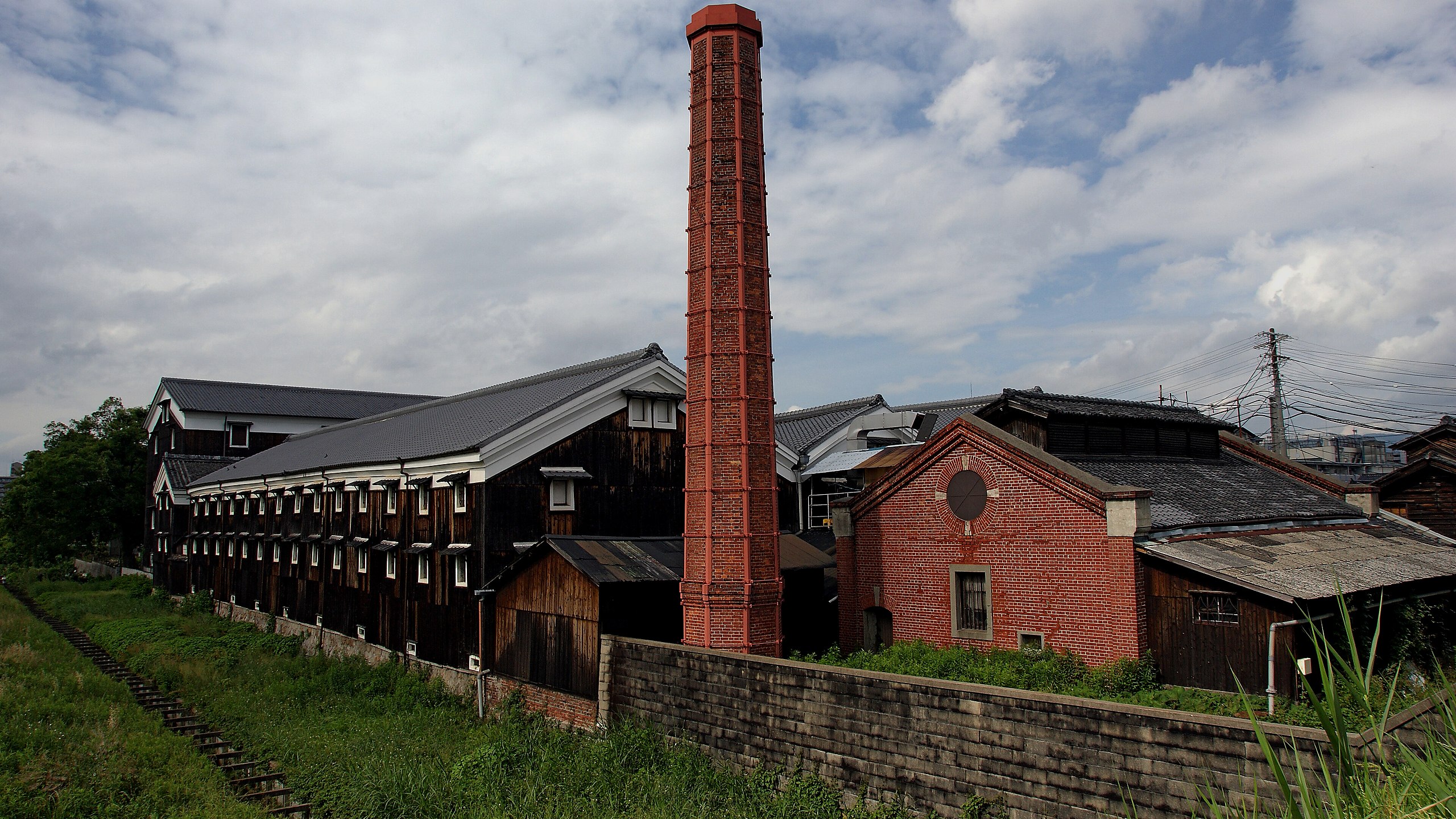
History & Brewing Heritage of Taiseki Shuzo Co., Ltd.
Founded in 1952 in Gushikawa (present-day Uruma City) during the U.S. administration of Okinawa, Taiseki Shuzo holds the distinction of being Japan's southernmost traditional seishu brewery and the sole licensed sake producer in Okinawa Prefecture. Originally distilling awamori and shochu, the brewery entered into a technical partnership in 1968 with Reimei Shuzo (now Kinokawa) in Nagasaki Prefecture to pioneer Okinawa's first locally brewed sake, 'Reimei' (Dawn). Upon Okinawa's reversion to Japan in 1972, Taiseki Shuzo secured a permanent seishu brewing license, preserving the torch of sake craftsmanship in a region overwhelmingly dominated by awamori. Brewing sake in Okinawa's subtropical climate—where average annual temperatures exceed 23°C—required overcoming formidable thermal challenges. Taiseki Shuzo engineered a fully climate-controlled year-round brewing facility (shiki-jozo) equipped with jacket-chilled fermentation tanks to strictly maintain moromi mash temperatures below 15–16°C. By pairing high-temperature saccharification starters (ko-on toka moto) with a four-stage mashing process (yondan-jikomi), the brewers prevented bacterial spoilage while achieving a clean, structured fermentation profile. Because Okinawa's coral-limestone groundwater is naturally high in minerals, Taiseki Shuzo pipes in natural mountain water from northern Okinawa Island and softens it prior to mashing. Pre-polished Kyushu rice varieties—including Saga-grown Reiho for ginjo grades and Hinohikari for honjozo—are fermented with Kyokai No. 901 yeast. Flagship 'Reimei Junmai Ginjo' offers delicate orchard fruit aromatics and balanced umami, while 'Reimei Honjozo' delivers a crisp, dry finish (+7 SMV) specifically tailored to cut through rich Okinawan pork dishes like rafute and chanpuru.
Signature Brand Lineup & Yearly Flavor Profile
Select a Year (2022–2026) to explore how each harvest’s climate and rice quality shaped the 1–5 rice-grain flavor balance:
[2026BY Latest Vintage] Crafted with Yanbaru Forest & Ryukyu Limestone Subterranean Water and fresh harvest rice, showcasing crystalline purity and vibrant acidity in flagship "".
Tasting Notes & Comments (3)
“Tasted Okinawa's sole sake, Reimei, in both Honjozo and Junmai Ginjo side by side. The Honjozo carries an old-school, slightly Shaoxing-like savory richness that loves Okinawan rafute pork, while the Junmai Ginjo is surprisingly crisp and lightly sweet.”
“Brewed by Taiseki Shuzo in Uruma, Okinawa—Japan's southernmost sake brewery—Reimei is a testament to subtropical brewing ingenuity, offering caramel-nutty richness that pairs naturally with braised pork belly and stir-fries.”
“Hunted down a bottle of Okinawa's only locally brewed sake, Reimei, during my trip to the islands! Loved experiencing this local celebratory classic alongside homemade goya champuru.”
Write a Review
Share your tasting notes and food pairings with sake lovers around the world.