Kamigokoro Sake Brewery Co., Ltd.
Founded in 1913 by Isaburo Fujii in the Seto Inland Sea port town of Yorishima-cho, Asakuchi City, Okayama Prefecture, Kamigokoro takes its name from a homophone meaning 'the heart of the gods,' reflecting the founder's wish to brew sake pure enough to offer at Shinto shrines. Even during the postwar era when artificially sweetened triple-diluted sake dominated Japan, second-generation head Nobuhiko Fujii championed 'umakuchi'—rich, authentic rice-driven umami rather than simple sweetness.
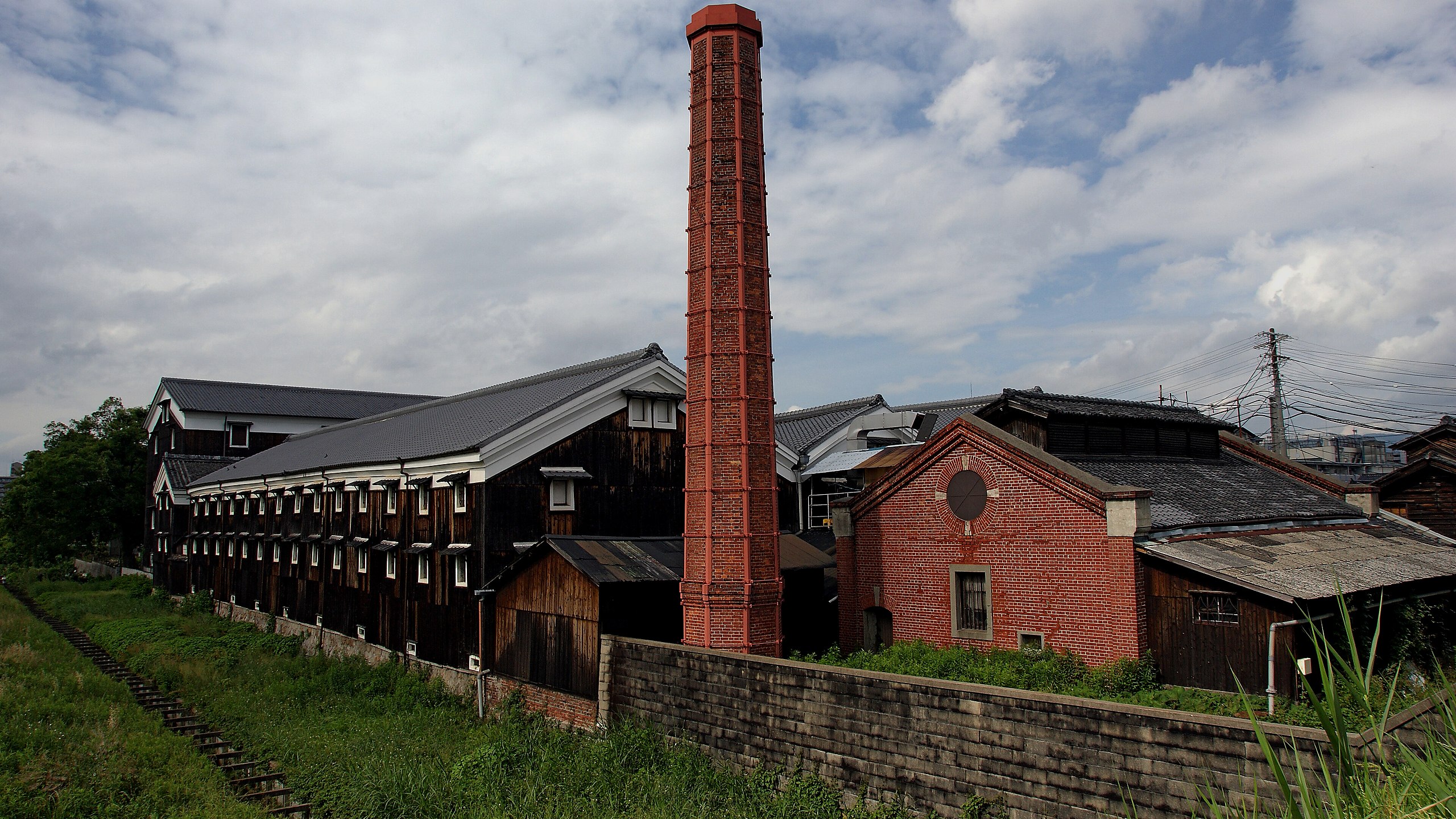
History & Brewing Heritage of Kamigokoro Sake Brewery Co., Ltd.
Founded in 1913 by Isaburo Fujii in the Seto Inland Sea port town of Yorishima-cho, Asakuchi City, Okayama Prefecture, Kamigokoro takes its name from a homophone meaning 'the heart of the gods,' reflecting the founder's wish to brew sake pure enough to offer at Shinto shrines. Even during the postwar era when artificially sweetened triple-diluted sake dominated Japan, second-generation head Nobuhiko Fujii championed 'umakuchi'—rich, authentic rice-driven umami rather than simple sweetness. Drawing soft subterranean water from the Mt. Yosho range and using local Okayama rice varieties such as Akebono, Omachi, and Yamada Nishiki, the brewery crafts lush, velvety sakes through meticulous koji propagation. From its celebrated winter seasonal unpasteurized junmai ginjo 'Fuyu no Tsuki' to 'Tokagen,' fermented with natural yeast isolated from Okayama white peaches, Kamigokoro shares Okayama's rich umakuchi heritage with tables around the world.
Signature Brand Lineup & Yearly Flavor Profile
Select a Year (2022–2026) to explore how each harvest’s climate and rice quality shaped the 1–5 rice-grain flavor balance:
[2026BY Latest Vintage] Crafted with Three Major Rivers of Okayama Subterranean Water and fresh harvest rice, showcasing crystalline purity and vibrant acidity in flagship "".
Tasting Notes & Comments (12)
“Picked up this year's Fuyu no Tsuki Junmai Ginjo Muroka Nama. The whisper of spritz on opening gives way to melting Okayama white peach sweetness and rich rice umami—unbeatable alongside fried Yorishima oysters.”
“Both their pioneering low-ABV Kokage no Sakana and their full-bodied Omachi Junmai Ginjo are masterclasses in rich, aromatic brewing. Guests who love German Spatlese Riesling or Gewurztraminer fall in love with Kamigokoro immediately.”
“Did a side-by-side tasting of Kamigokoro's flagship bottles—chilled, it shows bright lychee clarity, and as it warms slightly in the glass, a velvety cushion of rice umami blossoms.”
“Opened Kamikokoro Shuzo's winter-only 'Fuyu no Tsuki Junmai Ginjo Muroka Nama.' Bursting with Okayama white-peach aromatics, lively micro-fizz, and velvety Mount Yosho soft-water sweetness before a gently bitter-crisp finish—heavenly alongside winter oysters and hotpots.”
“A winter gem from Kamikokoro Shuzo, long a champion of rich 'kome-umakuchi' (savory-sweet rice) sake. Juicy as white-peach nectar yet lifted by fresh spritz, it pairs brilliantly with spicy Asian cuisine and soft cheeses.”
“Kamikokoro Shuzo's winter seasonal 'Fuyu no Tsuki' has arrived! Gorgeous blue bottle and lush, peachy shiboritate freshness we look forward to every winter.”
“Bearing the original 'Sacred Heart' name behind Kamigokoro, this boutique series charms with white-peach and pear juiciness over plush Okayama rice umami.”
“Richly savory yet neatly framed by fine acidity, making it a superb table companion for Seto Inland Sea seared Spanish mackerel and oysters.”
“I follow every seasonal Akitsuho and Omachi release—the brewery's commitment to 100% sub-zero bottle storage shines through in every lively glass.”
“Served Kamikokoro Shuzo's Tokagen well-chilled in a wine glass. Though made strictly from rice, soft Mount Yosho water, and yeast isolated from Okayama white peaches, it tastes like poached white peach and Moscato d'Asti at a breezy 8% ABV!”
“Drinking like a Kabinett Riesling or Moscato d'Asti, this 8% ABV peach-yeast junmai is a dream pairing for fruit tarts, mascarpone desserts, and spicy Southeast Asian cuisine.”
“Only in Okayama—the capital of white peaches—could you find a pure junmai fermented with wild white-peach yeast! Sweet-tart, silky, and a 100% crowd-pleaser for wine lovers.”
Write a Review
Share your tasting notes and food pairings with sake lovers around the world.