Wakabayashi Sake Brewery Co., Ltd.
Founded in 1869 (Meiji 2) in Yunotsu, Oda City, Shimane Prefecture—a historic hot-spring port town that once shipped silver from the Iwami Ginzan mines and is preserved today as an Important Preservation District for Groups of Traditional Buildings. Its flagship brand 'Kaishun' ('Opening of Spring') was named to warm and open the drinker's heart like the arrival of spring. Drawing medium-soft mountain spring water from the Yunotsu hills, the brewery uses contract-grown 'Iwami Ginzan Tenryo Rice' varieties including Kaminomai, Sakanishiki, Yamadanishiki, and Enishi no Mai. Embracing traditional kimoto starters and wooden-vat (kioke) fermentation with ambient house yeasts alongside Kyokai No. 7 and 9, the brewery crafts sakes of remarkable vitality. With deep grain umami, structured acidity, and superb aging potential, 'Kaishun' shines especially brightly when served warm. Beloved by specialist junmai retailers nationwide, it pairs magnificently with grilled blackthroat seaperch (nodoguro), roasted meats, and fermented delicacies.
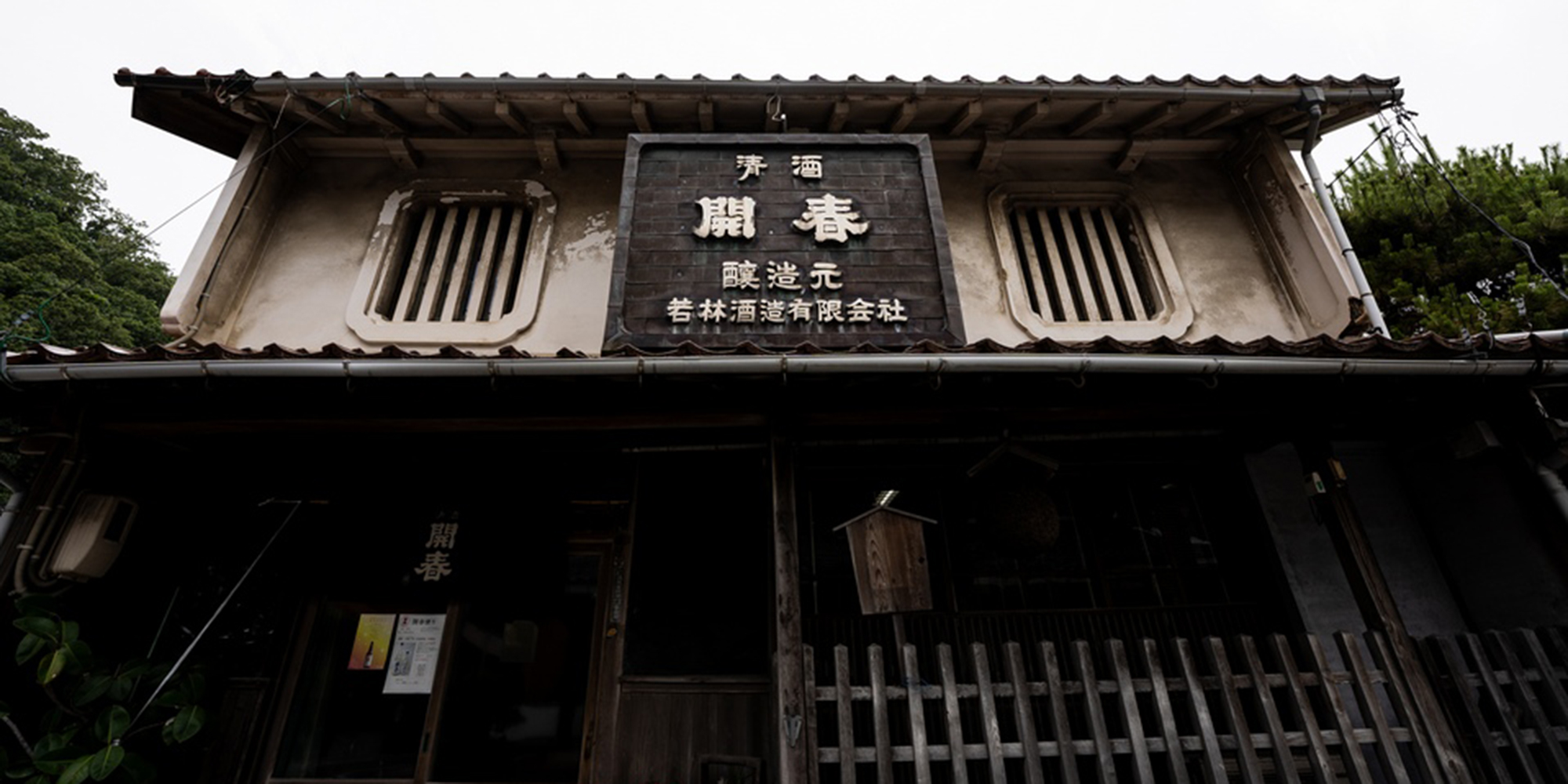
History & Brewing Heritage of Wakabayashi Sake Brewery Co., Ltd.
Founded in 1869 (Meiji 2) in Yunotsu, Oda City, Shimane Prefecture—a historic hot-spring port town that once shipped silver from the Iwami Ginzan mines and is preserved today as an Important Preservation District for Groups of Traditional Buildings. Its flagship brand 'Kaishun' ('Opening of Spring') was named to warm and open the drinker's heart like the arrival of spring.
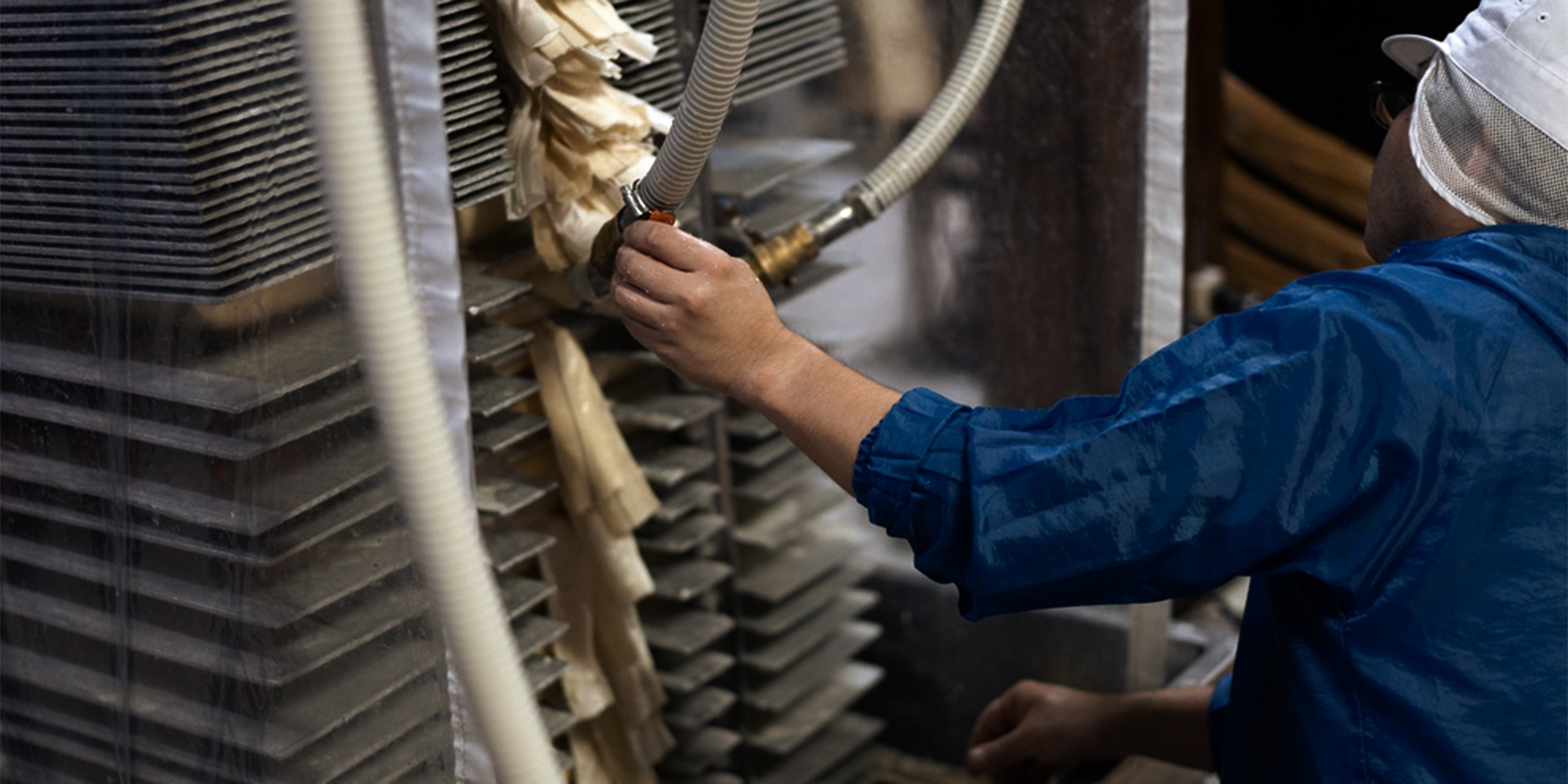
Drawing medium-soft mountain spring water from the Yunotsu hills, the brewery uses contract-grown 'Iwami Ginzan Tenryo Rice' varieties including Kaminomai, Sakanishiki, Yamadanishiki, and Enishi no Mai. Embracing traditional kimoto starters and wooden-vat (kioke) fermentation with ambient house yeasts alongside Kyokai No. 7 and 9, the brewery crafts sakes of remarkable vitality.
With deep grain umami, structured acidity, and superb aging potential, 'Kaishun' shines especially brightly when served warm. Beloved by specialist junmai retailers nationwide, it pairs magnificently with grilled blackthroat seaperch (nodoguro), roasted meats, and fermented delicacies.
Signature Brand Lineup & Yearly Flavor Profile
Select a Year (2022–2026) to explore how each harvest’s climate and rice quality shaped the 1–5 rice-grain flavor balance:
[2026BY Latest Vintage] Crafted with Izumo & Takatsu River Subterranean Soft Water and fresh harvest rice, showcasing crystalline purity and vibrant acidity in flagship "".
Tasting Notes & Comments (9)
“Opened Kaishun Kimoto Junmai Yamaguchiya alongside the Iwami Karakuchi Tokubetsu Junmai. Deep, centered umami from local Iwami Ginzan rice harmonizes with lively kimoto acidity, expanding beautifully when warmed to 45–50°C alongside salt-grilled or simmered nodoguro.”
“Brewed in wooden vats with a traditional kimoto starter, Kaishun Iwami Sansoku weaves subtle cedar complexity with bright lactic energy. It stands up effortlessly to rich Sea of Japan fish as well as roast pork and cultured-butter French cuisine.”
“Strolled through historic Yunotsu Onsen to visit Wakabayashi Shuzo! Their Kaishun Junmai Ginjo Sakanishiki Nama-Genshu balances brisk acidity with generous rice umami—pure magic alongside local coastal sashimi.”
“Savored 'Kaishun Ishi no Kanbase Kimoto Tokubetsu Junmai' from 1869-founded Wakabayashi Shuzo in historic Yunotsu Onsen, Shimane. Meaning 'the countenance of stone (Iwami),' this kimoto junmai brewed with Yunotsu mountain spring water and Iwami Ginzan Tenryo rice unfolds gloriously when warmed.”
“Reflects the stone-rich geology and culture of Shimane's Iwami coast. Firm mineral backbone and earthy kimoto grain richness shine alongside roast pork and root vegetables.”
“Warming a cup of Wakabayashi Shuzo's 'Ishi no Kanbase'! Deep kimoto character and stony Iwami terroir poise.”
“Savored Wakabayashi Shuzo's 'Kanbun no Shizuku,' brewed in Yunotsu, Shimane by reconstructing a 1660s Kanbun-era Edo manuscript recipe with kimoto fermentation, wooden vats, and extended aging. Amber-hued with dried-fruit, dark-honey, and caramel complexity, it is magical over vanilla ice cream or alongside blue cheese.”
“A living time capsule of 17th-century Edo brewing. Its concentrated dried-fig sweetness and vibrant acidity recall fine Madeira or Pedro Ximénez, pairing brilliantly with foie gras and dark chocolate.”
“Sipping Wakabayashi Shuzo's 17th-century historical recreation 'Kanbun no Shizuku'! Rich amber nectar that makes an unforgettable digestif.”
Write a Review
Share your tasting notes and food pairings with sake lovers around the world.