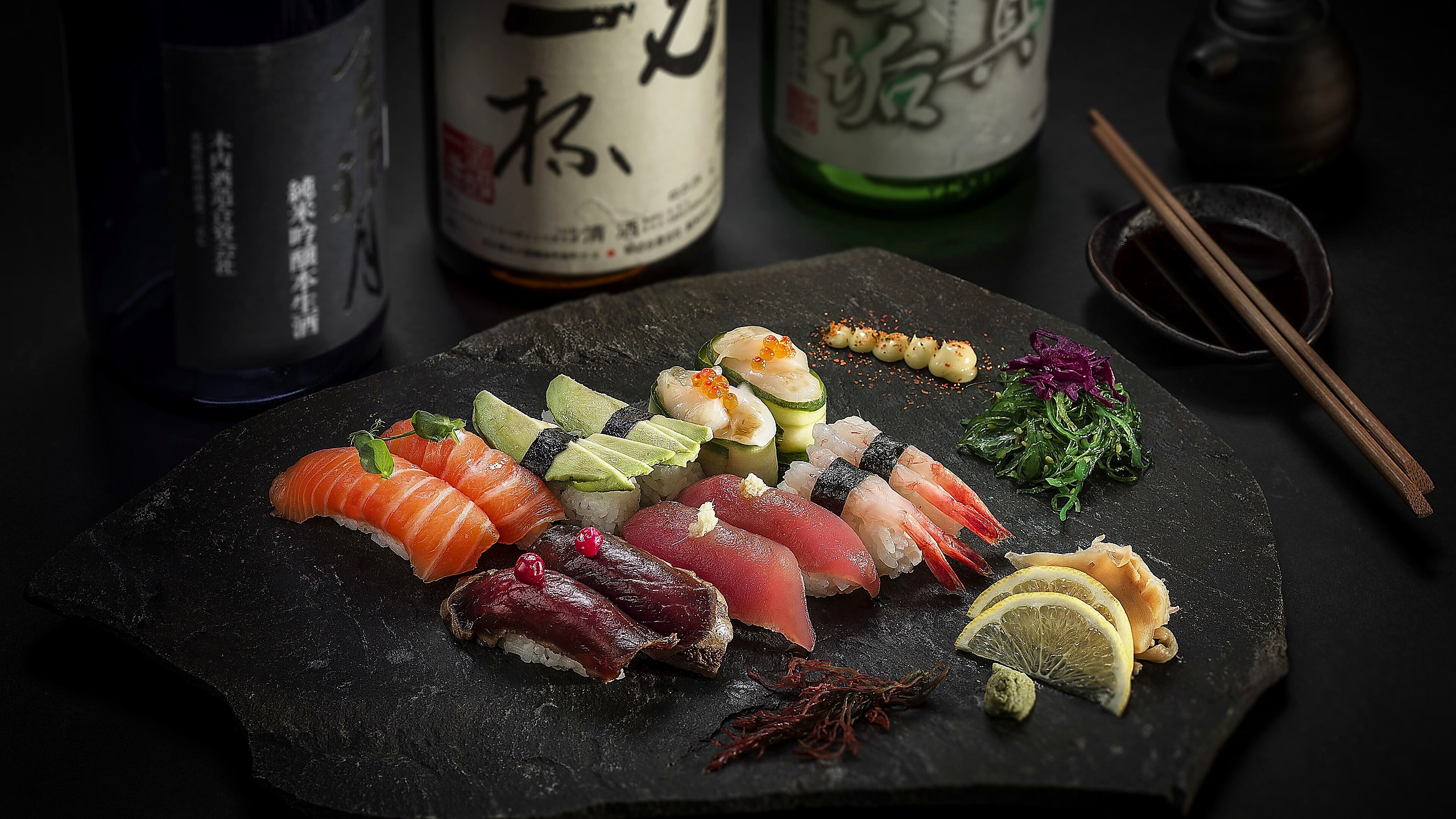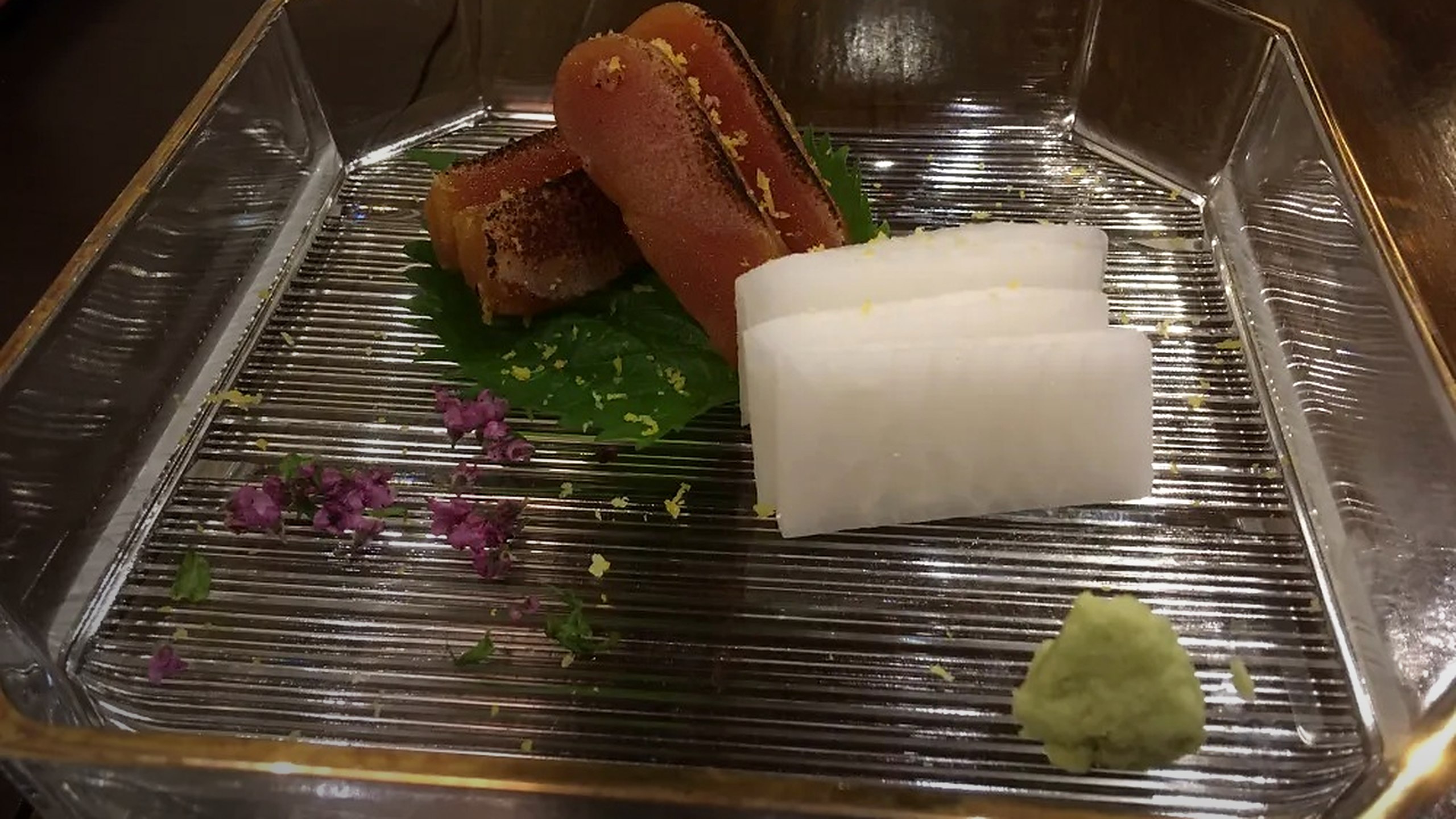
From Copenhagen’s three-star temples to Milan, Tokyo, and Seoul, innovative Italian and New Nordic kitchens are turning to sake. Discover the biochemical magic of glutamic × succinic acid synergy, zero-iron seafood purity, 10°C–40°C thermal staging, and 6 essential sommelier bottles.
Why Starred Sommeliers in Copenhagen and Milan Are Pouring Sake Beside Pasta & Garum
Walk into a boundary-pushing tasting room in Copenhagen—from three-Michelin-star Geranium to the constellation of New Nordic kitchens shaped by Noma’s fermentation lab—or sit at an avant-garde Italian counter in Milan, Tokyo, or Seoul, and you will witness a striking new ritual. Just as a plate of Sardinia bottarga spaghettini or shaved Alba white truffle arrives, the sommelier reaches past Chablis and Barolo to pour small-batch sake from Nara, Kumamoto, or Kyoto into a Burgundy stem.
This is pure biochemistry, not novelty. Both classic Italian cuisine (sun-ripened San Marzano tomatoes, 24-month Parmigiano-Reggiano, cured prosciutto, anchovies, bottarga) and New Nordic gastronomy (koji garums, lacto-fermented wild mushrooms, kelp oils, dry-aged cold-water seafood) pack the highest concentrations of free glutamic and inosinic umami anywhere in Western cooking. And when umami and marine roe lipids reach that intensity, rice-and-koji sake possesses molecular advantages grape wine cannot replicate.
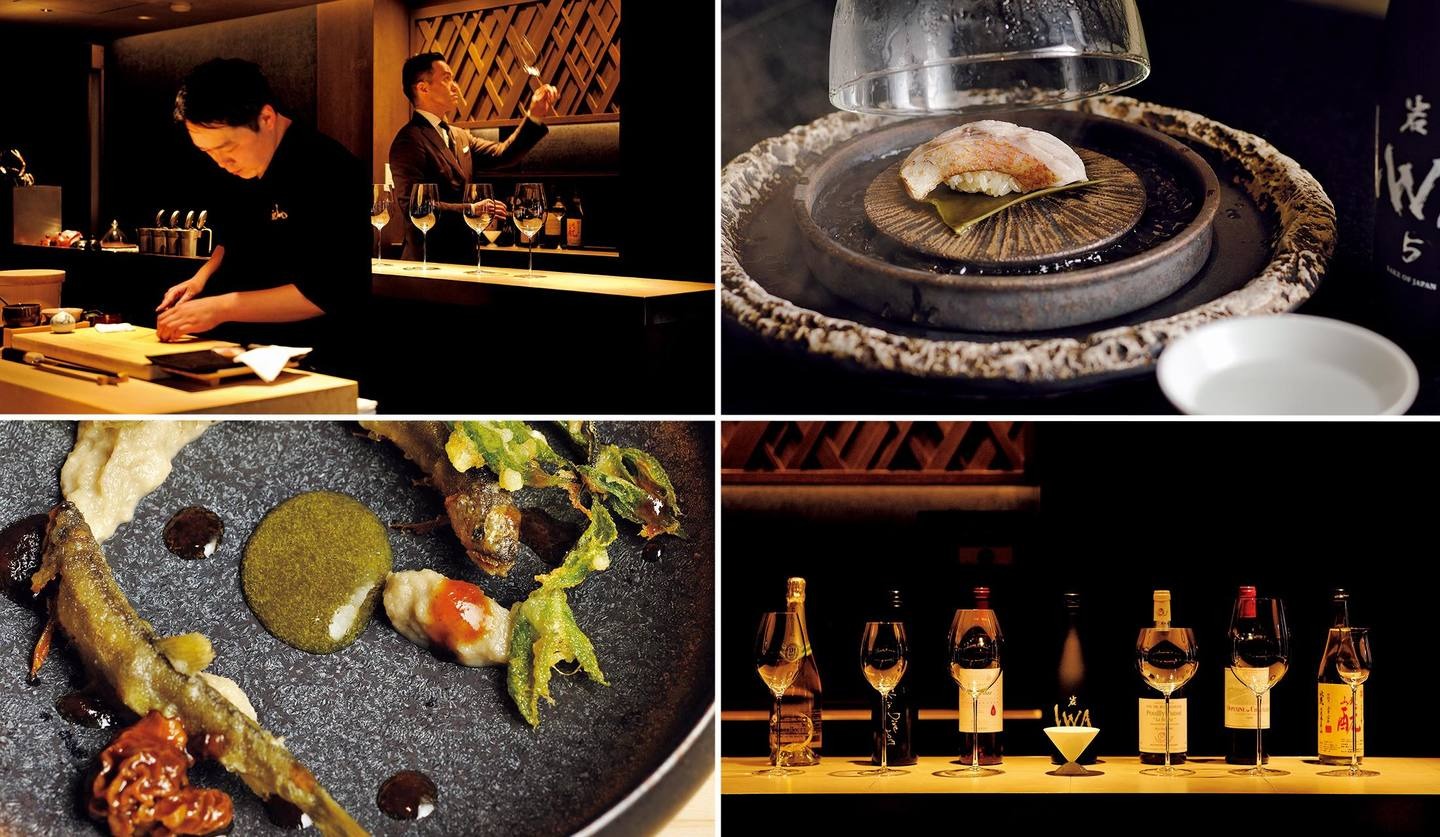
3 Biochemical Reasons Sake Outperforms Wine on Umami & Roe Dishes
Analytical research from institutions including Japan’s National Research Institute of Brewing (NRIB) Official Site pinpoints three structural mechanisms behind sake’s affinity for Italian and Nordic plates:
Course-by-Course Italian & Nordic × Sake Pairing Matrix
Below is a practical sommelier blueprint matching signature Italian and New Nordic dishes to exact serving temperatures, glassware, and benchmark bottlings.
| Signature Dish (Italian / New Nordic) | Dominant Umami & Aromatic Drivers | Ideal Temp & Stemware | Benchmark Bottling (Japan 720ml Retail) |
|---|---|---|---|
| Chilled Sea Urchin Capellini w/ Fermented Tomato Water | Glutamic acid (tomato) × sweet marine lipids (uni) | 8–10°C (Crisp white-wine tulip) | Kaze no Mori ALPHA 1 (Yucho Shuzo · ~¥1,980) |
| Sardinian Bottarga & Olive Oil Spaghettini | Polyunsaturated roe lipids, cured salt & garlic oil | 10–12°C (Medium aromatic stem) | Tabika Junmai Ginjo Omachi (Hayakawa Shuzo · ~¥2,200) |
| Lacto-Fermented Mushroom & Scallop Nordic Tart | Guanylic acid (fungi) × succinic acid (scallop) | 13–15°C (Burgundy glass) | Mimurosugi Dio Abita (Imanishi Shuzo · ~¥1,980) |
| 24-Month Parmigiano Risotto w/ Alba White Truffle | Dense free amino acids × earthy truffle volatiles | 16–18°C or 38°C body-temp | Ubusuna Yamada Nishiki Kioke (Hananoka · ~¥3,300) |
| Charcoal Turbot w/ Koji Fish-Garum Beurre Monté | Aged inosinic umami × fermented garum peptides | 40–42°C (*Nurukan*) (Wide stem) | Nichinichi Yamada Nishiki (Nichinichi Jozo · ~¥2,600) |
6 Essential Sommelier Bottles for Italian & Nordic Wine Lists
Imanishi Shuzo — Mimurosugi Roman Series Dio Abita
Brewed with sacred subterranean water from Mt. Miwa in Nara—the ancestral birthplace of sake—the Italian-named flagship from Imanishi Shuzo (Mimurosugi) Official Site captured 1st Place in the Junmai division at SAKE COMPETITION 2026.
Hananoka Shuzo — Ubusuna Yamada Nishiki Wooden-Vat (Kioke)
Cultivating pesticide-free heirloom and local Yamada Nishiki rice in Kumamoto’s Kikuchi River basin, Hananoka Shuzo (Ubusuna) Official Site is the cult favorite of natural-wine directors from Copenhagen to Paris and Seoul.
Yucho Shuzo Kaze no Mori ALPHA 1 & Nichinichi Jozo Nichinichi
Two modern Kansai benchmarks mastering low-alcohol tension and thermal versatility:
Hayakawa Shuzo Tabika Junmai Ginjo & Yamanashi Meijo Shichiken Yama no Kasumi
Rounding out the list are two indispensable workhorses for cured seafood pastas and opening Nordic snacks:
ဆက်စပ်စက်ရုံများ
| တံဆိပ် | စက်ရုံများ | ဆန် · ရေ | စက်ရုံကိုယ်ရေးအချက်အလက် |
|---|---|---|---|
| Kazenomori | Yucho Sake Brewery Co., Ltd. | ဆန် · ရေ | စက်ရုံကိုယ်ရေးအချက်အလက် |
| Tabika | Hayakawa Sake Brewery Co. | ဆန် · ရေ | စက်ရုံကိုယ်ရေးအချက်အလက် |
| Mimurosugi | Imanishi Sake Brewery Co., Ltd. | ဆန် · ရေ | စက်ရုံကိုယ်ရေးအချက်အလက် |
| TENBU | Nishi Shuzo Co., Ltd. | ဆန် · ရေ | စက်ရုံကိုယ်ရေးအချက်အလက် |
| Ubusuna | Hananoka Shuzo Co., Ltd. | ဆန် · ရေ | စက်ရုံကိုယ်ရေးအချက်အလက် |
| Nichinichi | Nichinichi Brewing Co., Ltd. | ဆန် · ရေ | စက်ရုံကိုယ်ရေးအချက်အလက် |
| Shichiken | Yamanashi Meijo Co., Ltd. | ဆန် · ရေ | စက်ရုံကိုယ်ရေးအချက်အလက် |
| Sawaya Matsumoto | Matsumoto Shuzo Co., Ltd. | ဆန် · ရေ | စက်ရုံကိုယ်ရေးအချက်အလက် |
| Kiokeshikomi | Terada Honke Co., Ltd. | ဆန် · ရေ | စက်ရုံကိုယ်ရေးအချက်အလက် |
| Kansai | Katayama Sake Brewery Co., Ltd. | ဆန် · ရေ | စက်ရုံကိုယ်ရေးအချက်အလက် |
Yucho Sake Brewery Co., Ltd. (Yucho Sake Brewery Co., Ltd.) မှ Kazenomori — ဆန်စေ့ ၁–၅ စေ့ ဟန်ချက်ဝင်ရိုးများနှင့် တည်ခင်းအပူချိန်များအလိုက် ဘက်မလိုက် ဖော်ပြထားသည်။
Hayakawa Sake Brewery Co. (Hayakawa Sake Brewery Co.) မှ Tabika — ဆန်စေ့ ၁–၅ စေ့ ဟန်ချက်ဝင်ရိုးများနှင့် တည်ခင်းအပူချိန်များအလိုက် ဘက်မလိုက် ဖော်ပြထားသည်။
Imanishi Sake Brewery Co., Ltd. (Imanishi Sake Brewery Co., Ltd.) မှ Mimurosugi — ဆန်စေ့ ၁–၅ စေ့ ဟန်ချက်ဝင်ရိုးများနှင့် တည်ခင်းအပူချိန်များအလိုက် ဘက်မလိုက် ဖော်ပြထားသည်။
Nishi Shuzo Co., Ltd. (Nishi Shuzo Co., Ltd.) မှ TENBU — ဆန်စေ့ ၁–၅ စေ့ ဟန်ချက်ဝင်ရိုးများနှင့် တည်ခင်းအပူချိန်များအလိုက် ဘက်မလိုက် ဖော်ပြထားသည်။
Hananoka Shuzo Co., Ltd. (Hananoka Shuzo Co., Ltd.) မှ Ubusuna — ဆန်စေ့ ၁–၅ စေ့ ဟန်ချက်ဝင်ရိုးများနှင့် တည်ခင်းအပူချိန်များအလိုက် ဘက်မလိုက် ဖော်ပြထားသည်။
Nichinichi Brewing Co., Ltd. (Nichinichi Brewing Co., Ltd.) မှ Nichinichi — ဆန်စေ့ ၁–၅ စေ့ ဟန်ချက်ဝင်ရိုးများနှင့် တည်ခင်းအပူချိန်များအလိုက် ဘက်မလိုက် ဖော်ပြထားသည်။
Yamanashi Meijo Co., Ltd. (Yamanashi Meijo Co., Ltd.) မှ Shichiken — ဆန်စေ့ ၁–၅ စေ့ ဟန်ချက်ဝင်ရိုးများနှင့် တည်ခင်းအပူချိန်များအလိုက် ဘက်မလိုက် ဖော်ပြထားသည်။
Matsumoto Shuzo Co., Ltd. (Matsumoto Shuzo Co., Ltd.) မှ Sawaya Matsumoto — ဆန်စေ့ ၁–၅ စေ့ ဟန်ချက်ဝင်ရိုးများနှင့် တည်ခင်းအပူချိန်များအလိုက် ဘက်မလိုက် ဖော်ပြထားသည်။
Terada Honke Co., Ltd. (Terada Honke Co., Ltd.) မှ Kiokeshikomi — ဆန်စေ့ ၁–၅ စေ့ ဟန်ချက်ဝင်ရိုးများနှင့် တည်ခင်းအပူချိန်များအလိုက် ဘက်မလိုက် ဖော်ပြထားသည်။
Katayama Sake Brewery Co., Ltd. (Katayama Sake Brewery Co., Ltd.) မှ Kansai — ဆန်စေ့ ၁–၅ စေ့ ဟန်ချက်ဝင်ရိုးများနှင့် တည်ခင်းအပူချိန်များအလိုက် ဘက်မလိုက် ဖော်ပြထားသည်။
စက်ရုံအကြောင်းအသစ်များ၊ ကဇော်ဖောက်သိပ္ပံနှင့် နိုင်ငံတကာ အစားအစာတွဲဖက်မှု လမ်းညွှန်များ
ချက်လုပ်မှု၊ အရသာခံမှု၊ တွဲဖက်မှုနှင့် ယဉ်ကျေးမှု — ဆာကေးအကြောင်း သင့်ဘာသာစကားဖြင့်။