From Copenhagen’s three-star temples to Milan, Tokyo, and Seoul, innovative Italian and New Nordic kitchens are turning to sake. Discover the biochemical magic of glutamic × succinic acid synergy, zero-iron seafood purity, 10°C–40°C thermal staging, and 6 essential sommelier bottles.
Why Starred Sommeliers in Copenhagen and Milan Are Pouring Sake Beside Pasta & Garum
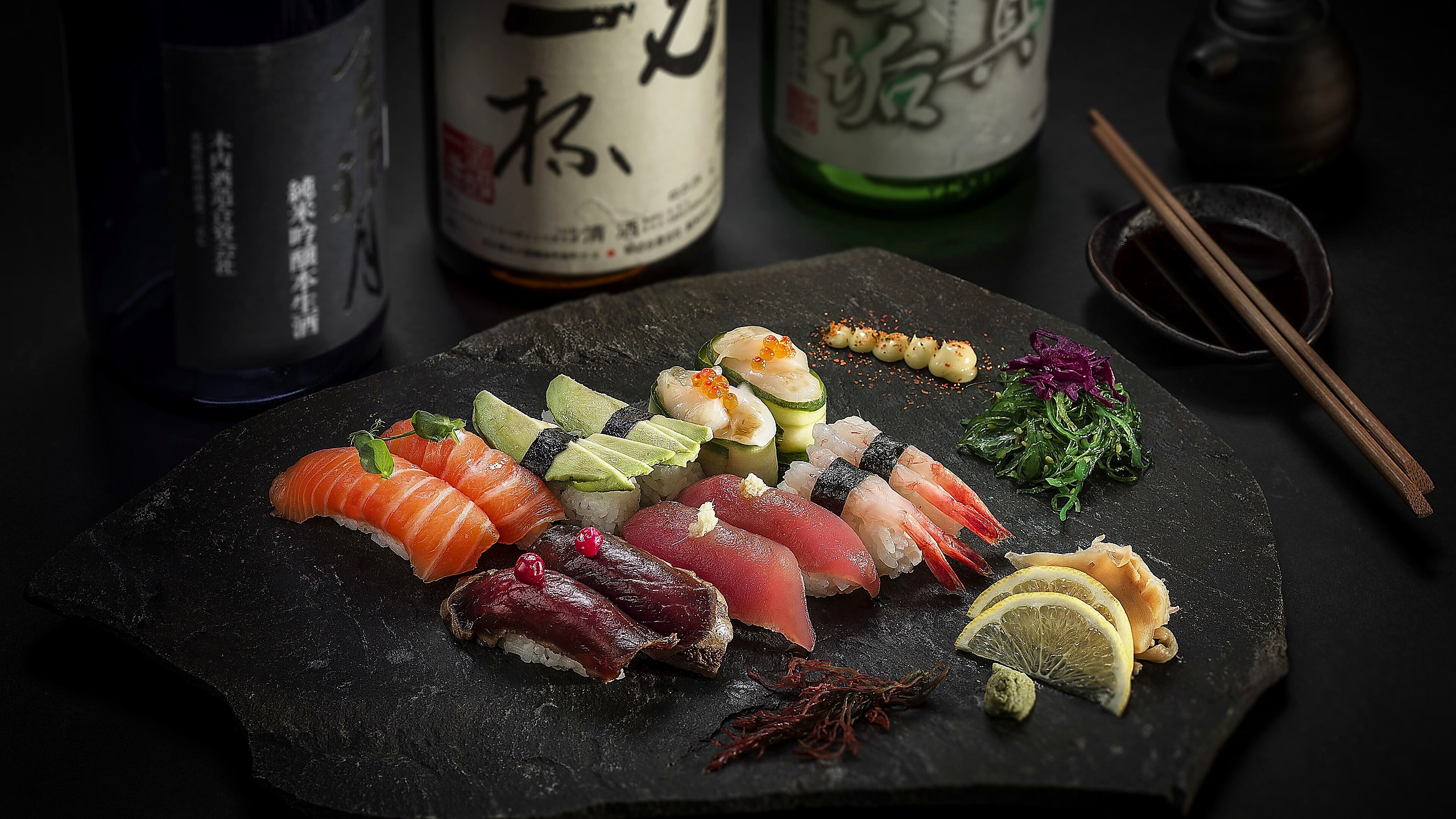
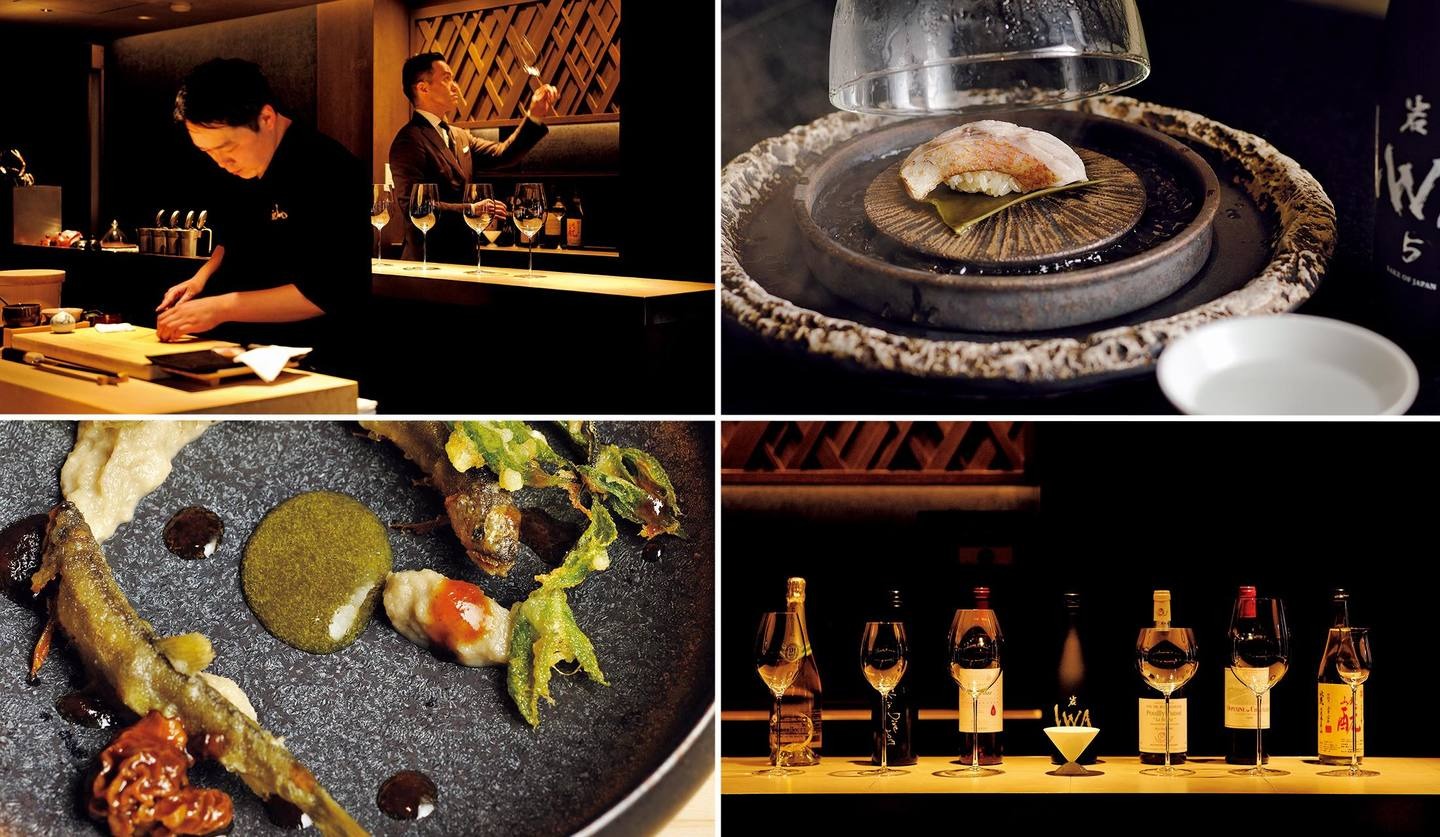
Walk into a boundary-pushing tasting room in Copenhagen—from three-Michelin-star Geranium to the constellation of New Nordic kitchens shaped by Noma’s fermentation lab—or sit at an avant-garde Italian counter in Milan, Tokyo, or Seoul, and you will witness a striking new ritual. Just as a plate of Sardinia bottarga spaghettini or shaved Alba white truffle arrives, the sommelier reaches past Chablis and Barolo to pour small-batch sake from Nara, Kumamoto, or Kyoto into a Burgundy stem.
This is pure biochemistry, not novelty. Both classic Italian cuisine (sun-ripened San Marzano tomatoes, 24-month Parmigiano-Reggiano, cured prosciutto, anchovies, bottarga) and New Nordic gastronomy (koji garums, lacto-fermented wild mushrooms, kelp oils, dry-aged cold-water seafood) pack the highest concentrations of free glutamic and inosinic umami anywhere in Western cooking. And when umami and marine roe lipids reach that intensity, rice-and-koji sake possesses molecular advantages grape wine cannot replicate.
3 Biochemical Reasons Sake Outperforms Wine on Umami & Roe Dishes
Analytical research from institutions including Japan’s National Research Institute of Brewing (NRIB) Official Site pinpoints three structural mechanisms behind sake’s affinity for Italian and Nordic plates:
Course-by-Course Italian & Nordic × Sake Pairing Matrix
Below is a practical sommelier blueprint matching signature Italian and New Nordic dishes to exact serving temperatures, glassware, and benchmark bottlings.
| Signature Dish (Italian / New Nordic) | Dominant Umami & Aromatic Drivers | Ideal Temp & Stemware | Benchmark Bottling (Japan 720ml Retail) |
|---|---|---|---|
| Chilled Sea Urchin Capellini w/ Fermented Tomato Water | Glutamic acid (tomato) × sweet marine lipids (uni) | 8–10°C (Crisp white-wine tulip) | Kaze no Mori ALPHA 1 (Yucho Shuzo · ~¥1,980) |
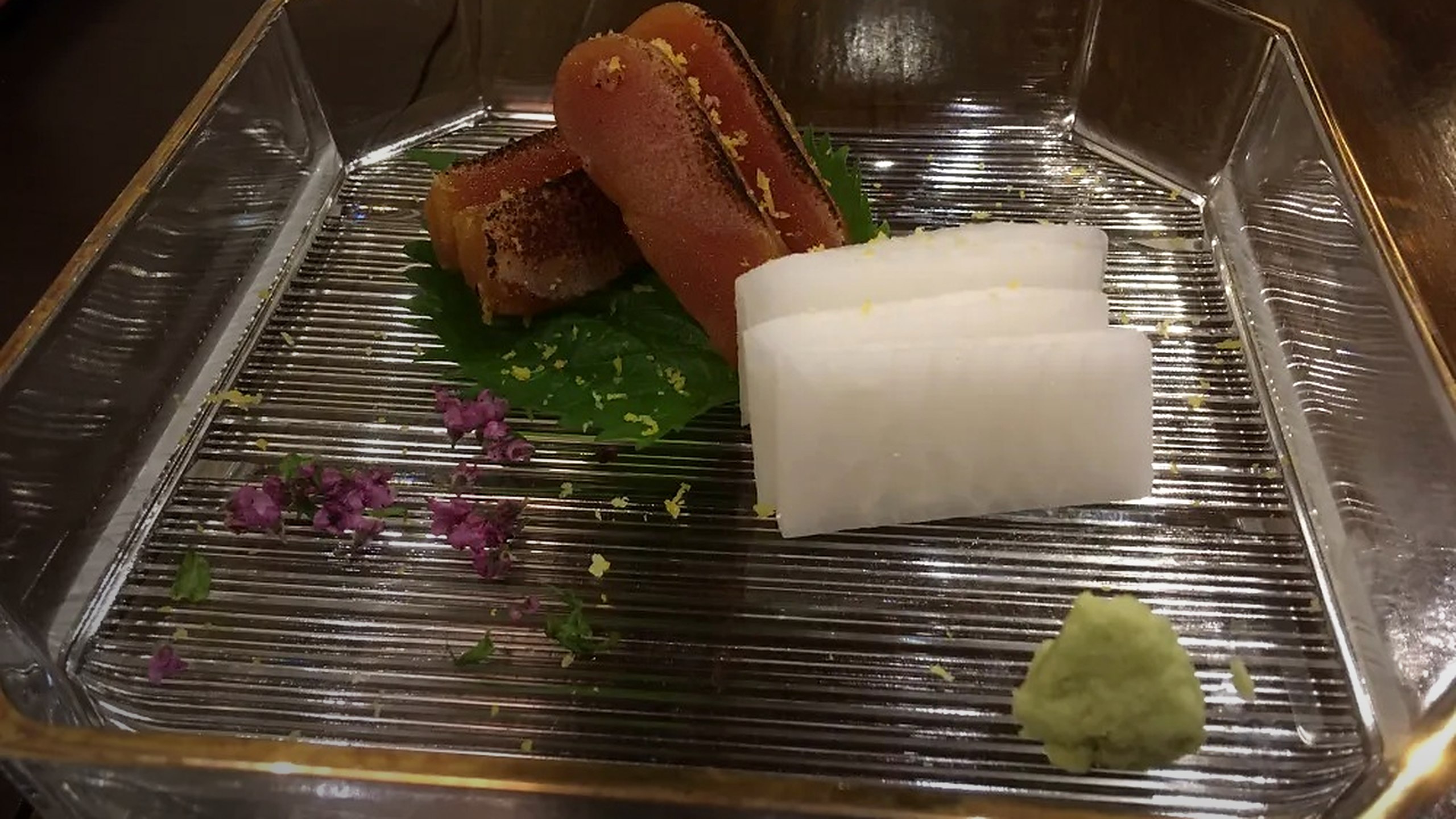
| Sardinian Bottarga & Olive Oil Spaghettini | Polyunsaturated roe lipids, cured salt & garlic oil | 10–12°C (Medium aromatic stem) | Tabika Junmai Ginjo Omachi (Hayakawa Shuzo · ~¥2,200) |
| Lacto-Fermented Mushroom & Scallop Nordic Tart | Guanylic acid (fungi) × succinic acid (scallop) | 13–15°C (Burgundy glass) | Mimurosugi Dio Abita (Imanishi Shuzo · ~¥1,980) |
| 24-Month Parmigiano Risotto w/ Alba White Truffle | Dense free amino acids × earthy truffle volatiles | 16–18°C or 38°C body-temp | Ubusuna Yamada Nishiki Kioke (Hananoka · ~¥3,300) |
| Charcoal Turbot w/ Koji Fish-Garum Beurre Monté | Aged inosinic umami × fermented garum peptides | 40–42°C (*Nurukan*) (Wide stem) | Nichinichi Yamada Nishiki (Nichinichi Jozo · ~¥2,600) |
6 Essential Sommelier Bottles for Italian & Nordic Wine Lists
Imanishi Shuzo — Mimurosugi Roman Series Dio Abita
Brewed with sacred subterranean water from Mt. Miwa in Nara—the ancestral birthplace of sake—the Italian-named flagship from Imanishi Shuzo (Mimurosugi) Official Site captured 1st Place in the Junmai division at SAKE COMPETITION 2026.
Hananoka Shuzo — Ubusuna Yamada Nishiki Wooden-Vat (Kioke)
Cultivating pesticide-free heirloom and local Yamada Nishiki rice in Kumamoto’s Kikuchi River basin, Hananoka Shuzo (Ubusuna) Official Site is the cult favorite of natural-wine directors from Copenhagen to Paris and Seoul.
Yucho Shuzo Kaze no Mori ALPHA 1 & Nichinichi Jozo Nichinichi
Two modern Kansai benchmarks mastering low-alcohol tension and thermal versatility:
Hayakawa Shuzo Tabika Junmai Ginjo & Yamanashi Meijo Shichiken Yama no Kasumi
Rounding out the list are two indispensable workhorses for cured seafood pastas and opening Nordic snacks:
Featured Breweries, Specs & Flavor Balance
| Flagship Label | Brewery & Region | Signature Rice & Water | Brewery Profile |
|---|---|---|---|
| Kazenomori | Yucho Sake Brewery Co., Ltd. (1160 Nakahonmachi, Gose-shi, Nara 639-2216, Japan) | Akitsuho, Tsuyuhakaze, Yamadanishiki, Omachi · Deep subterranean water from the Mt. Kongo and Mt. Katsuragi range (hard water, approx. 214 mg/L) | Brewery Profile |
| Tabika | Hayakawa Sake Brewery Co. (468 Ojima, Komono-cho, Mie-gun, Mie 510-1323, Japan) | Kaminoho, Yamadanishiki, Omachi, Gohyakumangoku · Subsurface water from Mount Shakagatake in the Suzuka Mountains (soft water) | Brewery Profile |
| Mimurosugi | Imanishi Sake Brewery Co., Ltd. (510 Miwa, Sakurai-shi, Nara 633-0001, Japan) | Tsuyuhakaze, Yamadanishiki, Omachi · Subsurface water from sacred Mt. Miwa (medium-soft water) | Brewery Profile |
| TENBU | Nishi Shuzo Co., Ltd. (4970-17 Yokura, Fukiage-cho, Hioki City, Kagoshima 899-3309, Japan (Tenbu Sake Kura: 3142-10 Yokura, Fukiage-cho, Hioki City)) | Yamada Nishiki (Tojo Special A District, Hyogo), Aiyama, Akaiwa Omachi · Satsuma Peninsula Deep Subterranean Natural Soft Water ('HOUMEI') | Brewery Profile |
| Ubusuna | Hananoka Shuzo Co., Ltd. (2226-2 Nishiyoshiji, Nagomi-machi, Tamana-gun, Kumamoto 861-0906, Japan) | Nagomi-machi Natural-Farmed Homase, Higo Kabashiko, Yamada Nishiki · Brewery Shrine Spring Water (Kikuchi River Basin Subterranean Water from the Former Bairin Tenmangu Well) | Brewery Profile |
| Nichinichi | Nichinichi Brewing Co., Ltd. (628 Shirodoricho, Fushimi-ku, Kyoto-shi, Kyoto 612-8067, Japan) | Yamadanishiki (Tojo, Hyogo), Aiyama, Kamenoo · Fushimi Momoyama Hills Subsurface Water (medium-soft water pumped from 100m underground) | Brewery Profile |
| Shichiken | Yamanashi Meijo Co., Ltd. (2283 Daigahara, Hakushu-cho, Hokuto City, Yamanashi 408-0312, Japan) | Hakushu-Grown Yumesansui, Yamada Nishiki, Hitogokochi (Estate & Contract-Farmed) · Mt. Kaikomagatake Subterranean Soft Water (Ojira River System, Top 100 Famous Waters) | Brewery Profile |
| Sawaya Matsumoto | Matsumoto Shuzo Co., Ltd. (7 Yokooji Misudaikokucho, Fushimi-ku, Kyoto-shi, Kyoto 612-8205, Japan) | Yamadanishiki, Gohyakumangoku, Iwai, Omachi · Fushimi Higashiyama and Momoyama Hills Subsurface Water (medium-soft water) | Brewery Profile |
| Kiokeshikomi | Terada Honke Co., Ltd. (1964 Kozaki-Honjuku, Kozaki-machi, Katori-gun, Chiba 289-0221, Japan) | Pesticide-Free Organic Rice (Miyama Nishiki, Gohyakumangoku, Koshihikari, Kamenoo) · Sacred Forest Subterranean Well Water from Kozaki Shrine Grounds | Brewery Profile |
| Kansai | Katayama Sake Brewery Co., Ltd. (3-15 Horikawa-cho, Echizen-shi, Fukui 915-0061, Japan) | Fukui Gohyakumangoku, Yamada Nishiki · Hino River System Subterranean Soft Water | Brewery Profile |
Brewed in Gose City, Nara by 1719-founded Yucho Shuzo, Kaze no Mori unites ancient Muromachi-era Bodaimoto heritage with cutting-edge fermentation science across an all-Muroka Nama Genshu lineup. Fermented with ultra-hard Katsuragi Mountain subsurface water (over 200mg/L hardness) and local Akitsuho rice, its signature micro-effervescence, Muscat and pear aromatics, and chiseled mineral finish captivate diners from sushi counters to Michelin-starred French and Italian tables.
Handcrafted by a tiny family team in Komono, Mie using ultra-soft Mt. Shakagatake snowmelt water and 100% gentle fune (box) pressing, Tabika is celebrated for its pillowy, rounded sweetness. Brewed with local Kaminoho, Omachi, and Yamada Nishiki, its soothing umami and gentle acidity pair beautifully with dashi-steamed clams and seasonal washoku.
Founded in 1660 at the foot of sacred Mount Miwa and Omiwa Shrine—revered as the ancestral deity of Japanese sake brewing—Imanishi Shuzo crafts Mimurosugi using shrine-mountain subterranean water and locally grown Yamadanishiki and Tsuyuhakaze rice. Luminous lychee, white peach, and Muscat aromas flow into a crystal-clear, juicy palate with a brisk finish that pairs effortlessly with sushi, sashimi, and delicate crudo.
Created in 2020 by Nishi Shuzo—the legendary Kagoshima distillery behind Tomino Hozan shochu—Tenbu brings world-class precision to Japan's southernmost mainland prefecture. Crafted with ultra-soft Satsuma mountain water and elite Yamada Nishiki and Aiyama rice, its lush lychee-and-white-peach aromatics, velvety sweetness, and crystal-clear finish pair magnificently with Kagoshima black Wagyu, Kurobuta pork shabu-shabu, and silver-stripe round herring sashimi.
Created in Nagomi, Kumamoto by Kiyotaka Kanda of Hananoka Shuzo to embody 'earth, native ecosystem, and ancestral regenerative agriculture,' Ubusuna stands at the absolute pinnacle of contemporary craft sake. Brewed with pesticide-free local Yamada Nishiki and revived Edo-era heirloom rices (Homase and Kabashiko) using kimoto and wooden vats, its Champagne-like pinpoint mousse and electric orchard-and-yuzu complexity transfix fine-dining tables worldwide.
Founded in Fushimi, Kyoto in 2022 by visionary brewer Hidehiko Matsumoto after his nationwide 'Musha Shugyo' apprenticeship across Japan's elite breweries, Nichinichi represents the pinnacle of modern low-abv genshu craftsmanship. Gossamer micro-bubbles, Japanese citrus and white peach aromatics, and feather-light yet deeply resonant umami make it one of Japan's most sought-after gastronomic sakes.
Founded in 1750 in Hakushu at the foot of the Southern Japanese Alps in Yamanashi, Shichiken ('Seven Sages of the Bamboo Grove') harnesses crystal-clear Mount Kaikomagatake snowmelt water. Renowned globally for its bottle-fermented sparkling sakes—including 'Mori no Kanade' aged in Suntory Hakushu whisky barrels—as well as its crisp 'Furinbizan' Junmai and 'Onakaya' Junmai Daiginjo, it pairs seamlessly with French gastronomy, roast poultry, and sushi.
Brewed since 1791 in Kyoto's Fushimi district with Momoyama hill subsurface water and single-origin Yamadanishiki, Gohyakumangoku, and Iwai rice, Sawaya Matsumoto redefined modern Kyoto dining sake through its acclaimed Shuhari series. Bright citrus acidity, delicate micro-effervescence, and translucent umami frame Kyoto kaiseki, Edomae sushi, and contemporary French cuisine with razor-sharp precision.
Fermented in traditional cedar vats by natural-sake pioneer Terada Honke, 'Kiokeshikomi' delivers profound earthy depth, smoky wooden-vat complexity, and transcendent warmth when heated. Supported by Sacred Forest Subterranean Well Water from Kozaki Shrine Grounds, it layers firm structure that shines even at hot atsukan temperatures, subtle smoky, earthy complexity, savory richness that blossoms when warmed to reflect the unmistakable terroir of Chiba.
Founded during the Meiwa era (1764) in Echizen City (formerly Takefu), the ancient provincial capital of Echizen in Fukui Prefecture, Katayama Shuzo named its flagship Kansai out of a bold ambition to brew the finest sake west of the Hakone barrier. Using soft Hino River subterranean water and Fukui-grown Gohyakumangoku and Yamada Nishiki rice, every batch is gently pressed in a traditional fune box press, producing vibrant, full-bodied genshu and unpasteurized releases that pair wonderfully with Takefu grated-daikon Echizen soba, Echizen snow crab, and seasonal Hokuriku seafood.
Recommended Pairing
Weekly Sake & Tasting Dispatch
Curated seasonal releases, sub-zero arrivals, and tasting city guides across global editions.