[Sake Storage & Shelf Life Master Guide] How to Store Unpasteurized Nama vs. Pasteurized Sake — Before and After Opening
Tasting

[Sake Storage & Shelf Life Master Guide] How to Store Unpasteurized Nama vs. Pasteurized Sake — Before and After Opening

2026-10-048min readSakeStream
Back
EXECUTIVE SUMMARY & KEY TAKEAWAYS

Does sake expire? How long does an opened bottle last? Here is the definitive sommelier guide to protecting sake from UV light and heat—and why many premium sakes actually peak 3 to 10 days after opening.

Key Sections in This Report:

Why Sake Labels List a "Bottling Date" Instead of an Expiration Date

Pick up any bottle of authentic Japanese sake and you will find a Production/Bottling Date (*Seizo Nengetsu*) rather than an expiration date. At 13%–17% ABV, pathogenic bacteria cannot survive in sake, meaning it never becomes unsafe to drink.

Yet preserving peak gastronomic expression requires far greater care than storing wine. Sake contains no added sulfites or heavy tannins to buffer oxidation, making temperature and light management paramount.


Sake’s Three Mortal Enemies: 1. UV Light, 2. Heat & 3. Horizontal Storage

1
UV Light (Sunlight & Fluorescent/LED Lighting): Exposure to ultraviolet rays triggers a chemical reaction in riboflavin and amino acids within hours, creating a skunked off-aroma known as nikkoshu ("sunlight taint"). Always store bottles in darkness or wrapped in UV-protective film.
2
Ambient Heat: Above 15–20°C, enzymatic activity and Maillard reactions accelerate rapidly, dulling delicate ginjo esters.
3
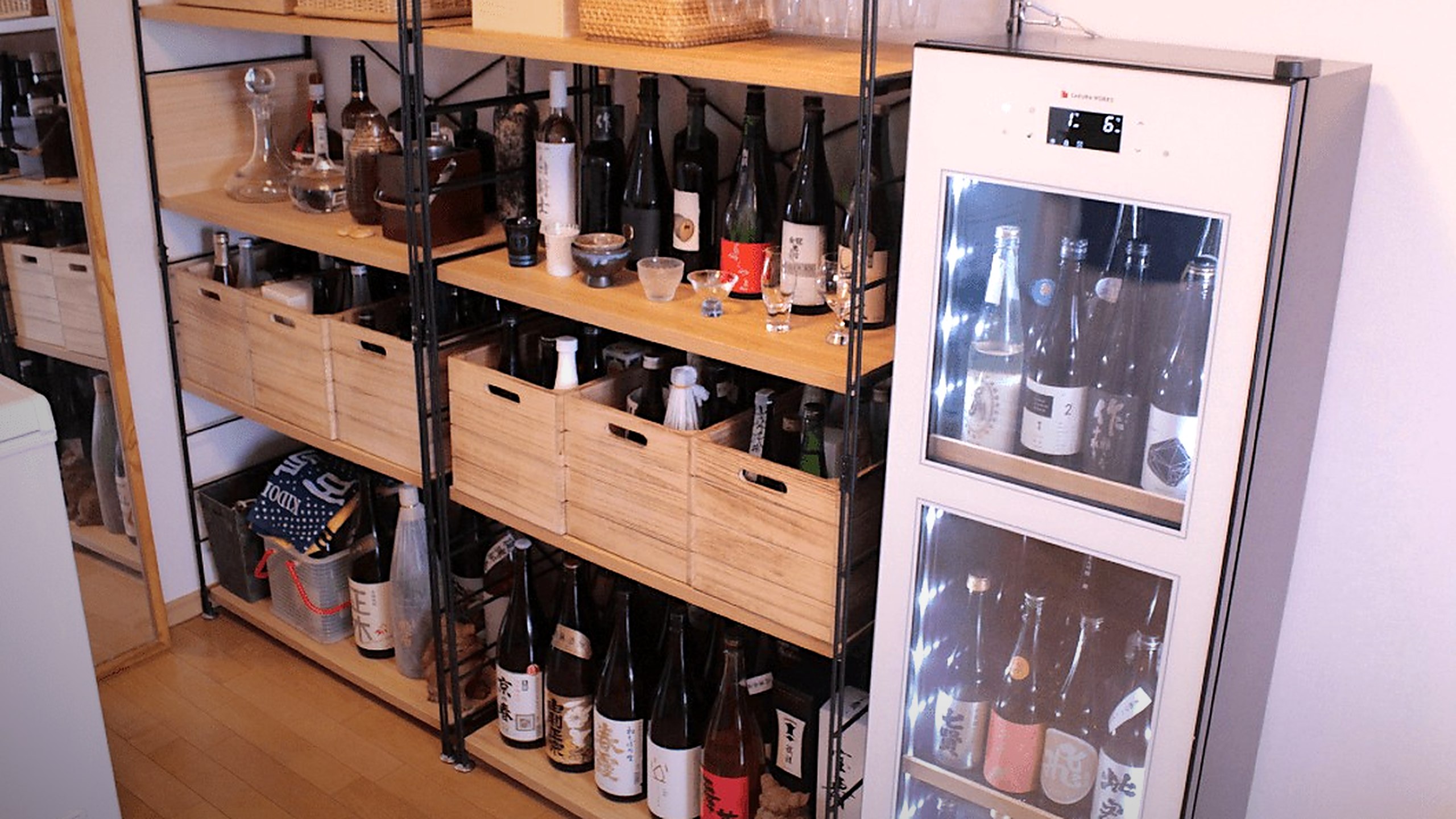
Always Store Sake Upright: Unlike cork-sealed wine, sake uses metal screw caps or synthetic stoppers. Storing bottles on their side increases the surface area of liquid exposed to oxygen inside the bottle neck and risks cap corrosion. Always store sake standing upright.

Recommended Storage Temperatures by Sake Style (Unopened)

Sake StyleIdeal Unopened TempUnopened Peak WindowPost-Opening Sweet SpotBenchmark Examples
1. Nama / Muroka Nama Genshu / Sparkling-5°C to +4°C (Sub-zero / coldest shelf)3–6 months from bottlingDays 1–4 (Maximum CO2 & primary fruit)Kaze no Mori, Ubusuna, Hiroki Nama, Shichiken
2. Pasteurized (Hiire) Junmai Daiginjo / Ginjo0°C to 8°C (Refrigerator)6–12 months from bottlingDays 2–7 (Harmonic integration)Kokuryu, Masuizumi, Tenbi, Tabika, Ki-oku, Kankiku
3. Pasteurized Tokubetsu Junmai / Kimoto / Yamahai5°C to 14°C (Fridge or Wine Cellar)12–24 months from bottlingDays 3–14 (Blossoms with air)Daishichi, Suehiro Gensai, Hiroki, Tachibanaya, Kikumasamune
4. Vintage Koshu & High-Temp Yamahai10°C to 18°C (Cellar)3–20+ years1+ month after opening (Oxidation-resilient)Kidoizumi AFS, Kenbishi, Kokuryu Ishidaya, Masuizumi Koshu
#1

Unpasteurized Sake (Nama-zake), Muroka Nama Genshu & Sparkling Sake (Kaze no Mori, Ubusuna, Shichiken)

Ideal Temperature
-5°C to +4°C (Sub-zero *hyo-on* fridge or the coldest back shelf of a home refrigerator)
Peak Window
Within 3 to 6 months of bottling date (or up to 12+ months if held strictly at -5°C sub-zero temperatures).
#2

Pasteurized (Hiire) Junmai Daiginjo & Junmai Ginjo (Kokuryu, Masuizumi, Tabika, Ki-oku, Tenbi, Kankiku)

Ideal Temperature
0°C to 8°C (Refrigerator)
Peak Window
Within 6 to 12 months of bottling date.
#3

Pasteurized Tokubetsu Junmai, Kimoto & Yamahai (Daishichi, Gensai, Hiroki, Tachibanaya, Kidoizumi)

Ideal Temperature
5°C to 14°C (Refrigerator or Wine Cellar)
Peak Window
12 to 24 months from bottling date, gaining satin roundness with cellar rest.

The Art of Post-Opening Evolution: Why Day 3 Is Often Better Than Day 1

One of the biggest myths among newcomers is that an opened bottle of sake must be finished the same night. On the contrary, structured craft sakes undergo a remarkable blossoming after opening:

Days After OpeningPalate & Aromatic Evolution Inside the BottleOptimal Serving Temp & Culinary Pairing
Day 1 (Fresh Pop)Brisk dissolved CO2 prickle, taut acidity & vibrant primary esters8–10°C chilled in flute/tulip glass; raw oysters & white fish crudo
Days 3–5 (The Sweet Spot)Gentle micro-oxygenation rounds angular acid and expands spherical rice umami12–15°C in white wine glass; aged Edomae sushi, tempura & grilled fish
Days 7–10 (Velvet Maturity)Aromatics settle while mid-palate depth and savory finish lengthen15°C cellar or 40°C nurukan; charcoal-grilled poultry, duck & dashi
Day 14 (Two-Week Finale)Pasteurized Junmai and Yamahai remain poised, mellowing into rich umami42–45°C warm kanzake; marbled Hanwoo/Wagyu beef & aged cheeses
Day 1 (Fresh Pop)
Brisk dissolved CO2 prickle, taut acidity, and primary fruit aromatics.
Days 3–5 (The Sweet Spot)
Gentle micro-oxygenation softens angular acidity and unlocks a plush, spherical core of rice umami. Bottles like Gensai, Daishichi, Tabika, Jikon, and Hiroki frequently reach their absolute peak on Day 3 or Day 4.
Days 7–14
Kept tightly capped in the refrigerator, pasteurized Junmai and Junmai Ginjo hold their poise for up to two weeks—and warming the final glass to 40°C nurukan offers an unforgettable finale.
"The reason bottles curated by Tokyo’s Koyama and imported into Korea by Syuen taste as vibrant in Seoul as they do in the brewery cellar comes down to one non-negotiable standard: unbroken refrigerated cold-chain logistics from tank to table." — SakeStream Quality Protocol
1,215 Breweries · 2,891 Labels · Neutral Archive
Linked from 1,215 Breweries · 2,891 Labels · 8,673 Reviews

Featured Breweries, Specs & Flavor Balance

Flagship LabelBrewery & RegionSignature Rice & WaterBrewery Profile
KazenomoriYucho Sake Brewery Co., Ltd. (1160 Nakahonmachi, Gose-shi, Nara 639-2216, Japan)Akitsuho, Tsuyuhakaze, Yamadanishiki, Omachi · Deep subterranean water from the Mt. Kongo and Mt. Katsuragi range (hard water, approx. 214 mg/L)Brewery Profile
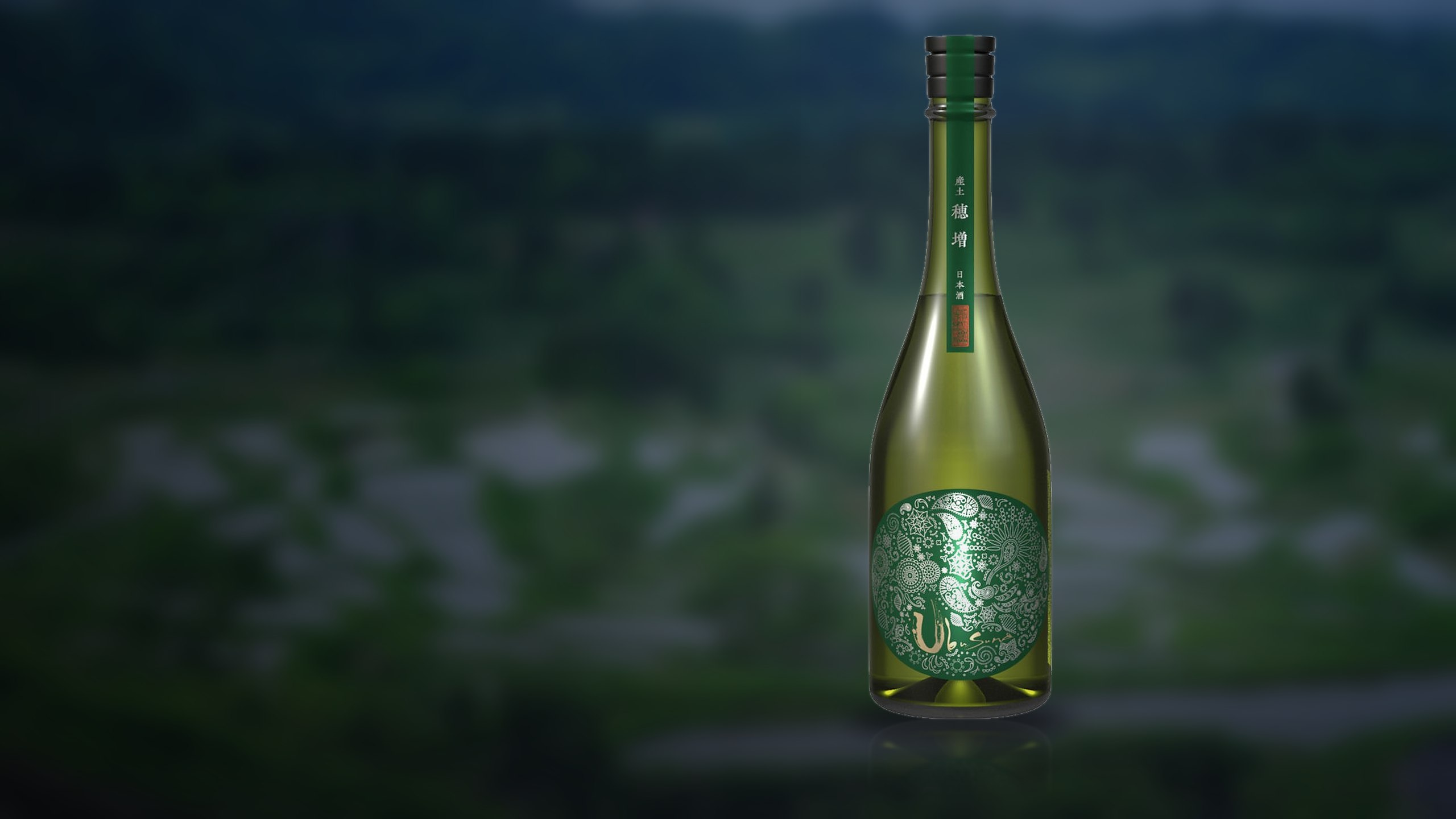
UbusunaHananoka Shuzo Co., Ltd. (2226-2 Nishiyoshiji, Nagomi-machi, Tamana-gun, Kumamoto 861-0906, Japan)Nagomi-machi Natural-Farmed Homase, Higo Kabashiko, Yamada Nishiki · Brewery Shrine Spring Water (Kikuchi River Basin Subterranean Water from the Former Bairin Tenmangu Well)Brewery Profile
HirokiHiroki Shuzo Honten Co., Ltd. (Ko 3574 Shichuniban, Aizubange-machi, Kawanuma-gun, Fukushima 969-6543, Japan)Yamadanishiki, Gohyakumangoku, Omachi, Fukunoka, Yumenoka · Subsurface snowmelt water from the Mt. Iide range in the Aizu Basin (soft water)Brewery Profile
ShichikenYamanashi Meijo Co., Ltd. (2283 Daigahara, Hakushu-cho, Hokuto City, Yamanashi 408-0312, Japan)Hakushu-Grown Yumesansui, Yamada Nishiki, Hitogokochi (Estate & Contract-Farmed) · Mt. Kaikomagatake Subterranean Soft Water (Ojira River System, Top 100 Famous Waters)Brewery Profile
KokuryuKokuryu Sake Brewing Corporation (1-38 Matsuoka-Kasuga, Eiheiji-cho, Yoshida-gun, Fukui 910-1133, Japan)Hyogo Tojo Yamada Nishiki, Fukui Sakahomare, Gohyakumangoku, Koshinoshizuku · Mt. Hakusan Range & Kuzuryu River Subterranean Soft WaterBrewery Profile
MasuizumiMasuda Sake Brewery Co., Ltd. (269 Higashi-Iwasemachi, Toyama-shi, Toyama 931-8358, Japan)Hyogo Special-A Yamada Nishiki, Toyama Oyamanishiki, Gohyakumangoku, Tominoka · Tateyama Mountain Range Snowmelt Subterranean Soft WaterBrewery Profile
TenbiChoshu Brewery Co., Ltd. (72 Yoshika, Kikugawa-cho, Shimonoseki-shi, Yamaguchi 750-0316, Japan)Yamada Nishiki, Saito no Shizuku · Koya River System & Kikugawa Natural Subterranean Medium-Soft WaterBrewery Profile
TabikaHayakawa Sake Brewery Co. (468 Ojima, Komono-cho, Mie-gun, Mie 510-1323, Japan)Kaminoho, Yamadanishiki, Omachi, Gohyakumangoku · Subsurface water from Mount Shakagatake in the Suzuka Mountains (soft water)Brewery Profile
DaishichiDaishichi Sake Brewery Co., Ltd. (1-66 Takeda, Nihonmatsu-shi, Fukushima 964-0904, Japan)Yamadanishiki, Gohyakumangoku, Yumenoka (100% Super-Flat Rice Polishing) · Mt. Adatara subterranean spring water and Hikage well water (medium-hard water)Brewery Profile
GensaiSuehiro Sake Brewery Co., Ltd. (12-38 Nisshin-machi, Aizuwakamatsu-shi, Fukushima 965-0861, Japan)Yumenoka, Fukunoka, Yamadanishiki, Gohyakumangoku, Kamenoo · Subsurface snowmelt soft water from Mt. Hakase and the Aizu BasinBrewery Profile
1160 Nakahonmachi, Gose-shi, Nara 639-2216, Japan · Yucho Sake Brewery Co., Ltd. (Est. 1719)
Kazenomoriガス酸味フルーティ
Deep subterranean water from the Mt. Kongo and Mt. Katsuragi range (hard water, approx. 214 mg/L) Akitsuho, Tsuyuhakaze, Yamadanishiki, Omachi Kyokai No. 7, Bodaimoto Indigenous Lactic Acid Bacteria and Yeast

Brewed in Gose City, Nara by 1719-founded Yucho Shuzo, Kaze no Mori unites ancient Muromachi-era Bodaimoto heritage with cutting-edge fermentation science across an all-Muroka Nama Genshu lineup. Fermented with ultra-hard Katsuragi Mountain subsurface water (over 200mg/L hardness) and local Akitsuho rice, its signature micro-effervescence, Muscat and pear aromatics, and chiseled mineral finish captivate diners from sushi counters to Michelin-starred French and Italian tables.

Flavor Balance (1–5 Rice Grains)Shows which flavor direction the balance leans toward (1 to 5 rice grains), never a quality rank or score.
Serving & Glassware:Recommended Temperature: 10–14°C (Cool Cellar) & 42–45°C (Bain-Marie Warmed / Nurukan) / Recommended Glassware: Thin-rimmed white Burgundy or Riedel O Daiginjo wine glass. Right after opening at 10°C, savor the vibrant micro-effervescence and taut lactic/citric tension shaped by Deep subterranean water from the Mt. Kongo and Mt. Katsuragi range (hard water, approx. 214 mg/L); after 15 minutes as it reaches 14°C, multi-dimensional Akitsuho, Tsuyuhakaze, Yamadanishiki, Omachi umami and savory kimoto complexity blossom.
Global Gastronomy Pairings
• Charcoal-grilled Yamato heritage chicken with narazuke sake-lees glaze and Yamato Wagyu shabu-shabu
• Crispy-scaled Jeju tilefish (okdom) and creamy abalone liver (geu) rice porridge risotto
• Pan-roasted Breton blue lobster with Champagne, tarragon, and cultured butter beurre blanc
“Kaze no Mori Akitsuho 657 opens with a lively pop and a ribbon of fine micro-bubbles in the glass: fresh Muscat and green apple aromatics, a juicy burst of rice sweetness, and a taut, stony finish driven by ultra-hard Katsuragi mountain water. Experiencing this level of craftsmanship at an everyday price is nothing short of a miracle.”
Domestic Review · SAKETIME大和の美酒巡礼
“Chobee Yamamoto's work at Yucho Shuzo—bridging 15th-century Nara temple brewing texts with precision low-temperature fermentation—is thrilling. The high-hardness mineral tension and natural effervescence of Kaze no Mori ALPHA and 807 deliver a gastronomic experience unlike anything else in the world of wine or sake.”
Global Sommelier · Vivino / World Sommelier AssociationMaximilian H.
“Opened Kaze no Mori ALPHA 8 alongside Yamadanishiki 807 tonight—807's crystalline purity and mineral grip at 80% polishing defy belief, while the ALPHA series pushes boundaries with every release. Still the #1 bottle that turns friends into lifelong sake lovers.”
SNS Buzz · X (Twitter)@kazenomori_holic
2226-2 Nishiyoshiji, Nagomi-machi, Tamana-gun, Kumamoto 861-0906, Japan · Hananoka Shuzo Co., Ltd. (Est. 1902)
Ubusunaガスシャンパン酸味
Brewery Shrine Spring Water (Kikuchi River Basin Subterranean Water from the Former Bairin Tenmangu Well) Nagomi-machi Natural-Farmed Homase, Higo Kabashiko, Yamada Nishiki Kyokai No. 9 (Kumamoto Yeast) & Indigenous Brewery Yeast

Created in Nagomi, Kumamoto by Kiyotaka Kanda of Hananoka Shuzo to embody 'earth, native ecosystem, and ancestral regenerative agriculture,' Ubusuna stands at the absolute pinnacle of contemporary craft sake. Brewed with pesticide-free local Yamada Nishiki and revived Edo-era heirloom rices (Homase and Kabashiko) using kimoto and wooden vats, its Champagne-like pinpoint mousse and electric orchard-and-yuzu complexity transfix fine-dining tables worldwide.

Flavor Balance (1–5 Rice Grains)Shows which flavor direction the balance leans toward (1 to 5 rice grains), never a quality rank or score.
Serving & Glassware:Recommended Temperature: 10–14°C (Cool Cellar) & 42–45°C (Bain-Marie Warmed / Nurukan) / Recommended Glassware: Thin-rimmed white Burgundy or Riedel O Daiginjo wine glass. Right after opening at 10°C, savor the vibrant micro-effervescence and taut lactic/citric tension shaped by Brewery Shrine Spring Water (Kikuchi River Basin Subterranean Water from the Former Bairin Tenmangu Well); after 15 minutes as it reaches 14°C, multi-dimensional Nagomi-machi Natural-Farmed Homase, Higo Kabashiko, Yamada Nishiki umami and savory kimoto complexity blossom.
Global Gastronomy Pairings
• Charcoal-grilled Kumamoto Akaushi beef steak and Binchotan-roasted Amakusa Daio giant heritage chicken
• Charcoal-seared Hanwoo 1++ brisket point (chadolbagi) paired with aromatic minari and chilled dongchimi radish
• Pan-roasted Breton blue lobster with Champagne, tarragon, and cultured butter beurre blanc
“Miraculously secured Ubusuna Homase 5-Nojo and Yamada Nishiki 2-Nojo. Fine, persistent bubbles carry waves of Japanese citrus, white peach, wild herbs, and living earth minerality—one of the most spine-tingling bottles of my life.”
Domestic Review · SAKETIME / 国内口コミテロワール日本酒探求家
“Encountering Ubusuna gave me the same electric shock as my first glass of Jacques Selosse. The vibrating energy born from regenerative paddies, native microbes, and wooden vats stands shoulder to shoulder with the greatest wines on earth.”
Global Sommelier · Vivino / Global SakeGuillaume Delacroix
“Popped Ubusuna Kabashiko 4-Nojo! To think an heirloom Edo-era Kumamoto rice once praised as the finest in the realm has been revived into something so dewy, aromatic, and transcendent—pure genius from Hananoka Shuzo.”
SNS Buzz · X (Twitter) / Instagram@craft_sake_chronicle
Ko 3574 Shichuniban, Aizubange-machi, Kawanuma-gun, Fukushima 969-6543, Japan · Hiroki Shuzo Honten Co., Ltd. (Est. 1892)
Hirokiバランス旨味フルーティ
Subsurface snowmelt water from the Mt. Iide range in the Aizu Basin (soft water) Yamadanishiki, Gohyakumangoku, Omachi, Fukunoka, Yumenoka Kyokai No. 9 strain yeast, Utsukushima Yume Yeast (F7-01)

Named 'Droplets of Joy Flying Forth,' 9th-generation brewer Kenji Hiroki ignited Japan's unfiltered unpasteurized (muroka nama genshu) boom and propelled Fukushima to national acclaim. Combining polished Yamadanishiki for mid-palate depth and Gohyakumangoku for crisp structure, it delivers fresh lychee and pear aromatics with vibrant acidity that pairs effortlessly with seasonal sashimi and charcoal-grilled yakitori.

Flavor Balance (1–5 Rice Grains)Shows which flavor direction the balance leans toward (1 to 5 rice grains), never a quality rank or score.
Serving & Glassware:Recommended Temperature: 10–13°C (Chilled / Hanabie to Suzubie) / Recommended Glassware: Thin-rimmed, medium-bowled white wine glass (such as Riedel O Daiginjo). Avoid over-chilling below 6°C so the delicate esters are not muted. Upon pouring, experience crystalline purity from Subsurface snowmelt water from the Mt. Iide range in the Aizu Basin (soft water) and lifted orchard-fruit aromatics; after 15 minutes as the glass warms to 14°C, silky Yamadanishiki, Gohyakumangoku, Omachi, Fukunoka, Yumenoka mid-palate umami opens gracefully.
Global Gastronomy Pairings
• Aged Joban coastal flounder sashimi and Aizu white asparagus & kuruma prawn tempura with mountain salt
• Dry-aged Korean wild sea bream hoe and chilled king prawn salad (daeha-naengchae) in pine-nut sauce
• Poached lobster tail and white asparagus warm salad with yuzu-infused citrus hollandaise
“Hiroki Tokubetsu Junmai Namazume never fails to astonish. Subtle on the nose yet explosive on the palate with juicy orchard fruit, supple rice sweetness, and a razor-clean finish—it remains the eternal benchmark for modern Tokubetsu Junmai.”
Domestic Review · SAKETIME 福島県ランキング 最上位常連Aizu_Sake_Meister
“Hiroki Junmai Daiginjo captivates with its poised, muscular structure rather than ostentatious aromatics. Evoking a Premier Cru white Burgundy in its mineral tension and depth, it pairs brilliantly with pan-seared lobster and scallop carpaccio.”
Global Sommelier · International Sake Challenge / VivinoMarcus Chen, DipWSET
“Popped the once-a-year Hiroki Tokubetsu Junmai Kasumizake! The delicate lees lend a creamy texture balanced by lively new-season effervescence and a noble, dry finish—our 720ml bottle vanished in record time.”
SNS Buzz · Instagram / X (Twitter)@tokyo_sakagura_log
2283 Daigahara, Hakushu-cho, Hokuto City, Yamanashi 408-0312, Japan · Yamanashi Meijo Co., Ltd. (Est. 1750)
Shichikenガスフルーティさわやか
Mt. Kaikomagatake Subterranean Soft Water (Ojira River System, Top 100 Famous Waters) Hakushu-Grown Yumesansui, Yamada Nishiki, Hitogokochi (Estate & Contract-Farmed) Proprietary House Yeast & Kyokai No. 1801

Founded in 1750 in Hakushu at the foot of the Southern Japanese Alps in Yamanashi, Shichiken ('Seven Sages of the Bamboo Grove') harnesses crystal-clear Mount Kaikomagatake snowmelt water. Renowned globally for its bottle-fermented sparkling sakes—including 'Mori no Kanade' aged in Suntory Hakushu whisky barrels—as well as its crisp 'Furinbizan' Junmai and 'Onakaya' Junmai Daiginjo, it pairs seamlessly with French gastronomy, roast poultry, and sushi.

Flavor Balance (1–5 Rice Grains)Shows which flavor direction the balance leans toward (1 to 5 rice grains), never a quality rank or score.
Serving & Glassware:Recommended Temperature: 5–8°C (Well-Chilled / Yukibie) / Recommended Glassware: Tall flute or thin-rimmed tulip Champagne stem. Chill thoroughly before opening to preserve pinpoint effervescence shaped by Mt. Kaikomagatake Subterranean Soft Water (Ojira River System, Top 100 Famous Waters). Immediately upon pouring, enjoy the vibrant spritz and lifted aromatics; after 10–15 minutes as it warms toward 10°C, silky Hakushu-Grown Yumesansui, Yamada Nishiki umami and bright acid tension unfold across the mid-palate.
Global Gastronomy Pairings
• Kelp-cured Yatsugatake spring-water Kai salmon and traditional Koshu soy-simmered abalone (nigai)
• Aged Jeju flounder hoe (raw slices) dressed with cold-pressed perilla oil and crisp minari water dropwort
• Hokkaido scallop & Oscietra caviar crudo with finger lime and white truffle vinaigrette
“Every bottle of Shichiken radiates the pure, mineral-soft character of Hakushu mountain water. From the silky 'Kinu no Aji' Junmai Daiginjo to the pinpoint mousse of 'Hoshi no Kagayaki' and 'Mori no Kanade' sparkling sakes, the craftsmanship is world-class.”
Domestic Review · SAKETIME / 国内口コミ白州の名水ファン
“Through collaborations with Alain Ducasse and its Hakushu whisky-cask-aged sparkling expressions, Shichiken has redefined sake's role in haute gastronomy—offering notes of white peach, vanilla bean, and whisper-light forest smoke.”
Global Sommelier · Vivino / Alain Ducasse & Global GastronomyPierre-Luc G., Paris
“Visited Shichiken's historic brewery in Hakushu and brought home Mori no Kanade Sparkling! The marriage of Hakushu whisky-barrel oak and delicate ginjo fruitiness alongside smoked cheese is pure heaven.”
SNS Buzz · X (Twitter) / Instagram@yamanashi_terroir
1-38 Matsuoka-Kasuga, Eiheiji-cho, Yoshida-gun, Fukui 910-1133, Japan · Kokuryu Sake Brewing Corporation (Est. 1804)
Kokuryuメロン旨味フルーティ
Mt. Hakusan Range & Kuzuryu River Subterranean Soft Water Hyogo Tojo Yamada Nishiki, Fukui Sakahomare, Gohyakumangoku, Koshinoshizuku Proprietary In-House Cultured Yeast

Founded in 1804 in Eiheiji, Fukui, Kokuryu pioneered commercial luxury Daiginjo in Japan, uniting soft Kuzuryu River water with prized Tojo Yamada Nishiki and local Sakahomare rice. Legendary bottlings like Ishidaya, Nizaemon, Shizuku, and Hachijuhachigo deliver crystalline elegance that elevates Echizen snow crab and haute kaiseki.

Flavor Balance (1–5 Rice Grains)Shows which flavor direction the balance leans toward (1 to 5 rice grains), never a quality rank or score.
Serving & Glassware:Recommended Temperature: 10–13°C (Chilled / Hanabie to Suzubie) / Recommended Glassware: Thin-rimmed, medium-bowled white wine glass (such as Riedel O Daiginjo). Avoid over-chilling below 6°C so the delicate esters are not muted. Upon pouring, experience crystalline purity from Mt. Hakusan Range & Kuzuryu River Subterranean Soft Water and lifted orchard-fruit aromatics; after 15 minutes as the glass warms to 14°C, silky Hyogo Tojo Yamada Nishiki, Fukui Sakahomare, Gohyakumangoku, Koshinoshizuku mid-palate umami opens gracefully.
Global Gastronomy Pairings
• Iced Echizen snow crab sashimi and kelp-cured Wakasa guji (tilefish)
• Dry-aged Korean wild sea bream hoe and chilled king prawn salad (daeha-naengchae) in pine-nut sauce
• Wild sea bream carpaccio with bergamot olive oil, shaved bottarga, and micro herbs
“Kokuryu Daiginjo Shizuku and Hachijuhachigo—collected drop by drop via shizuku bag-hanging—glide effortlessly across the palate with noble white peach and melon aromatics. Sublime with Echizen crab.”
Domestic Review · SAKETIME / 国内口コミ大吟醸の求道者
“Kokuryu Ishidaya and Nizaemon belong at the same table as Grand Cru Montrachet—defined by weightless silk texture, profound purity, and an aristocratic finish.”
Global Sommelier · Vivino / Global SakeSébastien Girard
“Even beyond the ultra-rare flagships, everyday bottles like Kokuryu Icchorai and Junmai Ginjo deliver astonishing value with the same unmistakable Kuzuryu clarity and poise.”
SNS Buzz · X (Twitter) / Instagram@fukui_eshikoto_fan
269 Higashi-Iwasemachi, Toyama-shi, Toyama 931-8358, Japan · Masuda Sake Brewery Co., Ltd. (Est. 1893)
Masuizumiワイン甘味旨味
Tateyama Mountain Range Snowmelt Subterranean Soft Water Hyogo Special-A Yamada Nishiki, Toyama Oyamanishiki, Gohyakumangoku, Tominoka Proprietary House Yeast, Kyokai Yeast, Wine Yeast

Famed as the master of Ginjo in historic Iwase, Toyama, Masuizumi blends classic mastery with avant-garde releases like Burgundy-barrel-aged Link 8888 and Platinum Kotobuki. Rich Yamada Nishiki depth and layered elegance allow it to pair equally well with Toyama seafood, aged meats, and classic French sauces.

Flavor Balance (1–5 Rice Grains)Shows which flavor direction the balance leans toward (1 to 5 rice grains), never a quality rank or score.
Serving & Glassware:Recommended Temperature: 10–13°C (Chilled / Hanabie to Suzubie) / Recommended Glassware: Thin-rimmed, medium-bowled white wine glass (such as Riedel O Daiginjo). Avoid over-chilling below 6°C so the delicate esters are not muted. Upon pouring, experience crystalline purity from Tateyama Mountain Range Snowmelt Subterranean Soft Water and lifted orchard-fruit aromatics; after 15 minutes as the glass warms to 14°C, silky Hyogo Special-A Yamada Nishiki, Toyama Oyamanishiki mid-palate umami opens gracefully.
Global Gastronomy Pairings
• Kelp-cured Toyama Bay jewel white shrimp (shiro-ebi) sashimi and firefly squid with sumiso
• Dry-aged Korean wild sea bream hoe and chilled king prawn salad (daeha-naengchae) in pine-nut sauce
• Wild sea bream carpaccio with bergamot olive oil, shaved bottarga, and micro herbs
“Masuizumi Junmai Daiginjo Special reveals noble aromas of ripe white peach and subtle vanilla with deep, velvety mid-palate richness that unfolds in layers as it warms.”
Domestic Review · SAKETIME / 国内口コミ岩瀬町ガストロノミー
“Masuizumi's Chivas Regal and Burgundy cask-finished releases are a revelation for international sommeliers, delivering breathtaking pairings with roasted lobster and foie gras.”
Global Sommelier · Vivino / Global SakeJean-Luc Moreau
“Tasting through the Masuizumi portfolio at Saseki in Iwase—from zodiac bottles to vintage koshu and kijoshu—showcases an unmatched breadth of vision in modern sake.”
SNS Buzz · X (Twitter) / Instagram@vin_et_sake
72 Yoshika, Kikugawa-cho, Shimonoseki-shi, Yamaguchi 750-0316, Japan · Choshu Brewery Co., Ltd. (Est. 1871)
Tenbiガスフレッシュ甘味
Koya River System & Kikugawa Natural Subterranean Medium-Soft Water Yamada Nishiki, Saito no Shizuku Kyokai No. 901 & Kyokai No. 701 Yeast

Launched in late 2020 in Shimonoseki, Yamaguchi by Choshu Shuzo, Tenbi skyrocketed to national stardom with its bright, uplifting house style. Bearing sun-and-moon labels for day and night expressions, it offers crisp green apple and white grape aromatics, delicate pinpoint effervescence, and vibrant malic acidity that pair beautifully with seafood ceviche, seasonal vegetable tempura, and modern izakaya fare.

Flavor Balance (1–5 Rice Grains)Shows which flavor direction the balance leans toward (1 to 5 rice grains), never a quality rank or score.
Serving & Glassware:Recommended Temperature: 10–13°C (Chilled / Hanabie to Suzubie) / Recommended Glassware: Thin-rimmed, medium-bowled white wine glass (such as Riedel O Daiginjo). Avoid over-chilling below 6°C so the delicate esters are not muted. Upon pouring, experience crystalline purity from Koya River System & Kikugawa Natural Subterranean Medium-Soft Water and lifted orchard-fruit aromatics; after 15 minutes as the glass warms to 14°C, silky Yamada Nishiki, Saito no Shizuku mid-palate umami opens gracefully.
Global Gastronomy Pairings
• Shimonoseki wild tiger pufferfish tessa wrapped around Yasuoka green onion and kelp-cured Hagi tilefish
• Jeju silver belt-fish sashimi and delicate pan-fried scallop & cod jeon with citrus soy
• Poached lobster tail and white asparagus warm salad with yuzu-infused citrus hollandaise
“Opened Tenbi Junmai Ginjo Usunigori Nama (Momoten). Silky lees-touched sweetness meets a lively tingle and a grapefruit-pith finish so refreshing the 720ml bottle vanished in an evening.”
Domestic Review · SAKETIME / 国内口コミ令和の地酒ウォッチャー
“Reminiscent of Basque Txakoli or young Loire Chenin Blanc with its lively spritz and bright acidity—an absolute dream pairing at oyster bars and seafood tapas counters.”
Global Sommelier · Vivino / Global SakeSophia Lin
“Chilled white-label Tenbi Junmai Ginjo tonight. Beyond the gorgeous mizuhiki-inspired label, that crystalline purity and bright malic lift on the palate are simply one of a kind.”
SNS Buzz · X (Twitter) / Instagram@sake_palette
468 Ojima, Komono-cho, Mie-gun, Mie 510-1323, Japan · Hayakawa Sake Brewery Co. (Est. 1915)
Tabika旨味甘味酸味
Subsurface water from Mount Shakagatake in the Suzuka Mountains (soft water) Kaminoho, Yamadanishiki, Omachi, Gohyakumangoku Mie Prefectural Yeast (MK-1, MK-3), Kyokai Yeast

Handcrafted by a tiny family team in Komono, Mie using ultra-soft Mt. Shakagatake snowmelt water and 100% gentle fune (box) pressing, Tabika is celebrated for its pillowy, rounded sweetness. Brewed with local Kaminoho, Omachi, and Yamada Nishiki, its soothing umami and gentle acidity pair beautifully with dashi-steamed clams and seasonal washoku.

Flavor Balance (1–5 Rice Grains)Shows which flavor direction the balance leans toward (1 to 5 rice grains), never a quality rank or score.
Serving & Glassware:Recommended Temperature: 10–13°C (Chilled / Hanabie to Suzubie) / Recommended Glassware: Thin-rimmed, medium-bowled white wine glass (such as Riedel O Daiginjo). Avoid over-chilling below 6°C so the delicate esters are not muted. Upon pouring, experience crystalline purity from Subsurface water from Mount Shakagatake in the Suzuka Mountains (soft water) and lifted orchard-fruit aromatics; after 15 minutes as the glass warms to 14°C, silky Kaminoho, Yamadanishiki, Omachi, Gohyakumangoku mid-palate umami opens gracefully.
Global Gastronomy Pairings
• Ise-Shima spiny lobster sashimi and chilled ginjo-steamed Matoya oysters
• Jeju silver belt-fish sashimi and delicate pan-fried scallop & cod jeon with citrus soy
• Poached lobster tail and white asparagus warm salad with yuzu-infused citrus hollandaise
“Tabika Junmai Ginjo Kaminoho and Omachi Muroka Nama caress the palate like feathers thanks to ultra-soft mountain water and gentle fune pressing, unfolding into warm orchard fruit and sweet rice notes.”
Domestic Review · SAKETIME / 国内口コミ三重地酒コンプリート
“A triumph of small-batch family craftsmanship using 100% traditional fune pressing; its seamless, stress-free texture shines alongside steamed shellfish and white-fish sashimi.”
Global Sommelier · Vivino / Global SakeDaniel Kim
“Across every rice variety, Tabika maintains an unmistakable thread of softness and clarity—especially the seasonal nama releases and boutique shop collaborations.”
SNS Buzz · X (Twitter) / Instagram@suzuka_water_sake
1-66 Takeda, Nihonmatsu-shi, Fukushima 964-0904, Japan · Daishichi Sake Brewery Co., Ltd. (Est. 1752)
Daishichi燗酒熱燗旨味
Mt. Adatara subterranean spring water and Hikage well water (medium-hard water) Yamadanishiki, Gohyakumangoku, Yumenoka (100% Super-Flat Rice Polishing) Kyokai No. 7 & No. 9 strain yeasts (Traditional Kimoto fermentation)

Dedicated exclusively to traditional Kimoto-method brewing since 1752 in Nihonmatsu, Daishichi revolutionized the craft with its proprietary 'ultra-flat rice polishing' (cho-henpei seimai) technology. Offering rich, creamy lactic depth, velvety texture, and complex savory resonance that blossoms from chilled to gentle warm (nurukan), its sakes pair majestically with grilled unagi, Wagyu steak, and aged Comté cheese.

Flavor Balance (1–5 Rice Grains)Shows which flavor direction the balance leans toward (1 to 5 rice grains), never a quality rank or score.
Serving & Glassware:Recommended Temperature: 15–18°C (Cellar Temp) or 40–43°C (Gentle Warmth / Nurukan) / Recommended Glassware: Wide-bowled Burgundy stem or artisanal Bizen/Karatsu stoneware cup. Cellar temperature (16°C) unlocks complex notes of toasted hazelnut, dried fig, and caramel matured from Mt. Adatara subterranean spring water and Hikage well water (medium-hard water) and Yamadanishiki, Gohyakumangoku, Yumenoka (100% Super-Flat Rice Polishing). Warming gently to 40°C seamlessly integrates its savory umami and velvety acidity alongside rich meats or aged cheeses.
Global Gastronomy Pairings
• Charcoal-seared Aizu heritage chicken and rich Fukushima monkfish dobujiru liver-miso stew
• Soy-marinated West Sea female blue crab (ganjang-gejang) rich in roe served with gamtae seaweed rice
• Roasted venison loin with cacao-peppercorn sauce Grand Veneur and black Perigord truffle risotto
“Tasted Daishichi Junmai Daiginjo Minowamon alongside the classic Daishichi Junmai Kimoto. Thanks to ultra-flat rice polishing, there is zero roughness—offering silky clarity when chilled and enveloping umami when gently warmed.”
Domestic Review · SAKETIME 生もと部門・福島県名門レビューKimoto_Kanzake_Master
“Daishichi Myoka Rangyoku possesses the complexity and persistence of aged Grand Cru white Burgundy or vintage Champagne. No other sake in the world stands up so effortlessly to game birds, black truffle, and foie gras.”
Global Sommelier · Kura Master / European Royal & Summit BanquetsJean-Luc Bernard, MOF Sommelier
“Few pleasures rival warming Daishichi Junmai Kimoto to 42°C on a winter evening alongside oden or simmered yellowtail. That such profound traditional craftsmanship remains an accessible daily bottle is a national treasure.”
SNS Buzz · X (Twitter) / Reddit r/Sake@kanzake_philosophy
12-38 Nisshin-machi, Aizuwakamatsu-shi, Fukushima 965-0861, Japan · Suehiro Sake Brewery Co., Ltd. (Est. 1850)
Gensaiガスフルーティ旨味
Subsurface snowmelt soft water from Mt. Hakase and the Aizu Basin Yumenoka, Fukunoka, Yamadanishiki, Gohyakumangoku, Kamenoo Suehiro Proprietary Yeast (M310 strain & Kaeigura Yeast), Utsukushima Yume Yeast (F7-01)

Named in honor of Harunaka (Gensai) Tanaka—the visionary Edo-period chief retainer who reformed the Aizu domain and elevated its brewing craft—Gensai represents the pinnacle of Suehiro Shuzo's Daiginjo artistry. Brewed with Special A-grade Yamadanishiki polished to 35%–40%, it delivers regal orchard-fruit aromatics, gossamer silkiness, and a poised finish worthy of celebratory kaiseki banquets.

Flavor Balance (1–5 Rice Grains)Shows which flavor direction the balance leans toward (1 to 5 rice grains), never a quality rank or score.
Serving & Glassware:Recommended Temperature: 10–13°C (Chilled / Hanabie to Suzubie) / Recommended Glassware: Thin-rimmed, medium-bowled white wine glass (such as Riedel O Daiginjo). Avoid over-chilling below 6°C so the delicate esters are not muted. Upon pouring, experience crystalline purity from Subsurface snowmelt soft water from Mt. Hakase and the Aizu Basin and lifted orchard-fruit aromatics; after 15 minutes as the glass warms to 14°C, silky Yumenoka, Fukunoka, Yamadanishiki, Gohyakumangoku, Kamenoo mid-palate umami opens gracefully.
Global Gastronomy Pairings
• Aged Joban coastal flounder sashimi and Aizu white asparagus & kuruma prawn tempura with mountain salt
• Jeju silver belt-fish sashimi and delicate pan-fried scallop & cod jeon with citrus soy
• Wild sea bream carpaccio with bergamot olive oil, shaved bottarga, and micro herbs
“Tasted Suehiro Daiginjo Gensai. Radiant melon and white-peach aromatics meet a crystal-clear, silky palate that showcases over 170 years of competition-level brewing mastery.”
Domestic Review · SAKETIME 福島県大吟醸・鑑評会受賞酒レビューAizu_Domain_Heritage
“Gensai Daiginjo embodies the timeless elegance of competition-grade Daiginjo—seamless, floral, and weightless on the palate alongside caviar and white-truffle hors d'oeuvres.”
Global Sommelier · IWC / Luxury Sake ConnoisseurVictoria Sterling
“Opened a paulownia-boxed bottle of Daiginjo Gensai for a family milestone celebration. Its regal presentation and effortlessly graceful, floral palate delighted every guest at the table.”
SNS Buzz · X (Twitter) / Instagram@celebration_sake

Recommended Pairing

Day 1: White Fish Crudo & Fresh Oysters
Highlights fresh pop and crisp primary acidity
Days 3–5: Charcoal Grill & Braised Dishes
Blossomed mid-palate rice umami shines alongside richer fare
SakeStream
A neutral global sake editorial archive and database documenting 1,215 breweries, 2,891 labels, brewing water & rice provenance, and 8,673 verified tasting records without proprietary ranking tiers.
Weekly Sake Dispatch

Weekly Sake & Tasting Dispatch

Curated seasonal releases, sub-zero arrivals, and tasting city guides across global editions.
ArticlesBreweries