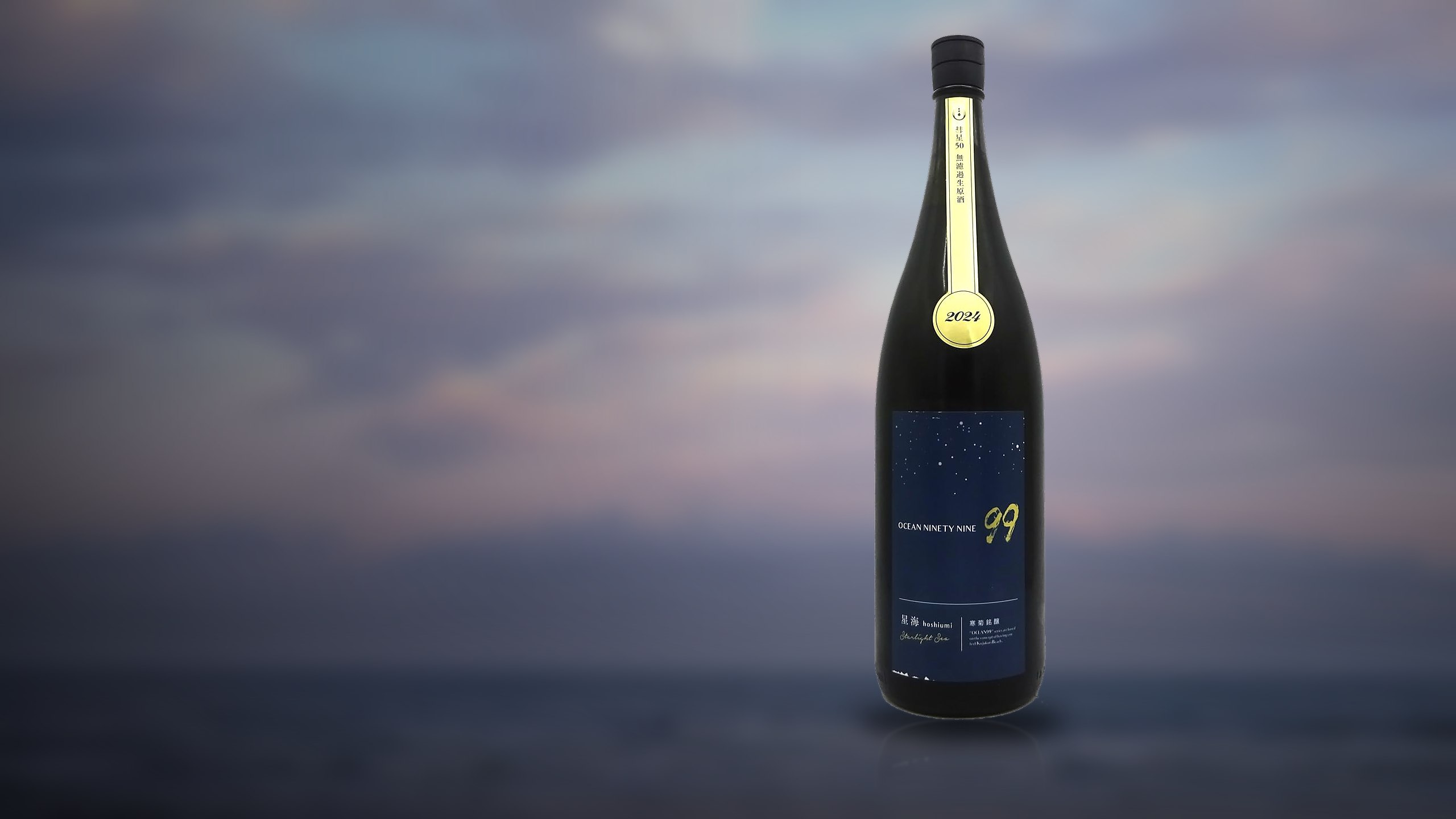
Unlike May’s National New Sake Appraisal judging unaged winter pressings, November’s Regional Tax Bureau Appraisals evaluate post-summer "Akiagari" maturation in true market-ready condition. Here is the complete breakdown of the Nov 2026 Sendai, Nagoya, Kanto-Shinetsu, Fukuoka, and Honolulu U.S. National Sake Appraisal winners.
Why Sommeliers & Buyers Trust November’s Regional Tax Bureau Appraisals Over May’s New Sake Awards
Every year between late October and mid-November, Japan’s sharpest specialty retail buyers and Michelin-starred head sommeliers turn their eyes toward a critical set of government announcements: the results of the Regional Tax Bureau Liquor Appraisals (*Kokuseikyoku Shurui Kanpyokai*) across Japan’s 11 tax jurisdictions, alongside the Honolulu-based U.S. National Sake Appraisal.
While consumers are more familiar with May’s National New Sake Appraisal (Zenkoku Shinshu Kanpyokai), industry insiders place far greater commercial weight on November’s regional appraisals. The reason lies in fermentation and maturation chronology. May’s competition evaluates freshly pressed winter shinshu—young, unintegrated, and not yet in commercial form. By contrast, the autumn Regional Tax Bureau Appraisals judge post-summer *Akiagari* bottles in true market-ready condition: sake that has undergone pasteurization (hiire), rapid cooling, and months of sub-zero or cellar maturation, evaluated blind by National Tax Agency technical officers (kanteikan) and prefectural brewing scientists.
Winning a Director-General’s Top Prize (Kyokucho-sho / Shuseki) or Judges’ Special Award in November proves mastery not just at the fermentation tank, but across the entire post-pressing cold-chain, oxidation-control, and maturation pipeline.
Autumn 2026 Regional Tax Bureau & U.S. National Sake Appraisal Top Winners
Below is the definitive master table of top-honored bottlings announced between late October and November 12, 2026, complete with domestic reference pricing and optimal serving temperatures.
| Appraisal & Announcement | Division & Top Honor | Winning Brand | Brewery (Prefecture) | 720ml JP Retail / Global Est. | Optimal Temp |
|---|---|---|---|---|---|
| Sendai Tax Bureau (Nov 10) | Ginjo Top Prize | Hokushika | Hokushika (Akita) | ¥2,200–¥3,850 / ~$45–$75 | 8–10°C (Chilled) |
| Sendai Tax Bureau (Nov 10) | Junmai Top Prize | Okunomatsu | Higashinihon Shuzo Coop (Fukushima) | ¥1,650–¥2,750 / ~$32–$55 | 10–15°C / 40°C Warm |
| Sendai Tax Bureau (Nov 10) | Junmai Judges’ Special | AKABU | Akabu Shuzo (Iwate) | ¥1,980–¥2,420 / ~$42–$58 | 8–12°C (Cool) |
| Nagoya Tax Bureau (Nov 12) | Ginjo Director-General | Zaku Daiginjo | Shimizu Seizaburo Shoten (Mie) | ¥2,750–¥5,500 / ~$55–$110 | 10–12°C (White Wine) |
| Nagoya Tax Bureau (Nov 12) | Junmai Ginjo Top Prize | Nito Omachi 33 | Maruishi Jozo (Aichi) | ¥2,970–¥4,400 / ~$65–$95 | 10–14°C (Cool) |
| Nagoya Tax Bureau (Nov 12) | Warm Sake (Kanzake) Top | Shidaizumi Yamada Nishiki | Shidaizumi Shuzo (Shizuoka) | ~¥1,980 / ~$40–$52 | 42–48°C (Jokan) |
| Kanto-Shinetsu (Nov 2026) | Ginjo First Place (Shuseki) | Kiritsukuba | Urazato Shuzoten (Ibaraki) | ¥2,200–¥3,850 / Allocated | 10–12°C (Chilled) |
| Kanto-Shinetsu (Nov 2026) | Junmai Ginjo Top Prize | Gogaku (Sp: Yoakemae) | Imai Shuzoten / Ono Shuzoten (Nagano) | ¥1,980–¥2,750 / ~$42–$60 | 10–12°C (Cool) |
| Fukuoka Tax Bureau (Nov 6) | Junmai Grand Prize | Sachihime | Sachihime Shuzo (Saga) | ¥1,760–¥2,420 / ~$38–$52 | 12–15°C / 40°C Warm |
| U.S. National Appraisal (10/28) | Daiginjo A Grand Prix | Garyubai Daiginjo | Sanwa Shuzo (Shizuoka) | ¥3,300–¥5,500 / ~$68–$110 | 8–12°C (Chilled) |
| U.S. National Appraisal (10/28) | Junmai A Grand Prix | Aizu Shikon Tokubetsu | Nagurayama Shuzo (Fukushima) | ~¥1,650 / ~$34–$45 | 12–15°C / 40°C Warm |
| U.S. National Appraisal (10/28) | Junmai B Grand Prix | Shichida Junmai | Tenzan Shuzo (Saga) | ~¥1,650 / ~$36–$48 | 14–18°C / 42°C Warm |
Five Must-Buy "Akiagari" Champions from the November 2026 Appraisals
In the Sendai Regional Tax Bureau Tohoku Sake Appraisal announced on November 10, 2026 (145 breweries, 267 entries across 6 Tohoku prefectures), Fukushima Prefecture captured the most Honor Prizes in Tohoku for the sixth consecutive year (15 breweries, 20 awards). Akita’s Hokushika took the Ginjo Top Prize alongside Judges’ Special Awards for Miyagi’s Nakayuu Shuzoten (Tenjo Mugen) and Akita’s Suzuki Shuzoten (Hideyoshi), while Fukushima’s Okunomatsu claimed the Junmai Top Prize alongside Judges’ Special Awards for Iwate’s AKABU and Miyagi’s Ichinokura Shoko. Across Tohoku, Tokai, Kanto-Shinetsu, and Kyushu, five bottles stand out for immediate acquisition this winter.
Zaku Daiginjo / Impression (Shimizu Seizaburo Shoten, Mie)
Led by renowned Toji Tomohiro Uchiyama in Suzuka City, Shimizu Seizaburo Shoten controls dissolved oxygen and sub-zero storage with surgical precision. Even after summer maturation, Zaku retains crystalline vibrancy layered with silky texture—opening with white peach and lychee esters before transitioning into a mineral mid-palate tailored to shellfish and sashimi, finishing with zero residual heaviness.
Nito Junmai Daiginjo Omachi 33 (Maruishi Jozo, Aichi)
Named after the proverb "Only those who chase two rabbits catch both" (uniting lush fruit and razor-sharp structure, sweetness and acidity), Nito tames wild, full-bodied Bizen Omachi through an ultra-refined 33% polish. Months of icy maturation integrate oleic and linoleic fatty-acid richness into juicy nectarine fruit and electric acidity.
AKABU Junmai / Junmai Ginjo (Akabu Shuzo, Iwate)
After losing its coastal Otsuchi brewery to the 2011 tsunami, Akabu Shuzo rebuilt in Morioka and rose to global stardom under young Toji Ryunosuke Furudate. Known for explosive freshness, earning the Sendai Tax Bureau’s Judges’ Special Award in the Junmai division confirms that AKABU’s structural precision and post-summer poise are every bit as formidable as its youthful aromatics.
Kiritsukuba Daiginjo / Chikara (Urazato Shuzoten, Ibaraki)
Outscoring 162 powerhouse breweries across Niigata, Nagano, Gunma, Tochigi, Saitama, and Ibaraki, Tsukuba’s Urazato Shuzoten claimed overall first place (Shuseki) in Ginjo. Sixth-generation Toji Chikara Urazato—the youngest brewer ever certified by the Nanbu Toji guild—champions Ibaraki’s native Ogawa Yeast (No. 10), crafting low-acid, isoamyl-acetate elegance of breathtaking purity. Alongside Nagano’s Gogaku by Imai Shuzoten (Junmai Ginjo winner; Special Award to Ono Shuzoten’s Yoakemae), Niigata’s Koshino Yukitsubaki (Junmai winner), and Saga’s Sachihime (Fukuoka Tax Bureau Junmai Grand Prize on Nov 6), Kiritsukuba exemplifies regional precision.
Shidaizumi Junmai Ginjo Banshu Yamada Nishiki (Shidaizumi Shuzo, Shizuoka)
Winning Nagoya’s fiercely contested Kanzake division, Shizuoka’s Shidaizumi shatters the myth that Junmai Ginjo should only be served chilled. Warmed to 45°C, Banshu Yamada Nishiki’s subtle sweetness and succinic umami bloom effortlessly, amplifying dashi broths and roasted crustacean dishes.
Honolulu’s 2026 U.S. National Sake Appraisal Proves the Magic of ¥1,650 Junmai
Announced in Honolulu on October 28, 2026, the U.S. National Sake Appraisal (153 breweries, 486 blind-tasted entries) reinforced a thrilling global truth. While Shizuoka’s Sanwa Shuzo (Garyubai Daiginjo) won Daiginjo A Grand Prix, Kochi’s Takagi Shuzo (Toyonoume Kyoka) took Daiginjo B Grand Prix, Nagano’s Yonezawa Shuzo (Imanishiki Junmai Ginjo Kinmon Nishiki) won Ginjo Grand Prix, and Aomori’s Hachinohe Shuzo (*Mutsu Hassen*) received the prestigious Emerald Award, look closely at the Junmai champions.
Both the Junmai A Grand Prix winner—Fukushima’s Nagurayama Shuzo (Aizu Shikon Tokubetsu Junmai)—and the Junmai B Grand Prix winner—Saga’s Tenzan Shuzo (Shichida Junmai)—retail in Japan for roughly ¥1,650 ($11 USD) per 720ml bottle. Nowhere else in the world of fine wine or spirits can a collector buy an international blind-tasting Grand Prix winner for everyday table money.
Featured Breweries, Specs & Flavor Balance
| Flagship Label | Brewery & Region | Signature Rice & Water | Brewery Profile |
|---|---|---|---|
| Nito | Maruishi Jozo Co., Ltd. (6-3-3 Nakamachi, Okazaki-shi, Aichi 444-0015, Japan) | Yamada Nishiki, Omachi, Aiyama, Banzai, Yumesansui · Yahagi River basin subterranean water (soft water) | Brewery Profile |
| AKABU | Akabu Sake Brewery Co., Ltd. (1-8-60 Kitaiioka, Morioka-shi, Iwate 020-0857, Japan) | Yuinoka, Ginginga, Ginotome, Yamadanishiki · Subsurface water from the Mt. Himekami range of the Kitakami Mountains (medium-soft water) | Brewery Profile |
| Kiritsukuba | Urazato Sake Brewery Co., Ltd. (982 Yoshinuma, Tsukuba-shi, Ibaraki 300-2617, Japan) | Yamadanishiki, Hitachinishiki, Gohyakumangoku · Mt. Tsukuba Subterranean Water (Medium-Soft Water) | Brewery Profile |
| Tsukuba | Ishioka Sake Brewery Co., Ltd. (2972 Higashiohashi, Ishioka-shi, Ibaraki 315-0031, Japan) | Hitachinishiki, Yamadanishiki, Gohyakumangoku, Nihonbare · Mt. Tsukuba Granite-Filtered Subterranean Soft Water | Brewery Profile |
| Garyubai | Sanwa Shuzo Co., Ltd. (501-10 Nishikubo, Shimizu-ku, Shizuoka City, Shizuoka 424-0038, Japan) | Hyogo Yamada Nishiki, Shizuoka Homarefuji, Bizen Omachi, Aiyama, Miyama Nishiki, Gohyakumangoku · Okitsu River subterranean medium-soft water from the Southern Alps | Brewery Profile |
| Ryubai | Fujii Shuzo (213-2 Notsuichi, Notsu-machi, Usuki-shi, Oita 875-0201, Japan) | Yamada Nishiki, Gohyakumangoku, and Oita-grown Hinohikari · Clear subterranean medium-soft water from the Notsu River in the Ono River basin | Brewery Profile |
| Minenoyuki | Minenoyuki Sake Brewery Co., Ltd. (1-17 Sakuragaoka, Kitakata-shi, Fukushima 966-0802, Japan) | Kitakata-grown Gohyakumangoku, Yumenoka, Fukunoka, Yamadanishiki · Mt. Iide subterranean snowmelt water in Kitakata (soft water) | Brewery Profile |
| Horikoshi Jiro | Takai Co., Ltd. (138 Ayukawa, Fujioka-shi, Gunma 375-0042, Japan) | Yamada Nishiki, Gohyaku Mangoku, Omachi, Miyama Nishiki, Wakamizu, Maikaze · Mt. Mikabo & Sanba River Subterranean Hard Well Water | Brewery Profile |
| Zaku | Shimizu Seizaburo Shoten Ltd. (3-9-33 Wakamatsuhigashi, Suzuka-shi, Mie 510-0225, Japan) | Yamadanishiki, Aiyama, Omachi, Kaminoho, Mienoyume · Subsurface water from the Suzuka Mountains (soft water) | Brewery Profile |
| Shidaizumi | Shidaizumi Sake Brewery Co., Ltd. (423-22-1 Miyahara, Fujieda City, Shizuoka 426-0133, Japan) | Hyogo Tojo Yamada Nishiki, Fujieda Yamada Nishiki & Homarefuji, Gohyakumangoku · Seto River subterranean soft water | Brewery Profile |
Launched in 2015 by 1690-founded Maruishi Jozo in Okazaki under the motto 'Only those who chase two rabbits catch both,' Nito reconciles seemingly opposite traits: richness and lightness, aroma and palate, acidity and umami. Showcasing Yamada Nishiki, Omachi, Banzai, and Aiyama with juicy vibrancy and a crisp finish, it excels from first toast to final course.
Born from the resilience of post-tsunami Otsuchi and forged in a state-of-the-art Morioka brewery by young 6th-generation Toji Ryunosuke Furudate, AKABU is Iwate's premier modern sake. Brewed with local Ginginga and Yuinoka rice, it bursts with crisp pear and apple aromatics and ultra-clean, juicy umami that pairs wonderfully with sashimi, tempura, and grilled meats.
The signature brand of Urazato Sake Brewery, celebrated for its soft Ogawa-yeast bouquet, gentle low-acid structure, and silky finish tailored to Japanese cuisine.
Ishioka Sake Brewery's flagship brand named after Mt. Tsukuba, expressing soft, graceful flavors shaped by granite-filtered mountain water. Brewed by Ishioka Sake Brewery Co., Ltd. in Ibaraki using Mt. Tsukuba Granite-Filtered Subterranean Soft Water and Hitachinishiki, Yamada Nishiki, Gohyakumangoku, and Nipponbare, it brings together versatile, cuisine-elevating table-sake poise, savory, resonant rice umami, harmonious balance of umami, acidity, and finish with memorable poise.
Founded in 1686 in Shimizu Ward, Shizuoka City, Sanwa Shuzo launched its signature brand Garyubai ('Reclining Dragon Plum') in 2002, naming it after the famous plum tree planted by Tokugawa Ieyasu at nearby Seiken-ji Temple whose sprawling branches resemble a resting dragon. Brewing with pristine medium-soft subterranean water from the Okitsu River system and up to ten distinct sake rice varieties—including Yamadanishiki, Shizuoka Homarefuji, Omachi, Aiyama, Miyamanishiki, and Gohyakumangoku—Garyubai combines expressive fruit aromatics and plush, juicy rice richness with a clean Shizuoka finish. Pair it with Shimizu Port bluefin tuna sashimi, Suruga Bay sakura shrimp, or soy-braised kinmedai (splendid alfonsino).
Founded in 1872 in Notsu, Usuki City, Oita Prefecture—the hometown of folk-wit hero Kitchomu-san and a historic stone-Buddha castle town—Ryubai ('Dragon Plum') is the flagship sake of Fujii Shuzo. Brewed inside an early-Meiji earthen kura with clear medium-soft subterranean water from the Notsu River and Yamada Nishiki, Gohyakumangoku, and Oita-grown Hinohikari rice, it delivers gentle rice fullness and a clean finish tailored for Usuki's celebrated tiger pufferfish sashimi (tessa), fugu hot pot, and salt-grilled cutlassfish.
Named after the snow-capped peaks of Mt. Iide, this classic Kitakata label offers soft, approachable umami and a refreshing finish. Brewed by Minenoyuki Sake Brewery Co., Ltd. in Fukushima using Mt. Iide subterranean snowmelt water in Kitakata (soft water) and Kitakata-grown Gohyakumangoku, Yumenoka, Fukunoka, Yamadanishiki, it brings together ripe banana ester aromatics, pleasant, palate-framing tannic grip, subtle, refreshing herbal bitterness on the finish with memorable poise.
Released in autumn after patient summer aging by Fujioka's historic Takai Co. ('Iwao') in Gunma, this seasonal 'Akiagari' offers velvety maturity, savory depth, and poised acidity.
Crafted year-round in Suzuka, Mie by Master Brewer Tomohiro Uchiyama using Suzuka Mountain subterranean water, Zaku ('To Create') rose to global fame as the G7 Ise-Shima Summit opening toast sake. Luminous lychee and pear aromatics, wine-like structural clarity, and a vanishingly clean finish pair magnificently with Ise spiny lobster, abalone, and Matsusaka Wagyu.
Founded in 1882 along the firefly-lit Seto River in Fujieda City, Shizuoka Prefecture, Shidaizumi is the flagship of Shidaizumi Shuzo. Drawing soft subterranean water from the Seto River and using Hyogo Tojo and locally grown Fujieda Yamadanishiki alongside Shizuoka Homarefuji rice, the brewery's young team carries forward the legacy of legendary Noto Toji Shokichi Hase, uniting crisp 'Shizuoka Ginjo' elegance with Noto structural depth. Subtle musk-melon and green-banana aromatics lead into crystalline umami and a brisk dry finish that shines beside Suruga Bay sakura shrimp, raw whitebait (shirasu), and Yaizu bonito sashimi.
Recommended Pairing
Weekly Sake & Tasting Dispatch
Curated seasonal releases, sub-zero arrivals, and tasting city guides across global editions.