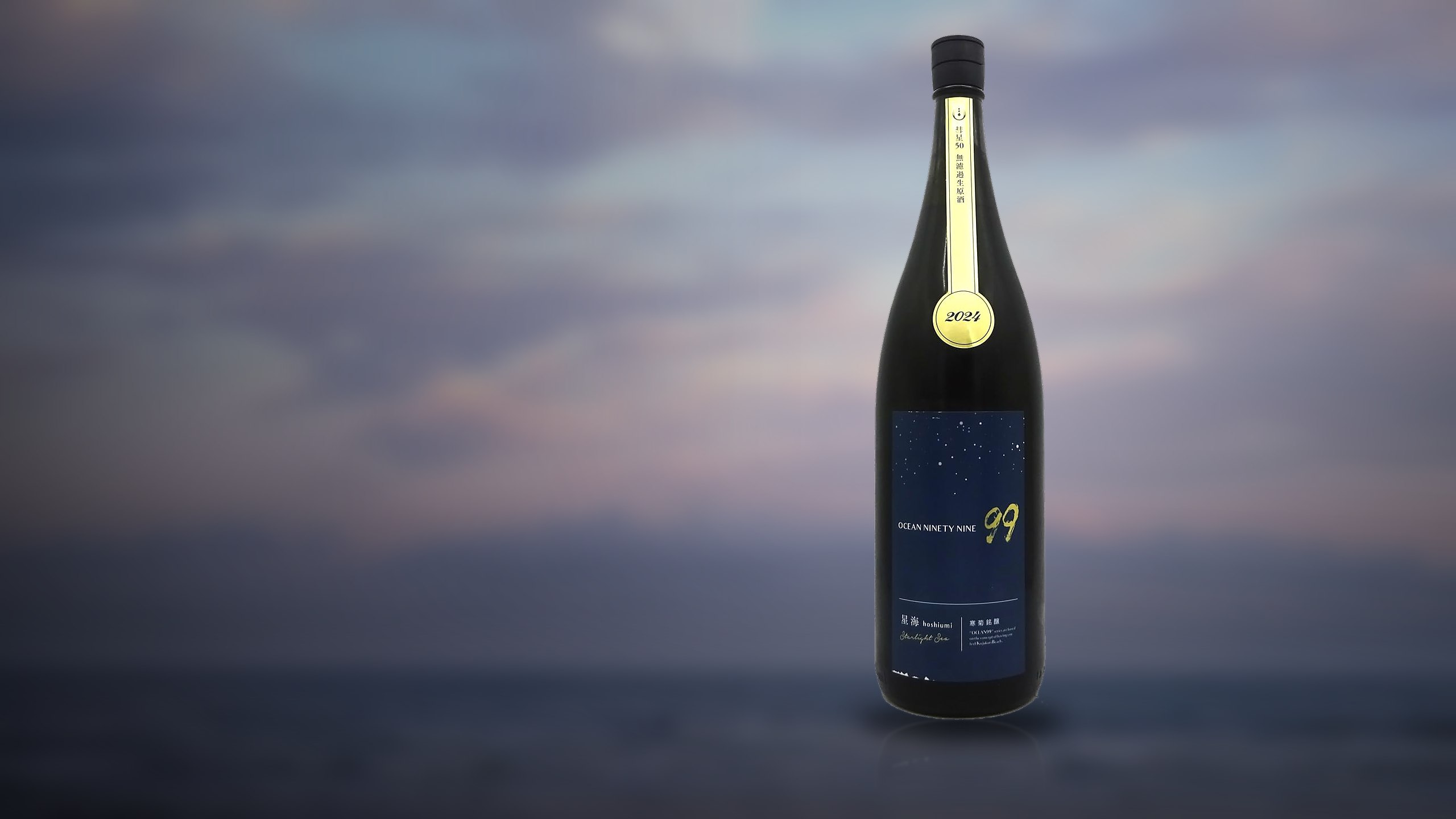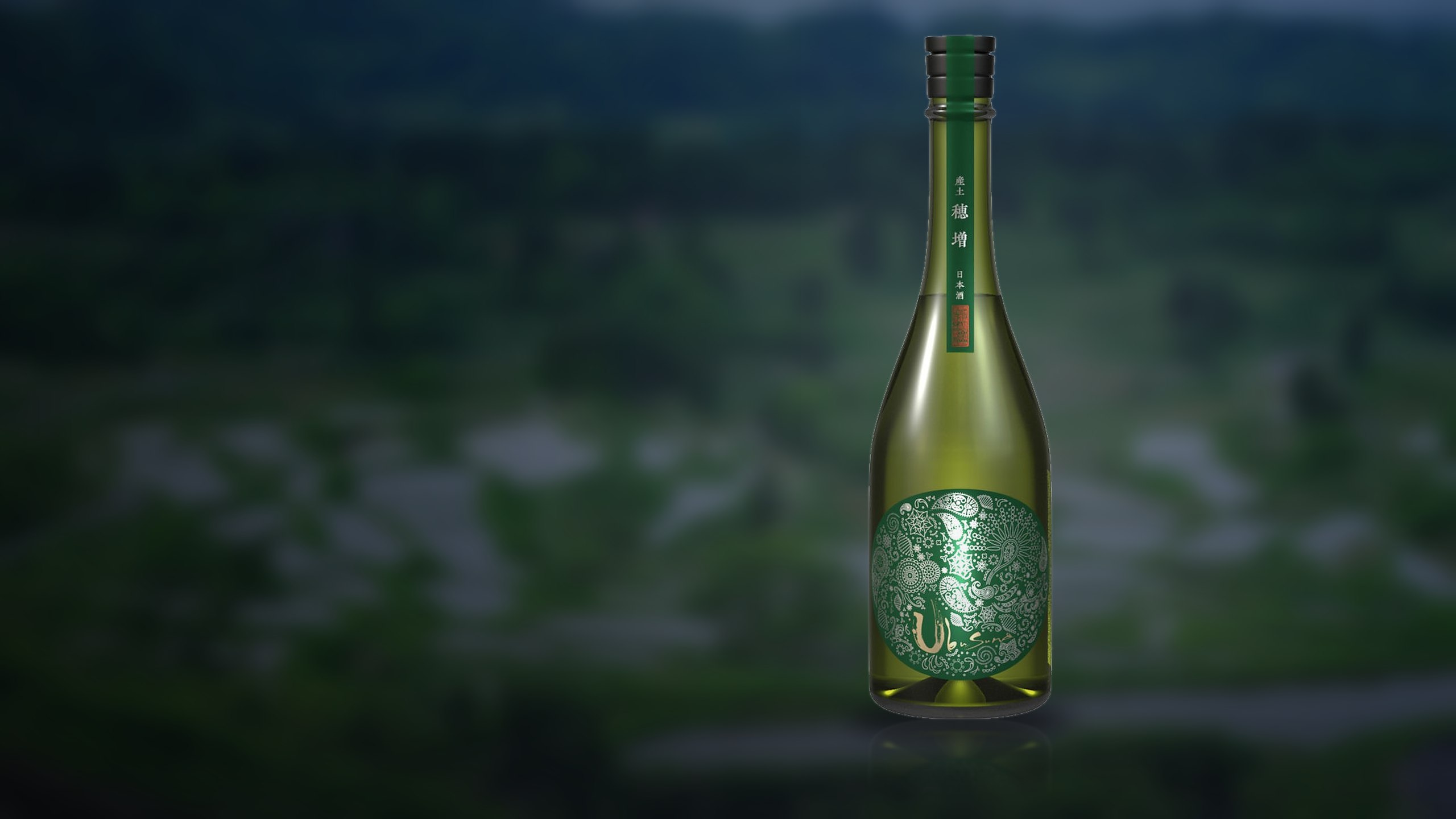
Does sake expire? How long does an opened bottle last? Here is the definitive sommelier guide to protecting sake from UV light and heat—and why many premium sakes actually peak 3 to 10 days after opening.
Why Sake Labels List a "Bottling Date" Instead of an Expiration Date
Pick up any bottle of authentic Japanese sake and you will find a Production/Bottling Date (*Seizo Nengetsu*) rather than an expiration date. At 13%–17% ABV, pathogenic bacteria cannot survive in sake, meaning it never becomes unsafe to drink.
Yet preserving peak gastronomic expression requires far greater care than storing wine. Sake contains no added sulfites or heavy tannins to buffer oxidation, making temperature and light management paramount.
Sake’s Three Mortal Enemies: 1. UV Light, 2. Heat & 3. Horizontal Storage
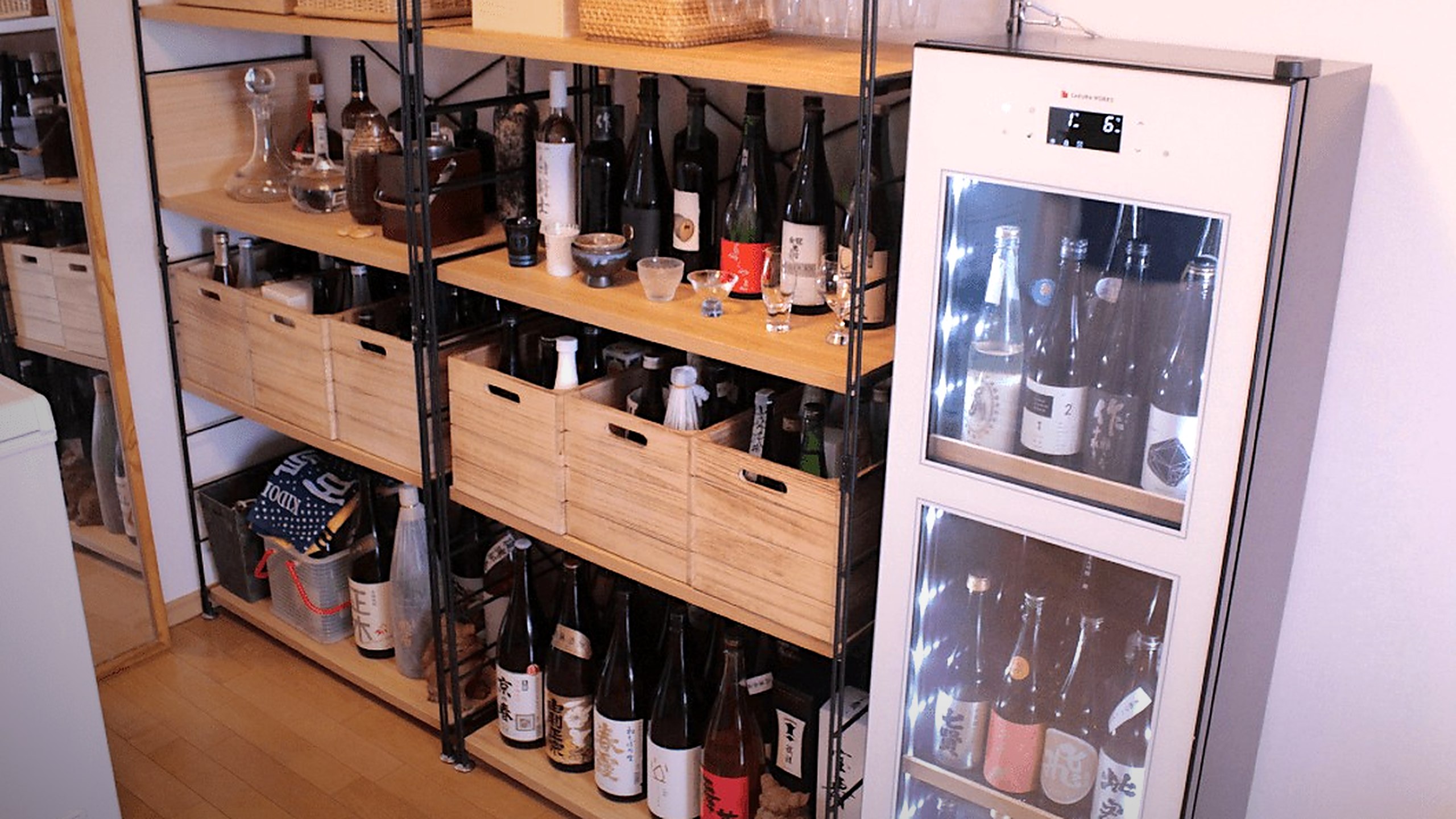
Recommended Storage Temperatures by Sake Style (Unopened)
| Sake Style | Ideal Unopened Temp | Unopened Peak Window | Post-Opening Sweet Spot | Benchmark Examples |
|---|---|---|---|---|
| 1. Nama / Muroka Nama Genshu / Sparkling | -5°C to +4°C (Sub-zero / coldest shelf) | 3–6 months from bottling | Days 1–4 (Maximum CO2 & primary fruit) | Kaze no Mori, Ubusuna, Hiroki Nama, Shichiken |
| 2. Pasteurized (Hiire) Junmai Daiginjo / Ginjo | 0°C to 8°C (Refrigerator) | 6–12 months from bottling | Days 2–7 (Harmonic integration) | Kokuryu, Masuizumi, Tenbi, Tabika, Ki-oku, Kankiku |
| 3. Pasteurized Tokubetsu Junmai / Kimoto / Yamahai | 5°C to 14°C (Fridge or Wine Cellar) | 12–24 months from bottling | Days 3–14 (Blossoms with air) | Daishichi, Suehiro Gensai, Hiroki, Tachibanaya, Kikumasamune |
| 4. Vintage Koshu & High-Temp Yamahai | 10°C to 18°C (Cellar) | 3–20+ years | 1+ month after opening (Oxidation-resilient) | Kidoizumi AFS, Kenbishi, Kokuryu Ishidaya, Masuizumi Koshu |
Unpasteurized Sake (Nama-zake), Muroka Nama Genshu & Sparkling Sake (Kaze no Mori, Ubusuna, Shichiken)
Pasteurized (Hiire) Junmai Daiginjo & Junmai Ginjo (Kokuryu, Masuizumi, Tabika, Ki-oku, Tenbi, Kankiku)
Pasteurized Tokubetsu Junmai, Kimoto & Yamahai (Daishichi, Gensai, Hiroki, Tachibanaya, Kidoizumi)
The Art of Post-Opening Evolution: Why Day 3 Is Often Better Than Day 1
One of the biggest myths among newcomers is that an opened bottle of sake must be finished the same night. On the contrary, structured craft sakes undergo a remarkable blossoming after opening:
| Days After Opening | Palate & Aromatic Evolution Inside the Bottle | Optimal Serving Temp & Culinary Pairing |
|---|---|---|
| Day 1 (Fresh Pop) | Brisk dissolved CO2 prickle, taut acidity & vibrant primary esters | 8–10°C chilled in flute/tulip glass; raw oysters & white fish crudo |
| Days 3–5 (The Sweet Spot) | Gentle micro-oxygenation rounds angular acid and expands spherical rice umami | 12–15°C in white wine glass; aged Edomae sushi, tempura & grilled fish |
| Days 7–10 (Velvet Maturity) | Aromatics settle while mid-palate depth and savory finish lengthen | 15°C cellar or 40°C nurukan; charcoal-grilled poultry, duck & dashi |
| Day 14 (Two-Week Finale) | Pasteurized Junmai and Yamahai remain poised, mellowing into rich umami | 42–45°C warm kanzake; marbled Hanwoo/Wagyu beef & aged cheeses |
"The reason bottles curated by Tokyo’s Koyama and imported into Korea by Syuen taste as vibrant in Seoul as they do in the brewery cellar comes down to one non-negotiable standard: unbroken refrigerated cold-chain logistics from tank to table." — SakeStream Quality Protocol
Featured Breweries, Specs & Flavor Balance
| Flagship Label | Brewery & Region | Signature Rice & Water | Brewery Profile |
|---|---|---|---|
| Kazenomori | Yucho Sake Brewery Co., Ltd. (1160 Nakahonmachi, Gose-shi, Nara 639-2216, Japan) | Akitsuho, Tsuyuhakaze, Yamadanishiki, Omachi · Deep subterranean water from the Mt. Kongo and Mt. Katsuragi range (hard water, approx. 214 mg/L) | Brewery Profile |
| Ubusuna | Hananoka Shuzo Co., Ltd. (2226-2 Nishiyoshiji, Nagomi-machi, Tamana-gun, Kumamoto 861-0906, Japan) | Nagomi-machi Natural-Farmed Homase, Higo Kabashiko, Yamada Nishiki · Brewery Shrine Spring Water (Kikuchi River Basin Subterranean Water from the Former Bairin Tenmangu Well) | Brewery Profile |
| Hiroki | Hiroki Shuzo Honten Co., Ltd. (Ko 3574 Shichuniban, Aizubange-machi, Kawanuma-gun, Fukushima 969-6543, Japan) | Yamadanishiki, Gohyakumangoku, Omachi, Fukunoka, Yumenoka · Subsurface snowmelt water from the Mt. Iide range in the Aizu Basin (soft water) | Brewery Profile |
| Shichiken | Yamanashi Meijo Co., Ltd. (2283 Daigahara, Hakushu-cho, Hokuto City, Yamanashi 408-0312, Japan) | Hakushu-Grown Yumesansui, Yamada Nishiki, Hitogokochi (Estate & Contract-Farmed) · Mt. Kaikomagatake Subterranean Soft Water (Ojira River System, Top 100 Famous Waters) | Brewery Profile |
| Kokuryu | Kokuryu Sake Brewing Corporation (1-38 Matsuoka-Kasuga, Eiheiji-cho, Yoshida-gun, Fukui 910-1133, Japan) | Hyogo Tojo Yamada Nishiki, Fukui Sakahomare, Gohyakumangoku, Koshinoshizuku · Mt. Hakusan Range & Kuzuryu River Subterranean Soft Water | Brewery Profile |
| Masuizumi | Masuda Sake Brewery Co., Ltd. (269 Higashi-Iwasemachi, Toyama-shi, Toyama 931-8358, Japan) | Hyogo Special-A Yamada Nishiki, Toyama Oyamanishiki, Gohyakumangoku, Tominoka · Tateyama Mountain Range Snowmelt Subterranean Soft Water | Brewery Profile |
| Tenbi | Choshu Brewery Co., Ltd. (72 Yoshika, Kikugawa-cho, Shimonoseki-shi, Yamaguchi 750-0316, Japan) | Yamada Nishiki, Saito no Shizuku · Koya River System & Kikugawa Natural Subterranean Medium-Soft Water | Brewery Profile |
| Tabika | Hayakawa Sake Brewery Co. (468 Ojima, Komono-cho, Mie-gun, Mie 510-1323, Japan) | Kaminoho, Yamadanishiki, Omachi, Gohyakumangoku · Subsurface water from Mount Shakagatake in the Suzuka Mountains (soft water) | Brewery Profile |
| Daishichi | Daishichi Sake Brewery Co., Ltd. (1-66 Takeda, Nihonmatsu-shi, Fukushima 964-0904, Japan) | Yamadanishiki, Gohyakumangoku, Yumenoka (100% Super-Flat Rice Polishing) · Mt. Adatara subterranean spring water and Hikage well water (medium-hard water) | Brewery Profile |
| Gensai | Suehiro Sake Brewery Co., Ltd. (12-38 Nisshin-machi, Aizuwakamatsu-shi, Fukushima 965-0861, Japan) | Yumenoka, Fukunoka, Yamadanishiki, Gohyakumangoku, Kamenoo · Subsurface snowmelt soft water from Mt. Hakase and the Aizu Basin | Brewery Profile |
Brewed in Gose City, Nara by 1719-founded Yucho Shuzo, Kaze no Mori unites ancient Muromachi-era Bodaimoto heritage with cutting-edge fermentation science across an all-Muroka Nama Genshu lineup. Fermented with ultra-hard Katsuragi Mountain subsurface water (over 200mg/L hardness) and local Akitsuho rice, its signature micro-effervescence, Muscat and pear aromatics, and chiseled mineral finish captivate diners from sushi counters to Michelin-starred French and Italian tables.
Created in Nagomi, Kumamoto by Kiyotaka Kanda of Hananoka Shuzo to embody 'earth, native ecosystem, and ancestral regenerative agriculture,' Ubusuna stands at the absolute pinnacle of contemporary craft sake. Brewed with pesticide-free local Yamada Nishiki and revived Edo-era heirloom rices (Homase and Kabashiko) using kimoto and wooden vats, its Champagne-like pinpoint mousse and electric orchard-and-yuzu complexity transfix fine-dining tables worldwide.
Named 'Droplets of Joy Flying Forth,' 9th-generation brewer Kenji Hiroki ignited Japan's unfiltered unpasteurized (muroka nama genshu) boom and propelled Fukushima to national acclaim. Combining polished Yamadanishiki for mid-palate depth and Gohyakumangoku for crisp structure, it delivers fresh lychee and pear aromatics with vibrant acidity that pairs effortlessly with seasonal sashimi and charcoal-grilled yakitori.
Founded in 1750 in Hakushu at the foot of the Southern Japanese Alps in Yamanashi, Shichiken ('Seven Sages of the Bamboo Grove') harnesses crystal-clear Mount Kaikomagatake snowmelt water. Renowned globally for its bottle-fermented sparkling sakes—including 'Mori no Kanade' aged in Suntory Hakushu whisky barrels—as well as its crisp 'Furinbizan' Junmai and 'Onakaya' Junmai Daiginjo, it pairs seamlessly with French gastronomy, roast poultry, and sushi.
Founded in 1804 in Eiheiji, Fukui, Kokuryu pioneered commercial luxury Daiginjo in Japan, uniting soft Kuzuryu River water with prized Tojo Yamada Nishiki and local Sakahomare rice. Legendary bottlings like Ishidaya, Nizaemon, Shizuku, and Hachijuhachigo deliver crystalline elegance that elevates Echizen snow crab and haute kaiseki.
Famed as the master of Ginjo in historic Iwase, Toyama, Masuizumi blends classic mastery with avant-garde releases like Burgundy-barrel-aged Link 8888 and Platinum Kotobuki. Rich Yamada Nishiki depth and layered elegance allow it to pair equally well with Toyama seafood, aged meats, and classic French sauces.
Launched in late 2020 in Shimonoseki, Yamaguchi by Choshu Shuzo, Tenbi skyrocketed to national stardom with its bright, uplifting house style. Bearing sun-and-moon labels for day and night expressions, it offers crisp green apple and white grape aromatics, delicate pinpoint effervescence, and vibrant malic acidity that pair beautifully with seafood ceviche, seasonal vegetable tempura, and modern izakaya fare.
Handcrafted by a tiny family team in Komono, Mie using ultra-soft Mt. Shakagatake snowmelt water and 100% gentle fune (box) pressing, Tabika is celebrated for its pillowy, rounded sweetness. Brewed with local Kaminoho, Omachi, and Yamada Nishiki, its soothing umami and gentle acidity pair beautifully with dashi-steamed clams and seasonal washoku.
Dedicated exclusively to traditional Kimoto-method brewing since 1752 in Nihonmatsu, Daishichi revolutionized the craft with its proprietary 'ultra-flat rice polishing' (cho-henpei seimai) technology. Offering rich, creamy lactic depth, velvety texture, and complex savory resonance that blossoms from chilled to gentle warm (nurukan), its sakes pair majestically with grilled unagi, Wagyu steak, and aged Comté cheese.
Named in honor of Harunaka (Gensai) Tanaka—the visionary Edo-period chief retainer who reformed the Aizu domain and elevated its brewing craft—Gensai represents the pinnacle of Suehiro Shuzo's Daiginjo artistry. Brewed with Special A-grade Yamadanishiki polished to 35%–40%, it delivers regal orchard-fruit aromatics, gossamer silkiness, and a poised finish worthy of celebratory kaiseki banquets.
Recommended Pairing
Weekly Sake & Tasting Dispatch
Curated seasonal releases, sub-zero arrivals, and tasting city guides across global editions.