Why the 20th-century dogma that "30% polish ratio equals superiority" has collapsed—and how stopwatch water absorption, traditional box pressing (Tabika), 14% ABV undiluted fermentation (Ki-oku), and low-polish terroir (Ubusuna) redefined fine sake.
1. The Collapse of the Milling Arms Race & The 2025–2026 Sake Rice Price Shock
For decades, the simplest yardstick for luxury in Japanese sake was the rice-polishing ratio (*seimaibuai*)—the percentage of the rice grain remaining after milling away its outer layers. Consumers and buyers were taught a linear dogma: 50% is good, 35% is luxury, 23% is supreme, and single-digit ratios represent the ultimate pinnacle.
In the 20th century, when milling machinery and fermentation controls were less precise, the proteins and lipids concentrated in the outer bran layers of rice were indeed the primary culprits behind harsh off-flavors (zatsumi). Yet in the 2025–2026 brewing seasons, record summer heatwaves and tight table-rice supplies triggered a historic Sake Rice Price Shock, sending benchmark brewing varieties such as Gohyakumangoku surging 1.4× to 1.6×+ year-over-year. At the exact same moment, Japan’s leading master brewers and global sommeliers reached a decisive philosophical consensus:
"When we strip away 65% or 75% of precious rice, are we not wasting both agricultural sustainability and the very minerals, savory amino precursors, and soil terroir that make the grain unique?"
This realization—paired with breakthroughs in precision milling science—marks the single greatest paradigm shift in modern sake.
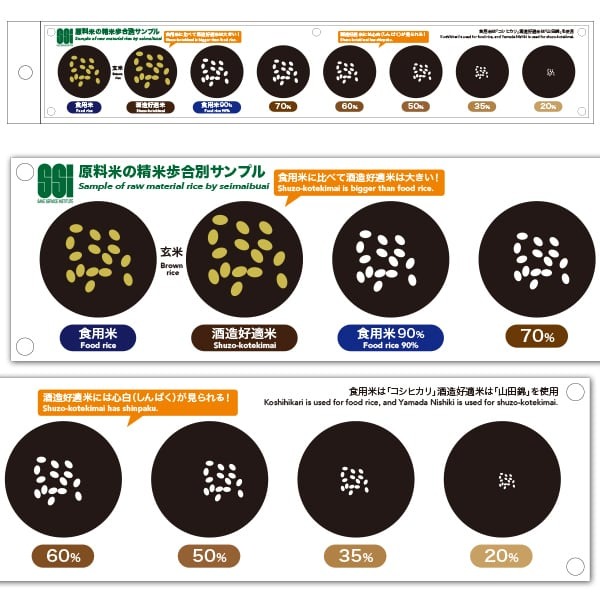
2. How Brewers Achieve Diamond Clarity at 55%–90% Polish Ratios: Five Scientific & Agricultural Breakthroughs
Rather than relying on brute-force milling, today’s vanguard breweries achieve crystal transparency alongside deep, provenance-driven umami through five breakthroughs in milling engineering, climate-resilient agronomy, fermentation, and pressing:
The Science of Satake’s Shingin Flat Milling — 60% Polish Achieving 40% Daiginjo Purity
Conventional "spherical milling" grinds away huge amounts of pure starch along the length of the grain just to remove protein concentrated along the grain’s flat sides. Pioneered by global milling leader Satake, [Shingin Flat Milling (*Henpei Seimai*)](https://www.shingin.jp/) shaves the grain precisely along its natural contour, selectively stripping outer proteins and lipids.
Scientific analyses confirm that 60% Shingin flat-milled rice achieves crude-protein removal equivalent to 40% spherically milled rice (Daiginjo grade)—preserving the starchy heart, slashing grain waste amid soaring rice costs, and pairing seamlessly with stopwatch-timed water absorption (gentei kyusui).
Heat-Tolerant Culinary Rice Triumphs: Katsuyama KIRA KIRA Wins #2 in Japan
In June 2026, Sendai’s historic [Katsuyama Shuzo](https://katsu-yama.com/) shattered another long-standing orthodoxy: that top competition winners must be brewed from classic shuzo kotekimai (pedigree sake rice like Yamada Nishiki). Brewed from 100% *Niji no Kirameki—a climate-resilient, heat-tolerant table-rice variety engineered to withstand scorching summers—at a 50% polish ratio and nimble 13% ABV, Katsuyama Junmai Ginjo KIRA KIRA captured 2nd Place Nationwide (GOLD) out of 328 entries in the Junmai Ginjo category at [SAKE COMPETITION 2026](https://sakecompetition.com/)*. It proved conclusively that fermentation mastery can turn sustainable, climate-adapted rice into world-class gastronomy sake.
100% Funa-Shibori (Traditional Box Pressing) — Hayakawa Shuzo’s Tabika
Even the finest fermenting mash (moromi) will release bitter polyphenols if crushed under high-pressure pneumatic membranes at the end of fermentation. At Mie Prefecture’s Hayakawa Shuzo (Tabika), every single batch—whether 50% Junmai Ginjo or 60% Junmai—is laid in cloth bags inside a traditional fune box press for two full days, allowing gravity and gentle pressure to yield astonishing silkiness.
Undiluted 13–14% ABV Genshu Fermentation — Ki-oku & Mimurosugi
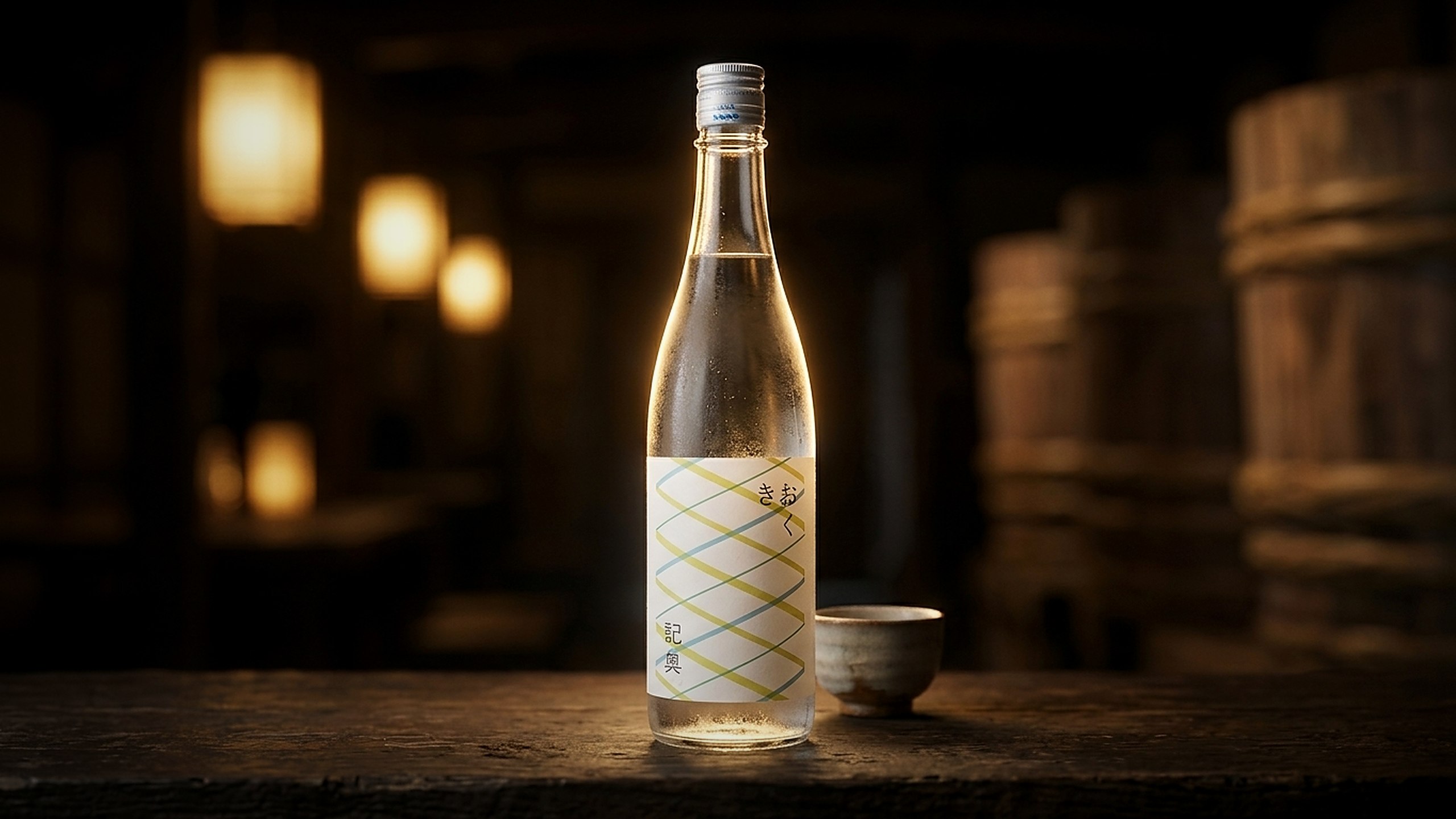
Historically, undiluted sake (genshu) finished at a heavy 17–18% ABV, while diluting with water (warimizu) down to 14–15% often thinned out mid-palate texture. Breweries such as Aichi’s Yamazaki Goshi Kaisha (Ki-oku) and Nara’s Imanishi Shuzo (Mimurosugi Dio Abita) have mastered fermenting undiluted *genshu* that naturally concludes at 13–14% ABV, uniting unwatered textural density with wine-like drinkability.
Non-Disclosed Polish Ratios & Heirloom Terroir — Ubusuna & Aramasa
From Kumamoto’s Ubusuna (Hananoka Shuzo) and Akita’s Aramasa to Dassai Beyond the Beyond, leading producers are increasingly omitting polish ratios from their labels altogether or deliberately brewing heirloom strains like Homase at 70%–90% ratios. When rice is cultivated without pesticides in living soil, its outer layers carry vital minerality rather than flaws.
"No one grades grand cru Burgundy by asking what percentage of the grape skin was shaved off. Sake has finally outgrown numerical spec-sheet competition and entered an era defined by structural beauty, sustainability, and terroir." — Editor-in-Chief, SakeStream
3. 2026 Comparison Matrix: The Three Modern Milling & Terroir Philosophies
| Milling Philosophy | Typical Polish Ratio | Protein Control & Brewing Science | Palate Architecture & Pairing Role | 2026 Benchmark Bottlings |
|---|---|---|---|---|
| High-Polish Spherical Milling (Classic Daiginjo) | 35% or less (23–35%) | Aggressive spherical milling strips outer/middle layers to ferment pure core starch at sub-10°C | High-toned floral esters, weightless silk; ideal for toasts & delicate white fish | Dassai 23, Ugo no Tsuki Junmai Daiginjo, Kokuryu Shizuku |
| Flat Milling (*Shingin*) & Climate-Resilient Rice | 50–60% | Satake *Shingin* flat milling selectively shaves lateral protein (60% flat ≈ 40% spherical purity), paired with funa-shibori & 13–14% genshu | Crystalline acidity, generous rice contour & high QPR across full tasting menus | Katsuyama KIRA KIRA (100% Niji no Kirameki, 2026 #2 Junmai Ginjo), Tabika, Ki-oku, Mimurosugi |
| Low-Polish Terroir, Heirloom & Non-Disclosed | 70–90% / Non-Disclosed | Pesticide-free viticulture turns outer minerals into complexity via wooden vats & wild kimoto lactic bacteria | Wild micro-spritz, layered organic acids & savory finish for grilled meats & aged cheese | Ubusuna (Homase, polish undisclosed), Aramasa Colors / Earth, Kidoizumi AFS |
4. Conclusion: Drink the Science and Craftsmanship, Not the Percentage
Next time you select a bottle on a restaurant list or in a bottle shop, look past the percentage printed on the back label. Some of the most transcendent gastronomic experiences in 2026 are waiting inside 60% flat-milled Tokubetsu Junmai (Gensai, Hiroki, Jikon), heat-resilient Niji no Kirameki trailblazer Katsuyama KIRA KIRA, 50–55% Junmai Ginjo (Tabika, Ki-oku, Tenbi), and terroir-driven cuvées (Ubusuna) where numbers no longer dictate greatness.
Featured Breweries, Specs & Flavor Balance
| Flagship Label | Brewery & Region | Signature Rice & Water | Brewery Profile |
|---|---|---|---|
| Tabika | Hayakawa Sake Brewery Co. (468 Ojima, Komono-cho, Mie-gun, Mie 510-1323, Japan) | Kaminoho, Yamadanishiki, Omachi, Gohyakumangoku · Subsurface water from Mount Shakagatake in the Suzuka Mountains (soft water) | Brewery Profile |
| Kioku | Yamazaki & Co. (Sonnoh Kuramoto) (57 Kakita, Nishihazu-cho, Nishio-shi, Aichi 444-0703, Japan) | Aichi-grown Yumesansui, Yumeginga, Yamada Nishiki · Subterranean water from the Mt. Sangane range (soft water) | Brewery Profile |
| Ubusuna | Hananoka Shuzo Co., Ltd. (2226-2 Nishiyoshiji, Nagomi-machi, Tamana-gun, Kumamoto 861-0906, Japan) | Nagomi-machi Natural-Farmed Homase, Higo Kabashiko, Yamada Nishiki · Brewery Shrine Spring Water (Kikuchi River Basin Subterranean Water from the Former Bairin Tenmangu Well) | Brewery Profile |
| Aramasa | Aramasa Co., Ltd. (6-2-35 Omachi, Akita-shi, Akita 010-0921, Japan) | Pesticide-Free & Estate-Grown Akita Rice (Kairyo Shinko, Rikuu No. 132, Misato Nishiki, Akita Sakekomachi) · Mount Taihei Subterranean Soft Water (Akita City) | Brewery Profile |
| Katsuyama | Sendai Izawake Katsuyama Sake Brewery Co., Ltd. (25-1 Futamata, Fukuoka, Izumi-ku, Sendai-shi, Miyagi 981-3225, Japan) | Yamada Nishiki, Hitomebore, Omachi · Mt. Izumigatake Subterranean Soft Water | Brewery Profile |
| Mimurosugi | Imanishi Sake Brewery Co., Ltd. (510 Miwa, Sakurai-shi, Nara 633-0001, Japan) | Tsuyuhakaze, Yamadanishiki, Omachi · Subsurface water from sacred Mt. Miwa (medium-soft water) | Brewery Profile |
| TENBU | Nishi Shuzo Co., Ltd. (4970-17 Yokura, Fukiage-cho, Hioki City, Kagoshima 899-3309, Japan (Tenbu Sake Kura: 3142-10 Yokura, Fukiage-cho, Hioki City)) | Yamada Nishiki (Tojo Special A District, Hyogo), Aiyama, Akaiwa Omachi · Satsuma Peninsula Deep Subterranean Natural Soft Water ('HOUMEI') | Brewery Profile |
| Ise Asahi | Asahi Sake Brewery Co., Ltd. (3032 Yamaoyodo, Meiwa-cho, Taki-gun, Mie 515-0303, Japan) | Kaminoho, Yamadanishiki, Gohyakumangoku · Subsurface water from the pristine Kushida River (soft water) | Brewery Profile |
| Dassai | Dassai Inc. (Asahi Shuzo Co., Ltd.) (2167-4 Osogoe, Shuto-cho, Iwakuni-shi, Yamaguchi 742-0422, Japan) | Yamada Nishiki (100% Exclusive Use) · Osogoe Natural Subterranean Soft Water (Shuto-cho, Iwakuni) | Brewery Profile |
| Ugo no Tsuki | Aihara Sake Brewery Co., Ltd. (1-25-15 Nigata-honmachi, Kure-shi, Hiroshima 737-0152, Japan) | Yamadanishiki, Hattannishiki, Omachi, Senbonnishiki · Soft subterranean underflow water filtered through granite layers of the Mount Noro range | Brewery Profile |
Handcrafted by a tiny family team in Komono, Mie using ultra-soft Mt. Shakagatake snowmelt water and 100% gentle fune (box) pressing, Tabika is celebrated for its pillowy, rounded sweetness. Brewed with local Kaminoho, Omachi, and Yamada Nishiki, its soothing umami and gentle acidity pair beautifully with dashi-steamed clams and seasonal washoku.
Created by 6th-generation kuramoto-toji Masayuki Yamazaki at Yamazaki Goshi Kaisha in Nishio, Aichi, 'Kioku' weaves the brewery's iconic 'Oku' heritage with memories of his late father into a modern low-ABV vision. Fermented slowly at low temperatures with soft Mt. Sangane water and Aichi-grown Yumesansui and Yumeginga rice, this 14% ABV genshu delivers crystalline white peach and Shine Muscat aromatics with brisk, juicy acidity. Pair it with Mikawa Bay sea bream carpaccio, unagi shirayaki (white-grilled eel) from Isshiki, or seasonal fruit shira-ae.
Created in Nagomi, Kumamoto by Kiyotaka Kanda of Hananoka Shuzo to embody 'earth, native ecosystem, and ancestral regenerative agriculture,' Ubusuna stands at the absolute pinnacle of contemporary craft sake. Brewed with pesticide-free local Yamada Nishiki and revived Edo-era heirloom rices (Homase and Kabashiko) using kimoto and wooden vats, its Champagne-like pinpoint mousse and electric orchard-and-yuzu complexity transfix fine-dining tables worldwide.
As the birthplace of Kyokai No. 6 yeast, Aramasa represents the pinnacle of modern sake brewing through 100% kimoto fermentation in cedar vats using exclusively Akita-grown rice. Its vibrant citrus acidity, low-alcohol elegance, and silky sweetness evoke fine white Burgundy, pairing effortlessly with sashimi, crudo, and modern gastronomy.
Founded in 1688 as the official purveyor to the feudal Date samurai clan of Sendai, Katsuyama crafts ultra-luxury sake by brewing just a single small tank per week and pioneering high-speed centrifugal extraction. Flagship expressions like Diamond Akatsuki, Den, and Ken use Special A-grade Yamadanishiki to achieve diamond-like purity and opulent umami that shine alongside truffle-infused French cuisine and fine sushi.
Founded in 1660 at the foot of sacred Mount Miwa and Omiwa Shrine—revered as the ancestral deity of Japanese sake brewing—Imanishi Shuzo crafts Mimurosugi using shrine-mountain subterranean water and locally grown Yamadanishiki and Tsuyuhakaze rice. Luminous lychee, white peach, and Muscat aromas flow into a crystal-clear, juicy palate with a brisk finish that pairs effortlessly with sushi, sashimi, and delicate crudo.
Created in 2020 by Nishi Shuzo—the legendary Kagoshima distillery behind Tomino Hozan shochu—Tenbu brings world-class precision to Japan's southernmost mainland prefecture. Crafted with ultra-soft Satsuma mountain water and elite Yamada Nishiki and Aiyama rice, its lush lychee-and-white-peach aromatics, velvety sweetness, and crystal-clear finish pair magnificently with Kagoshima black Wagyu, Kurobuta pork shabu-shabu, and silver-stripe round herring sashimi.
Founded in 1875 in Meiwa Town, Mie Prefecture—site of the ancient Saiku imperial palace that served Ise Grand Shrine—Asahi Shuzo brews its flagship 'Ise Asahi' ('Rising Sun of Ise') using pure soft subterranean water from the clear Kushida River and Mie-grown Kami no Ho, Yamada Nishiki, and Gohyakumangoku rice. Named for the morning sun rising over Ise Bay, it combines a velvety soft-water entry with rounded, noble rice umami and a poised finish. It pairs wonderfully with sake-steamed Ise Bay clams, spiny lobster and sea bream sashimi, and Matsusaka Wagyu sukiyaki.
From the mountain valleys of Iwakuni, Yamaguchi, Dassai revolutionized global sake through data-driven precision brewing and ultra-polished Yamada Nishiki rice. Led by the iconic Dassai 23, its opulent aromas of white peach and Poire Williams, silky-smooth mid-palate, and crystalline finish pair effortlessly with fine Edomae sushi and Michelin-starred French cuisine.
Crafted in Kure, Hiroshima since 1875 by Aihara Shuzo using Daiginjo-level precision and strict cold storage across every single tank, Ugo no Tsuki shines like 'the moon after the rain.' Its crystalline purity, poised orchard-fruit aromatics, and graceful umami glide effortlessly alongside Seto Inland Sea sea bream kobujime and refined kaiseki cuisine.
Recommended Pairing
Weekly Sake & Tasting Dispatch
Curated seasonal releases, sub-zero arrivals, and tasting city guides across global editions.