Aramasa Co., Ltd.
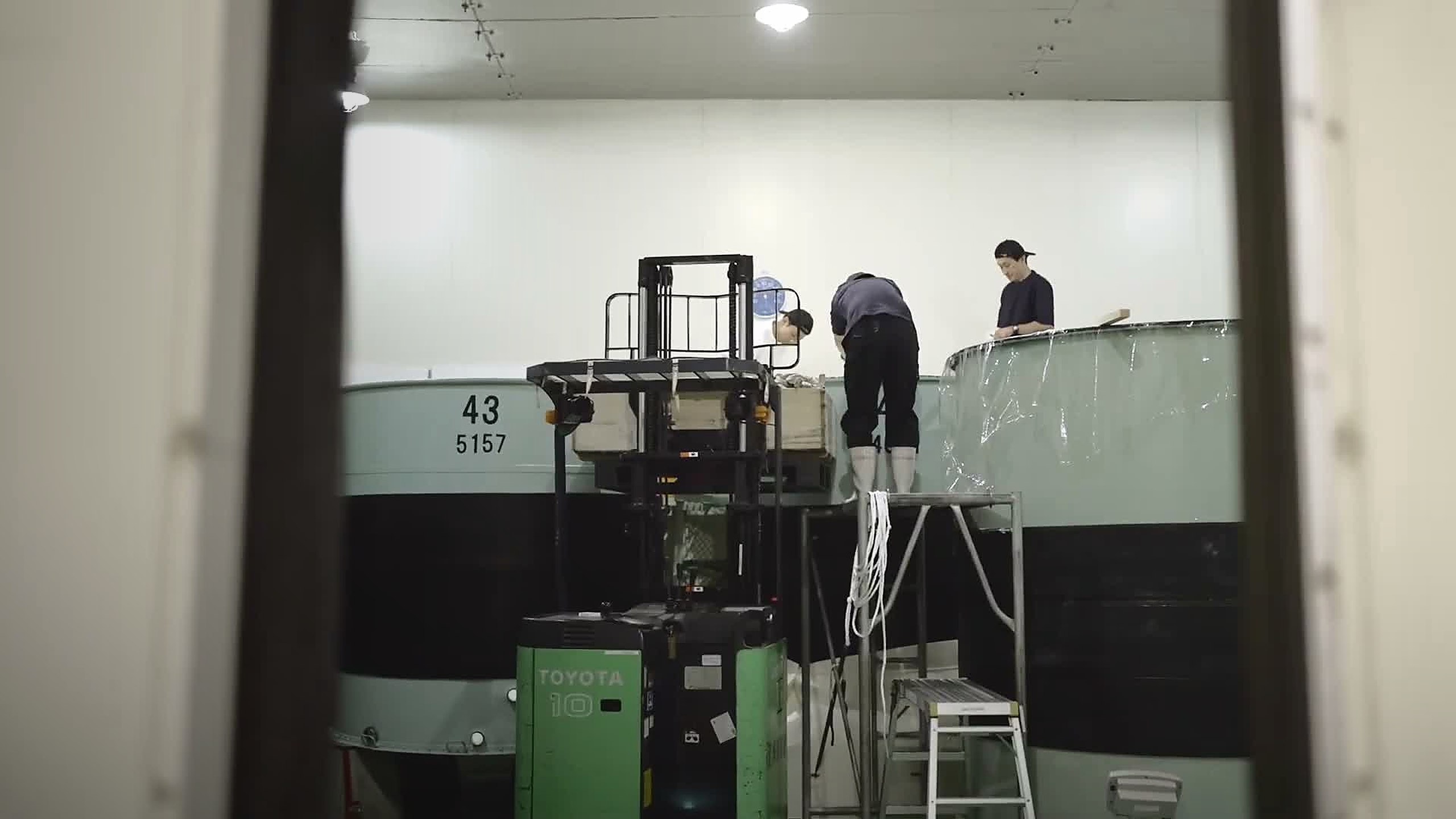
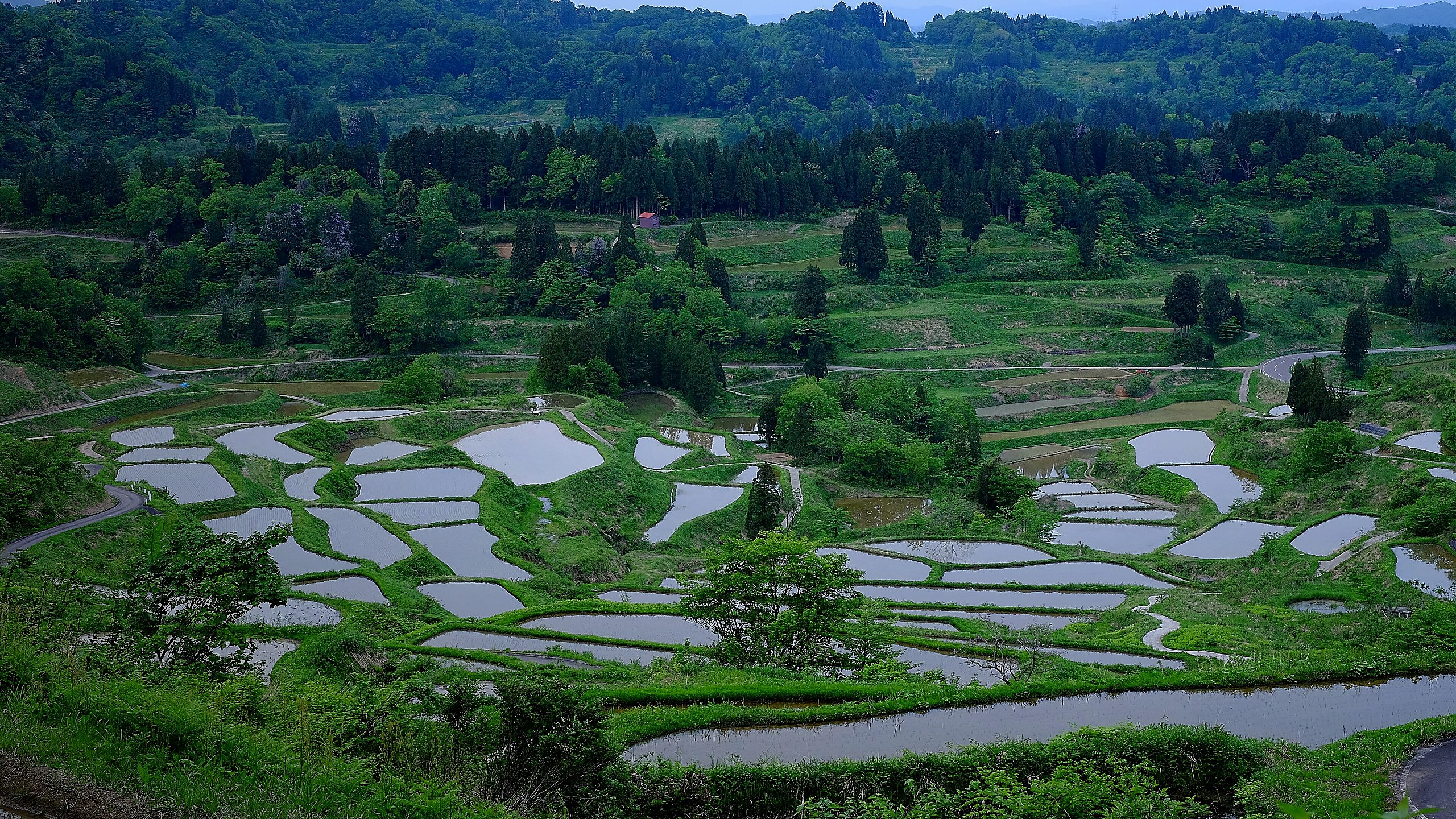
Founded in 1852 in the Omachi district of Akita City by Uhee Sato I, Aramasa Co., Ltd. holds a monumental place in Japanese brewing history. In 1930, fifth-generation head Uhee Sato V isolated a resilient cold-fermenting yeast strain from the brewery's mash, which was distributed nationwide as Kyokai No. 6—the oldest commercially active sake yeast in Japan. Under eighth-generation president Yusuke Sato, Aramasa established an uncompromising purist manifesto: 100% Akita-grown rice, 100% Kyokai No. 6 yeast, 100% traditional Kimoto starter, 100% cedar wooden vat (kioke) fermentation, and zero brewing additives. By cultivating pesticide-free heritage rice in the mountain hamlet of Uyashinai and operating an in-house wooden cooperage, Aramasa has redefined modern craft sake on the global fine-dining stage.
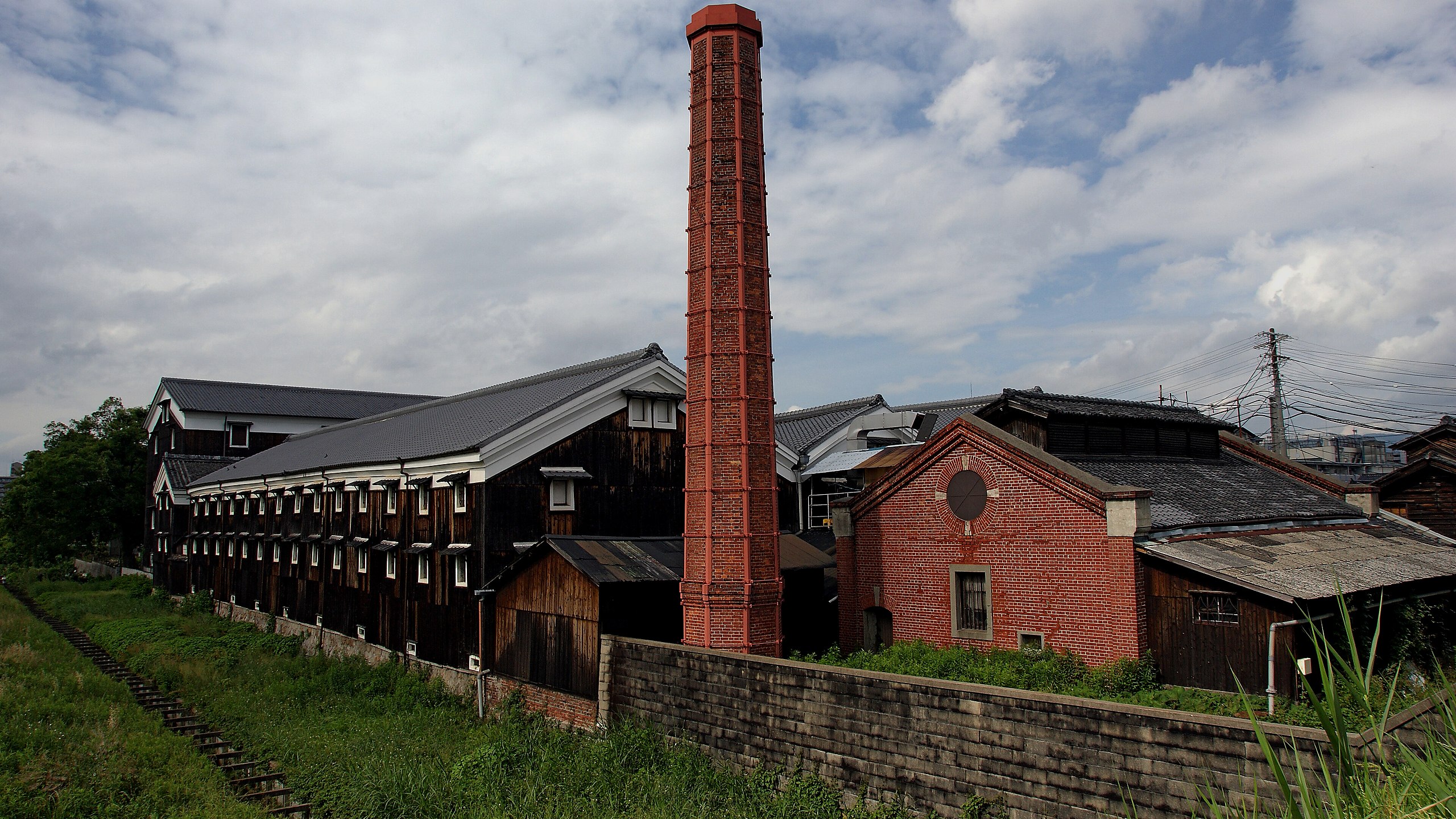
History & Brewing Heritage of Aramasa Co., Ltd.
Founded in 1852 in the Omachi district of Akita City by Uhee Sato I, Aramasa Co., Ltd. holds a monumental place in Japanese brewing history. In 1930, fifth-generation head Uhee Sato V isolated a resilient cold-fermenting yeast strain from the brewery's mash, which was distributed nationwide as Kyokai No. 6—the oldest commercially active sake yeast in Japan. Under eighth-generation president Yusuke Sato, Aramasa established an uncompromising purist manifesto: 100% Akita-grown rice, 100% Kyokai No. 6 yeast, 100% traditional Kimoto starter, 100% cedar wooden vat (kioke) fermentation, and zero brewing additives. By cultivating pesticide-free heritage rice in the mountain hamlet of Uyashinai and operating an in-house wooden cooperage, Aramasa has redefined modern craft sake on the global fine-dining stage.
Signature Brand Lineup & Yearly Flavor Profile
Select a Year (2022–2026) to explore how each harvest’s climate and rice quality shaped the 1–5 rice-grain flavor balance:
Increased estate-grown pesticide-free rice from Uyashinai brings unprecedented kioke cedar complexity and crystalline lactic acidity.
Featured SakeStream Editorial Articles
Tasting Notes & Comments (21)
“Opened a bottle of No. 6 X-type and was floored by the burst of Shine Muscat and white peach aromatics, backed by multi-dimensional kimoto acidity and crystalline purity from cedar vat fermentation. An absolute masterpiece of contemporary Japanese brewing.”
“A revelation for Burgundy and Champagne lovers: laser-focused lactic and malic tension, delicate wooden-vat complexity, and incredible concentration at just 13% ABV. Pairs brilliantly with Dover sole and shellfish.”
“Finally scored Amaneko and Ecru through a bottle shop lottery! That lively micro-effervescence on opening and bright, juicy sweet-tart balance is unmatched—turned my wine-drinking friends into instant sake fanatics.”
“Tasted Yusuke Sato's legendary 'Yamayu' series (Blue Misatonishiki, Pink Sake Komachi, Green Kairyo Shinko, Brown Omachi) from Aramasa Shuzo. The direct precursor to today's Colors and No. 6 lines, its white-peach and yogurt-toned kimoto acidity and delicate spritz forever changed modern sake.”
“One of the most historically pivotal bottlings in modern Japanese sake. Translating single-varietal Akita rice terroir with Burgundian clarity and No. 6 yeast elegance, 'Yamayu' remains a collector's holy grail.”
“Wrapped in translucent washi paper, Aramasa's 'Yamayu' remains the unforgettable genesis of modern Akita craft sake.”
“Opened Aramasa's historic tribute bottling Sato Uhee for a special occasion. Aristocratic white-peach and blossom aromatics, a silk-smooth Mount Taihei soft-water entry, and luminous No. 6 yeast Kimoto acidity left the entire table speechless.”
“A rare cuvée bridging Aramasa's 1852 origins with modern precision. Restrained white-peach elegance and a taut, chalky acid spine evoke the nobility of Premier Cru Chablis.”
“An essential chapter in the story of Association No. 6 yeast: Aramasa's Sato Uhee! Every sip radiates respect for the pioneers of cold-climate Akita ginjo brewing.”
“Finally compared Aramasa No. 6 X-type and S-type side by side! Fine pinpoint bubbles, explosive white peach and Shine Muscat aromatics, and creamy yet crystalline cedar-vat Kimoto acidity gave me chills. Unbelievable density and finish at low ABV.”
“It is astonishing how 1930 Association No. 6 yeast, Akita cedar vats, and pesticide-free local rice yield a liquid of such electric poise. Served chilled in a Burgundy stem, No. 6 X-type is transcendent beside scallop crudo.”
“Aramasa No. 6 redefines what sake can be every single time! Even the entry R-type is outrageously refined—evolving from lively opening spritz to white-peach nectar over a few days.”
“Compared Aramasa Colors Cosmos (Kairyo Shinko) and Viridian (Rikuu No. 132). Cosmos charms with silky berry-like acidity while Viridian brings deeper savory weight and cedar-vat complexity—both retaining incredible freshness despite pasteurization!”
“Like exploring single-vineyard Burgundy climats, Aramasa's Colors series lets you taste the precise terroir of Akita rice varieties. Subtle Japanese cedar spice and bright lactic poise elevate both kaiseki and modern French cuisine.”
“While No. 6 gets the hype, Aramasa's true mastery shines in the pasteurized Colors lineup! Letting a glass of Ecru or Viridian warm slightly reveals gorgeous cedar-vat depth and silky Akita grain umami.”
“Opened Aramasa's Private Lab masterpiece Hinotori! Luscious ripe apricot and acacia honey sweetness is sculpted by electric cedar-vat Kimoto acidity so it never feels heavy—pure heaven alongside Gorgonzola or chicken liver pâté.”
“Rivaling fine Sauternes or German Trockenbeerenauslese in complexity yet infinitely lighter in alcohol and higher in acid tension, Hinotori is our secret weapon alongside foie gras terrine and Roquefort.”
“Aramasa's Hinotori ('Phoenix') single-handedly ignited the modern Kijoshu renaissance! One sip of its orange marmalade, wild honey, and thrilling lactic tang and you're hooked for life.”
“Opened Aramasa Amaneko alongside the bottle-conditioned Amaneko Spark! The white-koji citric acidity hits like fresh pink grapefruit and green apple—cutting through crispy tempura, karaage, and raw oysters effortlessly!”
“The iconic bottle that sparked modern sake's white-koji citric revolution. Whenever we pour Amaneko blind for fans of Chablis or Sancerre, they are blown away by its citrus tension and pristine cedar finish.”
“Coolest name, coolest label, and an electric palate! Amaneko isn't just sweet-tart—it snaps bone-dry on the finish, making it the ultimate aperitif sake for French and Italian dining.”
Write a Review
Share your tasting notes and food pairings with sake lovers around the world.