Kankiku's popular series named after light-cultured chrysanthemums. The secret of its deep, night-sky flavors.
The Poetry Behind the Name
"Densho-giku" refers to a chrysanthemum cultivation method that uses artificial nighttime lighting to control bloom timing. Kankiku Meijo's brewery sits in Chiba's Kujukuri region, a heartland of this technique. Like flowers that bloom under night light — sake that shines brightest in darkness — this poetic concept birthed the series. Plenty of sake brands inscribe their local farm landscape into a name; very few fold in a design of time itself, the idea of blooming at night. Poured into a glass, Densho-giku does exactly what its name promises: under the dinner-table lights it opens, quietly but unmistakably. And the house behind it, Kankiku Meijo, carries more than 140 years of history while ranking among the most dynamic young breweries in Japan today.
Quick Specs & 2026 Rating Summary
Kankiku's Revolution
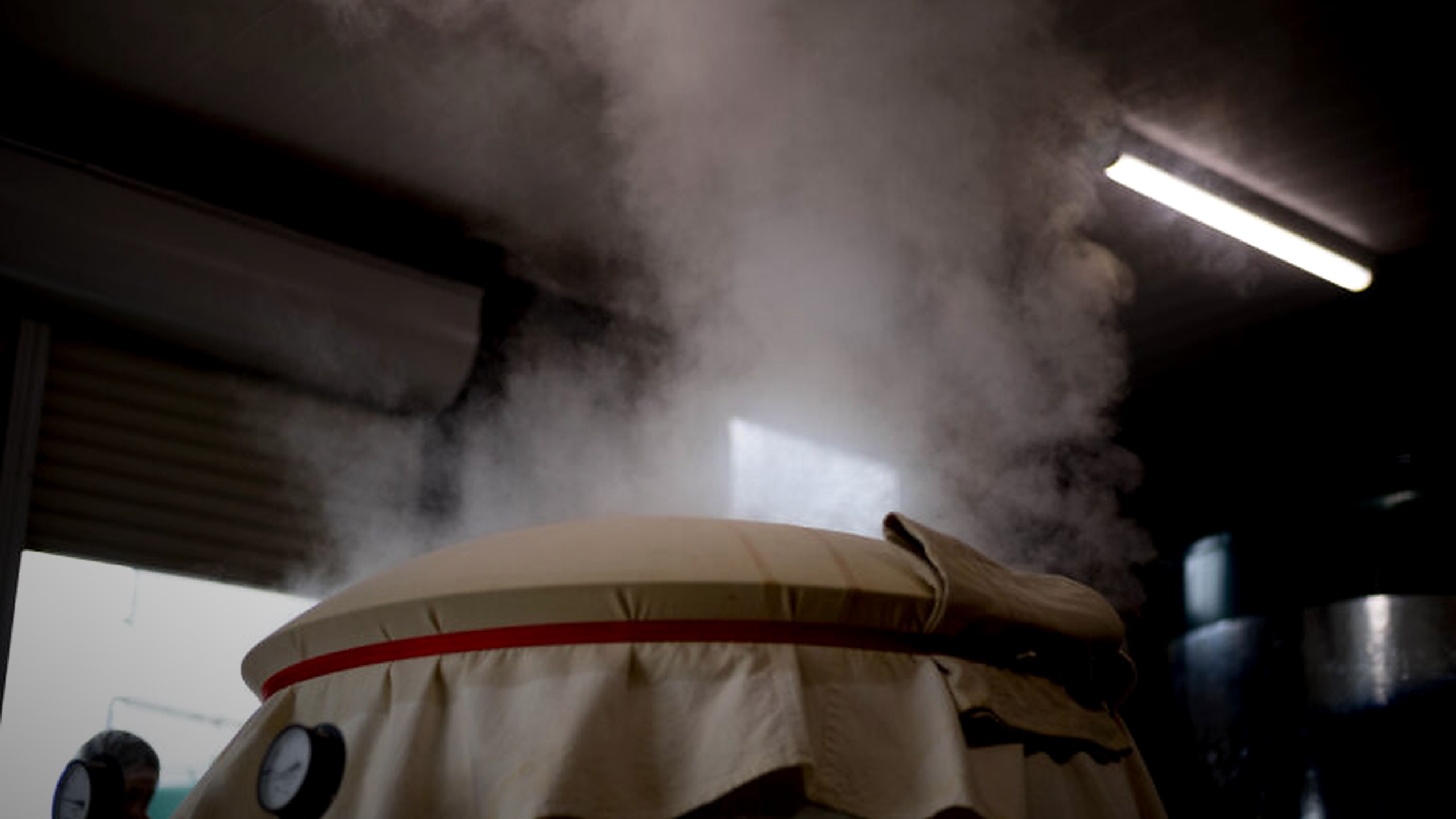
Kankiku Meijo is based in Sanmu, Chiba, founded in 1883. Close to the Kujukuri shore, the house long brewed well-loved local sake. The turning point came in 2019, when young kuramoto Kenichi Sase completely reinvented the brewing — pivoting boldly from the traditional local style to a modern, fruit-forward one. New facilities were installed, low-temperature long fermentation made doctrine, and small-lot brewing with precision temperature control now gives every bottle its own explicit concept: artwork-style brewing.
Most striking is the house commitment to shipping nearly everything as muroka nama genshu — unfiltered, undiluted, unpasteurized. Such sake is notoriously difficult to manage, but it seals the just-pressed, fruit-like aroma and vitality straight into the bottle. That willingness to design around risk is precisely what propelled Kankiku, in only a few years, from regional brand to national favorite — earning international dining recognition alongside Dassai, Hiroki, Senkin, and Kokuryu.
Under the conventional wisdom that great sake belongs to famous rice country, Chiba long sat outside the spotlight. Kankiku's ascent proved that refined equipment and design philosophy can overturn any prejudice of terroir: Kujukuri's cold winter winds suit the brewing season, and the plain's mineral-bearing groundwater drives fermentation with vigor. Not excusing the land's conditions but embracing them as character — that stance runs through every bottle the house releases.
The Densho-giku Lineup
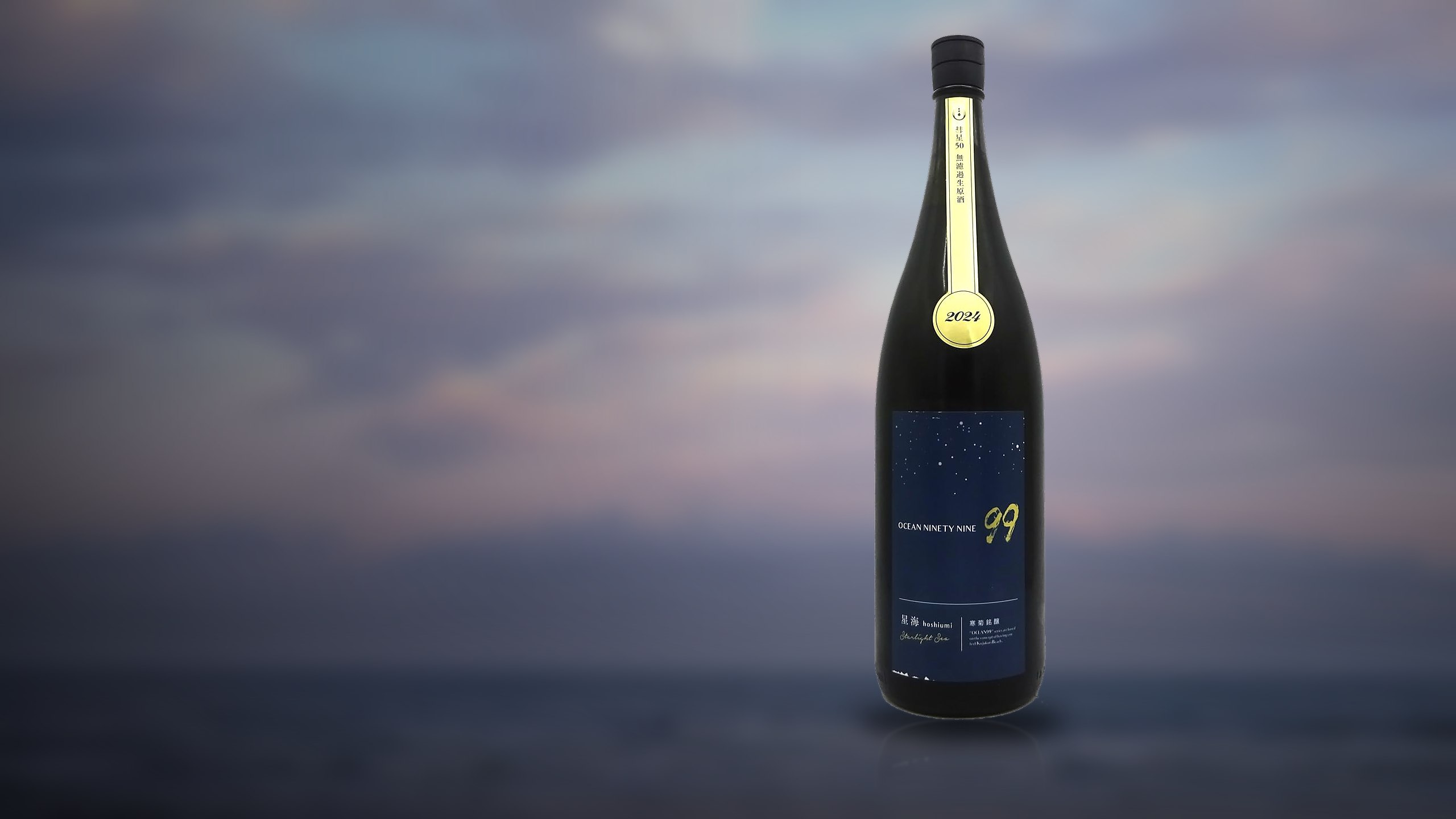
OCEAN99 Hoshiyobi no Umi — Inspired by Kujukuri's ocean. Light and refreshing, with a superb balance of sharp acidity and gentle sweetness that sketches a night sea and starlight in the glass. A summer staple that sells out on release at many shops.
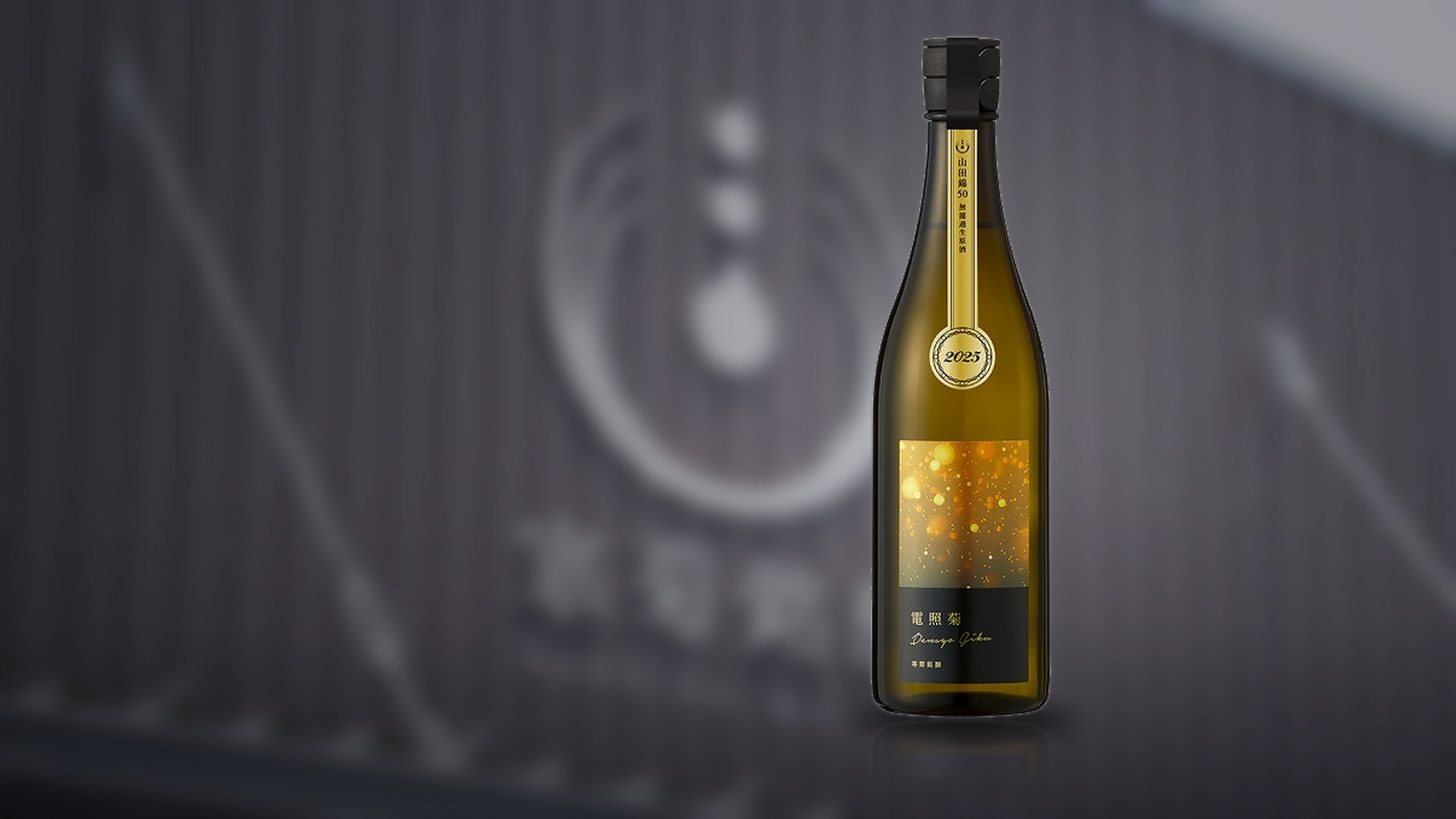
Densho-giku Omachi 50 — The core of the series: Omachi rice polished to 50%. The fusion of powerful umami and fruity ginjo aroma is the "flower blooming at night" made liquid — lush melon and pineapple rising from the glass. Often released as nama, with a vivid contrast of faint spritz and fresh sweet-sour interplay on the first sip.
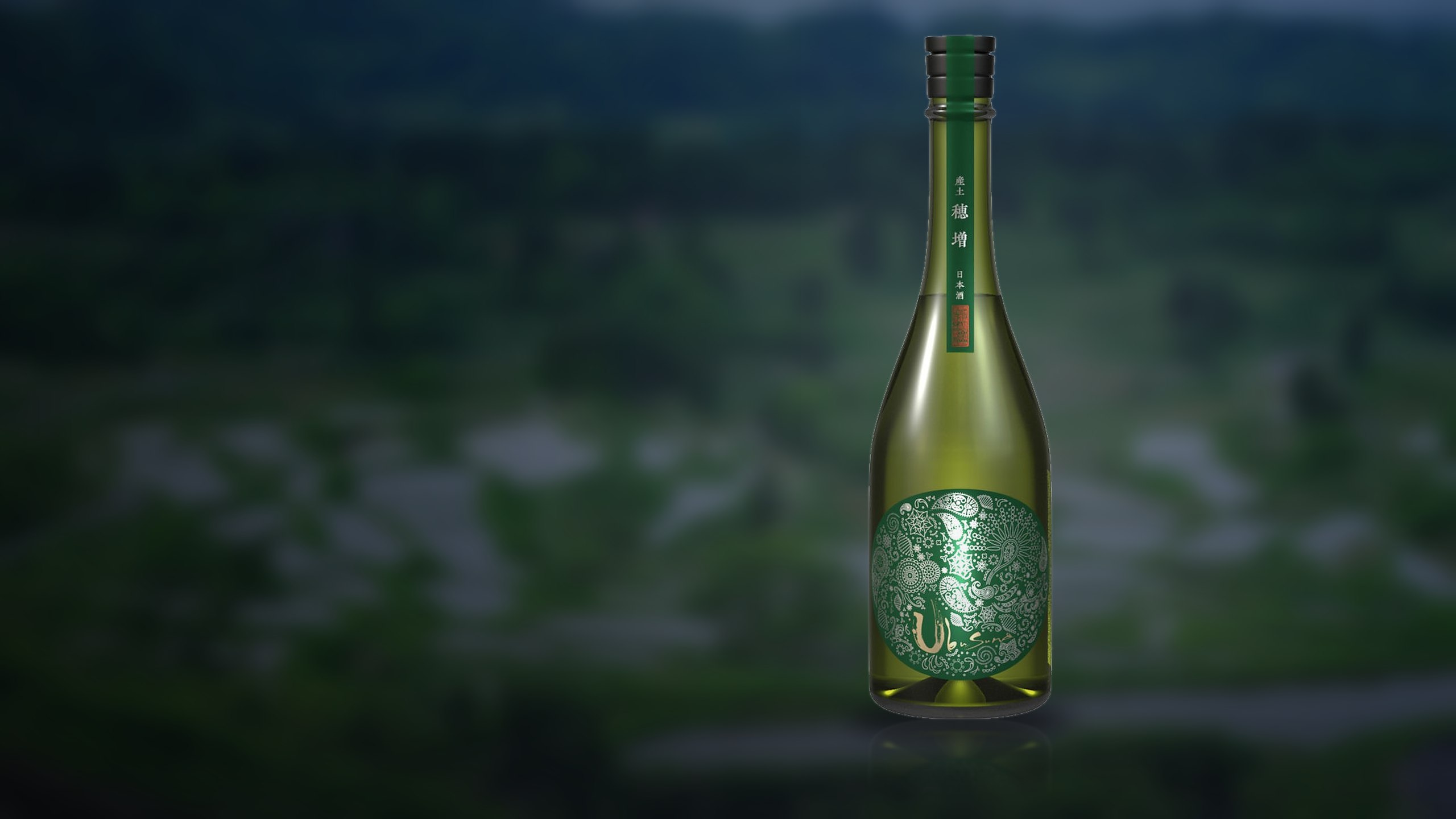
Densho-giku True Red — A limited release using Akaiwa Omachi. Rich and full, yet with a clean finish — the deep strength of Omachi rice displayed through a thoroughly modern transparency.
A sweet entrance, taut acidity, and a startlingly clear finish: this trinity of sweetness, acid, and cut is the design philosophy running through the whole series, reconciling richness with a lightness that never tires the palate. With OCEAN99 reinventing its concept by season and Densho-giku excavating the character of each rice, the two axes interlock — turning Kankiku's portfolio into the pleasure of chasing the next bottle.
Explosive Growth in Korea
Strong SNS virality — the beautiful label designs went viral on Instagram among young Korean sake fans, to the point that "Do you have Kankiku?" has become a regular's greeting at Seoul sake bars. In South Korea, the world's third-largest sake export market by volume, Kankiku's triple threat — fruity, approachable, photogenic — has won it the role of gateway brand for a new generation. Seoul's wine-glass-standard bar scene and Kankiku's aroma-led style are a match made for each other. Local importers report the Densho-giku series selling out the day each shipment lands, and Seoul now hosts fan communities that track "this month's Kankiku" as a fixed ritual.
How to Enjoy
Best at 5-8°C, straight from the fridge, in a wine glass to maximize aromas. Because it is unfiltered nama genshu, the bottle changes with time — the fresh spritz right after opening, the sweeter, more open profile from day two onward — and that evolution is part of the pleasure. Pair with white fish carpaccio, fruit salad, or light cheeses; thanks to its poised sweet-acid balance, it also resonates surprisingly well with tangy dishes like tom yum. Remember that unfiltered nama genshu is still alive in the bottle: keep it refrigerated without fail, and ideally finish it within a week or two of opening. For a first bottle, Densho-giku Omachi 50 is the one to seek out — through the lens of Kankiku, the leading edge of modern sake comes into view within a single glass.
The Kankiku Series Compared — and How to Enjoy Them
Kankiku's appeal lies in telling its signature story — juicy, sweet-umami muroka nama genshu — through a different narrative in each series: the symbolism of Densho-giku, the Kujukuri seascape of OCEAN99. Know the context and every bottle gains resolution.
| Cuvée | Class & Polish | Ref. Price in Japan (720ml) | Character & Serving Temp |
|---|---|---|---|
| Densho-giku (muroka nama genshu) | Junmai Daiginjo, Omachi, 50% | approx. ¥1,900 (2-3x abroad) | The series icon; lustrous sweetness evoking lamplit chrysanthemum fields at night. 8-10C |
| OCEAN99 Nagi -Spring Misty- | Junmai Ginjo, muroka nama genshu | approx. ¥1,700 | Kujukuri's calm spring sea; soft, hazy effervescence. 6-8C |
| OCEAN99 Seikai -Departure- | Junmai Ginjo, muroka nama genshu | approx. ¥1,700 | Bracing summer crispness; chill it well and drink freely. 6-8C |
| True White (winter only) | Junmai Daiginjo, Aiyama, lightly cloudy nama | approx. ¥2,000 | Aiyama's sweetness under fresh-snow lees; a winter gift. 6-8C |
Evolution After Opening (Day 1 → Day 7)
Practical Buying & Storage Advice
Featured Breweries, Specs & Flavor Balance
| Flagship Label | Brewery & Region | Signature Rice & Water | Brewery Profile |
|---|---|---|---|
| Denshogiku | Kankiku Meijo Co., Ltd. (11 Takenosato, Matsuo-machi, Sammu-shi, Chiba 289-1532, Japan) | Chiba Fusanomai, Chiba Fusakogane, Yamada Nishiki, Omachi, Ushuhomare · Kujukuri Plain Subterranean Soft Spring Water from the Ancient Persimmon Tree Well | Brewery Profile |
| Kaika Blossom | Daiichi Sake Brewery Co., Ltd. (488 Tajima-cho, Sano-shi, Tochigi 327-0031, Japan) | Tochigi Yumesasara, Tochigishu 14, Gohyakumangoku, Hyogo Yamada Nishiki · Watarase River System & Izuruhara Benten Pond Aquifer Subterranean Soft Water | Brewery Profile |
| Dassai | Dassai Inc. (Asahi Shuzo Co., Ltd.) (2167-4 Osogoe, Shuto-cho, Iwakuni-shi, Yamaguchi 742-0422, Japan) | Yamada Nishiki (100% Exclusive Use) · Osogoe Natural Subterranean Soft Water (Shuto-cho, Iwakuni) | Brewery Profile |
| Hiroki | Hiroki Shuzo Honten Co., Ltd. (Ko 3574 Shichuniban, Aizubange-machi, Kawanuma-gun, Fukushima 969-6543, Japan) | Yamadanishiki, Gohyakumangoku, Omachi, Fukunoka, Yumenoka · Subsurface snowmelt water from the Mt. Iide range in the Aizu Basin (soft water) | Brewery Profile |
| Senkin | Senkin Co., Ltd. (106 Baba, Sakura-shi, Tochigi 329-1321, Japan) | Domaine Sakura Estate-Grown Rice (Kamenoo, Yamada Nishiki, Omachi) · Kinugawa River System Subterranean Ultra-Soft Water (Domaine Aquifer) | Brewery Profile |
| Kokuryu | Kokuryu Sake Brewing Corporation (1-38 Matsuoka-Kasuga, Eiheiji-cho, Yoshida-gun, Fukui 910-1133, Japan) | Hyogo Tojo Yamada Nishiki, Fukui Sakahomare, Gohyakumangoku, Koshinoshizuku · Mt. Hakusan Range & Kuzuryu River Subterranean Soft Water | Brewery Profile |
| Natsuzake | Zuiyo Co., Ltd. (4-6-67 Kawajiri, Minami-ku, Kumamoto City, Kumamoto 861-4115, Japan) | Gin no Sato, Hananishiki, Yamada Nishiki, Reiho · Deep Subterranean Well Water from the Mt. Aso Watershed | Brewery Profile |
| Akaiwa Omachi | Toshimori Sake Brewery Co., Ltd. (762-1 Nishikarube, Akaiwa-shi, Okayama 701-2215, Japan) | Akaiwa-grown Omachi (Akaiwa Omachi), Yamada Nishiki, and Asahi · Yoshii River and Sasagase River Basin Subterranean Soft Water | Brewery Profile |
One of the most coveted annual releases in Kankiku Meijo's 'Occasional' seasonal series from Sammu, Chiba, Kankiku Denshogiku ('Illuminated Chrysanthemum') is a limited-edition Junmai Daiginjo Muroka Nama-Genshu inspired by greenhouse lights glowing across the night fields. Fermented with soft persimmon-tree spring water and high-grade sake rice, it bursts with juicy orchard fruit, sweet-tart vibrancy, and luminous clarity.
A celebratory seasonal label evoking spring blossoms with bright, uplifting Ginjo aromatics. Brewed by Daiichi Sake Brewery Co., Ltd. in Tochigi using Watarase River System & Izuruhara Benten Pond Aquifer Subterranean Soft Water and Tochigi Yumesasara, Tochigi-shu 14, Gohyakumangoku, and Hyogo Yamada Nishiki, it brings together tangy, yogurt-soda lactic sweetness with memorable poise.
From the mountain valleys of Iwakuni, Yamaguchi, Dassai revolutionized global sake through data-driven precision brewing and ultra-polished Yamada Nishiki rice. Led by the iconic Dassai 23, its opulent aromas of white peach and Poire Williams, silky-smooth mid-palate, and crystalline finish pair effortlessly with fine Edomae sushi and Michelin-starred French cuisine.
Named 'Droplets of Joy Flying Forth,' 9th-generation brewer Kenji Hiroki ignited Japan's unfiltered unpasteurized (muroka nama genshu) boom and propelled Fukushima to national acclaim. Combining polished Yamadanishiki for mid-palate depth and Gohyakumangoku for crisp structure, it delivers fresh lychee and pear aromatics with vibrant acidity that pairs effortlessly with seasonal sashimi and charcoal-grilled yakitori.
Pioneering the 'Domaine' terroir concept in Tochigi using estate-grown Kamenoo, Yamada Nishiki, and Omachi rice irrigated by the same ultra-soft Kinugawa aquifer as its brewing water, Senkin crafts natural sake through 100% kimoto fermentation in cedar vats with minimal rice polishing. Vibrant green apple and muscat tartness intertwines with savory wood-aged minerality, making it an extraordinary match for French seafood dishes, soft bloomy-rind cheeses, and herb-driven appetizers.
Founded in 1804 in Eiheiji, Fukui, Kokuryu pioneered commercial luxury Daiginjo in Japan, uniting soft Kuzuryu River water with prized Tojo Yamada Nishiki and local Sakahomare rice. Legendary bottlings like Ishidaya, Nizaemon, Shizuku, and Hachijuhachigo deliver crystalline elegance that elevates Echizen snow crab and haute kaiseki.
A crisp, refreshing summer release crafted to be served well-chilled with bright acidity and a brisk finish.
A terroir-driven flagship brewed exclusively with 100% contract-grown Akaiwa Omachi from the grain's native soil, delivering monumental structure and velvet rice depth. Supported by Yoshii River and Sasagase River Basin Subterranean Soft Water, it layers versatile, cuisine-elevating table-sake poise, savory, resonant rice umami, harmonious balance of umami, acidity, and finish to reflect the unmistakable terroir of Okayama.
Recommended Pairing
Weekly Sake & Tasting Dispatch
Curated seasonal releases, sub-zero arrivals, and tasting city guides across global editions.