Kankiku Seijitsu — A Junmai Daiginjo That Shines Like the Sun
Brewery Story

Kankiku Seijitsu — A Junmai Daiginjo That Shines Like the Sun

2026-02-096min readSakeStream
Back
EXECUTIVE SUMMARY & KEY TAKEAWAYS

The pinnacle bottle from Kankiku Meijo—"Seijitsu." Yamada Nishiki polished to 35% and drip-pressed for transparency and elegance reminiscent of Kujukuri's clear skies.

Key Sections in This Report:

1. What is Seijitsu? — The Shining Flagship at the Summit of Kankiku Meijo

①

A Junmai Daiginjo Reflecting Sunlight on Kujukuri’s Clear Waters

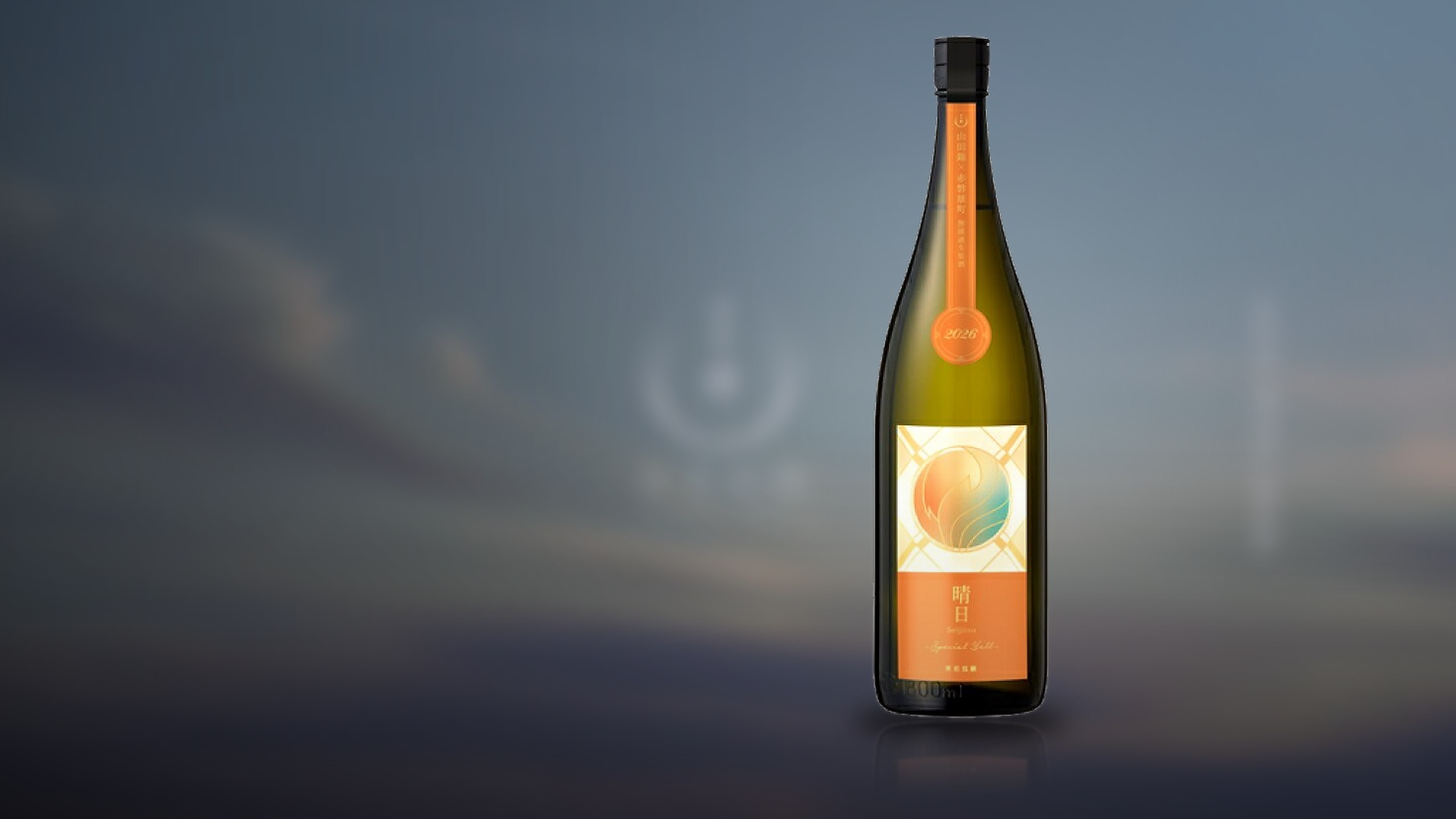
Positioned at the pinnacle of Kankiku Meijo's lineup, "Seijitsu" (晴日) takes its name from the brilliant sunlight pouring over Kujukuri Beach where the brewery stands. Like the ocean surface glittering under a cloudless sky, its crystal transparency reflecting light in the glass defines the essence of this sake.

Seijitsu occupies a singular place in Kankiku’s portfolio, described by kuramoto Kenichi Sase as "the bottle into which I have poured every ideal I hold as a brewer."

Label & Classification
Kankiku Seijitsu Junmai Daiginjo Shizuku-dori Muroka Namagenshu
Rice & Polish Ratio
Special Grade Hyogo Yamada Nishiki (polished to 35%)
Water & Fermentation
Kujukuri coastal subterranean medium-soft water / Ultra-low-temperature fermentation over ~40 days
Pressing Method
Shizuku-dori (gravity drip-pressing from suspended cloth bags with zero mechanical pressure)
ABV & Serving Temp
15% ABV (undiluted genshu) / 8–12°C (Burgundy wine glass recommended)
Annual Production & 720ml Price
~2,000 bottles annually / ¥4,950–¥6,600 in Japan (Seoul restaurant service ~₩150,000–₩210,000)
"I want to create sake as clear as the sea on a sunny day. That is Seijitsu's origin." — Kenichi Sase

2. Brewing Craftsmanship & Tasting Profile

②

35%-Polished Yamada Nishiki × 40-Day Ultra-Cold Fermentation × Gravity Drip Pressing

Crafted from top-grade Yamada Nishiki polished down to 35%, Seijitsu is fermented at even lower temperatures than regular Kankiku releases over roughly 40 days. This slow, ultra-cold fermentation unlocks multi-layered aromatics of pineapple, passion fruit, and white peach.

For pressing, the brewery employs the laborious shizuku-dori method—filling cloth bags with fermented mash, suspending them, and collecting only the drops that fall naturally under gravity. Free from any mechanical pressure, the resulting liquid achieves weightless, friction-free purity.

Comparison Across Kankiku LinesGrade & Polish RatioPressing & FinishingDefining Textural & Aromatic DistinctionAnnual Production
OCEAN99 SeriesJunmai Ginjo to Daiginjo (50–55%)Middle-run Nakadori Muroka NamaBrisk coastal freshness & approachable fruit vibrancySeasonal (several thousand bottles)
Densho-giku (Occasional)Junmai Daiginjo (50%)Muroka NamagenshuExplosive tropical juiciness & lively micro-fizzOnce-a-year limited release
Seijitsu (Flagship)Junmai Daiginjo (Yamada Nishiki 35%)Gravity Drip-Pressed (*Shizuku-dori*)Frictionless silk texture & a 30-second lingering finish~2,000 bottles annually
③

Four-Dimensional Tasting Notes

Aroma
First impression is gorgeous pineapple and white peach; swirling the Burgundy glass reveals delicate nuances of vanilla bean and lychee.
Palate
Lush and juicy yet remarkably poised. Tropical fruit sweetness blooms on entry before refined malic acidity tightens the mid-palate.
Finish
Exceptionally long and luminous, with orchard fruit echoes lingering cleanly after swallowing.
Temperature
8–12°C. Serving in a wide-bowled Burgundy wine glass maximizes its aromatic complexity.

3. Gastronomic Pairings, Storage Care & Rarity

④

From Raw Oysters to Foie Gras Terrine

Seijitsu's tropical aromatics and crystalline palate pair sublimely with raw oysters, where rich marine brininess meets bright ginjo acidity. It also creates unforgettable harmonies with pan-seared white fish, foie gras terrine, and fruit-driven desserts featuring mango or passion fruit.

⑤

Storage Guidelines, Shelf Window & Competition Acclaim

Because Seijitsu is an unpasteurized live sake (namazake), strict refrigeration (ideally -5°C to 0°C, shielded from UV light at the back of the fridge) is essential. Once opened, it is best enjoyed within 2 to 3 days—though many sommeliers note that resting the bottle for 24 hours after opening allows the texture to round out even further.

Celebrated in the Junmai Daiginjo category at SAKE COMPETITION, where judges praised its "seamless union of crystal clarity and complexity" and "remarkable length of finish," Seijitsu sells out immediately upon its February–March release each year.

1,215 Breweries · 2,891 Labels · Neutral Archive
Linked from 1,215 Breweries · 2,891 Labels · 8,673 Reviews

Featured Breweries, Specs & Flavor Balance

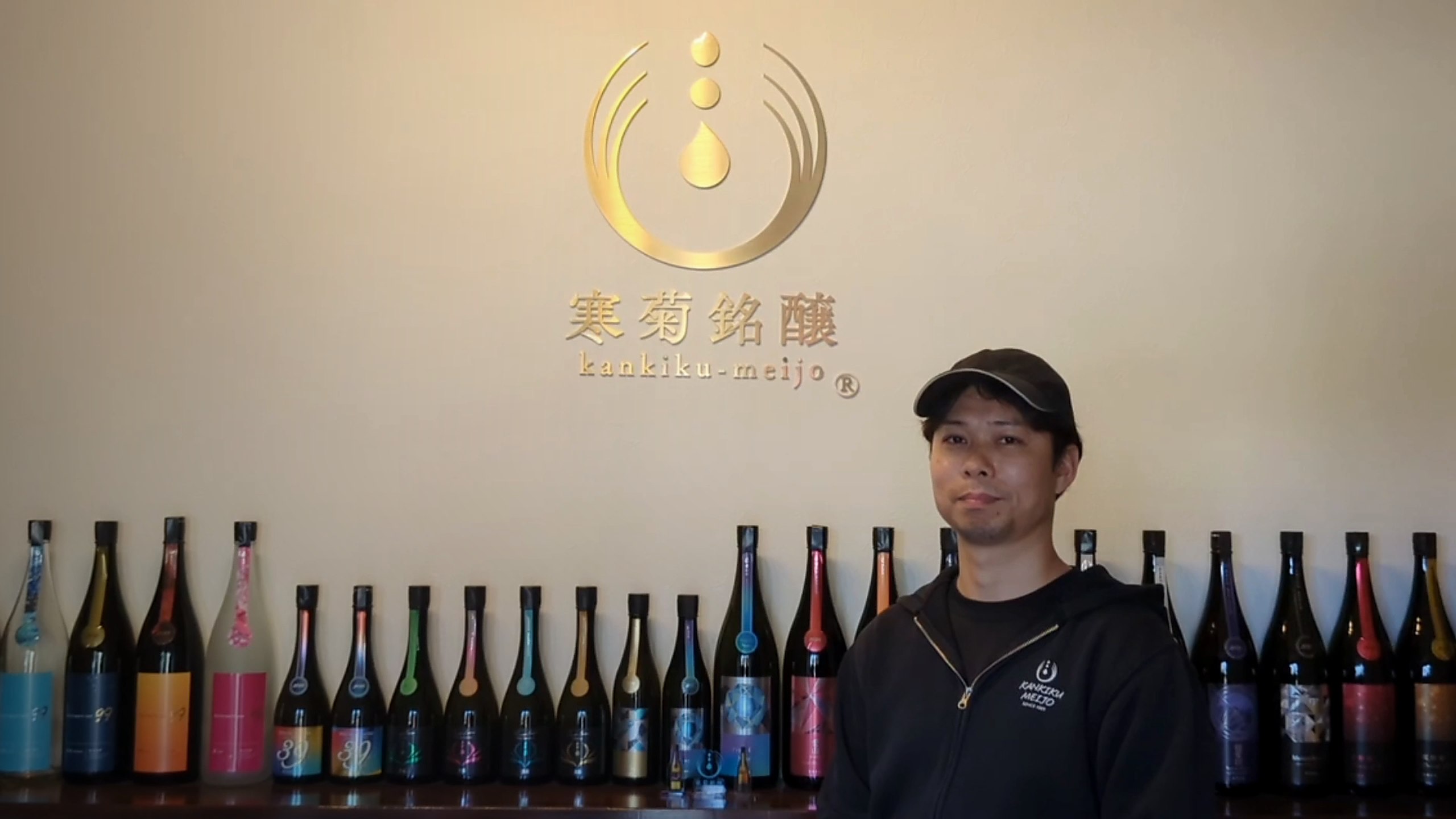
11 Takenosato, Matsuo-machi, Sammu-shi, Chiba 289-1532, Japan · Kankiku Meijo Co., Ltd. (Est. 1883)
Fusanokankikuガス甘味ジューシー
Kujukuri Plain Subterranean Soft Spring Water from the Ancient Persimmon Tree Well Chiba Fusanomai, Chiba Fusakogane, Yamada Nishiki, Omachi, Ushuhomare Kyokai Yeasts (No. 1801, No. 901, and Custom-Selected Strains)

Brewed near Chiba's Kujukuri Coast since 1883, Fusa no Kankiku harnesses soft coastal subterranean water to create ultra-fresh, expressive unpasteurized sake. Celebrated for its seasonal 'OCEAN99' and 'Denshogiku' Discovery series, it delivers lively micro-effervescence, translucent melon-like sweetness, and afeather-light finish that pairs wonderfully with fresh Pacific sashimi, acqua pazza, and grilled poultry.

Flavor Balance (1–5 Rice Grains)Shows which flavor direction the balance leans toward (1 to 5 rice grains), never a quality rank or score.
Serving & Glassware:Recommended Temperature: 10–13°C (Chilled / Hanabie to Suzubie) / Recommended Glassware: Thin-rimmed, medium-bowled white wine glass (such as Riedel O Daiginjo). Avoid over-chilling below 6°C so the delicate esters are not muted. Upon pouring, experience crystalline purity from Kujukuri Plain Subterranean Soft Spring Water from the Ancient Persimmon Tree Well and lifted orchard-fruit aromatics; after 15 minutes as the glass warms to 14°C, silky Chiba Fusanomai, Chiba Fusakogane, Yamada Nishiki, Omachi, Ushuhomare mid-palate umami opens gracefully.
Global Gastronomy Pairings
• Scalded-skin Katsuura golden eye snapper sashimi and sake-steamed Kujukuri wild clams
• Dry-aged Korean wild sea bream hoe and chilled king prawn salad (daeha-naengchae) in pine-nut sauce
• Poached lobster tail and white asparagus warm salad with yuzu-infused citrus hollandaise
“Kankiku's Denshogiku and OCEAN99 series epitomize Chiba's modern sake renaissance. Lively spritz on the tongue meets lychee and white-peach juiciness, while the lower-ABV featherlight body makes it dangerously drinkable.”
Domestic Review · SAKETIME / 国内口コミ千葉地酒アンバサダー
“Immense popularity among younger sake drinkers in Taipei and Seoul. Its coastal-inspired labels and bright, tropical aromatics served chilled in wine glasses make it a showstopper alongside grilled shellfish.”
Global Sommelier · Vivino / Overseas Craft Sake ReviewDerek L., Taipei
“Picked up Kankiku Haruhi and Denshogiku today! The balance of juicy stone-fruit sweetness and zippy effervescence on the first sip is pure genius—unbeatable quality-to-price ratio in modern Junmai Daiginjo.”
SNS Buzz · X (Twitter) / Instagram@kankiku_lover
1-17 Sakuragaoka, Kitakata-shi, Fukushima 966-0802, Japan · Minenoyuki Sake Brewery Co., Ltd. (Est. 1942)
Minenoyukiバナナ渋み苦味
Mt. Iide subterranean snowmelt water in Kitakata (soft water) Kitakata-grown Gohyakumangoku, Yumenoka, Fukunoka, Yamadanishiki Utsukushima Yume Yeast (F7-01), Utsukushima Kirameki Yeast, Kyokai No. 1801

Named after the snow-capped peaks of Mt. Iide, this classic Kitakata label offers soft, approachable umami and a refreshing finish. Brewed by Minenoyuki Sake Brewery Co., Ltd. in Fukushima using Mt. Iide subterranean snowmelt water in Kitakata (soft water) and Kitakata-grown Gohyakumangoku, Yumenoka, Fukunoka, Yamadanishiki, it brings together ripe banana ester aromatics, pleasant, palate-framing tannic grip, subtle, refreshing herbal bitterness on the finish with memorable poise.

Flavor Balance (1–5 Rice Grains)Shows which flavor direction the balance leans toward (1 to 5 rice grains), never a quality rank or score.
Serving & Glassware:Recommended Temperature: 13–16°C (Cool Cellar) & 40–48°C (Nurukan to Jokan Warmth) / Recommended Glassware: Medium Burgundy bowl or artisanal Mino/Bizen ceramic guinomi (warmed via tin chirori in a water bath). Starting at 13°C allows Mt. Iide subterranean snowmelt water in Kitakata (soft water) and Kitakata-grown Gohyakumangoku, Yumenoka, Fukunoka, Yamadanishiki to express generous grain umami without astringency; warming to 42–45°C unlocks plush savory depth ideal for grilled Wagyu and rich dashis.
Global Gastronomy Pairings
• Charcoal-seared Aizu heritage chicken and rich Fukushima monkfish dobujiru liver-miso stew
• Charcoal-grilled Hanwoo 1++ striploin with truffle salt and pickled mountain garlic leaf (myeongi-namul)
• Roasted Bresse poularde with porcini mushroom & cultured butter jus alongside 18-month Comté
“Tasted 'Minenoyuki' by Minenoyuki Sake Brewery Co., Ltd.: opening with the pure touch of Mt. Iide subterranean snowmelt water in Kitakata (soft water), it reveals savory layers from Kitakata-grown Gohyakumangoku, Yumenoka, Fukunoka, Yamadanishiki and ripe banana ester aromatics, pleasant, palate-framing tannic grip, subtle, refreshing herbal bitterness on the finish before finishing with crisp precision.”
Domestic Review · SAKETIME / 国内口コミ全国新酒・銘酒レビュー
“Highly rated on global sake platforms for its poised structure shaped by Mt. Iide subterranean snowmelt water in Kitakata (soft water) in Fukushima, offering ripe banana ester aromatics, pleasant, palate-framing tannic grip, subtle, refreshing herbal bitterness on the finish that pairs seamlessly with sushi, sashimi, and contemporary cuisine.”
Global Sommelier · Vivino / Global SakeGlobal Sake Sommelier
“Loved on X and Instagram for its dynamic temperature evolution—showing crisp mineral clarity when chilled and generous Kitakata-grown Gohyakumangoku, Yumenoka, Fukunoka, Yamadanishiki umami as it warms.”
SNS Buzz · X (Twitter) / Instagram@sake_pairing_lab

Recommended Pairing

Fresh Raw Oysters
Ocean brilliance duet
Foie Gras Terrine & Pan-Seared White Fish
Gravity-drip acidity elevates rich culinary textures
Ripe Mango & Passion Fruit Tart
Tropical harmony
SakeStream
A neutral global sake editorial archive and database documenting 1,215 breweries, 2,891 labels, brewing water & rice provenance, and 8,673 verified tasting records without proprietary ranking tiers.
Weekly Sake Dispatch

Weekly Sake & Tasting Dispatch

Curated seasonal releases, sub-zero arrivals, and tasting city guides across global editions.
ArticlesBreweries