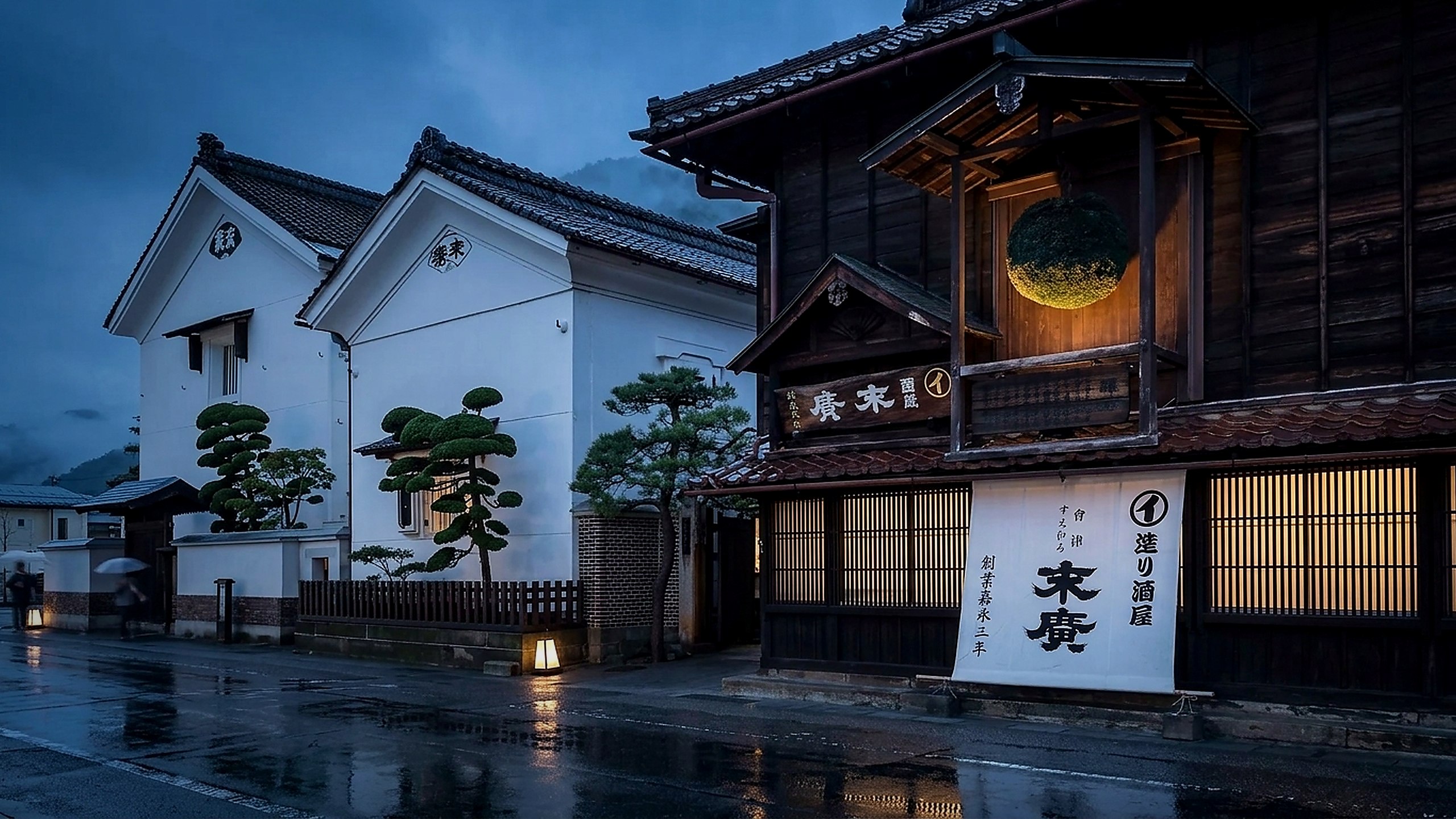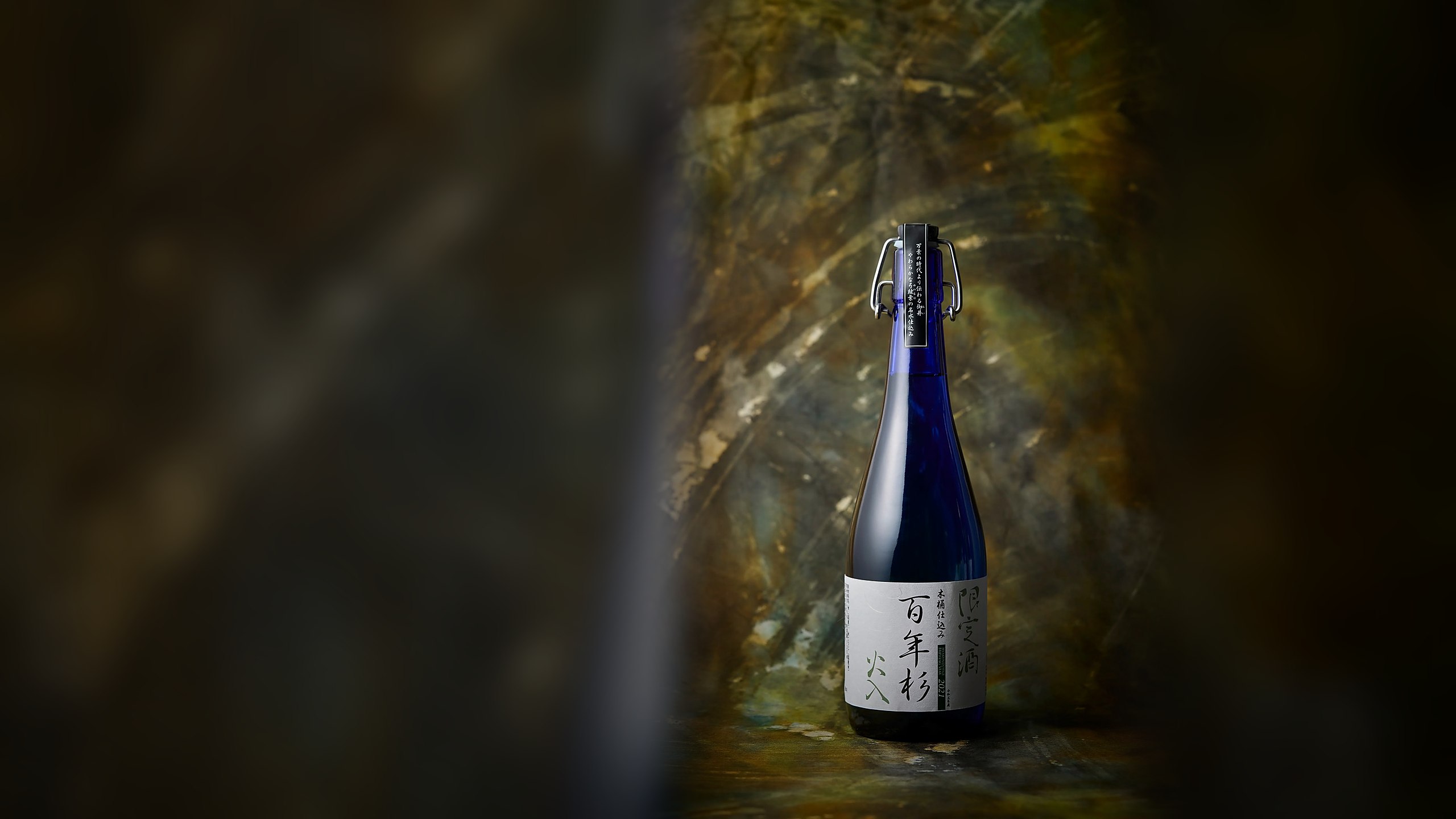
In Nagomi-machi, Kumamoto Prefecture, Hananoka Shuzo crafts "Ubusuna"—a revolutionary terroir sake uniting Aso volcanic subterranean water, mycorrhizal natural farming, and wooden-vat kimoto brewing.
1. The Philosophy of "Ubusuna" — The Awakening of Kiyotaka Kanda at Hananoka Shuzo
A 1902 Kumamoto Brewery’s Vision of Brewing in Symbiosis with the Earth
"Ubusuna" (産土) is an ancient Japanese word signifying both one’s native land and the guardian deity of that birthplace. Founded in 1902 (Meiji 35) in Nagomi-machi, Tamana District, Kumamoto Prefecture, Hananoka Shuzo sent shockwaves through the sake world in 2021 when sixth-generation owner Kiyotaka Kanda launched the Ubusuna brand.
Kanda’s ambition was never merely to craft another "delicious regional sake." Rather, his mission is to encapsulate the entire ecosystem (terroir) of the Kikuchi River Basin—its volcanic water system, soil microbes, and heirloom rice—into a single bottle, while regenerating rural biodiversity and water resources through integrated farming and brewing.
"We are not brewing rice alone. The waters of the Kikuchi River basin, the mycorrhizal fungi in the soil, the countless living creatures in the paddies—all of them resonate together to become Ubusuna." — Kiyotaka Kanda (6th-Generation Owner, Hananoka Shuzo)
2. The Kikuchi River Watershed & Mycorrhizal Fungi Terroir
Subterranean Water from the Aso Caldera & 2,000 Years of Rice Heritage
Nagomi-machi lies in the Kikuchi River basin, fed by pristine headwaters from the outer rim of Mt. Aso flowing toward the Ariake Sea. Filtered over decades through Aso volcanic ash soil and layers of andesite and granite, the subterranean water is exceptionally soft, fostering delicate, fine-grained fermentation. Recognized as a Japan Heritage site with over 2,000 years of continuous rice cultivation since the Yayoi period, this basin was celebrated throughout the Edo era as the sacred home of Higo rice—"the finest rice under heaven."
Symbiosis with Mycorrhizal Fungi Through Natural Farming
The single most important key to understanding Ubusuna’s terroir is its symbiosis with mycorrhizal fungi (*kinkonkin*) in the soil. In conventional paddies treated with chemical fertilizers and pesticides, rice plants absorb surface nutrients passively and develop shallow roots. By contrast, rice grown via pesticide-free, fertilizer-free natural farming forms a symbiotic network with soil-dwelling mycorrhizal fungi, driving its roots deep into the earth to draw up trace minerals and vitality.
This vital, mycorrhiza-nourished rice is the secret behind how Ubusuna achieves such extraordinary three-dimensional umami and surging mineral depth despite being a light 13% ABV undiluted genshu.
| The 7 Pillars of Ubusuna | Return-to-Nature Approach | Impact on Sake Quality & Terroir |
|---|---|---|
| ① Kikuchi River Subterranean Water | Soft volcanic spring water filtered from Mt. Aso’s outer rim | Silk-smooth entry and crystalline purity |
| ② Mycorrhizal Symbiosis (Natural Farming) | Zero pesticides or fertilizers force roots deep into mineral layers | Concentrated earth minerality and vital energy |
| ③ Revival of Edo Higo Heirloom Rice | Resurrecting near-extinct Homase & Kabashiko from seed | Wild, savory depth impossible with modern hybrids |
| ④ Traditional *Kimoto* Starter | Harnessing indigenous brewery lactic acid bacteria | Three-dimensional malic, succinic, and lactic acidity |
| ⑤ Cedar Wooden-Vat (*Kioke*) Brewing | Fermentation in century-old Yoshino cedar vats | Subtle micro-oxygenation and layered complexity |
| ⑥ 13% ABV Genshu & Natural Fizz | Undiluted low-ABV fermentation trapping natural CO₂ in bottle | Champagne-like vibrancy and effortless drinkability |
| ⑦ Undisclosed Polish Ratio | Rejecting the modern obsession with low polishing numbers | Pure focus on provenance, soil vitality, and rice character |
3. The Paradox of Wooden-Vat Kimoto & Kumamoto Gastronomic Pairings
Why the Most Ancient Methods Yield the Most Modern, Vibrant Sake
Mention "kimoto starter" and "wooden-vat fermentation," and most drinkers picture a heavy, rustic, classic sake. Yet pouring Ubusuna into a wine glass releases bright aromas of Shine Muscat, Japanese pear, and white blossoms, accompanied by pinpoint natural effervescence and a poised, yogurt-and-citrus acid line.
This is the captivating paradox of Ubusuna: pursuing the most ancient agricultural and brewing methods (heirloom seed, natural farming, kimoto, wooden vats) yields the most contemporary, vibrant 13% ABV gastronomy sake—explaining why sommeliers across Japan and top chefs in Seoul clamor for every allocation.
Sublime Same-Terroir Pairings with Kumamoto Cuisine
When paired with ingredients raised on the same Aso, Amakusa, and Ariake waters and pastures, Ubusuna creates a true "same-birthplace" marriage. Its structured acidity and natural micro-bubbles slice cleanly through the savory fat of roasted Kumamoto Akaushi (Red Wagyu) or prized Kumamoto Basashi (marbled horse sashimi & mane), while elevating the delicate sweetness of Amakusa Kuruma Prawn and seasonal white fish sashimi.
Featured Breweries, Specs & Flavor Balance
Created in Nagomi, Kumamoto by Kiyotaka Kanda of Hananoka Shuzo to embody 'earth, native ecosystem, and ancestral regenerative agriculture,' Ubusuna stands at the absolute pinnacle of contemporary craft sake. Brewed with pesticide-free local Yamada Nishiki and revived Edo-era heirloom rices (Homase and Kabashiko) using kimoto and wooden vats, its Champagne-like pinpoint mousse and electric orchard-and-yuzu complexity transfix fine-dining tables worldwide.
Recommended Pairing
Weekly Sake & Tasting Dispatch
Curated seasonal releases, sub-zero arrivals, and tasting city guides across global editions.