Why sake needs no malting or crushed fruit: inside the enzymatic arsenal of Aspergillus oryzae—amylases for sweetness, proteases for umami—and how Koji style shapes Daiginjo vs. aged Junmai.
Inside the Microbial Engine of Multiple Parallel Fermentation
Unlike grape wine (single fermentation) or beer (sequential mashing then fermentation), UNESCO-recognized traditional sake relies on multiple parallel fermentation—where Aspergillus oryzae (Koji) enzymes continuously convert rice starch into fermentable sugars inside the exact same tank where yeast transforms sugar into alcohol and esters.
The Three Master Enzymes of Koji
| Enzyme | Biochemical Target | Sensory Signature in the Glass |
|---|---|---|
| Alpha-Amylase | Cleaves long amylopectin starch into dextrins | Controls mash viscosity, texture, and mid-palate weight |
| Glucoamylase | Snips individual glucose molecules from dextrins | Fuels yeast fermentation & governs residual sweetness |
| Acid Protease & Carboxypeptidase | Breaks rice proteins into amino acids & peptides | Creates savory umami depth (excess causes heaviness) |
Tsukihaze vs. Sohaze: Why Koji Coverage Dictates Sake Style
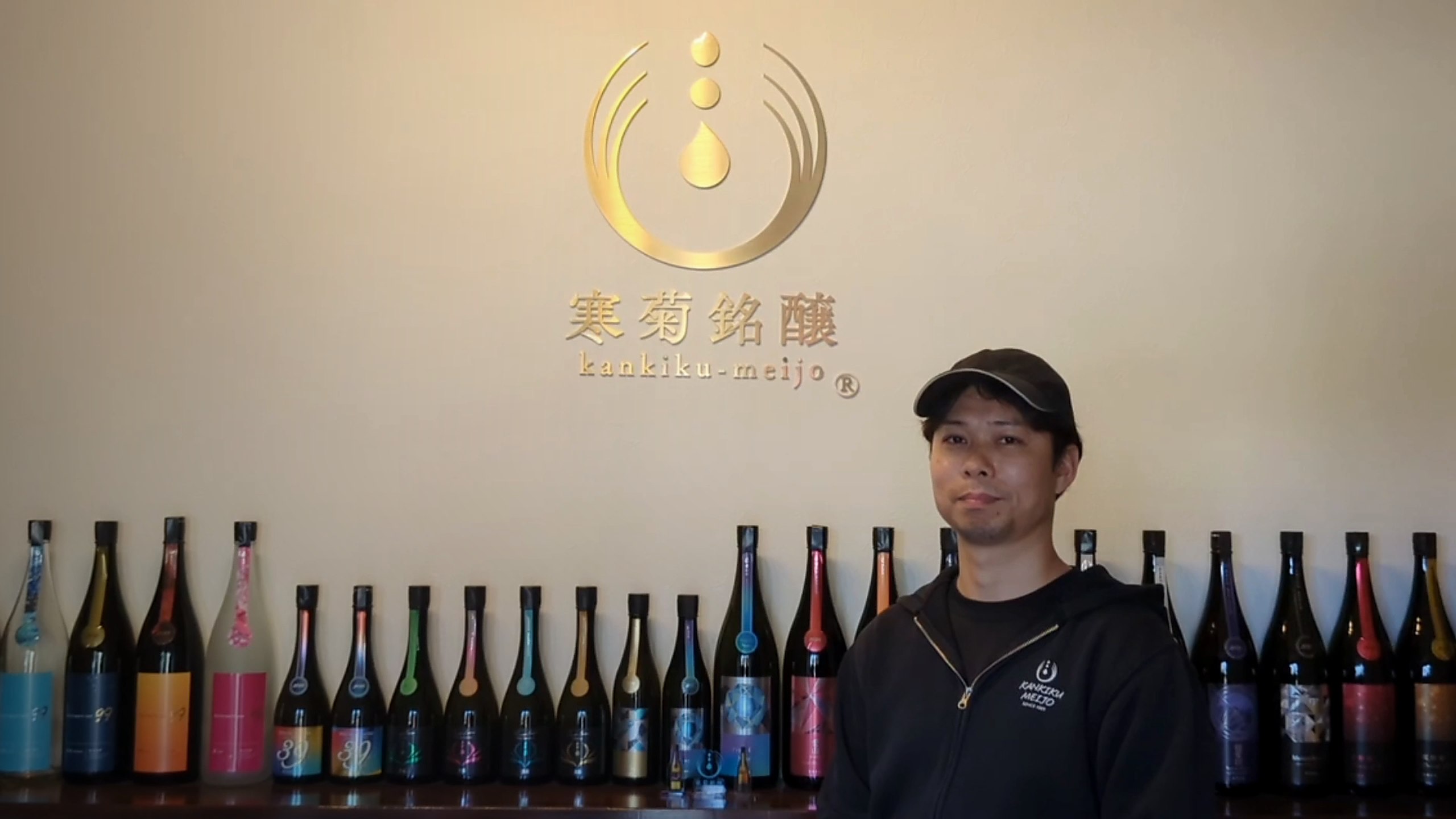
To craft crystalline Ginjo and Daiginjo like Kankiku Seijitsu or Kokuryu, Koji makers steer temperature and humidity over 48 hours for Tsukihaze—focal fungal penetration into the starchy core while avoiding excess outer protein breakdown. For savory Kimoto and warming Junmai, Sohaze envelops each grain fully to unlock rich amino-acid complexity.
Recommended Pairing
Weekly Sake & Tasting Dispatch
Curated seasonal releases, sub-zero arrivals, and tasting city guides across global editions.