Practical travel guide for South Korean and international visitors planning sake brewery tours in Japan: exact 2-liter (US$400) Korea customs rules, Tokyo/Chiba/Kyoto visits, cold-pack checked luggage tips, and tour booking.
Planning a Sake Brewery & Bottle-Shop Trip to Japan in 2026
As sake culture thrives across Seoul, Busan, Taipei, and global hubs, more travelers are building Japanese itineraries around authorized bottle shops and working sake breweries near Tokyo (such as Chiba and Tochigi) and Kyoto (Fushimi). Knowing both how breweries welcome visitors and how customs allowances work makes every trip smoother.
Mastering South Korea’s 2-Liter / US$400 Duty-Free Rule (And Smart Bottle Math)
Following South Korea’s updated customs framework removing the old 2-bottle cap in favor of total volume up to 2 liters (2,000 ml) AND total value up to US$400, travelers can optimize combinations far more creatively (always confirm live customs rules before departure and declare any excess):
| Travel Strategy | Bottle Combination | Total Volume | Why Travelers Love It |
|---|---|---|---|
| 2 Standard + 1 Craft | 720 ml × 2 + 500 ml × 1 | 1,940 ml | Pairs two flagship Junmai Ginjo bottles with a 500 ml botanical craft sake |
| Multi-Region Mini Flight | 300 ml × 6 bottles | 1,800 ml | Sample six regional breweries across prefectures within one 2L allowance |
| Domestic 1.8L Classic | 1,800 ml (*Isshobin*) × 1 | 1,800 ml | Brings home authentic local-market Isshobin formats rarely exported |
| Single Celebration Bottle | 720 ml × 1 (< US$400) | 720 ml | Ideal when focusing the dollar allowance on a milestone gift cuvée |
Practical Checked-Luggage Tips for Fresh & Chilled Bottles
Featured Breweries, Specs & Flavor Balance
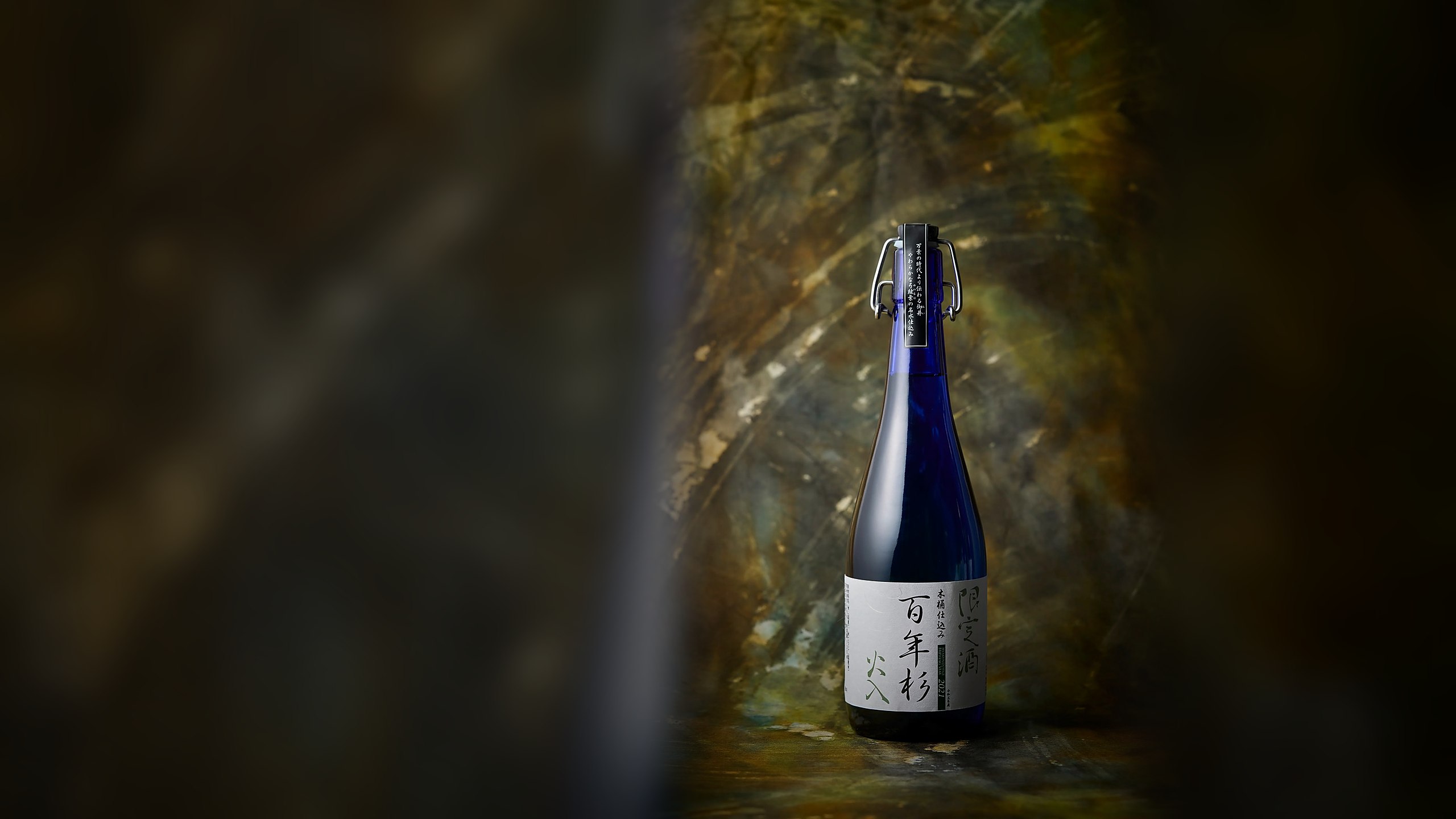
Crafted by Haneda Shuzo—founded in 1893 in the Kitayama cedar highlands of Keihoku, deep in northern Kyoto City—this namesake specialty label showcases mountain winter brewing at its finest. Using medium-hard subterranean water from the upper Katsura River headwaters and Kyoto-grown Iwai and Kyo no Kagayaki rice alongside Miyamanishiki, it offers cool green-apple and ramune aromatics, vibrant rice umami, and a crisp, dry finish. Pair it with salt-grilled Katsura River sweetfish, Kyoto vegetable tempura, or yudofu.
Founded during the Meiwa era (1764) in Echizen City (formerly Takefu), the ancient provincial capital of Echizen in Fukui Prefecture, Katayama Shuzo named its flagship Kansai out of a bold ambition to brew the finest sake west of the Hakone barrier. Using soft Hino River subterranean water and Fukui-grown Gohyakumangoku and Yamada Nishiki rice, every batch is gently pressed in a traditional fune box press, producing vibrant, full-bodied genshu and unpasteurized releases that pair wonderfully with Takefu grated-daikon Echizen soba, Echizen snow crab, and seasonal Hokuriku seafood.
Recommended Pairing
Weekly Sake & Tasting Dispatch
Curated seasonal releases, sub-zero arrivals, and tasting city guides across global editions.