The ultimate collaboration between Kankiku Meijo and Koyama (Koyama Shoten)—the 2026 PB edition of Seijitsu. Inside the -5°C sub-zero cold chain connecting March pressing in Chiba to April’s Korea debut and November 4’s sold-out Vol.2 tasting.
1. From Spring to Autumn 2026: The Historic Bottle That Moved Both Japan and Korea
From Instant Sellout in Tokyo (March) to Seoul’s Debut (April) and the Triumph of Vol.2 (November)
The 2026 edition of the private brand "Seijitsu"—a collaboration between Kankiku Meijo and Koyama (Koyama Shoten)—sold out on the day of its March 2026 release in Japan before making its landmark Korean debut in April 2026 at the inaugural Seoul Sake Tasting to overwhelming acclaim.
| 2026 Milestone | Venue & Phase | Defining Outcome |
|---|---|---|
| February 2026 | Kankiku Meijo (Sanmu, Chiba) | Takeshi Koyama tastes all fermenting tanks and selects the "Best-Ever" 2026 PB tank |
| March 2026 | Koyama Shoten (Tama, Tokyo) | Seijitsu Koyama PB 2026 releases in Japan; sells out immediately to morning queues |
| April 2026 | Seoul, Korea (1st Tasting Event) | Arrives via -5°C reefer cold chain; hailed by Seoul’s top sommeliers and chefs |
| November 4, 2026 | Asoto (朝人), Seoul | Momentum culminated at the sold-out 2nd Seoul Sake Tasting (Gensai, Tabika Koyama PB, Ki-oku) |
2. Kankiku Meijo × Koyama Shoten — Where Brewing Revolution Meets Master Curation
Kujukuri’s Innovator Meets Tama’s Legendary Sake Sanctum
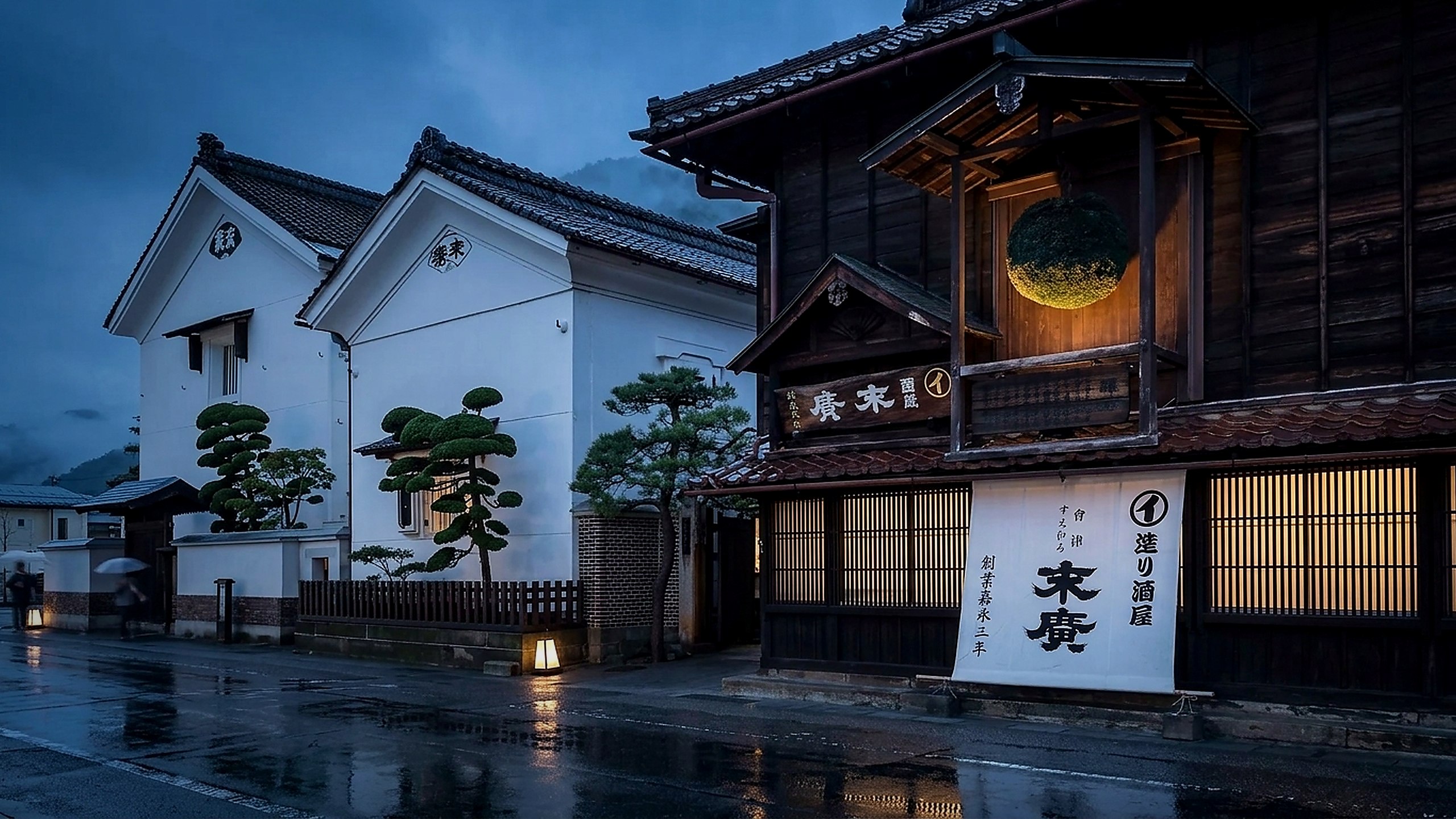
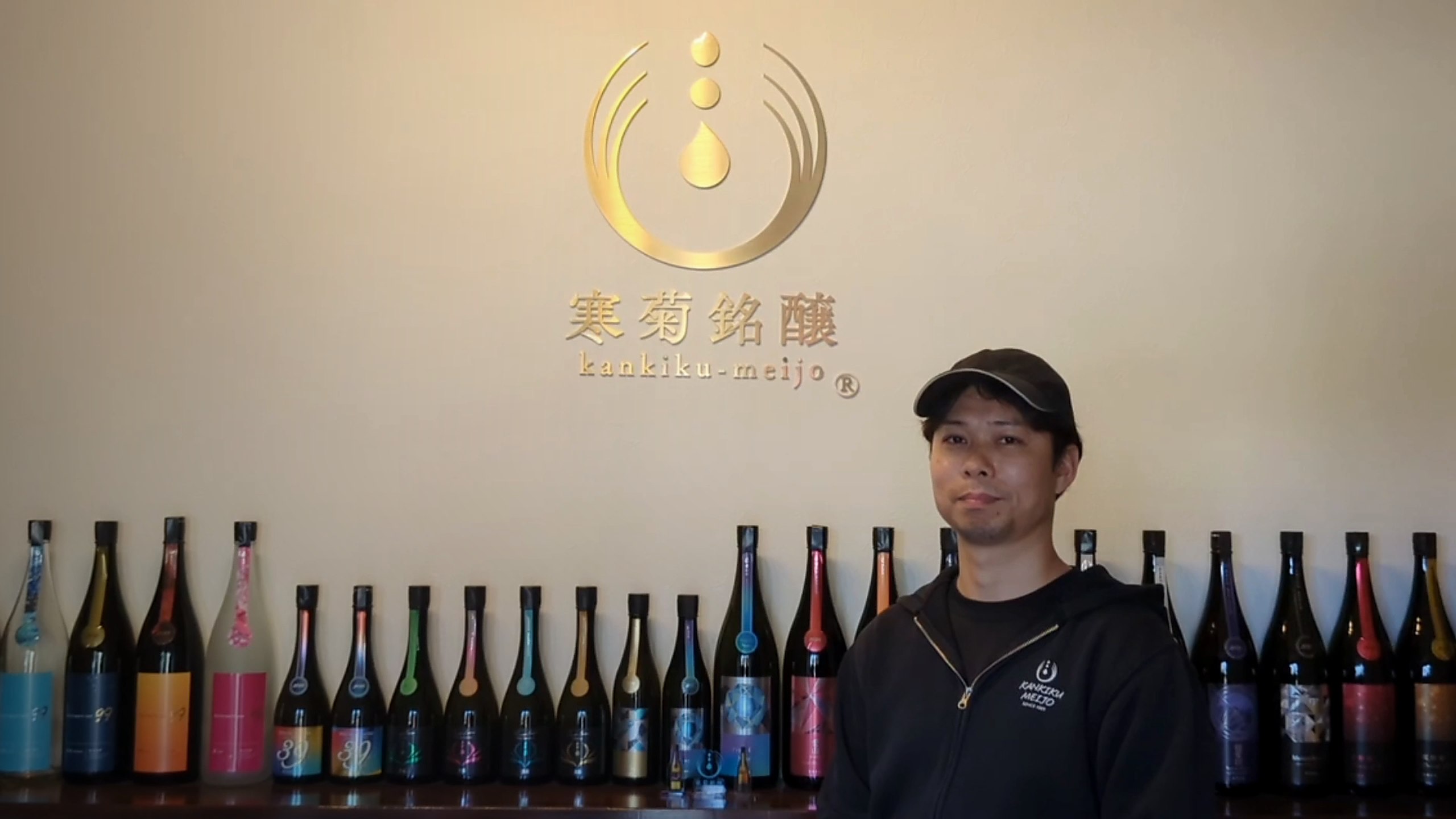
Based near Kujukuri Beach in Sanmu City, Chiba Prefecture, Kankiku Meijo (founded 1883) was boldly reinvented in 2019 by young kuramoto Kenichi Sase. Through the OCEAN99 and Densho-giku series, Kankiku overturned conventional sake imagery while earning consecutive Gold Awards at the National New Sake Competition.
Meanwhile, in Tama City, Tokyo, Koyama (Koyama Shoten) stands as the legendary retailer trusted by Japan’s pinnacle breweries—including Juyondai, Jikon, Hiroki, Aramasa, Senkin, and Ubusuna—for its uncompromising -5°C sub-zero cellar management.
"I only stock sake I've tasted and found delicious. That's been my rule for 50 years." — Takeshi Koyama (Owner, Koyama)
3. The 2026 PB Innovation — "Best of the Best" & Korea’s Spring Euphoria
Four Pillars United in One Miraculous Tank
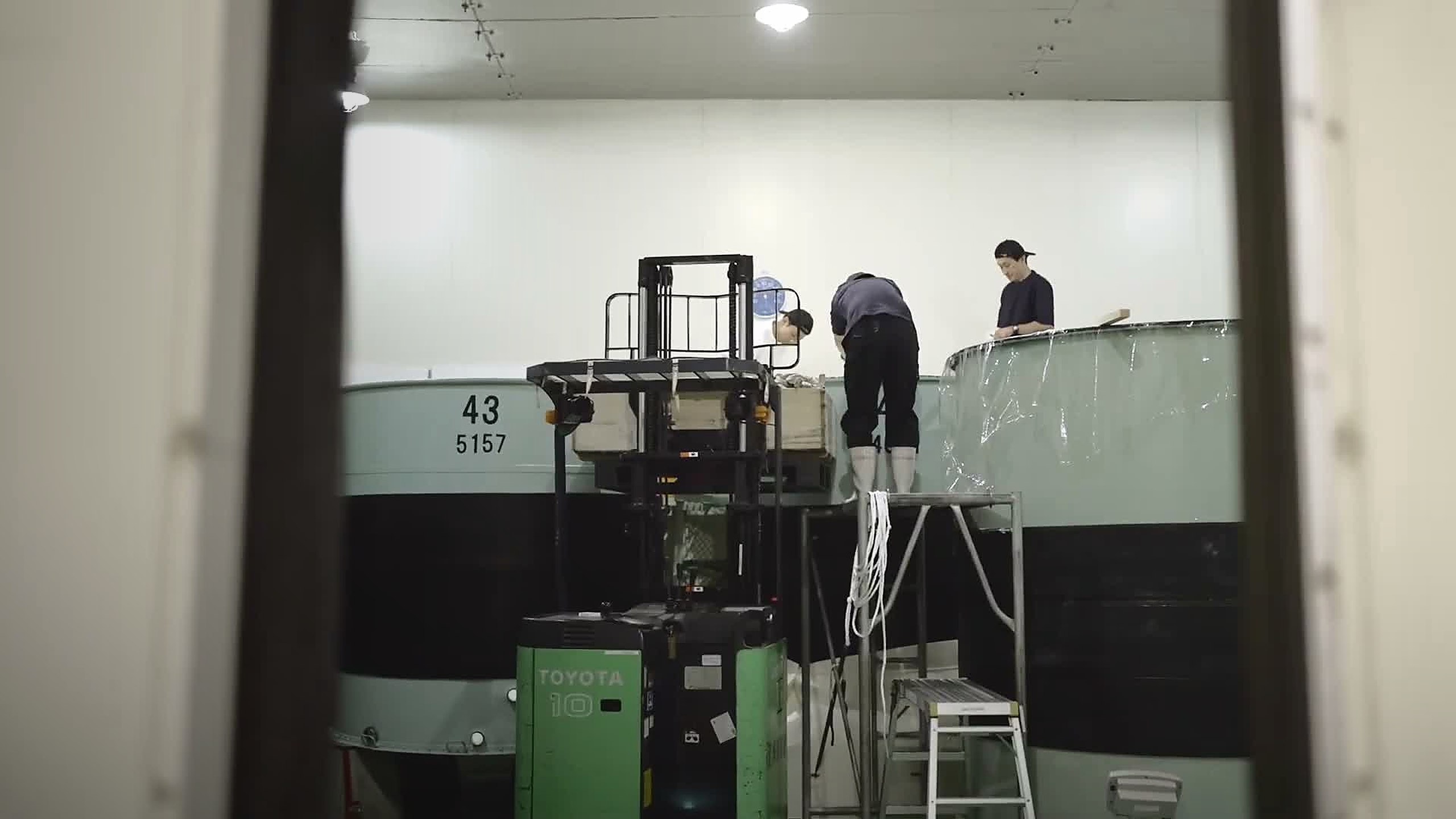
The 2026 edition holds a special place among all Koyama PB releases. Visiting Kankiku Meijo for rigorous tank-by-tank tasting, Takeshi Koyama isolated a single tank that united every strength celebrated across past vintages—gorgeous ginjo aromatics, juicy mid-palate sweetness, a 30-second finish, and crystal-clear precision.
"Among all Seijitsu editions ever made, this is the highest completion. A miraculous bottle where every element comes together." — Takeshi Koyama (Owner, Koyama)
Korea Launch — April’s Triumph
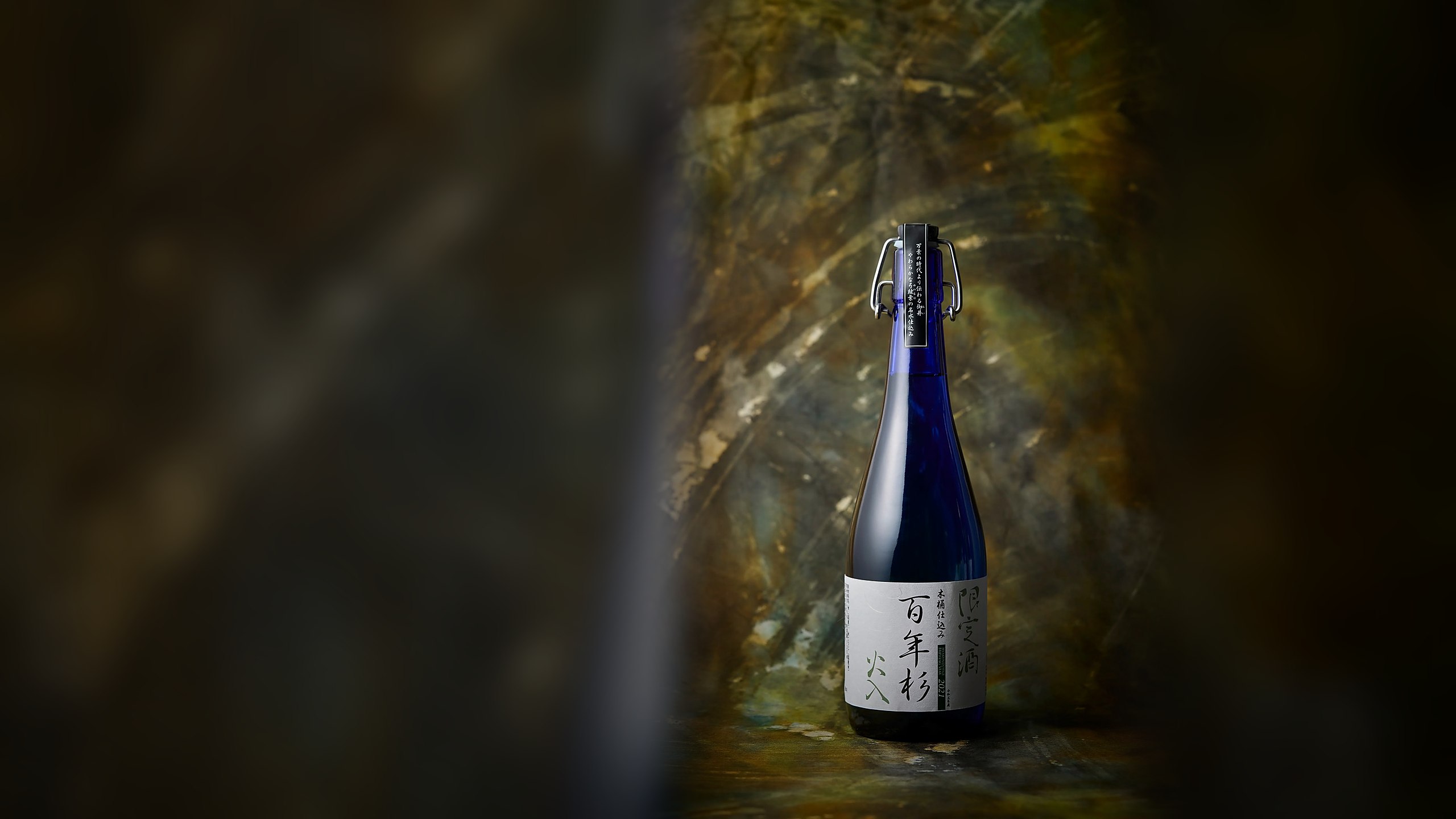
In April 2026, this 2026 PB Seijitsu landed in the Korean market. Its luminous label design, tropical yet poised palate, and white-wine glass brilliance captured the hearts of Korean sommeliers and sake enthusiasts at the inaugural April tasting.
4. Protecting Live Drip-Pressed Nama Across the Sea — Inside the Japan–Korea -5°C Cold Chain
Never Letting the Temperature Waver from Kujukuri’s Pressing Room to Seoul’s Wine Glasses
Delivering an unpasteurized, gravity-drip-pressed muroka namagenshu like Seijitsu Koyama PB across borders in true brewery-fresh condition was long considered nearly impossible in conventional export logistics. Because live namazake contains active enzymes and delicate dissolved CO₂, even brief exposure to temperatures above 10°C, UV rays, or transit vibration during customs clearance can dull its white-peach and pineapple esters into fatigued off-notes (hineka) and flatten its signature micro-effervescence.
To eliminate every point of vulnerability, the cross-border team of Koyama, Syuen (酒縁), and Asoto engineered an unbroken Japan–Korea Sub-Zero (*Hyo-on*) Cold Chain—linking March pressing in Chiba to Koyama’s -5°C walk-in vault in Tokyo, temperature-logged reefer transit and bonded cold storage, and dedicated sub-zero cellars in Seoul.
| Logistics Stage & Quality Metric | Conventional Sake Export Distribution | Koyama × Syuen × Asoto Sub-Zero Cold Chain |
|---|---|---|
| ① Brewery Release & Domestic Cellaring | Staged in 5–15°C standard chillers or ambient export warehouses | Transferred immediately after pressing to Koyama’s -5°C UV-shielded walk-in vault |
| ② Cross-Border Transit & Customs | Mixed dry-cargo risk or thermal spikes (15–25°C) during port clearance | Dedicated reefer container (-5°C to 0°C logged) & bonded cold storage |
| ③ Seoul Storage & Restaurant Cellaring | Standard commercial fridges (4–8°C with frequent door-opening swings) | Rested in dedicated sub-zero / low-temp sake cellars (-5°C to 2°C) at Asoto |
| ④ Live Enzymes & Micro-Effervescence | Prone to CO₂ loss, flabby sweetness, and premature hineka oxidation | Preserves pinpoint natural micro-bubbles and frictionless *shizuku* clarity |
| ⑤ In-Glass Sensory Fidelity | Often degrades to ~70% of the brewer’s intended aromatic profile | Delivers 100% parity with Tama, Tokyo brewery-fresh pours in Seoul |
It was precisely this uncompromising thermal, UV, and vibration discipline that left Korean sommeliers at April’s inaugural tasting astonished that the bottles tasted indistinguishable from a pour inside the Chiba brewery.
That proven sub-zero infrastructure and creative momentum subsequently culminated in the sold-out 2nd Seoul Sake Tasting held on November 4, 2026 by Asoto (朝人) × Syuen (酒縁) × Koyama—featuring Gensai, Tabika Koyama PB, and Ki-oku—cementing an enduring bridge between Japanese master brewing and Korean fine dining.
Featured Breweries, Specs & Flavor Balance
| Flagship Label | Brewery & Region | Signature Rice & Water | Brewery Profile |
|---|---|---|---|
| Fusanokankiku | Kankiku Meijo Co., Ltd. (11 Takenosato, Matsuo-machi, Sammu-shi, Chiba 289-1532, Japan) | Chiba Fusanomai, Chiba Fusakogane, Yamada Nishiki, Omachi, Ushuhomare · Kujukuri Plain Subterranean Soft Spring Water from the Ancient Persimmon Tree Well | Brewery Profile |
| Suehiro | Suehiro Sake Brewery Co., Ltd. (12-38 Nisshin-machi, Aizuwakamatsu-shi, Fukushima 965-0861, Japan) | Yumenoka, Fukunoka, Yamadanishiki, Gohyakumangoku, Kamenoo · Subsurface snowmelt soft water from Mt. Hakase and the Aizu Basin | Brewery Profile |
| Tabika | Hayakawa Sake Brewery Co. (468 Ojima, Komono-cho, Mie-gun, Mie 510-1323, Japan) | Kaminoho, Yamadanishiki, Omachi, Gohyakumangoku · Subsurface water from Mount Shakagatake in the Suzuka Mountains (soft water) | Brewery Profile |
Brewed near Chiba's Kujukuri Coast since 1883, Fusa no Kankiku harnesses soft coastal subterranean water to create ultra-fresh, expressive unpasteurized sake. Celebrated for its seasonal 'OCEAN99' and 'Denshogiku' Discovery series, it delivers lively micro-effervescence, translucent melon-like sweetness, and afeather-light finish that pairs wonderfully with fresh Pacific sashimi, acqua pazza, and grilled poultry.
Founded in 1850 in Aizuwakamatsu, Suehiro Shuzo is hallowed ground in Japanese brewing history as the very brewery where the experimental 'Yamahai' starter method was developed in the Meiji era. From its iconic 'Densho Yamahai Junmai' brimming with savory lactic depth to its silky Daiginjo 'Gensai,' Suehiro shines both chilled and warmed alongside Aizu heritage cuisine and sukiyaki.
Handcrafted by a tiny family team in Komono, Mie using ultra-soft Mt. Shakagatake snowmelt water and 100% gentle fune (box) pressing, Tabika is celebrated for its pillowy, rounded sweetness. Brewed with local Kaminoho, Omachi, and Yamada Nishiki, its soothing umami and gentle acidity pair beautifully with dashi-steamed clams and seasonal washoku.
Recommended Pairing
Weekly Sake & Tasting Dispatch
Curated seasonal releases, sub-zero arrivals, and tasting city guides across global editions.