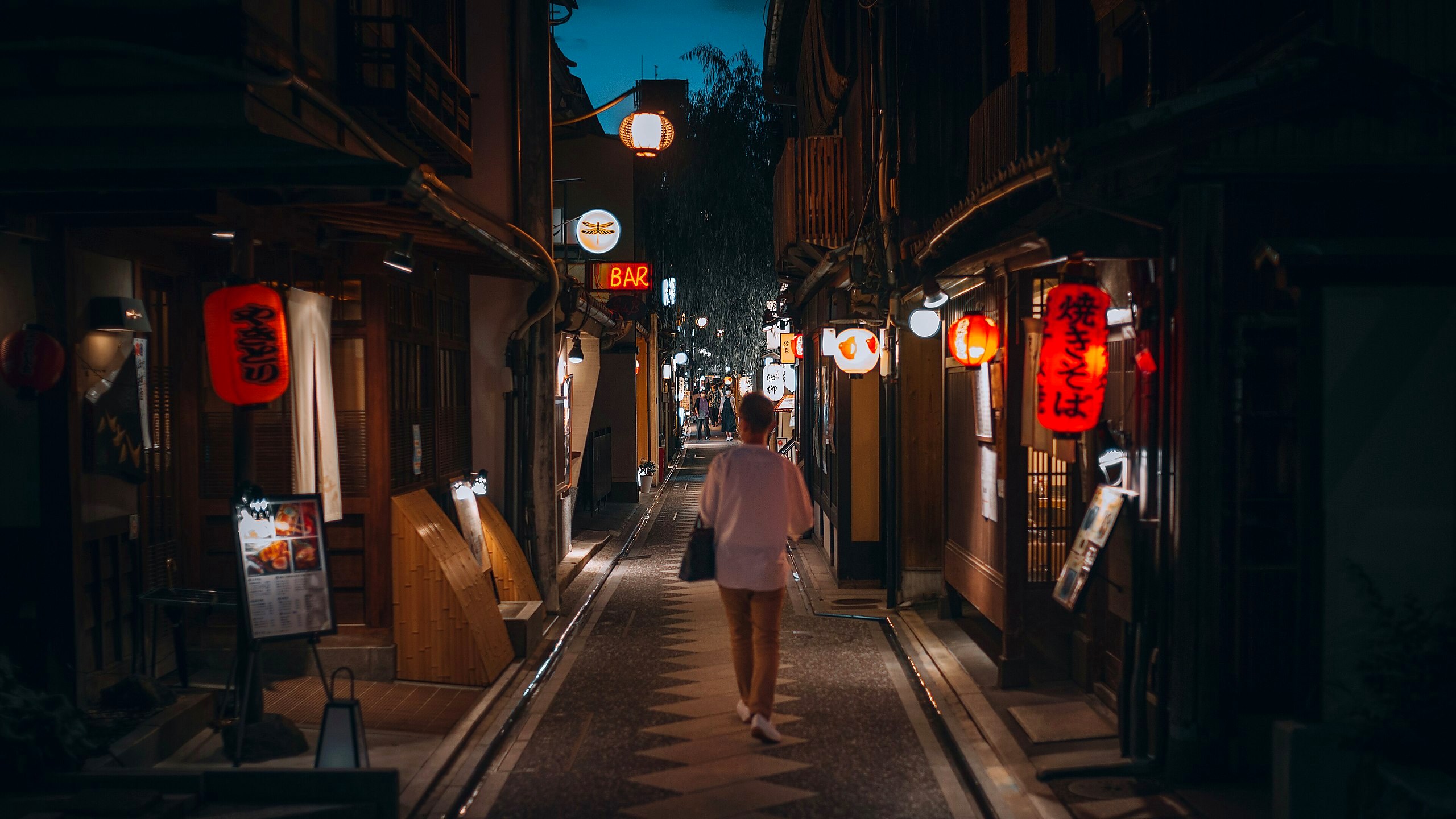
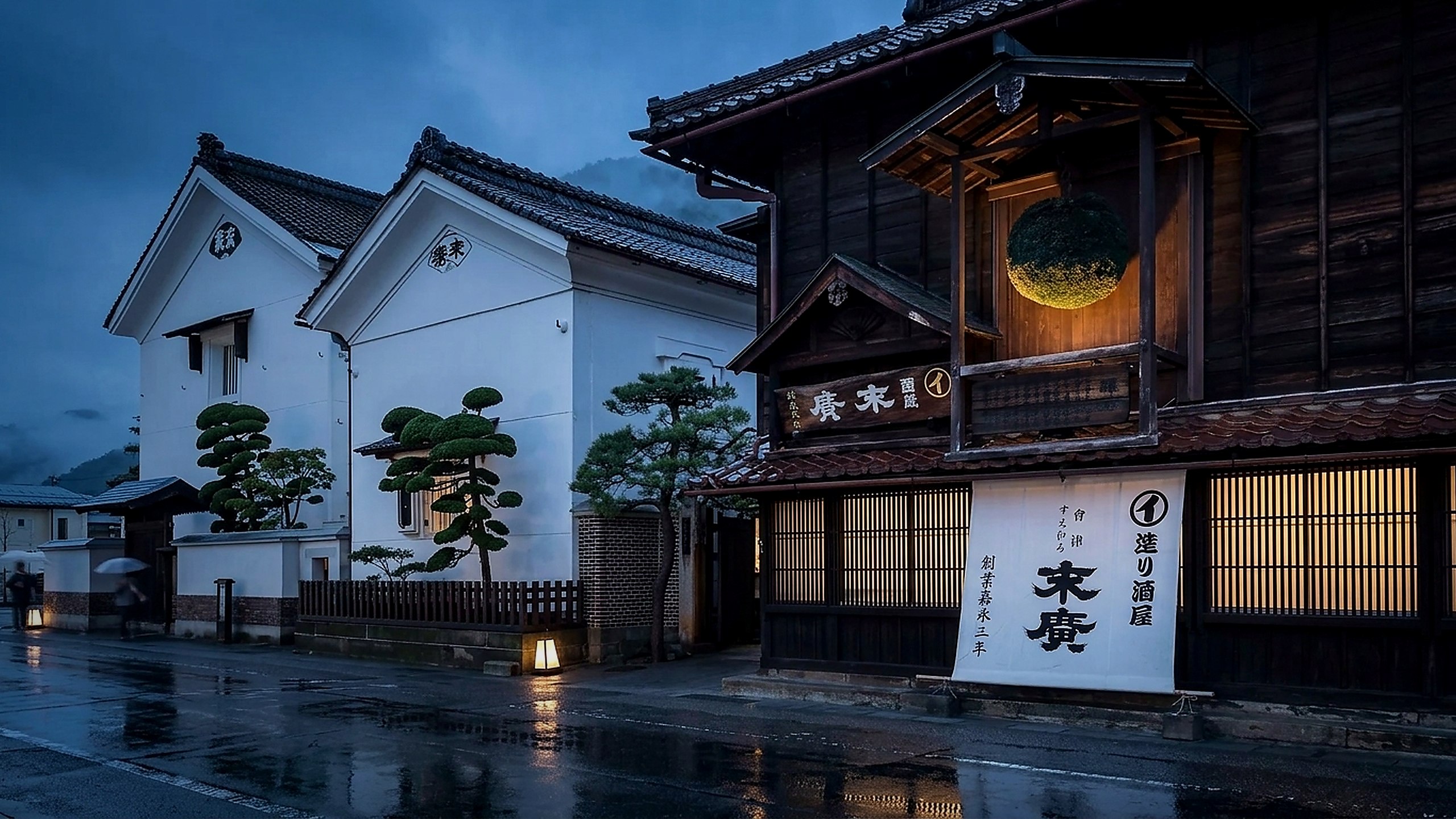
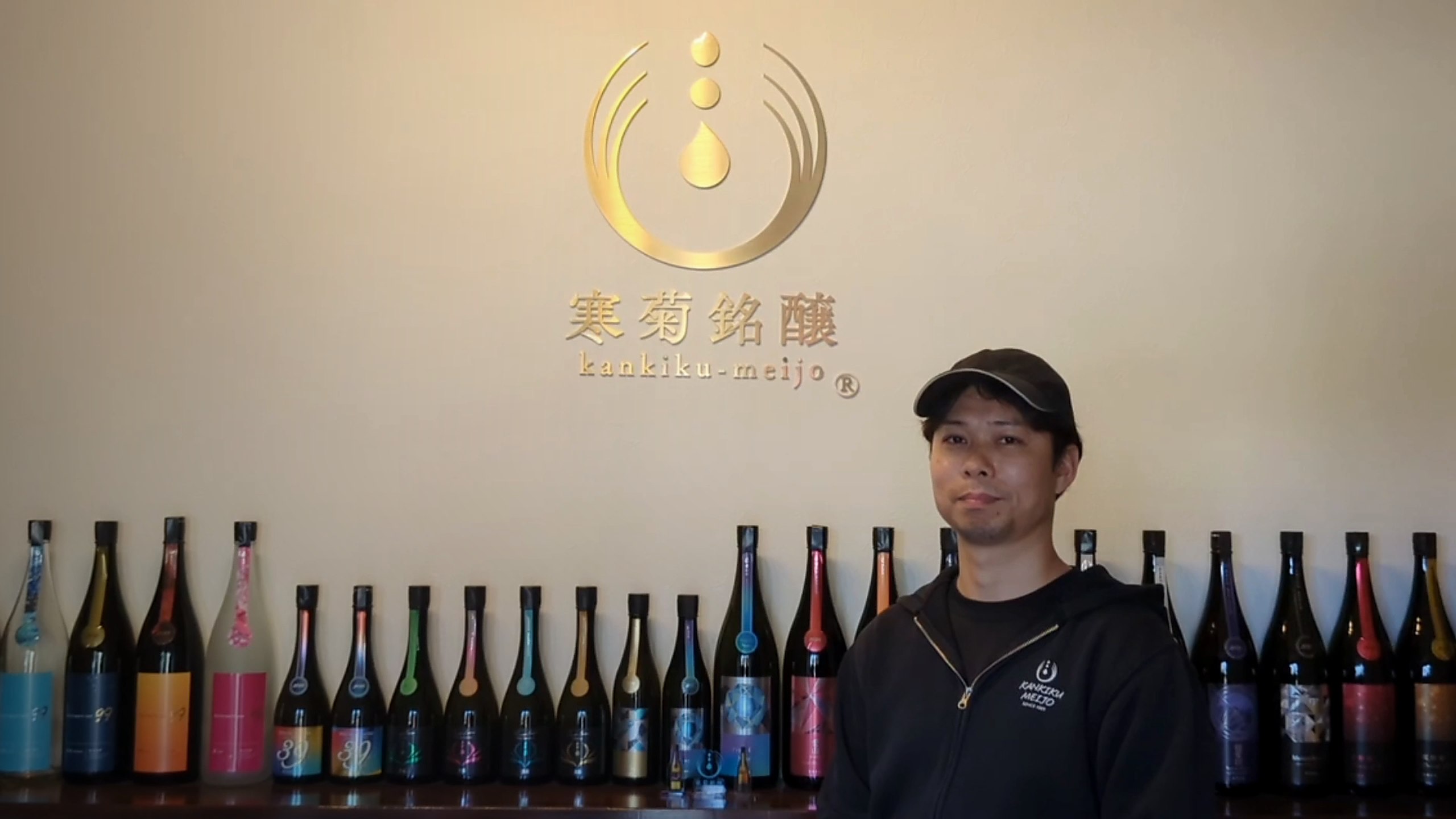
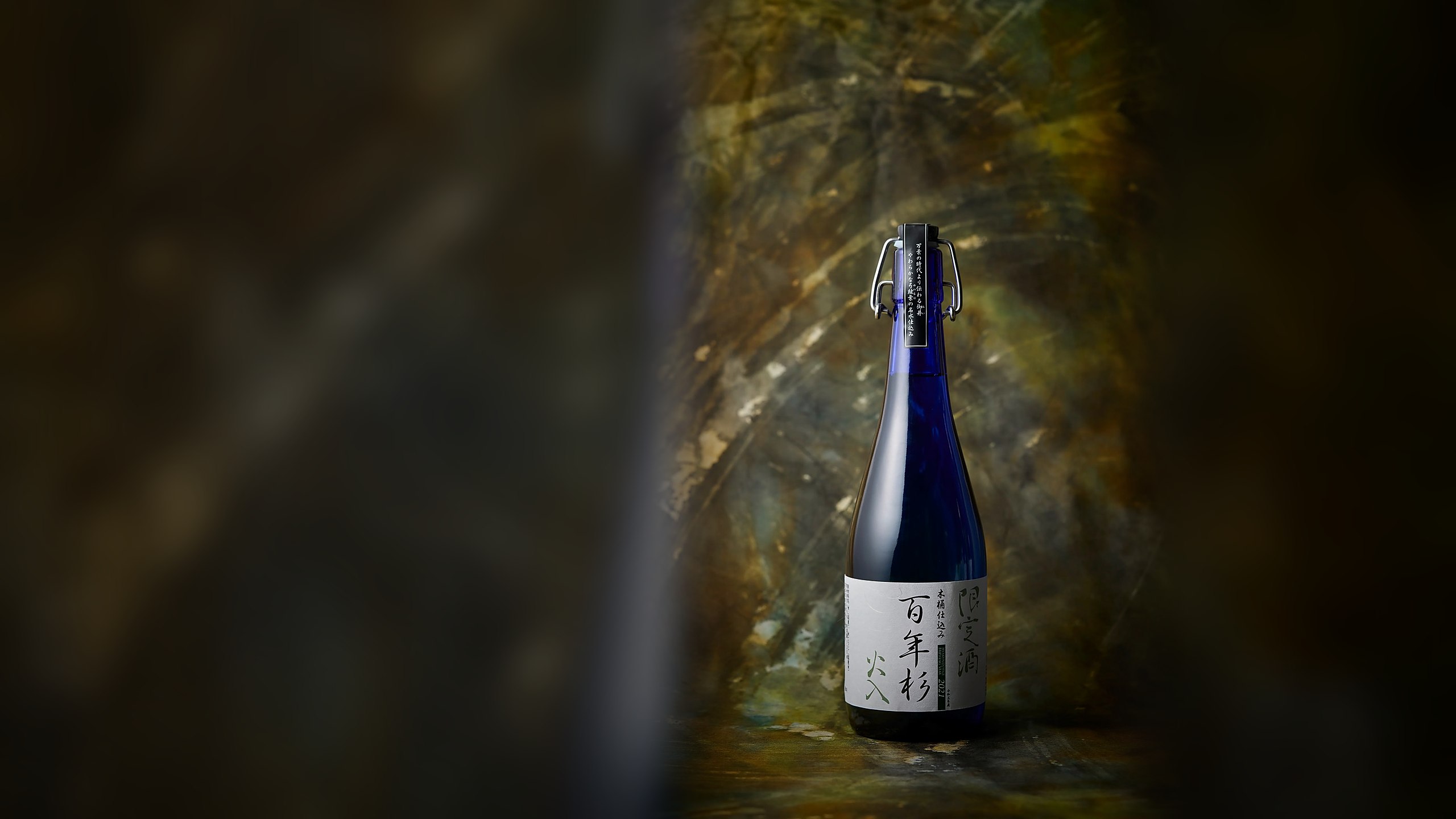
Home to ~70 alpine breweries and the birthplace of Japan’s legendary Kyokai No. 7 yeast—discover Nagano’s high-altitude purity through Masumi, Shinshu Kirei, Daishinsu, and Tomono Shuzo.
Key Sections in This Report:
Birthplace of Yeast #7 & High-Altitude Mineral Precision
Cradled in the Japanese Alps at 600–900 meters elevation, Nagano houses roughly 70 historic breweries sustained by icy mountain air and pristine snowmelt. In 1946, Nagano also altered sake history forever when Kyokai No. 7 yeast—still Japan’s most beloved culinary yeast—was isolated inside the cellar of Miyasaka Jozo (Masumi).
Four Alpine Masters Defining Nagano
Brewery
Heritage & Edge
Flagship Label
Signature Character
Miyasaka Jozo (Suwa)
Est. 1662; birthplace of Kyokai Yeast #7
Masumi
Disciplined, food-first clarity that elevates dishes without overpowering
Okazaki Shuzo (Ueda)
Est. 1665; led by star female Toji Midori Okazaki
Shinshu Kirei
Crystalline luminescence, juicy fruit lift, razor-sharp demand nationwide
Daishinsu Shuzo (Matsumoto)
Northern Alps spring water & estate Kinmon Nishiki
Daishinsu
Vibrant mineral energy and remarkably clean mid-palate power
Tomono Shuzo (Saku)
Classic elegance + Beatles-serenaded innovation
Sawanohana / Beau Michelle
From classic dry Junmai to refreshing 9% ABV wine-lover favorites
Like High-Altitude Alpine White Wine
Brewed with Nagano’s cool-climate cultivars Miyama Nishiki, Hitogokochi, and rare Kinmon Nishiki, Nagano’s best bottles mirror Alto Adige or Alsace—delivering lifted alpine acidity alongside pure glacial transparency.
1,215 Breweries · 2,891 Labels · Neutral Archive
Linked from 1,215 Breweries · 2,891 Labels · 8,673 Reviews
Kirigamine Highland Subterranean Water (Soft Water) Nagano-grown Miyama Nishiki, Sankei Nishiki, Hitogokochi, and Hyogo Special-A Yamada Nishiki Kyokai No. 7 Yeast (Discovered at Masumi; 100% Exclusive House No. 7 Strains)
Founded in 1662 in Suwa, Nagano and named after the sacred mirror of Suwa Grand Shrine, Masumi by Miyasaka Brewing Company is the historic birthplace of Kyokai Yeast No. 7—the most widely used sake yeast in Japan. Having returned to 100% Yeast No. 7 fermentation across its color-coded flagship series ('KURO', 'KAYA', 'SHIRO', and 'NANAGO'), it delivers poised citrus-herbal aromatics, calm acidity, and savory depth that pair effortlessly with washoku, miso dishes, and alpine cuisine.
Flavor Balance (1–5 Rice Grains)Shows which flavor direction the balance leans toward (1 to 5 rice grains), never a quality rank or score.
Serving & Glassware:Recommended Temperature: 10–14°C (Cool Chilled / Hanabie to Suzubie) / Recommended Glassware: Thin-rimmed white wine stem (Riedel O Daiginjo) or stemmed porcelain cup. At 10°C upon opening, enjoy the crystalline poise of Kirigamine Highland Subterranean Water (Soft Water) and refined aromatics; after 15 minutes as it warms toward 14°C, three-dimensional Nagano-grown Miyama Nishiki, Sankei Nishiki umami and balanced acidity expand to bridge sashimi and roasted main courses.
Global Gastronomy Pairings
• Shinshu Premier Wagyu grilled on magnolia-leaf miso and wild mountain mushroom & duck dashi hotpot
• Kelp-aged Namhae wild flounder sashimi wrapped in roasted gamtae seaweed with fresh sea urchin
• Pan-seared Hokkaido diver scallops over cauliflower velouté with toasted hazelnut brown butter
“Since returning exclusively to its ancestral Yeast No. 7, Masumi has achieved a profound harmony of calm savanna-like depth and modern clarity. 'KURO' Junmai Ginjo and 'NANAGO' Yamahai Junmai Daiginjo are masterpieces.”
Domestic Review · SAKETIME / 国内口コミ諏訪五蔵マイスター
“Featured in every WSET sake textbook as the birthplace of Yeast No. 7, Masumi is a cornerstone of global sake culture. Its restrained citrus-and-herb profile—free of flashy ester excess—is a masterclass in food-friendly balance.”
Global Sommelier · Vivino / Global Sake Heritage Reviewleanor W., London
“Visited Cella Masumi in Suwa and picked up 'KURO' Junmai Ginjo and 'SHIRO' Usunigori! Minimalist bottle design and effortless, soothing balance make them unbeatable for everyday dining.”
SNS Buzz · X (Twitter) / Instagram@suwa_sake_journey
Sugadaira Mountain Underground Well Water (Soft Water) Nagano-grown Miyama Nishiki, Hitogokochi, Sankei Nishiki, and Kinmon Nishiki Nagano Prefectural Yeast (Alps Yeast, Nagano D Yeast) and Kyokai Yeast
Founded in 1665 in the historic castle town of Ueda, Nagano and led by female Master Brewer Midori Okazaki, Shinshu Kirei is crafted with ultra-soft Sugadaira mountain snowmelt and local Miyama Nishiki, Hitogokochi, and Kinmon Nishiki rice. Renowned for its crystalline transparency, delicate micro-effervescence, and poised orchard-fruit sweetness, it elevates Shinshu salmon sashimi, thinly sliced sea bream, and mountain-vegetable tempura.
Flavor Balance (1–5 Rice Grains)Shows which flavor direction the balance leans toward (1 to 5 rice grains), never a quality rank or score.
Serving & Glassware:Recommended Temperature: 10–13°C (Chilled / Hanabie to Suzubie) / Recommended Glassware: Thin-rimmed, medium-bowled white wine glass (such as Riedel O Daiginjo). Avoid over-chilling below 6°C so the delicate esters are not muted. Upon pouring, experience crystalline purity from Sugadaira Mountain Underground Well Water (Soft Water) and lifted orchard-fruit aromatics; after 15 minutes as the glass warms to 14°C, silky Nagano-grown Miyama Nishiki, Hitogokochi mid-palate umami opens gracefully.
Global Gastronomy Pairings
• Thinly sliced Shinshu salmon with fresh Azumino wasabi and crisp mountain foraged sansai tempura
• Dry-aged Korean wild sea bream hoe and chilled king prawn salad (daeha-naengchae) in pine-nut sauce
• Poached lobster tail and white asparagus warm salad with yuzu-infused citrus hollandaise
“Shinshu Kirei Junmai Ginjo Miyama Nishiki and Junmai Daiginjo Kinmon Nishiki represent the pinnacle of modern clear sake. Snowmelt-pure entry, pinpoint effervescence, and a weightless, zero-impurity finish.”
Domestic Review · SAKETIME / 国内口コミ信州銘酒コンシェルジュ
“Possessing an alpine purity reminiscent of glacier water and silk-spun sweetness, Midori Okazaki's sake stands shoulder to shoulder with the world's finest cool-climate white wines in sheer poise and clarity.”
Global Sommelier · Vivino / Alpine Fine Sake ReviewThomas V., Geneva
“Finally won the lottery for Shinshu Kirei Silver Label Junmai Daiginjo 39 Miyama Nishiki! From the dewy orchard nose to the breathtakingly pure, weightless sweet-tart balance, it lives up to every bit of the hype.”
SNS Buzz · X (Twitter) / Instagram@shinshu_sake_hunt
Northern Japanese Alps & Narai River Subterranean Water (Soft Water) Contract-grown Nagano Sake Rice (Hitogokochi, Kinmon Nishiki, Sankei Nishiki, Miyama Nishiki) Nagano Prefectural Yeast (Alps Yeast, Nagano C & D Yeasts) and Proprietary House Yeast
Crafted in Matsumoto at the foot of the Northern Japanese Alps, Daishinshu brews 100% at Ginjo and Daiginjo grades using pesticide-free and low-input local Hitogokochi and Kinmon Nishiki rice grown by partnered Nagano farmers. From its signature 'Chokarakuchi' (Ultra-Dry) Junmai Ginjo and small-batch 'Te no Uchi' to the pinnacle 'Kozuki' line, it offers brisk alpine green-apple aromatics, weightless clarity, and a razor-sharp finish ideal with Shinshu soba and seasonal tempura.
Flavor Balance (1–5 Rice Grains)Shows which flavor direction the balance leans toward (1 to 5 rice grains), never a quality rank or score.
Serving & Glassware:Recommended Temperature: 10–13°C (Chilled / Hanabie to Suzubie) / Recommended Glassware: Thin-rimmed, medium-bowled white wine glass (such as Riedel O Daiginjo). Avoid over-chilling below 6°C so the delicate esters are not muted. Upon pouring, experience crystalline purity from Northern Japanese Alps & Narai River Subterranean Water (Soft Water) and lifted orchard-fruit aromatics; after 15 minutes as the glass warms to 14°C, silky Contract-grown Nagano Sake Rice (Hitogokochi, Kinmon Nishiki) mid-palate umami opens gracefully.
Global Gastronomy Pairings
• Thinly sliced Shinshu salmon with fresh Azumino wasabi and crisp mountain foraged sansai tempura
• Dry-aged Korean wild sea bream hoe and chilled king prawn salad (daeha-naengchae) in pine-nut sauce
• Wild sea bream carpaccio with bergamot olive oil, shaved bottarga, and micro herbs
“Daishinshu's 'Te no Uchi' and 'Chokarakuchi Junmai Ginjo Nama Genshu' taste like pure Nagano alpine air and snowmelt captured in glass. Light, graceful Hitogokochi sweetness expands briefly before snapping bone-clean.”
Domestic Review · SAKETIME / 国内口コミ松本城下サケノミ
“Brewing 100% of its output at Ginjo level or above shows in every glass. The featherlight alpine-water texture and crisp green-apple bouquet immediately captivate fans of dry German Riesling Trocken.”
Global Sommelier · Vivino / GI Nagano Sommelier ReviewStefan M., Munich
“Had a glass of Daishinshu Junmai Ginjo Funabazume at a soba shop in Matsumoto and went straight to a bottle shop to buy one! Aromatic yet effortlessly food-friendly—the ultimate alpine dining ginjo.”
SNS Buzz · X (Twitter) / Instagram@matsumoto_soba_sake
Yatsugatake & Chikuma River Subterranean Water (Soft Water) Nagano-grown Hitogokochi, Miyama Nishiki, Sankei Nishiki, and Kinmon Nishiki Nagano Prefectural Yeast and Kyokai No. 9 & No. 7 Lineage Yeasts
Tomono Brewery's flagship label, offering mountain-stream clarity, poised rice umami, and a crisp culinary finish. Brewed by Tomono Sake Brewery Co., Ltd. in Nagano using Yatsugatake & Chikuma River Subterranean Water (Soft Water) and Nagano-grown Hitogokochi, Miyama Nishiki, Sankei Nishiki, and Kinmon Nishiki, it brings together crisp, food-friendly dry profile, white-wine-like acidity and mineral poise, lively micro-effervescence with memorable poise.
Flavor Balance (1–5 Rice Grains)Shows which flavor direction the balance leans toward (1 to 5 rice grains), never a quality rank or score.
Serving & Glassware:Recommended Temperature: 10–13°C (Chilled / Hanabie to Suzubie) / Recommended Glassware: Thin-rimmed, medium-bowled white wine glass (such as Riedel O Daiginjo). Avoid over-chilling below 6°C so the delicate esters are not muted. Upon pouring, experience crystalline purity from Yatsugatake & Chikuma River Subterranean Water (Soft Water) and lifted orchard-fruit aromatics; after 15 minutes as the glass warms to 14°C, silky Nagano-grown Hitogokochi, Miyama Nishiki mid-palate umami opens gracefully.
Global Gastronomy Pairings
• Thinly sliced Shinshu salmon with fresh Azumino wasabi and crisp mountain foraged sansai tempura
• Dry-aged Korean wild sea bream hoe and chilled king prawn salad (daeha-naengchae) in pine-nut sauce
• Poached lobster tail and white asparagus warm salad with yuzu-infused citrus hollandaise
“Tasted 'Sawanohana' by Tomono Sake Brewery Co., Ltd.: opening with the pure touch of Yatsugatake & Chikuma River Subterranean Water (Soft Water), it reveals savory layers from Nagano-grown Hitogokochi, Miyama Nishiki, Sankei Nishiki, and Kinmon Nishiki and crisp, food-friendly dry profile, white-wine-like acidity and mineral poise, lively micro-effervescence before finishing with crisp precision.”
Domestic Review · SAKETIME / 国内口コミ和食料理人・ペアリング検証
“Highly rated on global sake platforms for its poised structure shaped by Yatsugatake & Chikuma River Subterranean Water (Soft Water) in Nagano, offering crisp, food-friendly dry profile, white-wine-like acidity and mineral poise, lively micro-effervescence that pairs seamlessly with sushi, sashimi, and contemporary cuisine.”
Global Sommelier · Vivino / Global SakeGlobal Sake Sommelier
“Loved on X and Instagram for its dynamic temperature evolution—showing crisp mineral clarity when chilled and generous Nagano-grown Hitogokochi, Miyama Nishiki, Sankei Nishiki, and Kinmon Nishiki umami as it warms.”
SNS Buzz · X (Twitter) / Instagram@kanpai_sake_diary
Arakawa River Basin Deep Subterranean Water Filtered Through Chichibu Paleozoic Strata (180m Deep) Yamada Nishiki, Sake Musashi, Gohyaku Mangoku, Domestic Sake Rice Proprietary Cultured Yeast & Kyokai Yeasts
The brewery's historic flagship meaning 'Golden Crest World Hawk,' a perennial National New Sake Awards gold medalist prized for noble aromatics and deep umami. Brewed by Koyamahonke Shuzo Co., Ltd. in Saitama using Arakawa River Basin Deep Subterranean Water Filtered Through Chichibu Paleozoic Strata (180m Deep) and Yamada Nishiki, Sake Musashi, Gohyaku Mangoku, Domestic Sake Rice, it brings together versatile, cuisine-elevating table-sake poise, savory, resonant rice umami, harmonious balance of umami, acidity, and finish with memorable poise.
Flavor Balance (1–5 Rice Grains)Shows which flavor direction the balance leans toward (1 to 5 rice grains), never a quality rank or score.
Serving & Glassware:Recommended Temperature: 8–12°C (Crisp Chilled) or 45–48°C (Jokan Warmed) / Recommended Glassware: Narrow-tulip white wine stem, thin porcelain hirahai cup, or tin (suzu) vessel. Chilled to 9°C, Arakawa River Basin Deep Subterranean Water Filtered Through Chichibu Paleozoic Strata (180m Deep) delivers razor-sharp mineral precision and a bone-dry finish; as it warms to 13°C—or when heated in a tin carafe to 45°C—savory Yamada Nishiki, Sake Musashi, Gohyaku Mangoku, Domestic Sake Rice grain character emerges to frame coastal cuisine.
Global Gastronomy Pairings
• Edomae sillago and Saitama heirloom vegetable tempura with irizake and seaweed salt
• Mediterranean-style Acqua Pazza of line-caught white fish poached with clams, capers, and olives
“Tasted 'Kinmon Sekaitaka' by Koyamahonke Shuzo Co., Ltd.: opening with the pure touch of Arakawa River Basin Deep Subterranean Water Filtered Through Chichibu Paleozoic Strata (180m Deep), it reveals savory layers from Yamada Nishiki, Sake Musashi, Gohyaku Mangoku, Domestic Sake Rice and versatile, cuisine-elevating table-sake poise, savory, resonant rice umami, harmonious balance of umami, acidity, and finish before finishing with crisp precision.”
Domestic Review · SAKETIME / 国内口コミ銘酒居酒屋 利き酒記録
“Highly rated on global sake platforms for its poised structure shaped by Arakawa River Basin Deep Subterranean Water Filtered Through Chichibu Paleozoic Strata (180m Deep) in Saitama, offering versatile, cuisine-elevating table-sake poise, savory, resonant rice umami, harmonious balance of umami, acidity, and finish that pairs seamlessly with sushi, sashimi, and contemporary cuisine.”
Global Sommelier · Vivino / Global SakeGlobal Sake Sommelier
“Loved on X and Instagram for its dynamic temperature evolution—showing crisp mineral clarity when chilled and generous Yamada Nishiki, Sake Musashi, Gohyaku Mangoku, Domestic Sake Rice umami as it warms.”
SNS Buzz · X (Twitter) / Instagram@sake_tasting_tokyo
Named after the snow-capped peaks of Mt. Iide, this classic Kitakata label offers soft, approachable umami and a refreshing finish. Brewed by Minenoyuki Sake Brewery Co., Ltd. in Fukushima using Mt. Iide subterranean snowmelt water in Kitakata (soft water) and Kitakata-grown Gohyakumangoku, Yumenoka, Fukunoka, Yamadanishiki, it brings together ripe banana ester aromatics, pleasant, palate-framing tannic grip, subtle, refreshing herbal bitterness on the finish with memorable poise.
Flavor Balance (1–5 Rice Grains)Shows which flavor direction the balance leans toward (1 to 5 rice grains), never a quality rank or score.
Serving & Glassware:Recommended Temperature: 13–16°C (Cool Cellar) & 40–48°C (Nurukan to Jokan Warmth) / Recommended Glassware: Medium Burgundy bowl or artisanal Mino/Bizen ceramic guinomi (warmed via tin chirori in a water bath). Starting at 13°C allows Mt. Iide subterranean snowmelt water in Kitakata (soft water) and Kitakata-grown Gohyakumangoku, Yumenoka, Fukunoka, Yamadanishiki to express generous grain umami without astringency; warming to 42–45°C unlocks plush savory depth ideal for grilled Wagyu and rich dashis.
“Tasted 'Minenoyuki' by Minenoyuki Sake Brewery Co., Ltd.: opening with the pure touch of Mt. Iide subterranean snowmelt water in Kitakata (soft water), it reveals savory layers from Kitakata-grown Gohyakumangoku, Yumenoka, Fukunoka, Yamadanishiki and ripe banana ester aromatics, pleasant, palate-framing tannic grip, subtle, refreshing herbal bitterness on the finish before finishing with crisp precision.”
Domestic Review · SAKETIME / 国内口コミ全国新酒・銘酒レビュー
“Highly rated on global sake platforms for its poised structure shaped by Mt. Iide subterranean snowmelt water in Kitakata (soft water) in Fukushima, offering ripe banana ester aromatics, pleasant, palate-framing tannic grip, subtle, refreshing herbal bitterness on the finish that pairs seamlessly with sushi, sashimi, and contemporary cuisine.”
Global Sommelier · Vivino / Global SakeGlobal Sake Sommelier
“Loved on X and Instagram for its dynamic temperature evolution—showing crisp mineral clarity when chilled and generous Kitakata-grown Gohyakumangoku, Yumenoka, Fukunoka, Yamadanishiki umami as it warms.”
SNS Buzz · X (Twitter) / Instagram@sake_pairing_lab
Northern Alps Takase River Subterranean Water (Soft Water) Azumino & Ikeda-Grown Miyama Nishiki, Hitogokochi, and Takane Nishiki Nagano Prefectural Yeast & Kyokai No. 9 Lineage Yeast
Named after the towering Northern Alps visible from the brewery, delivering alpine clarity and a crisp, invigoratingly dry finish. Brewed by Fukugen Sake Brewery Co., Ltd. in Nagano using Northern Alps Takase River Subterranean Water (Soft Water) and Azumino & Ikeda-Grown Miyama Nishiki, Hitogokochi, and Takane Nishiki, it brings together versatile, cuisine-elevating table-sake poise, savory, resonant rice umami, harmonious balance of umami, acidity, and finish with memorable poise.
Flavor Balance (1–5 Rice Grains)Shows which flavor direction the balance leans toward (1 to 5 rice grains), never a quality rank or score.
Serving & Glassware:Recommended Temperature: 8–12°C (Crisp Chilled) or 45–48°C (Jokan Warmed) / Recommended Glassware: Narrow-tulip white wine stem, thin porcelain hirahai cup, or tin (suzu) vessel. Chilled to 9°C, Northern Alps Takase River Subterranean Water (Soft Water) delivers razor-sharp mineral precision and a bone-dry finish; as it warms to 13°C—or when heated in a tin carafe to 45°C—savory Azumino & Ikeda-Grown Miyama Nishiki, Hitogokochi, and Takane Nishiki grain character emerges to frame coastal cuisine.
Global Gastronomy Pairings
• Thinly sliced Shinshu salmon with fresh Azumino wasabi and crisp mountain foraged sansai tempura
• Oysters Rockefeller with herb butter crust and wood-grilled sea bass with fennel & lemon
“Tasted 'Kita Alps' by Fukugen Sake Brewery Co., Ltd.: opening with the pure touch of Northern Alps Takase River Subterranean Water (Soft Water), it reveals savory layers from Azumino & Ikeda-Grown Miyama Nishiki, Hitogokochi, and Takane Nishiki and versatile, cuisine-elevating table-sake poise, savory, resonant rice umami, harmonious balance of umami, acidity, and finish before finishing with crisp precision.”
Domestic Review · SAKETIME / 国内口コミ和食料理人・ペアリング検証
“Highly rated on global sake platforms for its poised structure shaped by Northern Alps Takase River Subterranean Water (Soft Water) in Nagano, offering versatile, cuisine-elevating table-sake poise, savory, resonant rice umami, harmonious balance of umami, acidity, and finish that pairs seamlessly with sushi, sashimi, and contemporary cuisine.”
Global Sommelier · Vivino / Global SakeGlobal Sake Sommelier
“Loved on X and Instagram for its dynamic temperature evolution—showing crisp mineral clarity when chilled and generous Azumino & Ikeda-Grown Miyama Nishiki, Hitogokochi, and Takane Nishiki umami as it warms.”
SNS Buzz · X (Twitter) / Instagram@kanpai_sake_diary
1090-1 Takibe, Toyoshina, Azumino City, Nagano 399-8204, Japan · EH Sake Brewery Co., Ltd. (Est. 1810)
EH Sake Brewery's prestige gift and competition-grade series, slow-fermented from highly polished sake rice for luminous clarity and elegance. Brewed by EH Sake Brewery Co., Ltd. in Nagano using Northern Alps Mt. Jonen Subterranean Water (200m Deep On-Site Well, Soft Water) and Azumino-Grown Hitogokochi, Miyama Nishiki, Kinmon Nishiki, and Yamada Nishiki, it brings together toasty, savory grain aromatics, delicate, gossamer-light finish, crisp, food-friendly dry profile with memorable poise.
Flavor Balance (1–5 Rice Grains)Shows which flavor direction the balance leans toward (1 to 5 rice grains), never a quality rank or score.
Serving & Glassware:Recommended Temperature: 8–12°C (Crisp Chilled) or 45–48°C (Jokan Warmed) / Recommended Glassware: Narrow-tulip white wine stem, thin porcelain hirahai cup, or tin (suzu) vessel. Chilled to 9°C, Northern Alps Mt. Jonen Subterranean Water (200m Deep On-Site Well, Soft Water) delivers razor-sharp mineral precision and a bone-dry finish; as it warms to 13°C—or when heated in a tin carafe to 45°C—savory Azumino-Grown Hitogokochi, Miyama Nishiki grain character emerges to frame coastal cuisine.
Global Gastronomy Pairings
• Thinly sliced Shinshu salmon with fresh Azumino wasabi and crisp mountain foraged sansai tempura
• Seasonal Korean croaker sashimi & warm pan-seared min-eo jeon with tangy minari salad
• Oysters Rockefeller with herb butter crust and wood-grilled sea bass with fennel & lemon
“Experienced 'Maboroshi no Sake' from EH Sake Brewery Co., Ltd. in a stemmed glass: highly polished Azumino-Grown Hitogokochi, Miyama Nishiki, Kinmon Nishiki, and Yamada Nishiki and Northern Alps Mt. Jonen Subterranean Water (200m Deep On-Site Well, Soft Water) converge into silk-like purity and toasty, savory grain aromatics, delicate, gossamer-light finish, crisp, food-friendly dry profile.”
Domestic Review · SAKETIME / 国内口コミ全国新酒・銘酒レビュー
“Recognized by international judges and sommeliers for its aristocratic clarity shaped by Northern Alps Mt. Jonen Subterranean Water (200m Deep On-Site Well, Soft Water) in Nagano, elevating haute kaiseki and fine seafood cuisine.”
Global Sommelier · Vivino / Global SakeGlobal Sake Sommelier
“Praised across social media for its breathtaking entry and lingering grace—widely regarded as a pinnacle celebratory bottle from Nagano.”
SNS Buzz · X (Twitter) / Instagram@sake_pairing_lab
Recommended Pairing
Alpine Trout Sashimi & Salt-Grilled Char
Alpine water purity echoes clean freshwater trout
Artisan Buckwheat Soba & Mountain Herbs
Highland terroir pairs buckwheat earthiness and crisp sake
Mountain Chèvre & Caramelized Apple
Bright orchard acidity links goat cheese and alpine apples
SakeStream
A neutral global sake editorial archive and database documenting 1,215 breweries, 2,891 labels, brewing water & rice provenance, and 8,673 verified tasting records without proprietary ranking tiers.
Weekly Sake Dispatch
Weekly Sake & Tasting Dispatch
Curated seasonal releases, sub-zero arrivals, and tasting city guides across global editions.