[The Quiet Revolution of 11–13% ABV Undiluted Genshu] How Kyoto’s Nichinichi, Kumamoto’s Ubusuna & Nara’s Mimurosugi Conquered Global Tasting Menus Without Adding a Drop of Water
Tasting

[The Quiet Revolution of 11–13% ABV Undiluted Genshu] How Kyoto’s Nichinichi, Kumamoto’s Ubusuna & Nara’s Mimurosugi Conquered Global Tasting Menus Without Adding a Drop of Water

2026-11-108min readSakeStream
Back
EXECUTIVE SUMMARY & KEY TAKEAWAYS

For decades, "genshu" meant 17–19% ABV power, while low-alcohol sake meant watered-down dilution or cloying sweetness. In 2026, three-star sommeliers worldwide are obsessed with undiluted 11–13% ABV genshu engineered via fermentation physics, layered organic acids, and natural micro-effervescence.

Key Sections in This Report:

Ending Sake’s Old Binary: Neither 18% ABV Firepower Nor Watered-Down Dilution

Until recently, sake sommeliers faced an unavoidable structural trade-off. Traditional undiluted genshu (cask-strength sake) emerged from the press at a heady 17–19% ABV—thrilling for a single glass, yet fatiguing across a 12-course tasting menu. Conversely, cutting finished sake with heavy post-fermentation water (warimizu) down to 12–13% ABV often thinned out the mid-palate, while arresting fermentation early yielded cloyingly sweet dessert styles.

Across 2025 and 2026, however, three-Michelin-star sommeliers in Tokyo, Paris, New York, and Seoul—echoed by SevenFifty Daily, which spotlighted low-ABV genshu among 2026’s defining beverage trends—have rallied around a third paradigm: 100% undiluted *mukasui genshu* naturally fermented to a wine-equivalent 11–13% ABV, yet brimming with three-dimensional umami, electric acidity, and zero watery hollowness.

Undiluted 11–13% ABV genshu bottlings shine brightest in fine white wine stems

The Fermentation Physics Behind 11–13% ABV Undiluted Genshu

Stopping multiple parallel fermentation naturally at 11–13% ABV without adding post-press dilution water—and without leaving behind cloying unfermented glucose—requires far tighter technical choreography than brewing a conventional 17% genshu:

1
Precision *Kumimizu* Ratios & Late-Stage *Oimizu* Additions: Simply dumping extra water into the tank on Day 1 dilutes yeast density and invites spoilage. Elite brewers ferment a dense, concentrated mash through the main three-stage build (sandan-jikomi) to build savory amino depth, then introduce calibrated additions of brewing water (oimizu) mid-moromi to gently decelerate sugar concentration and alcohol generation.
2
Structural Organic Acid Layering: Dropping alcohol by 5 percentage points removes ethanol’s natural glycerol-like viscosity and perceived sweetness. Brewers replace that lost weight with multi-layered organic acids: creamy wild lactic and succinic acid from kimoto starters and kioke wooden vats, crisp malic acid from high-acid yeasts, or bright citric acid from shiro-koji.
3
Micro-Effervescent Lift: Bottling unpasteurized or single-pasteurized directly off the press (joso-jikazume) traps fine dissolved carbon dioxide in solution. Those microscopic bubbles lift volatile esters onto the palate and create tactile tension that mimics full-bodied weight at 12% ABV.

Six Essential 11–14% ABV Undiluted Genshu Bottlings: Master Comparison

BottlingBrewery (Region)ABV & Cellar MethodCore Rice720ml JP Retail / Global Est.Optimal Temp
Nichinichi Yamada NishikiNichinichi Jozo (Fushimi, Kyoto)11–12% Genshu · Kimoto · KiokeTojo Yamada Nishiki~¥2,398 / ~$52–$7510–14°C
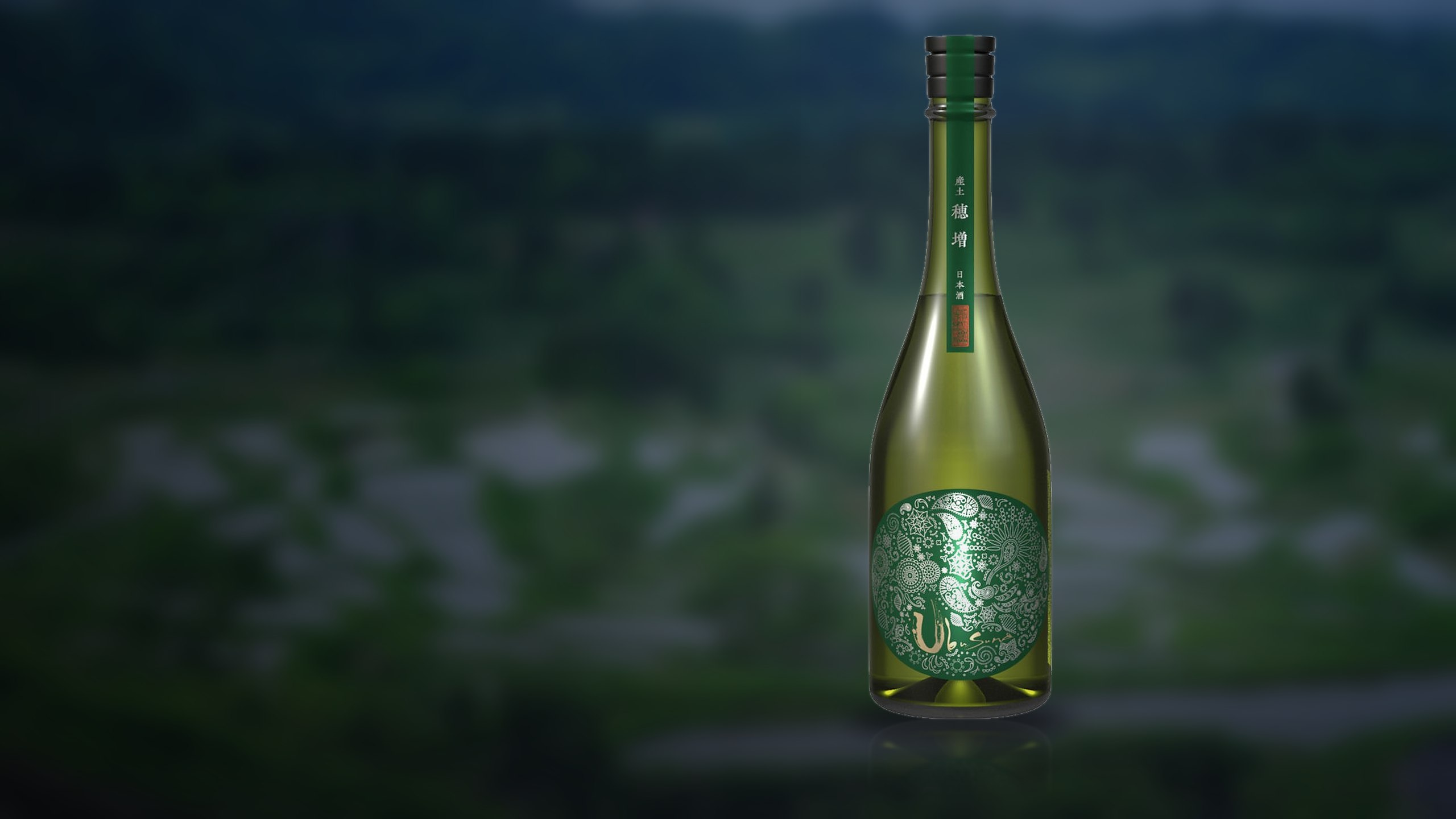
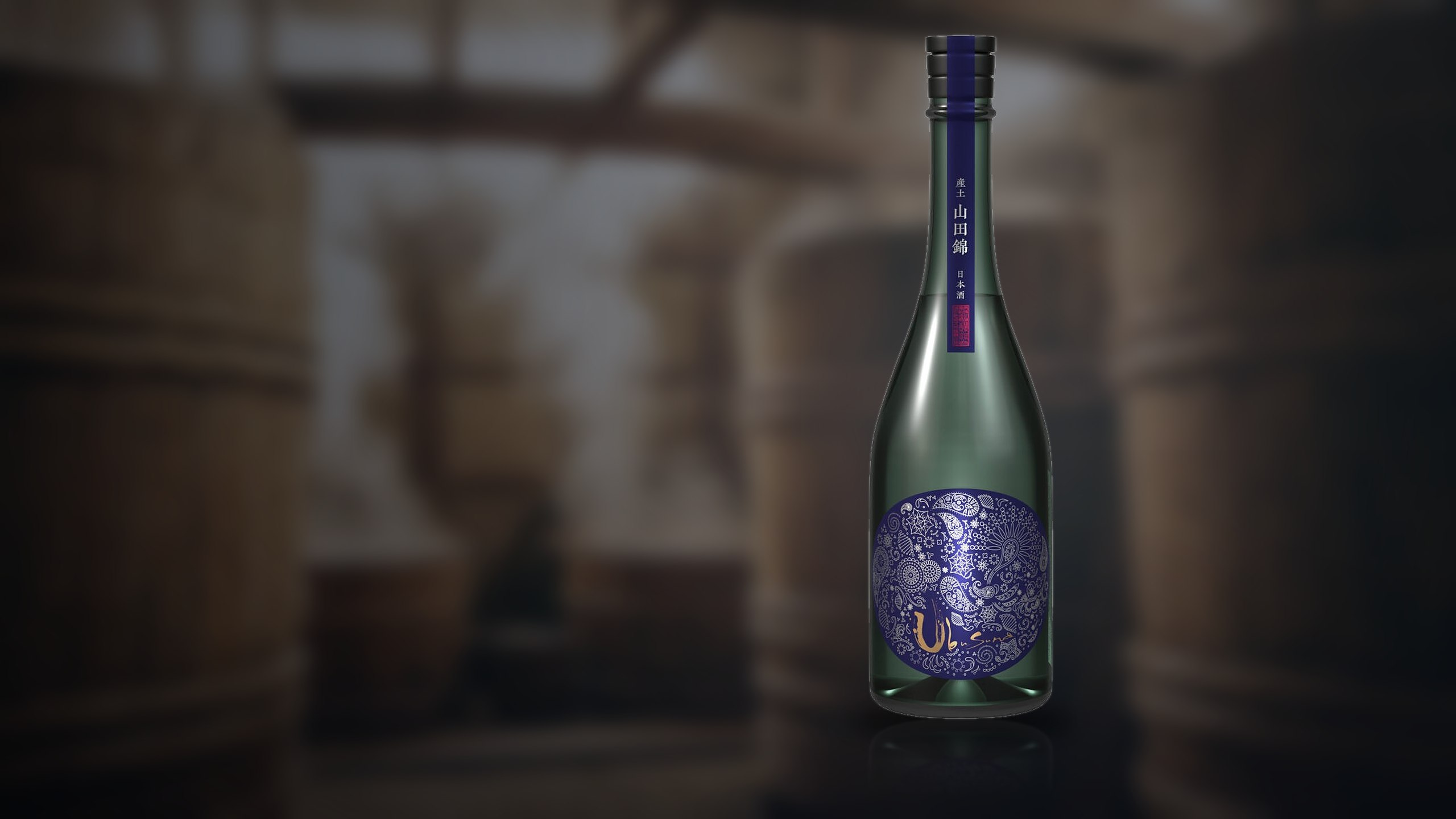
Ubusuna Yamada Nishiki / HomaseHananoka Shuzo (Kumamoto)13% Genshu · Kioke Kimoto · FizzKikuchi Yamada Nishiki / Homase¥2,490–¥3,400 / ~$60–$958–12°C
Mimurosugi Dio AbitaImanishi Shuzo (Sakurai, Nara)13% Genshu · Mt. Miwa Spring WaterContract Yamada Nishiki~¥1,870 / ~$38–$528–12°C
Aramasa No.6 / ColorsAramasa Shuzo (Akita)13% Genshu · Kyokai #6 · Kioke Kimoto100% Akita Rice¥2,500–¥3,800 / Allocated8–12°C
Kaze no Mori ALPHA 1Yucho Shuzo (Gose, Nara)12–14% Genshu · Muroka NamaNara Akitsuho~¥1,540 / ~$35–$486–10°C
Senkin Organic NatureSenkin (Sakura, Tochigi)13–14% Genshu · Kioke KimotoDomaine Kame no O¥1,980–¥2,400 / ~$42–$5810–14°C

Tasting Notes: Six Masterpieces Defining the Low-ABV Genshu Era

#1

Nichinichi Yamada Nishiki (Nichinichi Jozo, Fushimi, Kyoto)

ABV & Architecture
11–12% ABV undiluted *genshu / Kimoto-lineage starter, wooden-vat (kioke*) fermentation, delicate natural prickle
Brewer
Hidehiko Matsumoto (famed creator of Sawaya Matsumoto Shuhari, who founded Nichinichi Jozo in Fushimi in 2021)
720ml Pricing (JP / Global)
~¥2,398 tax incl. in Japan / ₩75,000–₩110,000 in Seoul Michelin dining; ~$52–$75 USD
Optimal Service
10–14°C in a featherweight Burgundy or universal white wine glass

The purest expression of 11–12% ABV genshu in Japan today. Harnessing Fushimi’s plush soft water, Hidehiko Matsumoto achieves a Mosel-Riesling-like weightlessness at 11–12% alcohol while preserving Tojo Yamada Nishiki’s noble mid-palate silkiness, subtle kioke spice, and gossamer effervescence.

#2

Ubusuna Yamada Nishiki Ninojo / Homase (Hananoka Shuzo, Nagomi, Kumamoto)

ABV & Architecture
13% ABV undiluted *genshu / Pesticide- and fertilizer-free Kikuchi Basin rice, kioke kimoto*
Brewer
Sixth-generation kuramoto-toji Kiyotaka Kanda
720ml Pricing (JP / Global)
¥2,490–¥3,400 tax incl. in Japan / ₩85,000–₩130,000 in Seoul natural wine bars; ~$60–$95 USD
Optimal Service
8–12°C in a Champagne tulip stem

Crafted from heirloom Edo-period Kumamoto rice Homase and local Yamada Nishiki fermented with ambient cellar microflora, Ubusuna marries grower-Champagne mousse with Asian pear, white peach, yogurt, and earthy volcanic minerality.

#3

Mimurosugi Roman Series Dio Abita (Imanishi Shuzo, Sakurai, Nara)

ABV & 2026 Honors
13% ABV undiluted *genshu / 1st Place Nationally, Junmai Division — SAKE COMPETITION 2026* (part of Imanishi Shuzo’s historic Junmai + Junmai Ginjo double crown)
Water Source
Sacred subterranean spring water of Mt. Miwa (Omiwa Shrine, birthplace of sake deity worship)
720ml Pricing (JP / Global)
~¥1,870 tax incl. in Japan / ₩48,000–₩68,000 in Seoul; ~$38–$52 USD
Optimal Service
8–12°C in a crisp white wine stem

Meaning "Where God Dwells" in Italian, Dio Abita is the benchmark 13% genshu for fine dining: gentle white-peach and muscat aromatics, spring-water translucency, juicy sweetness, and a laser-cut acidic tail—all for ¥1,870 in Japan.

#4

Aramasa No.6 S-type / Colors Series (Aramasa Shuzo, Akita)

ABV & Architecture
13% ABV undiluted *genshu / 100% Kyokai No. 6 yeast, 100% kimoto in cedar kioke* vats
720ml Pricing (JP / Global)
¥2,500–¥3,800 official JP retail / Strictly allocated to top global & Seoul restaurants
Optimal Service
8–12°C in a white wine glass

Yusuke Sato’s Aramasa single-handedly legitimized the modern 13% ABV kimoto kioke genshu blueprint over a decade ago, delivering green-apple snap, cultured creaminess, and unmistakable tension.

#5

Kaze no Mori ALPHA 1 (Yucho Shuzo, Gose, Nara)

ABV & Architecture
14% ABV (with 12% ABV *Next Chapter* releases) / Kyokai No. 7 yeast, unpasteurized, unfiltered, undiluted nama
720ml Pricing (JP / Global)
~¥1,540 tax incl. in Japan / ₩45,000–₩62,000 cold-chain retail in Seoul; ~$35–$48 USD
Optimal Service
6–10°C well-chilled in a flute or tulip glass

Driven by Mt. Katsuragi’s mineral-rich medium-hard water and lively dissolved CO2, ALPHA 1 delivers Bartlett pear aromatics and electric crunch at an astonishing ¥1,540 price point.

#6

Senkin Organic Nature / Modern Isshiki (Senkin, Sakura, Tochigi)

ABV & Architecture
13–14% ABV undiluted *genshu / Domaine-grown Kame no O & Yamada Nishiki sharing the brewery’s exact watershed, kioke kimoto*
720ml Pricing (JP / Global)
¥1,980–¥2,400 tax incl. in Japan / ₩55,000–₩75,000 in Seoul; ~$42–$58 USD
Optimal Service
10–14°C in a Riesling stem

Kazuki Usui’s estate-terroir philosophy yields malic-acid vibrancy that slices through French beurre blanc and roasted pork belly just like a premier cru Chablis or Kabinett Riesling.

1,215 Breweries · 2,891 Labels · Neutral Archive
Linked from 1,215 Breweries · 2,891 Labels · 8,673 Reviews

Featured Breweries, Specs & Flavor Balance

Flagship LabelBrewery & RegionSignature Rice & WaterBrewery Profile
NichinichiNichinichi Brewing Co., Ltd. (628 Shirodoricho, Fushimi-ku, Kyoto-shi, Kyoto 612-8067, Japan)Yamadanishiki (Tojo, Hyogo), Aiyama, Kamenoo · Fushimi Momoyama Hills Subsurface Water (medium-soft water pumped from 100m underground)Brewery Profile
UbusunaHananoka Shuzo Co., Ltd. (2226-2 Nishiyoshiji, Nagomi-machi, Tamana-gun, Kumamoto 861-0906, Japan)Nagomi-machi Natural-Farmed Homase, Higo Kabashiko, Yamada Nishiki · Brewery Shrine Spring Water (Kikuchi River Basin Subterranean Water from the Former Bairin Tenmangu Well)Brewery Profile
MimurosugiImanishi Sake Brewery Co., Ltd. (510 Miwa, Sakurai-shi, Nara 633-0001, Japan)Tsuyuhakaze, Yamadanishiki, Omachi · Subsurface water from sacred Mt. Miwa (medium-soft water)Brewery Profile
TENBUNishi Shuzo Co., Ltd. (4970-17 Yokura, Fukiage-cho, Hioki City, Kagoshima 899-3309, Japan (Tenbu Sake Kura: 3142-10 Yokura, Fukiage-cho, Hioki City))Yamada Nishiki (Tojo Special A District, Hyogo), Aiyama, Akaiwa Omachi · Satsuma Peninsula Deep Subterranean Natural Soft Water ('HOUMEI')Brewery Profile
AramasaAramasa Co., Ltd. (6-2-35 Omachi, Akita-shi, Akita 010-0921, Japan)Pesticide-Free & Estate-Grown Akita Rice (Kairyo Shinko, Rikuu No. 132, Misato Nishiki, Akita Sakekomachi) · Mount Taihei Subterranean Soft Water (Akita City)Brewery Profile
KazenomoriYucho Sake Brewery Co., Ltd. (1160 Nakahonmachi, Gose-shi, Nara 639-2216, Japan)Akitsuho, Tsuyuhakaze, Yamadanishiki, Omachi · Deep subterranean water from the Mt. Kongo and Mt. Katsuragi range (hard water, approx. 214 mg/L)Brewery Profile
SenkinSenkin Co., Ltd. (106 Baba, Sakura-shi, Tochigi 329-1321, Japan)Domaine Sakura Estate-Grown Rice (Kamenoo, Yamada Nishiki, Omachi) · Kinugawa River System Subterranean Ultra-Soft Water (Domaine Aquifer)Brewery Profile
NojoFukurokuju Brewery Co., Ltd. (48 Shitamachi, Gojome-machi, Minamiakita-gun, Akita 018-1706, Japan)Gojome Contract-Grown Akita Sakekomachi, Misato Nishiki, Ginnosei, Aiyama, Yamada Nishiki · Mount Taihei & Babame River Subterranean Water (Moderately Hard On-Site Well Water)Brewery Profile
Sawaya MatsumotoMatsumoto Shuzo Co., Ltd. (7 Yokooji Misudaikokucho, Fushimi-ku, Kyoto-shi, Kyoto 612-8205, Japan)Yamadanishiki, Gohyakumangoku, Iwai, Omachi · Fushimi Higashiyama and Momoyama Hills Subsurface Water (medium-soft water)Brewery Profile
KamenooSasaiwai Sake Brewery Co., Ltd. (3249 Matsunoo, Nishikan-ku, Niigata-shi, Niigata 953-0104, Japan)Niigata Koshitanrei, Gohyakumangoku, Kamenoo, Takanenishiki · Mt. Kakuda & Mt. Yahiko Range Subterranean Water (Soft Water)Brewery Profile
628 Shirodoricho, Fushimi-ku, Kyoto-shi, Kyoto 612-8067, Japan · Nichinichi Brewing Co., Ltd. (Est. 2021)
Nichinichiガス軽快酸味
Fushimi Momoyama Hills Subsurface Water (medium-soft water pumped from 100m underground) Yamadanishiki (Tojo, Hyogo), Aiyama, Kamenoo Ambient Brewery Yeast, Kyokai Yeast

Founded in Fushimi, Kyoto in 2022 by visionary brewer Hidehiko Matsumoto after his nationwide 'Musha Shugyo' apprenticeship across Japan's elite breweries, Nichinichi represents the pinnacle of modern low-abv genshu craftsmanship. Gossamer micro-bubbles, Japanese citrus and white peach aromatics, and feather-light yet deeply resonant umami make it one of Japan's most sought-after gastronomic sakes.

Flavor Balance (1–5 Rice Grains)Shows which flavor direction the balance leans toward (1 to 5 rice grains), never a quality rank or score.
Serving & Glassware:Recommended Temperature: 10–13°C (Chilled / Hanabie to Suzubie) / Recommended Glassware: Thin-rimmed, medium-bowled white wine glass (such as Riedel O Daiginjo). Avoid over-chilling below 6°C so the delicate esters are not muted. Upon pouring, experience crystalline purity from Fushimi Momoyama Hills Subsurface Water (medium-soft water pumped from 100m underground) and lifted orchard-fruit aromatics; after 15 minutes as the glass warms to 14°C, silky Yamadanishiki (Tojo, Hyogo), Aiyama, Kamenoo mid-palate umami opens gracefully.
Global Gastronomy Pairings
• Kyoto kaiseki dashi soup of Tango tilefish & fresh yuba with blanched hamo pike conger and plum puree
• Dry-aged Korean wild sea bream hoe and chilled king prawn salad (daeha-naengchae) in pine-nut sauce
• Poached lobster tail and white asparagus warm salad with yuzu-infused citrus hollandaise
“Nichinichi Akitsu Yamadanishiki achieves uncanny balance at just 12% abv—never thin, its pinpoint dissolved carbonation lifts the noble sweetness of Akitsu Yamadanishiki before gliding into a sudachi-bright finish. A true benchmark for modern sake.”
Domestic Review · SAKETIME新世代SAKEウォッチャー
“Hidehiko Matsumoto's Nichinichi is the exact low-alcohol gastronomic sake global fine dining has been waiting for: its gossamer texture and crystalline acid line transition seamlessly after Champagne in tasting-menu pairings.”
Global Sommelier · Vivino / Michelin Dining Tokyo & ParisLaurent D.
“Uncorked Nichinichi Kimoto Yamadanishiki tonight—creamy, complex wooden-vat Kimoto depth somehow coexists with Nichinichi's signature weightless clarity and delicate fizz. The 720ml bottle vanished in record time.”
SNS Buzz · X (Twitter)@nichinichi_fan_jp
2226-2 Nishiyoshiji, Nagomi-machi, Tamana-gun, Kumamoto 861-0906, Japan · Hananoka Shuzo Co., Ltd. (Est. 1902)
Ubusunaガスシャンパン酸味
Brewery Shrine Spring Water (Kikuchi River Basin Subterranean Water from the Former Bairin Tenmangu Well) Nagomi-machi Natural-Farmed Homase, Higo Kabashiko, Yamada Nishiki Kyokai No. 9 (Kumamoto Yeast) & Indigenous Brewery Yeast

Created in Nagomi, Kumamoto by Kiyotaka Kanda of Hananoka Shuzo to embody 'earth, native ecosystem, and ancestral regenerative agriculture,' Ubusuna stands at the absolute pinnacle of contemporary craft sake. Brewed with pesticide-free local Yamada Nishiki and revived Edo-era heirloom rices (Homase and Kabashiko) using kimoto and wooden vats, its Champagne-like pinpoint mousse and electric orchard-and-yuzu complexity transfix fine-dining tables worldwide.

Flavor Balance (1–5 Rice Grains)Shows which flavor direction the balance leans toward (1 to 5 rice grains), never a quality rank or score.
Serving & Glassware:Recommended Temperature: 10–14°C (Cool Cellar) & 42–45°C (Bain-Marie Warmed / Nurukan) / Recommended Glassware: Thin-rimmed white Burgundy or Riedel O Daiginjo wine glass. Right after opening at 10°C, savor the vibrant micro-effervescence and taut lactic/citric tension shaped by Brewery Shrine Spring Water (Kikuchi River Basin Subterranean Water from the Former Bairin Tenmangu Well); after 15 minutes as it reaches 14°C, multi-dimensional Nagomi-machi Natural-Farmed Homase, Higo Kabashiko, Yamada Nishiki umami and savory kimoto complexity blossom.
Global Gastronomy Pairings
• Charcoal-grilled Kumamoto Akaushi beef steak and Binchotan-roasted Amakusa Daio giant heritage chicken
• Charcoal-seared Hanwoo 1++ brisket point (chadolbagi) paired with aromatic minari and chilled dongchimi radish
• Pan-roasted Breton blue lobster with Champagne, tarragon, and cultured butter beurre blanc
“Miraculously secured Ubusuna Homase 5-Nojo and Yamada Nishiki 2-Nojo. Fine, persistent bubbles carry waves of Japanese citrus, white peach, wild herbs, and living earth minerality—one of the most spine-tingling bottles of my life.”
Domestic Review · SAKETIME / 国内口コミテロワール日本酒探求家
“Encountering Ubusuna gave me the same electric shock as my first glass of Jacques Selosse. The vibrating energy born from regenerative paddies, native microbes, and wooden vats stands shoulder to shoulder with the greatest wines on earth.”
Global Sommelier · Vivino / Global SakeGuillaume Delacroix
“Popped Ubusuna Kabashiko 4-Nojo! To think an heirloom Edo-era Kumamoto rice once praised as the finest in the realm has been revived into something so dewy, aromatic, and transcendent—pure genius from Hananoka Shuzo.”
SNS Buzz · X (Twitter) / Instagram@craft_sake_chronicle
510 Miwa, Sakurai-shi, Nara 633-0001, Japan · Imanishi Sake Brewery Co., Ltd. (Est. 1660)
Mimurosugiラムネガス華やか
Subsurface water from sacred Mt. Miwa (medium-soft water) Tsuyuhakaze, Yamadanishiki, Omachi Kyokai No. 9 strain, Miwa Heritage Yeast and Bodaimoto

Founded in 1660 at the foot of sacred Mount Miwa and Omiwa Shrine—revered as the ancestral deity of Japanese sake brewing—Imanishi Shuzo crafts Mimurosugi using shrine-mountain subterranean water and locally grown Yamadanishiki and Tsuyuhakaze rice. Luminous lychee, white peach, and Muscat aromas flow into a crystal-clear, juicy palate with a brisk finish that pairs effortlessly with sushi, sashimi, and delicate crudo.

Flavor Balance (1–5 Rice Grains)Shows which flavor direction the balance leans toward (1 to 5 rice grains), never a quality rank or score.
Serving & Glassware:Recommended Temperature: 10–14°C (Cool Cellar) & 42–45°C (Bain-Marie Warmed / Nurukan) / Recommended Glassware: Thin-rimmed white Burgundy or Riedel O Daiginjo wine glass. Right after opening at 10°C, savor the vibrant micro-effervescence and taut lactic/citric tension shaped by Subsurface water from sacred Mt. Miwa (medium-soft water); after 15 minutes as it reaches 14°C, multi-dimensional Tsuyuhakaze, Yamadanishiki, Omachi umami and savory kimoto complexity blossom.
Global Gastronomy Pairings
• Charcoal-grilled Yamato heritage chicken with narazuke sake-lees glaze and Yamato Wagyu shabu-shabu
• Crispy-scaled Jeju tilefish (okdom) and creamy abalone liver (geu) rice porridge risotto
• Dover sole meunière with cultured hazelnut brown butter, Meyer lemon, and capers
“Mimurosugi Roman Junmai Ginjo Yamadanishiki and Dio Abita open with morning-dew clarity and delicate lychee and white peach notes—juicy on the mid-palate yet vanishing effortlessly thanks to soft Mount Miwa water. The absolute pinnacle of the 'clean and juicy' style.”
Domestic Review · SAKETIME三輪の酒神礼賛
“Mimurosugi Kioke Bodaimoto—fermented in vats coopered from sacred Mount Miwa cedar using ambient lactic bacteria and brewery yeast—is true terroir sake, weaving silky acidity with white peach and cedar-herb nuances for Michelin-level pairings.”
Global Sommelier · Vivino / Michelin Guide Sommelier SelectionCamille L.
“Stopped by Imanishi Shuzo after visiting Omiwa Shrine and picked up Mimurosugi 'Hanakyun' Origarami and Junmai Ginjo Tsuyuhakaze—the Tsuyuhakaze's pink-grapefruit acidity and subtle bitterness are addictive at the dinner table.”
SNS Buzz · X (Twitter)@nara_sake_pilgrim
4970-17 Yokura, Fukiage-cho, Hioki City, Kagoshima 899-3309, Japan (Tenbu Sake Kura: 3142-10 Yokura, Fukiage-cho, Hioki City) · Nishi Shuzo Co., Ltd. (Est. 1845)
TENBUフルーティ甘味旨味
Satsuma Peninsula Deep Subterranean Natural Soft Water ('HOUMEI') Yamada Nishiki (Tojo Special A District, Hyogo), Aiyama, Akaiwa Omachi Nishi Shuzo Proprietary Cultured Yeast

Created in 2020 by Nishi Shuzo—the legendary Kagoshima distillery behind Tomino Hozan shochu—Tenbu brings world-class precision to Japan's southernmost mainland prefecture. Crafted with ultra-soft Satsuma mountain water and elite Yamada Nishiki and Aiyama rice, its lush lychee-and-white-peach aromatics, velvety sweetness, and crystal-clear finish pair magnificently with Kagoshima black Wagyu, Kurobuta pork shabu-shabu, and silver-stripe round herring sashimi.

Flavor Balance (1–5 Rice Grains)Shows which flavor direction the balance leans toward (1 to 5 rice grains), never a quality rank or score.
Serving & Glassware:Recommended Temperature: 10–13°C (Chilled / Hanabie to Suzubie) / Recommended Glassware: Thin-rimmed, medium-bowled white wine glass (such as Riedel O Daiginjo). Avoid over-chilling below 6°C so the delicate esters are not muted. Upon pouring, experience crystalline purity from Satsuma Peninsula Deep Subterranean Natural Soft Water ('HOUMEI') and lifted orchard-fruit aromatics; after 15 minutes as the glass warms to 14°C, silky Yamada Nishiki (Tojo Special A District, Hyogo), Aiyama, Akaiwa Omachi mid-palate umami opens gracefully.
Global Gastronomy Pairings
• Kinko Bay amberjack & silver-stripe round herring (kibinago) sashimi with salt-grilled kuruma prawn
• Jeju silver belt-fish sashimi and delicate pan-fried scallop & cod jeon with citrus soy
• Poached lobster tail and white asparagus warm salad with yuzu-infused citrus hollandaise
“Tasted Tenbu Junmai Daiginjo alongside the Junmai Ginjo Aiyama. Any preconceptions about southern Kyushu sake vanish on the first sip—breathtaking clarity, white-peach perfume, and velvet texture born of Nishi Shuzo's fermentation mastery.”
Domestic Review · SAKETIME / 国内口コミ薩摩の美酒探訪家
“Drawing on Nishi Shuzo's global experience in both luxury shochu and New Zealand biodynamic winemaking, Tenbu achieves a modern, satin-textured elegance that dazzles international sommeliers.”
Global Sommelier · Vivino / Global SakeVictor Sterling
“Had Tenbu Junmai Ginjo with Kagoshima Kurobuta pork shabu-shabu on a trip south and was blown away! Its dewy aromatics and soft sweetness wrapped around the sweet pork fat in pure harmony.”
SNS Buzz · X (Twitter) / Instagram@kagoshima_gourmet_club
6-2-35 Omachi, Akita-shi, Akita 010-0921, Japan · Aramasa Co., Ltd. (Est. 1852)
Aramasaガス酸味ワイン
Mount Taihei Subterranean Soft Water (Akita City) Pesticide-Free & Estate-Grown Akita Rice (Kairyo Shinko, Rikuu No. 132, Misato Nishiki, Akita Sakekomachi) Kyokai No. 6 Yeast (Birthplace Brewery, 100% Exclusive Use)

As the birthplace of Kyokai No. 6 yeast, Aramasa represents the pinnacle of modern sake brewing through 100% kimoto fermentation in cedar vats using exclusively Akita-grown rice. Its vibrant citrus acidity, low-alcohol elegance, and silky sweetness evoke fine white Burgundy, pairing effortlessly with sashimi, crudo, and modern gastronomy.

Flavor Balance (1–5 Rice Grains)Shows which flavor direction the balance leans toward (1 to 5 rice grains), never a quality rank or score.
Serving & Glassware:Recommended Temperature: 10–14°C (Cool Cellar) & 42–45°C (Bain-Marie Warmed / Nurukan) / Recommended Glassware: Thin-rimmed white Burgundy or Riedel O Daiginjo wine glass. Right after opening at 10°C, savor the vibrant micro-effervescence and taut lactic/citric tension shaped by Mount Taihei Subterranean Soft Water (Akita City); after 15 minutes as it reaches 14°C, multi-dimensional Pesticide-Free & Estate-Grown Akita Rice (Kairyo Shinko, Rikuu No. 132) umami and savory kimoto complexity blossom.
Global Gastronomy Pairings
• Charcoal-grilled Hinai-jidori chicken kiritanpo hotpot and smoked iburigakko with sake-lees cream cheese
• Charcoal-seared Hanwoo 1++ brisket point (chadolbagi) paired with aromatic minari and chilled dongchimi radish
• Pan-roasted Breton blue lobster with Champagne, tarragon, and cultured butter beurre blanc
“Opened a bottle of No. 6 X-type and was floored by the burst of Shine Muscat and white peach aromatics, backed by multi-dimensional kimoto acidity and crystalline purity from cedar vat fermentation. An absolute masterpiece of contemporary Japanese brewing.”
Domestic Review · SAKETIME / 国内口コミ六号酵母の求道者
“A revelation for Burgundy and Champagne lovers: laser-focused lactic and malic tension, delicate wooden-vat complexity, and incredible concentration at just 13% ABV. Pairs brilliantly with Dover sole and shellfish.”
Global Sommelier · Vivino / Fine Wine & SakeMarc L.
“Finally scored Amaneko and Ecru through a bottle shop lottery! That lively micro-effervescence on opening and bright, juicy sweet-tart balance is unmatched—turned my wine-drinking friends into instant sake fanatics.”
SNS Buzz · X (Twitter) / Reddit r/Sake@tokyo_sake_hunter
1160 Nakahonmachi, Gose-shi, Nara 639-2216, Japan · Yucho Sake Brewery Co., Ltd. (Est. 1719)
Kazenomoriガス酸味フルーティ
Deep subterranean water from the Mt. Kongo and Mt. Katsuragi range (hard water, approx. 214 mg/L) Akitsuho, Tsuyuhakaze, Yamadanishiki, Omachi Kyokai No. 7, Bodaimoto Indigenous Lactic Acid Bacteria and Yeast

Brewed in Gose City, Nara by 1719-founded Yucho Shuzo, Kaze no Mori unites ancient Muromachi-era Bodaimoto heritage with cutting-edge fermentation science across an all-Muroka Nama Genshu lineup. Fermented with ultra-hard Katsuragi Mountain subsurface water (over 200mg/L hardness) and local Akitsuho rice, its signature micro-effervescence, Muscat and pear aromatics, and chiseled mineral finish captivate diners from sushi counters to Michelin-starred French and Italian tables.

Flavor Balance (1–5 Rice Grains)Shows which flavor direction the balance leans toward (1 to 5 rice grains), never a quality rank or score.
Serving & Glassware:Recommended Temperature: 10–14°C (Cool Cellar) & 42–45°C (Bain-Marie Warmed / Nurukan) / Recommended Glassware: Thin-rimmed white Burgundy or Riedel O Daiginjo wine glass. Right after opening at 10°C, savor the vibrant micro-effervescence and taut lactic/citric tension shaped by Deep subterranean water from the Mt. Kongo and Mt. Katsuragi range (hard water, approx. 214 mg/L); after 15 minutes as it reaches 14°C, multi-dimensional Akitsuho, Tsuyuhakaze, Yamadanishiki, Omachi umami and savory kimoto complexity blossom.
Global Gastronomy Pairings
• Charcoal-grilled Yamato heritage chicken with narazuke sake-lees glaze and Yamato Wagyu shabu-shabu
• Crispy-scaled Jeju tilefish (okdom) and creamy abalone liver (geu) rice porridge risotto
• Pan-roasted Breton blue lobster with Champagne, tarragon, and cultured butter beurre blanc
“Kaze no Mori Akitsuho 657 opens with a lively pop and a ribbon of fine micro-bubbles in the glass: fresh Muscat and green apple aromatics, a juicy burst of rice sweetness, and a taut, stony finish driven by ultra-hard Katsuragi mountain water. Experiencing this level of craftsmanship at an everyday price is nothing short of a miracle.”
Domestic Review · SAKETIME大和の美酒巡礼
“Chobee Yamamoto's work at Yucho Shuzo—bridging 15th-century Nara temple brewing texts with precision low-temperature fermentation—is thrilling. The high-hardness mineral tension and natural effervescence of Kaze no Mori ALPHA and 807 deliver a gastronomic experience unlike anything else in the world of wine or sake.”
Global Sommelier · Vivino / World Sommelier AssociationMaximilian H.
“Opened Kaze no Mori ALPHA 8 alongside Yamadanishiki 807 tonight—807's crystalline purity and mineral grip at 80% polishing defy belief, while the ALPHA series pushes boundaries with every release. Still the #1 bottle that turns friends into lifelong sake lovers.”
SNS Buzz · X (Twitter)@kazenomori_holic
106 Baba, Sakura-shi, Tochigi 329-1321, Japan · Senkin Co., Ltd. (Est. 1806)
Senkinガス酸味甘酸っぱい
Kinugawa River System Subterranean Ultra-Soft Water (Domaine Aquifer) Domaine Sakura Estate-Grown Rice (Kamenoo, Yamada Nishiki, Omachi) Ambient Brewery Yeast (No Added Yeast), Tochigi Prefectural Yeast

Pioneering the 'Domaine' terroir concept in Tochigi using estate-grown Kamenoo, Yamada Nishiki, and Omachi rice irrigated by the same ultra-soft Kinugawa aquifer as its brewing water, Senkin crafts natural sake through 100% kimoto fermentation in cedar vats with minimal rice polishing. Vibrant green apple and muscat tartness intertwines with savory wood-aged minerality, making it an extraordinary match for French seafood dishes, soft bloomy-rind cheeses, and herb-driven appetizers.

Flavor Balance (1–5 Rice Grains)Shows which flavor direction the balance leans toward (1 to 5 rice grains), never a quality rank or score.
Serving & Glassware:Recommended Temperature: 10–14°C (Cool Cellar) & 42–45°C (Bain-Marie Warmed / Nurukan) / Recommended Glassware: Thin-rimmed white Burgundy or Riedel O Daiginjo wine glass. Right after opening at 10°C, savor the vibrant micro-effervescence and taut lactic/citric tension shaped by Kinugawa River System Subterranean Ultra-Soft Water (Domaine Aquifer); after 15 minutes as it reaches 14°C, multi-dimensional Domaine Sakura Estate-Grown Rice (Kamenoo, Yamada Nishiki, Omachi) umami and savory kimoto complexity blossom.
Global Gastronomy Pairings
• Charcoal-grilled Tochigi Wagyu tenderloin with tamari-sansho glaze and dashi-simmered kanpyo
• Crispy-scaled Jeju tilefish (okdom) and creamy abalone liver (geu) rice porridge risotto
• Pan-roasted Breton blue lobster with Champagne, tarragon, and cultured butter beurre blanc
“Beyond the signature juicy malic-acid brightness that made Modern Senkin famous, the recent return to Edo-era kimoto and cedar-vat methods has added remarkable mid-palate depth and structural grip. As it warms from chilled to cellar temperature, the wild, earthy umami of local Kamenoo rice blossoms beautifully.”
Domestic Review · SAKETIME / 国内口コミ東京・日本酒ペアリング研究家
“The single easiest sake to introduce to French natural wine collectors. With genuine single-aquifer Domaine terroir and electric Riesling-like acidity balanced by gentle lactic creaminess, it pairs effortlessly with pan-seared scallops and lobster.”
Global Sommelier · Vivino / Wine & Sake SommelierJulien M., Paris Sommelier
“Did a side-by-side tasting of Senkin Organic Nature and Classic Kame-no-O—unbelievable how a 90%+ rice polishing ratio can taste this luminous, brisk, and silky. The sweet-tart citrus snap and minimalist bottle design make it an instant favorite.”
SNS Buzz · X (Twitter) / Instagram@nat_sake_tokyo
48 Shitamachi, Gojome-machi, Minamiakita-gun, Akita 018-1706, Japan · Fukurokuju Brewery Co., Ltd. (Est. 1688)
Nojo食中酒旨味バランス
Mount Taihei & Babame River Subterranean Water (Moderately Hard On-Site Well Water) Gojome Contract-Grown Akita Sakekomachi, Misato Nishiki, Ginnosei, Aiyama, Yamada Nishiki Akita Prefectural Yeasts (Komachi Yeast, AK-1, UT-1)

A terroir-driven sake celebrating the direct partnership between Gojome rice growers and Fukurokuju's brewers. Brewed by Fukurokuju Brewery Co., Ltd. in Akita using Mount Taihei & Babame River Subterranean Water (Moderately Hard On-Site Well Water) and Gojome contract-grown Akita Sakekomachi, Misatonishiki, Ginnosei, Aiyama, and Yamada Nishiki, it brings together versatile, cuisine-elevating table-sake poise, savory, resonant rice umami, harmonious balance of umami, acidity, and finish with memorable poise.

Flavor Balance (1–5 Rice Grains)Shows which flavor direction the balance leans toward (1 to 5 rice grains), never a quality rank or score.
Serving & Glassware:Recommended Temperature: 8–12°C (Crisp Chilled) or 45–48°C (Jokan Warmed) / Recommended Glassware: Narrow-tulip white wine stem, thin porcelain hirahai cup, or tin (suzu) vessel. Chilled to 9°C, Mount Taihei & Babame River Subterranean Water (Moderately Hard On-Site Well Water) delivers razor-sharp mineral precision and a bone-dry finish; as it warms to 13°C—or when heated in a tin carafe to 45°C—savory Gojome Contract-Grown Akita Sakekomachi, Misato Nishiki grain character emerges to frame coastal cuisine.
Global Gastronomy Pairings
• Kelp-cured Oga Peninsula wild sea bream and chilled Akita junsai water-shield in dashi gelee
• Seasonal Korean croaker sashimi & warm pan-seared min-eo jeon with tangy minari salad
• Mediterranean-style Acqua Pazza of line-caught white fish poached with clams, capers, and olives
“Tasted 'Nojo' by Fukurokuju Brewery Co., Ltd.: opening with the pure touch of Mount Taihei & Babame River Subterranean Water (Moderately Hard On-Site Well Water), it reveals savory layers from Gojome contract-grown Akita Sakekomachi, Misatonishiki, Ginnosei, Aiyama, and Yamada Nishiki and versatile, cuisine-elevating table-sake poise, savory, resonant rice umami, harmonious balance of umami, acidity, and finish before finishing with crisp precision.”
Domestic Review · SAKETIME / 国内口コミ地酒専門店バイヤー評
“Highly rated on global sake platforms for its poised structure shaped by Mount Taihei & Babame River Subterranean Water (Moderately Hard On-Site Well Water) in Akita, offering versatile, cuisine-elevating table-sake poise, savory, resonant rice umami, harmonious balance of umami, acidity, and finish that pairs seamlessly with sushi, sashimi, and contemporary cuisine.”
Global Sommelier · Vivino / Global SakeGlobal Sake Sommelier
“Loved on X and Instagram for its dynamic temperature evolution—showing crisp mineral clarity when chilled and generous Gojome contract-grown Akita Sakekomachi, Misatonishiki, Ginnosei, Aiyama, and Yamada Nishiki umami as it warms.”
SNS Buzz · X (Twitter) / Instagram@craft_sake_journal
7 Yokooji Misudaikokucho, Fushimi-ku, Kyoto-shi, Kyoto 612-8205, Japan · Matsumoto Shuzo Co., Ltd. (Est. 1791)
Sawaya Matsumotoガス酸味さわやか
Fushimi Higashiyama and Momoyama Hills Subsurface Water (medium-soft water) Yamadanishiki, Gohyakumangoku, Iwai, Omachi Kyokai No. 9 strain, Kyokai No. 7 strain

Brewed since 1791 in Kyoto's Fushimi district with Momoyama hill subsurface water and single-origin Yamadanishiki, Gohyakumangoku, and Iwai rice, Sawaya Matsumoto redefined modern Kyoto dining sake through its acclaimed Shuhari series. Bright citrus acidity, delicate micro-effervescence, and translucent umami frame Kyoto kaiseki, Edomae sushi, and contemporary French cuisine with razor-sharp precision.

Flavor Balance (1–5 Rice Grains)Shows which flavor direction the balance leans toward (1 to 5 rice grains), never a quality rank or score.
Serving & Glassware:Recommended Temperature: 10–14°C (Cool Chilled / Hanabie to Suzubie) / Recommended Glassware: Thin-rimmed white wine stem (Riedel O Daiginjo) or stemmed porcelain cup. At 10°C upon opening, enjoy the crystalline poise of Fushimi Higashiyama and Momoyama Hills Subsurface Water (medium-soft water) and refined aromatics; after 15 minutes as it warms toward 14°C, three-dimensional Yamadanishiki, Gohyakumangoku, Iwai, Omachi umami and balanced acidity expand to bridge sashimi and roasted main courses.
Global Gastronomy Pairings
• Kyoto kaiseki dashi soup of Tango tilefish & fresh yuba with blanched hamo pike conger and plum puree
• Charcoal-grilled Hanwoo beef tongue and Wando abalone butter-seared with crisp white kimchi
• Pan-seared Hokkaido diver scallops over cauliflower velouté with toasted hazelnut brown butter
“Sawaya Matsumoto Shuhari Gohyakumangoku refreshes the palate with lively pinpoint fizz and a zesty, grapefruit-pith bitterness balanced by crisp acidity. Restrained in sweetness with translucent rice umami, it elevates sashimi, tempura, and grilled seasonal fish.”
Domestic Review · SAKETIME京の食中酒マイスター
“Sawaya Matsumoto's Shuhari ID series captures single-parcel Tojo Akitsu Yamadanishiki with laser focus: possessing the tension and saline finish of Premier Cru Chablis, it is an extraordinary partner for raw oysters and sea bass crudo.”
Global Sommelier · Vivino / World's 50 Best SommeliersEtienne B.
“If I could keep only one everyday dinner sake in the fridge, it would be Sawaya Matsumoto Shuhari—while the Omachi and Yamadanishiki bottlings are stellar, the Gohyakumangoku's crispness and bright acidity are unbeatable with weeknight washoku.”
SNS Buzz · X (Twitter)@sake_kyoto_life
3249 Matsunoo, Nishikan-ku, Niigata-shi, Niigata 953-0104, Japan · Sasaiwai Sake Brewery Co., Ltd. (Est. 1899)
Kamenoo食中酒旨味バランス
Mt. Kakuda & Mt. Yahiko Range Subterranean Water (Soft Water) Niigata Koshitanrei, Gohyakumangoku, Kamenoo, Takanenishiki Niigata Prefectural Yeast, Kyokai Yeast & Brewery House Yeast (Kimoto)

A specialty junmai series brewed entirely from heirloom Kamenoo rice, offering earthy depth, savory complexity, and vibrant acidity. Brewed by Sasaiwai Sake Brewery Co., Ltd. in Niigata using Mt. Kakuda & Mt. Yahiko Range Subterranean Water (Soft Water) and Niigata Koshitanrei, Gohyakumangoku, Kamenoo, Takanenishiki, it brings together versatile, cuisine-elevating table-sake poise, savory, resonant rice umami, harmonious balance of umami, acidity, and finish with memorable poise.

Flavor Balance (1–5 Rice Grains)Shows which flavor direction the balance leans toward (1 to 5 rice grains), never a quality rank or score.
Serving & Glassware:Recommended Temperature: 8–12°C (Crisp Chilled) or 45–48°C (Jokan Warmed) / Recommended Glassware: Narrow-tulip white wine stem, thin porcelain hirahai cup, or tin (suzu) vessel. Chilled to 9°C, Mt. Kakuda & Mt. Yahiko Range Subterranean Water (Soft Water) delivers razor-sharp mineral precision and a bone-dry finish; as it warms to 13°C—or when heated in a tin carafe to 45°C—savory Niigata Koshitanrei, Gohyakumangoku, Kamenoo, Takanenishiki grain character emerges to frame coastal cuisine.
Global Gastronomy Pairings
• Sado Island sweet shrimp & wild flounder sashimi with torched Niigata nodoguro (blackthroat seaperch) nigiri
• Seasonal Korean croaker sashimi & warm pan-seared min-eo jeon with tangy minari salad
• Oysters Rockefeller with herb butter crust and wood-grilled sea bass with fennel & lemon
“Tasted 'Kamenoo' by Sasaiwai Sake Brewery Co., Ltd.: opening with the pure touch of Mt. Kakuda & Mt. Yahiko Range Subterranean Water (Soft Water), it reveals savory layers from Niigata Koshitanrei, Gohyakumangoku, Kamenoo, Takanenishiki and versatile, cuisine-elevating table-sake poise, savory, resonant rice umami, harmonious balance of umami, acidity, and finish before finishing with crisp precision.”
Domestic Review · SAKETIME / 国内口コミ地酒専門店バイヤー評
“Highly rated on global sake platforms for its poised structure shaped by Mt. Kakuda & Mt. Yahiko Range Subterranean Water (Soft Water) in Niigata, offering versatile, cuisine-elevating table-sake poise, savory, resonant rice umami, harmonious balance of umami, acidity, and finish that pairs seamlessly with sushi, sashimi, and contemporary cuisine.”
Global Sommelier · Vivino / Global SakeGlobal Sake Sommelier
“Loved on X and Instagram for its dynamic temperature evolution—showing crisp mineral clarity when chilled and generous Niigata Koshitanrei, Gohyakumangoku, Kamenoo, Takanenishiki umami as it warms.”
SNS Buzz · X (Twitter) / Instagram@craft_sake_journal

Recommended Pairing

Crispy-Scale Tilefish with Beurre Blanc
Cut cleanly by the malic/lactic spine of Nichinichi & Senkin
Hokkaido Sea Urchin over Fresh Yuba
Elevated without alcohol burn by 13% ABV Mimurosugi Dio Abita
Edomae Kohada & Young Sea Bream Sushi
Harmonizes seamlessly with red-vinegar shari and Ubusuna
SakeStream
A neutral global sake editorial archive and database documenting 1,215 breweries, 2,891 labels, brewing water & rice provenance, and 8,673 verified tasting records without proprietary ranking tiers.
Weekly Sake Dispatch

Weekly Sake & Tasting Dispatch

Curated seasonal releases, sub-zero arrivals, and tasting city guides across global editions.
ArticlesBreweries