[2026 Accessible Craft Selection] Extraordinary Quality Without Secondary-Market Markups — 12 Expressive Craft Sakes at Honest Brewery Prices
Tasting

[2026 Accessible Craft Selection] Extraordinary Quality Without Secondary-Market Markups — 12 Expressive Craft Sakes at Honest Brewery Prices

2026-10-1910min readSakeStream
Back
EXECUTIVE SUMMARY & KEY TAKEAWAYS

You don’t need to pay secondary-market ransoms to drink world-class sake. Based on our 2026 Public Attention Archive and transparent importer list pricing, these 12 bottles deliver extraordinary Quality-Price Ratio (QPR) through honest brewery pricing.

Key Sections in This Report:

Why Craft Sake Offers the Highest Quality-Price Ratio (QPR) in the World of Fine Beverages

In an era where premier cru and grand cru Burgundy routinely command $300 to $2,000+ per bottle, global sommeliers continually marvel at a singular truth about Japanese sake: world-champion-caliber craft sakes—hand-brewed in tiny winter batches—are still priced by conscientious breweries at ¥2,000 to ¥4,500 ($15–$35 in Japan, or a fraction of comparable fine wine prices on international dining lists) when sourced through authorized channels.

While a handful of speculative labels trade at inflated secondary-market prices, seasoned buyers know where the real value lies. Based on our 2026 Public Attention Archive of public review platforms and international competition value awards, here are 12 High-QPR Craft Sakes of 2026 (Structured by Production Scale & Style Profile).


2026 Spotlight: High-Value (QPR) Craft Sakes — Master Comparison Table

Focus #Brand (Brewery · Prefecture)Culinary & Brewing Focus720ml Japan MSRPCore Flavor Profile & Optimal Temp
#1Keiryu Ginjo (Endo Shuzojo · Nagano)Competition & Export Focus¥1,200–¥1,500IWC 2026 Great Value Champion; crisp Alpine ginjo (8–10°C)
#2Mimurosugi Tsuyuhakaze / Yamada Nishiki (Imanishi Shuzo · Nara)Competition & Export Focus¥1,650–¥2,0902026 Double-Crown brewery; Mt. Miwa soft-water clarity (10–12°C)
#3Hakurakusei Tokubetsu Junmai / Junmai Ginjo (Niizawa Jozoten · Miyagi)Competition & Export Focus¥1,650–¥2,200IWC 2026 Brewer of the Year; ultimate food-sake finish (10–12°C)
#4Tenbi Tokubetsu Junmai / Junmai Ginjo (Choshu Shuzo · Yamaguchi)Competition & Export Focus¥1,760–¥2,200IWC 2026 Champion Sake brewery; muscat-toned acidity (8–12°C)
#5Hiroki Tokubetsu Junmai (Hiroki Shuzo Honten · Fukushima)Gastronomy & Sommelier Focus¥1,760–¥2,000#1 list-price QPR icon in Japan; poised umami & dry cut (10–15°C)
#6Tachibanaya Kura no Hana (Kawakei Shoten · Miyagi)Gastronomy & Sommelier Focus¥1,870–¥2,2002026 #1 Modern Natural; sleek contemporary Yamahai (10–15°C)
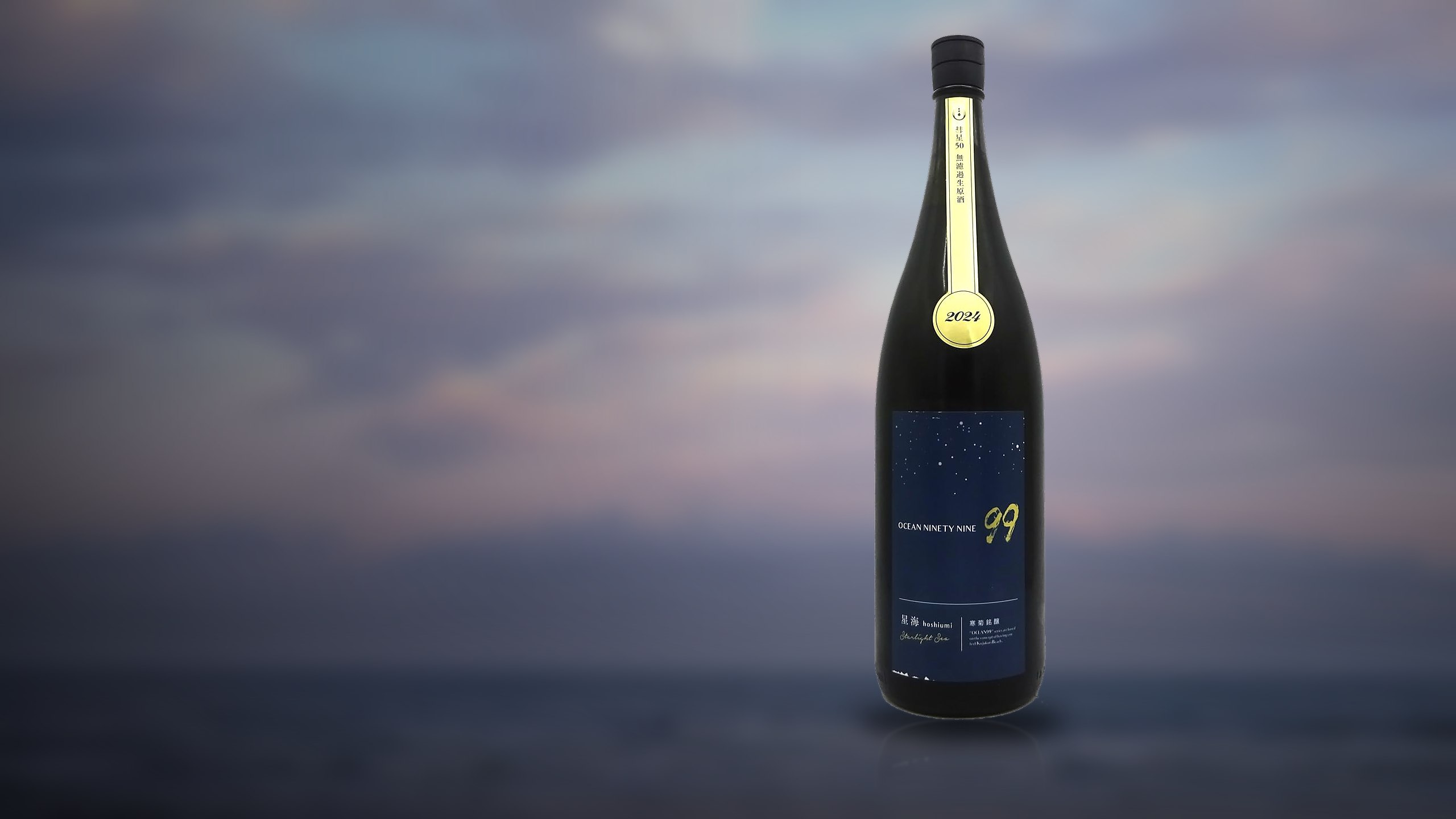
#7Kankiku OCEAN99 Series (Kankiku Meijo · Chiba)Gastronomy & Sommelier Focus¥1,760–¥2,200Seasonal coastal releases with bright orchard fruit (8–12°C)
#8Senkin Modern Muku (Senkin · Tochigi)Gastronomy & Sommelier Focus¥1,800–¥2,100Domaine-grown Yamada Nishiki & juicy malic acidity (10–14°C)
#9Zaku Megumi no Tomo Junmai Ginjo (Shimizu Seizaburo Shoten · Mie)Regional & Terroir Focus¥1,980–¥2,310Silky pear aromatics & Sommelier-trusted consistency (10–12°C)
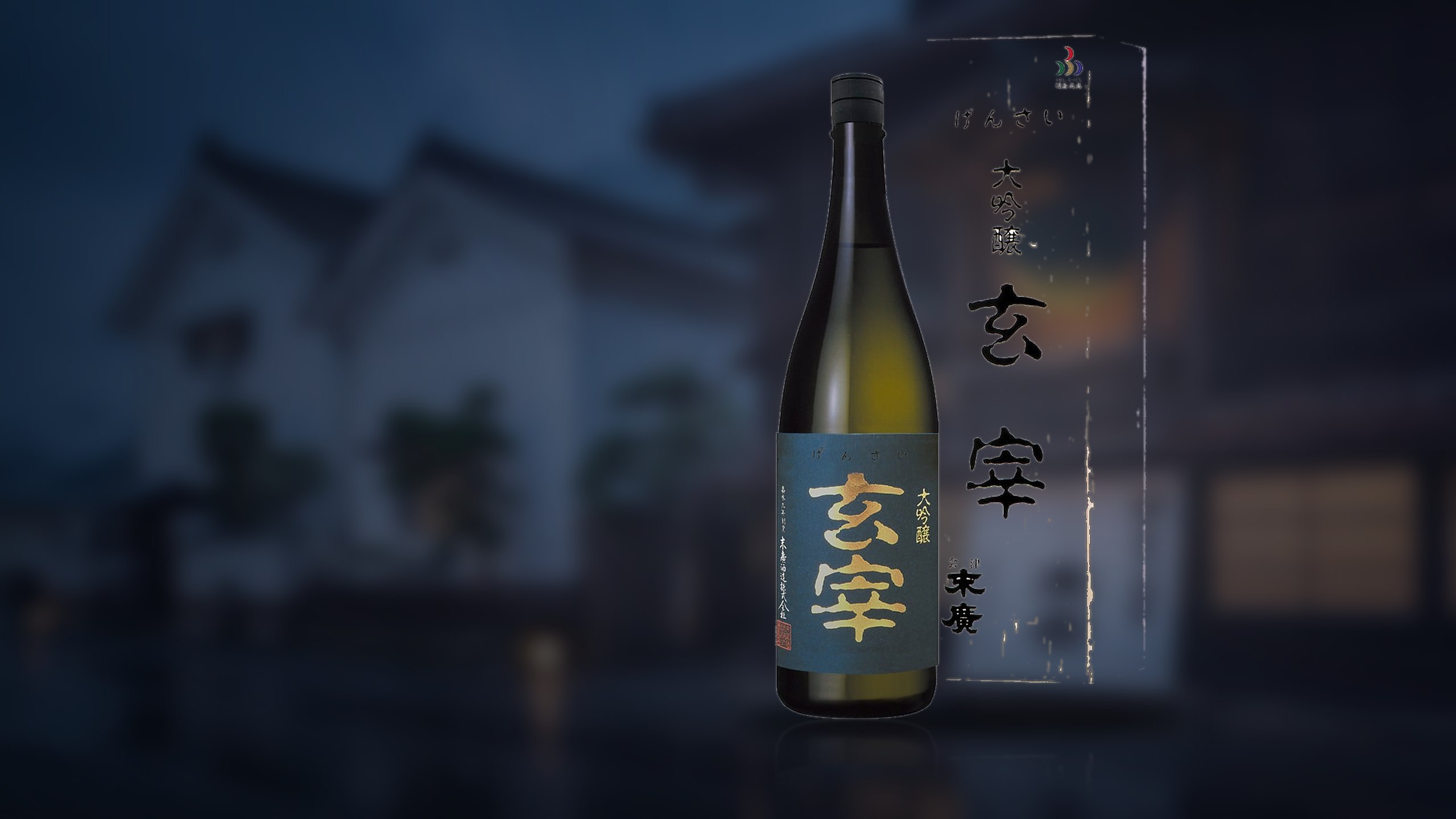
#10Gensai Tokubetsu Junmai (Suehiro Shuzo · Fukushima)Regional & Terroir Focus¥1,980–¥2,4202026 Junmai BRONZE; 1850 Aizu Yamahai depth (12–42°C)
#11Ki-oku Junmai Ginjo (Yamazaki Goshi Kaisha · Aichi)Regional & Terroir Focus¥1,870–¥2,3102026 SILVER brewery; 14% ABV undiluted genshu density (10–14°C)
#12Tabika Junmai Ginjo / Junmai (Hayakawa Shuzo · Mie)Regional & Terroir Focus¥1,650–¥2,2002026 Junmai Finalist; 100% funa-shibori soft-water silk (10–14°C)

[Competition Benchmarks & High-Attention Labels: 1–4] Official World Value Champions & Double-Crown Core Bottlings

#1

Keiryu Ginjo (Endo Shuzojo · Nagano)

Competition & Community Context
Official IWC 2026 Great Value Champion Sake
720ml Japan MSRP & Global/Seoul Market Guide
Japan Official MSRP ¥1,200–¥1,500 / Overseas & Seoul Retail ~₩32,000–₩42,000 ($22–$30)
Survey Summary
Selected from all Gold Medal winners among 1,738 entries at the 20th Anniversary IWC as the single best-value sake in the world. Brewed with Northern Alps subterranean water, its crisp apple-and-pear ginjo lift sets the global benchmark for everyday excellence.
#2

Mimurosugi Tokubetsu Junmai Tsuyuhakaze / Junmai Ginjo (Imanishi Shuzo · Nara)

Competition & Community Context
Double Crown Winner (1st Place Junmai & 1st Place Junmai Ginjo) at SAKE COMPETITION 2026 / Top 10 Domestic Web Reviews
720ml Japan MSRP & Global/Seoul Market Guide
Japan Official MSRP ¥1,650–¥2,090 / Overseas & Seoul Retail ~₩45,000–₩58,000 ($32–$45)
Survey Summary
Despite being the most decorated brewery of 2026, Imanishi Shuzo keeps its core Tokubetsu Junmai (brewed with native Nara Tsuyuhakaze rice) and Junmai Ginjo remarkably accessible—earning near-unanimous praise across web review platforms.
#3

Hakurakusei Tokubetsu Junmai / Junmai Ginjo (Niizawa Jozoten · Miyagi)

Competition & Community Context
IWC 2026 Sake Brewer of the Year
720ml Japan MSRP & Global/Seoul Market Guide
Japan Official MSRP ¥1,650–¥2,200 / Overseas & Seoul Retail ~₩45,000–₩60,000 ($32–$46)
Survey Summary
Engineered as the "Ultimate Food Sake" by the 2026 World Brewer of the Year. Delivering world-class precision and a razor-clean finish in its core everyday bottling, Hakurakusei is a perennial top-tier value pick among sommeliers and consumers alike.
#4

Tenbi Tokubetsu Junmai / Junmai Ginjo (Choshu Shuzo · Yamaguchi)

Competition & Community Context
IWC 2026 Champion Sake Brewery
720ml Japan MSRP & Global/Seoul Market Guide
Japan Official MSRP ¥1,760–¥2,200 / Overseas & Seoul Retail ~₩48,000–₩62,000 ($35–$48)
Survey Summary
Sharing the exact fermentation DNA of the world-champion Hotaten cuvée, Tenbi’s core White Label (Tokubetsu Junmai) and Peach Label (Usu-nigori) deliver luminous white-grape acidity at an astonishingly fair retail price.

[Hospitality Favorites & Category Icons: 5–8] Top-Rated Domestic Review Favorites & Category Winners

#5

Hiroki Tokubetsu Junmai (Hiroki Shuzo Honten · Fukushima)

Competition & Community Context
Perennial Top 10 on Domestic Review Platforms
720ml Japan MSRP & Global/Seoul Market Guide
Japan Official MSRP ¥1,760–¥2,000 (1.8L ~¥3,300) / Allocated via authorized tokuyakuten dealers
Survey Summary
When purchased at list price through an authorized tokuyakuten retailer, no bottle in Japan offers a more revered food-pairing experience for the money.
#6

Tachibanaya Junmai Ginjo Kura no Hana / Koganezawa (Kawakei Shoten · Miyagi)

Competition & Community Context
1st Place, Modern Natural Category at SAKE COMPETITION 2026
720ml Japan MSRP & Global/Seoul Market Guide
Japan Official MSRP ¥1,870–¥2,200 / Overseas & Seoul Retail ~₩48,000–₩60,000 ($35–$45)
Survey Summary
Translating traditional Yamahai depth into a sleek, crystal-clean contemporary frame at an everyday craft price point.
#7

Kankiku OCEAN99 Series (Kankiku Meijo · Chiba)

Competition & Community Context
Top 10 Domestic Review Platforms / Leading Japan–Korea SNS Buzz
720ml Japan MSRP & Global/Seoul Market Guide
Japan Official MSRP ¥1,760–¥2,200 / Overseas & Seoul Retail ~₩48,000–₩62,000 ($35–$48)
Survey Summary
Seasonal coastal releases that pair vibrant aromatics and stunning label art with honest pricing.
#8

Senkin Modern Muku (Senkin · Tochigi)

Competition & Community Context
High Acclaim Across Web Reviews & Natural Wine Programs
720ml Japan MSRP & Global/Seoul Market Guide
Japan Official MSRP ¥1,800–¥2,100 / Overseas & Seoul Retail ~₩48,000–₩60,000 ($35–$45)
Survey Summary
Domaine-grown Yamada Nishiki and electric malic acidity maintained at an approachable flagship price.

Additional Highlights 9–12: Regional Craft Bottles in 2026 Blind Tastings

#9: Zaku Megumi no Tomo Junmai Ginjo (Shimizu Seizaburo Shoten · Mie / Culinary Profile / 720ml Japan MSRP: ¥1,980–¥2,310 · Seoul Retail ~₩50,000–₩65,000)
Silky pear aromatics and unwavering batch-to-batch consistency trusted by sommeliers worldwide.
#10: Gensai Tokubetsu Junmai (Suehiro Shuzo · Fukushima / Culinary Profile / 720ml Japan MSRP: ¥1,980–¥2,420 · Seoul Retail ~₩52,000–₩68,000)
BRONZE medalist in Junmai at SAKE COMPETITION 2026; 1850 Aizu Yamahai heritage offering seamless versatility from chilled to nurukan.
#11: Oku / Ki-oku (きおく、記奥) Junmai Ginjo (Yamazaki Goshi Kaisha · Aichi / Culinary Profile / 720ml Japan MSRP: ¥1,870–¥2,310 · Seoul Retail ~₩48,000–₩65,000)
SILVER medalist brewery in Junmai Ginjo at SAKE COMPETITION 2026; 14% ABV undiluted genshu crafted from Aichi Yumeginka rice.
#12: Tabika Junmai Ginjo / Junmai (Hayakawa Shuzo · Mie / Culinary Profile / 720ml Japan MSRP: ¥1,650–¥2,200 · Seoul Retail ~₩45,000–₩62,000)
Junmai Finalist at SAKE COMPETITION 2026; applying two-day 100% funa-shibori box pressing even to its core everyday releases.
"Rather than paying a 500% secondary-market markup for a single trophy bottle, discovering honest, cold-chain-protected craft bottles from trusted authorized retailers will reward your palate tenfold." — 2026 Public Attention Archive & Buyers Guide
1,215 Breweries · 2,891 Labels · Neutral Archive
Linked from 1,215 Breweries · 2,891 Labels · 8,673 Reviews

Featured Breweries, Specs & Flavor Balance

Flagship LabelBrewery & RegionSignature Rice & WaterBrewery Profile
KeiryuEndo Sake Brewery Co., Ltd. (29 Oaza Suzaka, Suzaka-shi, Nagano 382-0000, Japan)Nagano-grown Miyama Nishiki, Hitogokochi, Sankei Nishiki, and Kinmon Nishiki · Sugadaira Highland (Mount Neko & Mount Azumaya) Subterranean WaterBrewery Profile
MimurosugiImanishi Sake Brewery Co., Ltd. (510 Miwa, Sakurai-shi, Nara 633-0001, Japan)Tsuyuhakaze, Yamadanishiki, Omachi · Subsurface water from sacred Mt. Miwa (medium-soft water)Brewery Profile
TENBUNishi Shuzo Co., Ltd. (4970-17 Yokura, Fukiage-cho, Hioki City, Kagoshima 899-3309, Japan (Tenbu Sake Kura: 3142-10 Yokura, Fukiage-cho, Hioki City))Yamada Nishiki (Tojo Special A District, Hyogo), Aiyama, Akaiwa Omachi · Satsuma Peninsula Deep Subterranean Natural Soft Water ('HOUMEI')Brewery Profile
HakurakuseiNiizawa Sake Brewery Co., Ltd. (63 Kitamachi, Sanbongi, Osaki-shi, Miyagi 989-6321, Japan (Head Office) / 1-115 Koginzawayama, Imashuku, Kawasaki-machi, Shibata-gun, Miyagi 989-1501, Japan (Kawasaki Brewery))Kuranohana, Yamada Nishiki, Aiyama · Zao Mountain Range & Ou Mountains Subterranean Soft WaterBrewery Profile
TenbiChoshu Brewery Co., Ltd. (72 Yoshika, Kikugawa-cho, Shimonoseki-shi, Yamaguchi 750-0316, Japan)Yamada Nishiki, Saito no Shizuku · Koya River System & Kikugawa Natural Subterranean Medium-Soft WaterBrewery Profile
HirokiHiroki Shuzo Honten Co., Ltd. (Ko 3574 Shichuniban, Aizubange-machi, Kawanuma-gun, Fukushima 969-6543, Japan)Yamadanishiki, Gohyakumangoku, Omachi, Fukunoka, Yumenoka · Subsurface snowmelt water from the Mt. Iide range in the Aizu Basin (soft water)Brewery Profile
TomobiKakuboshi Co., Ltd. (2-1-17 Uomachi, Kesennuma-shi, Miyagi 988-0013, Japan)Kuranohana, Miyama Nishiki, Yamada Nishiki · Kitakami Mountains & Mt. Murone Subterranean Water (Medium-Hard Water)Brewery Profile
OCEAN99Kankiku Meijo Co., Ltd. (11 Takenosato, Matsuo-machi, Sammu-shi, Chiba 289-1532, Japan)Chiba Fusanomai, Chiba Fusakogane, Yamada Nishiki, Omachi, Ushuhomare · Kujukuri Plain Subterranean Soft Spring Water from the Ancient Persimmon Tree WellBrewery Profile
SenkinSenkin Co., Ltd. (106 Baba, Sakura-shi, Tochigi 329-1321, Japan)Domaine Sakura Estate-Grown Rice (Kamenoo, Yamada Nishiki, Omachi) · Kinugawa River System Subterranean Ultra-Soft Water (Domaine Aquifer)Brewery Profile
KoganesawaKawakei Shoten Co. (6-7 Takatama, Nigo, Misato-machi, Toda-gun, Miyagi 989-4206, Japan)Yamada Nishiki, Omachi, Sasanishiki, Miyama Nishiki · Ou Mountains Subterranean Well Water (Medium-Soft Water)Brewery Profile
29 Oaza Suzaka, Suzaka-shi, Nagano 382-0000, Japan · Endo Sake Brewery Co., Ltd. (Est. 1864)
Keiryuリンゴ甘味冷酒
Sugadaira Highland (Mount Neko & Mount Azumaya) Subterranean Water Nagano-grown Miyama Nishiki, Hitogokochi, Sankei Nishiki, and Kinmon Nishiki Nagano Prefectural Yeast (Alps Yeast, Nagano D Yeast) and Kyokai No. 1801 Yeast

Founded in 1864 as official purveyor to the feudal lords of Suzaka Domain, Endo Shuzojo crafts Keiryu using pristine snowmelt subterranean water from the Sugadaira Highlands (Mount Azumaya and Mount Neko) and Nagano-grown Miyama Nishiki, Hitogokochi, and Sankeinishiki rice. Flagship expressions like the multi-award-winning 'Keiryu Asashibori Shuppin Chozoshu' deliver honeyed Shinshu apple aromatics and rich, unpasteurized genshu concentration that shines chilled or over ice. Pair it with Shinshu salmon sashimi, horse-meat basashi, or savory Shinshu miso-grilled dishes.

Flavor Balance (1–5 Rice Grains)Shows which flavor direction the balance leans toward (1 to 5 rice grains), never a quality rank or score.
Serving & Glassware:Recommended Temperature: 10–13°C (Chilled / Hanabie to Suzubie) / Recommended Glassware: Thin-rimmed, medium-bowled white wine glass (such as Riedel O Daiginjo). Avoid over-chilling below 6°C so the delicate esters are not muted. Upon pouring, experience crystalline purity from Sugadaira Highland (Mount Neko & Mount Azumaya) Subterranean Water and lifted orchard-fruit aromatics; after 15 minutes as the glass warms to 14°C, silky Nagano-grown Miyama Nishiki, Hitogokochi mid-palate umami opens gracefully.
Global Gastronomy Pairings
• Thinly sliced Shinshu salmon with fresh Azumino wasabi and crisp mountain foraged sansai tempura
• Jeju silver belt-fish sashimi and delicate pan-fried scallop & cod jeon with citrus soy
• Poached lobster tail and white asparagus warm salad with yuzu-infused citrus hollandaise
“Compared Endo Shuzojo's signature Keiryu Asashibori Shuppin Chozoshu with the Black Label Junmai Ginjo. At nearly 20% ABV, the Asashibori packs a syrupy,baked-apple intensity that stands up effortlessly to rich Shinshu-miso braised beef tendon.”
Domestic Review · SAKETIME / 国内口コミ信州の雪見酒
“Sugadaira highland snowmelt and Nagano Alps yeast create a vivid, orchard-fresh profile. Serving Keiryu Asashibori over a single large ice cube works brilliantly both as an aperitif and alongside blue cheese or dried figs after dinner.”
Global Sommelier · Vivino / Global SakeMatteo B.
“Fell in love with Keiryu at the Suzaka kura festival! Their drip-pressed Shizuku is pure silk, while the active unfiltered Domuroku fizzes like Champagne with bright sweet-tart energy—dangerously good with Shinshu salmon carpaccio.”
SNS Buzz · X (Twitter) / Instagram@nagano_sake_trip
510 Miwa, Sakurai-shi, Nara 633-0001, Japan · Imanishi Sake Brewery Co., Ltd. (Est. 1660)
Mimurosugiラムネガス華やか
Subsurface water from sacred Mt. Miwa (medium-soft water) Tsuyuhakaze, Yamadanishiki, Omachi Kyokai No. 9 strain, Miwa Heritage Yeast and Bodaimoto

Founded in 1660 at the foot of sacred Mount Miwa and Omiwa Shrine—revered as the ancestral deity of Japanese sake brewing—Imanishi Shuzo crafts Mimurosugi using shrine-mountain subterranean water and locally grown Yamadanishiki and Tsuyuhakaze rice. Luminous lychee, white peach, and Muscat aromas flow into a crystal-clear, juicy palate with a brisk finish that pairs effortlessly with sushi, sashimi, and delicate crudo.

Flavor Balance (1–5 Rice Grains)Shows which flavor direction the balance leans toward (1 to 5 rice grains), never a quality rank or score.
Serving & Glassware:Recommended Temperature: 10–14°C (Cool Cellar) & 42–45°C (Bain-Marie Warmed / Nurukan) / Recommended Glassware: Thin-rimmed white Burgundy or Riedel O Daiginjo wine glass. Right after opening at 10°C, savor the vibrant micro-effervescence and taut lactic/citric tension shaped by Subsurface water from sacred Mt. Miwa (medium-soft water); after 15 minutes as it reaches 14°C, multi-dimensional Tsuyuhakaze, Yamadanishiki, Omachi umami and savory kimoto complexity blossom.
Global Gastronomy Pairings
• Charcoal-grilled Yamato heritage chicken with narazuke sake-lees glaze and Yamato Wagyu shabu-shabu
• Crispy-scaled Jeju tilefish (okdom) and creamy abalone liver (geu) rice porridge risotto
• Dover sole meunière with cultured hazelnut brown butter, Meyer lemon, and capers
“Mimurosugi Roman Junmai Ginjo Yamadanishiki and Dio Abita open with morning-dew clarity and delicate lychee and white peach notes—juicy on the mid-palate yet vanishing effortlessly thanks to soft Mount Miwa water. The absolute pinnacle of the 'clean and juicy' style.”
Domestic Review · SAKETIME三輪の酒神礼賛
“Mimurosugi Kioke Bodaimoto—fermented in vats coopered from sacred Mount Miwa cedar using ambient lactic bacteria and brewery yeast—is true terroir sake, weaving silky acidity with white peach and cedar-herb nuances for Michelin-level pairings.”
Global Sommelier · Vivino / Michelin Guide Sommelier SelectionCamille L.
“Stopped by Imanishi Shuzo after visiting Omiwa Shrine and picked up Mimurosugi 'Hanakyun' Origarami and Junmai Ginjo Tsuyuhakaze—the Tsuyuhakaze's pink-grapefruit acidity and subtle bitterness are addictive at the dinner table.”
SNS Buzz · X (Twitter)@nara_sake_pilgrim
4970-17 Yokura, Fukiage-cho, Hioki City, Kagoshima 899-3309, Japan (Tenbu Sake Kura: 3142-10 Yokura, Fukiage-cho, Hioki City) · Nishi Shuzo Co., Ltd. (Est. 1845)
TENBUフルーティ甘味旨味
Satsuma Peninsula Deep Subterranean Natural Soft Water ('HOUMEI') Yamada Nishiki (Tojo Special A District, Hyogo), Aiyama, Akaiwa Omachi Nishi Shuzo Proprietary Cultured Yeast

Created in 2020 by Nishi Shuzo—the legendary Kagoshima distillery behind Tomino Hozan shochu—Tenbu brings world-class precision to Japan's southernmost mainland prefecture. Crafted with ultra-soft Satsuma mountain water and elite Yamada Nishiki and Aiyama rice, its lush lychee-and-white-peach aromatics, velvety sweetness, and crystal-clear finish pair magnificently with Kagoshima black Wagyu, Kurobuta pork shabu-shabu, and silver-stripe round herring sashimi.

Flavor Balance (1–5 Rice Grains)Shows which flavor direction the balance leans toward (1 to 5 rice grains), never a quality rank or score.
Serving & Glassware:Recommended Temperature: 10–13°C (Chilled / Hanabie to Suzubie) / Recommended Glassware: Thin-rimmed, medium-bowled white wine glass (such as Riedel O Daiginjo). Avoid over-chilling below 6°C so the delicate esters are not muted. Upon pouring, experience crystalline purity from Satsuma Peninsula Deep Subterranean Natural Soft Water ('HOUMEI') and lifted orchard-fruit aromatics; after 15 minutes as the glass warms to 14°C, silky Yamada Nishiki (Tojo Special A District, Hyogo), Aiyama, Akaiwa Omachi mid-palate umami opens gracefully.
Global Gastronomy Pairings
• Kinko Bay amberjack & silver-stripe round herring (kibinago) sashimi with salt-grilled kuruma prawn
• Jeju silver belt-fish sashimi and delicate pan-fried scallop & cod jeon with citrus soy
• Poached lobster tail and white asparagus warm salad with yuzu-infused citrus hollandaise
“Tasted Tenbu Junmai Daiginjo alongside the Junmai Ginjo Aiyama. Any preconceptions about southern Kyushu sake vanish on the first sip—breathtaking clarity, white-peach perfume, and velvet texture born of Nishi Shuzo's fermentation mastery.”
Domestic Review · SAKETIME / 国内口コミ薩摩の美酒探訪家
“Drawing on Nishi Shuzo's global experience in both luxury shochu and New Zealand biodynamic winemaking, Tenbu achieves a modern, satin-textured elegance that dazzles international sommeliers.”
Global Sommelier · Vivino / Global SakeVictor Sterling
“Had Tenbu Junmai Ginjo with Kagoshima Kurobuta pork shabu-shabu on a trip south and was blown away! Its dewy aromatics and soft sweetness wrapped around the sweet pork fat in pure harmony.”
SNS Buzz · X (Twitter) / Instagram@kagoshima_gourmet_club
63 Kitamachi, Sanbongi, Osaki-shi, Miyagi 989-6321, Japan (Head Office) / 1-115 Koginzawayama, Imashuku, Kawasaki-machi, Shibata-gun, Miyagi 989-1501, Japan (Kawasaki Brewery) · Niizawa Sake Brewery Co., Ltd. (Est. 1873)
Hakurakuseiキレスッキリ酸味
Zao Mountain Range & Ou Mountains Subterranean Soft Water Kuranohana, Yamada Nishiki, Aiyama Miyagi Yeast

Guided by the philosophy of the 'Ultimate Food Sake,' 5th-generation president Iwao Niizawa and trailblazing young toji Nanami Watanabe combine state-of-the-art ultra-polishing and sub-zero fermentation in Miyagi. Crisp green apple and Muscat notes give way to taut acidity, low residual sweetness, and a lightning-clean finish that refreshes the palate across Sanriku seafood and Michelin-starred French cuisine.

Flavor Balance (1–5 Rice Grains)Shows which flavor direction the balance leans toward (1 to 5 rice grains), never a quality rank or score.
Serving & Glassware:Recommended Temperature: 10–13°C (Chilled / Hanabie to Suzubie) / Recommended Glassware: Thin-rimmed, medium-bowled white wine glass (such as Riedel O Daiginjo). Avoid over-chilling below 6°C so the delicate esters are not muted. Upon pouring, experience crystalline purity from Zao Mountain Range & Ou Mountains Subterranean Soft Water and lifted orchard-fruit aromatics; after 15 minutes as the glass warms to 14°C, silky Kuranohana, Yamada Nishiki, Aiyama mid-palate umami opens gracefully.
Global Gastronomy Pairings
• Shiogama 'Higashimono' bigeye tuna nigiri and Matsushima Bay oyster poached in sea brine
• Jeju silver belt-fish sashimi and delicate pan-fried scallop & cod jeon with citrus soy
• Poached lobster tail and white asparagus warm salad with yuzu-infused citrus hollandaise
“Enjoyed Hakurakusei Junmai Ginjo and Junmai Daiginjo Tojo Akitsu Yamadanishiki at a sushi kappo counter. Rather than overwhelming with flashy sweetness, its vibrant acidity slices through rich fish oils and vanishes cleanly—pure culinary artistry.”
Domestic Review · SAKETIME 宮城県ランキング 1位Sendai_Gourmet_Sake
“Niizawa Jozoten is among the most trusted producers for global sommeliers. The ultra-high-polishing mastery behind Zankyo and Hikari informs every bottle of Hakurakusei, yielding crystalline transparency unmatched in the sake world.”
Global Sommelier · Robert Parker Wine Advocate / IWCJulien Moreau, Head Sommelier
“Chilled glass of Hakurakusei Tokubetsu Junmai tonight. Even several days after opening, its razor-sharp balance never wavers—keeping a bottle in the fridge turns any weeknight dinner into a fine-dining experience.”
SNS Buzz · X (Twitter) / Instagram@kanpai_chronicles
72 Yoshika, Kikugawa-cho, Shimonoseki-shi, Yamaguchi 750-0316, Japan · Choshu Brewery Co., Ltd. (Est. 1871)
Tenbiガスフレッシュ甘味
Koya River System & Kikugawa Natural Subterranean Medium-Soft Water Yamada Nishiki, Saito no Shizuku Kyokai No. 901 & Kyokai No. 701 Yeast

Launched in late 2020 in Shimonoseki, Yamaguchi by Choshu Shuzo, Tenbi skyrocketed to national stardom with its bright, uplifting house style. Bearing sun-and-moon labels for day and night expressions, it offers crisp green apple and white grape aromatics, delicate pinpoint effervescence, and vibrant malic acidity that pair beautifully with seafood ceviche, seasonal vegetable tempura, and modern izakaya fare.

Flavor Balance (1–5 Rice Grains)Shows which flavor direction the balance leans toward (1 to 5 rice grains), never a quality rank or score.
Serving & Glassware:Recommended Temperature: 10–13°C (Chilled / Hanabie to Suzubie) / Recommended Glassware: Thin-rimmed, medium-bowled white wine glass (such as Riedel O Daiginjo). Avoid over-chilling below 6°C so the delicate esters are not muted. Upon pouring, experience crystalline purity from Koya River System & Kikugawa Natural Subterranean Medium-Soft Water and lifted orchard-fruit aromatics; after 15 minutes as the glass warms to 14°C, silky Yamada Nishiki, Saito no Shizuku mid-palate umami opens gracefully.
Global Gastronomy Pairings
• Shimonoseki wild tiger pufferfish tessa wrapped around Yasuoka green onion and kelp-cured Hagi tilefish
• Jeju silver belt-fish sashimi and delicate pan-fried scallop & cod jeon with citrus soy
• Poached lobster tail and white asparagus warm salad with yuzu-infused citrus hollandaise
“Opened Tenbi Junmai Ginjo Usunigori Nama (Momoten). Silky lees-touched sweetness meets a lively tingle and a grapefruit-pith finish so refreshing the 720ml bottle vanished in an evening.”
Domestic Review · SAKETIME / 国内口コミ令和の地酒ウォッチャー
“Reminiscent of Basque Txakoli or young Loire Chenin Blanc with its lively spritz and bright acidity—an absolute dream pairing at oyster bars and seafood tapas counters.”
Global Sommelier · Vivino / Global SakeSophia Lin
“Chilled white-label Tenbi Junmai Ginjo tonight. Beyond the gorgeous mizuhiki-inspired label, that crystalline purity and bright malic lift on the palate are simply one of a kind.”
SNS Buzz · X (Twitter) / Instagram@sake_palette
Ko 3574 Shichuniban, Aizubange-machi, Kawanuma-gun, Fukushima 969-6543, Japan · Hiroki Shuzo Honten Co., Ltd. (Est. 1892)
Hirokiバランス旨味フルーティ
Subsurface snowmelt water from the Mt. Iide range in the Aizu Basin (soft water) Yamadanishiki, Gohyakumangoku, Omachi, Fukunoka, Yumenoka Kyokai No. 9 strain yeast, Utsukushima Yume Yeast (F7-01)

Named 'Droplets of Joy Flying Forth,' 9th-generation brewer Kenji Hiroki ignited Japan's unfiltered unpasteurized (muroka nama genshu) boom and propelled Fukushima to national acclaim. Combining polished Yamadanishiki for mid-palate depth and Gohyakumangoku for crisp structure, it delivers fresh lychee and pear aromatics with vibrant acidity that pairs effortlessly with seasonal sashimi and charcoal-grilled yakitori.

Flavor Balance (1–5 Rice Grains)Shows which flavor direction the balance leans toward (1 to 5 rice grains), never a quality rank or score.
Serving & Glassware:Recommended Temperature: 10–13°C (Chilled / Hanabie to Suzubie) / Recommended Glassware: Thin-rimmed, medium-bowled white wine glass (such as Riedel O Daiginjo). Avoid over-chilling below 6°C so the delicate esters are not muted. Upon pouring, experience crystalline purity from Subsurface snowmelt water from the Mt. Iide range in the Aizu Basin (soft water) and lifted orchard-fruit aromatics; after 15 minutes as the glass warms to 14°C, silky Yamadanishiki, Gohyakumangoku, Omachi, Fukunoka, Yumenoka mid-palate umami opens gracefully.
Global Gastronomy Pairings
• Aged Joban coastal flounder sashimi and Aizu white asparagus & kuruma prawn tempura with mountain salt
• Dry-aged Korean wild sea bream hoe and chilled king prawn salad (daeha-naengchae) in pine-nut sauce
• Poached lobster tail and white asparagus warm salad with yuzu-infused citrus hollandaise
“Hiroki Tokubetsu Junmai Namazume never fails to astonish. Subtle on the nose yet explosive on the palate with juicy orchard fruit, supple rice sweetness, and a razor-clean finish—it remains the eternal benchmark for modern Tokubetsu Junmai.”
Domestic Review · SAKETIME 福島県ランキング 最上位常連Aizu_Sake_Meister
“Hiroki Junmai Daiginjo captivates with its poised, muscular structure rather than ostentatious aromatics. Evoking a Premier Cru white Burgundy in its mineral tension and depth, it pairs brilliantly with pan-seared lobster and scallop carpaccio.”
Global Sommelier · International Sake Challenge / VivinoMarcus Chen, DipWSET
“Popped the once-a-year Hiroki Tokubetsu Junmai Kasumizake! The delicate lees lend a creamy texture balanced by lively new-season effervescence and a noble, dry finish—our 720ml bottle vanished in record time.”
SNS Buzz · Instagram / X (Twitter)@tokyo_sakagura_log
2-1-17 Uomachi, Kesennuma-shi, Miyagi 988-0013, Japan · Kakuboshi Co., Ltd. (Est. 1906)
Tomobi食中酒旨味バランス
Kitakami Mountains & Mt. Murone Subterranean Water (Medium-Hard Water) Kuranohana, Miyama Nishiki, Yamada Nishiki Miyagi Yeast

Brewed in the port city of Kesennuma by Kakuhoshi using 100% Miyagi-bred 'Kura no Hana' sake rice and Mt. Murone medium-hard spring water, this label offers crisp coastal minerality ideal for fresh seafood.

Flavor Balance (1–5 Rice Grains)Shows which flavor direction the balance leans toward (1 to 5 rice grains), never a quality rank or score.
Serving & Glassware:Recommended Temperature: 8–12°C (Crisp Chilled) or 45–48°C (Jokan Warmed) / Recommended Glassware: Narrow-tulip white wine stem, thin porcelain hirahai cup, or tin (suzu) vessel. Chilled to 9°C, Kitakami Mountains & Mt. Murone Subterranean Water (Medium-Hard Water) delivers razor-sharp mineral precision and a bone-dry finish; as it warms to 13°C—or when heated in a tin carafe to 45°C—savory Kuranohana, Miyama Nishiki, Yamada Nishiki grain character emerges to frame coastal cuisine.
Global Gastronomy Pairings
• Shiogama 'Higashimono' bigeye tuna nigiri and Matsushima Bay oyster poached in sea brine
• Seasonal Korean croaker sashimi & warm pan-seared min-eo jeon with tangy minari salad
• Oysters Rockefeller with herb butter crust and wood-grilled sea bass with fennel & lemon
“Tasted 'Kura no Hana' by Kakuboshi Co., Ltd.: opening with the pure touch of Kitakami Mountains & Mt. Murone Subterranean Water (Medium-Hard Water), it reveals savory layers from Miyagi Kuranohana, Miyamanishiki, and Yamada Nishiki and versatile, cuisine-elevating table-sake poise, savory, resonant rice umami, harmonious balance of umami, acidity, and finish before finishing with crisp precision.”
Domestic Review · SAKETIME / 国内口コミ全国新酒・銘酒レビュー
“Highly rated on global sake platforms for its poised structure shaped by Kitakami Mountains & Mt. Murone Subterranean Water (Medium-Hard Water) in Miyagi, offering versatile, cuisine-elevating table-sake poise, savory, resonant rice umami, harmonious balance of umami, acidity, and finish that pairs seamlessly with sushi, sashimi, and contemporary cuisine.”
Global Sommelier · Vivino / Global SakeGlobal Sake Sommelier
“Loved on X and Instagram for its dynamic temperature evolution—showing crisp mineral clarity when chilled and generous Miyagi Kuranohana, Miyamanishiki, and Yamada Nishiki umami as it warms.”
SNS Buzz · X (Twitter) / Instagram@sake_pairing_lab
11 Takenosato, Matsuo-machi, Sammu-shi, Chiba 289-1532, Japan · Kankiku Meijo Co., Ltd. (Est. 1883)
OCEAN99ガスジューシー甘味
Kujukuri Plain Subterranean Soft Spring Water from the Ancient Persimmon Tree Well Chiba Fusanomai, Chiba Fusakogane, Yamada Nishiki, Omachi, Ushuhomare Kyokai Yeasts (No. 1801, No. 901, and Custom-Selected Strains)

A seasonal coastal series inspired by the changing skies and waves of the 99-ri Kujukuri Beach, marked by bright acidity and lively spritz.

Flavor Balance (1–5 Rice Grains)Shows which flavor direction the balance leans toward (1 to 5 rice grains), never a quality rank or score.
Serving & Glassware:Recommended Temperature: 10–13°C (Chilled / Hanabie to Suzubie) / Recommended Glassware: Thin-rimmed, medium-bowled white wine glass (such as Riedel O Daiginjo). Avoid over-chilling below 6°C so the delicate esters are not muted. Upon pouring, experience crystalline purity from Kujukuri Plain Subterranean Soft Spring Water from the Ancient Persimmon Tree Well and lifted orchard-fruit aromatics; after 15 minutes as the glass warms to 14°C, silky Chiba Fusanomai, Chiba Fusakogane, Yamada Nishiki, Omachi, Ushuhomare mid-palate umami opens gracefully.
Global Gastronomy Pairings
• Scalded-skin Katsuura golden eye snapper sashimi and sake-steamed Kujukuri wild clams
• Jeju silver belt-fish sashimi and delicate pan-fried scallop & cod jeon with citrus soy
• Wild sea bream carpaccio with bergamot olive oil, shaved bottarga, and micro herbs
“Opened Kankiku Meijo's signature seasonal series 'OCEAN99' celebrating nearby Kujukuri Beach! From spring's breezy 'Sorami' and summer's 'Nagi' and 'Hoshiumi' to autumn's 'Toumi' and winter's misty 'Hakuginkai,' each bottling delivers lively micro-fizz, juicy fruit sweetness, and a crisp coastal finish.”
Domestic Review · SAKETIME / 国内口コミ総州九十九里の美酒探訪
“Brilliantly captures the coastal spirit of Chiba's 99-ri Kujukuri Beach across the four seasons. Crisp spritz and bright fruitiness shine alongside seafood tacos, crudo, and grilled white fish.”
Global Sommelier · Vivino / Fine Wine & SakeRyan_K_Sommelier
“Collecting every season of Kankiku Meijo's 'OCEAN99'! Coastal artwork and fizzy, fruit-forward refreshment that everyone falls in love with.”
SNS Buzz · X (Twitter) / Instagram@ocean99_kankiku
106 Baba, Sakura-shi, Tochigi 329-1321, Japan · Senkin Co., Ltd. (Est. 1806)
Senkinガス酸味甘酸っぱい
Kinugawa River System Subterranean Ultra-Soft Water (Domaine Aquifer) Domaine Sakura Estate-Grown Rice (Kamenoo, Yamada Nishiki, Omachi) Ambient Brewery Yeast (No Added Yeast), Tochigi Prefectural Yeast

Pioneering the 'Domaine' terroir concept in Tochigi using estate-grown Kamenoo, Yamada Nishiki, and Omachi rice irrigated by the same ultra-soft Kinugawa aquifer as its brewing water, Senkin crafts natural sake through 100% kimoto fermentation in cedar vats with minimal rice polishing. Vibrant green apple and muscat tartness intertwines with savory wood-aged minerality, making it an extraordinary match for French seafood dishes, soft bloomy-rind cheeses, and herb-driven appetizers.

Flavor Balance (1–5 Rice Grains)Shows which flavor direction the balance leans toward (1 to 5 rice grains), never a quality rank or score.
Serving & Glassware:Recommended Temperature: 10–14°C (Cool Cellar) & 42–45°C (Bain-Marie Warmed / Nurukan) / Recommended Glassware: Thin-rimmed white Burgundy or Riedel O Daiginjo wine glass. Right after opening at 10°C, savor the vibrant micro-effervescence and taut lactic/citric tension shaped by Kinugawa River System Subterranean Ultra-Soft Water (Domaine Aquifer); after 15 minutes as it reaches 14°C, multi-dimensional Domaine Sakura Estate-Grown Rice (Kamenoo, Yamada Nishiki, Omachi) umami and savory kimoto complexity blossom.
Global Gastronomy Pairings
• Charcoal-grilled Tochigi Wagyu tenderloin with tamari-sansho glaze and dashi-simmered kanpyo
• Crispy-scaled Jeju tilefish (okdom) and creamy abalone liver (geu) rice porridge risotto
• Pan-roasted Breton blue lobster with Champagne, tarragon, and cultured butter beurre blanc
“Beyond the signature juicy malic-acid brightness that made Modern Senkin famous, the recent return to Edo-era kimoto and cedar-vat methods has added remarkable mid-palate depth and structural grip. As it warms from chilled to cellar temperature, the wild, earthy umami of local Kamenoo rice blossoms beautifully.”
Domestic Review · SAKETIME / 国内口コミ東京・日本酒ペアリング研究家
“The single easiest sake to introduce to French natural wine collectors. With genuine single-aquifer Domaine terroir and electric Riesling-like acidity balanced by gentle lactic creaminess, it pairs effortlessly with pan-seared scallops and lobster.”
Global Sommelier · Vivino / Wine & Sake SommelierJulien M., Paris Sommelier
“Did a side-by-side tasting of Senkin Organic Nature and Classic Kame-no-O—unbelievable how a 90%+ rice polishing ratio can taste this luminous, brisk, and silky. The sweet-tart citrus snap and minimalist bottle design make it an instant favorite.”
SNS Buzz · X (Twitter) / Instagram@nat_sake_tokyo
6-7 Takatama, Nigo, Misato-machi, Toda-gun, Miyagi 989-4206, Japan · Kawakei Shoten Co. (Est. 1902)
Koganesawa酸味旨味甘味
Ou Mountains Subterranean Well Water (Medium-Soft Water) Yamada Nishiki, Omachi, Sasanishiki, Miyama Nishiki Yamahai In-House Cultured Yeast, Miyagi Yeast, Kyokai No. 12 Yeast

Brewed since 1902 in Misato Town by 5th-generation president Masanao Kawana and his daughter, head brewer Yuri Kawana, Koganezawa pioneered the pairing of traditional Yamahai starter fermentation with Miyagi's fragrant Kyokai No. 12 yeast. This signature combination yields bright banana-and-Muscat aromatics, a silky lactic mid-palate free of heavy funk, and a crisp finish backed by a historic 17-year streak of National Gold Medals.

Flavor Balance (1–5 Rice Grains)Shows which flavor direction the balance leans toward (1 to 5 rice grains), never a quality rank or score.
Serving & Glassware:Recommended Temperature: 10–14°C (Cool Cellar) & 42–45°C (Bain-Marie Warmed / Nurukan) / Recommended Glassware: Thin-rimmed white Burgundy or Riedel O Daiginjo wine glass. Right after opening at 10°C, savor the vibrant micro-effervescence and taut lactic/citric tension shaped by Ou Mountains Subterranean Well Water (Medium-Soft Water); after 15 minutes as it reaches 14°C, multi-dimensional Yamada Nishiki, Omachi, Sasanishiki, Miyama Nishiki umami and savory kimoto complexity blossom.
Global Gastronomy Pairings
• Thick-cut charcoal-grilled Sendai beef tongue with nanban miso and simmered Kinka mackerel
• Charcoal-seared Hanwoo 1++ brisket point (chadolbagi) paired with aromatic minari and chilled dongchimi radish
• Dover sole meunière with cultured hazelnut brown butter, Meyer lemon, and capers
“Tasted Koganezawa Yamahai Junmai No. 12 Genshu. It marries deep Yamahai lactic structure with the bright orchard aromatics of Kyokai No. 12 yeast, drinking with the refreshing poise of a fine white wine.”
Domestic Review · SAKETIME 宮城県ランキング 上位常連Modern_Yamahai_Club
“Crafted by head brewer Yuri Kawana, Koganezawa brilliantly fuses heritage technique with modern elegance—its clean Yamahai acidity pairs effortlessly with chicken fricassee, goat cheese, and grilled seafood.”
Global Sommelier · IWC / Kura Master Gold ReviewHelena Vance
“Compared summer's Koganezawa Junmai Ginjo HITOMEBORE with their winter Yamahai Junmai Usunigori Nama! Both shine with crisp apple-and-Muscat acidity and luminous clarity.”
SNS Buzz · X (Twitter) / Instagram@sake_discovery_jp

Recommended Pairing

Charcoal Yakitori & Duck Tsukune
Elevated by Gensai Tokubetsu Junmai & Mimurosugi
Kelp-Cured White Fish & Seasonal Sashimi
Tabika & Hakurakusei spotlight delicate marine sweetness
SakeStream
A neutral global sake editorial archive and database documenting 1,215 breweries, 2,891 labels, brewing water & rice provenance, and 8,673 verified tasting records without proprietary ranking tiers.
Weekly Sake Dispatch

Weekly Sake & Tasting Dispatch

Curated seasonal releases, sub-zero arrivals, and tasting city guides across global editions.
ArticlesBreweries