[2026 Perspective Guide] Consumer Community Platforms (e.g., SAKETIME) & International Blind Competitions (IWC, Kura Master, SAKE COMPETITION)
Culture & Trends

[2026 Perspective Guide] Consumer Community Platforms (e.g., SAKETIME) & International Blind Competitions (IWC, Kura Master, SAKE COMPETITION)

2026-10-1811min readSakeStream
Back
EXECUTIVE SUMMARY & KEY TAKEAWAYS

Why do consumer review charts like Japan’s SAKETIME diverge from blind-tasted competitions like IWC, Kura Master, and SAKE COMPETITION? A definitive cross-analysis for buyers and collectors.

Key Sections in This Report:

Decoding the Two Pillars of Sake Rankings in 2026

When international sake enthusiasts search for "the best sake in Japan," they almost inevitably encounter SAKETIME, Japan’s largest consumer-driven sake review platform. Conversely, when Michelin-starred sommeliers and international importers build their allocations, they look to the Three Major Blind-Tasted Competitions: SAKE COMPETITION, the International Wine Challenge (IWC), and Paris’s Kura Master.

Strikingly, while there is selective overlap between consumer review charts and blind sommelier competitions, the two lists often diverge sharply. Here is a definitive 2026 cross-analysis of how they differ—and how savvy buyers should read both.


SakeStream Global Readership & Review Stats: As an independent multilingual sake archive, SakeStream connects enthusiasts, sommeliers, and buyers across 48 countries and regions—including Japan, South Korea, the United States, Taiwan, France, the UK, and Singapore. This analysis draws directly upon 8,673 verified user comments and tasting reviews (plus over 124,800 cross-analyzed global SNS & review posts) across our archive of 1,215 breweries and 2,891 sake labels in all 47 prefectures.

1. The Consumer Review Summit: Japan’s SAKETIME Top 10 (2026)

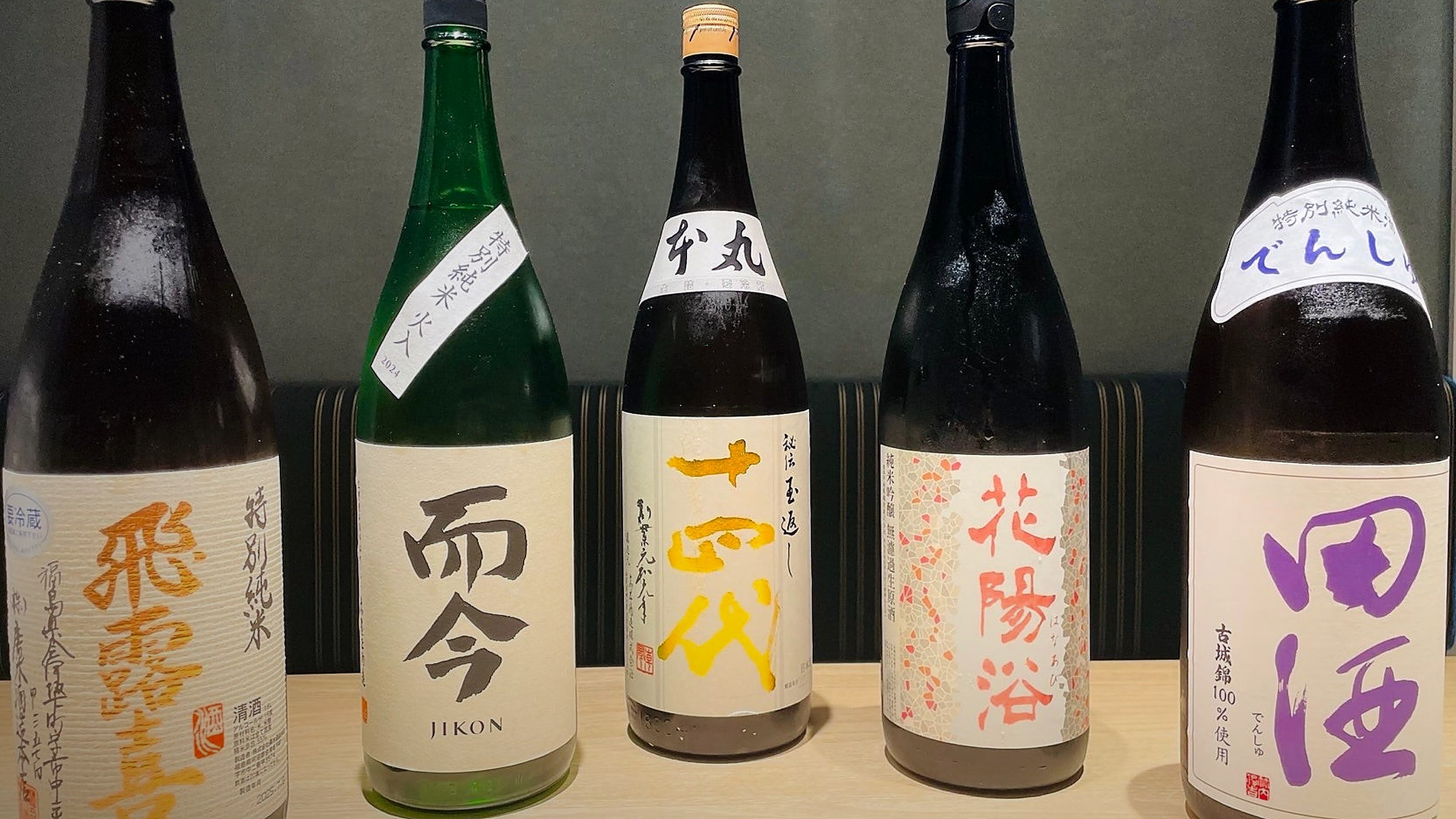
Aggregated from thousands of enthusiast reviews across Japan, the representative Top 10 brands on SAKETIME in 2026 are:

●
#1: Juyondai (十四代) — Takagi Shuzo (Yamagata)
●
#2: Aramasa (新政) — Aramasa Shuzo (Akita)
●
#3: Jikon (而今) — Kiyasho Shuzo (Mie)
●
#4: Shinshu Kirei (信州亀齢) — Okazaki Shuzo (Nagano)
●
#5: Ubusuna (産土) — Hananoka Shuzo (Kumamoto)
●
#6: Hanaabi (花陽浴) — Nanyo Jozo (Saitama)
●
#7: Hiroki (飛露喜) — Hiroki Shuzo Honten (Fukushima)
●
#8: Kankiku (寒菊) — Kankiku Meijo (Chiba)
●
#9: Mimurosugi (みむろ杉) — Imanishi Shuzo (Nara)
●
#10: Nabeshima (鍋島) — Fukuchiyo Shuzo (Saga)

Why Consumer Charts Favor This Lineup

1
First-Sip Juiciness & Aromatic Impact: When consumers taste a 60ml pour at a sake bar, immediate tropical aromatics (pineapple, white peach), lively micro-carbonation, and sweet-tart intensity (Hanaabi, Aramasa, Shinshu Kirei) generate instant 5-star reviews.
2
Scarcity Halo Effect: Cult icons like Juyondai do not enter commercial competitions at all, and the sheer thrill of securing a rare allocation naturally inflates user scores—mirroring how rare cult Napa Cabernets or Burgundy domaines perform on Vivino and CellarTracker.

2. The Blind-Tasting Summit: Winners of the 2026 Global Competitions

When labels are completely concealed and Master Brewers, Masters of Wine (MW), and top French sommeliers judge the liquid alone, a different hierarchy emerges:

●
SAKE COMPETITION 2026 (World’s Largest Commercial Sake Competition · 1,139 Entries)
●
Junmai 1st Place: Mimurosugi Dio Abita (Imanishi Shuzo · Nara)
●
Junmai Ginjo 1st Place: Mimurosugi Junmai Ginjo Yamada Nishiki (Imanishi Shuzo · Nara)
●
Junmai Daiginjo 1st Place: Ugo no Tsuki Junmai Daiginjo (Aihara Shuzo · Hiroshima)
●
Super Premium 1st Place: Jikon Tokuto Omachi (Kiyasho Shuzo · Mie)
●
Modern Natural 1st Place: Tachibanaya Junmai Ginjo Kura no Hana (Kawakei Shoten · Miyagi)
●
Notable Honors: Oku Trial Brewing No.3 (SILVER), Gensai Tokubetsu Junmai (BRONZE), Tabika Junmai (Finalist)
●
IWC 2026 SAKE Division ([Official Site](https://www.internationalwinechallenge.com/) · 20th Anniversary · 1,738 Entries)
●
Champion Sake: Tenbi Junmai Ginjo Hotaten (Choshu Shuzo · Yamaguchi)
●
Sake Brewer of the Year: Niizawa Jozoten (Miyagi / Hakurakusei, Zankyo — achieving an unprecedented 5th consecutive Brewer of the Year title)
●
Sake Prefecture of the Year: Nagano Prefecture (honored for extraordinary collective medal performance across its breweries, led by Great Value Champion Keiryu Ginjo)
●
Kura Master 2026 ([Official Site](https://kuramaster.com/ja/concours/comite-2026/laureats/) · 10th Anniversary · Judged by French Sommeliers in Paris)
●
Supreme President Prize: Shichiken Sparkling Hoshi no Kagayaki (Yamanashi Meijo · Yamanashi)

3. Consumer Reviews (e.g., SAKETIME) and International Blind Competitions: Perspective Matrix

DimensionConsumer Charts (SAKETIME Top 10)SAKE COMPETITION 2026IWC 2026 SAKE DivisionKura Master 2026
Judging BodyEnthusiast user scores & favorites (labels visible)Japanese master brewers & specialists (100% blind retail)Masters of Wine (MW) & international consensus panels100% French MOF & 3-star sommeliers (zero Japanese judges)
Rewarded Flavor ProfileImmediate tropical fruit, micro-spritz & sweet-tart lushnessZero off-flavors, pure rice umami & razor-clean cutFine-wine architecture (mid-palate weight, acid & length)High-toned malic/lactic tension, minerality & fine mousse
Structural BiasAllocation scarcity halo amplifies 5-star ratingsProhibits non-retail tanks; reflects real bottle-shop qualityRewards multi-entry consistency across breweries & regionsPenalizes cloying sweetness; prioritizes culinary synergy
2026 Marquee WinnersJuyondai, Aramasa, Jikon, Shinshu Kirei, UbusunaMimurosugi (Double Crown), Jikon, Katsuyama KIRA KIRATenbi Hotaten, Niizawa Jozoten (5× streak), Nagano Pref.Shichiken Sparkling Hoshi no Kagayaki (President Prize)

What Blind Professional Judges Reward

1
Absolute Absence of Technical Flaws: In blind flights of 50+ glasses, any lingering bitterness, protein heaviness, or unintegrated alcohol is penalized immediately. Gentle funa-shibori pressing (Tabika) and soft-water precision (Ugo no Tsuki) shine under this scrutiny.
2
Structural Acidity & Finish Precision (*Kire*): Sommeliers at IWC and Kura Master evaluate how a sake performs alongside food. Rather than cloying sweetness, they reward crisp architectural spine and a clean finish (Tenbi, Hakurakusei, Gensai, Ki-oku).
3
The Golden Intersection: Brands that dominate both SAKETIME and blind competitions—most notably *Jikon*, *Mimurosugi*, *Kankiku*, and *Shinshu Kirei*—represent the rare intersection of crowd-pleasing hedonism and technical perfection.
"SAKETIME is an indispensable map of consumer desire and cult scarcity, while the Three Major Competitions are blind certificates of liquid architecture and culinary synergy. SakeStream’s curation lives at the intersection of both." — SakeStream Analytics Team
1,215 Breweries · 2,891 Labels · Neutral Archive
Linked from 1,215 Breweries · 2,891 Labels · 8,673 Reviews

Featured Breweries, Specs & Flavor Balance

Flagship LabelBrewery & RegionSignature Rice & WaterBrewery Profile
FusanokankikuKankiku Meijo Co., Ltd. (11 Takenosato, Matsuo-machi, Sammu-shi, Chiba 289-1532, Japan)Chiba Fusanomai, Chiba Fusakogane, Yamada Nishiki, Omachi, Ushuhomare · Kujukuri Plain Subterranean Soft Spring Water from the Ancient Persimmon Tree WellBrewery Profile
TENBUNishi Shuzo Co., Ltd. (4970-17 Yokura, Fukiage-cho, Hioki City, Kagoshima 899-3309, Japan (Tenbu Sake Kura: 3142-10 Yokura, Fukiage-cho, Hioki City))Yamada Nishiki (Tojo Special A District, Hyogo), Aiyama, Akaiwa Omachi · Satsuma Peninsula Deep Subterranean Natural Soft Water ('HOUMEI')Brewery Profile
MimurosugiImanishi Sake Brewery Co., Ltd. (510 Miwa, Sakurai-shi, Nara 633-0001, Japan)Tsuyuhakaze, Yamadanishiki, Omachi · Subsurface water from sacred Mt. Miwa (medium-soft water)Brewery Profile
Ugo no TsukiAihara Sake Brewery Co., Ltd. (1-25-15 Nigata-honmachi, Kure-shi, Hiroshima 737-0152, Japan)Yamadanishiki, Hattannishiki, Omachi, Senbonnishiki · Soft subterranean underflow water filtered through granite layers of the Mount Noro rangeBrewery Profile
Koshi no HomareHara Shuzo Co., Ltd. (5-12 Shinbashi, Kashiwazaki-shi, Niigata 945-0056, Japan)Proprietary Koshikagura Rice, Gohyakumangoku, Koshitanrei & Yamada Nishiki · Soft Subterranean Snowmelt Water from Sacred Mt. YoneyamaBrewery Profile
JikonKiyasho Sake Brewery Co., Ltd. (314-1 Honmachi, Nabari-shi, Mie 518-0726, Japan)Yamadanishiki, Aiyama, Omachi, Hattannishiki, Senbonnishiki · Subsurface water from the Nunobiki mountain range (brewery well water, soft water)Brewery Profile
KoganesawaKawakei Shoten Co. (6-7 Takatama, Nigo, Misato-machi, Toda-gun, Miyagi 989-4206, Japan)Yamada Nishiki, Omachi, Sasanishiki, Miyama Nishiki · Ou Mountains Subterranean Well Water (Medium-Soft Water)Brewery Profile
GensaiSuehiro Sake Brewery Co., Ltd. (12-38 Nisshin-machi, Aizuwakamatsu-shi, Fukushima 965-0861, Japan)Yumenoka, Fukunoka, Yamadanishiki, Gohyakumangoku, Kamenoo · Subsurface snowmelt soft water from Mt. Hakase and the Aizu BasinBrewery Profile
TabikaHayakawa Sake Brewery Co. (468 Ojima, Komono-cho, Mie-gun, Mie 510-1323, Japan)Kaminoho, Yamadanishiki, Omachi, Gohyakumangoku · Subsurface water from Mount Shakagatake in the Suzuka Mountains (soft water)Brewery Profile
TenbiChoshu Brewery Co., Ltd. (72 Yoshika, Kikugawa-cho, Shimonoseki-shi, Yamaguchi 750-0316, Japan)Yamada Nishiki, Saito no Shizuku · Koya River System & Kikugawa Natural Subterranean Medium-Soft WaterBrewery Profile
11 Takenosato, Matsuo-machi, Sammu-shi, Chiba 289-1532, Japan · Kankiku Meijo Co., Ltd. (Est. 1883)
Fusanokankikuガス甘味ジューシー
Kujukuri Plain Subterranean Soft Spring Water from the Ancient Persimmon Tree Well Chiba Fusanomai, Chiba Fusakogane, Yamada Nishiki, Omachi, Ushuhomare Kyokai Yeasts (No. 1801, No. 901, and Custom-Selected Strains)

Brewed near Chiba's Kujukuri Coast since 1883, Fusa no Kankiku harnesses soft coastal subterranean water to create ultra-fresh, expressive unpasteurized sake. Celebrated for its seasonal 'OCEAN99' and 'Denshogiku' Discovery series, it delivers lively micro-effervescence, translucent melon-like sweetness, and afeather-light finish that pairs wonderfully with fresh Pacific sashimi, acqua pazza, and grilled poultry.

Flavor Balance (1–5 Rice Grains)Shows which flavor direction the balance leans toward (1 to 5 rice grains), never a quality rank or score.
Serving & Glassware:Recommended Temperature: 10–13°C (Chilled / Hanabie to Suzubie) / Recommended Glassware: Thin-rimmed, medium-bowled white wine glass (such as Riedel O Daiginjo). Avoid over-chilling below 6°C so the delicate esters are not muted. Upon pouring, experience crystalline purity from Kujukuri Plain Subterranean Soft Spring Water from the Ancient Persimmon Tree Well and lifted orchard-fruit aromatics; after 15 minutes as the glass warms to 14°C, silky Chiba Fusanomai, Chiba Fusakogane, Yamada Nishiki, Omachi, Ushuhomare mid-palate umami opens gracefully.
Global Gastronomy Pairings
• Scalded-skin Katsuura golden eye snapper sashimi and sake-steamed Kujukuri wild clams
• Dry-aged Korean wild sea bream hoe and chilled king prawn salad (daeha-naengchae) in pine-nut sauce
• Poached lobster tail and white asparagus warm salad with yuzu-infused citrus hollandaise
“Kankiku's Denshogiku and OCEAN99 series epitomize Chiba's modern sake renaissance. Lively spritz on the tongue meets lychee and white-peach juiciness, while the lower-ABV featherlight body makes it dangerously drinkable.”
Domestic Review · SAKETIME / 国内口コミ千葉地酒アンバサダー
“Immense popularity among younger sake drinkers in Taipei and Seoul. Its coastal-inspired labels and bright, tropical aromatics served chilled in wine glasses make it a showstopper alongside grilled shellfish.”
Global Sommelier · Vivino / Overseas Craft Sake ReviewDerek L., Taipei
“Picked up Kankiku Haruhi and Denshogiku today! The balance of juicy stone-fruit sweetness and zippy effervescence on the first sip is pure genius—unbeatable quality-to-price ratio in modern Junmai Daiginjo.”
SNS Buzz · X (Twitter) / Instagram@kankiku_lover
4970-17 Yokura, Fukiage-cho, Hioki City, Kagoshima 899-3309, Japan (Tenbu Sake Kura: 3142-10 Yokura, Fukiage-cho, Hioki City) · Nishi Shuzo Co., Ltd. (Est. 1845)
TENBUフルーティ甘味旨味
Satsuma Peninsula Deep Subterranean Natural Soft Water ('HOUMEI') Yamada Nishiki (Tojo Special A District, Hyogo), Aiyama, Akaiwa Omachi Nishi Shuzo Proprietary Cultured Yeast

Created in 2020 by Nishi Shuzo—the legendary Kagoshima distillery behind Tomino Hozan shochu—Tenbu brings world-class precision to Japan's southernmost mainland prefecture. Crafted with ultra-soft Satsuma mountain water and elite Yamada Nishiki and Aiyama rice, its lush lychee-and-white-peach aromatics, velvety sweetness, and crystal-clear finish pair magnificently with Kagoshima black Wagyu, Kurobuta pork shabu-shabu, and silver-stripe round herring sashimi.

Flavor Balance (1–5 Rice Grains)Shows which flavor direction the balance leans toward (1 to 5 rice grains), never a quality rank or score.
Serving & Glassware:Recommended Temperature: 10–13°C (Chilled / Hanabie to Suzubie) / Recommended Glassware: Thin-rimmed, medium-bowled white wine glass (such as Riedel O Daiginjo). Avoid over-chilling below 6°C so the delicate esters are not muted. Upon pouring, experience crystalline purity from Satsuma Peninsula Deep Subterranean Natural Soft Water ('HOUMEI') and lifted orchard-fruit aromatics; after 15 minutes as the glass warms to 14°C, silky Yamada Nishiki (Tojo Special A District, Hyogo), Aiyama, Akaiwa Omachi mid-palate umami opens gracefully.
Global Gastronomy Pairings
• Kinko Bay amberjack & silver-stripe round herring (kibinago) sashimi with salt-grilled kuruma prawn
• Jeju silver belt-fish sashimi and delicate pan-fried scallop & cod jeon with citrus soy
• Poached lobster tail and white asparagus warm salad with yuzu-infused citrus hollandaise
“Tasted Tenbu Junmai Daiginjo alongside the Junmai Ginjo Aiyama. Any preconceptions about southern Kyushu sake vanish on the first sip—breathtaking clarity, white-peach perfume, and velvet texture born of Nishi Shuzo's fermentation mastery.”
Domestic Review · SAKETIME / 国内口コミ薩摩の美酒探訪家
“Drawing on Nishi Shuzo's global experience in both luxury shochu and New Zealand biodynamic winemaking, Tenbu achieves a modern, satin-textured elegance that dazzles international sommeliers.”
Global Sommelier · Vivino / Global SakeVictor Sterling
“Had Tenbu Junmai Ginjo with Kagoshima Kurobuta pork shabu-shabu on a trip south and was blown away! Its dewy aromatics and soft sweetness wrapped around the sweet pork fat in pure harmony.”
SNS Buzz · X (Twitter) / Instagram@kagoshima_gourmet_club
510 Miwa, Sakurai-shi, Nara 633-0001, Japan · Imanishi Sake Brewery Co., Ltd. (Est. 1660)
Mimurosugiラムネガス華やか
Subsurface water from sacred Mt. Miwa (medium-soft water) Tsuyuhakaze, Yamadanishiki, Omachi Kyokai No. 9 strain, Miwa Heritage Yeast and Bodaimoto

Founded in 1660 at the foot of sacred Mount Miwa and Omiwa Shrine—revered as the ancestral deity of Japanese sake brewing—Imanishi Shuzo crafts Mimurosugi using shrine-mountain subterranean water and locally grown Yamadanishiki and Tsuyuhakaze rice. Luminous lychee, white peach, and Muscat aromas flow into a crystal-clear, juicy palate with a brisk finish that pairs effortlessly with sushi, sashimi, and delicate crudo.

Flavor Balance (1–5 Rice Grains)Shows which flavor direction the balance leans toward (1 to 5 rice grains), never a quality rank or score.
Serving & Glassware:Recommended Temperature: 10–14°C (Cool Cellar) & 42–45°C (Bain-Marie Warmed / Nurukan) / Recommended Glassware: Thin-rimmed white Burgundy or Riedel O Daiginjo wine glass. Right after opening at 10°C, savor the vibrant micro-effervescence and taut lactic/citric tension shaped by Subsurface water from sacred Mt. Miwa (medium-soft water); after 15 minutes as it reaches 14°C, multi-dimensional Tsuyuhakaze, Yamadanishiki, Omachi umami and savory kimoto complexity blossom.
Global Gastronomy Pairings
• Charcoal-grilled Yamato heritage chicken with narazuke sake-lees glaze and Yamato Wagyu shabu-shabu
• Crispy-scaled Jeju tilefish (okdom) and creamy abalone liver (geu) rice porridge risotto
• Dover sole meunière with cultured hazelnut brown butter, Meyer lemon, and capers
“Mimurosugi Roman Junmai Ginjo Yamadanishiki and Dio Abita open with morning-dew clarity and delicate lychee and white peach notes—juicy on the mid-palate yet vanishing effortlessly thanks to soft Mount Miwa water. The absolute pinnacle of the 'clean and juicy' style.”
Domestic Review · SAKETIME三輪の酒神礼賛
“Mimurosugi Kioke Bodaimoto—fermented in vats coopered from sacred Mount Miwa cedar using ambient lactic bacteria and brewery yeast—is true terroir sake, weaving silky acidity with white peach and cedar-herb nuances for Michelin-level pairings.”
Global Sommelier · Vivino / Michelin Guide Sommelier SelectionCamille L.
“Stopped by Imanishi Shuzo after visiting Omiwa Shrine and picked up Mimurosugi 'Hanakyun' Origarami and Junmai Ginjo Tsuyuhakaze—the Tsuyuhakaze's pink-grapefruit acidity and subtle bitterness are addictive at the dinner table.”
SNS Buzz · X (Twitter)@nara_sake_pilgrim
1-25-15 Nigata-honmachi, Kure-shi, Hiroshima 737-0152, Japan · Aihara Sake Brewery Co., Ltd. (Est. 1875)
Ugo no Tsukiフルーティ旨味甘味
Soft subterranean underflow water filtered through granite layers of the Mount Noro range Yamadanishiki, Hattannishiki, Omachi, Senbonnishiki Hiroshima Ginjo Yeast, Kyokai No. 9 Yeast strain

Crafted in Kure, Hiroshima since 1875 by Aihara Shuzo using Daiginjo-level precision and strict cold storage across every single tank, Ugo no Tsuki shines like 'the moon after the rain.' Its crystalline purity, poised orchard-fruit aromatics, and graceful umami glide effortlessly alongside Seto Inland Sea sea bream kobujime and refined kaiseki cuisine.

Flavor Balance (1–5 Rice Grains)Shows which flavor direction the balance leans toward (1 to 5 rice grains), never a quality rank or score.
Serving & Glassware:Recommended Temperature: 10–13°C (Chilled / Hanabie to Suzubie) / Recommended Glassware: Thin-rimmed, medium-bowled white wine glass (such as Riedel O Daiginjo). Avoid over-chilling below 6°C so the delicate esters are not muted. Upon pouring, experience crystalline purity from Soft subterranean underflow water filtered through granite layers of the Mount Noro range and lifted orchard-fruit aromatics; after 15 minutes as the glass warms to 14°C, silky Yamadanishiki, Hattannishiki, Omachi, Senbonnishiki mid-palate umami opens gracefully.
Global Gastronomy Pairings
• Kelp-cured & sake-steamed Hiroshima Bay jumbo oysters with Setouchi baby sardine sashimi
• Dry-aged Korean wild sea bream hoe and chilled king prawn salad (daeha-naengchae) in pine-nut sauce
• Wild sea bream carpaccio with bergamot olive oil, shaved bottarga, and micro herbs
“Savored Ugo no Tsuki Black Moon alongside the autumn Jusanya release. Clear as moonlight after a storm, with a silken entry and a poised sweetness that vanishes like mist.”
Domestic Review · SAKETIME / 国内口コミ広島吟醸ファン
“A masterclass in modern Hiroshima soft-water brewing. Even bold rice varieties like Omachi and Hattan Nishiki are transformed by Aihara Shuzo into sakes of astonishing finesse and poise.”
Global Sommelier · Vivino / Global SakeElena Rostova
“Every autumn I hunt down Ugo no Tsuki Jusanya. Unbelievably expressive for 13% ABV—weightless clarity that pairs like a dream with grilled Pacific saury and matsutake dashi.”
SNS Buzz · X (Twitter) / Instagram@setouchi_sake_trip
5-12 Shinbashi, Kashiwazaki-shi, Niigata 945-0056, Japan · Hara Shuzo Co., Ltd. (Est. 1814)
Koshi no Homareガスフルーティ甘酸っぱい
Soft Subterranean Snowmelt Water from Sacred Mt. Yoneyama Proprietary Koshikagura Rice, Gohyakumangoku, Koshitanrei & Yamada Nishiki Niigata Prefectural Yeasts & Kyokai Yeasts

Brewed since 1814 in Kashiwazaki City by Hara Shuzo—which heroically rebuilt its state-of-the-art Wajo-gura after the devastating 2007 Chuetsu Offshore Earthquake—Koshi no Homare is crafted with soft snowmelt water from Mount Yoneyama and proprietary Koshikagura and Koshitanrei rice. Its portfolio spans crisp Niigata dry classics to vibrant, low-polished unpasteurized releases like '90PINK' and sparkling 'Awasshu' bursting with juicy sweet-tart acidity. Pair it with Kashiwazaki sea bream chazuke, salt-grilled blackthroat seaperch, or fresh Sea of Japan sashimi.

Flavor Balance (1–5 Rice Grains)Shows which flavor direction the balance leans toward (1 to 5 rice grains), never a quality rank or score.
Serving & Glassware:Recommended Temperature: 10–13°C (Chilled / Hanabie to Suzubie) / Recommended Glassware: Thin-rimmed, medium-bowled white wine glass (such as Riedel O Daiginjo). Avoid over-chilling below 6°C so the delicate esters are not muted. Upon pouring, experience crystalline purity from Soft Subterranean Snowmelt Water from Sacred Mt. Yoneyama and lifted orchard-fruit aromatics; after 15 minutes as the glass warms to 14°C, silky Proprietary Koshikagura Rice, Gohyakumangoku, Koshitanrei & Yamada Nishiki mid-palate umami opens gracefully.
Global Gastronomy Pairings
• Sado Island sweet shrimp & wild flounder sashimi with torched Niigata nodoguro (blackthroat seaperch) nigiri
• Dry-aged Korean wild sea bream hoe and chilled king prawn salad (daeha-naengchae) in pine-nut sauce
• Wild sea bream carpaccio with bergamot olive oil, shaved bottarga, and micro herbs
“Tasted Koshi no Homare Junmai Ginjo Koshikagura alongside the 90PINK Muroka Nama Genshu. The proprietary Koshikagura rice delivers poised umami with a crisp finish, while 90PINK bursts with white-wine-like sweet-tart acidity and lively fizz—unbeatable with kelp-cured Kashiwazaki sea bream.”
Domestic Review · SAKETIME / 国内口コミ越後柏崎の酒徒
“The silky texture from Mount Yoneyama's soft snowmelt water is immediately striking. Crisp green apple and white blossom notes lead into a signature clean Niigata finish that pairs effortlessly with oyster carpaccio and pan-seared sea bass.”
Global Sommelier · Vivino / Fine Wine & SakeMarcus V.
“Picked up Koshi no Homare Shiboritate Nama Genshu in Kashiwazaki! Lively spritz on the tongue, juicy rice sweetness, and a zippy acid finish—pure bliss alongside a steaming bowl of Kashiwazaki sea bream chazuke.”
SNS Buzz · X (Twitter) / Instagram@niigata_sake_trip
314-1 Honmachi, Nabari-shi, Mie 518-0726, Japan · Kiyasho Sake Brewery Co., Ltd. (Est. 1818)
Jikonバランスガス旨味
Subsurface water from the Nunobiki mountain range (brewery well water, soft water) Yamadanishiki, Aiyama, Omachi, Hattannishiki, Senbonnishiki In-house cultured yeast (Kyokai No. 9 lineage)

Named after the Zen phrase 'living fully in the present moment,' Jikon by 6th-generation brewer Tadakatsu Onishi in Nabari, Mie stands at the absolute summit of modern sake. Radiant muscat and white peach aromatics, crystalline Nunobiki mountain soft-water sweetness, and electric acidity achieve a golden-ratio balance that enchants on its own or alongside Matsusaka Wagyu and fine sushi.

Flavor Balance (1–5 Rice Grains)Shows which flavor direction the balance leans toward (1 to 5 rice grains), never a quality rank or score.
Serving & Glassware:Recommended Temperature: 10–13°C (Chilled / Hanabie to Suzubie) / Recommended Glassware: Thin-rimmed, medium-bowled white wine glass (such as Riedel O Daiginjo). Avoid over-chilling below 6°C so the delicate esters are not muted. Upon pouring, experience crystalline purity from Subsurface water from the Nunobiki mountain range (brewery well water, soft water) and lifted orchard-fruit aromatics; after 15 minutes as the glass warms to 14°C, silky Yamadanishiki, Aiyama, Omachi, Hattannishiki, Senbonnishiki mid-palate umami opens gracefully.
Global Gastronomy Pairings
• Ise-Shima spiny lobster sashimi and chilled ginjo-steamed Matoya oysters
• Jeju silver belt-fish sashimi and delicate pan-fried scallop & cod jeon with citrus soy
• Poached lobster tail and white asparagus warm salad with yuzu-infused citrus hollandaise
“Jikon Tokubetsu Junmai Muroka Nama and Junmai Ginjo Aiyama deliver bursting freshness, translucent juicy sweetness, and a laser-precise acid line—the Platonic ideal of modern Japanese sake.”
Domestic Review · SAKETIME / 国内口コミ日本酒マイスター
“One of the most coveted cult sakes among global sommeliers; the contrast between silky Nunobiki soft-water texture and vibrant acidity commands the spotlight at any Michelin table.”
Global Sommelier · Vivino / Global SakeAlexander Sterling
“How Toji Tadakatsu Onishi translates every rice variety—from Iga Yamada Nishiki to Sakemirai and Hakutsuru Nishiki—through Jikon's golden balance is pure wizardry.”
SNS Buzz · X (Twitter) / Instagram@jikon_chronicles
6-7 Takatama, Nigo, Misato-machi, Toda-gun, Miyagi 989-4206, Japan · Kawakei Shoten Co. (Est. 1902)
Koganesawa酸味旨味甘味
Ou Mountains Subterranean Well Water (Medium-Soft Water) Yamada Nishiki, Omachi, Sasanishiki, Miyama Nishiki Yamahai In-House Cultured Yeast, Miyagi Yeast, Kyokai No. 12 Yeast

Brewed since 1902 in Misato Town by 5th-generation president Masanao Kawana and his daughter, head brewer Yuri Kawana, Koganezawa pioneered the pairing of traditional Yamahai starter fermentation with Miyagi's fragrant Kyokai No. 12 yeast. This signature combination yields bright banana-and-Muscat aromatics, a silky lactic mid-palate free of heavy funk, and a crisp finish backed by a historic 17-year streak of National Gold Medals.

Flavor Balance (1–5 Rice Grains)Shows which flavor direction the balance leans toward (1 to 5 rice grains), never a quality rank or score.
Serving & Glassware:Recommended Temperature: 10–14°C (Cool Cellar) & 42–45°C (Bain-Marie Warmed / Nurukan) / Recommended Glassware: Thin-rimmed white Burgundy or Riedel O Daiginjo wine glass. Right after opening at 10°C, savor the vibrant micro-effervescence and taut lactic/citric tension shaped by Ou Mountains Subterranean Well Water (Medium-Soft Water); after 15 minutes as it reaches 14°C, multi-dimensional Yamada Nishiki, Omachi, Sasanishiki, Miyama Nishiki umami and savory kimoto complexity blossom.
Global Gastronomy Pairings
• Thick-cut charcoal-grilled Sendai beef tongue with nanban miso and simmered Kinka mackerel
• Charcoal-seared Hanwoo 1++ brisket point (chadolbagi) paired with aromatic minari and chilled dongchimi radish
• Dover sole meunière with cultured hazelnut brown butter, Meyer lemon, and capers
“Tasted Koganezawa Yamahai Junmai No. 12 Genshu. It marries deep Yamahai lactic structure with the bright orchard aromatics of Kyokai No. 12 yeast, drinking with the refreshing poise of a fine white wine.”
Domestic Review · SAKETIME 宮城県ランキング 上位常連Modern_Yamahai_Club
“Crafted by head brewer Yuri Kawana, Koganezawa brilliantly fuses heritage technique with modern elegance—its clean Yamahai acidity pairs effortlessly with chicken fricassee, goat cheese, and grilled seafood.”
Global Sommelier · IWC / Kura Master Gold ReviewHelena Vance
“Compared summer's Koganezawa Junmai Ginjo HITOMEBORE with their winter Yamahai Junmai Usunigori Nama! Both shine with crisp apple-and-Muscat acidity and luminous clarity.”
SNS Buzz · X (Twitter) / Instagram@sake_discovery_jp
12-38 Nisshin-machi, Aizuwakamatsu-shi, Fukushima 965-0861, Japan · Suehiro Sake Brewery Co., Ltd. (Est. 1850)
Gensaiガスフルーティ旨味
Subsurface snowmelt soft water from Mt. Hakase and the Aizu Basin Yumenoka, Fukunoka, Yamadanishiki, Gohyakumangoku, Kamenoo Suehiro Proprietary Yeast (M310 strain & Kaeigura Yeast), Utsukushima Yume Yeast (F7-01)

Named in honor of Harunaka (Gensai) Tanaka—the visionary Edo-period chief retainer who reformed the Aizu domain and elevated its brewing craft—Gensai represents the pinnacle of Suehiro Shuzo's Daiginjo artistry. Brewed with Special A-grade Yamadanishiki polished to 35%–40%, it delivers regal orchard-fruit aromatics, gossamer silkiness, and a poised finish worthy of celebratory kaiseki banquets.

Flavor Balance (1–5 Rice Grains)Shows which flavor direction the balance leans toward (1 to 5 rice grains), never a quality rank or score.
Serving & Glassware:Recommended Temperature: 10–13°C (Chilled / Hanabie to Suzubie) / Recommended Glassware: Thin-rimmed, medium-bowled white wine glass (such as Riedel O Daiginjo). Avoid over-chilling below 6°C so the delicate esters are not muted. Upon pouring, experience crystalline purity from Subsurface snowmelt soft water from Mt. Hakase and the Aizu Basin and lifted orchard-fruit aromatics; after 15 minutes as the glass warms to 14°C, silky Yumenoka, Fukunoka, Yamadanishiki, Gohyakumangoku, Kamenoo mid-palate umami opens gracefully.
Global Gastronomy Pairings
• Aged Joban coastal flounder sashimi and Aizu white asparagus & kuruma prawn tempura with mountain salt
• Jeju silver belt-fish sashimi and delicate pan-fried scallop & cod jeon with citrus soy
• Wild sea bream carpaccio with bergamot olive oil, shaved bottarga, and micro herbs
“Tasted Suehiro Daiginjo Gensai. Radiant melon and white-peach aromatics meet a crystal-clear, silky palate that showcases over 170 years of competition-level brewing mastery.”
Domestic Review · SAKETIME 福島県大吟醸・鑑評会受賞酒レビューAizu_Domain_Heritage
“Gensai Daiginjo embodies the timeless elegance of competition-grade Daiginjo—seamless, floral, and weightless on the palate alongside caviar and white-truffle hors d'oeuvres.”
Global Sommelier · IWC / Luxury Sake ConnoisseurVictoria Sterling
“Opened a paulownia-boxed bottle of Daiginjo Gensai for a family milestone celebration. Its regal presentation and effortlessly graceful, floral palate delighted every guest at the table.”
SNS Buzz · X (Twitter) / Instagram@celebration_sake
468 Ojima, Komono-cho, Mie-gun, Mie 510-1323, Japan · Hayakawa Sake Brewery Co. (Est. 1915)
Tabika旨味甘味酸味
Subsurface water from Mount Shakagatake in the Suzuka Mountains (soft water) Kaminoho, Yamadanishiki, Omachi, Gohyakumangoku Mie Prefectural Yeast (MK-1, MK-3), Kyokai Yeast

Handcrafted by a tiny family team in Komono, Mie using ultra-soft Mt. Shakagatake snowmelt water and 100% gentle fune (box) pressing, Tabika is celebrated for its pillowy, rounded sweetness. Brewed with local Kaminoho, Omachi, and Yamada Nishiki, its soothing umami and gentle acidity pair beautifully with dashi-steamed clams and seasonal washoku.

Flavor Balance (1–5 Rice Grains)Shows which flavor direction the balance leans toward (1 to 5 rice grains), never a quality rank or score.
Serving & Glassware:Recommended Temperature: 10–13°C (Chilled / Hanabie to Suzubie) / Recommended Glassware: Thin-rimmed, medium-bowled white wine glass (such as Riedel O Daiginjo). Avoid over-chilling below 6°C so the delicate esters are not muted. Upon pouring, experience crystalline purity from Subsurface water from Mount Shakagatake in the Suzuka Mountains (soft water) and lifted orchard-fruit aromatics; after 15 minutes as the glass warms to 14°C, silky Kaminoho, Yamadanishiki, Omachi, Gohyakumangoku mid-palate umami opens gracefully.
Global Gastronomy Pairings
• Ise-Shima spiny lobster sashimi and chilled ginjo-steamed Matoya oysters
• Jeju silver belt-fish sashimi and delicate pan-fried scallop & cod jeon with citrus soy
• Poached lobster tail and white asparagus warm salad with yuzu-infused citrus hollandaise
“Tabika Junmai Ginjo Kaminoho and Omachi Muroka Nama caress the palate like feathers thanks to ultra-soft mountain water and gentle fune pressing, unfolding into warm orchard fruit and sweet rice notes.”
Domestic Review · SAKETIME / 国内口コミ三重地酒コンプリート
“A triumph of small-batch family craftsmanship using 100% traditional fune pressing; its seamless, stress-free texture shines alongside steamed shellfish and white-fish sashimi.”
Global Sommelier · Vivino / Global SakeDaniel Kim
“Across every rice variety, Tabika maintains an unmistakable thread of softness and clarity—especially the seasonal nama releases and boutique shop collaborations.”
SNS Buzz · X (Twitter) / Instagram@suzuka_water_sake
72 Yoshika, Kikugawa-cho, Shimonoseki-shi, Yamaguchi 750-0316, Japan · Choshu Brewery Co., Ltd. (Est. 1871)
Tenbiガスフレッシュ甘味
Koya River System & Kikugawa Natural Subterranean Medium-Soft Water Yamada Nishiki, Saito no Shizuku Kyokai No. 901 & Kyokai No. 701 Yeast

Launched in late 2020 in Shimonoseki, Yamaguchi by Choshu Shuzo, Tenbi skyrocketed to national stardom with its bright, uplifting house style. Bearing sun-and-moon labels for day and night expressions, it offers crisp green apple and white grape aromatics, delicate pinpoint effervescence, and vibrant malic acidity that pair beautifully with seafood ceviche, seasonal vegetable tempura, and modern izakaya fare.

Flavor Balance (1–5 Rice Grains)Shows which flavor direction the balance leans toward (1 to 5 rice grains), never a quality rank or score.
Serving & Glassware:Recommended Temperature: 10–13°C (Chilled / Hanabie to Suzubie) / Recommended Glassware: Thin-rimmed, medium-bowled white wine glass (such as Riedel O Daiginjo). Avoid over-chilling below 6°C so the delicate esters are not muted. Upon pouring, experience crystalline purity from Koya River System & Kikugawa Natural Subterranean Medium-Soft Water and lifted orchard-fruit aromatics; after 15 minutes as the glass warms to 14°C, silky Yamada Nishiki, Saito no Shizuku mid-palate umami opens gracefully.
Global Gastronomy Pairings
• Shimonoseki wild tiger pufferfish tessa wrapped around Yasuoka green onion and kelp-cured Hagi tilefish
• Jeju silver belt-fish sashimi and delicate pan-fried scallop & cod jeon with citrus soy
• Poached lobster tail and white asparagus warm salad with yuzu-infused citrus hollandaise
“Opened Tenbi Junmai Ginjo Usunigori Nama (Momoten). Silky lees-touched sweetness meets a lively tingle and a grapefruit-pith finish so refreshing the 720ml bottle vanished in an evening.”
Domestic Review · SAKETIME / 国内口コミ令和の地酒ウォッチャー
“Reminiscent of Basque Txakoli or young Loire Chenin Blanc with its lively spritz and bright acidity—an absolute dream pairing at oyster bars and seafood tapas counters.”
Global Sommelier · Vivino / Global SakeSophia Lin
“Chilled white-label Tenbi Junmai Ginjo tonight. Beyond the gorgeous mizuhiki-inspired label, that crystalline purity and bright malic lift on the palate are simply one of a kind.”
SNS Buzz · X (Twitter) / Instagram@sake_palette

Recommended Pairing

Bluefin Chutoro & Edomae Sushi Omakase
Best with high-precision finishes (Mimurosugi, Jikon, Hakurakusei)
Seasonal Fruit & Burrata Cheese
Pairs Effortlessly with juicy icons (Aramasa, Kankiku, Ubusuna)
SakeStream
A neutral global sake editorial archive and database documenting 1,215 breweries, 2,891 labels, brewing water & rice provenance, and 8,673 verified tasting records without proprietary ranking tiers.
Weekly Sake Dispatch

Weekly Sake & Tasting Dispatch

Curated seasonal releases, sub-zero arrivals, and tasting city guides across global editions.
ArticlesBreweries