Seoul Sake Scene — Frontline Report
Culture & Trends

Seoul Sake Scene — Frontline Report

2025-12-228min readSakeStream
Back
EXECUTIVE SUMMARY & KEY TAKEAWAYS

Gangnam, Cheongdam, Itaewon...The rapidly growing sake culture in Seoul.

Key Sections in This Report:

Seoul's Sake Revolution

In the late 2020s, Seoul's sake scene is experiencing explosive growth. Between 2024 and 2026, the number of dedicated sake bars in the city roughly tripled. What was once tucked into a corner refrigerator of a Japanese restaurant is establishing itself as an independent culture. Given that Korea ranks third in the world in sake export volume, this is no peripheral story — it is a central force redrawing the global sake map.

Driving the change are millennials and Gen Z in their late twenties and thirties. Having made the rounds of wine and whisky, they turned to sake as the next "intellectual drink." Brewery stories, sake rice varieties and polishing ratios, yeast differences — a body of knowledge that deepens the more you study is exactly what captivates this inquisitive generation, and social media sharing and review culture keep accelerating consumption.

Quick Specs & 2026 Rating Summary

Core thesis
Sake is evolving in Seoul into an independent culture — the "intellectual drink" that follows wine
Scientific mechanism
Wine-glass service amplifies ginjo esters, while the acidity-driven design of modern labels fits Korean cuisine and taste
2026 global trend
Korea is the world's third-largest sake export market by volume; specialty bars have tripled and "gastronomy sake" courses are established
Benchmark bottles
Aramasa (新政) No.6, Jikon (而今), Juyondai (十四代) — widely noted in 2026 global dining circles; Senkin and Dassai — featured group

Area Guide — A City with Four Faces

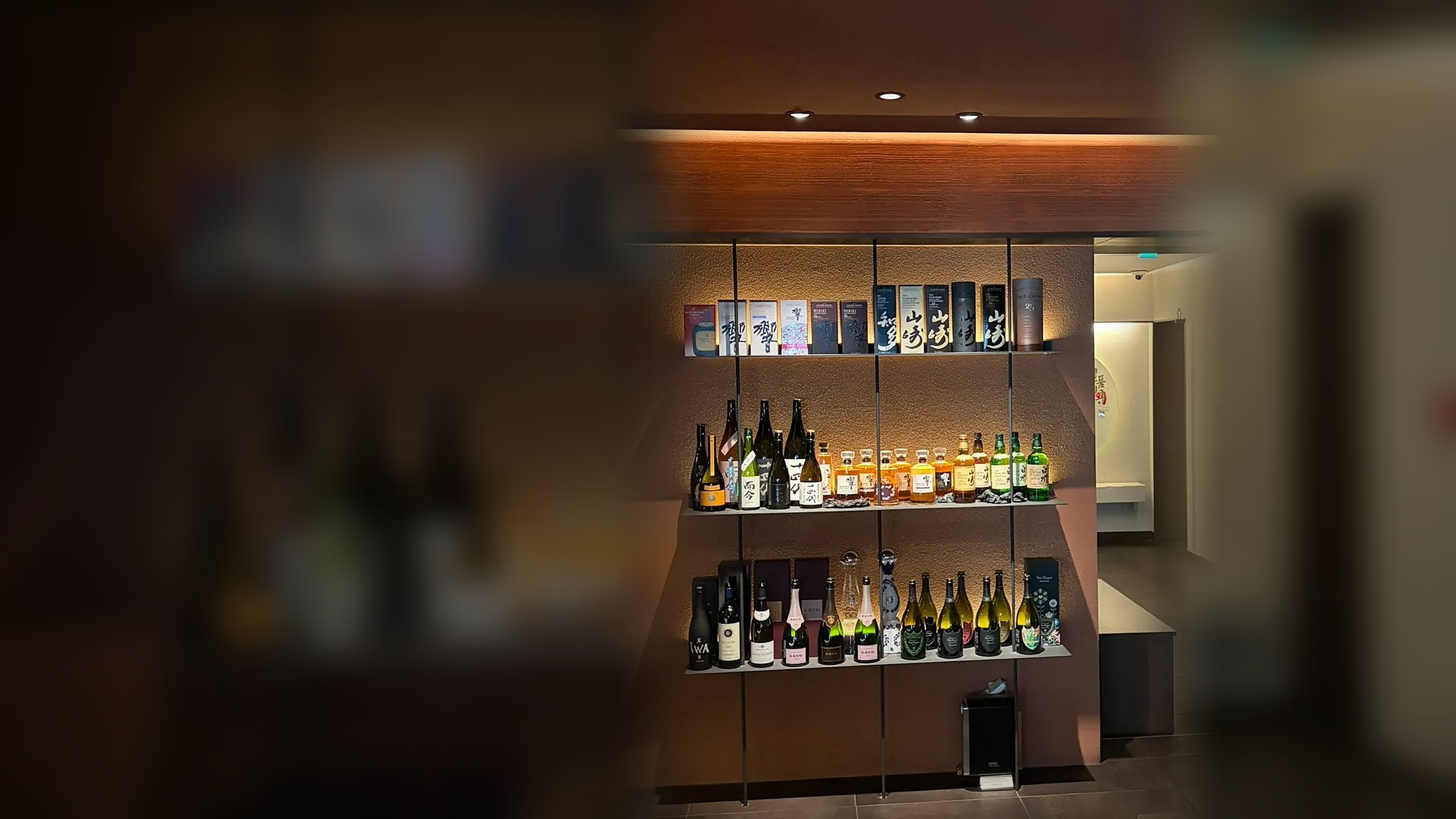
Gangnam — The epicenter of premium sake in Seoul, dense with high-end sake bars. Top-tier labels such as Juyondai, Jikon, and Aramasa are available by the glass. Average spend: 50,000-100,000 KRW per person. Counter seating with sommelier commentary is the favored style, and news of rare arrivals often reaches regulars only.

Cheongdam-dong — Where fashion and beauty insiders gather. "Omakase-style" sake pairing with course menus is firmly established; serious venues pour five to eight sakes per sitting, with courses calibrated down to the serving temperature of each glass — polished enough to impress guests from Paris and New York.

Itaewon — Casual sake in a multinational atmosphere. Standing bars and mixology lounges serving sake-based cocktails have emerged, and widespread English menus make the district an international gateway where young expats first meet sake.

Hongdae — In this university-and-creative district, casual spots pouring sake from 2,000-3,000 KRW a glass keep multiplying. It functions as the scene's friendly "entrance," and drinkers who start here mature into Gangnam and Cheongdam customers a few years later — a complete ecosystem.

Korea's Unique Drinking Culture

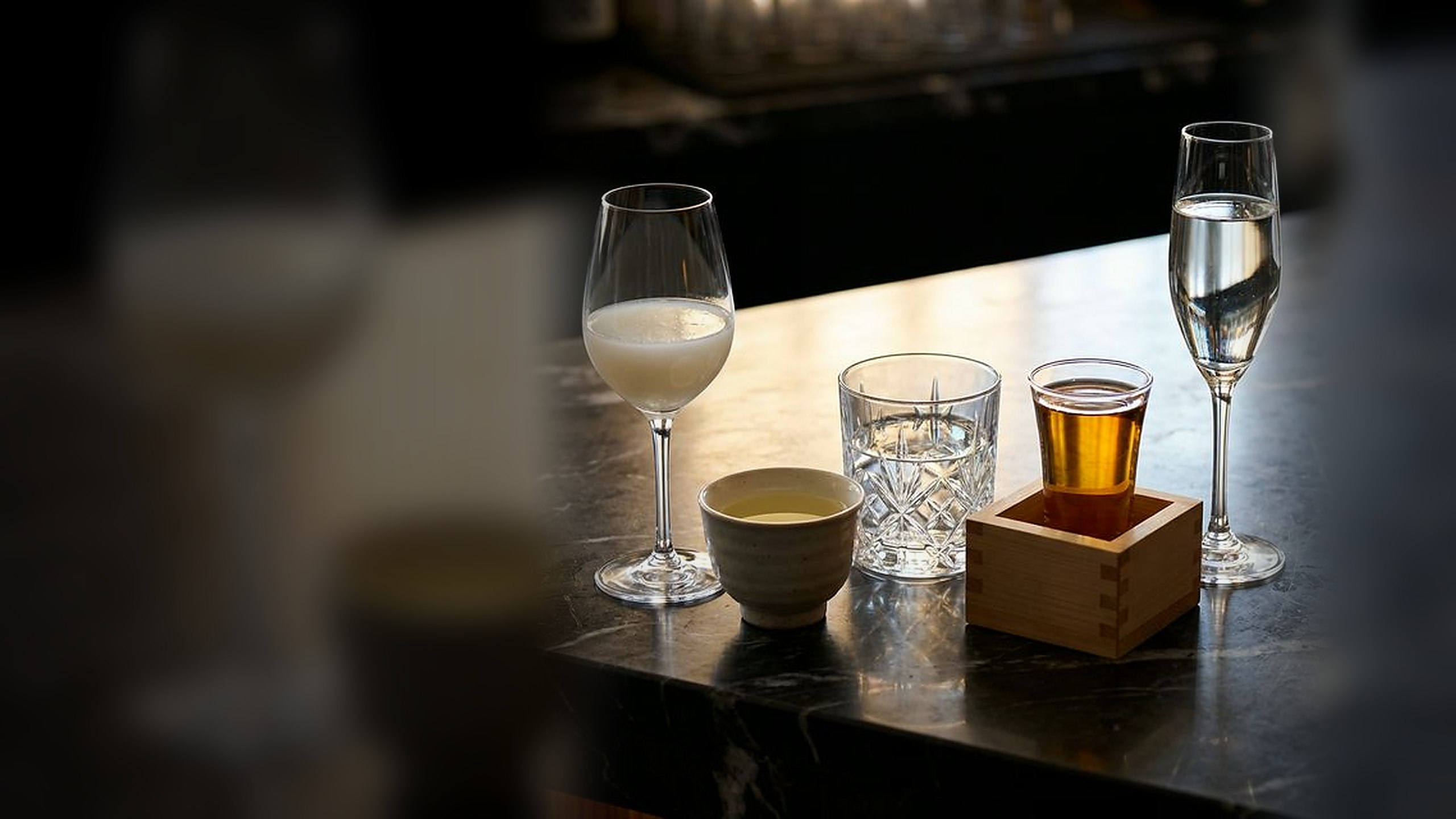
The most distinctive feature of Korea's sake scene is that wine glasses have been the standard from the very beginning. In Japan, small traditional cups still dominate; in Seoul, long-stemmed glassware rules. Aromas pool in the bowl, letting ginjo's signature esters — ethyl caproate (apple) and isoamyl acetate (banana) — rise directly to the nose. An aroma-first, modern way of experiencing sake has taken root as culture.

There is also the "Bombam (spring night) style," a Korean-born custom of pairing sake with cheese and fruit. A chilled junmai ginjo with brie and strawberries on a rooftop terrace on a spring evening — romantic, distinctly Korean, and chemically sound: the lactic notes of dairy dovetail with the lactic acidity of kimoto-style brews.

Popular Brand Rankings

Seoul's most popular sakes: #1 Aramasa No.6, #2 Jikon, #3 Senkin, #4 Juyondai, #5 Dassai. Wooden-vat and kimoto-driven modern acidity, expressive aromatics, striking bottle design — "sake you can discuss in the grammar of wine" clearly wins here. The lineup largely mirrors Japan's 2026 public community & dining focus highlights (Juyondai, Aramasa, Jikon), while the order reveals Seoul's distinctly modern taste.

Education and Community — Sake as a Subject of Study

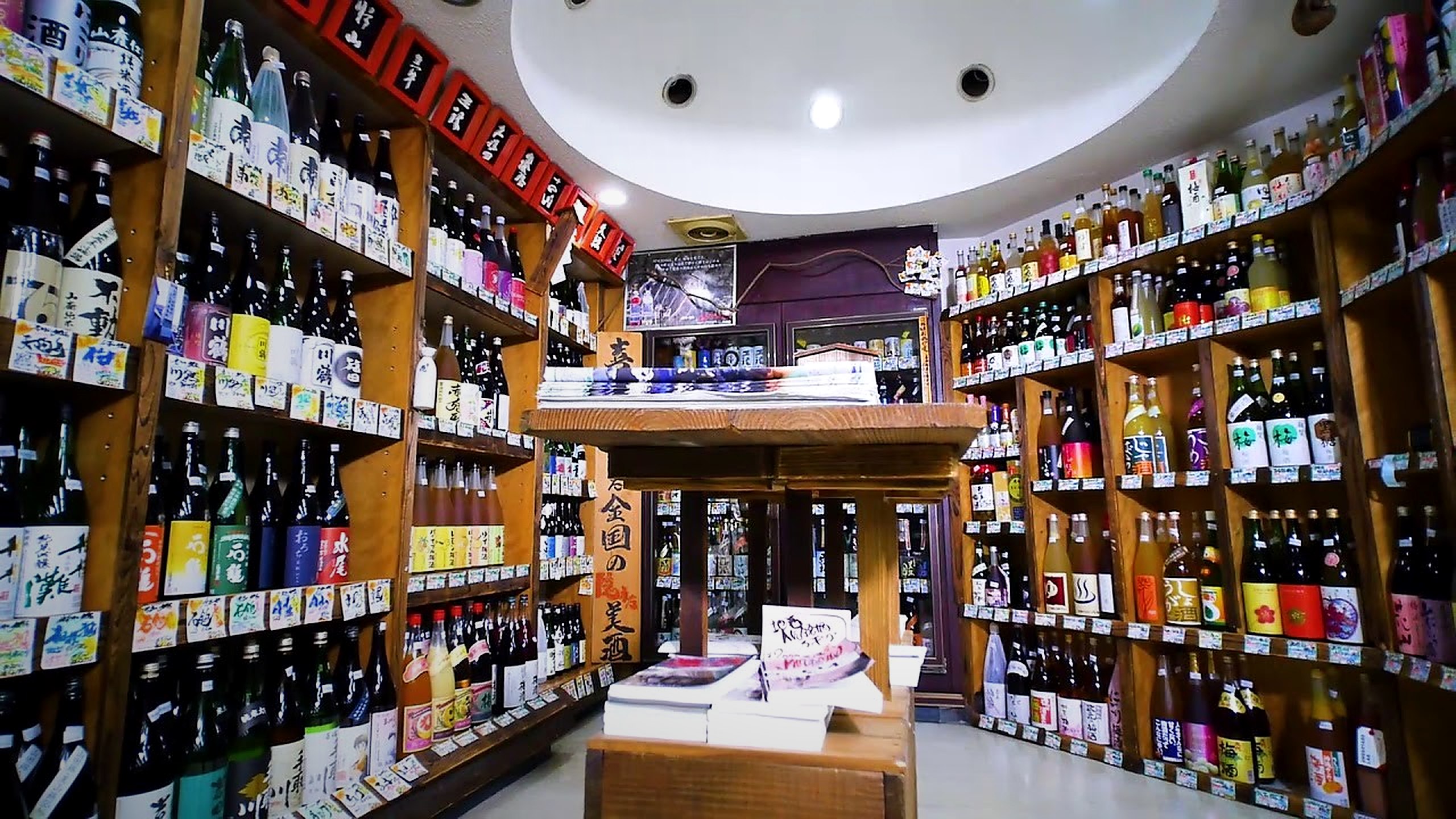
Underpinning Seoul's sake boom is a rapidly maturing educational infrastructure. The number of Koreans sitting for international sake certifications sets a new record every year — and tellingly, most students are ordinary enthusiasts, not hospitality professionals. On weekends, Gangnam wine academies run sake courses; bottle shops host regular tastings with visiting brewers; and specialty stores have appeared with by-the-glass sampling stands so customers can taste before committing to a bottle.

Online, review communities for logging and sharing bottles are thriving, and Korean-language databases covering polishing ratios, yeasts, and rice varieties feed younger fans' appetite for depth. If sake was once "the drink you remembered from a trip to Japan," in today's Seoul it has become a drink to study, discuss, and compare systematically. Certified enthusiasts bring friends to specialty bars; those friends enroll in courses in turn — a chain of knowledge compounding the market's growth, and the very engine that keeps Seoul's sake culture from fading as a passing boom.

The Seoul Field Guide: Neighborhood × Price × Experience

Seoul's sake scene wears a completely different face in each neighborhood. Here is how to navigate it by purpose, with realistic prices in won.

AreaScenePrice Range (KRW)Best For
Gangnam / CheongdamHigh-end sake bars, often attached to sushi omakaseBottles 150k-500k; glasses 20k-50kJuyondai and Jikon by the glass; business dinners, anniversaries
Hannam-dongModern sake bars fused with wine-bar cultureGlasses 15k-30kAramasa, Senkin, and the nature-sake set with modern Korean cuisine
Seongsu-dongWarehouse-conversion bottle shops and standing barsBottles 50k-150kHunting new-generation labels like Kankiku and Kaze no Mori at the scene's young frontier
Euljiro / Ikseon-dongRetro-alley izakayaGlasses 8k-15kClassic labels without ceremony, amid the "Hipjiro" buzz

How Import Economics Shape the Price Tag

The structure
Tariffs, liquor tax, and shipping put retail at roughly 2.5-4x Japanese list price; a ¥2,000 bottle lands at 60,000-80,000 won in Seoul
The route
Major importers supply department stores (Shinsegae, Hyundai, Lotte) and bottle shops; with parallel imports, scrutinize storage history
The nama wall
Unpasteurized sake needs refrigerated containers, so supply is thin — if you see it, buy it
Where the finds are
Department-store tasting events and Seongsu bottle shops' restock feeds offer the best odds on limited labels
①

First Visit — A Hannam-dong Evening

Start with a three-glass flight at a modern sake bar strong on by-the-glass service, paired with contemporary Korean cooking. It is the shortest route to understanding Seoul's sake present.

②

Going Deeper — A Seongsu Afternoon

Talk your way through a bottle shop and leave with two or three new-generation labels; export-only bottlings never sold in Japan sometimes surface here.

③

A Special Night — A Cheongdam Counter

Surrender to an omakase course with its sake pairing. The temperature, stemware, and sequencing designed by Seoul's top sommeliers now rival Tokyo's finest rooms.

Future Outlook

Korea's sake market is projected to more than double by 2030. Few cities anywhere offer such a complete ladder of price and experience, from a 2,000-KRW pour in Hongdae to Juyondai in Gangnam. SakeStream will keep delivering information in Japanese, Korean, and English for this rapidly growing market.

1,215 Breweries · 2,891 Labels · Neutral Archive
Linked from 1,215 Breweries · 2,891 Labels · 8,673 Reviews

Featured Breweries, Specs & Flavor Balance

Flagship LabelBrewery & RegionSignature Rice & WaterBrewery Profile
AramasaAramasa Co., Ltd. (6-2-35 Omachi, Akita-shi, Akita 010-0921, Japan)Pesticide-Free & Estate-Grown Akita Rice (Kairyo Shinko, Rikuu No. 132, Misato Nishiki, Akita Sakekomachi) · Mount Taihei Subterranean Soft Water (Akita City)Brewery Profile
JikonKiyasho Sake Brewery Co., Ltd. (314-1 Honmachi, Nabari-shi, Mie 518-0726, Japan)Yamadanishiki, Aiyama, Omachi, Hattannishiki, Senbonnishiki · Subsurface water from the Nunobiki mountain range (brewery well water, soft water)Brewery Profile
JuyondaiTakagi Shuzo Co., Ltd. (1826 Oaza Tominami, Murayama-shi, Yamagata 995-0111, Japan)Tatsu no Otoshigo, Sakemirai, Ushu Homare, Aiyama, Yamada Nishiki · Mount Hayama Subterranean Spring Water 'Sakura-Shimizu' (Soft Water)Brewery Profile
SenkinSenkin Co., Ltd. (106 Baba, Sakura-shi, Tochigi 329-1321, Japan)Domaine Sakura Estate-Grown Rice (Kamenoo, Yamada Nishiki, Omachi) · Kinugawa River System Subterranean Ultra-Soft Water (Domaine Aquifer)Brewery Profile
DassaiDassai Inc. (Asahi Shuzo Co., Ltd.) (2167-4 Osogoe, Shuto-cho, Iwakuni-shi, Yamaguchi 742-0422, Japan)Yamada Nishiki (100% Exclusive Use) · Osogoe Natural Subterranean Soft Water (Shuto-cho, Iwakuni)Brewery Profile
KazenomoriYucho Sake Brewery Co., Ltd. (1160 Nakahonmachi, Gose-shi, Nara 639-2216, Japan)Akitsuho, Tsuyuhakaze, Yamadanishiki, Omachi · Deep subterranean water from the Mt. Kongo and Mt. Katsuragi range (hard water, approx. 214 mg/L)Brewery Profile
6-2-35 Omachi, Akita-shi, Akita 010-0921, Japan · Aramasa Co., Ltd. (Est. 1852)
Aramasaガス酸味ワイン
Mount Taihei Subterranean Soft Water (Akita City) Pesticide-Free & Estate-Grown Akita Rice (Kairyo Shinko, Rikuu No. 132, Misato Nishiki, Akita Sakekomachi) Kyokai No. 6 Yeast (Birthplace Brewery, 100% Exclusive Use)

As the birthplace of Kyokai No. 6 yeast, Aramasa represents the pinnacle of modern sake brewing through 100% kimoto fermentation in cedar vats using exclusively Akita-grown rice. Its vibrant citrus acidity, low-alcohol elegance, and silky sweetness evoke fine white Burgundy, pairing effortlessly with sashimi, crudo, and modern gastronomy.

Flavor Balance (1–5 Rice Grains)Shows which flavor direction the balance leans toward (1 to 5 rice grains), never a quality rank or score.
Serving & Glassware:Recommended Temperature: 10–14°C (Cool Cellar) & 42–45°C (Bain-Marie Warmed / Nurukan) / Recommended Glassware: Thin-rimmed white Burgundy or Riedel O Daiginjo wine glass. Right after opening at 10°C, savor the vibrant micro-effervescence and taut lactic/citric tension shaped by Mount Taihei Subterranean Soft Water (Akita City); after 15 minutes as it reaches 14°C, multi-dimensional Pesticide-Free & Estate-Grown Akita Rice (Kairyo Shinko, Rikuu No. 132) umami and savory kimoto complexity blossom.
Global Gastronomy Pairings
• Charcoal-grilled Hinai-jidori chicken kiritanpo hotpot and smoked iburigakko with sake-lees cream cheese
• Charcoal-seared Hanwoo 1++ brisket point (chadolbagi) paired with aromatic minari and chilled dongchimi radish
• Pan-roasted Breton blue lobster with Champagne, tarragon, and cultured butter beurre blanc
“Opened a bottle of No. 6 X-type and was floored by the burst of Shine Muscat and white peach aromatics, backed by multi-dimensional kimoto acidity and crystalline purity from cedar vat fermentation. An absolute masterpiece of contemporary Japanese brewing.”
Domestic Review · SAKETIME / 国内口コミ六号酵母の求道者
“A revelation for Burgundy and Champagne lovers: laser-focused lactic and malic tension, delicate wooden-vat complexity, and incredible concentration at just 13% ABV. Pairs brilliantly with Dover sole and shellfish.”
Global Sommelier · Vivino / Fine Wine & SakeMarc L.
“Finally scored Amaneko and Ecru through a bottle shop lottery! That lively micro-effervescence on opening and bright, juicy sweet-tart balance is unmatched—turned my wine-drinking friends into instant sake fanatics.”
SNS Buzz · X (Twitter) / Reddit r/Sake@tokyo_sake_hunter
314-1 Honmachi, Nabari-shi, Mie 518-0726, Japan · Kiyasho Sake Brewery Co., Ltd. (Est. 1818)
Jikonバランスガス旨味
Subsurface water from the Nunobiki mountain range (brewery well water, soft water) Yamadanishiki, Aiyama, Omachi, Hattannishiki, Senbonnishiki In-house cultured yeast (Kyokai No. 9 lineage)

Named after the Zen phrase 'living fully in the present moment,' Jikon by 6th-generation brewer Tadakatsu Onishi in Nabari, Mie stands at the absolute summit of modern sake. Radiant muscat and white peach aromatics, crystalline Nunobiki mountain soft-water sweetness, and electric acidity achieve a golden-ratio balance that enchants on its own or alongside Matsusaka Wagyu and fine sushi.

Flavor Balance (1–5 Rice Grains)Shows which flavor direction the balance leans toward (1 to 5 rice grains), never a quality rank or score.
Serving & Glassware:Recommended Temperature: 10–13°C (Chilled / Hanabie to Suzubie) / Recommended Glassware: Thin-rimmed, medium-bowled white wine glass (such as Riedel O Daiginjo). Avoid over-chilling below 6°C so the delicate esters are not muted. Upon pouring, experience crystalline purity from Subsurface water from the Nunobiki mountain range (brewery well water, soft water) and lifted orchard-fruit aromatics; after 15 minutes as the glass warms to 14°C, silky Yamadanishiki, Aiyama, Omachi, Hattannishiki, Senbonnishiki mid-palate umami opens gracefully.
Global Gastronomy Pairings
• Ise-Shima spiny lobster sashimi and chilled ginjo-steamed Matoya oysters
• Jeju silver belt-fish sashimi and delicate pan-fried scallop & cod jeon with citrus soy
• Poached lobster tail and white asparagus warm salad with yuzu-infused citrus hollandaise
“Jikon Tokubetsu Junmai Muroka Nama and Junmai Ginjo Aiyama deliver bursting freshness, translucent juicy sweetness, and a laser-precise acid line—the Platonic ideal of modern Japanese sake.”
Domestic Review · SAKETIME / 国内口コミ日本酒マイスター
“One of the most coveted cult sakes among global sommeliers; the contrast between silky Nunobiki soft-water texture and vibrant acidity commands the spotlight at any Michelin table.”
Global Sommelier · Vivino / Global SakeAlexander Sterling
“How Toji Tadakatsu Onishi translates every rice variety—from Iga Yamada Nishiki to Sakemirai and Hakutsuru Nishiki—through Jikon's golden balance is pure wizardry.”
SNS Buzz · X (Twitter) / Instagram@jikon_chronicles
1826 Oaza Tominami, Murayama-shi, Yamagata 995-0111, Japan · Takagi Shuzo Co., Ltd. (Est. 1615)
Juyondaiフルーティ甘味旨味
Mount Hayama Subterranean Spring Water 'Sakura-Shimizu' (Soft Water) Tatsu no Otoshigo, Sakemirai, Ushu Homare, Aiyama, Yamada Nishiki Proprietary Takagi Shuzo House No. 10 Yeast & Yamagata Yeast

Pioneered by 15th-generation master brewer Akitsuna Takagi, Juyondai revolutionized modern sake by shifting the paradigm from dry austerity to lush, nectar-like aromatics of ripe musk melon and white peach. Crafted with proprietary rice strains like Sakemirai, Ryuno-otoshigo, and Ushuhomare alongside Special A-grade Yamadanishiki using the prized Shichitare Nijikkan drip technique, its velvety umami and crystalline finish elevate omakase sushi and Wagyu kaiseki.

Flavor Balance (1–5 Rice Grains)Shows which flavor direction the balance leans toward (1 to 5 rice grains), never a quality rank or score.
Serving & Glassware:Recommended Temperature: 10–13°C (Chilled / Hanabie to Suzubie) / Recommended Glassware: Thin-rimmed, medium-bowled white wine glass (such as Riedel O Daiginjo). Avoid over-chilling below 6°C so the delicate esters are not muted. Upon pouring, experience crystalline purity from Mount Hayama Subterranean Spring Water 'Sakura-Shimizu' (Soft Water) and lifted orchard-fruit aromatics; after 15 minutes as the glass warms to 14°C, silky Tatsu no Otoshigo, Sakemirai, Ushu Homare, Aiyama, Yamada Nishiki mid-palate umami opens gracefully.
Global Gastronomy Pairings
• Thinly sliced Shonai Coast wild flounder with ponzu and Dadacha edamame dumpling soup
• Jeju silver belt-fish sashimi and delicate pan-fried scallop & cod jeon with citrus soy
• Wild sea bream carpaccio with bergamot olive oil, shaved bottarga, and micro herbs
“Tasted Juyondai Nakadori Daiginjo Banshu Yamadanishiki alongside Honmaru Hiden Tamagaeshi. The aristocratic bouquet of white peach and Muscat grape, seamless silkiness on the mid-palate, and vanishing finish prove why Takagi Shuzo remains the unchallenged monarch of modern sake.”
Domestic Review · SAKETIME 全国ランキング 殿堂・1位常連Sake_Chronicle_Tokyo
“In our three-star Paris dining room, Juyondai Ryusen commands the same reverence as Domaine de la Romanee-Conti. The coexistence of nectar-like concentration and weightless purity born from Yamagata mountain water and proprietary rice strains is a pinnacle of global fermentation art.”
Global Sommelier · Vivino / Fine Wine & Sake AuctionLaurent V., Master Sommelier
“Opened a bottle of Juyondai Junmai Daiginjo Sakemirai tonight. Despite its opulent fruit aromatics, it never overwhelms food—instead amplifying the sweetness of kelp-cured white fish and Hokkaido uni with magical precision.”
SNS Buzz · X (Twitter) / Reddit r/Sake@nihonshu_pilgrim
106 Baba, Sakura-shi, Tochigi 329-1321, Japan · Senkin Co., Ltd. (Est. 1806)
Senkinガス酸味甘酸っぱい
Kinugawa River System Subterranean Ultra-Soft Water (Domaine Aquifer) Domaine Sakura Estate-Grown Rice (Kamenoo, Yamada Nishiki, Omachi) Ambient Brewery Yeast (No Added Yeast), Tochigi Prefectural Yeast

Pioneering the 'Domaine' terroir concept in Tochigi using estate-grown Kamenoo, Yamada Nishiki, and Omachi rice irrigated by the same ultra-soft Kinugawa aquifer as its brewing water, Senkin crafts natural sake through 100% kimoto fermentation in cedar vats with minimal rice polishing. Vibrant green apple and muscat tartness intertwines with savory wood-aged minerality, making it an extraordinary match for French seafood dishes, soft bloomy-rind cheeses, and herb-driven appetizers.

Flavor Balance (1–5 Rice Grains)Shows which flavor direction the balance leans toward (1 to 5 rice grains), never a quality rank or score.
Serving & Glassware:Recommended Temperature: 10–14°C (Cool Cellar) & 42–45°C (Bain-Marie Warmed / Nurukan) / Recommended Glassware: Thin-rimmed white Burgundy or Riedel O Daiginjo wine glass. Right after opening at 10°C, savor the vibrant micro-effervescence and taut lactic/citric tension shaped by Kinugawa River System Subterranean Ultra-Soft Water (Domaine Aquifer); after 15 minutes as it reaches 14°C, multi-dimensional Domaine Sakura Estate-Grown Rice (Kamenoo, Yamada Nishiki, Omachi) umami and savory kimoto complexity blossom.
Global Gastronomy Pairings
• Charcoal-grilled Tochigi Wagyu tenderloin with tamari-sansho glaze and dashi-simmered kanpyo
• Crispy-scaled Jeju tilefish (okdom) and creamy abalone liver (geu) rice porridge risotto
• Pan-roasted Breton blue lobster with Champagne, tarragon, and cultured butter beurre blanc
“Beyond the signature juicy malic-acid brightness that made Modern Senkin famous, the recent return to Edo-era kimoto and cedar-vat methods has added remarkable mid-palate depth and structural grip. As it warms from chilled to cellar temperature, the wild, earthy umami of local Kamenoo rice blossoms beautifully.”
Domestic Review · SAKETIME / 国内口コミ東京・日本酒ペアリング研究家
“The single easiest sake to introduce to French natural wine collectors. With genuine single-aquifer Domaine terroir and electric Riesling-like acidity balanced by gentle lactic creaminess, it pairs effortlessly with pan-seared scallops and lobster.”
Global Sommelier · Vivino / Wine & Sake SommelierJulien M., Paris Sommelier
“Did a side-by-side tasting of Senkin Organic Nature and Classic Kame-no-O—unbelievable how a 90%+ rice polishing ratio can taste this luminous, brisk, and silky. The sweet-tart citrus snap and minimalist bottle design make it an instant favorite.”
SNS Buzz · X (Twitter) / Instagram@nat_sake_tokyo
2167-4 Osogoe, Shuto-cho, Iwakuni-shi, Yamaguchi 742-0422, Japan · Dassai Inc. (Asahi Shuzo Co., Ltd.) (Est. 1948)
Dassai安定フルーティガス
Osogoe Natural Subterranean Soft Water (Shuto-cho, Iwakuni) Yamada Nishiki (100% Exclusive Use) Proprietary Cultured Ginjo Yeast (Kyokai No. 9 & No. 1801 Strains)

From the mountain valleys of Iwakuni, Yamaguchi, Dassai revolutionized global sake through data-driven precision brewing and ultra-polished Yamada Nishiki rice. Led by the iconic Dassai 23, its opulent aromas of white peach and Poire Williams, silky-smooth mid-palate, and crystalline finish pair effortlessly with fine Edomae sushi and Michelin-starred French cuisine.

Flavor Balance (1–5 Rice Grains)Shows which flavor direction the balance leans toward (1 to 5 rice grains), never a quality rank or score.
Serving & Glassware:Recommended Temperature: 10–13°C (Chilled / Hanabie to Suzubie) / Recommended Glassware: Thin-rimmed, medium-bowled white wine glass (such as Riedel O Daiginjo). Avoid over-chilling below 6°C so the delicate esters are not muted. Upon pouring, experience crystalline purity from Osogoe Natural Subterranean Soft Water (Shuto-cho, Iwakuni) and lifted orchard-fruit aromatics; after 15 minutes as the glass warms to 14°C, silky Yamada Nishiki (100% Exclusive Use) mid-palate umami opens gracefully.
Global Gastronomy Pairings
• Shimonoseki wild tiger pufferfish tessa wrapped around Yasuoka green onion and kelp-cured Hagi tilefish
• Dry-aged Korean wild sea bream hoe and chilled king prawn salad (daeha-naengchae) in pine-nut sauce
• Poached lobster tail and white asparagus warm salad with yuzu-infused citrus hollandaise
“Returning to Dassai 23 after years of drinking geeky craft sake reminds you just how astonishingly pure and regal it is. Honeyed melon and floral notes glide across the palate before vanishing into a water-pure finish.”
Domestic Review · SAKETIME / 国内口コミ吟醸香マイスター
“The most requested luxury sake in our Paris dining room. The elegance achieved from Yamada Nishiki polished down to 23% creates a transcendent pairing with poached blue lobster and caviar, rivaling prestige Champagne.”
Global Sommelier · Vivino / Global SakeClaire Laurent
“Opened a bottle of Dassai Beyond for visiting international guests. The moment it hit the Riedel glasses, the entire table lit up with floral perfume—an undeniable superstar bottle.”
SNS Buzz · X (Twitter) / Instagram@tokyo_gourmet_note
1160 Nakahonmachi, Gose-shi, Nara 639-2216, Japan · Yucho Sake Brewery Co., Ltd. (Est. 1719)
Kazenomoriガス酸味フルーティ
Deep subterranean water from the Mt. Kongo and Mt. Katsuragi range (hard water, approx. 214 mg/L) Akitsuho, Tsuyuhakaze, Yamadanishiki, Omachi Kyokai No. 7, Bodaimoto Indigenous Lactic Acid Bacteria and Yeast

Brewed in Gose City, Nara by 1719-founded Yucho Shuzo, Kaze no Mori unites ancient Muromachi-era Bodaimoto heritage with cutting-edge fermentation science across an all-Muroka Nama Genshu lineup. Fermented with ultra-hard Katsuragi Mountain subsurface water (over 200mg/L hardness) and local Akitsuho rice, its signature micro-effervescence, Muscat and pear aromatics, and chiseled mineral finish captivate diners from sushi counters to Michelin-starred French and Italian tables.

Flavor Balance (1–5 Rice Grains)Shows which flavor direction the balance leans toward (1 to 5 rice grains), never a quality rank or score.
Serving & Glassware:Recommended Temperature: 10–14°C (Cool Cellar) & 42–45°C (Bain-Marie Warmed / Nurukan) / Recommended Glassware: Thin-rimmed white Burgundy or Riedel O Daiginjo wine glass. Right after opening at 10°C, savor the vibrant micro-effervescence and taut lactic/citric tension shaped by Deep subterranean water from the Mt. Kongo and Mt. Katsuragi range (hard water, approx. 214 mg/L); after 15 minutes as it reaches 14°C, multi-dimensional Akitsuho, Tsuyuhakaze, Yamadanishiki, Omachi umami and savory kimoto complexity blossom.
Global Gastronomy Pairings
• Charcoal-grilled Yamato heritage chicken with narazuke sake-lees glaze and Yamato Wagyu shabu-shabu
• Crispy-scaled Jeju tilefish (okdom) and creamy abalone liver (geu) rice porridge risotto
• Pan-roasted Breton blue lobster with Champagne, tarragon, and cultured butter beurre blanc
“Kaze no Mori Akitsuho 657 opens with a lively pop and a ribbon of fine micro-bubbles in the glass: fresh Muscat and green apple aromatics, a juicy burst of rice sweetness, and a taut, stony finish driven by ultra-hard Katsuragi mountain water. Experiencing this level of craftsmanship at an everyday price is nothing short of a miracle.”
Domestic Review · SAKETIME大和の美酒巡礼
“Chobee Yamamoto's work at Yucho Shuzo—bridging 15th-century Nara temple brewing texts with precision low-temperature fermentation—is thrilling. The high-hardness mineral tension and natural effervescence of Kaze no Mori ALPHA and 807 deliver a gastronomic experience unlike anything else in the world of wine or sake.”
Global Sommelier · Vivino / World Sommelier AssociationMaximilian H.
“Opened Kaze no Mori ALPHA 8 alongside Yamadanishiki 807 tonight—807's crystalline purity and mineral grip at 80% polishing defy belief, while the ALPHA series pushes boundaries with every release. Still the #1 bottle that turns friends into lifelong sake lovers.”
SNS Buzz · X (Twitter)@kazenomori_holic

Recommended Pairing

Charcoal-Grilled Hanwoo
Warmed kimoto against hanwoo’s fine marbling — a Cheongdam sommelier staple.
Flounder Hoe
Ginjo florality holds its own even beside cho-gochujang.
Corn Cheese
Sweet corn and browned cheese in step with juicy new-generation sake — the izakaya’s best supporting actor.
SakeStream
A neutral global sake editorial archive and database documenting 1,215 breweries, 2,891 labels, brewing water & rice provenance, and 8,673 verified tasting records without proprietary ranking tiers.
Weekly Sake Dispatch

Weekly Sake & Tasting Dispatch

Curated seasonal releases, sub-zero arrivals, and tasting city guides across global editions.
ArticlesBreweries