[2026 Seoul & Tokyo Sake Destination Guide] From Seoul’s Acclaimed Asoto (朝人) to Tokyo’s Legendary Koyama (Koyama Shoten)
Culture & Trends

[2026 Seoul & Tokyo Sake Destination Guide] From Seoul’s Acclaimed Asoto (朝人) to Tokyo’s Legendary Koyama (Koyama Shoten)

2026-09-2812min readSakeStream
Back
EXECUTIVE SUMMARY & KEY TAKEAWAYS

Even the greatest sake is only as good as the cold chain and sommelier hands that bring it to your glass. A curated guide to Tokyo’s legendary Koyama Shoten, cross-border curator Syuen, and Seoul’s Asoto (朝人).

Key Sections in This Report:

In Craft Sake, "Who Stored and Poured It" Matters as Much as the Brewery

Because artisanal sake is far more sensitive to thermal shock and ultraviolet light than grape wine, the name on the front label is only half the story. "Was this bottle protected in an unbroken sub-zero (-5°C) or chilled cold chain from the brewery pressing room to the moment the cap was twisted open, and served in precision glassware alongside thoughtful cuisine?" That single question separates transformative sake experiences from flat, oxidized disappointment.

In 2026, Tokyo and Seoul stand together as the world’s two most dynamic capitals for contemporary sake culture. From the legendary -5°C cold rooms of Koyama (Koyama Shoten) in western Tokyo and the urban kakuuchi revolution across Nihonbashi Kabutocho, Ebisu, and Ginza, to Seoul’s acclaimed Asoto (朝人), neighborhood sake bars in Cheongdam-dong, Hannam-dong, and Seongsu-dong, and Korea’s savvy BYOB corkage culture, here is your complete cross-border guide.


2026 Tokyo & Seoul Sake Neighborhood & Destination Matrix

City & NeighborhoodVenue Archetype & FlagshipCold-Chain & Service StyleTypical Spend / Corkage GuideIdeal For
Tokyo · Tama (Seiseki-Sakuragaoka)Authorized retail sanctuary ([Koyama Shoten](https://www.jizakenokoyama.co.jp/))-5°C sub-zero (*hyoon*) vaults & walk-in cold rooms720ml retail ¥1,800–¥6,500 (exclusive PB cuvées)Collectors & buyers seeking direct-allocation bottles and rare Koyama PB releases in peak brewery-fresh condition
Tokyo · Nihonbashi Kabutocho & NingyochoUrban micro-breweries & modern standing kakuuchi bars0–4°C cellars with 60–90ml tasting pours by the glassKakuuchi ¥800–¥1,500/glass · Bars ¥5,000–¥10,000Travelers exploring next-gen craft sake flights inside revitalized historic financial-district architecture
Tokyo · Ebisu & GinzaFermentation bistros (Ebisu) & Edomae sushi / kappo counters (Ginza)Sub-zero aged Daiginjo to precision 42°C nurukan tin chiroriEbisu ¥8,000–¥15,000 · Ginza ¥22,000–¥45,000Fine-dining enthusiasts seeking Kimura/Riedel stemware and dual-temperature sushi or seasonal pairings
Seoul · Cheongdam-dong & SinsaMichelin fine dining, 1++ Hanwoo omakase & Asoto (朝人)Reefer-imported cellars · Dual stemware & ceramic shuki serviceTasting menus 150k–350k KRW (Corkage 50k–100k KRW)Guests seeking sublime pairings between top Korean seafood/Hanwoo and flagship Japanese kura
Seoul · Hannam-dong & Seongsu-dongSommelier sake bars (Hannam) & casual natural sake bistros (Seongsu)0–4°C UV-shielded display cellars · Glass & bottle serviceBars 50k–120k KRW (Standard corkage 30k–50k KRW)Design-conscious diners exploring Seoul’s vibrant sommelier bar scene and low-ABV natural sakes

1. [Tokyo · Tama] The -5°C Sub-Zero Sanctuary: Koyama (Koyama Shoten / 小山商店)

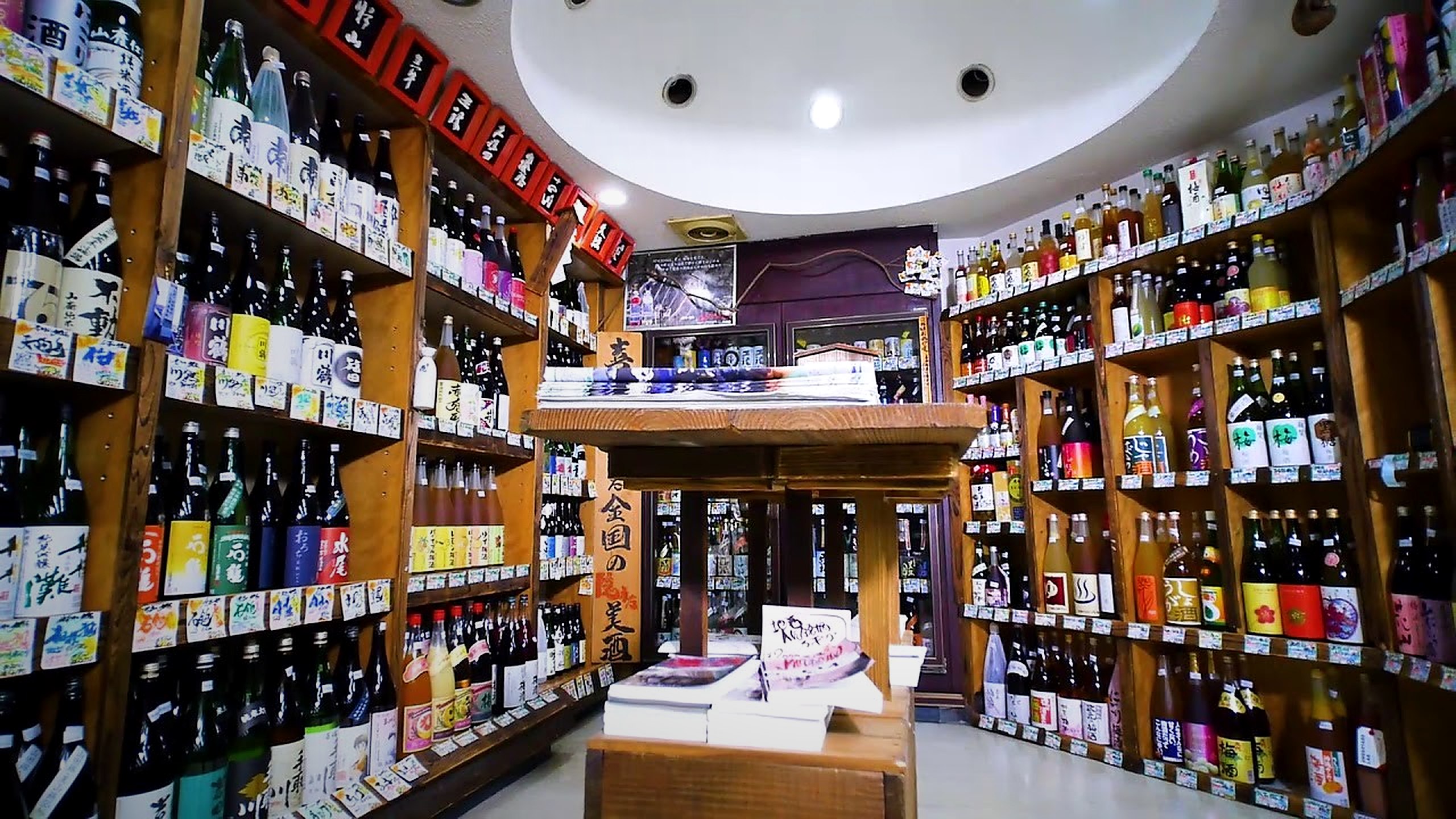
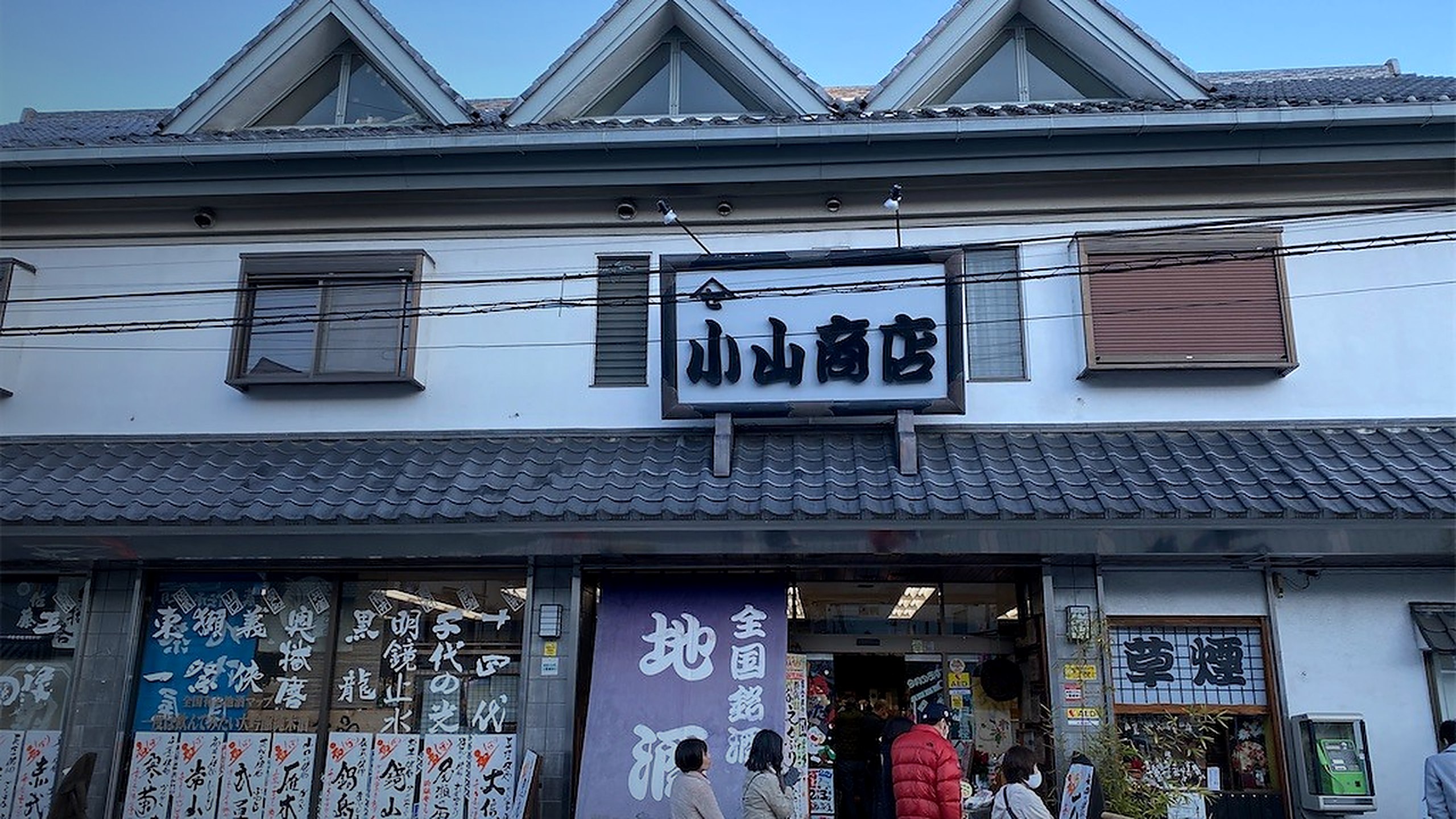
Located in Seiseki-Sakuragaoka along the Tama River—just 30 minutes west of Shinjuku Station on the Keio Line Express—[Koyama Shoten (founded in 1914)](https://www.jizakenokoyama.co.jp/) is revered by master brewers and three-star sommeliers across Japan as a sacred pilgrimage site for artisanal sake.

Why Collectors and Sommeliers Travel to Seiseki-Sakuragaoka

-5°C Sub-Zero (Hyoon) Preservation & Zero-UV Architecture
Even inside a standard 5°C refrigerator, unpasteurized nama sake and delicate Junmai Daiginjo slowly evolve over several months. Koyama houses its allocations inside massive walk-in cold rooms and specialized -5°C sub-zero vaults—just above sake’s freezing point—locking in the exact micro-effervescence and crystalline aromatics of the brewery pressing room.
Over 110 Years of Direct Brewery Collaboration
Third- and fourth-generation relationships mean Koyama is not merely a retailer, but a trusted creative sounding board for rice selection, pressing curves, and maturation trials.
Exclusive Koyama PB (Private Bottling) Releases
Bespoke cuvées co-designed with elite breweries—such as *Kankiku Seijitsu Koyama PB and Tabika Koyama PB*—are sold nowhere else in the world and routinely sell out upon release.

2. [Tokyo Neighborhood Trends] Kabutocho, Ebisu & Ginza’s Modern Kakuuchi and Dining Wave

Pair a bottle-hunting trip to Koyama with Tokyo’s three most exciting inner-city sake districts:

1
Nihonbashi Kabutocho & Ningyocho (Modern *Kakuuchi* & Urban Craft): Once Tokyo’s staid stock-exchange district, Kabutocho has blossomed into a hub of architectural renovations housing urban micro-breweries and sleek standing kakuuchi tasting bars where you can sample rare 60–90ml pours starting around ¥900 from mid-afternoon.
2
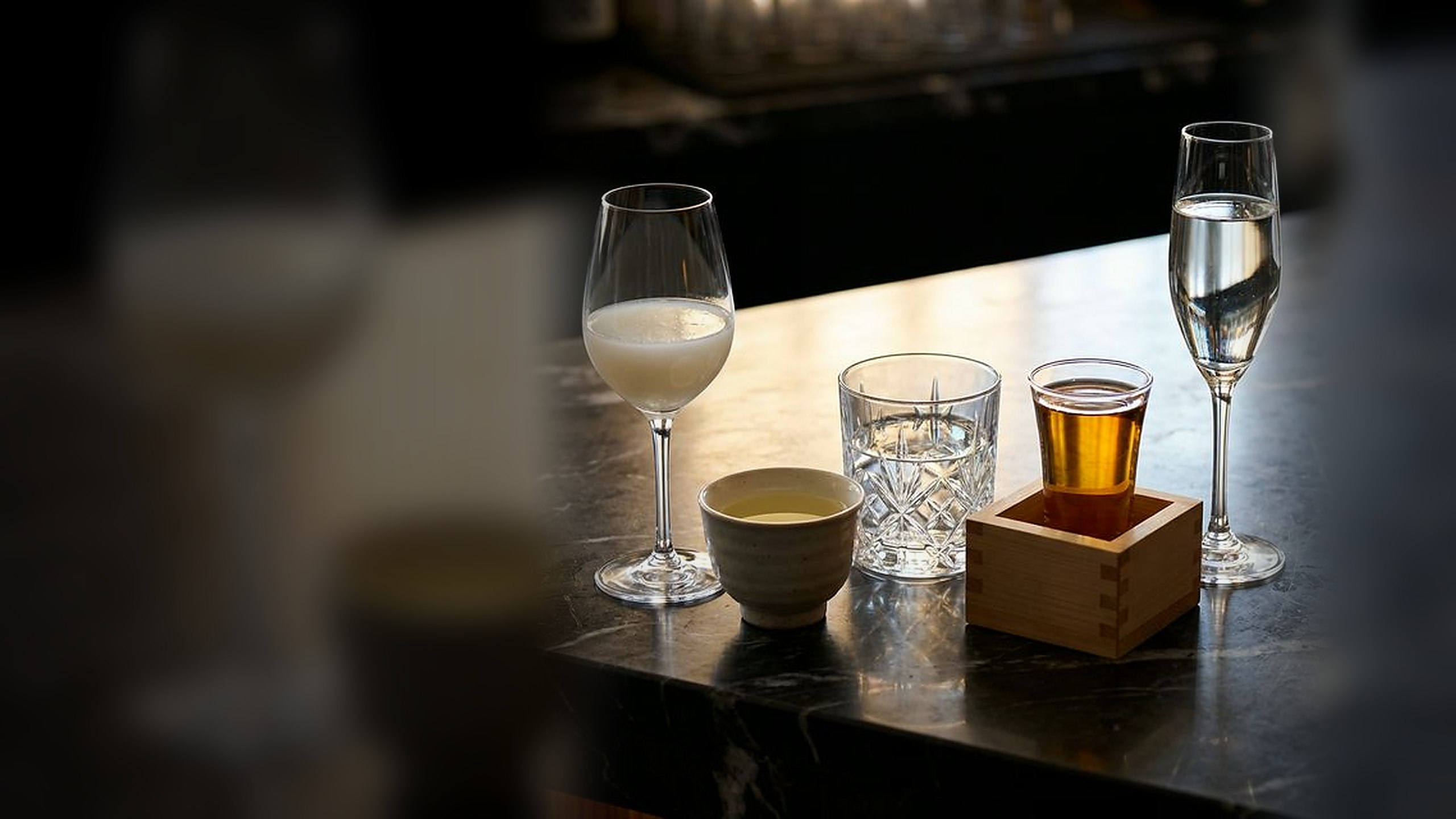
Ebisu & Daikanyama (Sommelier Sake Bars & Fermentation Bistros): Wine-trained sake sommeliers pair Mimurosugi, Ubusuna, and Aramasa in ultra-thin Kimura Glass stems alongside artisanal cheeses, charcuterie, and koji-fermented small plates.
3
Ginza & Nishi-Azabu (Sub-Zero Aged Prestige & Edomae Counters): At Ginza’s premier sushi and kappo counters, rare sub-zero-aged Daiginjos and single-degree-calibrated 40–42°C nurukan warmed in pure tin chirori elevate red-vinegar (akazu) sushi rice and white-charcoal courses.

3. [The Cross-Border Bridge] Syuen (酒縁) and Seoul’s Acclaimed Asoto (朝人)

Even the greatest bottle from Japan loses its brilliance within days if exported in an unrefrigerated shipping container. Syuen (酒縁) operates as the essential cold-chain curator linking Koyama and Japan’s top kura directly to South Korea’s finest tables:

Unbroken End-to-End Reefer Cold Chain
Maintaining strict chilled temperatures from the Japanese brewery vault across ocean reefer containers and Korean cold warehouses straight into Seoul restaurant cellars.
Seoul’s Culinary Stage — Asoto (朝人)
In Seoul, the benchmark dining room where these pristine bottles shine brightest is Asoto (朝人). Every element—from dry-aged seasonal sashimi to white-charcoal grilling and temperature-matched stemware—is engineered around sake’s amino umami and transparent acidity.
Milestone Sold-Out Event on November 4, 2026
Building on the inaugural April 2026 edition, Asoto (朝人) × Syuen (酒縁) × Koyama hosted the 2nd Seoul Sake Tasting & Gala Gathering on November 4, 2026 to sold-out acclaim, welcoming Fukushima’s Suehiro Shuzo (Gensai), Mie’s Hayakawa Shuzo (Tabika), and Aichi’s Yamazaki Goshi Kaisha (Ki-oku) to Seoul for an unforgettable celebration of Japan–Korea gastronomy.

4. [Seoul Neighborhoods & Practical Guide] Cheongdam, Hannam, Seongsu & BYOB Corkage Rules

Seoul has rapidly matured into one of the most sophisticated sake-drinking cities outside Japan, led by three distinct neighborhoods:

Cheongdam-dong & Sinsa
Seoul’s luxury culinary epicenter, home to Michelin-starred Contemporary Korean restaurants and 1++ Hanwoo omakase rooms where curated sake pairings now rival Grand Cru Burgundy programs.
Hannam-dong
Set on quiet hillsides near embassies and private art museums, Hannam-dong specializes in intimate, low-lit sommelier sake bars pouring rare seasonal allocations by the glass.
Seongsu-dong
Often dubbed "the Brooklyn of Seoul," Seongsu’s converted brick warehouses buzz with twenty- and thirty-something creatives ordering 13% ABV natural sakes and awa sparkling sakes at casual bistros.
Navigating Seoul’s BYOB Corkage Culture
South Korea boasts an exceptionally welcoming BYOB (corkage / 콜키지) culture. Standard corkage for a 720ml bottle at Seoul sake bars, bistros, and Hanwoo specialists runs 30,000–50,000 KRW (~$22–$37 USD), rising to 50,000–100,000 KRW at top Cheongdam fine-dining rooms. (Pro tip: Many venues cap BYOB at one 720ml bottle per table and either double-charge or decline 1,800ml magnums—always confirm when booking, never bring a label already on the venue’s list, and offer your sommelier a tasting splash.)

5. The Buyer’s 5-Point Retail Cold-Chain & Label Checklist

Before buying any bottle in Tokyo or Seoul, run through this five-point inspection used by professional buyers:

1
Verify Storage Temperature: Unpasteurized nama sakes and all Ginjo/Daiginjo bottlings must live inside -5°C to 5°C walk-in cold rooms or chilled cabinets. Walk away immediately if nama bottles sit on warm room-temperature shelves.
2
Check UV Lighting Protection: Ultraviolet rays from sunlight or bare fluorescent tubes skunk sake within hours (nikkoshu). Look for UV-free LED lighting, UV-shielded refrigerator glass, or protective wraps on clear/green bottles.
3
Read the Bottling / Shipment Date (製造年月): Check the back or shoulder label for the bottling date. Drink fresh namazake within 3–6 months of bottling, or ask staff how a pasteurized hiire Junmai Ginjo has been rested in sub-zero storage.
4
Inspect Clarity & Fill Level: Unless the bottle is intentionally unfiltered (origarami / nigori), hold it briefly to verify brilliant clarity with zero brownish oxidation haze.
5
Pack Smart for Tokyo–Seoul Flights: Buy an insulated cold bag with gel packs at the shop, refrigerate the bottle at your hotel until airport departure, wrap it in double bubble-sleeve protectors, and check it in your hard-shell luggage (aircraft cargo holds remain naturally cool at cruising altitude).
"Selecting a rare private bottling inside Koyama’s -5°C vault in Tokyo and experiencing its culinary marriage at Asoto in Seoul—the Asoto × Syuen × Koyama triangle defines the gold standard of cross-border sake culture in 2026." — SakeStream Travel & Dining Guide
1,215 Breweries · 2,891 Labels · Neutral Archive
Linked from 1,215 Breweries · 2,891 Labels · 8,673 Reviews

Featured Breweries, Specs & Flavor Balance

Flagship LabelBrewery & RegionSignature Rice & WaterBrewery Profile
NihonbashiYokota Shuzo Co., Ltd. (2-29-3 Sakuracho, Gyoda-shi, Saitama 361-0022, Japan)Yamada Nishiki, Sake Musashi, Miyama Nishiki, Gohyaku Mangoku · Tone & Arakawa River Basin Deep Subterranean Soft WaterBrewery Profile
FusanokankikuKankiku Meijo Co., Ltd. (11 Takenosato, Matsuo-machi, Sammu-shi, Chiba 289-1532, Japan)Chiba Fusanomai, Chiba Fusakogane, Yamada Nishiki, Omachi, Ushuhomare · Kujukuri Plain Subterranean Soft Spring Water from the Ancient Persimmon Tree WellBrewery Profile
TabikaHayakawa Sake Brewery Co. (468 Ojima, Komono-cho, Mie-gun, Mie 510-1323, Japan)Kaminoho, Yamadanishiki, Omachi, Gohyakumangoku · Subsurface water from Mount Shakagatake in the Suzuka Mountains (soft water)Brewery Profile
MimurosugiImanishi Sake Brewery Co., Ltd. (510 Miwa, Sakurai-shi, Nara 633-0001, Japan)Tsuyuhakaze, Yamadanishiki, Omachi · Subsurface water from sacred Mt. Miwa (medium-soft water)Brewery Profile
UbusunaHananoka Shuzo Co., Ltd. (2226-2 Nishiyoshiji, Nagomi-machi, Tamana-gun, Kumamoto 861-0906, Japan)Nagomi-machi Natural-Farmed Homase, Higo Kabashiko, Yamada Nishiki · Brewery Shrine Spring Water (Kikuchi River Basin Subterranean Water from the Former Bairin Tenmangu Well)Brewery Profile
AramasaAramasa Co., Ltd. (6-2-35 Omachi, Akita-shi, Akita 010-0921, Japan)Pesticide-Free & Estate-Grown Akita Rice (Kairyo Shinko, Rikuu No. 132, Misato Nishiki, Akita Sakekomachi) · Mount Taihei Subterranean Soft Water (Akita City)Brewery Profile
Koimari SakiKoimari Shuzo (Ko 3288-1 Nakazato, Niri-cho, Imari-shi, Saga 848-0034, Japan)Yamada Nishiki, Omachi, Saganohana, Sagabiyori, and Aiyama · Clear medium-hard spring water from the Kunimi mountain range and Arita River basinBrewery Profile
MinenoyukiMinenoyuki Sake Brewery Co., Ltd. (1-17 Sakuragaoka, Kitakata-shi, Fukushima 966-0802, Japan)Kitakata-grown Gohyakumangoku, Yumenoka, Fukunoka, Yamadanishiki · Mt. Iide subterranean snowmelt water in Kitakata (soft water)Brewery Profile
MiraiUehara Shuzo Co., Ltd. (1524 Ota, Shin-Asahi-cho, Takashima-shi, Shiga 520-1502, Japan)Wataribune No. 2, Tamasakae, Ginfubuki, Yamadanishiki, Omachi, Kamenoo · Hira Mountain Range Artesian Subterranean Soft Water (Harie Spring Vein)Brewery Profile
SuehiroSuehiro Sake Brewery Co., Ltd. (12-38 Nisshin-machi, Aizuwakamatsu-shi, Fukushima 965-0861, Japan)Yumenoka, Fukunoka, Yamadanishiki, Gohyakumangoku, Kamenoo · Subsurface snowmelt soft water from Mt. Hakase and the Aizu BasinBrewery Profile
2-29-3 Sakuracho, Gyoda-shi, Saitama 361-0022, Japan · Yokota Shuzo Co., Ltd. (Est. 1805)
Nihonbashi食中酒旨味バランス
Tone & Arakawa River Basin Deep Subterranean Soft Water Yamada Nishiki, Sake Musashi, Miyama Nishiki, Gohyaku Mangoku Saitama Prefectural Yeast & Kyokai Yeasts (No. 1801 & No. 901)

Founded in 1805 in the castle town of Gyoda City, Saitama Prefecture, by an Omi merchant founder, Yokota Shuzo brews its historic flagship 'Nihonbashi'—named in tribute to the bustling heart of Edo—using deep subterranean soft water from the Tone and Arakawa river systems and Yamada Nishiki, Saitama Sake Musashi, Miyama Nishiki, and Gohyakumangoku rice. Guided by Nanbu Toji craftsmanship, it marries poised aromatics with a velvety soft-water entry, rounded rice umami, and a clean, balanced finish. It pairs wonderfully with broiled eel, duck-and-scallion hotpot, and crisp tempura.

Flavor Balance (1–5 Rice Grains)Shows which flavor direction the balance leans toward (1 to 5 rice grains), never a quality rank or score.
Serving & Glassware:Recommended Temperature: 10–14°C (Cool Chilled / Hanabie to Suzubie) / Recommended Glassware: Thin-rimmed white wine stem (Riedel O Daiginjo) or stemmed porcelain cup. At 10°C upon opening, enjoy the crystalline poise of Tone & Arakawa River Basin Deep Subterranean Soft Water and refined aromatics; after 15 minutes as it warms toward 14°C, three-dimensional Yamada Nishiki, Sake Musashi, Miyama Nishiki, Gohyaku Mangoku umami and balanced acidity expand to bridge sashimi and roasted main courses.
Global Gastronomy Pairings
• Edomae sillago and Saitama heirloom vegetable tempura with irizake and seaweed salt
• Kelp-aged Namhae wild flounder sashimi wrapped in roasted gamtae seaweed with fresh sea urchin
• Crispy-skinned sea bass poêlé in a delicate clam, saffron, and citrus nage broth
“Tasted Yokota Shuzo's 'Nihonbashi' Tokubetsu Junmai and Junmai Ginjo. Deep soft water from the Tone and Arakawa basins gives a remarkably smooth entry, unfolding into refined Yamada Nishiki and Sake Musashi umami—superb with salt-grilled eel and tempura.”
Domestic Review · SAKETIME 埼玉レビュー武蔵国の酒めぐり
“A 220-year-old Gyoda benchmark that has long supplied Edo and Tokyo tables. Its silky soft-water texture and calm acidity harmonize all-around with sushi, buckwheat soba, and yakitori.”
Global Sommelier · Edo Tradition & Saitama SakeRaymond Vance
“Visited Yokota Shuzo after touring Oshi Castle in Gyoda! Their 'Nihonbashi' nama genshu showed such smooth sweet umami and crisp poise that you can immediately taste the mastery of a 220-year brewery.”
SNS Buzz · X (旧Twitter) 埼玉地酒探訪@gyoda_oshijo_sake
11 Takenosato, Matsuo-machi, Sammu-shi, Chiba 289-1532, Japan · Kankiku Meijo Co., Ltd. (Est. 1883)
Fusanokankikuガス甘味ジューシー
Kujukuri Plain Subterranean Soft Spring Water from the Ancient Persimmon Tree Well Chiba Fusanomai, Chiba Fusakogane, Yamada Nishiki, Omachi, Ushuhomare Kyokai Yeasts (No. 1801, No. 901, and Custom-Selected Strains)

Brewed near Chiba's Kujukuri Coast since 1883, Fusa no Kankiku harnesses soft coastal subterranean water to create ultra-fresh, expressive unpasteurized sake. Celebrated for its seasonal 'OCEAN99' and 'Denshogiku' Discovery series, it delivers lively micro-effervescence, translucent melon-like sweetness, and afeather-light finish that pairs wonderfully with fresh Pacific sashimi, acqua pazza, and grilled poultry.

Flavor Balance (1–5 Rice Grains)Shows which flavor direction the balance leans toward (1 to 5 rice grains), never a quality rank or score.
Serving & Glassware:Recommended Temperature: 10–13°C (Chilled / Hanabie to Suzubie) / Recommended Glassware: Thin-rimmed, medium-bowled white wine glass (such as Riedel O Daiginjo). Avoid over-chilling below 6°C so the delicate esters are not muted. Upon pouring, experience crystalline purity from Kujukuri Plain Subterranean Soft Spring Water from the Ancient Persimmon Tree Well and lifted orchard-fruit aromatics; after 15 minutes as the glass warms to 14°C, silky Chiba Fusanomai, Chiba Fusakogane, Yamada Nishiki, Omachi, Ushuhomare mid-palate umami opens gracefully.
Global Gastronomy Pairings
• Scalded-skin Katsuura golden eye snapper sashimi and sake-steamed Kujukuri wild clams
• Dry-aged Korean wild sea bream hoe and chilled king prawn salad (daeha-naengchae) in pine-nut sauce
• Poached lobster tail and white asparagus warm salad with yuzu-infused citrus hollandaise
“Kankiku's Denshogiku and OCEAN99 series epitomize Chiba's modern sake renaissance. Lively spritz on the tongue meets lychee and white-peach juiciness, while the lower-ABV featherlight body makes it dangerously drinkable.”
Domestic Review · SAKETIME / 国内口コミ千葉地酒アンバサダー
“Immense popularity among younger sake drinkers in Taipei and Seoul. Its coastal-inspired labels and bright, tropical aromatics served chilled in wine glasses make it a showstopper alongside grilled shellfish.”
Global Sommelier · Vivino / Overseas Craft Sake ReviewDerek L., Taipei
“Picked up Kankiku Haruhi and Denshogiku today! The balance of juicy stone-fruit sweetness and zippy effervescence on the first sip is pure genius—unbeatable quality-to-price ratio in modern Junmai Daiginjo.”
SNS Buzz · X (Twitter) / Instagram@kankiku_lover
468 Ojima, Komono-cho, Mie-gun, Mie 510-1323, Japan · Hayakawa Sake Brewery Co. (Est. 1915)
Tabika旨味甘味酸味
Subsurface water from Mount Shakagatake in the Suzuka Mountains (soft water) Kaminoho, Yamadanishiki, Omachi, Gohyakumangoku Mie Prefectural Yeast (MK-1, MK-3), Kyokai Yeast

Handcrafted by a tiny family team in Komono, Mie using ultra-soft Mt. Shakagatake snowmelt water and 100% gentle fune (box) pressing, Tabika is celebrated for its pillowy, rounded sweetness. Brewed with local Kaminoho, Omachi, and Yamada Nishiki, its soothing umami and gentle acidity pair beautifully with dashi-steamed clams and seasonal washoku.

Flavor Balance (1–5 Rice Grains)Shows which flavor direction the balance leans toward (1 to 5 rice grains), never a quality rank or score.
Serving & Glassware:Recommended Temperature: 10–13°C (Chilled / Hanabie to Suzubie) / Recommended Glassware: Thin-rimmed, medium-bowled white wine glass (such as Riedel O Daiginjo). Avoid over-chilling below 6°C so the delicate esters are not muted. Upon pouring, experience crystalline purity from Subsurface water from Mount Shakagatake in the Suzuka Mountains (soft water) and lifted orchard-fruit aromatics; after 15 minutes as the glass warms to 14°C, silky Kaminoho, Yamadanishiki, Omachi, Gohyakumangoku mid-palate umami opens gracefully.
Global Gastronomy Pairings
• Ise-Shima spiny lobster sashimi and chilled ginjo-steamed Matoya oysters
• Jeju silver belt-fish sashimi and delicate pan-fried scallop & cod jeon with citrus soy
• Poached lobster tail and white asparagus warm salad with yuzu-infused citrus hollandaise
“Tabika Junmai Ginjo Kaminoho and Omachi Muroka Nama caress the palate like feathers thanks to ultra-soft mountain water and gentle fune pressing, unfolding into warm orchard fruit and sweet rice notes.”
Domestic Review · SAKETIME / 国内口コミ三重地酒コンプリート
“A triumph of small-batch family craftsmanship using 100% traditional fune pressing; its seamless, stress-free texture shines alongside steamed shellfish and white-fish sashimi.”
Global Sommelier · Vivino / Global SakeDaniel Kim
“Across every rice variety, Tabika maintains an unmistakable thread of softness and clarity—especially the seasonal nama releases and boutique shop collaborations.”
SNS Buzz · X (Twitter) / Instagram@suzuka_water_sake
510 Miwa, Sakurai-shi, Nara 633-0001, Japan · Imanishi Sake Brewery Co., Ltd. (Est. 1660)
Mimurosugiラムネガス華やか
Subsurface water from sacred Mt. Miwa (medium-soft water) Tsuyuhakaze, Yamadanishiki, Omachi Kyokai No. 9 strain, Miwa Heritage Yeast and Bodaimoto

Founded in 1660 at the foot of sacred Mount Miwa and Omiwa Shrine—revered as the ancestral deity of Japanese sake brewing—Imanishi Shuzo crafts Mimurosugi using shrine-mountain subterranean water and locally grown Yamadanishiki and Tsuyuhakaze rice. Luminous lychee, white peach, and Muscat aromas flow into a crystal-clear, juicy palate with a brisk finish that pairs effortlessly with sushi, sashimi, and delicate crudo.

Flavor Balance (1–5 Rice Grains)Shows which flavor direction the balance leans toward (1 to 5 rice grains), never a quality rank or score.
Serving & Glassware:Recommended Temperature: 10–14°C (Cool Cellar) & 42–45°C (Bain-Marie Warmed / Nurukan) / Recommended Glassware: Thin-rimmed white Burgundy or Riedel O Daiginjo wine glass. Right after opening at 10°C, savor the vibrant micro-effervescence and taut lactic/citric tension shaped by Subsurface water from sacred Mt. Miwa (medium-soft water); after 15 minutes as it reaches 14°C, multi-dimensional Tsuyuhakaze, Yamadanishiki, Omachi umami and savory kimoto complexity blossom.
Global Gastronomy Pairings
• Charcoal-grilled Yamato heritage chicken with narazuke sake-lees glaze and Yamato Wagyu shabu-shabu
• Crispy-scaled Jeju tilefish (okdom) and creamy abalone liver (geu) rice porridge risotto
• Dover sole meunière with cultured hazelnut brown butter, Meyer lemon, and capers
“Mimurosugi Roman Junmai Ginjo Yamadanishiki and Dio Abita open with morning-dew clarity and delicate lychee and white peach notes—juicy on the mid-palate yet vanishing effortlessly thanks to soft Mount Miwa water. The absolute pinnacle of the 'clean and juicy' style.”
Domestic Review · SAKETIME三輪の酒神礼賛
“Mimurosugi Kioke Bodaimoto—fermented in vats coopered from sacred Mount Miwa cedar using ambient lactic bacteria and brewery yeast—is true terroir sake, weaving silky acidity with white peach and cedar-herb nuances for Michelin-level pairings.”
Global Sommelier · Vivino / Michelin Guide Sommelier SelectionCamille L.
“Stopped by Imanishi Shuzo after visiting Omiwa Shrine and picked up Mimurosugi 'Hanakyun' Origarami and Junmai Ginjo Tsuyuhakaze—the Tsuyuhakaze's pink-grapefruit acidity and subtle bitterness are addictive at the dinner table.”
SNS Buzz · X (Twitter)@nara_sake_pilgrim
2226-2 Nishiyoshiji, Nagomi-machi, Tamana-gun, Kumamoto 861-0906, Japan · Hananoka Shuzo Co., Ltd. (Est. 1902)
Ubusunaガスシャンパン酸味
Brewery Shrine Spring Water (Kikuchi River Basin Subterranean Water from the Former Bairin Tenmangu Well) Nagomi-machi Natural-Farmed Homase, Higo Kabashiko, Yamada Nishiki Kyokai No. 9 (Kumamoto Yeast) & Indigenous Brewery Yeast

Created in Nagomi, Kumamoto by Kiyotaka Kanda of Hananoka Shuzo to embody 'earth, native ecosystem, and ancestral regenerative agriculture,' Ubusuna stands at the absolute pinnacle of contemporary craft sake. Brewed with pesticide-free local Yamada Nishiki and revived Edo-era heirloom rices (Homase and Kabashiko) using kimoto and wooden vats, its Champagne-like pinpoint mousse and electric orchard-and-yuzu complexity transfix fine-dining tables worldwide.

Flavor Balance (1–5 Rice Grains)Shows which flavor direction the balance leans toward (1 to 5 rice grains), never a quality rank or score.
Serving & Glassware:Recommended Temperature: 10–14°C (Cool Cellar) & 42–45°C (Bain-Marie Warmed / Nurukan) / Recommended Glassware: Thin-rimmed white Burgundy or Riedel O Daiginjo wine glass. Right after opening at 10°C, savor the vibrant micro-effervescence and taut lactic/citric tension shaped by Brewery Shrine Spring Water (Kikuchi River Basin Subterranean Water from the Former Bairin Tenmangu Well); after 15 minutes as it reaches 14°C, multi-dimensional Nagomi-machi Natural-Farmed Homase, Higo Kabashiko, Yamada Nishiki umami and savory kimoto complexity blossom.
Global Gastronomy Pairings
• Charcoal-grilled Kumamoto Akaushi beef steak and Binchotan-roasted Amakusa Daio giant heritage chicken
• Charcoal-seared Hanwoo 1++ brisket point (chadolbagi) paired with aromatic minari and chilled dongchimi radish
• Pan-roasted Breton blue lobster with Champagne, tarragon, and cultured butter beurre blanc
“Miraculously secured Ubusuna Homase 5-Nojo and Yamada Nishiki 2-Nojo. Fine, persistent bubbles carry waves of Japanese citrus, white peach, wild herbs, and living earth minerality—one of the most spine-tingling bottles of my life.”
Domestic Review · SAKETIME / 国内口コミテロワール日本酒探求家
“Encountering Ubusuna gave me the same electric shock as my first glass of Jacques Selosse. The vibrating energy born from regenerative paddies, native microbes, and wooden vats stands shoulder to shoulder with the greatest wines on earth.”
Global Sommelier · Vivino / Global SakeGuillaume Delacroix
“Popped Ubusuna Kabashiko 4-Nojo! To think an heirloom Edo-era Kumamoto rice once praised as the finest in the realm has been revived into something so dewy, aromatic, and transcendent—pure genius from Hananoka Shuzo.”
SNS Buzz · X (Twitter) / Instagram@craft_sake_chronicle
6-2-35 Omachi, Akita-shi, Akita 010-0921, Japan · Aramasa Co., Ltd. (Est. 1852)
Aramasaガス酸味ワイン
Mount Taihei Subterranean Soft Water (Akita City) Pesticide-Free & Estate-Grown Akita Rice (Kairyo Shinko, Rikuu No. 132, Misato Nishiki, Akita Sakekomachi) Kyokai No. 6 Yeast (Birthplace Brewery, 100% Exclusive Use)

As the birthplace of Kyokai No. 6 yeast, Aramasa represents the pinnacle of modern sake brewing through 100% kimoto fermentation in cedar vats using exclusively Akita-grown rice. Its vibrant citrus acidity, low-alcohol elegance, and silky sweetness evoke fine white Burgundy, pairing effortlessly with sashimi, crudo, and modern gastronomy.

Flavor Balance (1–5 Rice Grains)Shows which flavor direction the balance leans toward (1 to 5 rice grains), never a quality rank or score.
Serving & Glassware:Recommended Temperature: 10–14°C (Cool Cellar) & 42–45°C (Bain-Marie Warmed / Nurukan) / Recommended Glassware: Thin-rimmed white Burgundy or Riedel O Daiginjo wine glass. Right after opening at 10°C, savor the vibrant micro-effervescence and taut lactic/citric tension shaped by Mount Taihei Subterranean Soft Water (Akita City); after 15 minutes as it reaches 14°C, multi-dimensional Pesticide-Free & Estate-Grown Akita Rice (Kairyo Shinko, Rikuu No. 132) umami and savory kimoto complexity blossom.
Global Gastronomy Pairings
• Charcoal-grilled Hinai-jidori chicken kiritanpo hotpot and smoked iburigakko with sake-lees cream cheese
• Charcoal-seared Hanwoo 1++ brisket point (chadolbagi) paired with aromatic minari and chilled dongchimi radish
• Pan-roasted Breton blue lobster with Champagne, tarragon, and cultured butter beurre blanc
“Opened a bottle of No. 6 X-type and was floored by the burst of Shine Muscat and white peach aromatics, backed by multi-dimensional kimoto acidity and crystalline purity from cedar vat fermentation. An absolute masterpiece of contemporary Japanese brewing.”
Domestic Review · SAKETIME / 国内口コミ六号酵母の求道者
“A revelation for Burgundy and Champagne lovers: laser-focused lactic and malic tension, delicate wooden-vat complexity, and incredible concentration at just 13% ABV. Pairs brilliantly with Dover sole and shellfish.”
Global Sommelier · Vivino / Fine Wine & SakeMarc L.
“Finally scored Amaneko and Ecru through a bottle shop lottery! That lively micro-effervescence on opening and bright, juicy sweet-tart balance is unmatched—turned my wine-drinking friends into instant sake fanatics.”
SNS Buzz · X (Twitter) / Reddit r/Sake@tokyo_sake_hunter
Ko 3288-1 Nakazato, Niri-cho, Imari-shi, Saga 848-0034, Japan · Koimari Shuzo (Est. 1909)
Koimari Sakiガス酸味旨味
Clear medium-hard spring water from the Kunimi mountain range and Arita River basin Yamada Nishiki, Omachi, Saganohana, Sagabiyori, and Aiyama Saga yeast, Kyokai No. 9 lineage yeast, and Kyokai No. 1801 yeast

Founded in 1909 in the historic porcelain port of Imari, Saga, Koimari Shuzo crafts its celebrated flagship 'Koimari Saki' ('Moving Forward') using medium-hard spring water from the Mt. Kunimi and Arita River basin alongside prized Yamada Nishiki, Omachi, Saga no Hana, and Aiyama rice. Designed around a signature 'vertical line' of flavor, it pairs a lively spritz and lush melon-and-apple fruitiness with a taut spine of mineral acidity that keeps the finish laser-focused. Pair it with seared Imari Wagyu nigiri, grilled steak, or Genkai Sea white-fish carpaccio.

Flavor Balance (1–5 Rice Grains)Shows which flavor direction the balance leans toward (1 to 5 rice grains), never a quality rank or score.
Serving & Glassware:Recommended Temperature: 10–13°C (Chilled / Hanabie to Suzubie) / Recommended Glassware: Thin-rimmed, medium-bowled white wine glass (such as Riedel O Daiginjo). Avoid over-chilling below 6°C so the delicate esters are not muted. Upon pouring, experience crystalline purity from Clear medium-hard spring water from the Kunimi mountain range and Arita River basin and lifted orchard-fruit aromatics; after 15 minutes as the glass warms to 14°C, silky Yamada Nishiki, Omachi, Saganohana, Sagabiyori, and Aiyama mid-palate umami opens gracefully.
Global Gastronomy Pairings
• Translucent Yobuko swordtip squid sashimi with lemon salt and chilled Ariake Sea Takezaki crab
• Jeju silver belt-fish sashimi and delicate pan-fried scallop & cod jeon with citrus soy
• Poached lobster tail and white asparagus warm salad with yuzu-infused citrus hollandaise
“Opened both the 'Koimari Saki Junmai Ginjo Yamada Nishiki' and 'Junmai Daiginjo Omachi Nama Genshu.' Lush Muscat and melon sweetness unfolds on entry, immediately guided by a crisp spine of medium-hard Mt. Kunimi spring water and vibrant acidity into a clean, vertical finish.”
Domestic Review · SAKETIME / 国内口コミ伊万里湾の美酒ハンター
“A modern Saga icon with multiple U.S. National Sake Appraisal and IWC honors. Medium-hard spring water gives its lush orchard fruit a linear, mineral-driven tension that pairs brilliantly with Wagyu carpaccio and grilled spiny lobster.”
Global Sommelier · Vivino / U.S. National Sake Appraisal WinnerEvelyn C.
“When you crave Saga's signature juicy fruitiness but want a laser-clean finish, 'Koimari Saki' hits the bullseye! Sleek monochrome label, lively micro-spritz, and impeccable balance from first sip to last.”
SNS Buzz · X (Twitter) / Instagram@kyushu_modern_sake
1-17 Sakuragaoka, Kitakata-shi, Fukushima 966-0802, Japan · Minenoyuki Sake Brewery Co., Ltd. (Est. 1942)
Minenoyukiバナナ渋み苦味
Mt. Iide subterranean snowmelt water in Kitakata (soft water) Kitakata-grown Gohyakumangoku, Yumenoka, Fukunoka, Yamadanishiki Utsukushima Yume Yeast (F7-01), Utsukushima Kirameki Yeast, Kyokai No. 1801

Named after the snow-capped peaks of Mt. Iide, this classic Kitakata label offers soft, approachable umami and a refreshing finish. Brewed by Minenoyuki Sake Brewery Co., Ltd. in Fukushima using Mt. Iide subterranean snowmelt water in Kitakata (soft water) and Kitakata-grown Gohyakumangoku, Yumenoka, Fukunoka, Yamadanishiki, it brings together ripe banana ester aromatics, pleasant, palate-framing tannic grip, subtle, refreshing herbal bitterness on the finish with memorable poise.

Flavor Balance (1–5 Rice Grains)Shows which flavor direction the balance leans toward (1 to 5 rice grains), never a quality rank or score.
Serving & Glassware:Recommended Temperature: 13–16°C (Cool Cellar) & 40–48°C (Nurukan to Jokan Warmth) / Recommended Glassware: Medium Burgundy bowl or artisanal Mino/Bizen ceramic guinomi (warmed via tin chirori in a water bath). Starting at 13°C allows Mt. Iide subterranean snowmelt water in Kitakata (soft water) and Kitakata-grown Gohyakumangoku, Yumenoka, Fukunoka, Yamadanishiki to express generous grain umami without astringency; warming to 42–45°C unlocks plush savory depth ideal for grilled Wagyu and rich dashis.
Global Gastronomy Pairings
• Charcoal-seared Aizu heritage chicken and rich Fukushima monkfish dobujiru liver-miso stew
• Charcoal-grilled Hanwoo 1++ striploin with truffle salt and pickled mountain garlic leaf (myeongi-namul)
• Roasted Bresse poularde with porcini mushroom & cultured butter jus alongside 18-month Comté
“Tasted 'Minenoyuki' by Minenoyuki Sake Brewery Co., Ltd.: opening with the pure touch of Mt. Iide subterranean snowmelt water in Kitakata (soft water), it reveals savory layers from Kitakata-grown Gohyakumangoku, Yumenoka, Fukunoka, Yamadanishiki and ripe banana ester aromatics, pleasant, palate-framing tannic grip, subtle, refreshing herbal bitterness on the finish before finishing with crisp precision.”
Domestic Review · SAKETIME / 国内口コミ全国新酒・銘酒レビュー
“Highly rated on global sake platforms for its poised structure shaped by Mt. Iide subterranean snowmelt water in Kitakata (soft water) in Fukushima, offering ripe banana ester aromatics, pleasant, palate-framing tannic grip, subtle, refreshing herbal bitterness on the finish that pairs seamlessly with sushi, sashimi, and contemporary cuisine.”
Global Sommelier · Vivino / Global SakeGlobal Sake Sommelier
“Loved on X and Instagram for its dynamic temperature evolution—showing crisp mineral clarity when chilled and generous Kitakata-grown Gohyakumangoku, Yumenoka, Fukunoka, Yamadanishiki umami as it warms.”
SNS Buzz · X (Twitter) / Instagram@sake_pairing_lab
1524 Ota, Shin-Asahi-cho, Takashima-shi, Shiga 520-1502, Japan · Uehara Shuzo Co., Ltd. (Est. 1862)
Miraiこってりジューシーハチミツ
Hira Mountain Range Artesian Subterranean Soft Water (Harie Spring Vein) Wataribune No. 2, Tamasakae, Ginfubuki, Yamadanishiki, Omachi, Kamenoo Brewery Indigenous Ambient Yeast (No Added Yeast), Kyokai No. 7, No. 9, and No. 14

A special-edition junmai sake brewed with pesticide-free organic rice and indigenous yeast, embodying a sustainable vision for the future of sake brewing.

Flavor Balance (1–5 Rice Grains)Shows which flavor direction the balance leans toward (1 to 5 rice grains), never a quality rank or score.
Serving & Glassware:Recommended Temperature: 10–13°C (Chilled / Hanabie to Suzubie) / Recommended Glassware: Thin-rimmed, medium-bowled white wine glass (such as Riedel O Daiginjo). Avoid over-chilling below 6°C so the delicate esters are not muted. Upon pouring, experience crystalline purity from Hira Mountain Range Artesian Subterranean Soft Water (Harie Spring Vein) and lifted orchard-fruit aromatics; after 15 minutes as the glass warms to 14°C, silky Wataribune No. 2, Tamasakae, Ginfubuki, Yamadanishiki, Omachi, Kamenoo mid-palate umami opens gracefully.
Global Gastronomy Pairings
• Lake Biwa wild Biwa-masu trout sashimi & nigiri with pickled Omi turnip
• Jeju silver belt-fish sashimi and delicate pan-fried scallop & cod jeon with citrus soy
• Wild sea bream carpaccio with bergamot olive oil, shaved bottarga, and micro herbs
“Crafted with organic rice and wild yeast looking toward the future of sustainable brewing, 'Mirai' layers honeyed apricot sweetness and toasted grain depth—captivating chilled or gently warmed.”
Domestic Review · SAKETIME / 国内口コミ生水の郷の旅人
“Sharing the exact ethos of natural wine—organic rice, ambient yeast, zero additives—Mirai offers old-vine Chenin Blanc-like honeyed complexity that shines beside roast pork and artisanal cheeses.”
Global Sommelier · Natural Wine & Sake DigestBaptiste M.
“Brewed with self-flowing Hira spring water and pesticide-free rice, Uehara Shuzo's 'Mirai' bursts with honeyed, toasted sweetness and pure terroir vitality!”
SNS Buzz · Instagram / #不老泉未来 #上原酒造@organic_sake_life
12-38 Nisshin-machi, Aizuwakamatsu-shi, Fukushima 965-0861, Japan · Suehiro Sake Brewery Co., Ltd. (Est. 1850)
Suehiro燗酒甘味旨味
Subsurface snowmelt soft water from Mt. Hakase and the Aizu Basin Yumenoka, Fukunoka, Yamadanishiki, Gohyakumangoku, Kamenoo Suehiro Proprietary Yeast (M310 strain & Kaeigura Yeast), Utsukushima Yume Yeast (F7-01)

Founded in 1850 in Aizuwakamatsu, Suehiro Shuzo is hallowed ground in Japanese brewing history as the very brewery where the experimental 'Yamahai' starter method was developed in the Meiji era. From its iconic 'Densho Yamahai Junmai' brimming with savory lactic depth to its silky Daiginjo 'Gensai,' Suehiro shines both chilled and warmed alongside Aizu heritage cuisine and sukiyaki.

Flavor Balance (1–5 Rice Grains)Shows which flavor direction the balance leans toward (1 to 5 rice grains), never a quality rank or score.
Serving & Glassware:Recommended Temperature: 10–14°C (Cool Cellar) & 42–45°C (Bain-Marie Warmed / Nurukan) / Recommended Glassware: Thin-rimmed white Burgundy or Riedel O Daiginjo wine glass. Right after opening at 10°C, savor the vibrant micro-effervescence and taut lactic/citric tension shaped by Subsurface snowmelt soft water from Mt. Hakase and the Aizu Basin; after 15 minutes as it reaches 14°C, multi-dimensional Yumenoka, Fukunoka, Yamadanishiki, Gohyakumangoku, Kamenoo umami and savory kimoto complexity blossom.
Global Gastronomy Pairings
• Charcoal-seared Aizu heritage chicken and rich Fukushima monkfish dobujiru liver-miso stew
• Crispy-scaled Jeju tilefish (okdom) and creamy abalone liver (geu) rice porridge risotto
• Dover sole meunière with cultured hazelnut brown butter, Meyer lemon, and capers
“Tasted Suehiro Densho Yamahai Junmai at room temperature and gently warmed. Unlike overly funky Yamahai styles, soft Aizu water yields a remarkably smooth entry backed by deep savory richness and clean acidity.”
Domestic Review · SAKETIME 福島県名門・山廃発祥蔵レビューYamahai_Origin_Aizu
“As the site of the historic 1909 Yamahai brewing trials, Suehiro Shuzo is a legend in global sake education—and its Densho Yamahai delivers a savory culinary structure that still excels in modern dining rooms.”
Global Sommelier · IWC / Historic Sake Heritage ReviewArthur Pendelton, DipWSET
“Toured Suehiro Shuzo's historic Kaeigura in Aizuwakamatsu and brought home their Junmai Daiginjo and Densho Yamahai—an inspiring visit to a brewery once loved by Dr. Hideyo Noguchi.”
SNS Buzz · X (Twitter) / Instagram@aizu_kanko_sake

Recommended Pairing

Asoto’s Seasonal Sashimi & Appetizers
Sublime with Koyama PB Tabika & Kankiku Seijitsu
Asoto’s Signature Charcoal-Grilled Course
Elevated by Gensai & Ki-oku in perfect cold-chain condition
SakeStream
A neutral global sake editorial archive and database documenting 1,215 breweries, 2,891 labels, brewing water & rice provenance, and 8,673 verified tasting records without proprietary ranking tiers.
Weekly Sake Dispatch

Weekly Sake & Tasting Dispatch

Curated seasonal releases, sub-zero arrivals, and tasting city guides across global editions.
ArticlesBreweries