No other fine beverage spans 5°C to 55°C with such precision. Learn how warming alters aroma volatility, perceived sweetness, acidity balance, and fat solubility across all 10 traditional temperature grades.
The Only Fine Beverage Designed Across a 50°C Serving Spectrum
Whereas wine spans roughly 12°C from crisp Champagne to cellar-temp Syrah, sake dynamically transforms across a 50°C span from 5°C (*Yukibie*) to 55°C (*Tobikirikan*). Rising temperature shifts volatile aromatic esters, sweet-receptor sensitivity, and how gracefully liquid lifts culinary fats off the palate.
Traditional Temperature Chart & Sommelier Strategy
| Temp | Japanese Term | Chemical & Palate Shift | Ideal Bottles & Pairings |
|---|---|---|---|
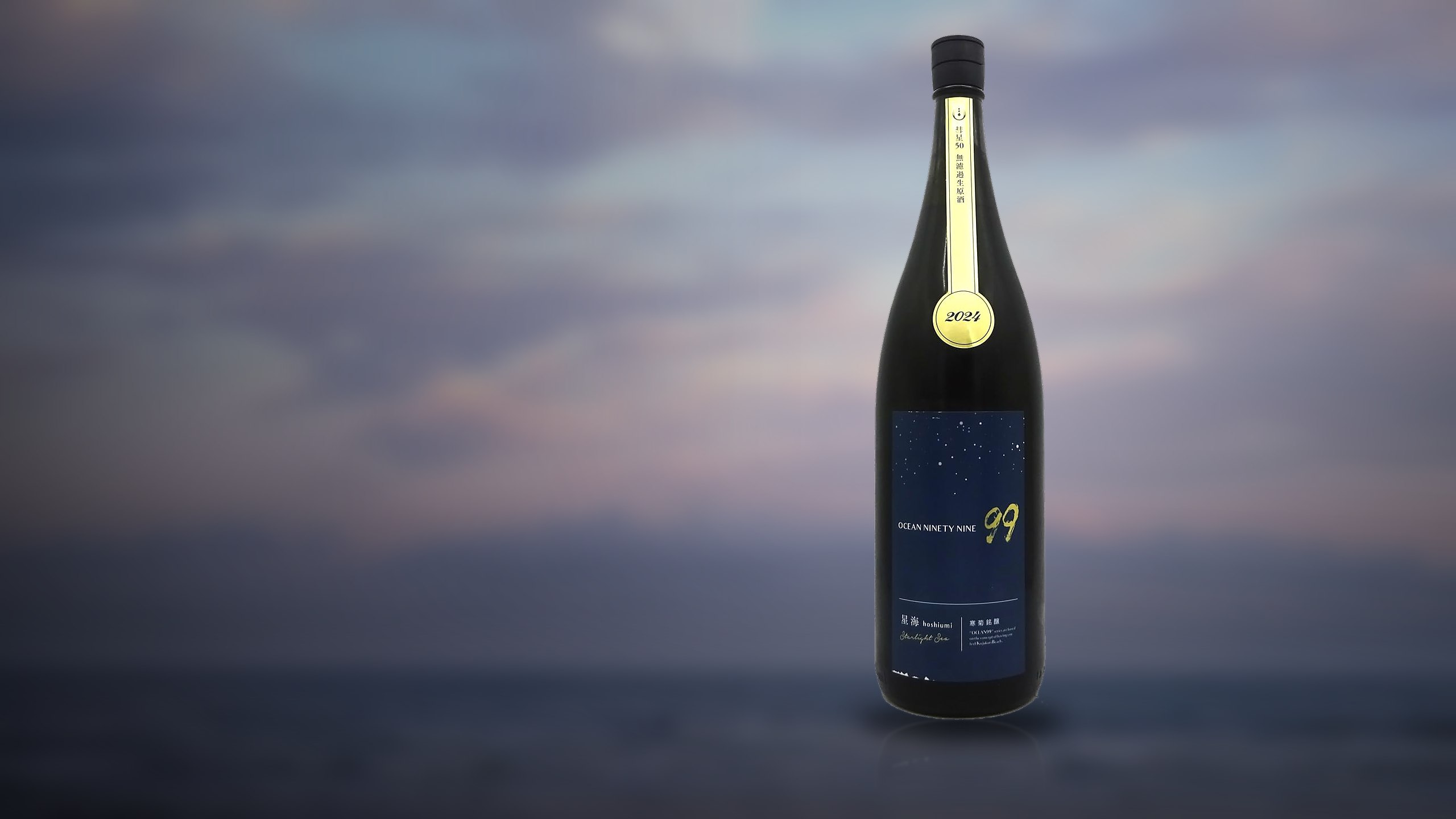
| 5°C | Yukibie (Snow-Chilled) | Mutes sweetness, sharpens crispness & bubbles | Shichiken Sparkling, Kankiku OCEAN99 × Raw oysters |
| 10°C | Hanabie (Blossom-Chilled) | Peak elegance for delicate fruity ethyl caproate esters | Kokuryu, Kankiku Seijitsu, Zaku × Crudo & caviar |
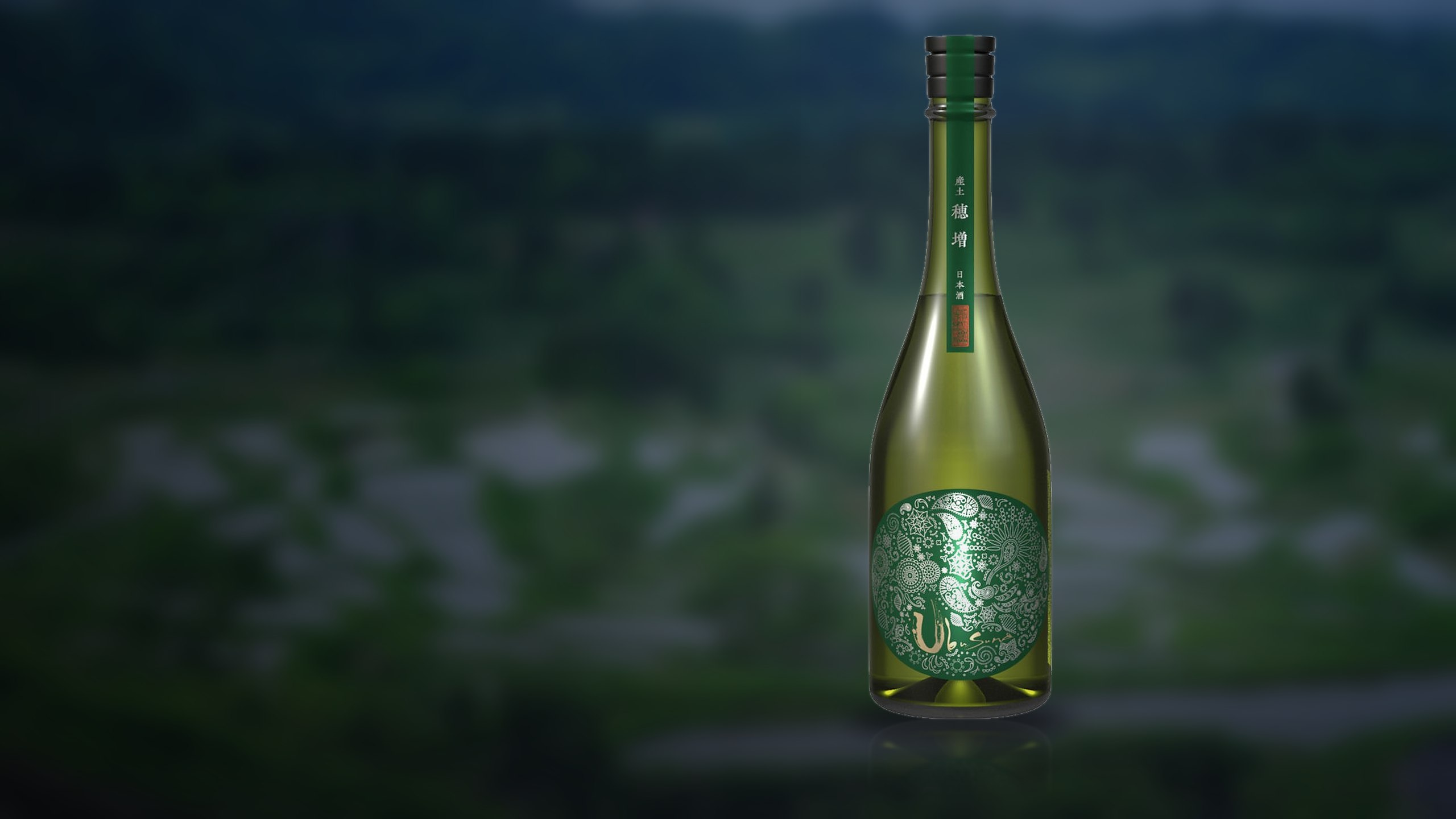
| 15°C | Suzubie (Cool-Chilled) | Unlocks mid-palate rice texture & supple breadth | Jikon, Hiroki, Ubusuna × Edomae sushi & dashi |
| 35°C | Hitohadakan (Body Temp) | Effortless mouthfeel matching human warmth | Pasteurized Tabika, Masumi × Custard & poached cod |
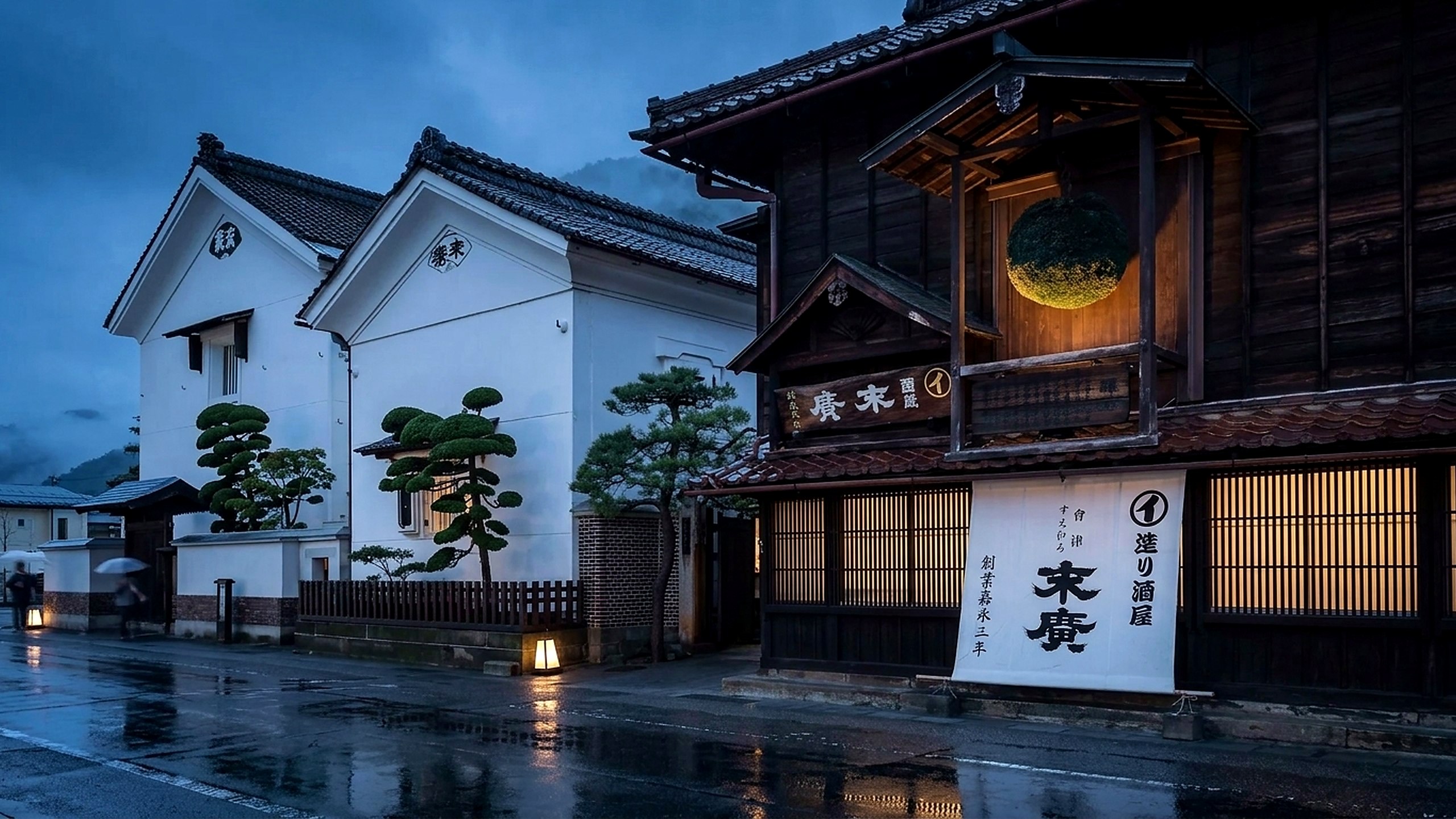
| 40–45°C | Nurukan to Jokan | Amplifies umami and melts beef fat smoothly | Suehiro Gensai, Daishichi Kimoto × Hanwoo & Wagyu |
| 50–55°C | Atsukan to Tobikirikan | Brisk spicy dry finish for winter stews | Classic Kenbishi, robust Honjozo × Oden & braises |
The Insider Technique: Kanzamashi (Warm-Then-Cooled)
Top warm-sake specialists often heat structured Kimoto gently to 48°C in a copper chirori water bath, then allow it to cool back to ~32°C—rounding alcohol edges into an extraordinarily velvety, integrated expression impossible to achieve chilled.
Featured Breweries, Specs & Flavor Balance
| Flagship Label | Brewery & Region | Signature Rice & Water | Brewery Profile |
|---|---|---|---|
| Tobikiri | Tenryo Shuzo Co., Ltd. (1289-1 Hagiwara, Hagiwara-cho, Gero-shi, Gifu 509-2517, Japan) | Hida-Grown Hidahomare & Hyogo Yamada Nishiki · Mt. Ontake & Hida River System Subterranean Ultra-Soft Water | Brewery Profile |
| Shichiken | Yamanashi Meijo Co., Ltd. (2283 Daigahara, Hakushu-cho, Hokuto City, Yamanashi 408-0312, Japan) | Hakushu-Grown Yumesansui, Yamada Nishiki, Hitogokochi (Estate & Contract-Farmed) · Mt. Kaikomagatake Subterranean Soft Water (Ojira River System, Top 100 Famous Waters) | Brewery Profile |
| OCEAN99 | Kankiku Meijo Co., Ltd. (11 Takenosato, Matsuo-machi, Sammu-shi, Chiba 289-1532, Japan) | Chiba Fusanomai, Chiba Fusakogane, Yamada Nishiki, Omachi, Ushuhomare · Kujukuri Plain Subterranean Soft Spring Water from the Ancient Persimmon Tree Well | Brewery Profile |
| Kokuryu | Kokuryu Sake Brewing Corporation (1-38 Matsuoka-Kasuga, Eiheiji-cho, Yoshida-gun, Fukui 910-1133, Japan) | Hyogo Tojo Yamada Nishiki, Fukui Sakahomare, Gohyakumangoku, Koshinoshizuku · Mt. Hakusan Range & Kuzuryu River Subterranean Soft Water | Brewery Profile |
| Kaika Blossom | Daiichi Sake Brewery Co., Ltd. (488 Tajima-cho, Sano-shi, Tochigi 327-0031, Japan) | Tochigi Yumesasara, Tochigishu 14, Gohyakumangoku, Hyogo Yamada Nishiki · Watarase River System & Izuruhara Benten Pond Aquifer Subterranean Soft Water | Brewery Profile |
| Jikon | Kiyasho Sake Brewery Co., Ltd. (314-1 Honmachi, Nabari-shi, Mie 518-0726, Japan) | Yamadanishiki, Aiyama, Omachi, Hattannishiki, Senbonnishiki · Subsurface water from the Nunobiki mountain range (brewery well water, soft water) | Brewery Profile |
| Hiroki | Hiroki Shuzo Honten Co., Ltd. (Ko 3574 Shichuniban, Aizubange-machi, Kawanuma-gun, Fukushima 969-6543, Japan) | Yamadanishiki, Gohyakumangoku, Omachi, Fukunoka, Yumenoka · Subsurface snowmelt water from the Mt. Iide range in the Aizu Basin (soft water) | Brewery Profile |
| Ubusuna | Hananoka Shuzo Co., Ltd. (2226-2 Nishiyoshiji, Nagomi-machi, Tamana-gun, Kumamoto 861-0906, Japan) | Nagomi-machi Natural-Farmed Homase, Higo Kabashiko, Yamada Nishiki · Brewery Shrine Spring Water (Kikuchi River Basin Subterranean Water from the Former Bairin Tenmangu Well) | Brewery Profile |
| Tabika | Hayakawa Sake Brewery Co. (468 Ojima, Komono-cho, Mie-gun, Mie 510-1323, Japan) | Kaminoho, Yamadanishiki, Omachi, Gohyakumangoku · Subsurface water from Mount Shakagatake in the Suzuka Mountains (soft water) | Brewery Profile |
| Masumi | Miyasaka Brewing Company, Ltd. (1-16 Motomachi, Suwa-shi, Nagano 392-8686, Japan) | Nagano-grown Miyama Nishiki, Sankei Nishiki, Hitogokochi, and Hyogo Special-A Yamada Nishiki · Kirigamine Highland Subterranean Water (Soft Water) | Brewery Profile |
Crafted in Gero, Gifu by Tenryo Sake Brewery to shine from chilled service all the way up to piping-hot tobikiri-kan, 'Tobikiri' pairs Hida mountain soft water and Hidahomare rice with hearty Hida miso dishes.
Founded in 1750 in Hakushu at the foot of the Southern Japanese Alps in Yamanashi, Shichiken ('Seven Sages of the Bamboo Grove') harnesses crystal-clear Mount Kaikomagatake snowmelt water. Renowned globally for its bottle-fermented sparkling sakes—including 'Mori no Kanade' aged in Suntory Hakushu whisky barrels—as well as its crisp 'Furinbizan' Junmai and 'Onakaya' Junmai Daiginjo, it pairs seamlessly with French gastronomy, roast poultry, and sushi.
A seasonal coastal series inspired by the changing skies and waves of the 99-ri Kujukuri Beach, marked by bright acidity and lively spritz.
Founded in 1804 in Eiheiji, Fukui, Kokuryu pioneered commercial luxury Daiginjo in Japan, uniting soft Kuzuryu River water with prized Tojo Yamada Nishiki and local Sakahomare rice. Legendary bottlings like Ishidaya, Nizaemon, Shizuku, and Hachijuhachigo deliver crystalline elegance that elevates Echizen snow crab and haute kaiseki.
A celebratory seasonal label evoking spring blossoms with bright, uplifting Ginjo aromatics. Brewed by Daiichi Sake Brewery Co., Ltd. in Tochigi using Watarase River System & Izuruhara Benten Pond Aquifer Subterranean Soft Water and Tochigi Yumesasara, Tochigi-shu 14, Gohyakumangoku, and Hyogo Yamada Nishiki, it brings together tangy, yogurt-soda lactic sweetness with memorable poise.
Named after the Zen phrase 'living fully in the present moment,' Jikon by 6th-generation brewer Tadakatsu Onishi in Nabari, Mie stands at the absolute summit of modern sake. Radiant muscat and white peach aromatics, crystalline Nunobiki mountain soft-water sweetness, and electric acidity achieve a golden-ratio balance that enchants on its own or alongside Matsusaka Wagyu and fine sushi.
Named 'Droplets of Joy Flying Forth,' 9th-generation brewer Kenji Hiroki ignited Japan's unfiltered unpasteurized (muroka nama genshu) boom and propelled Fukushima to national acclaim. Combining polished Yamadanishiki for mid-palate depth and Gohyakumangoku for crisp structure, it delivers fresh lychee and pear aromatics with vibrant acidity that pairs effortlessly with seasonal sashimi and charcoal-grilled yakitori.
Created in Nagomi, Kumamoto by Kiyotaka Kanda of Hananoka Shuzo to embody 'earth, native ecosystem, and ancestral regenerative agriculture,' Ubusuna stands at the absolute pinnacle of contemporary craft sake. Brewed with pesticide-free local Yamada Nishiki and revived Edo-era heirloom rices (Homase and Kabashiko) using kimoto and wooden vats, its Champagne-like pinpoint mousse and electric orchard-and-yuzu complexity transfix fine-dining tables worldwide.
Handcrafted by a tiny family team in Komono, Mie using ultra-soft Mt. Shakagatake snowmelt water and 100% gentle fune (box) pressing, Tabika is celebrated for its pillowy, rounded sweetness. Brewed with local Kaminoho, Omachi, and Yamada Nishiki, its soothing umami and gentle acidity pair beautifully with dashi-steamed clams and seasonal washoku.
Founded in 1662 in Suwa, Nagano and named after the sacred mirror of Suwa Grand Shrine, Masumi by Miyasaka Brewing Company is the historic birthplace of Kyokai Yeast No. 7—the most widely used sake yeast in Japan. Having returned to 100% Yeast No. 7 fermentation across its color-coded flagship series ('KURO', 'KAYA', 'SHIRO', and 'NANAGO'), it delivers poised citrus-herbal aromatics, calm acidity, and savory depth that pair effortlessly with washoku, miso dishes, and alpine cuisine.
Recommended Pairing
Weekly Sake & Tasting Dispatch
Curated seasonal releases, sub-zero arrivals, and tasting city guides across global editions.