Maruo Honten Co., Ltd.
Maruo Honten was founded in 1885 (Meiji 18) in Enai, Kotohira-cho, Kagawa Prefecture, adjacent to the historic temple town of Kotohira-gu. Originally oil merchants, the Maruo family began brewing sake after acquiring 'Shin-Yoshidaya,' a historic inn associated with the Bakumatsu-era loyalist Kusaka Enseki where legendary figures such as Takasugi Shinsaku and Katsura Kogoro once sheltered. Blessed with abundant underground water from the Manno Pond system—Japan's largest reservoir, historically renovated by Kobo Daishi (Kukai)—the brewery has remained steadfastly devoted to traditional Sanuki craftsmanship since its inception.
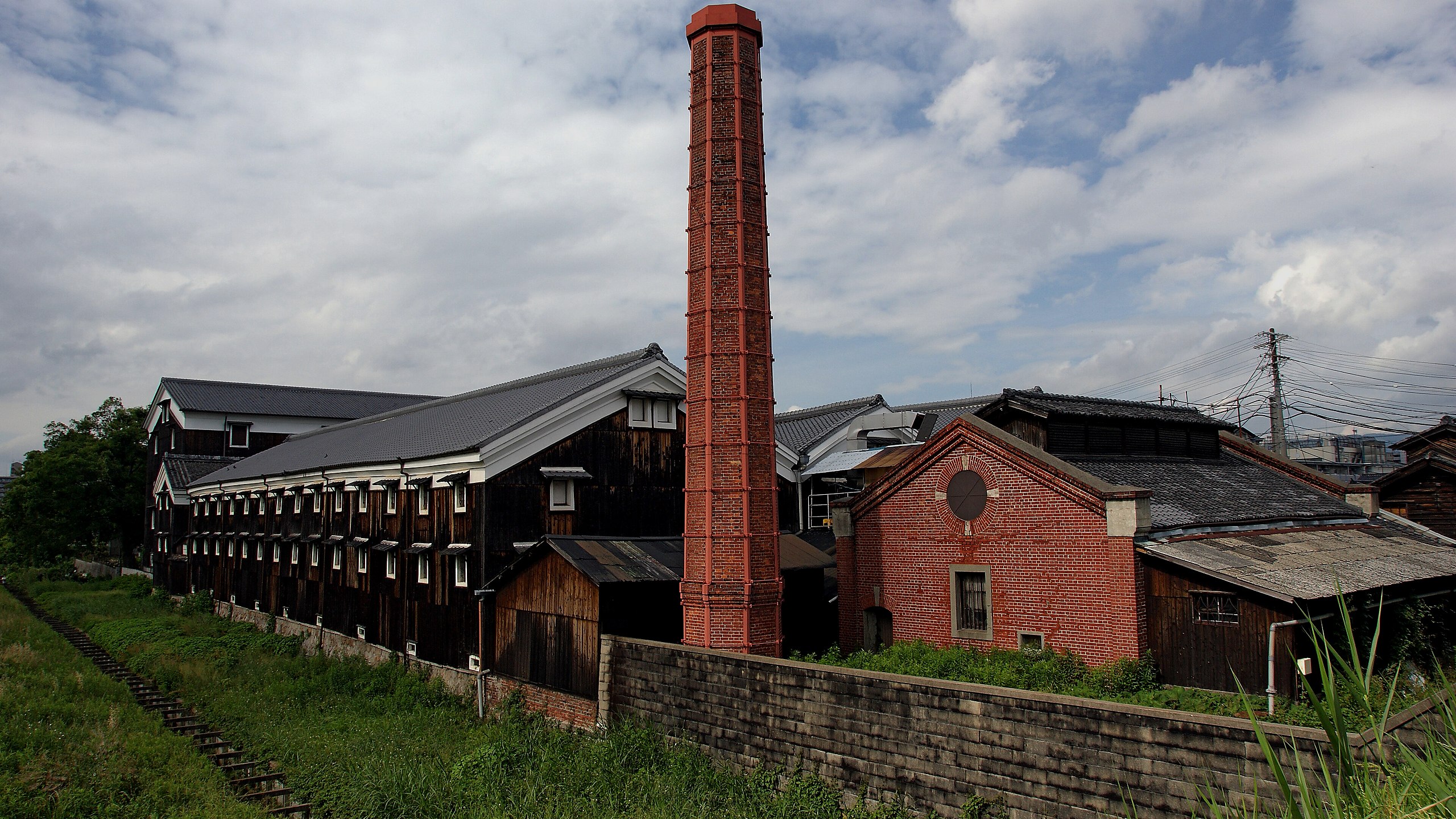
History & Brewing Heritage of Maruo Honten Co., Ltd.
Maruo Honten was founded in 1885 (Meiji 18) in Enai, Kotohira-cho, Kagawa Prefecture, adjacent to the historic temple town of Kotohira-gu. Originally oil merchants, the Maruo family began brewing sake after acquiring 'Shin-Yoshidaya,' a historic inn associated with the Bakumatsu-era loyalist Kusaka Enseki where legendary figures such as Takasugi Shinsaku and Katsura Kogoro once sheltered. Blessed with abundant underground water from the Manno Pond system—Japan's largest reservoir, historically renovated by Kobo Daishi (Kukai)—the brewery has remained steadfastly devoted to traditional Sanuki craftsmanship since its inception. Its flagship brand, 'Etsugaijin' (Yorokobi Gaijin), has rigorously preserved time-honored manual methods even as the broader sake industry shifted toward automation and light, dry styles. To this day, the brewery steams its rice using a traditional iron cauldron (wagama) topped with a cedar wooden steamer (kikoshiki), conducting every step from koji-making to pressing by hand in small batches. Each fermentation tank uses strictly a single variety of rice from a single growing region—ranging from local Kagawa 'Ooseto' to Yamada Nishiki, Akaiwa Omachi, Kame-no-O, and Shinriki—to express the pure terroir and character of each grain. What truly sets Maruo Honten apart is its absolute refusal to use activated charcoal filtration, bottling all of its sake completely unfiltered (muroka). By preserving the natural umami, rich body, and vibrant acidity of the mash, Etsugaijin develops a monumental structure that matures gracefully over years. Celebrated for its remarkable versatility across temperatures—especially when served warm as kan-zake alongside rich cuisine—Maruo Honten stands as one of Shikoku's most revered cult breweries.
Signature Brand Lineup & Yearly Flavor Profile
Select a Year (2022–2026) to explore how each harvest’s climate and rice quality shaped the 1–5 rice-grain flavor balance:
[2026BY Latest Vintage] Crafted with Sanuki Mountains Subterranean Water and fresh harvest rice, showcasing crystalline purity and vibrant acidity in flagship "".
Tasting Notes & Comments (6)
“Opened Yorokobi Gaijin Junmai Ginjo Akaiwa Omachi Muroka Nama. Tightly wound at first, it unfurls with warmth into a powerhouse of savory umami and juicy acidity, reaching transcendent heights when heated.”
“A sake built for lovers of Barolo and Brunello di Montalcino. With monumental structure, grip, and acidity, Gaijin's unfiltered single-rice bottlings age effortlessly for a decade or more.”
“Pairing hot Yorokobi Gaijin Oseto Junmai with Kagawa's spicy roasted bone-in chicken tonight. The bold Oseto rice structure and vibrant acidity lock horns with the rich, peppery chicken fat in pure harmony!”
“Homare Gaijin by Maruo Honten. Commanding mineral backbone from Manno Reservoir medium-hard water backed by concentrated grain umami and bold acidity. Unbeatable with Kagawa spiced bone-in chicken (honetsukidori), Olive Wagyu, and aged sashimi.”
“The pinnacle of Maruo Honten's small-batch, unfiltered philosophy—evolving gloriously with bottle age and shining brightest in a warming chirori.”
“Had Maruo Honten's Homare Gaijin served hot at a kanzake bar! The sheer rice energy and razor-sharp acid cut gave me goosebumps.”
Write a Review
Share your tasting notes and food pairings with sake lovers around the world.