Kumamoto-ken Shuzo Kenkyusho Co., Ltd.
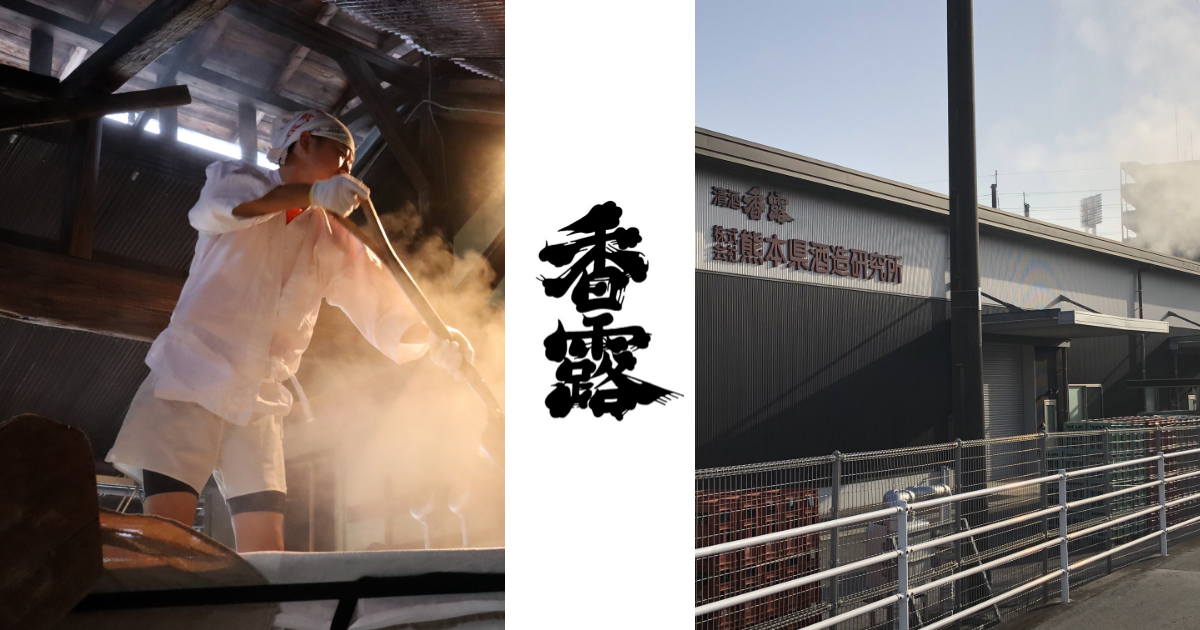
Founded in 1909 by a collective of Kumamoto brewers determined to master high-quality sake production in Kyushu's warm climate, the Kumamoto-ken Shuzo Kenkyusho (Kumamoto Sake Brewing Institute) is revered as the birthplace of modern ginjo sake. In 1919, the institute invited legendary chief engineer Kinichi Nozaki—celebrated as the 'God of Sake'—who invented the double-chimney 'Nozaki-style skylight' for precise koji room climate control and silk-cloth filtration techniques, sharing these breakthroughs openly with brewers nationwide.
History & Brewing Heritage of Kumamoto-ken Shuzo Kenkyusho Co., Ltd.
Founded in 1909 by a collective of Kumamoto brewers determined to master high-quality sake production in Kyushu's warm climate, the Kumamoto-ken Shuzo Kenkyusho (Kumamoto Sake Brewing Institute) is revered as the birthplace of modern ginjo sake. In 1919, the institute invited legendary chief engineer Kinichi Nozaki—celebrated as the 'God of Sake'—who invented the double-chimney 'Nozaki-style skylight' for precise koji room climate control and silk-cloth filtration techniques, sharing these breakthroughs openly with brewers nationwide. From the fermenting mash of the institute's sole brand, 'Koro' (Fragrant Dew), Nozaki and his team isolated the famous 'Kumamoto Yeast,' which was distributed nationwide in 1953 as Kyokai No. 9 Yeast. Renowned for its vibrant fruity aromatics and crisp, clean fermentation even at low temperatures, Kyokai No. 9 became the gold standard for competition-grade Daiginjo across Japan. Today, the brewery continues to uphold its founding mission as a living laboratory of craftsmanship, combining pure subterranean water from Mt. Aso with its native Kumamoto yeast to brew 'Koro'—a timeless benchmark of elegance, poised acidity, and refined umami.
Signature Brand Lineup & Yearly Flavor Profile
Select a Year (2022–2026) to explore how each harvest’s climate and rice quality shaped the 1–5 rice-grain flavor balance:
[2026BY Latest Vintage] Crafted with Mt. Aso Caldera & Kikuchi Basin Spring Water and fresh harvest rice, showcasing crystalline purity and vibrant acidity in flagship "".

Featured SakeStream Editorial Articles
Tasting Notes & Comments (3)
“Tasted Koro Daiginjo and Tokubetsu Junmai. Unforced, classical nose, fine-grained Mount Aso water texture, and a mid-to-late palate acid structure that is both textbook and pinnacle. Paired with lean and marbled basashi horse sashimi, it leaves you speechless.”
“A historic bottle that stands at the root of all modern ginjo sake. Distinct from trendy ester-heavy bombs, its poised aromas of white peach and blossom and its tightly knit body carry the gravitas of a Grand Cru Burgundy.”
“Koro is an absolute must-drink in Kumamoto. Local izakayas even pour its futsu-shu and honjozo, which turn astonishingly silky and savory when gently warmed. Truly carries the DNA of brewing god Kin'ichi Noshiro!”
Write a Review
Share your tasting notes and food pairings with sake lovers around the world.