Why does one sake whisper of white peach and muskmelon while another bursts with ripe red apple? Up to 80% of the answer lies not in the rice variety, but in a 5-micron microorganism: sake yeast. Here is the definitive insider guide to Kyokai and regional yeasts.
The 5-Micron Architects Behind 80% of Sake’s Aroma and Acidity
In the world of wine, grape varietals—Pinot Noir, Chardonnay, Riesling—dictate the primary aromatic profile. In Japanese sake, however, polished rice grains contain virtually zero fruity aromatic compounds of their own. Why, then, does a glass of modern craft sake brim with notes of muskmelon, white peach, green apple, and Bartlett pear?
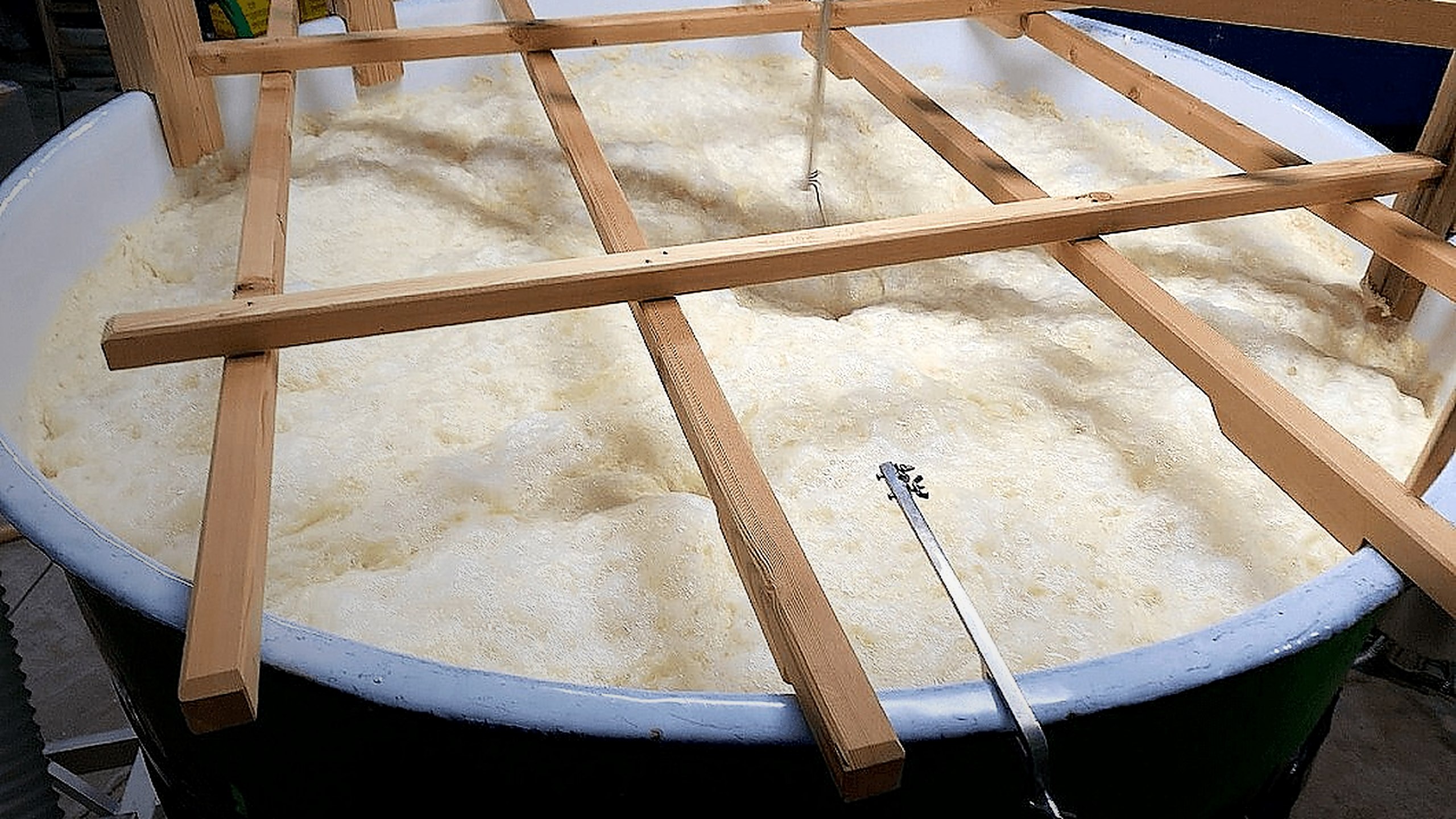
The answer lies in a microscopic organism measuring just 5 to 10 microns across: sake yeast (*Saccharomyces cerevisiae*). As koji enzymes break rice starch down into glucose during multiple parallel fermentation, yeast cells consume that sugar and synthesize alcohol, carbon dioxide, organic acids, and hundreds of volatile aromatic esters. When Japanese brewing scientists at NRIB and specialist journalists at SAKE Street evaluate a bottle, their very first question is not "what is the rice polishing ratio?" but "which yeast lineage architected this fermentation?"
The Two Great Ginjo Esters: Isoamyl Acetate vs. Ethyl Caproate
Every serious sake sommelier and master brewer (Toji) distinguishes between two primary aromatic ester families produced by yeast:
Isoamyl Acetate (酢酸イソアミル) — The Gastronomy Standard of Quiet Elegance
Ethyl Caproate (カプロン酸エチル) — The High-Impact Competition Showstopper
"If ethyl caproate is a soprano soloist commanding the spotlight at center stage, isoamyl acetate is the string quartet that elevates the entire culinary performance. Modern master brewers calibrate the ratio between these two esters down to a tenth of a part per million." — Senior Specialty Sake Buyer, Tokyo
The 5 Legendary "Kyokai Yeasts" (Brewing Society of Japan) Decoded
Beginning in the late Meiji era, Japan’s National Research Institute of Brewing (NRIB) and the Brewing Society of Japan (Nihon Jozo Kyokai) isolated superior house yeasts from the country’s greatest breweries and distributed pure cultures nationwide as Kyokai Yeasts (協会酵母). Strains ending in "01" (601, 701, 901, 1401, 1801) are non-foaming variants (*awanashi kobo*) bred to prevent thick moromi foam—expanding usable tank capacity by 20–30% while keeping precious enzymes and delicate aromas locked inside the liquid.
| Yeast Strain | Year Isolated | Origin Brewery | Primary Ester Profile | Acidity & Structure | Benchmark Bottle (720ml Japan Retail) |
|---|---|---|---|---|---|
| Kyokai No. 6 | 1930 | Aramasa Shuzo (Akita) | Restrained Isoamyl Acetate (green apple, white blossom) | High malic & lactic acid; crystalline cool-climate spine | Aramasa No. 6 S-type (~¥3,000) |
| Kyokai No. 7 | 1946 | Miyasaka Brewing Masumi (Nagano) | Isoamyl Acetate dominant (citrus zest, Asian pear) | Brisk acidity & razor-sharp dry finish; versatile food pairing | Kaze no Mori Akitsuho 657 (~¥1,650) |
| Kyokai No. 9 | 1953 | Kumamoto Sake Institute Koro | Golden ratio of Isoamyl Acetate & Ethyl Caproate | Noble acidity & architectural Ginjo balance (YK35 core) | Kokuryu Junmai Ginjo (~¥2,090) |
| Kyokai No. 1401 | 1995 | Kanazawa Tax Bureau (Ishikawa) | Clean Isoamyl Acetate (white peach, melon) | Ultra-low amino acids; liquid-silk transparency | Tabika Junmai Ginjo Omachi (~¥2,200) |
| Kyokai No. 1801 | 2006 | Brewing Society (No. 9 × No. 1601) | High Ethyl Caproate (ripe red apple, candied pear) | Low acidity & low amino acids; plush, showstopping fruit | Hououbiden Junmai Ginjo (~¥1,980) |
Kyokai No. 6 (Aramasa Yeast / Isolated 1930) — The Oldest Living Cool-Climate Icon
Kyokai No. 7 (Masumi Yeast / Isolated 1946) — The World’s Benchmark Food-Pairing Workhorse
Kyokai No. 9 (Kumamoto / Koro Yeast / Isolated 1953) — The King of Ginjo
Kyokai No. 1401 (Kanazawa Yeast / Registered 1995) — Pure Silk & Crystal Clarity
Kyokai No. 1801 (Registered 2006) — The Architect of Modern Fruity Lushness
Regional Prefectural Yeasts & Sommelier Buying Tips
Across Japan's top regional craft breweries, prefectural research institutes have bred signature local yeasts that express distinct regional terroir:
Featured Breweries, Specs & Flavor Balance
| Flagship Label | Brewery & Region | Signature Rice & Water | Brewery Profile |
|---|---|---|---|
| Aramasa | Aramasa Co., Ltd. (6-2-35 Omachi, Akita-shi, Akita 010-0921, Japan) | Pesticide-Free & Estate-Grown Akita Rice (Kairyo Shinko, Rikuu No. 132, Misato Nishiki, Akita Sakekomachi) · Mount Taihei Subterranean Soft Water (Akita City) | Brewery Profile |
| Masumi | Miyasaka Brewing Company, Ltd. (1-16 Motomachi, Suwa-shi, Nagano 392-8686, Japan) | Nagano-grown Miyama Nishiki, Sankei Nishiki, Hitogokochi, and Hyogo Special-A Yamada Nishiki · Kirigamine Highland Subterranean Water (Soft Water) | Brewery Profile |
| Koro | Kumamoto-ken Shuzo Kenkyusho Co., Ltd. (1-7-20 Shimazaki, Chuo-ku, Kumamoto City, Kumamoto 860-0073, Japan) | Yamada Nishiki, Hananishiki, Shinriki · Mt. Aso Subterranean Water (Medium-Soft Private Well Water) | Brewery Profile |
| Mimurosugi | Imanishi Sake Brewery Co., Ltd. (510 Miwa, Sakurai-shi, Nara 633-0001, Japan) | Tsuyuhakaze, Yamadanishiki, Omachi · Subsurface water from sacred Mt. Miwa (medium-soft water) | Brewery Profile |
| Tabika | Hayakawa Sake Brewery Co. (468 Ojima, Komono-cho, Mie-gun, Mie 510-1323, Japan) | Kaminoho, Yamadanishiki, Omachi, Gohyakumangoku · Subsurface water from Mount Shakagatake in the Suzuka Mountains (soft water) | Brewery Profile |
| Hiroki | Hiroki Shuzo Honten Co., Ltd. (Ko 3574 Shichuniban, Aizubange-machi, Kawanuma-gun, Fukushima 969-6543, Japan) | Yamadanishiki, Gohyakumangoku, Omachi, Fukunoka, Yumenoka · Subsurface snowmelt water from the Mt. Iide range in the Aizu Basin (soft water) | Brewery Profile |
| Kokuryu | Kokuryu Sake Brewing Corporation (1-38 Matsuoka-Kasuga, Eiheiji-cho, Yoshida-gun, Fukui 910-1133, Japan) | Hyogo Tojo Yamada Nishiki, Fukui Sakahomare, Gohyakumangoku, Koshinoshizuku · Mt. Hakusan Range & Kuzuryu River Subterranean Soft Water | Brewery Profile |
| Tenbi | Choshu Brewery Co., Ltd. (72 Yoshika, Kikugawa-cho, Shimonoseki-shi, Yamaguchi 750-0316, Japan) | Yamada Nishiki, Saito no Shizuku · Koya River System & Kikugawa Natural Subterranean Medium-Soft Water | Brewery Profile |
| Hououbiden | Kobayashi Shuzo Co., Ltd. (743-1 Soshishima, Oyama-shi, Tochigi 323-0061, Japan) | Hyogo Nishiwaki Yamada Nishiki, Toyama Nanto Gohyakumangoku, Okayama Akaiwa Omachi, Tochigi Yumesasara · Nikko Mountain Range Subterranean Medium-Hard Water | Brewery Profile |
| Hoo | Shiina Sake Brewery Co., Ltd. (411 Takahara, Juo-cho, Hitachi-shi, Ibaraki 319-1305, Japan) | Hitachinishiki, Miyamanishiki, Gohyakumangoku, Yamadanishiki · Abukuma Mountains Upper Juo River Natural Spring Soft Water | Brewery Profile |
As the birthplace of Kyokai No. 6 yeast, Aramasa represents the pinnacle of modern sake brewing through 100% kimoto fermentation in cedar vats using exclusively Akita-grown rice. Its vibrant citrus acidity, low-alcohol elegance, and silky sweetness evoke fine white Burgundy, pairing effortlessly with sashimi, crudo, and modern gastronomy.
Founded in 1662 in Suwa, Nagano and named after the sacred mirror of Suwa Grand Shrine, Masumi by Miyasaka Brewing Company is the historic birthplace of Kyokai Yeast No. 7—the most widely used sake yeast in Japan. Having returned to 100% Yeast No. 7 fermentation across its color-coded flagship series ('KURO', 'KAYA', 'SHIRO', and 'NANAGO'), it delivers poised citrus-herbal aromatics, calm acidity, and savory depth that pair effortlessly with washoku, miso dishes, and alpine cuisine.
Crafted by the Kumamoto Prefectural Sake Brewing Research Institute—the sacred birthplace of Kyokai No. 9 yeast (Kumamoto Yeast), which revolutionized modern ginjo brewing—using medium-soft subterranean water from the Mount Aso system and Yamada Nishiki, Hananishiki, and Shinriki rice. Carrying forward the pioneering legacy of first chief engineer Kin'ichi Noshiro, Koro achieves a golden ratio of noble ginjo aromatics, velvety rice umami, and the vibrant, clean-finishing acidity of No. 9 yeast. It is peerless alongside Kumamoto horsemeat sashimi (basashi), mustard lotus root, and Amakusa sashimi.
Founded in 1660 at the foot of sacred Mount Miwa and Omiwa Shrine—revered as the ancestral deity of Japanese sake brewing—Imanishi Shuzo crafts Mimurosugi using shrine-mountain subterranean water and locally grown Yamadanishiki and Tsuyuhakaze rice. Luminous lychee, white peach, and Muscat aromas flow into a crystal-clear, juicy palate with a brisk finish that pairs effortlessly with sushi, sashimi, and delicate crudo.
Handcrafted by a tiny family team in Komono, Mie using ultra-soft Mt. Shakagatake snowmelt water and 100% gentle fune (box) pressing, Tabika is celebrated for its pillowy, rounded sweetness. Brewed with local Kaminoho, Omachi, and Yamada Nishiki, its soothing umami and gentle acidity pair beautifully with dashi-steamed clams and seasonal washoku.
Named 'Droplets of Joy Flying Forth,' 9th-generation brewer Kenji Hiroki ignited Japan's unfiltered unpasteurized (muroka nama genshu) boom and propelled Fukushima to national acclaim. Combining polished Yamadanishiki for mid-palate depth and Gohyakumangoku for crisp structure, it delivers fresh lychee and pear aromatics with vibrant acidity that pairs effortlessly with seasonal sashimi and charcoal-grilled yakitori.
Founded in 1804 in Eiheiji, Fukui, Kokuryu pioneered commercial luxury Daiginjo in Japan, uniting soft Kuzuryu River water with prized Tojo Yamada Nishiki and local Sakahomare rice. Legendary bottlings like Ishidaya, Nizaemon, Shizuku, and Hachijuhachigo deliver crystalline elegance that elevates Echizen snow crab and haute kaiseki.
Launched in late 2020 in Shimonoseki, Yamaguchi by Choshu Shuzo, Tenbi skyrocketed to national stardom with its bright, uplifting house style. Bearing sun-and-moon labels for day and night expressions, it offers crisp green apple and white grape aromatics, delicate pinpoint effervescence, and vibrant malic acidity that pair beautifully with seafood ceviche, seasonal vegetable tempura, and modern izakaya fare.
Crafted exclusively at ginjo grade or higher using subterranean water from the Nikko mountain range and prized Yamada Nishiki, Aiyama, and Omachi rice, Hououbiden is Tochigi's benchmark for aromatic elegance. Lush white peach and muscat bouquet glides over a velvety, nectar-like palate before finishing with crystal clarity, pairing splendidly with white-fish carpaccio, seasonal tempura, and fruit-accented appetizers.
An auspicious traditional bottling brewed for celebrations and gifting, offering rounded aromatics and poised depth. Brewed by Shiina Sake Brewery Co., Ltd. in Ibaraki using Abukuma Mountains Upper Juo River Natural Spring Soft Water and Hitachinishiki, Miyamanishiki, Gohyakumangoku, Yamadanishiki, it brings together bright, fruit-driven aromatics, vibrant, freshly pressed energy, lively micro-effervescence with memorable poise.
Recommended Pairing
Weekly Sake & Tasting Dispatch
Curated seasonal releases, sub-zero arrivals, and tasting city guides across global editions.