Koshu (Aged Sake) — Depth Brewed by Time
Tasting

Koshu (Aged Sake) — Depth Brewed by Time

2026-10-248min readSakeStream
Back
EXECUTIVE SUMMARY & KEY TAKEAWAYS

3 years, 5 years, 10 years... Exploring the transformation time brings to sake.

Key Sections in This Report:

The Mechanism of Aging — Time as the Final Brewer

Sake aging proceeds primarily through the Maillard reaction: amino acids bond with sugars, creating the amber pigment melanoidin and layers of complex flavor. It is the same principle that browns bread and sears steak. In the darkness of the cellar, the sake in bottle or vessel slowly remakes itself with no human hand involved. The key to mature aroma is a compound called sotolon — evoking caramel and maple syrup, it forms the core of koshu's characteristic sweet, deep fragrance. Aging is not decay; it is controlled chemistry as art.

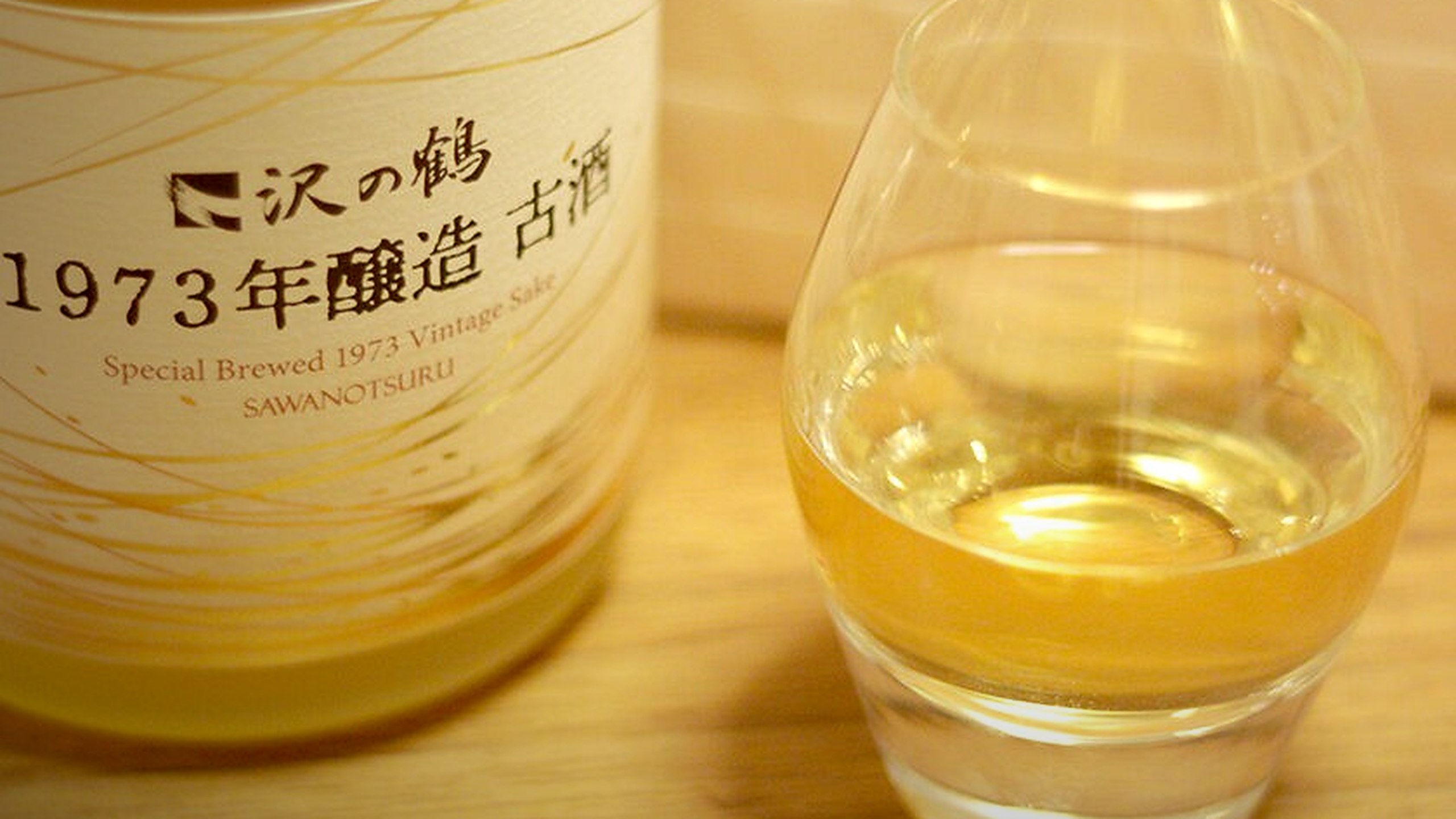
Flavors invisible in new sake emerge one by one: sherry, caramel, dried fruit, honey, spice, dark sugar. Three years brings gentle roundness; five years, distinctive aging aromas; ten-plus years, complexity rivaling Shaoxing wine or Madeira. After the brewer finishes the batch, the final polish belongs to time itself.

Koshu is, in fact, no new invention. Edo-period records show long-aged sake fetching premium prices as a treasured rarity. But in the Meiji era, a brewing tax levied on the volume produced made long-term storage economically untenable, and the koshu tradition was severed. From the 1970s onward, committed brewers worked to revive it, and the founding of the Association for Long-Aged Sake brought systematic study. Modern koshu is an attempt to rediscover that lost lineage in the language of science.

Quick Specs & 2026 Rating Summary

Core of the theme
Sake's final frontier, with time itself as the last brewer — an aesthetic of maturation that overturns the fresh-is-best orthodoxy
Scientific mechanism
The Maillard reaction turns amino acids and sugars into melanoidin (amber pigment) and sotolon (the signature aged aroma); storage temperature sets both the speed and the direction of maturation
2026 global trend
At IWC 2026, Born "Tenshi no Mezame" won the Koshu Trophy and Keiryu "Daikoshu" won the Aged Sake Trophy, alongside Hanahato "Kijoshu Aged 8 Years" earning the Kura Master Jury Prize; European and US sommeliers are driving a new wave of low-ABV aged koshu for mid-course pairings
Representative bottles
Born "Tenshi no Mezame", Keiryu "Daikoshu", Hanahato "Kijoshu Aged 8 Years", Kokuryu "Ishidaya" (cold-aged), Daruma Masamune, Kidoizumi

Aging Methods — Temperature Draws the Blueprint

The most important variable in designing maturation is temperature. The warmer, the faster the Maillard reaction runs; the colder, the more delicately it proceeds. Choosing a storage temperature is nothing less than designing the future taste of the sake.

Room Temperature — Exposing the sake to natural seasonal swings inside the brewery. The cycle of warmth and cold drives the Maillard reaction forward: color deepens toward amber, aromas develop boldly toward caramel and dark sugar. The most classic approach, practiced by houses like Gifu's Daruma Masamune, which has made decades-long aging its family trade. Chiba's Kidoizumi likewise designs sake built to endure — via its distinctive high-temperature yamahai method — then entrusts it to ambient time.

Cold Aging — Long-term storage in refrigerated or ice-temperature cellars. The Maillard reaction creeps along, color barely changes, and the result is delicate, elegant maturation. Kokuryu's "Ishidaya" ages this way for five-plus years, showing the summit of cold aging: a matured koshu that keeps a pristine, refined beauty.

High-Temperature Aging — A specialized approach intentionally exposing sake to warmer conditions to accelerate maturation over a shorter period, similar in spirit to Okinawa's aged awamori (kusu), and a subject of active experimentation.

There is also the lineage of aged kijoshu — sake brewed with sake replacing part of the water. Rich in sugar and amino acids, kijoshu takes to aging superbly; Hiroshima's Enoki Shuzo "Hanahato Kijoshu Aged 8 Years," winner of the Kura Master Jury Prize, is the standard-bearer.

International competitions in 2026 underscored the full spectrum of matured sake. At London's IWC 2026, Fukui's Kato Kichibee Shoten "Born Tenshi no Mezame" — matured long-term at sub-zero temperatures in French oak casks for opulent dried-fruit and cacao depth — captured the Koshu (Amber Style) Trophy, while Nagano's Endo Shuzojo "Keiryu Daikoshu" — cellared under precise temperature control to restrain oxidation and achieve seamless roundness — won the Aged Sake (Aged Style) Trophy. Meanwhile, sommeliers in Paris, London, and New York are rallying around "low-ABV aged koshu" (13-14% ABV): rather than confining aged sake to 17-19% ABV digestif pours, breweries are maturing lower-alcohol junmai and high-acidity yamahai cuvées that glide alongside mid-course seafood, shellfish, and fermented vegetables much like aged Jura wines or Fino sherry (a movement also championed by the Association for Long-Aged Sake).

Tasting Characteristics — Layers of Time on the Palate

Tasting koshu is completely unlike tasting regular sake. Color ranges from gold to deep amber. Aromas: nuts, caramel, a Shaoxing-like depth. The palate layers overwhelming umami and richness with subtle sweetness and a pleasing bitterness, and the finish is remarkably long. The more someone loves whisky or vintage wine, the more this multilayered structure astonishes them.

Serve at room temperature (around 20°C) or gently warmed (35°C). At room temperature the aromatic layers unfold slowly; at 35°C, umami and body amplify. A large snifter-style glass draws out the complex aromas best. Not a small cup, but a vessel that gathers fragrance — that is the proper etiquette of koshu. A "vertical tasting" lining up the same label at different ages is the most eloquent testimony to what time does: set a 3-year beside a 10-year, and you grasp at a glance that color, aroma, and texture are all functions of time.

Pairing Partners

Chocolate — Bitter chocolate is koshu's classic partner. Cacao's bitterness resonates with koshu's bittersweet character, each deepening the other.

Aged Cheese — Parmigiano, Gouda. Fermented umami meets fermented umami, matured meets matured.

Foie Gras — Luxury meeting luxury, pure bliss — and proof that koshu can stand in for Sauternes.

Dried Fruits — Raisins, apricots, figs. They nestle against koshu's own ripe-fruit character — the easiest pairing to try at home.

The common principle: strength answers strength. Koshu's concentrated umami overwhelms delicate dishes; boldly flavored ingredients, fermented foods, and foods carrying both sweetness and bitterness are its finest companions.

The Aged Sake Chart, Type by Type

Choosing koshu begins with reading two facts: at what temperature, and for how many years, did it sleep? The answers are written directly into its color and aroma.

Aging TypeTemp & YearsColor & FlavorExamples & Pairings
Ambient / Amber aging15-25C, 5+ yearsAmber to mahogany; caramel, dried fruit, soy-like complexityBorn Tenshi no Mezame (oak ice-aged), Daruma Masamune; with foie gras, eel, dark chocolate
Cold / Pale aging5-10C, 3-10 yearsPale gold; refined honey, white flowers, and mellow poiseKeiryu Daikoshu, Kokuryu Ishidaya lineage; with aged sushi, roast duck
Ice-temperature agingaround 0C, long termNearly colorless; only the silk deepensThe Juyondai Ryusen lineage; alone, unhurried
Aged kijoshuvaries by breweryDense honey-and-raisin sweetnessHanahato Kijoshu 8 Years; with blue cheese, vanilla ice cream

Starting a Home Aging Experiment

What to age
Pasteurized junmai or honjozo; nama and aroma-driven ginjo are poor candidates
Where
A dark, temperature-stable closet or under-floor space — light is maturation's enemy
How long
Start with one year; buy two identical bottles, drink one now, sleep the other — the finest textbook there is
Keep stakes low
No need to gamble a premium bottle; time does honest work even on a ¥1,500 junmai

What to Check When Buying

Color
The deeper the hue through the glass, the more ambient the aging — decide which direction you enjoy
Provenance
At a specialist shop, always ask whether it was brewery-aged or shop-aged; a shop that can answer is a shop to trust
Start small
Many koshu come in 300ml and 180ml bottles — find your preferred depth of age in miniature first
Serving temperature
Rich, dark styles from room temperature to gently warmed; pale, delicate styles from about 15C

Closing — The Other Sake, Brewed by Time

If fresh new sake is the beauty of a single point, koshu is the art of a line. Three years, five years, ten years — layers of time inscribed in one bottle like growth rings. Precisely because modern cold-chain distribution is complete, the deliberate choice to surrender sake to time carries new value. Koshu is not a relic of the past; it is sake's frontier of the future. Start with an approachable bottle around three years of age — beyond the amber in your glass lies a horizon of flavor that only time can brew.

1,215 Breweries · 2,891 Labels · Neutral Archive
Linked from 1,215 Breweries · 2,891 Labels · 8,673 Reviews

Featured Breweries, Specs & Flavor Balance

Flagship LabelBrewery & RegionSignature Rice & WaterBrewery Profile
KeiryuEndo Sake Brewery Co., Ltd. (29 Oaza Suzaka, Suzaka-shi, Nagano 382-0000, Japan)Nagano-grown Miyama Nishiki, Hitogokochi, Sankei Nishiki, and Kinmon Nishiki · Sugadaira Highland (Mount Neko & Mount Azumaya) Subterranean WaterBrewery Profile
HanahatoEnoki Sake Brewery Co., Ltd. (2-1-15 Minami-ondo, Ondo-cho, Kure-shi, Hiroshima 737-1205, Japan)Yamadanishiki, Hattannishiki, Senbonnishiki, Nakateshinsenbon · Medium-hard subterranean water filtered through granite strata of the Ondo and Mount Furutaka rangeBrewery Profile
Itteki SenzanNishioka Kawamura Sake Brewery (1-1 Koshikidani-cho, Fukui-shi, Fukui 910-3613, Japan)Fukui Gohyakumangoku, Yamada Nishiki · Western Echizen Mountain & Koshikidani Spring Soft WaterBrewery Profile
BornBorn Co., Ltd. (Kato Kichibee Shoten) (1-11 Yoshie-cho, Sabae-shi, Fukui 916-0001, Japan)Hyogo Special-A Zone Contract-Grown Yamada Nishiki, Fukui Gohyakumangoku · Mt. Hakusan System 184-Meter Deep-Well Subterranean Soft WaterBrewery Profile
KokuryuKokuryu Sake Brewing Corporation (1-38 Matsuoka-Kasuga, Eiheiji-cho, Yoshida-gun, Fukui 910-1133, Japan)Hyogo Tojo Yamada Nishiki, Fukui Sakahomare, Gohyakumangoku, Koshinoshizuku · Mt. Hakusan Range & Kuzuryu River Subterranean Soft WaterBrewery Profile
Daruma MasamuneShiraki Tsunesuke Shoten Co., Ltd. (61 Kadoyamon, Gifu-shi, Gifu 501-2528, Japan)Nihonbare, Hidahomare, and Yamada Nishiki (Bespoke Vintage Aging Mash) · Nagara River Tributary Mugigawa Subterranean Soft WaterBrewery Profile
KidoizumiKidoizumi Shuzo Co., Ltd. (7635-1 Ohara, Isumi-shi, Chiba 298-0004, Japan)Chiba Fusanomai, Yamada Nishiki, Naturally Cultivated Gohyakumangoku & Miyama Nishiki · Isumi River System Deep-Well Subterranean Water (Medium-Hard Water)Brewery Profile
MiraiUehara Shuzo Co., Ltd. (1524 Ota, Shin-Asahi-cho, Takashima-shi, Shiga 520-1502, Japan)Wataribune No. 2, Tamasakae, Ginfubuki, Yamadanishiki, Omachi, Kamenoo · Hira Mountain Range Artesian Subterranean Soft Water (Harie Spring Vein)Brewery Profile
SarasoujuMorikawa Sake Brewery Co., Ltd. (44 Harahata, Yasuura-cho, Kure-shi, Hiroshima 737-2506, Japan)Yamadanishiki, Hattannishiki, Omachi, Senbonnishiki, Kairyoomachi · Ultra-soft water springing from the granite strata of the Mount Noro system (hardness approx. 18 mg/L)Brewery Profile
JuyondaiTakagi Shuzo Co., Ltd. (1826 Oaza Tominami, Murayama-shi, Yamagata 995-0111, Japan)Tatsu no Otoshigo, Sakemirai, Ushu Homare, Aiyama, Yamada Nishiki · Mount Hayama Subterranean Spring Water 'Sakura-Shimizu' (Soft Water)Brewery Profile
29 Oaza Suzaka, Suzaka-shi, Nagano 382-0000, Japan · Endo Sake Brewery Co., Ltd. (Est. 1864)
Keiryuリンゴ甘味冷酒
Sugadaira Highland (Mount Neko & Mount Azumaya) Subterranean Water Nagano-grown Miyama Nishiki, Hitogokochi, Sankei Nishiki, and Kinmon Nishiki Nagano Prefectural Yeast (Alps Yeast, Nagano D Yeast) and Kyokai No. 1801 Yeast

Founded in 1864 as official purveyor to the feudal lords of Suzaka Domain, Endo Shuzojo crafts Keiryu using pristine snowmelt subterranean water from the Sugadaira Highlands (Mount Azumaya and Mount Neko) and Nagano-grown Miyama Nishiki, Hitogokochi, and Sankeinishiki rice. Flagship expressions like the multi-award-winning 'Keiryu Asashibori Shuppin Chozoshu' deliver honeyed Shinshu apple aromatics and rich, unpasteurized genshu concentration that shines chilled or over ice. Pair it with Shinshu salmon sashimi, horse-meat basashi, or savory Shinshu miso-grilled dishes.

Flavor Balance (1–5 Rice Grains)Shows which flavor direction the balance leans toward (1 to 5 rice grains), never a quality rank or score.
Serving & Glassware:Recommended Temperature: 10–13°C (Chilled / Hanabie to Suzubie) / Recommended Glassware: Thin-rimmed, medium-bowled white wine glass (such as Riedel O Daiginjo). Avoid over-chilling below 6°C so the delicate esters are not muted. Upon pouring, experience crystalline purity from Sugadaira Highland (Mount Neko & Mount Azumaya) Subterranean Water and lifted orchard-fruit aromatics; after 15 minutes as the glass warms to 14°C, silky Nagano-grown Miyama Nishiki, Hitogokochi mid-palate umami opens gracefully.
Global Gastronomy Pairings
• Thinly sliced Shinshu salmon with fresh Azumino wasabi and crisp mountain foraged sansai tempura
• Jeju silver belt-fish sashimi and delicate pan-fried scallop & cod jeon with citrus soy
• Poached lobster tail and white asparagus warm salad with yuzu-infused citrus hollandaise
“Compared Endo Shuzojo's signature Keiryu Asashibori Shuppin Chozoshu with the Black Label Junmai Ginjo. At nearly 20% ABV, the Asashibori packs a syrupy,baked-apple intensity that stands up effortlessly to rich Shinshu-miso braised beef tendon.”
Domestic Review · SAKETIME / 国内口コミ信州の雪見酒
“Sugadaira highland snowmelt and Nagano Alps yeast create a vivid, orchard-fresh profile. Serving Keiryu Asashibori over a single large ice cube works brilliantly both as an aperitif and alongside blue cheese or dried figs after dinner.”
Global Sommelier · Vivino / Global SakeMatteo B.
“Fell in love with Keiryu at the Suzaka kura festival! Their drip-pressed Shizuku is pure silk, while the active unfiltered Domuroku fizzes like Champagne with bright sweet-tart energy—dangerously good with Shinshu salmon carpaccio.”
SNS Buzz · X (Twitter) / Instagram@nagano_sake_trip
2-1-15 Minami-ondo, Ondo-cho, Kure-shi, Hiroshima 737-1205, Japan · Enoki Sake Brewery Co., Ltd. (Est. 1899)
Hanahatoガス甘味酸味
Medium-hard subterranean water filtered through granite strata of the Ondo and Mount Furutaka range Yamadanishiki, Hattannishiki, Senbonnishiki, Nakateshinsenbon Kyokai No. 7, Kyokai No. 9, Hiroshima Ginjo Yeast

Founded in 1899 beside the historic Ondo-no-Seto strait in Kure, Hiroshima, Enoki Shuzo's Hanahato ('Flower Dove of Peace') made history in 1974 as the first brewery in Japan to commercialize Kijoshu—luxurious sake brewed using sake in place of part of the brewing water. Alongside its multi-IWC-Trophy-winning 'Hanahato 8-Year Aged Kijoshu' with opulent honey, caramel, and dried-apricot complexity, the brewery crafts crisp maritime Junmai Ginjo and Kimoto releases using granite-filtered Mount Furutaka water and Hiroshima Hattan Nishiki and Senbon Nishiki rice. Pair the dry expressions with Hiroshima oysters and grilled anago, and the Kijoshu with foie gras, Roquefort cheese, or dark chocolate.

Flavor Balance (1–5 Rice Grains)Shows which flavor direction the balance leans toward (1 to 5 rice grains), never a quality rank or score.
Serving & Glassware:Recommended Temperature: 8–12°C (Chilled / Hanabie) or Over Artisanal Ice / Recommended Glassware: Tulip Sauternes dessert-wine stem or thin-walled crystal rocks glass. Serve initially around 10°C to highlight the electric acid spine cutting through honeyed apricot richness born of Medium-hard subterranean water filtered through granite strata of the Ondo and Mount Furutaka range. After 15 minutes at 14°C, multi-layered Yamadanishiki, Hattannishiki, Senbonnishiki, Nakateshinsenbon depth and noble sweetness expand into a lingering finish.
Global Gastronomy Pairings
• Miyajima-style Binchotan-grilled conger eel over rice and Hiroshima Wagyu brisket point with sea salt
• Hanwoo 1++ beef tartare (yukhoe) with Korean pear, pine nuts & black truffle yolk alongside artisanal yakgwa
• Landes foie gras terrine with apricot compote & toasted brioche, or aged Roquefort blue cheese
“Tasted Enoki Shuzo's pioneering Hanahato 8-Year Aged Kijoshu alongside their Hana Columbus Junmai Ginjo. Glowing amber, the 8-year Kijoshu layers wildflower honey, dried fig, and burnt caramel over a vibrant acid spine—pure heaven with Roquefort cheese.”
Domestic Review · SAKETIME / 国内口コミ瀬戸内音戸の酒徒
“Standing shoulder to shoulder with Premier Cru Sauternes and Tokaji Aszú, Hanahato's aged Kijoshu is a global treasure from the very brewery that commercialized the style in 1974. Unforgettable alongside seared foie gras and tarte Tatin.”
Global Sommelier · Vivino / Fine Wine & SakePierre-Louis D.
“Enoki Shuzo by the Ondo Strait is famous worldwide for Kijoshu, but don't sleep on their savory Hanahato Kimoto Junmai and Muroka Nama-Genshu! Built for the sea, they pair brilliantly with Hiroshima oyster hotpot and crispy ko-iwashi tempura.”
SNS Buzz · X (Twitter) / Instagram@hiroshima_sake_craft
1-1 Koshikidani-cho, Fukui-shi, Fukui 910-3613, Japan · Nishioka Kawamura Sake Brewery (Est. 1869)
Itteki Senzanスッキリ
Western Echizen Mountain & Koshikidani Spring Soft Water Fukui Gohyakumangoku, Yamada Nishiki Kyokai Yeast, Fukui Prefectural Yeast

Handcrafted in Koshikidani, Fukui by 1869-founded Nishioka Kawamura Sake Brewery, 'Ishida' pairs soft mountain spring water with Fukui-grown Gohyakumangoku and Yamada Nishiki for honest grain depth and a brisk finish.

Flavor Balance (1–5 Rice Grains)Shows which flavor direction the balance leans toward (1 to 5 rice grains), never a quality rank or score.
Serving & Glassware:Recommended Temperature: 8–12°C (Crisp Chilled) or 45–48°C (Jokan Warmed) / Recommended Glassware: Narrow-tulip white wine stem, thin porcelain hirahai cup, or tin (suzu) vessel. Chilled to 9°C, Western Echizen Mountain & Koshikidani Spring Soft Water delivers razor-sharp mineral precision and a bone-dry finish; as it warms to 13°C—or when heated in a tin carafe to 45°C—savory Fukui Gohyakumangoku, Yamada Nishiki grain character emerges to frame coastal cuisine.
Global Gastronomy Pairings
• Iced Echizen snow crab sashimi and kelp-cured Wakasa guji (tilefish)
• Seasonal Korean croaker sashimi & warm pan-seared min-eo jeon with tangy minari salad
• Mediterranean-style Acqua Pazza of line-caught white fish poached with clams, capers, and olives
“Tasted 'Ishida' by Nishioka Kawamura Sake Brewery: opening with the pure touch of Western Echizen Mountain & Koshikidani Spring Soft Water, it reveals savory layers from Fukui Gohyakumangoku, Yamada Nishiki and clean, uncluttered clarity before finishing with crisp precision.”
Domestic Review · SAKETIME / 国内口コミ地酒専門店バイヤー評
“Highly rated on global sake platforms for its poised structure shaped by Western Echizen Mountain & Koshikidani Spring Soft Water in Fukui, offering clean, uncluttered clarity that pairs seamlessly with sushi, sashimi, and contemporary cuisine.”
Global Sommelier · Vivino / Global SakeGlobal Sake Sommelier
“Loved on X and Instagram for its dynamic temperature evolution—showing crisp mineral clarity when chilled and generous Fukui Gohyakumangoku, Yamada Nishiki umami as it warms.”
SNS Buzz · X (Twitter) / Instagram@craft_sake_journal
1-11 Yoshie-cho, Sabae-shi, Fukui 916-0001, Japan · Born Co., Ltd. (Kato Kichibee Shoten) (Est. 1860)
Born甘味旨味フルーティ
Mt. Hakusan System 184-Meter Deep-Well Subterranean Soft Water Hyogo Special-A Zone Contract-Grown Yamada Nishiki, Fukui Gohyakumangoku Proprietary Heritage Yeast (KATO No. 9 Yeast)

Meaning 'pure truth' in Sanskrit, Born from Sabae, Fukui is an additive-free all-Junmai house that ages highly polished Special-A Hyogo Yamada Nishiki at sub-zero temperatures for one to ten years before release. Opulent ginjo aromatics and velvety smoothness make it a state-banquet favorite alongside sushi, roast beef, and French cuisine.

Flavor Balance (1–5 Rice Grains)Shows which flavor direction the balance leans toward (1 to 5 rice grains), never a quality rank or score.
Serving & Glassware:Recommended Temperature: 10–13°C (Chilled / Hanabie to Suzubie) / Recommended Glassware: Thin-rimmed, medium-bowled white wine glass (such as Riedel O Daiginjo). Avoid over-chilling below 6°C so the delicate esters are not muted. Upon pouring, experience crystalline purity from Mt. Hakusan System 184-Meter Deep-Well Subterranean Soft Water and lifted orchard-fruit aromatics; after 15 minutes as the glass warms to 14°C, silky Hyogo Special-A Zone Contract-Grown Yamada Nishiki, Fukui Gohyakumangoku mid-palate umami opens gracefully.
Global Gastronomy Pairings
• Iced Echizen snow crab sashimi and kelp-cured Wakasa guji (tilefish)
• Dry-aged Korean wild sea bream hoe and chilled king prawn salad (daeha-naengchae) in pine-nut sauce
• Poached lobster tail and white asparagus warm salad with yuzu-infused citrus hollandaise
“Born Wings of Japan and Born Gold show zero rough edges thanks to sub-zero aging, filling the palate with ripe pear, melon, and crystalline sweetness from the first pour.”
Domestic Review · SAKETIME / 国内口コミ氷温熟成ファン
“A former IWC Champion Sake and global icon; Born's sub-zero aged purity and regal aromatics explain why it is served at international state banquets and first-class cabins.”
Global Sommelier · Vivino / Global SakeMichael Chen
“From Born Tsuya Muroka Nama Genshu to Tokusen Junmai Daiginjo, the ratio of high polishing, multi-year sub-zero aging, and accessible pricing is unmatched.”
SNS Buzz · X (Twitter) / Instagram@sabae_craft_sake
1-38 Matsuoka-Kasuga, Eiheiji-cho, Yoshida-gun, Fukui 910-1133, Japan · Kokuryu Sake Brewing Corporation (Est. 1804)
Kokuryuメロン旨味フルーティ
Mt. Hakusan Range & Kuzuryu River Subterranean Soft Water Hyogo Tojo Yamada Nishiki, Fukui Sakahomare, Gohyakumangoku, Koshinoshizuku Proprietary In-House Cultured Yeast

Founded in 1804 in Eiheiji, Fukui, Kokuryu pioneered commercial luxury Daiginjo in Japan, uniting soft Kuzuryu River water with prized Tojo Yamada Nishiki and local Sakahomare rice. Legendary bottlings like Ishidaya, Nizaemon, Shizuku, and Hachijuhachigo deliver crystalline elegance that elevates Echizen snow crab and haute kaiseki.

Flavor Balance (1–5 Rice Grains)Shows which flavor direction the balance leans toward (1 to 5 rice grains), never a quality rank or score.
Serving & Glassware:Recommended Temperature: 10–13°C (Chilled / Hanabie to Suzubie) / Recommended Glassware: Thin-rimmed, medium-bowled white wine glass (such as Riedel O Daiginjo). Avoid over-chilling below 6°C so the delicate esters are not muted. Upon pouring, experience crystalline purity from Mt. Hakusan Range & Kuzuryu River Subterranean Soft Water and lifted orchard-fruit aromatics; after 15 minutes as the glass warms to 14°C, silky Hyogo Tojo Yamada Nishiki, Fukui Sakahomare, Gohyakumangoku, Koshinoshizuku mid-palate umami opens gracefully.
Global Gastronomy Pairings
• Iced Echizen snow crab sashimi and kelp-cured Wakasa guji (tilefish)
• Dry-aged Korean wild sea bream hoe and chilled king prawn salad (daeha-naengchae) in pine-nut sauce
• Wild sea bream carpaccio with bergamot olive oil, shaved bottarga, and micro herbs
“Kokuryu Daiginjo Shizuku and Hachijuhachigo—collected drop by drop via shizuku bag-hanging—glide effortlessly across the palate with noble white peach and melon aromatics. Sublime with Echizen crab.”
Domestic Review · SAKETIME / 国内口コミ大吟醸の求道者
“Kokuryu Ishidaya and Nizaemon belong at the same table as Grand Cru Montrachet—defined by weightless silk texture, profound purity, and an aristocratic finish.”
Global Sommelier · Vivino / Global SakeSébastien Girard
“Even beyond the ultra-rare flagships, everyday bottles like Kokuryu Icchorai and Junmai Ginjo deliver astonishing value with the same unmistakable Kuzuryu clarity and poise.”
SNS Buzz · X (Twitter) / Instagram@fukui_eshikoto_fan
61 Kadoyamon, Gifu-shi, Gifu 501-2528, Japan · Shiraki Tsunesuke Shoten Co., Ltd. (Est. 1835)
Daruma Masamune紹興酒カラメル燗酒
Nagara River Tributary Mugigawa Subterranean Soft Water Nihonbare, Hidahomare, and Yamada Nishiki (Bespoke Vintage Aging Mash) Kyokai Yeast (Rich-Bodied Fermentation for Long-Term Vintage Maturation)

Founded in 1835 in northern Gifu City inside Registered Tangible Cultural Property earthen storehouses, Shiraki Tsunesuke Shoten's Daruma Masamune is Japan's undisputed pioneer and global benchmark for long-aged vintage sake (koshu). Brewed specifically for multi-decade maturation using soft Mugi River / Nagara River subterranean water and rich mashes of Nipponbare, Hidahomare, and Yamada Nishiki rice, its vintages—spanning 3 to over 50 years—glow amber and ruby with opulent layers of burnt caramel, roasted hazelnut, dried fig, and warm spice. Pair it with marbled Hida Wagyu steak, tare-glazed unagi, Peking duck, aged Comté, or dark chocolate.

Flavor Balance (1–5 Rice Grains)Shows which flavor direction the balance leans toward (1 to 5 rice grains), never a quality rank or score.
Serving & Glassware:Recommended Temperature: 15–18°C (Cellar Temp) or 40–43°C (Gentle Warmth / Nurukan) / Recommended Glassware: Wide-bowled Burgundy stem or artisanal Bizen/Karatsu stoneware cup. Cellar temperature (16°C) unlocks complex notes of toasted hazelnut, dried fig, and caramel matured from Nagara River Tributary Mugigawa Subterranean Soft Water and Nihonbare, Hidahomare, and Yamada Nishiki (Bespoke Vintage Aging Mash). Warming gently to 40°C seamlessly integrates its savory umami and velvety acidity alongside rich meats or aged cheeses.
Global Gastronomy Pairings
• A5 Hida Wagyu grilled over Hoba magnolia miso and wild boar simmered in aged white miso
• Soy-marinated West Sea female blue crab (ganjang-gejang) rich in roe served with gamtae seaweed rice
• 24-month aged Comté cheese and Bresse chicken fricassée with morel mushrooms & Vin Jaune cream
“Opened Daruma Masamune 10-Year Aged alongside a birth-year single vintage. Because it is mashed specifically for long aging, the structure remains taut after decades—layering burnt caramel, black honey, and dried fig over bright acidity. Transcendent with Hida Wagyu sukiyaki or drizzled over vanilla ice cream.”
Domestic Review · SAKETIME / 国内口コミ熟成古酒の探求者
“A secret weapon on Michelin tasting menus for game birds, foie gras, and aged cheese boards. Daruma Masamune delivers the walnut, toffee, and rancio complexity of great Oloroso Sherry or aged Vouvray, yet with the unmistakable savory soul of rice.”
Global Sommelier · Vivino / Fine Wine & SakeAlexandre R.
“Daruma Masamune from Gifu completely transforms how you think about sake aging! Swirl it at room temperature in a brandy snifter, then warm it gently to 45°C to watch waves of toasted hazelnut, maple, and warm spice blossom.”
SNS Buzz · X (Twitter) / Instagram@koshu_vintage_lover
7635-1 Ohara, Isumi-shi, Chiba 298-0004, Japan · Kidoizumi Shuzo Co., Ltd. (Est. 1879)
Kidoizumi酸味紹興酒濃厚
Isumi River System Deep-Well Subterranean Water (Medium-Hard Water) Chiba Fusanomai, Yamada Nishiki, Naturally Cultivated Gohyakumangoku & Miyama Nishiki Kyokai No. 7 & No. 9 Yeasts with Native Lactic Acid Bacteria (High-Temperature Yamahai)

Founded in 1879 in the Pacific port of Isumi, Chiba, Kidoizumi is a global icon of natural and vintage-aged sake, famed for inventing its proprietary 55°C High-Temperature Yamahai method in 1956 and championing pesticide-free rice since the 1960s. Brewed with medium-hard deep well water from the Isumi River basin, its lineup—spanning single-vat 'AFS' (Afusu), natural-rice 'Shizenmai', and multi-decade 'Koshu'—delivers electric lactic-citric acidity, honeyed sherry-like depth, and rich umami. Pair it with abalone steak, roast duck, blue cheese, and spiced Chinese cuisine.

Flavor Balance (1–5 Rice Grains)Shows which flavor direction the balance leans toward (1 to 5 rice grains), never a quality rank or score.
Serving & Glassware:Recommended Temperature: 15–18°C (Cellar Temp) or 40–43°C (Gentle Warmth / Nurukan) / Recommended Glassware: Wide-bowled Burgundy stem or artisanal Bizen/Karatsu stoneware cup. Cellar temperature (16°C) unlocks complex notes of toasted hazelnut, dried fig, and caramel matured from Isumi River System Deep-Well Subterranean Water (Medium-Hard Water) and Chiba Fusanomai, Yamada Nishiki. Warming gently to 40°C seamlessly integrates its savory umami and velvety acidity alongside rich meats or aged cheeses.
Global Gastronomy Pairings
• Whole Choshi line-caught kinmedai simmered in soy-mirin and Boso abalone with liver-butter soy
• Charcoal-grilled dry-aged Hanwoo 1++ short rib and royal braised galbi-jjim with abalone and jujube
• 24-month aged Comté cheese and Bresse chicken fricassée with morel mushrooms & Vin Jaune cream
“Experienced Kidoizumi's iconic raw 'AFS' alongside Junmai Daigo and vintage Koshu—the 55°C high-temperature yamahai creates anotherworldly fusion of apricot-citrus acidity and honeyed depth that dazzles both on the rocks and piping hot.”
Domestic Review · SAKETIME外房の熟成酒伝道師
“A pioneer of high-temperature yamahai and multi-decade aging since 1956, Kidoizumi stands alongside Château d'Yquem and vintage Madeira in the world of fine gastronomy—transcendent with foie gras, Roquefort, and Peking duck.”
Global Sommelier · Vivino / World Sommelier CollectivePierre-Yves L.
“Heated Kidoizumi's pesticide-free Yamadanishiki Junmai 'Shizenmai' to atsukan tonight—vibrant high-temp yamahai lactic tang and earthy umami turned our natural-wine group into instant Kidoizumi devotees.”
SNS Buzz · X (Twitter)@natural_sake_tokyo
1524 Ota, Shin-Asahi-cho, Takashima-shi, Shiga 520-1502, Japan · Uehara Shuzo Co., Ltd. (Est. 1862)
Miraiこってりジューシーハチミツ
Hira Mountain Range Artesian Subterranean Soft Water (Harie Spring Vein) Wataribune No. 2, Tamasakae, Ginfubuki, Yamadanishiki, Omachi, Kamenoo Brewery Indigenous Ambient Yeast (No Added Yeast), Kyokai No. 7, No. 9, and No. 14

A special-edition junmai sake brewed with pesticide-free organic rice and indigenous yeast, embodying a sustainable vision for the future of sake brewing.

Flavor Balance (1–5 Rice Grains)Shows which flavor direction the balance leans toward (1 to 5 rice grains), never a quality rank or score.
Serving & Glassware:Recommended Temperature: 10–13°C (Chilled / Hanabie to Suzubie) / Recommended Glassware: Thin-rimmed, medium-bowled white wine glass (such as Riedel O Daiginjo). Avoid over-chilling below 6°C so the delicate esters are not muted. Upon pouring, experience crystalline purity from Hira Mountain Range Artesian Subterranean Soft Water (Harie Spring Vein) and lifted orchard-fruit aromatics; after 15 minutes as the glass warms to 14°C, silky Wataribune No. 2, Tamasakae, Ginfubuki, Yamadanishiki, Omachi, Kamenoo mid-palate umami opens gracefully.
Global Gastronomy Pairings
• Lake Biwa wild Biwa-masu trout sashimi & nigiri with pickled Omi turnip
• Jeju silver belt-fish sashimi and delicate pan-fried scallop & cod jeon with citrus soy
• Wild sea bream carpaccio with bergamot olive oil, shaved bottarga, and micro herbs
“Crafted with organic rice and wild yeast looking toward the future of sustainable brewing, 'Mirai' layers honeyed apricot sweetness and toasted grain depth—captivating chilled or gently warmed.”
Domestic Review · SAKETIME / 国内口コミ生水の郷の旅人
“Sharing the exact ethos of natural wine—organic rice, ambient yeast, zero additives—Mirai offers old-vine Chenin Blanc-like honeyed complexity that shines beside roast pork and artisanal cheeses.”
Global Sommelier · Natural Wine & Sake DigestBaptiste M.
“Brewed with self-flowing Hira spring water and pesticide-free rice, Uehara Shuzo's 'Mirai' bursts with honeyed, toasted sweetness and pure terroir vitality!”
SNS Buzz · Instagram / #不老泉未来 #上原酒造@organic_sake_life
44 Harahata, Yasuura-cho, Kure-shi, Hiroshima 737-2506, Japan · Morikawa Sake Brewery Co., Ltd. (Est. 1887)
Sarasoujuガスフレッシュコク
Ultra-soft water springing from the granite strata of the Mount Noro system (hardness approx. 18 mg/L) Yamadanishiki, Hattannishiki, Omachi, Senbonnishiki, Kairyoomachi Hiroshima Ginjo Yeast, Hiroshima Momiji Yeast, Kyokai No. 9, Kyokai No. 7

A prestige Junmai Daiginjo brewed with Hyogo Yamadanishiki polished to 35% and ultra-soft mountain water, embodying aristocratic floral aromatics and crystalline purity.

Flavor Balance (1–5 Rice Grains)Shows which flavor direction the balance leans toward (1 to 5 rice grains), never a quality rank or score.
Serving & Glassware:Recommended Temperature: 10–13°C (Chilled / Hanabie to Suzubie) / Recommended Glassware: Thin-rimmed, medium-bowled white wine glass (such as Riedel O Daiginjo). Avoid over-chilling below 6°C so the delicate esters are not muted. Upon pouring, experience crystalline purity from Ultra-soft water springing from the granite strata of the Mount Noro system (hardness approx. 18 mg/L) and lifted orchard-fruit aromatics; after 15 minutes as the glass warms to 14°C, silky Yamadanishiki, Hattannishiki, Omachi, Senbonnishiki, Kairyoomachi mid-palate umami opens gracefully.
Global Gastronomy Pairings
• Kelp-cured & sake-steamed Hiroshima Bay jumbo oysters with Setouchi baby sardine sashimi
• Dry-aged Korean wild sea bream hoe and chilled king prawn salad (daeha-naengchae) in pine-nut sauce
• Wild sea bream carpaccio with bergamot olive oil, shaved bottarga, and micro herbs
“Opened Morikawa Shuzo's prestige 35%-polished Yamadanishiki Junmai Daiginjo from Yasuura, Kure. Fermented with ultra-soft Mount Noro granite spring water (hardness ~18 mg/L), it combines a weightless, silk-smooth entry with fresh vibrancy, savory depth, and a crisp finish.”
Domestic Review · SAKETIME / 国内口コミ安芸安浦の極軟水酒徒
“Hailing from the birthplace coast of Hiroshima's soft-water brewing method, this 35%-polished flagship delivers gossamer texture and noble length alongside Seto Inland Sea white fish and steamed abalone.”
Global Sommelier · Vivino / Fine Wine & SakeLaurent_B_Sommelier
“Savored Morikawa Shuzo's prestige Hiroshima bottling! Ultra-soft Mount Noro granite water makes the texture pure velvet.”
SNS Buzz · X (Twitter) / Instagram@hiroshima_hakko_sake
1826 Oaza Tominami, Murayama-shi, Yamagata 995-0111, Japan · Takagi Shuzo Co., Ltd. (Est. 1615)
Juyondaiフルーティ甘味旨味
Mount Hayama Subterranean Spring Water 'Sakura-Shimizu' (Soft Water) Tatsu no Otoshigo, Sakemirai, Ushu Homare, Aiyama, Yamada Nishiki Proprietary Takagi Shuzo House No. 10 Yeast & Yamagata Yeast

Pioneered by 15th-generation master brewer Akitsuna Takagi, Juyondai revolutionized modern sake by shifting the paradigm from dry austerity to lush, nectar-like aromatics of ripe musk melon and white peach. Crafted with proprietary rice strains like Sakemirai, Ryuno-otoshigo, and Ushuhomare alongside Special A-grade Yamadanishiki using the prized Shichitare Nijikkan drip technique, its velvety umami and crystalline finish elevate omakase sushi and Wagyu kaiseki.

Flavor Balance (1–5 Rice Grains)Shows which flavor direction the balance leans toward (1 to 5 rice grains), never a quality rank or score.
Serving & Glassware:Recommended Temperature: 10–13°C (Chilled / Hanabie to Suzubie) / Recommended Glassware: Thin-rimmed, medium-bowled white wine glass (such as Riedel O Daiginjo). Avoid over-chilling below 6°C so the delicate esters are not muted. Upon pouring, experience crystalline purity from Mount Hayama Subterranean Spring Water 'Sakura-Shimizu' (Soft Water) and lifted orchard-fruit aromatics; after 15 minutes as the glass warms to 14°C, silky Tatsu no Otoshigo, Sakemirai, Ushu Homare, Aiyama, Yamada Nishiki mid-palate umami opens gracefully.
Global Gastronomy Pairings
• Thinly sliced Shonai Coast wild flounder with ponzu and Dadacha edamame dumpling soup
• Jeju silver belt-fish sashimi and delicate pan-fried scallop & cod jeon with citrus soy
• Wild sea bream carpaccio with bergamot olive oil, shaved bottarga, and micro herbs
“Tasted Juyondai Nakadori Daiginjo Banshu Yamadanishiki alongside Honmaru Hiden Tamagaeshi. The aristocratic bouquet of white peach and Muscat grape, seamless silkiness on the mid-palate, and vanishing finish prove why Takagi Shuzo remains the unchallenged monarch of modern sake.”
Domestic Review · SAKETIME 全国ランキング 殿堂・1位常連Sake_Chronicle_Tokyo
“In our three-star Paris dining room, Juyondai Ryusen commands the same reverence as Domaine de la Romanee-Conti. The coexistence of nectar-like concentration and weightless purity born from Yamagata mountain water and proprietary rice strains is a pinnacle of global fermentation art.”
Global Sommelier · Vivino / Fine Wine & Sake AuctionLaurent V., Master Sommelier
“Opened a bottle of Juyondai Junmai Daiginjo Sakemirai tonight. Despite its opulent fruit aromatics, it never overwhelms food—instead amplifying the sweetness of kelp-cured white fish and Hokkaido uni with magical precision.”
SNS Buzz · X (Twitter) / Reddit r/Sake@nihonshu_pilgrim

Recommended Pairing

Foie Gras Terrine
The East’s answer to Sauternes: aged bouquet and honeyed sweetness in full resonance with the fat.
Glazed Grilled Eel
Charred-sweet glaze and caramel aging speak the same Maillard language.
Blue Cheese
Salt and mold’s bite embraced whole by koshu’s mellowed sweetness — the litmus pairing.
SakeStream
A neutral global sake editorial archive and database documenting 1,215 breweries, 2,891 labels, brewing water & rice provenance, and 8,673 verified tasting records without proprietary ranking tiers.
Weekly Sake Dispatch

Weekly Sake & Tasting Dispatch

Curated seasonal releases, sub-zero arrivals, and tasting city guides across global editions.
ArticlesBreweries