Beyond secondary-market trophy bottles, which sakes actually make knowledgeable Japanese drinkers sprint to their local specialty shop the morning an allocation lands? Here is an insider buyer’s profile of Japan’s 5 hottest real-world craft sakes: Shinshu Kirei, Kaze no Mori, AKABU, Tenbi, and Gakki Masamune.
Beyond Secondary-Market Trophies: The 5 Bottles Real Japanese Drinkers Sprint to Buy
When international media cover rare Japanese sake, the spotlight almost always falls on four-figure secondary-market auction bottles like Juyondai or limited-edition Aramasa. While those are undeniable icons, ask any top specialty sake merchant (tokuyakuten) in Tokyo or Osaka a different question—"Which allocated bottles make your regular customers drop everything and sprint to your shop the afternoon you post an arrival notice on Instagram?"—and five names come up again and again.
They are Nagano’s Shinshu Kirei (信州亀齢), Nara’s Kaze no Mori (風の森), Iwate’s AKABU (赤武), Yamaguchi’s Tenbi (天美), and Fukushima’s Gakki Masamune (楽器正宗). Behind each of these five labels lies an extraordinary human story and relentless technical precision—all priced honestly between ¥1,540 and ¥3,300 for a 720ml bottle at official retail.
| Brand (Brewery & Prefecture) | Key Sake Rice Varieties | 720ml Japan Retail | House Style & Core Identity | Allocation Scarcity |
|---|---|---|---|---|
| Shinshu Kirei (Okazaki Shuzo, Nagano) | Miyama Nishiki, Kinmon Nishiki, Hitogokochi | ¥1,760 – ¥3,300 | Diamond-like transparency, weightless floral lift & electric cut | 評価 5.0 / 5 (Sells out same day; 1-bottle limit) |
| Kaze no Mori (Yucho Shuzo, Nara) | Akitsuho, Omachi, Tsuyuhakaze | ¥1,540 – ¥2,420 | Ultra-hard water × No. 7 yeast × 100% muroka nama micro-bubbles | 評価 4.5 / 5 (ALPHA & single-lot releases vanish fast) |
| AKABU (Akabu Shuzo, Iwate) | Yuinoka, Ginginga, Iwate rices | ¥1,760 – ¥2,750 | Zero-flaw stone-fruit juiciness & razor-sharp Nanbu precision | 評価 4.5 / 5 (Seasonal nama & Yuinoka sell out fast) |
| Tenbi (Choshu Shuzo, Yamaguchi) | Yamada Nishiki, Saito no Shizuku | ¥1,980 – ¥2,750 | Muscat elegance & malic snap (IWC 2026 World Champion Sake) | 評価 5.0 / 5 (Global demand surged after IWC 2026 win) |
| Gakki Masamune (Oki Daikichi, Fukushima) | Yume no Ka, Fuku no Ka, Omachi (Konjo) | ¥1,540 – ¥2,310 | Co-fermented (Konjo) mandarin-Muscat juiciness & unmatched QPR | 評価 4.5 / 5 (Nakadori & Konjo lots sell out in days) |
1. Shinshu Kirei (Okazaki Shuzo, Ueda, Nagano) — Diamond Clarity Crafted by a Master Female Toji
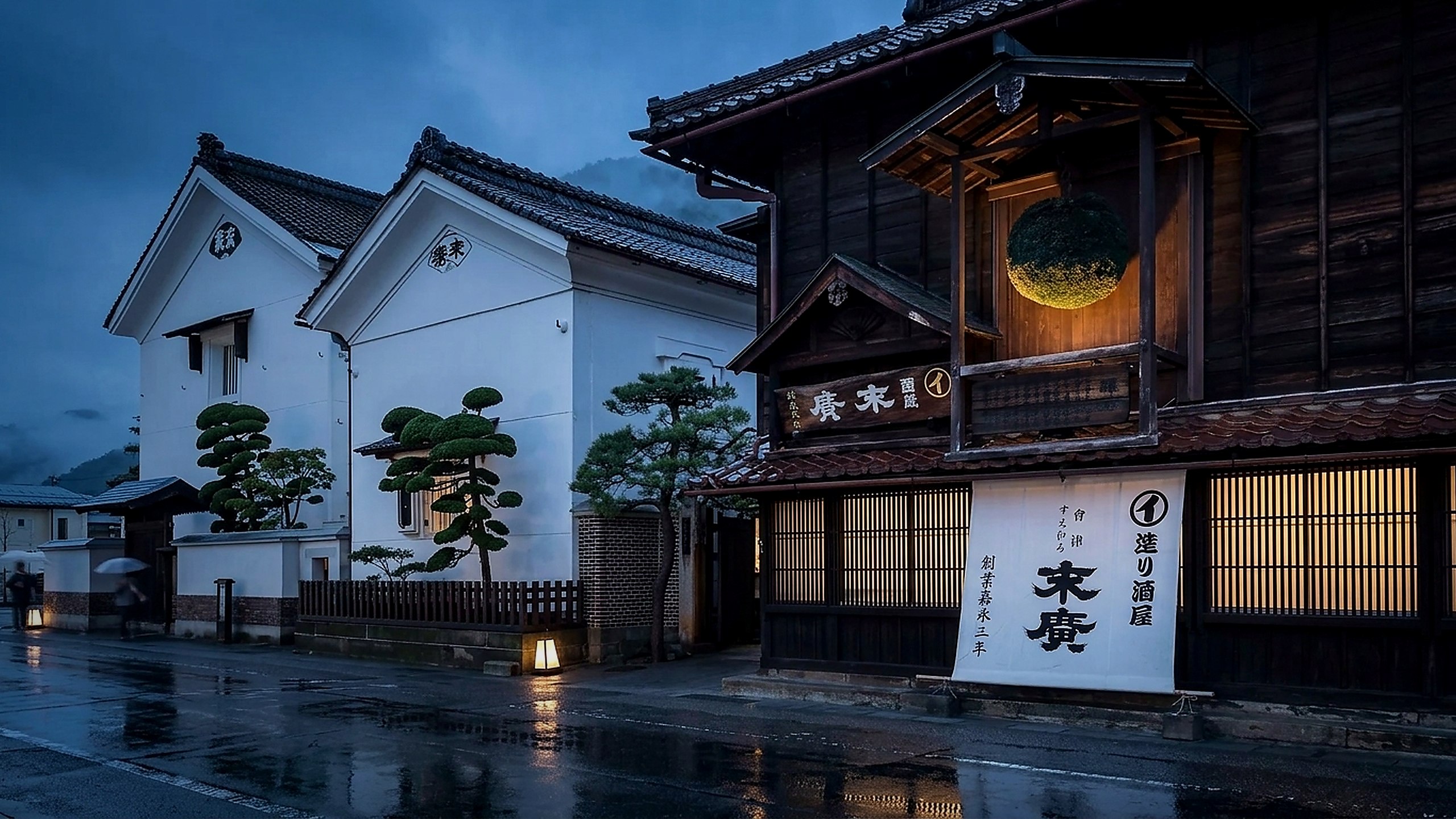
Located along the historic willow-lined merchant street of Ueda Castle town in Nagano since 1665, Okazaki Shuzo is one of Japan’s smallest and most fiercely independent family breweries. After graduating from Tokyo University of Agriculture’s brewing department, Midori Okazaki took over as Toji in 2003. Working in tiny, meticulously chilled fermentation tanks alongside her husband, she transformed a local historic label into one of the top three highest-rated sakes in all of Japan.
2. Kaze no Mori (Yucho Shuzo, Gose, Nara) — Where 1719 Monastery History Meets High-Tech Science
Operating for over three centuries in Nara—the ancient birthplace of Japanese sake—Yucho Shuzo launched the Kaze no Mori ("Forest of Wind") label in 1998 with a radical vow: every single bottle would be released as unfiltered, undiluted, unpasteurized fresh sake (*muroka nama genshu*). Under visionary leader Chobee Yamamoto, the brewery simultaneously revives 15th-century Bodaimoto temple fermentation while pioneering patented oxygen-free Ikakidori pressing technology.
3. AKABU (Akabu Shuzo, Morioka, Iwate) — Rising from the 2011 Tsunami to Conquer Tokyo
Originally located in the coastal fishing town of Otsuchi in Iwate Prefecture, Akabu Shuzo lost its entire brewery and family home to the catastrophic March 11, 2011 Great East Japan Earthquake and Tsunami. Refusing to surrender, 5th-generation head Hidetaka Furudate built a brand-new, state-of-the-art "Revival Brewery" inland in Morioka in 2013. The following year, his 22-year-old son Ryunosuke Furudate returned from Tokyo University of Agriculture to take over as Toji, launching AKABU with a mission to craft razor-sharp, modern sake for a new generation—most recently earning the Judges’ Special Award in the Junmai Division at the Reiwa 8 Tohoku Sake Appraisal (NTA Tohoku Sake Appraisal) announced on November 10, 2026.
4. Tenbi (Choshu Shuzo, Shimonoseki, Yamaguchi) — From 2020 Startup to IWC 2026 World Champion Sake
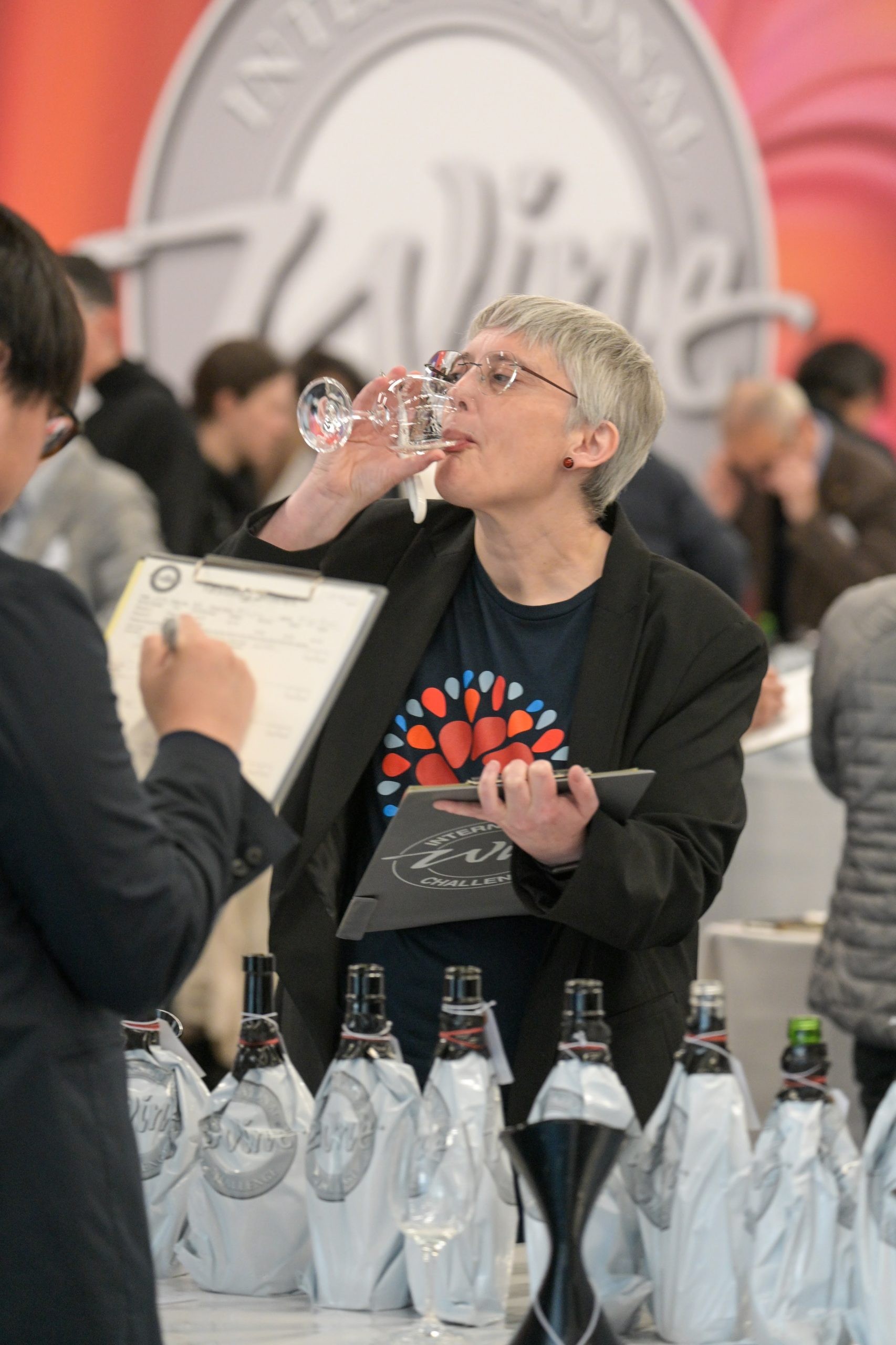
When the 150-year-old Kodama Shuzo in Shimonoseki faced closure, a new brewery was constructed from the ground up with stainless-steel cold-room engineering and veteran female master brewer Miki Fujioka at the helm, debuting Tenbi ("Heavenly Beauty") in November 2020. Just six years later, at the landmark 20th-anniversary International Wine Challenge (IWC) Official 2026 in London, Tenbi Junmai Ginjo Hotaten (蛍天)—carrying an official domestic suggested retail price of just ¥1,980 incl. tax (720ml)—defeated 1,738 entries to be crowned 2026 IWC Champion Sake, proving that a sub-¥2,000 bottle can claim the highest honor in the global sake world.
5. Gakki Masamune (Oki Daikichi Honten, Yabuki, Fukushima) — The Art of Musical Co-Fermentation (Konjo)
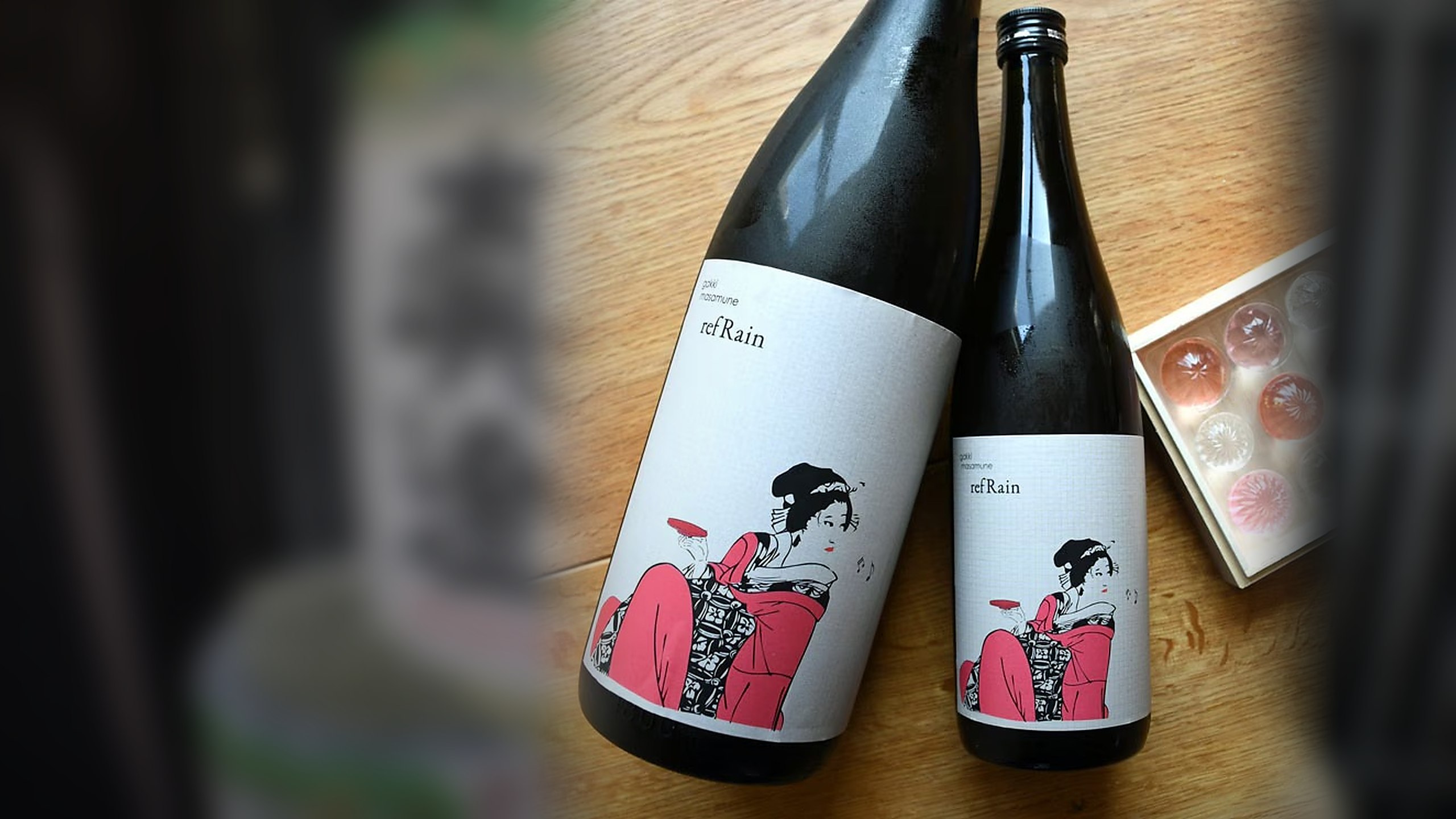
Named in the Taisho era on the philosophy that "brewing sake and playing a musical instrument are twin arts that move the human heart," Gakki Masamune was rebooted by young 5th-generation owner-brewer Yuta Oki. In 2026 alone, Gakki Masamune Junjo captured #4 in the Nation (GOLD) in the Junmai Division at SAKE COMPETITION Official 2026, while the brewery also won a Gold Medal at the May 2026 Reiwa 7BY National New Sake Appraisal (NRIB Official) and the Public Choice Award at Austria’s October 2026 VIENNA SAKE AWARD 2026—all while remaining Japan’s undisputed king of quality-to-price ratio (QPR).
"What unites these five breweries is not auction hype—it is the fact that a single glass makes both a first-time drinker and a 30-year veteran smile in disbelief, all at honest everyday table prices." — Tokyo Specialty Sake Buyer’s Report
Featured Breweries, Specs & Flavor Balance
| Flagship Label | Brewery & Region | Signature Rice & Water | Brewery Profile |
|---|---|---|---|
| Shinshu Kirei | Okazaki Sake Brewery Co., Ltd. (4-7-33 Chuo, Ueda-shi, Nagano 386-0012, Japan) | Nagano-grown Miyama Nishiki, Hitogokochi, Sankei Nishiki, and Kinmon Nishiki · Sugadaira Mountain Underground Well Water (Soft Water) | Brewery Profile |
| Kazenomori | Yucho Sake Brewery Co., Ltd. (1160 Nakahonmachi, Gose-shi, Nara 639-2216, Japan) | Akitsuho, Tsuyuhakaze, Yamadanishiki, Omachi · Deep subterranean water from the Mt. Kongo and Mt. Katsuragi range (hard water, approx. 214 mg/L) | Brewery Profile |
| AKABU | Akabu Sake Brewery Co., Ltd. (1-8-60 Kitaiioka, Morioka-shi, Iwate 020-0857, Japan) | Yuinoka, Ginginga, Ginotome, Yamadanishiki · Subsurface water from the Mt. Himekami range of the Kitakami Mountains (medium-soft water) | Brewery Profile |
| Tenbi | Choshu Brewery Co., Ltd. (72 Yoshika, Kikugawa-cho, Shimonoseki-shi, Yamaguchi 750-0316, Japan) | Yamada Nishiki, Saito no Shizuku · Koya River System & Kikugawa Natural Subterranean Medium-Soft Water | Brewery Profile |
| Gakki Masamune | Oki Daikichi Honten Co., Ltd. (9 Honcho, Yabuki-machi, Nishishirakawa-gun, Fukushima 969-0213, Japan) | Yumenoka, Fukunoka, Dewasansan, Omachi, Gohyakumangoku · Subsurface soft water from the Kumado River system and Abukuma Highlands | Brewery Profile |
| Juyondai | Takagi Shuzo Co., Ltd. (1826 Oaza Tominami, Murayama-shi, Yamagata 995-0111, Japan) | Tatsu no Otoshigo, Sakemirai, Ushu Homare, Aiyama, Yamada Nishiki · Mount Hayama Subterranean Spring Water 'Sakura-Shimizu' (Soft Water) | Brewery Profile |
| Aramasa | Aramasa Co., Ltd. (6-2-35 Omachi, Akita-shi, Akita 010-0921, Japan) | Pesticide-Free & Estate-Grown Akita Rice (Kairyo Shinko, Rikuu No. 132, Misato Nishiki, Akita Sakekomachi) · Mount Taihei Subterranean Soft Water (Akita City) | Brewery Profile |
| Kinmon Sekaidaka | Koyamahonke Shuzo Co., Ltd. (1798 Sashiogi, Nishi-ku, Saitama-shi, Saitama 331-0047, Japan) | Yamada Nishiki, Sake Musashi, Gohyaku Mangoku, Domestic Sake Rice · Arakawa River Basin Deep Subterranean Water Filtered Through Chichibu Paleozoic Strata (180m Deep) | Brewery Profile |
| Chitosetsuru | Nihon Seishu Co., Ltd. (Minami 3-jo Higashi 5-2, Chuo-ku, Sapporo-shi, Hokkaido 060-0053, Japan) | Hokkaido Shintotsukawa-Grown Ginpu, Suisei, and Kitashizuku, plus Yamada Nishiki · Toyohira River Subterranean Water (150m Deep Sapporo Aquifer, Medium-Hard Water) | Brewery Profile |
| Hobai | Nanbu Bijin Co., Ltd. (13 Kamimachi, Fukuoka, Ninohe-shi, Iwate 028-6101, Japan) | Ginotome, Yuinoka, Ginginga, Yamadanishiki · Subsurface water from the Oritsume Basenkyo Gorge (medium-hard water) | Brewery Profile |
Founded in 1665 in the historic castle town of Ueda, Nagano and led by female Master Brewer Midori Okazaki, Shinshu Kirei is crafted with ultra-soft Sugadaira mountain snowmelt and local Miyama Nishiki, Hitogokochi, and Kinmon Nishiki rice. Renowned for its crystalline transparency, delicate micro-effervescence, and poised orchard-fruit sweetness, it elevates Shinshu salmon sashimi, thinly sliced sea bream, and mountain-vegetable tempura.
Brewed in Gose City, Nara by 1719-founded Yucho Shuzo, Kaze no Mori unites ancient Muromachi-era Bodaimoto heritage with cutting-edge fermentation science across an all-Muroka Nama Genshu lineup. Fermented with ultra-hard Katsuragi Mountain subsurface water (over 200mg/L hardness) and local Akitsuho rice, its signature micro-effervescence, Muscat and pear aromatics, and chiseled mineral finish captivate diners from sushi counters to Michelin-starred French and Italian tables.
Born from the resilience of post-tsunami Otsuchi and forged in a state-of-the-art Morioka brewery by young 6th-generation Toji Ryunosuke Furudate, AKABU is Iwate's premier modern sake. Brewed with local Ginginga and Yuinoka rice, it bursts with crisp pear and apple aromatics and ultra-clean, juicy umami that pairs wonderfully with sashimi, tempura, and grilled meats.
Launched in late 2020 in Shimonoseki, Yamaguchi by Choshu Shuzo, Tenbi skyrocketed to national stardom with its bright, uplifting house style. Bearing sun-and-moon labels for day and night expressions, it offers crisp green apple and white grape aromatics, delicate pinpoint effervescence, and vibrant malic acidity that pair beautifully with seafood ceviche, seasonal vegetable tempura, and modern izakaya fare.
Revived by 5th-generation brewer Yuta Oki from a Taisho-era brand praised by the Imperial Household for 'playing harmony like a musical instrument,' Gakki Masamune has become a nationwide phenomenon from Yabuki Town. Bursting with vibrant green apple and Muscat aromatics, lively nakadori (middle-run) juiciness, and a whisper of natural spritz, it pairs effortlessly with prosciutto, crudo, and salt-grilled yakitori.
Pioneered by 15th-generation master brewer Akitsuna Takagi, Juyondai revolutionized modern sake by shifting the paradigm from dry austerity to lush, nectar-like aromatics of ripe musk melon and white peach. Crafted with proprietary rice strains like Sakemirai, Ryuno-otoshigo, and Ushuhomare alongside Special A-grade Yamadanishiki using the prized Shichitare Nijikkan drip technique, its velvety umami and crystalline finish elevate omakase sushi and Wagyu kaiseki.
As the birthplace of Kyokai No. 6 yeast, Aramasa represents the pinnacle of modern sake brewing through 100% kimoto fermentation in cedar vats using exclusively Akita-grown rice. Its vibrant citrus acidity, low-alcohol elegance, and silky sweetness evoke fine white Burgundy, pairing effortlessly with sashimi, crudo, and modern gastronomy.
The brewery's historic flagship meaning 'Golden Crest World Hawk,' a perennial National New Sake Awards gold medalist prized for noble aromatics and deep umami. Brewed by Koyamahonke Shuzo Co., Ltd. in Saitama using Arakawa River Basin Deep Subterranean Water Filtered Through Chichibu Paleozoic Strata (180m Deep) and Yamada Nishiki, Sake Musashi, Gohyaku Mangoku, Domestic Sake Rice, it brings together versatile, cuisine-elevating table-sake poise, savory, resonant rice umami, harmonious balance of umami, acidity, and finish with memorable poise.
As the flagship of Nippon Seishu—Sapporo's sole remaining sake brewery with roots dating to 1872—Chitosetsuru is crafted with medium-hard Toyohira River snowmelt pumped from 150 meters underground and Hokkaido-grown Ginpu, Suisei, and Kitashizuku rice. Combining northern sub-arctic fermentation clarity with mineral-backed structure, it delivers crisp aromatics, savory grain umami, and a brisk dry finish built for Hokkaido hairy crab, sea urchin, Ishikari salmon hot pot, and Sapporo Jingisukan lamb.
A traditional local brand cherished in the Ninohe community as an everyday table sake, offering a gentle palate and crisp finish.
Recommended Pairing
Weekly Sake & Tasting Dispatch
Curated seasonal releases, sub-zero arrivals, and tasting city guides across global editions.