Looking beyond wine comparisons to celebrate shared craft: how rice *terroir*, *Kimoto* lactic balance, and near-zero tannins open seamless dialogues with French butter sauces and bright Latin-Nikkei citrus plates.
Shared Language: Terroir, Water Hydrology, and Craft Microbes
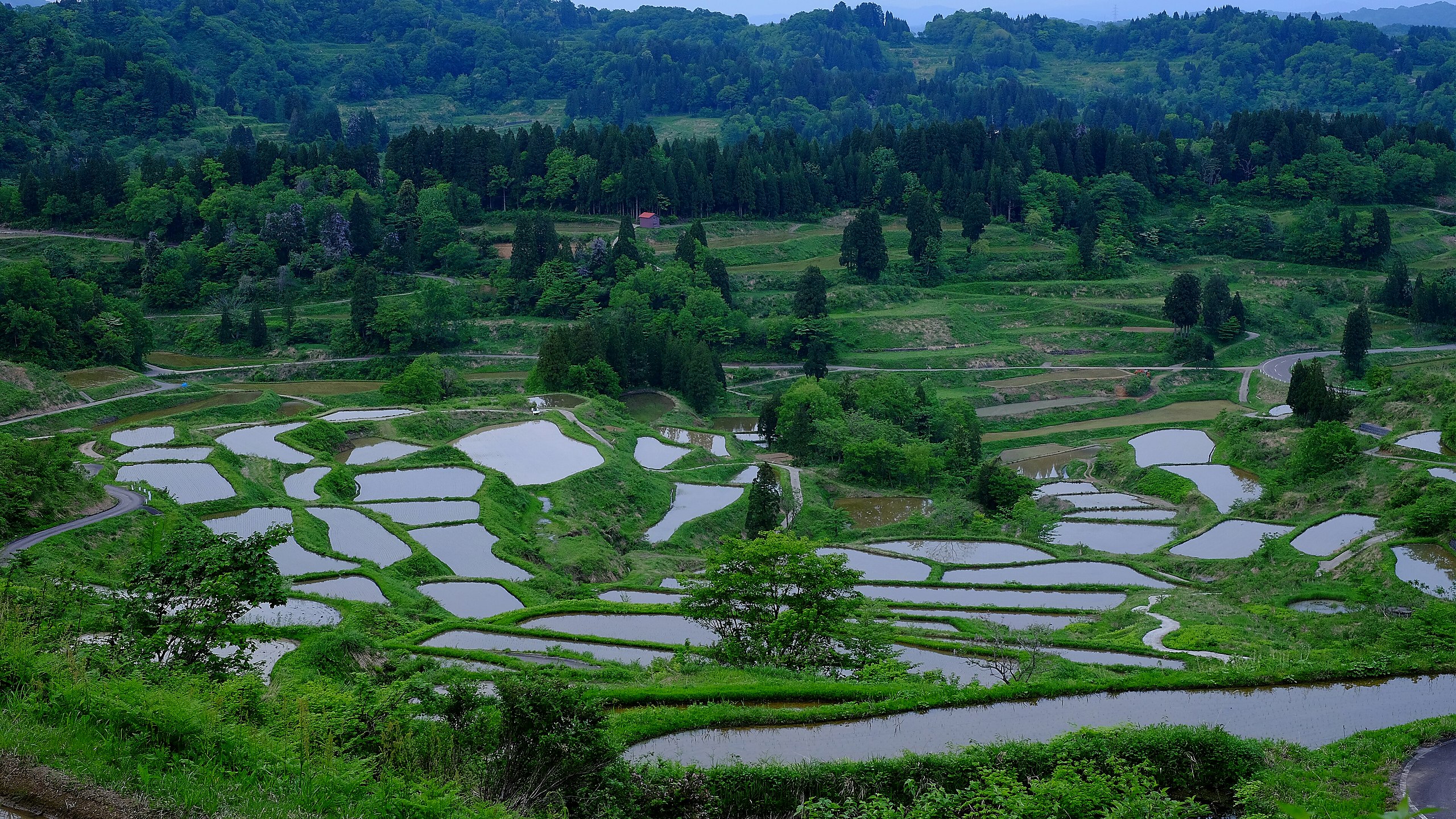
Sommeliers in Paris and Lyon, alongside chefs leading the vibrant Nikkei (Japanese–Peruvian) movement in Lima, Madrid, and Mexico City, increasingly build sake pairings alongside fine wine—not in competition, but out of deep appreciation for shared terroir principles. Whether exploring domaine-grown single-estate rice paddies or wooden-vat Kimoto and Yamahai starters nourished by ambient lactic bacteria, chefs value how transparently sake expresses place, water chemistry, and natural fermentation.
Gastronomy Balance Matrix: Matching Culinary Architecture
| Culinary Tradition & Dish | Structural Elements | Harmonious Rice-Grain Balance | Suggested Pour & Temperature |
|---|---|---|---|
| French: Sole or Turbot *Beurre Blanc* | Emulsified butter, shallot vinegar | Umami: 4 / Acidity: 4 / Clarity: 3 | Kimoto Junmai Ginjo (12–14°C in wide bowl) |
| French: Roasted Duck or Lamb *Jus* | Savory iron richness, caramelized glaze | Umami: 5 / Complexity: 4 | Cedar-vat Yamahai Junmai (16°C or gently warmed 40°C) |
| Latin-Nikkei: Sea Bream *Tiradito* / Ceviche | Sharp lime leche de tigre, aji chili | Aroma: 4 / Acidity: 4 / Crispness: 4 | 13% Low-ABV Modern Junmai Ginjo (7–10°C) |
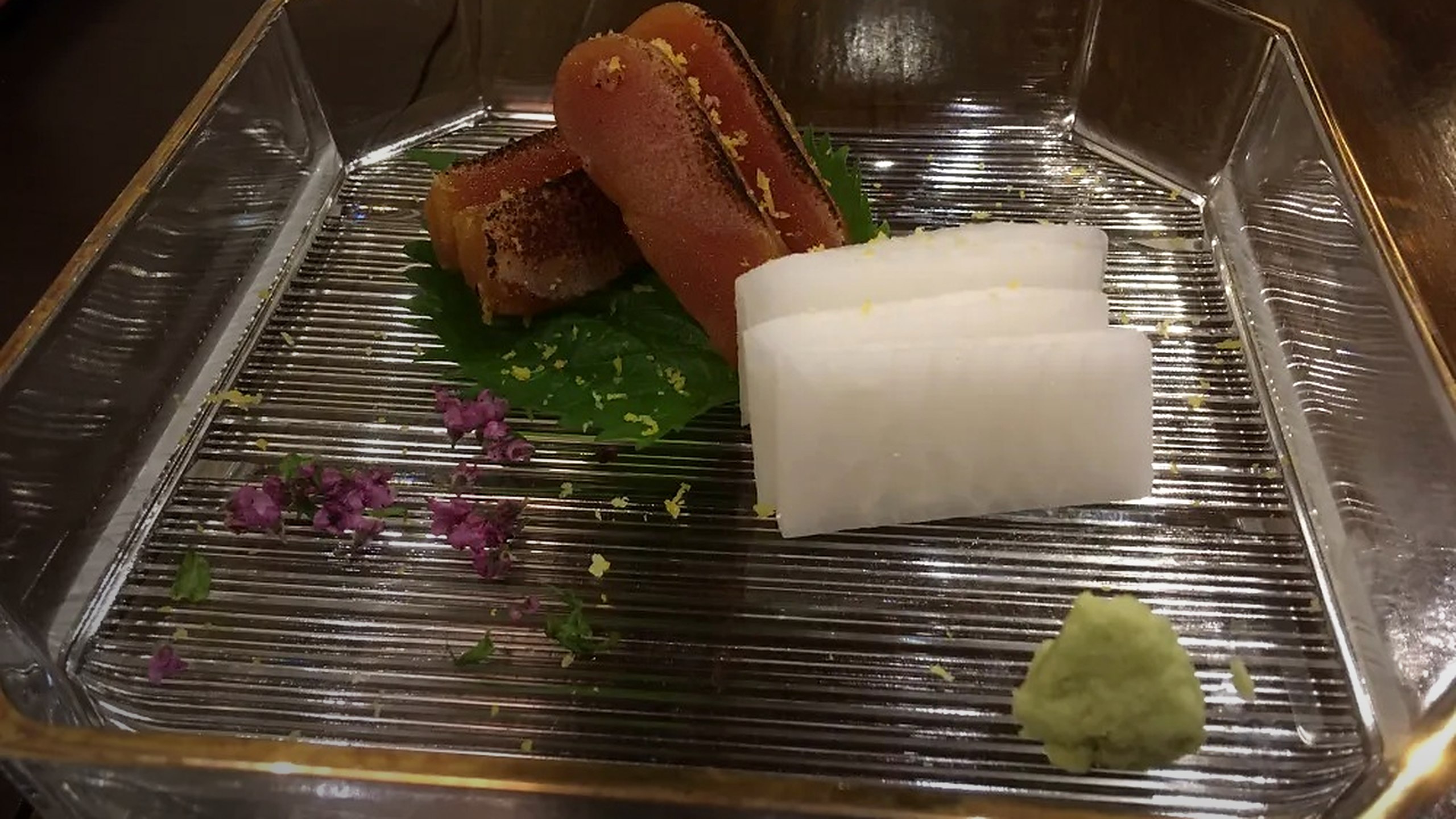
| Iberian / Italian: Cured Ham & Bottarga | Sea salt, concentrated marine glutamate | Umami: 4 / Transparency: 4 | Soft-water Junmai Daiginjo (10°C) |
How Lactic & Succinic Acids Bridge Global Sauces
Whereas grape wines structure pairings around tartaric acidity and grape tannins, traditional sake brings ultra-low iron content (reducing metallic clashes with raw shellfish and citrus) and abundant lactic and succinic acids alongside savory amino acids. When meeting Normandy butter or bright Andean lime, sake wraps around richness softly, extending each flavor cleanly across the finish.
Explore seasonal producers using heirloom rice and natural starters across our 1,215-Brewery Archive or schedule cellar visits at SakeStream Tours.
Featured Breweries, Specs & Flavor Balance
Fermented in traditional cedar vats by natural-sake pioneer Terada Honke, 'Kiokeshikomi' delivers profound earthy depth, smoky wooden-vat complexity, and transcendent warmth when heated. Supported by Sacred Forest Subterranean Well Water from Kozaki Shrine Grounds, it layers firm structure that shines even at hot atsukan temperatures, subtle smoky, earthy complexity, savory richness that blossoms when warmed to reflect the unmistakable terroir of Chiba.
Recommended Pairing
Weekly Sake & Tasting Dispatch
Curated seasonal releases, sub-zero arrivals, and tasting city guides across global editions.