Why do Bordeaux reds and crisp dry whites struggle against Shanghai hairy crab roe, numbing Sichuan mala spice, Peking duck hoisin glaze, and 24-month Comté—while Kijoshu, warm Kimoto, and aged Koshu unlock breathtaking synergy? Here is the molecular playbook.
Conquering Wine’s Toughest Blind Spots in Fine Dining
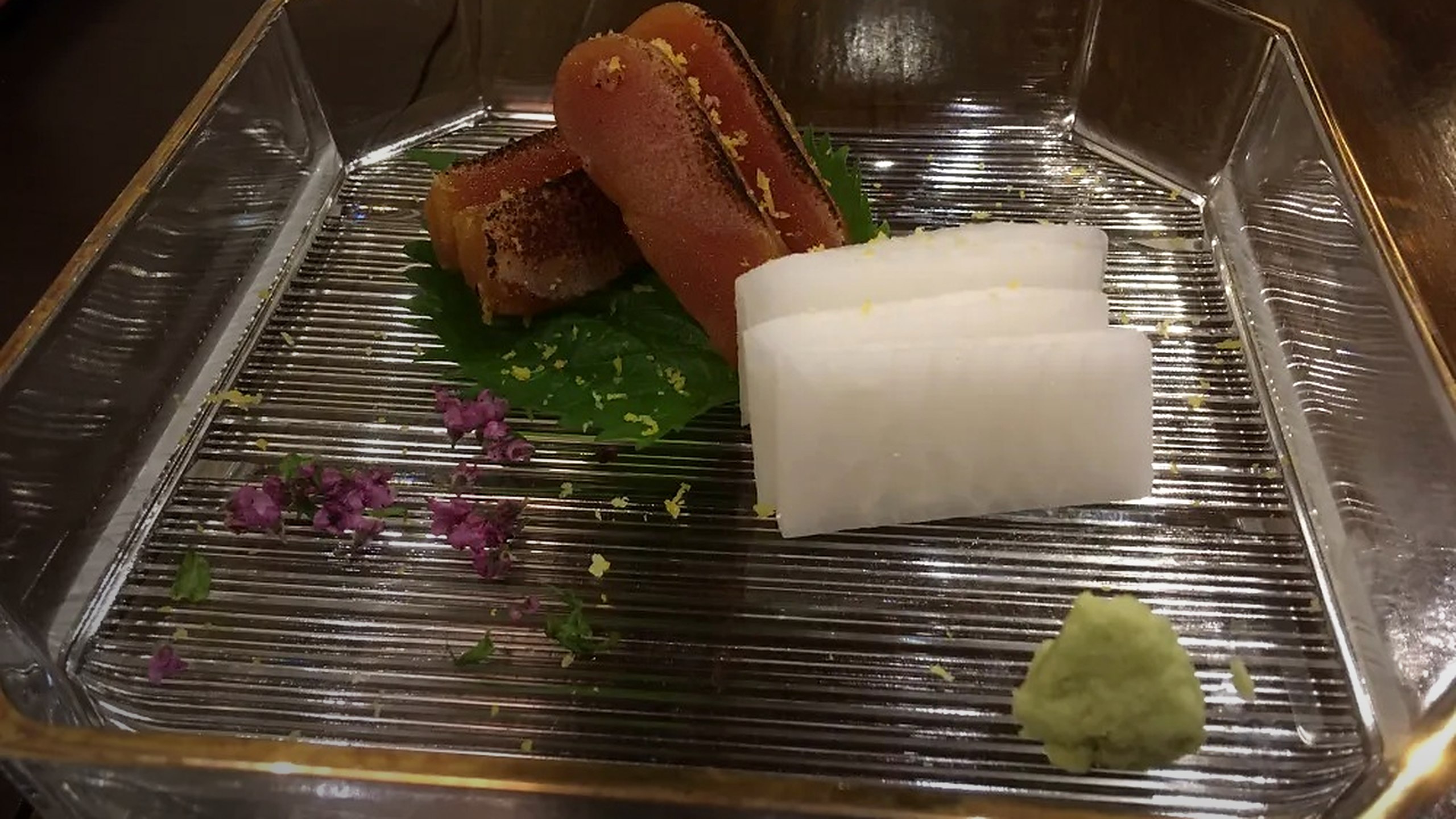
Across Michelin-starred modern Chinese dining rooms in Hong Kong, Singapore, Shanghai, Tokyo, and Seoul—as well as artisan fromageries in Paris—four culinary profiles routinely push conventional grape wine to its breaking point: rich steamed crab roe (*tomalley*), tongue-numbing Sichuan *mala* spice, hoisin-glazed roast duck skin, and crystal-studded aged mountain or blue cheeses.
Pour a structured Cabernet Sauvignon alongside Shanghai hairy crab roe and the wine’s tannins and trace iron (several mg/L) instantly oxidize unsaturated marine lipids into harsh metallic fishiness; pour it against Sichuan chili oil and alcohol plus tannin turn capsaicin heat into astringent pain. Conversely, an ultra-delicate chilled Daiginjo simply gets steamrolled by roasted duck fat and fermented bean paste. Enter Japanese sake’s three secret weapons for high-impact gastronomy: *Kijoshu* (noble sake-brewed sake), warm *Kimoto/Yamahai* served at 42–45°C, and sub-zero or amber-aged *Koshu*.
Molecular Pairing Matrix: Modern Chinese, Spice & Artisan Cheese × Sake
The matrix below maps the exact chemical compounds challenging sommeliers on the plate—and why specific sake brewing architectures solve them effortlessly.
| Dish / Artisan Cheese | Key Flavor & Chemical Compounds | Why Conventional Wine Struggles | Ideal Sake Archetype (Serving Temp) | Benchmark Labels (Japan 720ml Retail) |
|---|---|---|---|---|
| Steamed Shanghai Hairy Crab / Marinated Raw Crab | Dense phospholipids, iodine, glycine & viscous roe | Trace iron oxidizes roe lipids into fishy peroxides | Sub-Zero Aged Daiginjo / Amber Koshu (14°C or 40°C) | Kokuryu Ishidaya (¥16,500) / Daruma Masamune 3Yr (~¥3,300) |
| Sichuan Mapo Tofu / Mala Mouthwatering Chicken | Capsaicin (heat) × Hydroxy-α-sanshool (50Hz tingle) | Tannins & high ABV amplify burn and turn bitter | Modern Acid-Driven Kijoshu (Chilled 8–10°C) | Aramasa Hinotori (~¥3,000) / Senkin Modern Kijoshu (~¥2,600) |
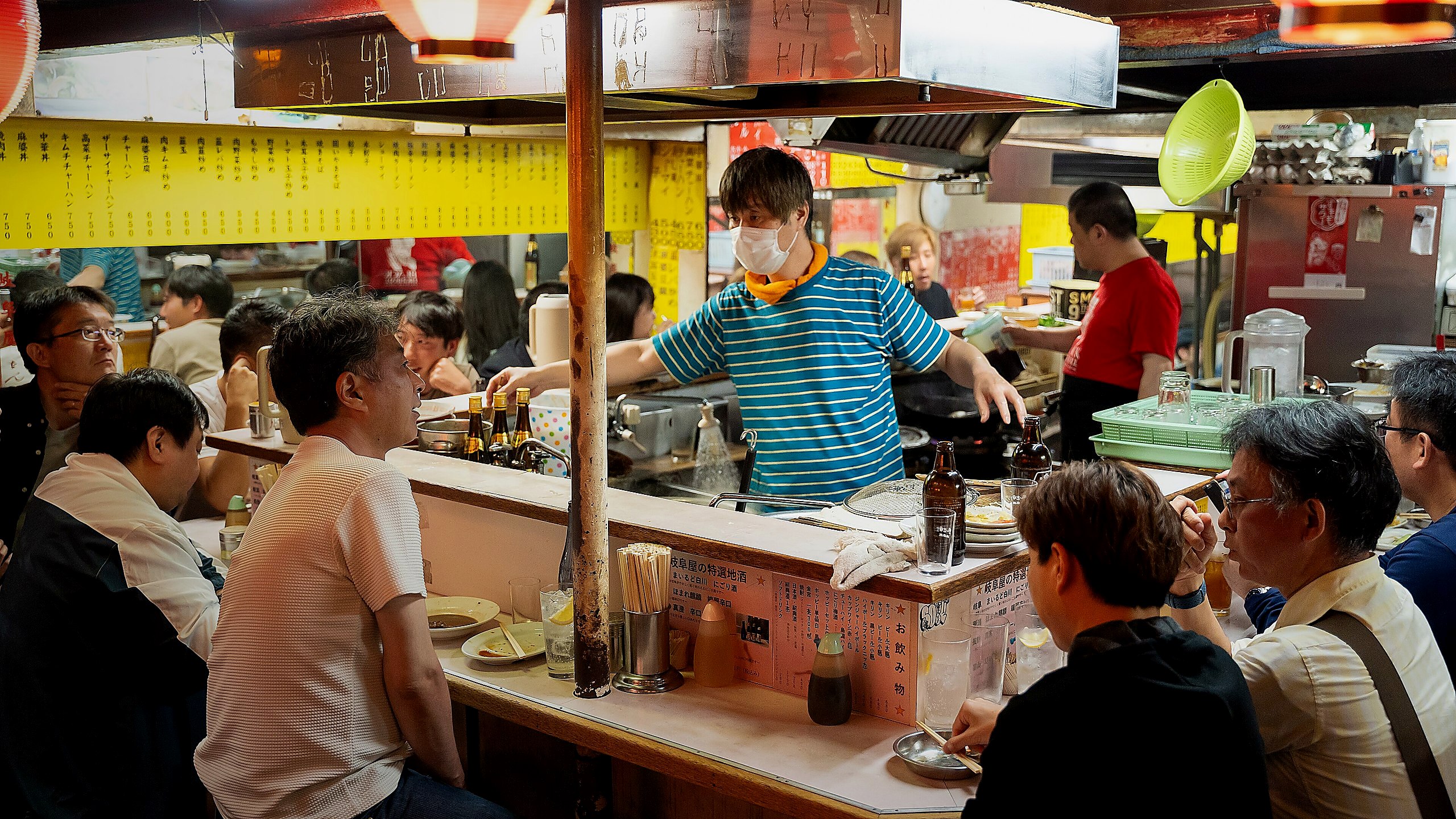
| Peking Duck / Crispy Cantonese Char Siu | Rendered duck fat, Maillard crust, hoisin & five-spice | Crisp whites fail to melt fat; heavy reds clash w/ sweet bean | Warm Kimoto / Yamahai (*Nurukan*) (42–45°C) | Daishichi Kimoto Junmai (~¥1,650) / Suehiro Gensai (~¥2,750) |
| 24-Month Comté / Roquefort Blue Cheese | Crystalline tyrosine umami & blue-mold methyl ketones | Dry wines taste thin beside intense salt & pungent mold | Aged Kijoshu / Matured Koshu (12–16°C in Burgundy stem) | Hanahato 8Yr Kijoshu (~¥3,850) / Born Tenshi no Mezame (500ml ~¥4,400) |
The Sommelier’s 3-Pillar Playbook & Tasting Profiles
Modern Kijoshu × Sichuan Mala Spice & Roquefort
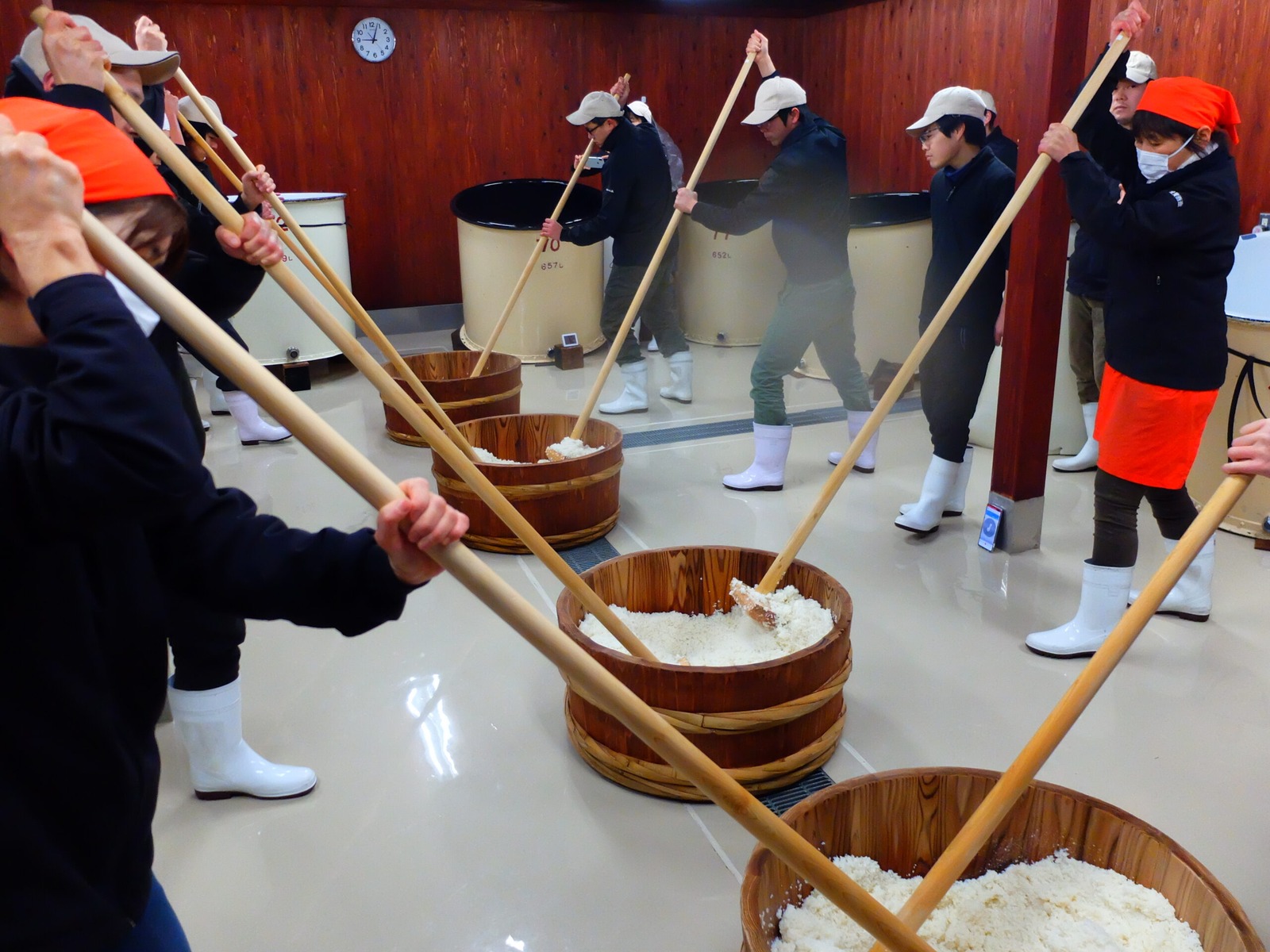
Inspired by 10th-century Heian Imperial court recipes, *Kijoshu replaces brewing water in the final mash addition (tome-zoe) with finished sake itself*. Because ambient alcohol slows yeast fermentation early, luscious natural glucose remains suspended alongside electric malic and citric acidity—creating Japan’s answer to Tokaji Eszencia or Sauternes, yet at a featherlight 13–15% ABV with zero added sulfites.
Warm Kimoto & Yamahai (Nurukan 42–45°C) × Peking Duck & Roasted Meats
Serving ice-cold wine or cold sake alongside crispy Peking duck or roasted pork belly solidifies animal fats (whose melting point sits between 32°C and 40°C) on the palate, leaving a waxy film. Warming traditional lactic-fermented Kimoto or Yamahai sake to 42–45°C (*nurukan*) flips thermal physics in the diner’s favor.
Sub-Zero & Amber Aged Koshu × Hairy Crab Roe & 24-Month Comté
For centuries in Jiangnan cuisine, aged Shaoxing rice wine has been paired with autumn Shanghai hairy crab because Maillard aging compounds (sotolon and furans) plus concentrated amino acids match viscous golden crab roe. Contemporary sommeliers elevate this principle to breathtaking clarity using both crystal sub-zero aged Daiginjo and amber aged Koshu (codified by the Association for Long-Term Aged Sake Official Site).
"In Michelin-starred Chinese kitchens across Hong Kong and Singapore, pairing flights now routinely place Japanese Kijoshu and warm Kimoto right alongside vintage Shaoxing. Zero sulfites, zero iron, and warm serving temperatures unlock textures grape wine simply cannot touch." — Wine Director, Central, Hong Kong
Practical Stemware, Thermal & By-the-Glass Service Protocol
Executing these pairings seamlessly on the dining floor comes down to stemware geometry and gentle water-bath (bain-marie) heating. Pour modern Kijoshu at 8–10°C in a tapered Sauternes or Riesling glass to focus its electric acidity; warm Kimoto in a tin chirori carafe to 42–45°C rather than microwaving, and serve amber Koshu at 14–16°C in a wide Pinot Noir bowl—confident that matured bottles hold peak complexity for weeks after opening.
Featured Breweries, Specs & Flavor Balance
| Flagship Label | Brewery & Region | Signature Rice & Water | Brewery Profile |
|---|---|---|---|
| Kokuryu | Kokuryu Sake Brewing Corporation (1-38 Matsuoka-Kasuga, Eiheiji-cho, Yoshida-gun, Fukui 910-1133, Japan) | Hyogo Tojo Yamada Nishiki, Fukui Sakahomare, Gohyakumangoku, Koshinoshizuku · Mt. Hakusan Range & Kuzuryu River Subterranean Soft Water | Brewery Profile |
| Daruma Masamune | Shiraki Tsunesuke Shoten Co., Ltd. (61 Kadoyamon, Gifu-shi, Gifu 501-2528, Japan) | Nihonbare, Hidahomare, and Yamada Nishiki (Bespoke Vintage Aging Mash) · Nagara River Tributary Mugigawa Subterranean Soft Water | Brewery Profile |
| Aramasa | Aramasa Co., Ltd. (6-2-35 Omachi, Akita-shi, Akita 010-0921, Japan) | Pesticide-Free & Estate-Grown Akita Rice (Kairyo Shinko, Rikuu No. 132, Misato Nishiki, Akita Sakekomachi) · Mount Taihei Subterranean Soft Water (Akita City) | Brewery Profile |
| Senkin | Senkin Co., Ltd. (106 Baba, Sakura-shi, Tochigi 329-1321, Japan) | Domaine Sakura Estate-Grown Rice (Kamenoo, Yamada Nishiki, Omachi) · Kinugawa River System Subterranean Ultra-Soft Water (Domaine Aquifer) | Brewery Profile |
| Daishichi | Daishichi Sake Brewery Co., Ltd. (1-66 Takeda, Nihonmatsu-shi, Fukushima 964-0904, Japan) | Yamadanishiki, Gohyakumangoku, Yumenoka (100% Super-Flat Rice Polishing) · Mt. Adatara subterranean spring water and Hikage well water (medium-hard water) | Brewery Profile |
| Suehiro | Suehiro Sake Brewery Co., Ltd. (12-38 Nisshin-machi, Aizuwakamatsu-shi, Fukushima 965-0861, Japan) | Yumenoka, Fukunoka, Yamadanishiki, Gohyakumangoku, Kamenoo · Subsurface snowmelt soft water from Mt. Hakase and the Aizu Basin | Brewery Profile |
| Hanahato | Enoki Sake Brewery Co., Ltd. (2-1-15 Minami-ondo, Ondo-cho, Kure-shi, Hiroshima 737-1205, Japan) | Yamadanishiki, Hattannishiki, Senbonnishiki, Nakateshinsenbon · Medium-hard subterranean water filtered through granite strata of the Ondo and Mount Furutaka range | Brewery Profile |
| Tengumai | Shata Shuzo Co., Ltd. (60-1 Bomaru-machi, Hakusan-shi, Ishikawa 924-0823, Japan) | Hyogo Yamada Nishiki, Ishikawa Gohyakumangoku, Hyakumangoku no Shiro · Sacred Mt. Hakusan & Tedori River Subterranean Well Water | Brewery Profile |
| Born | Born Co., Ltd. (Kato Kichibee Shoten) (1-11 Yoshie-cho, Sabae-shi, Fukui 916-0001, Japan) | Hyogo Special-A Zone Contract-Grown Yamada Nishiki, Fukui Gohyakumangoku · Mt. Hakusan System 184-Meter Deep-Well Subterranean Soft Water | Brewery Profile |
| Itteki Senzan | Nishioka Kawamura Sake Brewery (1-1 Koshikidani-cho, Fukui-shi, Fukui 910-3613, Japan) | Fukui Gohyakumangoku, Yamada Nishiki · Western Echizen Mountain & Koshikidani Spring Soft Water | Brewery Profile |
Founded in 1804 in Eiheiji, Fukui, Kokuryu pioneered commercial luxury Daiginjo in Japan, uniting soft Kuzuryu River water with prized Tojo Yamada Nishiki and local Sakahomare rice. Legendary bottlings like Ishidaya, Nizaemon, Shizuku, and Hachijuhachigo deliver crystalline elegance that elevates Echizen snow crab and haute kaiseki.
Founded in 1835 in northern Gifu City inside Registered Tangible Cultural Property earthen storehouses, Shiraki Tsunesuke Shoten's Daruma Masamune is Japan's undisputed pioneer and global benchmark for long-aged vintage sake (koshu). Brewed specifically for multi-decade maturation using soft Mugi River / Nagara River subterranean water and rich mashes of Nipponbare, Hidahomare, and Yamada Nishiki rice, its vintages—spanning 3 to over 50 years—glow amber and ruby with opulent layers of burnt caramel, roasted hazelnut, dried fig, and warm spice. Pair it with marbled Hida Wagyu steak, tare-glazed unagi, Peking duck, aged Comté, or dark chocolate.
As the birthplace of Kyokai No. 6 yeast, Aramasa represents the pinnacle of modern sake brewing through 100% kimoto fermentation in cedar vats using exclusively Akita-grown rice. Its vibrant citrus acidity, low-alcohol elegance, and silky sweetness evoke fine white Burgundy, pairing effortlessly with sashimi, crudo, and modern gastronomy.
Pioneering the 'Domaine' terroir concept in Tochigi using estate-grown Kamenoo, Yamada Nishiki, and Omachi rice irrigated by the same ultra-soft Kinugawa aquifer as its brewing water, Senkin crafts natural sake through 100% kimoto fermentation in cedar vats with minimal rice polishing. Vibrant green apple and muscat tartness intertwines with savory wood-aged minerality, making it an extraordinary match for French seafood dishes, soft bloomy-rind cheeses, and herb-driven appetizers.
Dedicated exclusively to traditional Kimoto-method brewing since 1752 in Nihonmatsu, Daishichi revolutionized the craft with its proprietary 'ultra-flat rice polishing' (cho-henpei seimai) technology. Offering rich, creamy lactic depth, velvety texture, and complex savory resonance that blossoms from chilled to gentle warm (nurukan), its sakes pair majestically with grilled unagi, Wagyu steak, and aged Comté cheese.
Founded in 1850 in Aizuwakamatsu, Suehiro Shuzo is hallowed ground in Japanese brewing history as the very brewery where the experimental 'Yamahai' starter method was developed in the Meiji era. From its iconic 'Densho Yamahai Junmai' brimming with savory lactic depth to its silky Daiginjo 'Gensai,' Suehiro shines both chilled and warmed alongside Aizu heritage cuisine and sukiyaki.
Founded in 1899 beside the historic Ondo-no-Seto strait in Kure, Hiroshima, Enoki Shuzo's Hanahato ('Flower Dove of Peace') made history in 1974 as the first brewery in Japan to commercialize Kijoshu—luxurious sake brewed using sake in place of part of the brewing water. Alongside its multi-IWC-Trophy-winning 'Hanahato 8-Year Aged Kijoshu' with opulent honey, caramel, and dried-apricot complexity, the brewery crafts crisp maritime Junmai Ginjo and Kimoto releases using granite-filtered Mount Furutaka water and Hiroshima Hattan Nishiki and Senbon Nishiki rice. Pair the dry expressions with Hiroshima oysters and grilled anago, and the Kijoshu with foie gras, Roquefort cheese, or dark chocolate.
Renowned across Japan as the gold standard of Yamahai brewing, Tengumai pours with a natural golden hue, rich aromas of ripe fruit and toasted grain, and bold lactic acidity. Its full-bodied umami shines from chilled to warm kanzake, standing up effortlessly to Kanazawa duck stew, braised yellowtail, and sukiyaki.
Meaning 'pure truth' in Sanskrit, Born from Sabae, Fukui is an additive-free all-Junmai house that ages highly polished Special-A Hyogo Yamada Nishiki at sub-zero temperatures for one to ten years before release. Opulent ginjo aromatics and velvety smoothness make it a state-banquet favorite alongside sushi, roast beef, and French cuisine.
Handcrafted in Koshikidani, Fukui by 1869-founded Nishioka Kawamura Sake Brewery, 'Ishida' pairs soft mountain spring water with Fukui-grown Gohyakumangoku and Yamada Nishiki for honest grain depth and a brisk finish.
Recommended Pairing
Weekly Sake & Tasting Dispatch
Curated seasonal releases, sub-zero arrivals, and tasting city guides across global editions.