Why centuries-old Kimoto and Yamahai starters lead 2026 sommelier programs worldwide—from nitrate-reducing bacteria and wild lactic succession to creamy texture and warm-sake resilience.
Microbial Succession as Natural Armor: Inside Kimoto & Yamahai Starters
Every great fermentation starts in the shubo (yeast starter), where brewers must establish an acidic barrier (pH 3.5–4.0) so wild microbes die off while sake yeast thrives. Roughly 90% of modern sake uses Sokujo—adding pure food-grade lactic acid directly for crisp, fruit-forward clarity. Yet the world’s top sommeliers increasingly champion Kimoto and Yamahai, which cultivate lactic acid organically over 28 days through ambient brewery microbiota.
Comparing Sake’s Three Starter Architectures
| Starter Method | Microbial Pathway | Texture & Culinary Role | Exemplar Producers |
|---|---|---|---|
| Kimoto | Rice-mashing poles (yamaoroshi) trigger nitrate bacteria → natural lactic acid succession (~28 days) | Silky viscosity, crystalline structure, shines both chilled and warmed | Daishichi, Aramasa, Ubusuna |
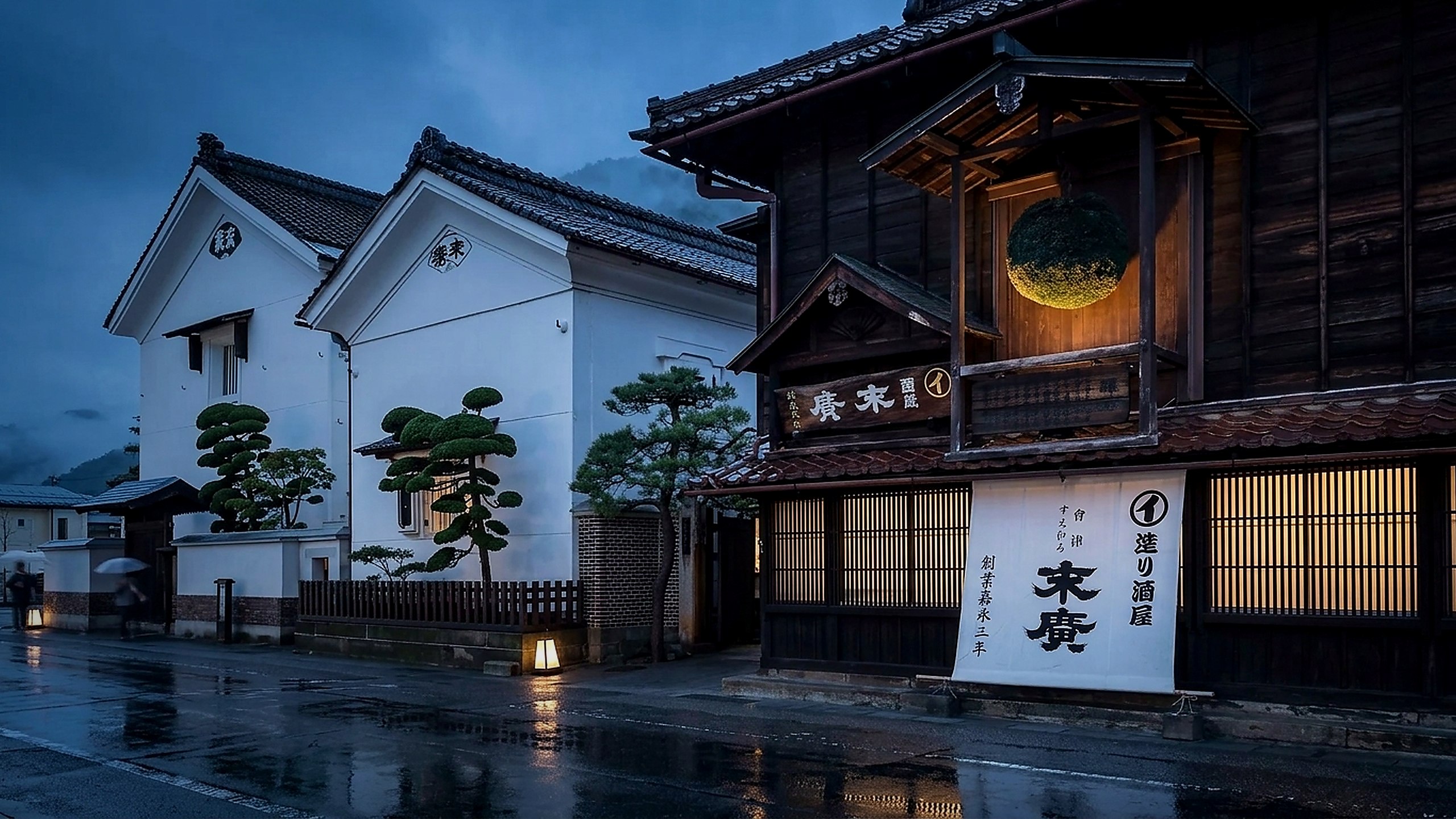
| Yamahai | Drops manual pole-mashing, letting Koji enzymes liquefy rice naturally (~28 days) | Savory complexity, nutty yogurt depth, formidable with roast meat & cheese | Suehiro Gensai, Kikuhime, Tengumai |
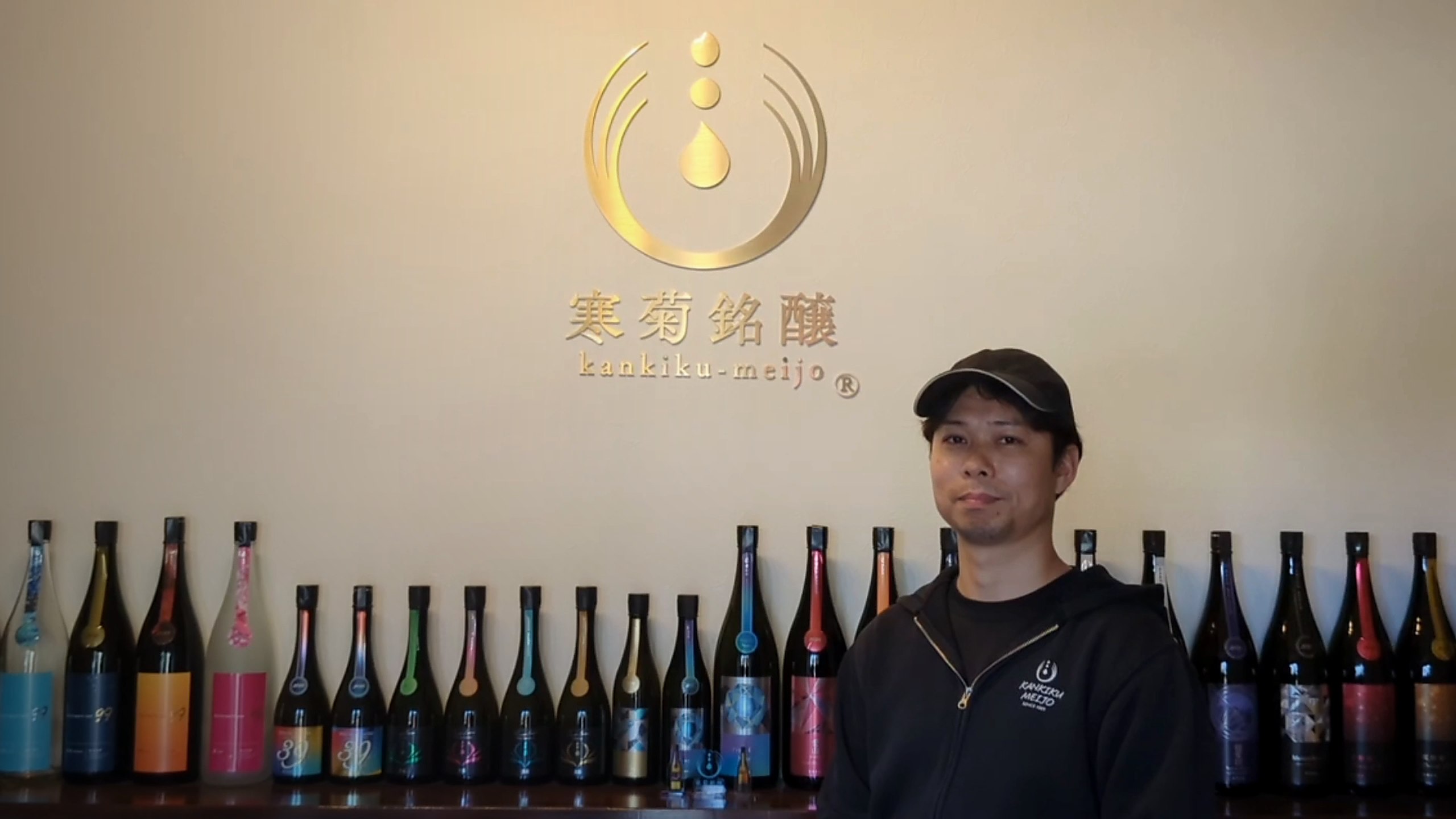
| Sokujo | Direct lactic-acid addition; clean pure yeast propagation (~14 days) | Ultra-clean fruit aromatics, precision focus, pristine sashimi pairing | Kankiku, Juyondai, Dassai, Zaku |
The Rise of Transparent “Modern Kimoto”
Visionaries such as Aramasa, Hananoka (Ubusuna), and Senkin combine traditional Kimoto starters with cedar vats and ultra-low winter temperatures—proving wild lactic fermentation can yield electric freshness alongside deep gastronomic grip.
Featured Breweries, Specs & Flavor Balance
| Flagship Label | Brewery & Region | Signature Rice & Water | Brewery Profile |
|---|---|---|---|
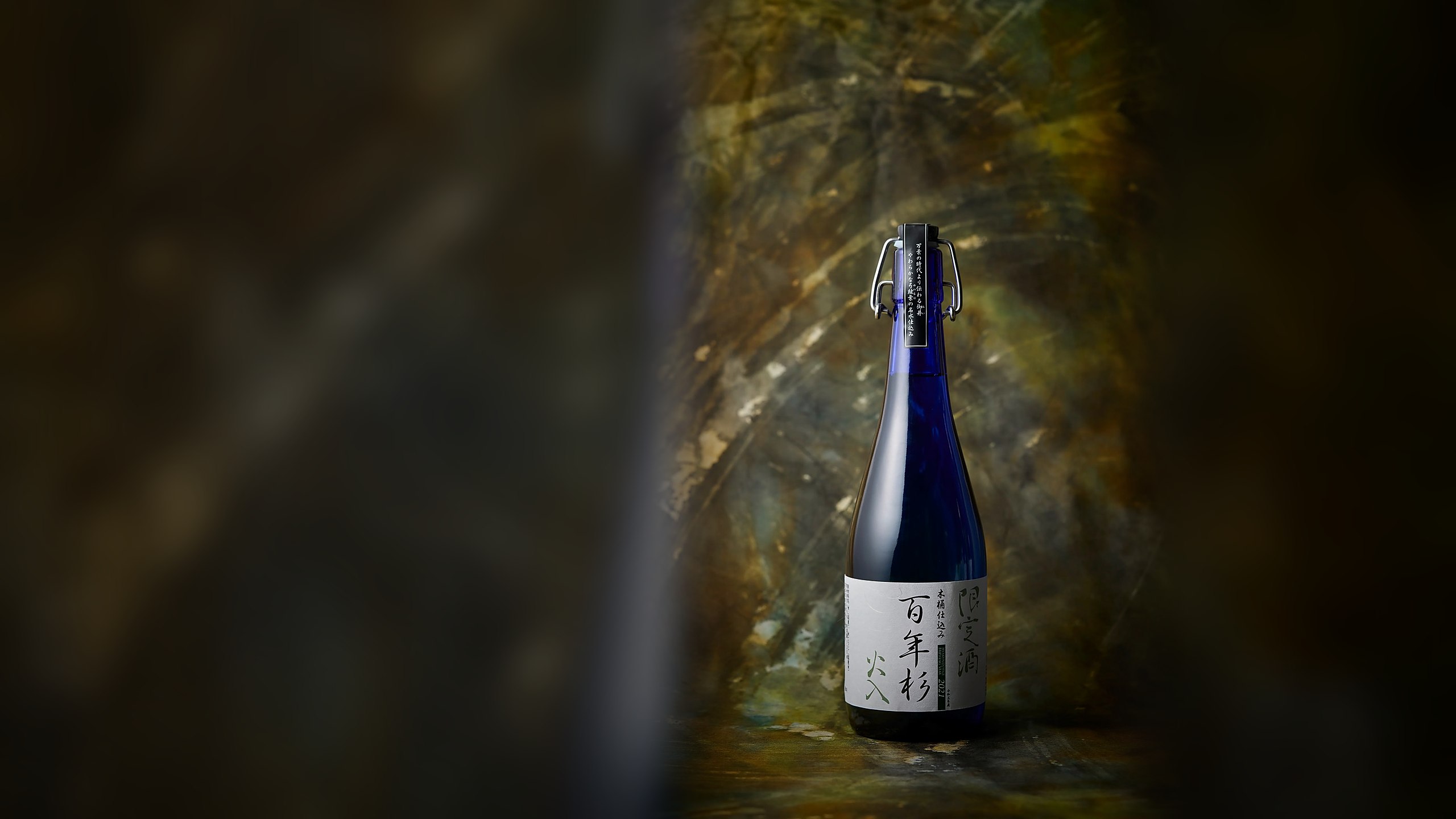
| Ubusuna | Hananoka Shuzo Co., Ltd. (2226-2 Nishiyoshiji, Nagomi-machi, Tamana-gun, Kumamoto 861-0906, Japan) | Nagomi-machi Natural-Farmed Homase, Higo Kabashiko, Yamada Nishiki · Brewery Shrine Spring Water (Kikuchi River Basin Subterranean Water from the Former Bairin Tenmangu Well) | Brewery Profile |
| Senkin | Senkin Co., Ltd. (106 Baba, Sakura-shi, Tochigi 329-1321, Japan) | Domaine Sakura Estate-Grown Rice (Kamenoo, Yamada Nishiki, Omachi) · Kinugawa River System Subterranean Ultra-Soft Water (Domaine Aquifer) | Brewery Profile |
| Daishichi | Daishichi Sake Brewery Co., Ltd. (1-66 Takeda, Nihonmatsu-shi, Fukushima 964-0904, Japan) | Yamadanishiki, Gohyakumangoku, Yumenoka (100% Super-Flat Rice Polishing) · Mt. Adatara subterranean spring water and Hikage well water (medium-hard water) | Brewery Profile |
| Aramasa | Aramasa Co., Ltd. (6-2-35 Omachi, Akita-shi, Akita 010-0921, Japan) | Pesticide-Free & Estate-Grown Akita Rice (Kairyo Shinko, Rikuu No. 132, Misato Nishiki, Akita Sakekomachi) · Mount Taihei Subterranean Soft Water (Akita City) | Brewery Profile |
| Suehiro | Suehiro Sake Brewery Co., Ltd. (12-38 Nisshin-machi, Aizuwakamatsu-shi, Fukushima 965-0861, Japan) | Yumenoka, Fukunoka, Yamadanishiki, Gohyakumangoku, Kamenoo · Subsurface snowmelt soft water from Mt. Hakase and the Aizu Basin | Brewery Profile |
| Kikuhime | Kikuhime Goshi Kaisha (Ta 8 Tsurugishin-machi, Hakusan-shi, Ishikawa 920-2126, Japan) | Hyogo Yokawa Special A-Zone Yamada Nishiki, Gohyakumangoku · Sacred Mt. Hakusan & Tedori River Subterranean Well Water (Slightly Alkaline Medium-Soft Water) | Brewery Profile |
| Tengumai | Shata Shuzo Co., Ltd. (60-1 Bomaru-machi, Hakusan-shi, Ishikawa 924-0823, Japan) | Hyogo Yamada Nishiki, Ishikawa Gohyakumangoku, Hyakumangoku no Shiro · Sacred Mt. Hakusan & Tedori River Subterranean Well Water | Brewery Profile |
| Juyondai | Takagi Shuzo Co., Ltd. (1826 Oaza Tominami, Murayama-shi, Yamagata 995-0111, Japan) | Tatsu no Otoshigo, Sakemirai, Ushu Homare, Aiyama, Yamada Nishiki · Mount Hayama Subterranean Spring Water 'Sakura-Shimizu' (Soft Water) | Brewery Profile |
| Dassai | Dassai Inc. (Asahi Shuzo Co., Ltd.) (2167-4 Osogoe, Shuto-cho, Iwakuni-shi, Yamaguchi 742-0422, Japan) | Yamada Nishiki (100% Exclusive Use) · Osogoe Natural Subterranean Soft Water (Shuto-cho, Iwakuni) | Brewery Profile |
Created in Nagomi, Kumamoto by Kiyotaka Kanda of Hananoka Shuzo to embody 'earth, native ecosystem, and ancestral regenerative agriculture,' Ubusuna stands at the absolute pinnacle of contemporary craft sake. Brewed with pesticide-free local Yamada Nishiki and revived Edo-era heirloom rices (Homase and Kabashiko) using kimoto and wooden vats, its Champagne-like pinpoint mousse and electric orchard-and-yuzu complexity transfix fine-dining tables worldwide.
Pioneering the 'Domaine' terroir concept in Tochigi using estate-grown Kamenoo, Yamada Nishiki, and Omachi rice irrigated by the same ultra-soft Kinugawa aquifer as its brewing water, Senkin crafts natural sake through 100% kimoto fermentation in cedar vats with minimal rice polishing. Vibrant green apple and muscat tartness intertwines with savory wood-aged minerality, making it an extraordinary match for French seafood dishes, soft bloomy-rind cheeses, and herb-driven appetizers.
Dedicated exclusively to traditional Kimoto-method brewing since 1752 in Nihonmatsu, Daishichi revolutionized the craft with its proprietary 'ultra-flat rice polishing' (cho-henpei seimai) technology. Offering rich, creamy lactic depth, velvety texture, and complex savory resonance that blossoms from chilled to gentle warm (nurukan), its sakes pair majestically with grilled unagi, Wagyu steak, and aged Comté cheese.
As the birthplace of Kyokai No. 6 yeast, Aramasa represents the pinnacle of modern sake brewing through 100% kimoto fermentation in cedar vats using exclusively Akita-grown rice. Its vibrant citrus acidity, low-alcohol elegance, and silky sweetness evoke fine white Burgundy, pairing effortlessly with sashimi, crudo, and modern gastronomy.
Founded in 1850 in Aizuwakamatsu, Suehiro Shuzo is hallowed ground in Japanese brewing history as the very brewery where the experimental 'Yamahai' starter method was developed in the Meiji era. From its iconic 'Densho Yamahai Junmai' brimming with savory lactic depth to its silky Daiginjo 'Gensai,' Suehiro shines both chilled and warmed alongside Aizu heritage cuisine and sukiyaki.
Crafted in Tsurugi at the foot of Shirayama Hime Shrine using prized Yokawa Special-AAA Yamada Nishiki, Kikuhime epitomizes rich, age-worthy mastery. Flagships like Kukuri-hime and Kurogin deliver velvety concentration and honeyed depth that elevate haute Kaga cuisine, braised duck, and grilled unagi.
Renowned across Japan as the gold standard of Yamahai brewing, Tengumai pours with a natural golden hue, rich aromas of ripe fruit and toasted grain, and bold lactic acidity. Its full-bodied umami shines from chilled to warm kanzake, standing up effortlessly to Kanazawa duck stew, braised yellowtail, and sukiyaki.
Pioneered by 15th-generation master brewer Akitsuna Takagi, Juyondai revolutionized modern sake by shifting the paradigm from dry austerity to lush, nectar-like aromatics of ripe musk melon and white peach. Crafted with proprietary rice strains like Sakemirai, Ryuno-otoshigo, and Ushuhomare alongside Special A-grade Yamadanishiki using the prized Shichitare Nijikkan drip technique, its velvety umami and crystalline finish elevate omakase sushi and Wagyu kaiseki.
From the mountain valleys of Iwakuni, Yamaguchi, Dassai revolutionized global sake through data-driven precision brewing and ultra-polished Yamada Nishiki rice. Led by the iconic Dassai 23, its opulent aromas of white peach and Poire Williams, silky-smooth mid-palate, and crystalline finish pair effortlessly with fine Edomae sushi and Michelin-starred French cuisine.
Recommended Pairing
Weekly Sake & Tasting Dispatch
Curated seasonal releases, sub-zero arrivals, and tasting city guides across global editions.