[The Open-Source Sake Revolution] From Akita’s Legendary NEXT5 Collective to Japan’s Fourth-Generation Owner-Brewer Movement
Culture & Trends

[The Open-Source Sake Revolution] From Akita’s Legendary NEXT5 Collective to Japan’s Fourth-Generation Owner-Brewer Movement

2026-10-2410min readSakeStream
Back
EXECUTIVE SUMMARY & KEY TAKEAWAYS

For centuries, sake brewing techniques were guarded as guild secrets. How did Japanese sake leap forward in quality over the past 15 years? Inside the open-source revolution sparked by Akita’s legendary NEXT5 collective and carried forward by today’s Owner-Brewers.

Key Sections in This Report:

From Secretive Toji Guilds to the Rise of the "Kuramoto-Toji" (Owner-Brewer)

For centuries, Japanese sake production operated under a strict division of labor. The Kuramoto (蔵元)—the brewery-owning family—handled business, land, and sales, while seasonal master brewers called Toji (杜氏) arrived each autumn with crews of farmers and fishermen from regional guilds (Nanbu in Iwate, Echigo in Niigata, Tanba in Hyogo, Hiroshima in the west) to take absolute command of the cellar. Inside that guild system, fermentation logs, koji temperatures, and water absorption times were guarded as sacred trade secrets. Sharing technical data with a neighboring brewery was unthinkable.

Over the past two decades, a seismic generational shift transformed Japanese sake forever: the rise of the Kuramoto-Toji (蔵元杜氏 — Owner-Brewer). As traditional guild masters aged, university-educated sons and daughters of brewery families—trained at Tokyo University of Agriculture, the National Research Institute of Brewing, or returning from careers in journalism, engineering, and wine—stepped onto the brewing floor themselves.

Once the person signing the checks and the person making the koji at 3:00 a.m. became the same individual, centuries of dogma were questioned through modern science. Even more remarkably, young owner-brewers decided to tear down the walls between competing cellars and launch an open-source brewing revolution.


The Legend of Akita’s "NEXT5" Collective (2010–2024)

The catalyst that ignited this nationwide movement was born in Akita Prefecture in 2010, when five young owner-brewers formed the world’s first collaborative sake brewing collective: NEXT5.

The Five Founding Breweries of NEXT5

Aramasa Shuzo (Aramasa)
Yusuke Sato — University of Tokyo literature graduate & former investigative journalist who transitioned his brewery to 100% Kyokai No. 6 yeast, 100% kioke wooden vats, and Akita-grown rice (~¥2,200–¥4,500 / 720ml domestic retail).
Akita Brewing (Yuki no Bijin)
Tadahiko Kobayashi — Akita’s pioneering owner-brewer and the technical mentor whose precision fermentation protocols elevated the entire collective (~¥1,760–¥2,420 / 720ml domestic retail).
Kuribayashi Shuzo (Harukasumi)
Naoaki Kuribayashi — Tokyo University of Agriculture graduate and master of silky, food-friendly sakes brewed with Rokugo spring water and Kumamoto No. 9-lineage yeast (~¥1,650–¥2,200 / 720ml domestic retail).
Fukurokuju Shuzo (Ippaku Suisei)
Yasue Watanabe — Tokyo Nodai graduate who revived his family’s 1688 brewery into a national benchmark of juicy mid-palate balance (~¥1,760–¥2,530 / 720ml domestic retail).
Yamamoto Shuzo (Yamamoto / Shirataki)
Tomofumi Yamamoto — Fearless innovator and global ambassador who cultivates his own rice paddies and champions bold single-strain experiments (~¥1,760–¥2,310 / 720ml domestic retail).

Their premise broke every taboo in Japanese brewing history: once a year, all five brewers gathered inside one host brewery to wash rice, build koji, manage the moromi, and press a single collaborative release together. Every member opened their cellar notebooks 100%—comparing stopwatch rice-soaking logs, enzyme curves, yeast pitches, and cold-chain bottling protocols in ruthless peer-review sessions.

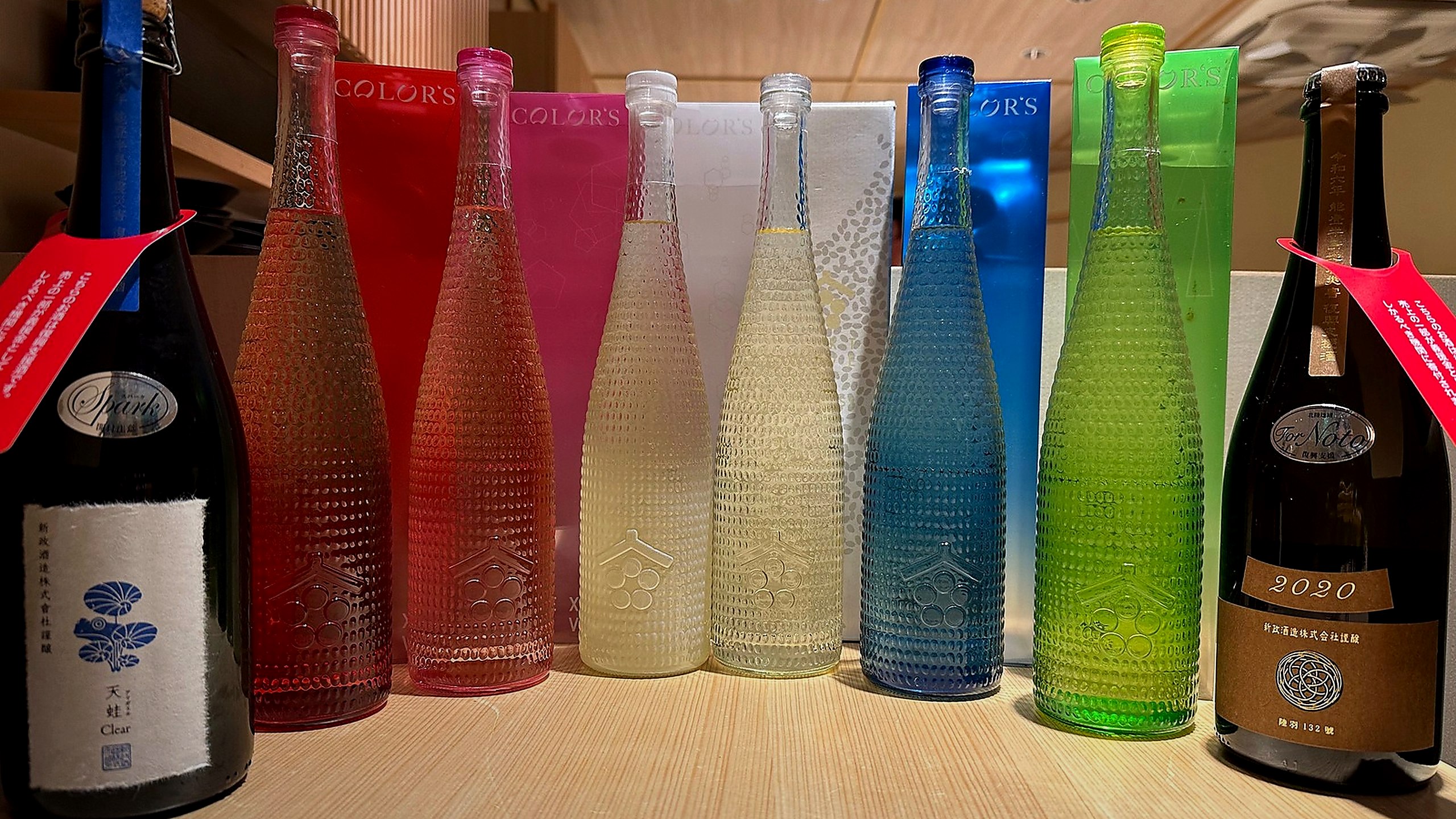
Along the way, NEXT5 collaborated with global icons including contemporary artist Takashi Murakami (2015), architect Kengo Kuma (2016), and former Dom Pérignon Chef de Cave Richard Geoffroy (2018). In February 2024, after 15 years of lifting Akita from a struggling regional producer to the pinnacle of global craft sake, the group released NEXT5 THE FINAL 2024 and voluntarily disbanded so the next generation could take the stage.

"The era of surviving by hiding secrets is dead. Only breweries that lay all their data on the table and sharpen one another can stand shoulder-to-shoulder with the greatest wines on earth." — The enduring philosophy of Akita’s NEXT5
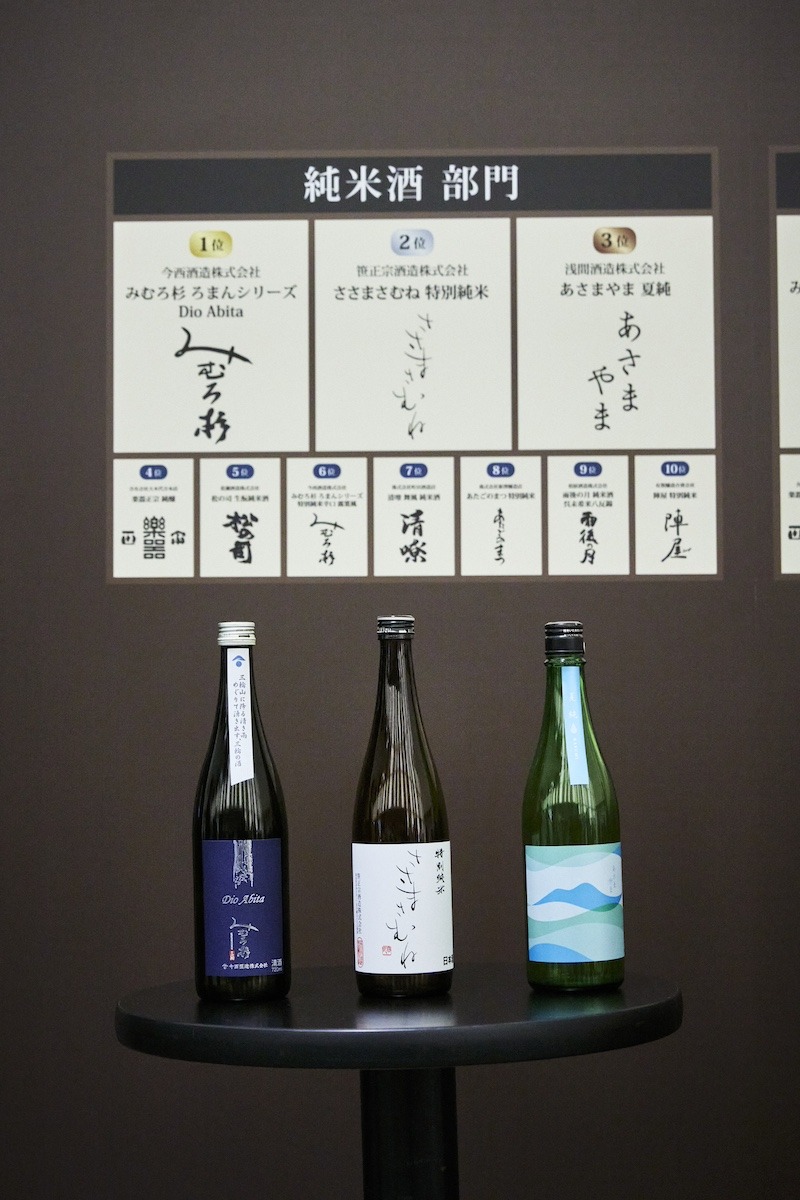
Fourth-generation owner-brewers dominating national and global sake competitions through open-source precision

The 2026 Fourth-Generation Network Across Japan

Today, the open-source spirit pioneered by NEXT5 powers regional innovation clusters across every corner of Japan:

#1

Mie & Aichi’s Ultra-Soft-Water Precision Cluster

Hayakawa Shuzo (Tabika, Komono, Mie)
Owner-brewer Toshihito Hayakawa channels ultra-soft Suzuka mountain spring water and 100% fune gentle pressing alongside fellow Mie luminary Tadakatsu Onishi (Jikon), turning Mie into a modern pilgrimage site (~¥1,870–¥2,530 / 720ml).
Yamazaki Goshi Kaisha (Ki-oku / Oku, Nishio, Aichi)
Specializing in local Mikawa Yume Sansui and Yume Ginka rice, capturing SILVER in the Junmai Ginjo Division at SAKE COMPETITION Official 2026 (Oku Trial Brewing No.3) and perfecting precision 14% ABV undiluted genshu (~¥1,980 / 720ml).
#2

Nara’s "Ancient Monastery Meets Modern Science" Alliance

Imanishi Shuzo (Mimurosugi, Sakurai, Nara)
Led by Masayuki Imanishi, co-driving historic 15th-century Bodaimoto research while capturing Double 1st Place at SAKE COMPETITION 2026 (~¥1,760–¥3,300 / 720ml).
Yucho Shuzo (Kaze no Mori, Gose, Nara)
Led by Chobee Yamamoto, pairing ancient monastic fermentation roots with cutting-edge low-ABV micro-carbonated science (Kaze no Mori ALPHA, ~¥1,650–¥2,530 / 720ml).
#3

Fukushima & Tohoku’s 12-Time National No. 1 & 6-Year Regional Streak Open-Lab Powerhouse

Suehiro Shuzo (Gensai) & Hiroki Shuzo (Hiroki, Aizu, Fukushima)
Representing Fukushima Prefecture—which achieved an unprecedented 9 consecutive national championships, captured 20 Gold Medals at the May 2026 Reiwa 7BY National New Sake Appraisal (NRIB Official) for its 2nd consecutive and 12th overall solo No. 1 national title, and led the November 2026 NTA Tohoku Sake Appraisal in Honor Prizes for the 6th straight year. Anchored by open technical exchange at Fukushima’s Prefectural High-Tech Plaza, 1909 Yamahai heritage and modern unpasteurized precision sharpen one another (~¥2,200–¥3,300 / 720ml).
Oki Daikichi Honten (Gakki Masamune) & Akabu Shuzo (AKABU, Iwate)
Driven by dynamic young owner-brewers Yuta Oki (Gakki Masamune Junjo, #4 GOLD in Junmai at SAKE COMPETITION 2026 & Reiwa 7BY National Gold) and Ryunosuke Furudate (AKABU, Judges’ Special Award at the November 2026 Tohoku Sake Appraisal), turning Tohoku into the gold-medal innovation capital of Japan (~¥1,650–¥2,420 / 720ml).

Buyer & Sommelier Tips: 3 Ways to Spot a True Fourth-Generation Bottle

1
Track Vintage-to-Vintage Micro-Evolution (BY): Fourth-generation owner-brewers tweak soaking seconds, koji ratios, and pressing pressures every single winter. Tasting the same label across consecutive Brewery Years reveals the brewer’s live evolution.
2
Look for Single-Village Rice Provenance: Modern owner-brewers increasingly print the exact town or contract farmer of their rice on the back label—treating Yamada Nishiki, Omachi, or Yume Sansui with Burgundy-style climat respect.
3
720ml Format & Sub-Zero Cold Chain: To protect delicate unpasteurized esters and natural dissolved CO₂, many fourth-generation cellars now prioritize 720ml bottles stored at −5°C over traditional 1.8L magnums.
1,215 Breweries · 2,891 Labels · Neutral Archive
Linked from 1,215 Breweries · 2,891 Labels · 8,673 Reviews

Featured Breweries, Specs & Flavor Balance

Flagship LabelBrewery & RegionSignature Rice & WaterBrewery Profile
MongaifushutsuNishibori Shuzo Co., Ltd. (1452 Awanomiya, Oyama-shi, Tochigi 329-0201, Japan)Tochigi Yumesasara, Gohyakumangoku, Tochiginohoshi, Yamada Nishiki, Aiyama · Nikko Mountains & Omoi River Subterranean Medium-Soft WaterBrewery Profile
MeimonMeimon Sakai Co., Ltd. (2-1045 Takagushi, Uwajima-shi, Ehime 798-0020, Japan)Ehime Matsuyama Mii & Shizukuhime · Mt. Onigajo Range Subterranean Soft WaterBrewery Profile
AramasaAramasa Co., Ltd. (6-2-35 Omachi, Akita-shi, Akita 010-0921, Japan)Pesticide-Free & Estate-Grown Akita Rice (Kairyo Shinko, Rikuu No. 132, Misato Nishiki, Akita Sakekomachi) · Mount Taihei Subterranean Soft Water (Akita City)Brewery Profile
Yuki no BijinAkita Jozo Co., Ltd. (Yuki no Bijin) (5-2 Narayamanoborimachi, Akita-shi, Akita 010-0021, Japan)Yamada Nishiki, Aiyama, Omachi, Akita Sakekomachi, Misato Nishiki, Ginnosei · Mount Taihei Subterranean Soft Water (Akita City)Brewery Profile
MinotenguHayashi Shuzo Co., Ltd. (1418 Hasaki, Kani-shi, Gifu 509-0222, Japan)Hyogo Tojo Yamada Nishiki, Gifu-Grown Hidahomare, and Hatsushimo · Kiso River System Subterranean Soft Well WaterBrewery Profile
MitaniharuHayashi Sake Brewery Co., Ltd. (11777 Kurahashi-cho, Kure-shi, Hiroshima 737-1377, Japan)Yamadanishiki, Hattannishiki, Omachi, Senbonnishiki, Nakateshinsenbon · Soft subterranean water filtered through granite strata of Mount Hiyama on Kurahashi IslandBrewery Profile
HarukasumiKuribayashi Brewery (56 Komemachi, Rokugo, Misato-cho, Senboku-gun, Akita 019-1404, Japan)Misato Nishiki (Rokugo Contract-Grown), Akita Sakekomachi, Yamada Nishiki, Hyakuden · Rokugo Springs Top 100 Famous Waters of Japan (Ou Mountains Subterranean Soft Water)Brewery Profile
KuninochoKotobuki Brewing Co., Ltd. (3-26-12 Tondacho, Takatsuki-shi, Osaka 569-0814, Japan)Yamada Nishiki, Gohyakumangoku, Kinuhikari · Medium-hard subterranean water in Settsu-Tonda originating from the Hokusetsu Abuyama mountain rangeBrewery Profile
IppakusuiseiFukurokuju Brewery Co., Ltd. (48 Shitamachi, Gojome-machi, Minamiakita-gun, Akita 018-1706, Japan)Gojome Contract-Grown Akita Sakekomachi, Misato Nishiki, Ginnosei, Aiyama, Yamada Nishiki · Mount Taihei & Babame River Subterranean Water (Moderately Hard On-Site Well Water)Brewery Profile
YamamotoYamamoto Brewery Co., Ltd. (269 Hachimori, Hachimori, Happo-cho, Yamamoto-gun, Akita 018-2678, Japan)Akita Sakekomachi, Misato Nishiki, Ginnosei, Kamenoo (Including Estate-Grown Rice) · Shirakami-Sanchi UNESCO World Heritage Natural Spring Water (Direct 3km Pipeline Ultra-Soft Water)Brewery Profile
1452 Awanomiya, Oyama-shi, Tochigi 329-0201, Japan · Nishibori Shuzo Co., Ltd. (Est. 1872)
Mongaifushutsu旨味甘味スッキリ
Nikko Mountains & Omoi River Subterranean Medium-Soft Water Tochigi Yumesasara, Gohyakumangoku, Tochiginohoshi, Yamada Nishiki, Aiyama Tochigi Prefectural Yeast, Kyokai Yeast

Founded in 1872 along the historic Nikko Kaido highway in Oyama, Tochigi inside a registered Cultural Property kura, Nishibori Shuzo named its flagship 'Mongaifushutsu' ('Never to Leave the Gates') because the sake was deemed too delicious to part with outside the region. Brewed with medium-soft Omoigawa subterranean water from the Nikko mountains and local Tochigi Yumesasara, Gohyakumangoku, and Tochigi no Hoshi rice—alongside pioneering innovations like Japan's first transparent fermentation tanks and LED-light brewing—it offers rich rice umami, gentle sweetness, and a clean finish. Pair it with Tochigi Wagyu sukiyaki, pan-fried gyoza, or grilled sweetfish.

Flavor Balance (1–5 Rice Grains)Shows which flavor direction the balance leans toward (1 to 5 rice grains), never a quality rank or score.
Serving & Glassware:Recommended Temperature: 13–16°C (Cool Cellar) & 40–48°C (Nurukan to Jokan Warmth) / Recommended Glassware: Medium Burgundy bowl or artisanal Mino/Bizen ceramic guinomi (warmed via tin chirori in a water bath). Starting at 13°C allows Nikko Mountains & Omoi River Subterranean Medium-Soft Water and Tochigi Yumesasara, Gohyakumangoku, Tochiginohoshi, Yamada Nishiki, Aiyama to express generous grain umami without astringency; warming to 42–45°C unlocks plush savory depth ideal for grilled Wagyu and rich dashis.
Global Gastronomy Pairings
• Charcoal-grilled Tochigi Wagyu tenderloin with tamari-sansho glaze and dashi-simmered kanpyo
• Pan-seared Hanwoo beef jeon and tender Jeju black pork bossam with fermented oyster condiment
• Veal chop Milanese with sage brown butter and handmade black truffle tagliolini
“Opened Mongaifushutsu Junmai Ginjo Yumesasara alongside their classic Tokubetsu Honjozo. Soft on entry from Omoigawa River water, unfolding generous Tochigi rice umami before tightening into a crisp, food-ready finish.”
Domestic Review · SAKETIME / 国内口コミ日光街道の地酒人
“A fascinating producer preserving 150-year-old heritage buildings while pioneering transparent-tank fermentation. Their Junmai Daiginjo delivers ripe melon aromatics and savory depth that pair wonderfully with roast pork and savory dumplings.”
Global Sommelier · Vivino / Fine Wine & SakeVictor Moreau
“Toured Nishibori Shuzo in Oyama! Seeing their historic red-brick chimney alongside futuristic see-through fermentation tanks was amazing, and the 'Mongaifushutsu Muroka Nama Genshu' was rich and delicious.”
SNS Buzz · X (Twitter) / Reddit r/Sake@oyama_sake_geek
2-1045 Takagushi, Uwajima-shi, Ehime 798-0020, Japan · Meimon Sakai Co., Ltd. (Est. 1592)
Meimon食中酒旨味バランス
Mt. Onigajo Range Subterranean Soft Water Ehime Matsuyama Mii & Shizukuhime Ehime Prefectural Yeast & Kyokai Yeast

The heritage house brand honoring the company's 1592 origins, offering a rounded, savory profile. Brewed by Meimon Sakai Co., Ltd. in Ehime using Mt. Onigajo Range Subterranean Soft Water and Ehime Matsuyama Mii & Shizukuhime, it brings together versatile, cuisine-elevating table-sake poise, savory, resonant rice umami, harmonious balance of umami, acidity, and finish with memorable poise.

Flavor Balance (1–5 Rice Grains)Shows which flavor direction the balance leans toward (1 to 5 rice grains), never a quality rank or score.
Serving & Glassware:Recommended Temperature: 8–12°C (Crisp Chilled) or 45–48°C (Jokan Warmed) / Recommended Glassware: Narrow-tulip white wine stem, thin porcelain hirahai cup, or tin (suzu) vessel. Chilled to 9°C, Mt. Onigajo Range Subterranean Soft Water delivers razor-sharp mineral precision and a bone-dry finish; as it warms to 13°C—or when heated in a tin carafe to 45°C—savory Ehime Matsuyama Mii & Shizukuhime grain character emerges to frame coastal cuisine.
Global Gastronomy Pairings
• Uwa Sea wild sea bream sashimi and scalded-skin Kurushima Strait spotted grouper (akou)
• Seasonal Korean croaker sashimi & warm pan-seared min-eo jeon with tangy minari salad
• Mediterranean-style Acqua Pazza of line-caught white fish poached with clams, capers, and olives
“Tasted 'Meimon' by Meimon Sakai Co., Ltd.: opening with the pure touch of Mt. Onigajo Range Subterranean Soft Water, it reveals savory layers from Ehime Matsuyama Mii & Shizukuhime and versatile, cuisine-elevating table-sake poise, savory, resonant rice umami, harmonious balance of umami, acidity, and finish before finishing with crisp precision.”
Domestic Review · SAKETIME / 国内口コミ和食料理人・ペアリング検証
“Highly rated on global sake platforms for its poised structure shaped by Mt. Onigajo Range Subterranean Soft Water in Ehime, offering versatile, cuisine-elevating table-sake poise, savory, resonant rice umami, harmonious balance of umami, acidity, and finish that pairs seamlessly with sushi, sashimi, and contemporary cuisine.”
Global Sommelier · Vivino / Global SakeGlobal Sake Sommelier
“Loved on X and Instagram for its dynamic temperature evolution—showing crisp mineral clarity when chilled and generous Ehime Matsuyama Mii & Shizukuhime umami as it warms.”
SNS Buzz · X (Twitter) / Instagram@kanpai_sake_diary
6-2-35 Omachi, Akita-shi, Akita 010-0921, Japan · Aramasa Co., Ltd. (Est. 1852)
Aramasaガス酸味ワイン
Mount Taihei Subterranean Soft Water (Akita City) Pesticide-Free & Estate-Grown Akita Rice (Kairyo Shinko, Rikuu No. 132, Misato Nishiki, Akita Sakekomachi) Kyokai No. 6 Yeast (Birthplace Brewery, 100% Exclusive Use)

As the birthplace of Kyokai No. 6 yeast, Aramasa represents the pinnacle of modern sake brewing through 100% kimoto fermentation in cedar vats using exclusively Akita-grown rice. Its vibrant citrus acidity, low-alcohol elegance, and silky sweetness evoke fine white Burgundy, pairing effortlessly with sashimi, crudo, and modern gastronomy.

Flavor Balance (1–5 Rice Grains)Shows which flavor direction the balance leans toward (1 to 5 rice grains), never a quality rank or score.
Serving & Glassware:Recommended Temperature: 10–14°C (Cool Cellar) & 42–45°C (Bain-Marie Warmed / Nurukan) / Recommended Glassware: Thin-rimmed white Burgundy or Riedel O Daiginjo wine glass. Right after opening at 10°C, savor the vibrant micro-effervescence and taut lactic/citric tension shaped by Mount Taihei Subterranean Soft Water (Akita City); after 15 minutes as it reaches 14°C, multi-dimensional Pesticide-Free & Estate-Grown Akita Rice (Kairyo Shinko, Rikuu No. 132) umami and savory kimoto complexity blossom.
Global Gastronomy Pairings
• Charcoal-grilled Hinai-jidori chicken kiritanpo hotpot and smoked iburigakko with sake-lees cream cheese
• Charcoal-seared Hanwoo 1++ brisket point (chadolbagi) paired with aromatic minari and chilled dongchimi radish
• Pan-roasted Breton blue lobster with Champagne, tarragon, and cultured butter beurre blanc
“Opened a bottle of No. 6 X-type and was floored by the burst of Shine Muscat and white peach aromatics, backed by multi-dimensional kimoto acidity and crystalline purity from cedar vat fermentation. An absolute masterpiece of contemporary Japanese brewing.”
Domestic Review · SAKETIME / 国内口コミ六号酵母の求道者
“A revelation for Burgundy and Champagne lovers: laser-focused lactic and malic tension, delicate wooden-vat complexity, and incredible concentration at just 13% ABV. Pairs brilliantly with Dover sole and shellfish.”
Global Sommelier · Vivino / Fine Wine & SakeMarc L.
“Finally scored Amaneko and Ecru through a bottle shop lottery! That lively micro-effervescence on opening and bright, juicy sweet-tart balance is unmatched—turned my wine-drinking friends into instant sake fanatics.”
SNS Buzz · X (Twitter) / Reddit r/Sake@tokyo_sake_hunter
5-2 Narayamanoborimachi, Akita-shi, Akita 010-0021, Japan · Akita Jozo Co., Ltd. (Yuki no Bijin) (Est. 1919)
Yuki no Bijinガス酸味辛口
Mount Taihei Subterranean Soft Water (Akita City) Yamada Nishiki, Aiyama, Omachi, Akita Sakekomachi, Misato Nishiki, Ginnosei Kyokai No. 14 Yeast (Kanazawa Yeast)

Brewed inside a climate-controlled urban facility on the ground floor of an Akita City building by owner-toji Tadahiko Kobayashi, Yuki no Bijin is a founding member of Akita's famed NEXT5 collective. Using 100% bottle pasteurization and precise cold fermentation with Yamadanishiki and Akita Sakekomachi, it delivers crisp muscat aromatics and bright, mouthwatering acidity built for sushi and Italian cuisine.

Flavor Balance (1–5 Rice Grains)Shows which flavor direction the balance leans toward (1 to 5 rice grains), never a quality rank or score.
Serving & Glassware:Recommended Temperature: 10–13°C (Chilled / Hanabie to Suzubie) / Recommended Glassware: Thin-rimmed, medium-bowled white wine glass (such as Riedel O Daiginjo). Avoid over-chilling below 6°C so the delicate esters are not muted. Upon pouring, experience crystalline purity from Mount Taihei Subterranean Soft Water (Akita City) and lifted orchard-fruit aromatics; after 15 minutes as the glass warms to 14°C, silky Yamada Nishiki, Aiyama, Omachi, Akita Sakekomachi, Misato Nishiki, Ginnosei mid-palate umami opens gracefully.
Global Gastronomy Pairings
• Kelp-cured Oga Peninsula wild sea bream and chilled Akita junsai water-shield in dashi gelee
• Jeju silver belt-fish sashimi and delicate pan-fried scallop & cod jeon with citrus soy
• Wild sea bream carpaccio with bergamot olive oil, shaved bottarga, and micro herbs
“Yuki no Bijin Junmai Ginjo opens with fresh orchard fruit and snaps into focus with bright, crystalline acidity—slices right through fatty toro nigiri and crisp tempura.”
Domestic Review · SAKETIME / 国内口コミ食中酒マイスター
“Precision year-round brewing in an urban micro-brewery yields a Chablis-like tension and purity on the palate. Sensational alongside Nordic seafood and raw oysters.”
Global Sommelier · Vivino / Global Sake ReviewLucas P.
“Compared Yuki no Bijin's No. 6 Yeast Super Dry with their Aiyama Junmai Ginjo! Crafting a dry sake that still feels this juicy and vibrant is a testament to Toji Kobayashi's mastery.”
SNS Buzz · X (Twitter) / Instagram@akita_sake_diary
1418 Hasaki, Kani-shi, Gifu 509-0222, Japan · Hayashi Shuzo Co., Ltd. (Est. 1874)
Minotenguレモンワインガス
Kiso River System Subterranean Soft Well Water Hyogo Tojo Yamada Nishiki, Gifu-Grown Hidahomare, and Hatsushimo Kyokai Yeast (No. 1801, No. 9 Lineage) & Gifu G Yeast

Founded in 1874 in Kani, Gifu—a town steeped in Tengu folklore and home to Japan's largest Tengu statue—Minotengu is Hayashi Shuzo's flagship brewed with soft Kiso River well water and Tojo Yamadanishiki, Gifu Hidahomare, and Hatsushimo rice. Its lineup spans from multi-Gold-Medal classic Daiginjos ('Tengu no Hana') to vibrant, low-alcohol modern unpasteurized releases bursting with lemon-citrus acidity and white-wine-like micro-fizz. Pair it with salt-grilled Kiso River sweetfish (ayu), Hida pork shabu-shabu, or lemon-dressed seafood carpaccio.

Flavor Balance (1–5 Rice Grains)Shows which flavor direction the balance leans toward (1 to 5 rice grains), never a quality rank or score.
Serving & Glassware:Recommended Temperature: 10–13°C (Chilled / Hanabie to Suzubie) / Recommended Glassware: Thin-rimmed, medium-bowled white wine glass (such as Riedel O Daiginjo). Avoid over-chilling below 6°C so the delicate esters are not muted. Upon pouring, experience crystalline purity from Kiso River System Subterranean Soft Well Water and lifted orchard-fruit aromatics; after 15 minutes as the glass warms to 14°C, silky Hyogo Tojo Yamada Nishiki, Gifu-Grown Hidahomare, and Hatsushimo mid-palate umami opens gracefully.
Global Gastronomy Pairings
• Salt-grilled wild Nagara River Gujo sweetfish with water-pepper vinegar and seared Okumino chicken
• Jeju silver belt-fish sashimi and delicate pan-fried scallop & cod jeon with citrus soy
• Poached lobster tail and white asparagus warm salad with yuzu-infused citrus hollandaise
“Minotengu Junmai Ginjo and Tokubetsu Junmai Muroka Nama Genshu open with a lively spritz, zesty lemon-and-green-apple acidity, and juicy Gifu rice sweetness—balancing Hayashi Shuzo's Gold-Medal Daiginjo pedigree with fresh modern energy.”
Domestic Review · SAKETIME中濃の美酒探訪
“Brewed with soft Kiso River subterranean water, Minotengu's modern releases deliver the bright citrus snap of a crisp Pinot Grigio or Sauvignon Blanc—fantastic alongside crispy fried seafood or herb-roasted chicken.”
Global Sommelier · Vivino / Citrus-Forward Craft SakeMarco T.
“Enjoyed Hayashi Shuzo's Minotengu 'Kakurezato' Junmai Nama Genshu and 'Ihyoe' from Kani City! Lively micro-bubbles and bright lemon-like acidity refresh the palate completely between bites of karaage and gyoza.”
SNS Buzz · X (Twitter)@gifu_sakagura_note
11777 Kurahashi-cho, Kure-shi, Hiroshima 737-1377, Japan · Hayashi Sake Brewery Co., Ltd. (Est. 1806)
Mitaniharu食中酒旨味バランス
Soft subterranean water filtered through granite strata of Mount Hiyama on Kurahashi Island Yamadanishiki, Hattannishiki, Omachi, Senbonnishiki, Nakateshinsenbon Kyokai No. 6, Kyokai No. 7, Hiroshima Ginjo Yeast

Founded in 1806 on Kurahashi Island in Kure, Hiroshima Prefecture amid the scenic Seto Inland Sea, Hayashi Shuzo brews its historic island flagship Mitaniharu. Filtered through the granite bedrock of Mt. Hiyama and brewed with Hiroshima Hattan Nishiki, Senbon Nishiki, and Yamada Nishiki rice, this rare surviving Setouchi 'island sake' offers gentle, rounded umami and a maritime-crisp finish made for Kurahashi oysters and Seto Inland Sea red sea bream (tai-meshi).

Flavor Balance (1–5 Rice Grains)Shows which flavor direction the balance leans toward (1 to 5 rice grains), never a quality rank or score.
Serving & Glassware:Recommended Temperature: 8–12°C (Crisp Chilled) or 45–48°C (Jokan Warmed) / Recommended Glassware: Narrow-tulip white wine stem, thin porcelain hirahai cup, or tin (suzu) vessel. Chilled to 9°C, Soft subterranean water filtered through granite strata of Mount Hiyama on Kurahashi Island delivers razor-sharp mineral precision and a bone-dry finish; as it warms to 13°C—or when heated in a tin carafe to 45°C—savory Yamadanishiki, Hattannishiki, Omachi, Senbonnishiki, Nakateshinsenbon grain character emerges to frame coastal cuisine.
Global Gastronomy Pairings
• Kelp-cured & sake-steamed Hiroshima Bay jumbo oysters with Setouchi baby sardine sashimi
• Busan Gijang conger eel & flounder sashimi alongside crispy seafood scallion jeon (haemul-pajeon)
• Oysters Rockefeller with herb butter crust and wood-grilled sea bass with fennel & lemon
“Enjoyed Mitaniharu Junmai Ginjo cool and gently warmed. Granite-filtered spring water from Mt. Hiyama gives a soft entry and calm rice umami that shine alongside plump grilled Kurahashi oysters and soy-simmered rockfish.”
SNS Buzz ·
“Crafted for over two centuries on Kurahashi Island in Hiroshima, Hayashi Shuzo's Mitaniharu is a poised, balanced table sake born for ocean fare. It pairs wonderfully with sea bream carpaccio and baked oysters.”
SNS Buzz ·
“Crossed the Ondo Strait to visit Hayashi Shuzo on Kurahashi Island. Their Mitaniharu Junmai is understated, deeply comforting, and vanished in no time alongside crispy Setouchi small-fish tempura!”
SNS Buzz ·
56 Komemachi, Rokugo, Misato-cho, Senboku-gun, Akita 019-1404, Japan · Kuribayashi Brewery (Est. 1874)
Harukasumiガス酸味旨味
Rokugo Springs Top 100 Famous Waters of Japan (Ou Mountains Subterranean Soft Water) Misato Nishiki (Rokugo Contract-Grown), Akita Sakekomachi, Yamada Nishiki, Hyakuden Kumamoto Yeast (KA-1 / No. 9 Lineage), Kyokai No. 1401, Akita Prefectural Yeasts

Brewed in Misato Town—famed for its Rokugo natural springs—Kuribayashi Shuzoten crafts Harukasumi under the guiding philosophy of 'sake that complements every dish on the dinner table.' Combining locally grown Misatonishiki and Sakekomachi rice with Kumamoto No. 9 yeast, it offers poised aromatics and a gentle, rounded umami that harmonizes effortlessly with seasonal washoku.

Flavor Balance (1–5 Rice Grains)Shows which flavor direction the balance leans toward (1 to 5 rice grains), never a quality rank or score.
Serving & Glassware:Recommended Temperature: 10–14°C (Cool Chilled / Hanabie to Suzubie) / Recommended Glassware: Thin-rimmed white wine stem (Riedel O Daiginjo) or stemmed porcelain cup. At 10°C upon opening, enjoy the crystalline poise of Rokugo Springs Top 100 Famous Waters of Japan (Ou Mountains Subterranean Soft Water) and refined aromatics; after 15 minutes as it warms toward 14°C, three-dimensional Misato Nishiki (Rokugo Contract-Grown), Akita Sakekomachi umami and balanced acidity expand to bridge sashimi and roasted main courses.
Global Gastronomy Pairings
• Charcoal-grilled Hinai-jidori chicken kiritanpo hotpot and smoked iburigakko with sake-lees cream cheese
• Charcoal-grilled Hanwoo beef tongue and Wando abalone butter-seared with crisp white kimchi
• Crispy-skinned sea bass poêlé in a delicate clam, saffron, and citrus nage broth
“Harukasumi Red Label Junmai and Green Label Junmai Ginjo are textbook mealtime sakes. Subtle aromatics and soft, spring-water-driven umami quietly elevate every dish on the table.”
Domestic Review · SAKETIME / 国内口コミ六郷の湧水ファン
“Among the NEXT5 breweries, Harukasumi offers the most serene, classical poise. The interplay of Misatonishiki rice acidity and Kumamoto No. 9 yeast is sublime with delicate dashi broths and poached white fish.”
Global Sommelier · Vivino / Sake Sommelier AssociationThomas H.
“Opened Harukasumi's iconic autumn Chestnut Label! Matured gently over the summer, its mellow umami was a match made in heaven with grilled pacific saury and wild mushroom rice.”
SNS Buzz · Instagram / X (Twitter)@washoku_to_sake
3-26-12 Tondacho, Takatsuki-shi, Osaka 569-0814, Japan · Kotobuki Brewing Co., Ltd. (Est. 1822)
Kuninocho甘味旨味スッキリ
Medium-hard subterranean water in Settsu-Tonda originating from the Hokusetsu Abuyama mountain range Yamada Nishiki, Gohyakumangoku, Kinuhikari Kyokai No. 9 Yeast, Kyokai No. 7 Yeast, House Cultured Yeast

Founded in 1822 in Settsu-Tonda (Takatsuki City, Osaka)—a storied brewing town whose 'Tonda-zake' once supplied Edo and whose heirloom 'Tondaho' rice is considered a parent of Yamadanishiki—Kuninocho is the flagship of Kotobuki Shuzo. Brewed with medium-hard subterranean water from the Hokusetsu Mountains and prized Yamadanishiki and Gohyakumangoku rice, it combines bright floral aromatics with plush rice sweetness and a crisp finish. Pair it with Osaka pike conger (hamo), chilled Senshu water eggplant (mizunasu), or savory Osaka comfort fare.

Flavor Balance (1–5 Rice Grains)Shows which flavor direction the balance leans toward (1 to 5 rice grains), never a quality rank or score.
Serving & Glassware:Recommended Temperature: 10–13°C (Chilled / Hanabie to Suzubie) / Recommended Glassware: Thin-rimmed, medium-bowled white wine glass (such as Riedel O Daiginjo). Avoid over-chilling below 6°C so the delicate esters are not muted. Upon pouring, experience crystalline purity from Medium-hard subterranean water in Settsu-Tonda originating from the Hokusetsu Abuyama mountain range and lifted orchard-fruit aromatics; after 15 minutes as the glass warms to 14°C, silky Yamada Nishiki, Gohyakumangoku, Kinuhikari mid-palate umami opens gracefully.
Global Gastronomy Pairings
• Senshu crystal-eggplant asazuke and pine-bark scalded Osaka Bay wild sea bream sashimi
• Jeju silver belt-fish sashimi and delicate pan-fried scallop & cod jeon with citrus soy
• Poached lobster tail and white asparagus warm salad with yuzu-infused citrus hollandaise
“Visited Kotobuki Shuzo in Tonda, Takatsuki to pick up Kuninocho Junmai Ginjo Shiboritate Nama and Junmai Kawazu. Medium-hard Mount Abu water frames bright fruit aromatics and supple sweetness—spot-on with Senshu water eggplant pickles and blanched hamo.”
Domestic Review · SAKETIME / 国内口コミ摂津富田の酒蔵散歩
“A 200-year-old brewery in the ancestral home of Tondaho rice, parent to Yamadanishiki. From fragrant junmai daiginjo to sake-yeast craft beers, the technical precision here shines alongside crisp tempura and grilled poultry.”
Global Sommelier · Vivino / Fine Wine & SakeKevin B.
“Osaka's historic 'Kuninocho Junmai Daiginjo' and 'Tokubetsu Junmai'! Lifted aromatics and a clean, savory-sweet balance handle everything from dashi-rich takoyaki and kushikatsu to fresh sashimi.”
SNS Buzz · X (Twitter) / Instagram@osaka_jizake_love
48 Shitamachi, Gojome-machi, Minamiakita-gun, Akita 018-1706, Japan · Fukurokuju Brewery Co., Ltd. (Est. 1688)
Ippakusuisei甘味フルーティ旨味
Mount Taihei & Babame River Subterranean Water (Moderately Hard On-Site Well Water) Gojome Contract-Grown Akita Sakekomachi, Misato Nishiki, Ginnosei, Aiyama, Yamada Nishiki Akita Prefectural Yeasts (Komachi Yeast, AK-1, UT-1)

Named for 'the finest sake born of white rice and water,' Ippakusuisei is crafted by Fukurokuju Shuzo in close partnership with the Gojome Sake Rice Study Group of local young farmers. Showcasing estate-grown Akita Sakekomachi, Misatonishiki, and Omachi, it delivers a burst of ripe orchard juiciness followed by a taut, refreshing acid snap that elevates tempura and delicate seafood.

Flavor Balance (1–5 Rice Grains)Shows which flavor direction the balance leans toward (1 to 5 rice grains), never a quality rank or score.
Serving & Glassware:Recommended Temperature: 10–13°C (Chilled / Hanabie to Suzubie) / Recommended Glassware: Thin-rimmed, medium-bowled white wine glass (such as Riedel O Daiginjo). Avoid over-chilling below 6°C so the delicate esters are not muted. Upon pouring, experience crystalline purity from Mount Taihei & Babame River Subterranean Water (Moderately Hard On-Site Well Water) and lifted orchard-fruit aromatics; after 15 minutes as the glass warms to 14°C, silky Gojome Contract-Grown Akita Sakekomachi, Misato Nishiki mid-palate umami opens gracefully.
Global Gastronomy Pairings
• Kelp-cured Oga Peninsula wild sea bream and chilled Akita junsai water-shield in dashi gelee
• Jeju silver belt-fish sashimi and delicate pan-fried scallop & cod jeon with citrus soy
• Poached lobster tail and white asparagus warm salad with yuzu-infused citrus hollandaise
“Ippakusuisei Tokubetsu Junmai 'Ryoshin' truly lives up to its name ('Conscience'). Fragrant pear notes, soft Akita Sakekomachi sweetness, and a whisper-clean finish make it an unbeatable daily luxury.”
Domestic Review · SAKETIME / 国内口コミ五城目の酒好き
“A shining example of farmer-to-glass terroir in Japanese sake. Their side-by-side parent-offspring rice comparisons (like Tankan Wataribune vs. Yamadanishiki) are a masterclass in rice varietal expression.”
Global Sommelier · Vivino / International SakeHannah G.
“Opened Ippakusuisei Junmai Ginjo Aiyama for a weekend treat! Charming notes of ripe strawberry and white peach with a crisp, uplifting finish—pure happiness in a glass.”
SNS Buzz · Instagram / X (Twitter)@sake_weekend_vibes
269 Hachimori, Hachimori, Happo-cho, Yamamoto-gun, Akita 018-2678, Japan · Yamamoto Brewery Co., Ltd. (Est. 1901)
Yamamoto酸味ガスキレ
Shirakami-Sanchi UNESCO World Heritage Natural Spring Water (Direct 3km Pipeline Ultra-Soft Water) Akita Sakekomachi, Misato Nishiki, Ginnosei, Kamenoo (Including Estate-Grown Rice) Akita Flowering Yeast (AK-1), Komachi Yeast R-5, Kyokai Yeasts

Located at the foot of the UNESCO World Heritage Shirakami Mountains, Yamamoto Shuzoten grows its own estate sake rice and brews with pristine Shirakami spring water piped directly into the brewery. Famous for 'Pure Black' and 'Midnight Blue', it combines juicy fruit notes from Akita Sakekomachi and Misatonishiki rice with electric acidity that cuts through yakitori and modern fusion cuisine.

Flavor Balance (1–5 Rice Grains)Shows which flavor direction the balance leans toward (1 to 5 rice grains), never a quality rank or score.
Serving & Glassware:Recommended Temperature: 10–13°C (Chilled / Hanabie to Suzubie) / Recommended Glassware: Thin-rimmed, medium-bowled white wine glass (such as Riedel O Daiginjo). Avoid over-chilling below 6°C so the delicate esters are not muted. Upon pouring, experience crystalline purity from Shirakami-Sanchi UNESCO World Heritage Natural Spring Water (Direct 3km Pipeline Ultra-Soft Water) and lifted orchard-fruit aromatics; after 15 minutes as the glass warms to 14°C, silky Akita Sakekomachi, Misato Nishiki mid-palate umami opens gracefully.
Global Gastronomy Pairings
• Kelp-cured Oga Peninsula wild sea bream and chilled Akita junsai water-shield in dashi gelee
• Dry-aged Korean wild sea bream hoe and chilled king prawn salad (daeha-naengchae) in pine-nut sauce
• Poached lobster tail and white asparagus warm salad with yuzu-infused citrus hollandaise
“Yamamoto Pure Black is the undisputed MVP of my sake fridge. Understated aromatics give way to bright citrus acidity and the silky glide of Shirakami soft water—an impeccable food companion.”
Domestic Review · SAKETIME / 国内口コミ白神の風
“A huge favorite in San Francisco's modern Japanese dining scene. 'Midnight Blue' delivers vibrant tropical aromatics with a crisp, mineral spine that resonates immediately with California wine drinkers.”
Global Sommelier · Vivino / Global Sake ReviewEthan W.
“Opened Yamamoto's Strawberry Red (Misatonishiki) and Sunshine Yellow (Yamahai) tonight! Each color-coded release showcases a distinct yeast and rice interplay—makes you want to collect the whole spectrum.”
SNS Buzz · X (Twitter) / Instagram@next5_fanatic

Recommended Pairing

Dry-Aged White Fish & Scallop Crudo with Citrus Oil
Bright malic acidity and zero-flaw precision crafted by young owner-brewers elevate raw seafood
Bincho-Charcoal Grilled Heritage Chicken with Sea Salt
Clean, structured modern Junmai cuts poultry fat while amplifying savory inosinate umami
SakeStream
A neutral global sake editorial archive and database documenting 1,215 breweries, 2,891 labels, brewing water & rice provenance, and 8,673 verified tasting records without proprietary ranking tiers.
Weekly Sake Dispatch

Weekly Sake & Tasting Dispatch

Curated seasonal releases, sub-zero arrivals, and tasting city guides across global editions.
ArticlesBreweries