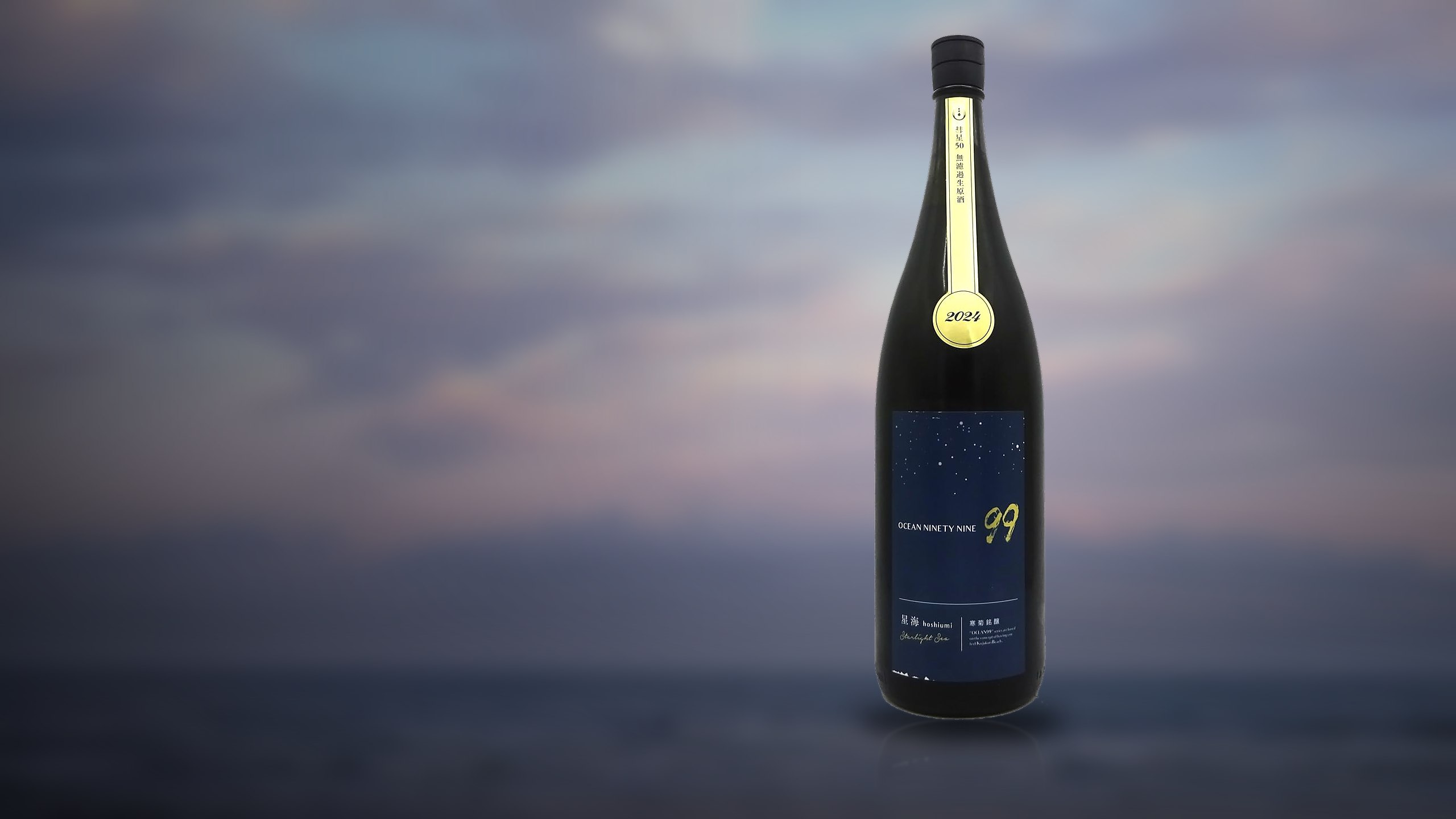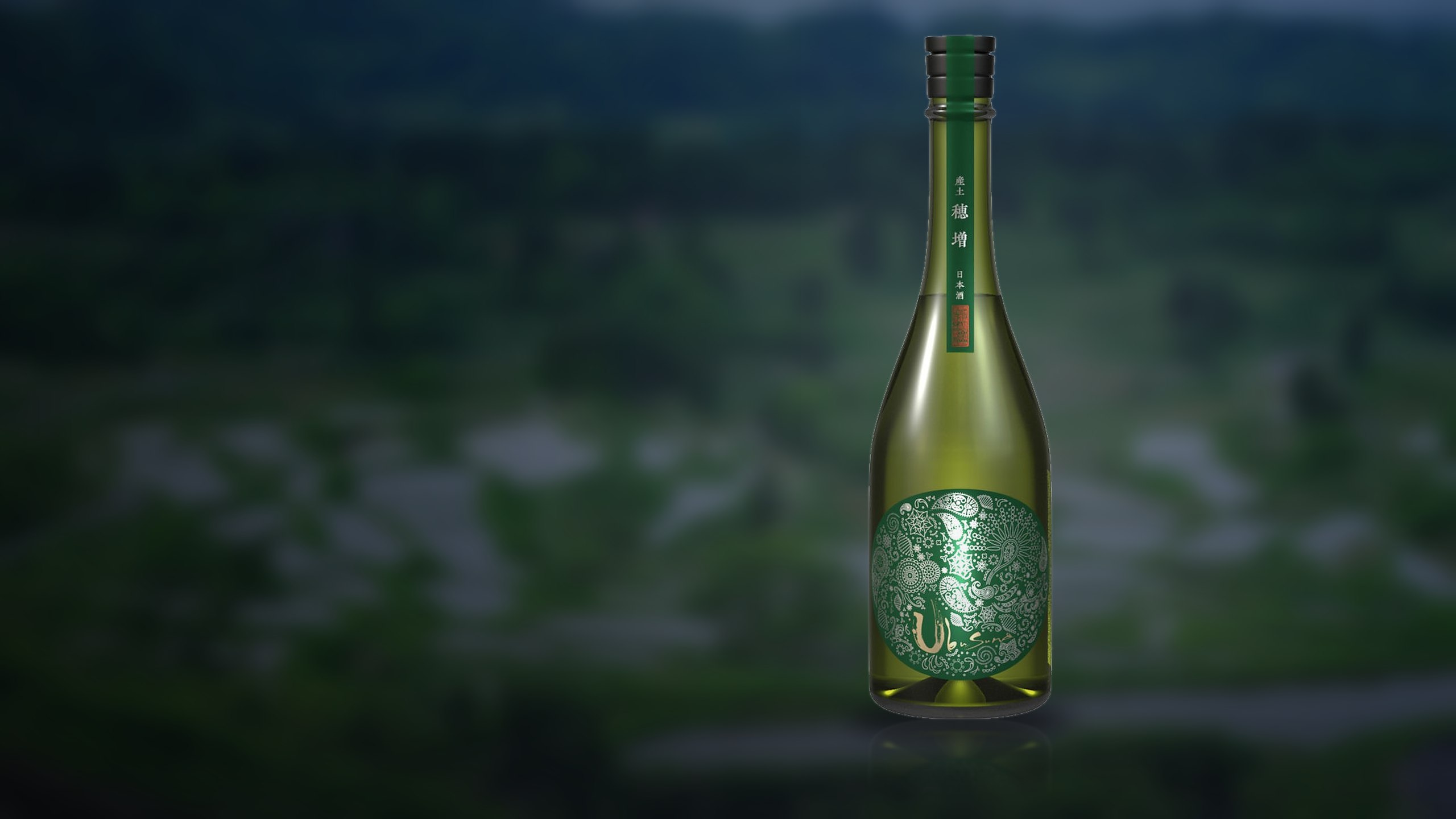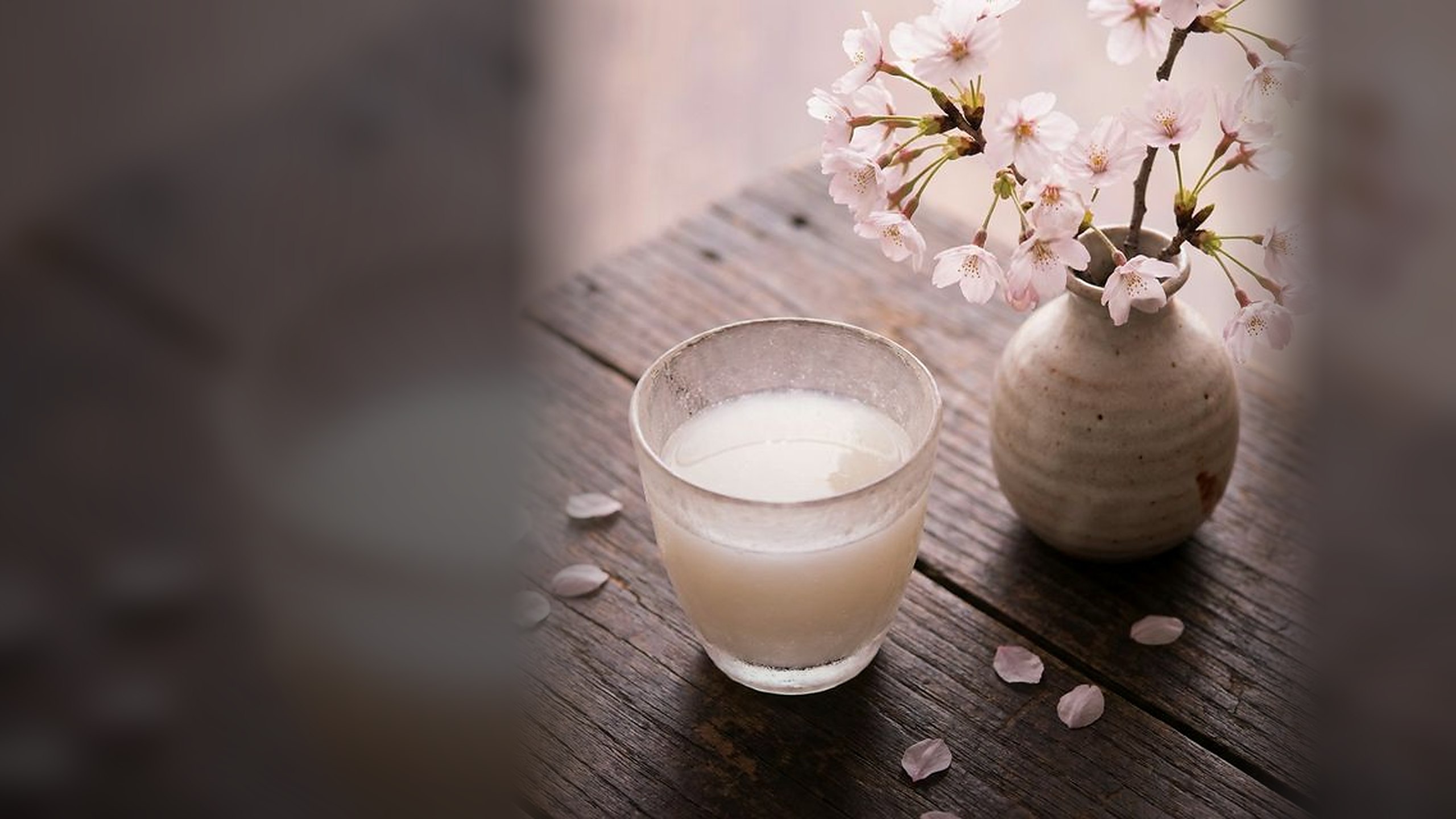
The world of creamy, distinctive flavors born from coarse filtration.
What Nigori Is and Its History
Nigori is sake passed through coarse cloth or mesh so that rice particles and lees are intentionally retained, giving the sake its cloudy white appearance. Legally it is classified as "seishu" (clear sake), which sets it apart from completely unfiltered "doburoku" — having passed through a filtering step at least once is the legal boundary that makes nigori a seishu. The lees themselves are undissolved rice starch, protein, and yeast — which makes nigori, in effect, the "memory of the moromi" captured in a bottle at the moment just before it becomes sake.
Historically, nigori IS the original sake. Clear sake only became the norm after the Edo period; before that, cloudy white sake was simply what sake looked like. It appears in the Man'yoshu poetry anthology as "white sake," indispensable to rituals and celebrations, accompanying Japanese life for over a millennium. The modern nigori revival traces to the 1960s, when Tsuki no Katsura in Fushimi, Kyoto resurrected "nigori sake" as a commercial product. The oldest style reborn as the newest proposal — nigori is a sake of exactly that paradox.
Quick Specs & 2026 Rating Summary
Types of Nigori — The Density of the Cloud Defines the Character
Though we say "nigori" in one breath, the amount and condition of the lees create vastly different personalities. Learn the gradient of density, and the pleasure of choosing multiplies.
Usu-nigori — Lightly cloudy and elegant. With only a trace of lees, it drinks close to clear sake, adding subtle creaminess and a silky mouthfeel. Often released seasonally in early spring as origarami, it is a versatile food sake, flattering everything from Japanese cuisine to cream-sauced Western dishes.
Nigori — The solidly cloudy standard type. Rice umami and sweetness come through directly, with the characteristic creamy mouthfeel. The beauty of lees swirling like snow in the glass is a pleasure unique to this style.
Thick type — Very high lees content, with a texture thick enough to scoop with a spoon. Reminiscent of amazake — a "rice potage" of a sake. Enjoy it as a dessert sake, or even as a sauce over vanilla ice cream.
Active Nigori — Live yeast keeps fermenting in the bottle, so it fizzes on opening. Fresh acidity and carbonation coexisting with rich lees — the most thrilling of all nigori. Beware of eruption: always chill before opening, and open gradually.
Three Ways to Enjoy — One Bottle, Three Experiences
No sake changes its expression with serving style as dramatically as nigori. Drawing multiple experiences from a single bottle is this genre's greatest luxury.
Clear-top Style — Keep the bottle upright and pour gently, drinking only the clear upper layer. With the lees settled, the top is sharp and clean, revealing the brewery's base sake honestly.
Mixed Style — Gently roll the bottle to distribute the lees evenly, then pour. Creamy and full-bodied, with rice umami at full throttle — the standard approach. The trick is to roll, not shake. With active nigori, release the gas first; mixing before degassing invites an eruption.
Contrast Style — First a glass of the clear top, then a glass of the mix. Two completely different sakes from one bottle — a luxurious experience, and the finest tasting lesson in what lees actually contribute to flavor.
Pairing Magic — The Science of Lees Wrapping Heat
Nigori's creaminess pairs brilliantly with spicy food. The rice starch and protein in the lees physically coat the tongue against capsaicin, softening the edges of the heat — the same mechanism by which dairy tames spice, achieved here with rice-derived components. Thai curry, mapo tofu, kimchi jjigae: nigori receives their fire gently while its rice sweetness amplifies their umami. In dessert territory, pairings with chocolate and vanilla ice cream are drawing attention as a new way to enjoy the style. Cheese works well too — milky fresh cheeses like mascarpone and burrata melt into nigori texture-to-texture. Temperature changes the picture dramatically: well chilled, it becomes a sharp dessert sake; near room temperature, the rice sweetness blooms; gently warmed, it shows a nourishing, comforting face reminiscent of amazake.
Nigori and the Seasons — A Winter Tradition
Nigori's high season is winter. From November, when new-sake brewing begins, through the following spring, freshly pressed nigori carrying the flavor of live moromi ships one release after another. Enjoying snow-white sake while watching the snow fall — the winter aesthetics of Japan and nigori have been inseparable for centuries. Lately its milky-white look has proven photogenic on holiday tables, overlapping with Christmas and year-end sparkling demand and raising its profile in the winter gift market. Abroad, interestingly, it is more often treated as a year-round product, its seasonality itself presented as a "Japanese story."
The Nigori Field Chart, Type by Type
The word "nigori" covers far too much ground to be one category. Cloudiness and pasteurization decide how to choose.
| Type | Character | Example Bottles | Best Temp & Approach |
|---|---|---|---|
| Usu-nigori (origarami) | The faintest haze; a whisper of sweet lees | Kankiku True White, Jikon Nigorizake Nama | 6-8C; versatile enough for delicate dishes |
| Nigori (pasteurized) | Thick and rich; stable sweet umami | Kikusui Goroppachi (seasonal), Tsuki no Katsura | 8-10C or body-warm; works as dessert too |
| Active nigori (nama) | Live yeast, live fizz | Senkin Yukidaruma, Aramasa Amagaeru | 5-8C; open slowly, venting gas |
| Kijoshu nigori / high-density | Lusciously sweet, rice-pudding territory | Limited brewery releases | 5C, a small pour as dessert |
Drink the Clear Top
Pour gently without disturbing the bottle and transparent sake emerges above the lees — a crisp, almost ginjo-like face. That is glass one.
Stir in Half
Invert the bottle once, slowly, and half the lees rise into suspension: gentle texture, added sweetness, the in-between expression. Glass two.
Mix It All
Fully roused, nigori becomes what it truly is — a rice potage with backbone enough to stand up to chili and spice. Glass three.
Iron Rules of Handling
Storage Warning — Nigori Is Alive
Always refrigerate nigori, especially active nigori. If the yeast in the bottle is alive, room-temperature storage invites refermentation and overflow. Never shake before opening. Store upright, and drink as soon as possible after purchase — the fresh flavor of the lees is the very life of nigori. Keep it away from light in the refrigerator, and ideally finish the bottle within a few days of opening.
Featured Breweries, Specs & Flavor Balance
| Flagship Label | Brewery & Region | Signature Rice & Water | Brewery Profile |
|---|---|---|---|
| Uwazumi | Takemura Sake Brewery Co., Ltd. (3374-1 Mitsukaido Takara-machi, Joso-shi, Ibaraki 303-0023, Japan) | Yamadanishiki, Gohyakumangoku, Miyamanishiki, Hitachinishiki · Kinugawa River Basin Purified Subterranean Soft Water | Brewery Profile |
| Gorohachi | Kikusui Sake Co., Ltd. (750 Shimagata, Shibata-shi, Niigata 957-0011, Japan) | Heirloom Kikusui Sake Rice (Revived), Gohyakumangoku & Koshitanrei · Soft Subterranean Snowmelt Water from the Iide Mountain Range | Brewery Profile |
| Kyotofushimi | Kyohime Shuzo Co., Ltd. (247 Yamazakicho, Fushimi-ku, Kyoto-shi, Kyoto 612-8364, Japan) | Yamadanishiki, Gohyakumangoku, Iwai · Fushimi Momoyama Hills Subsurface Water (soft water) | Brewery Profile |
| Tsuki no Katsura | Masuda Tokubee Shoten Co., Ltd. (135 Shimotoba Osadacho, Fushimi-ku, Kyoto-shi, Kyoto 612-8471, Japan) | Iwai, Yamadanishiki, Gohyakumangoku, Asahi · Famous Fushimi Water, Momoyama Hills Subsurface Water (soft water pumped from 80m underground) | Brewery Profile |
| Tsuki no Katsura | Moriyama Sake Brewery (1067-1 Oho, Ogori-shi, Fukuoka 838-0115, Japan) | Fukuoka Yamada Nishiki, Yumeikkon · Homan River & Chikugo River Subterranean Water (Soft Water) | Brewery Profile |
| Kikusui | Kikusui Sake Co., Ltd. (4-6-25 Honmachi, Aki-shi, Kochi 784-0004, Japan) | Gin no Yume, Tosa Nishiki, Kazenaruko, Yamada Nishiki, Shimanto Local Rice · Aki River basin subterranean well water (soft water) and Shimanto River spring water | Brewery Profile |
| Aramasa | Aramasa Co., Ltd. (6-2-35 Omachi, Akita-shi, Akita 010-0921, Japan) | Pesticide-Free & Estate-Grown Akita Rice (Kairyo Shinko, Rikuu No. 132, Misato Nishiki, Akita Sakekomachi) · Mount Taihei Subterranean Soft Water (Akita City) | Brewery Profile |
| Dassai | Dassai Inc. (Asahi Shuzo Co., Ltd.) (2167-4 Osogoe, Shuto-cho, Iwakuni-shi, Yamaguchi 742-0422, Japan) | Yamada Nishiki (100% Exclusive Use) · Osogoe Natural Subterranean Soft Water (Shuto-cho, Iwakuni) | Brewery Profile |
| Jikon | Kiyasho Sake Brewery Co., Ltd. (314-1 Honmachi, Nabari-shi, Mie 518-0726, Japan) | Yamadanishiki, Aiyama, Omachi, Hattannishiki, Senbonnishiki · Subsurface water from the Nunobiki mountain range (brewery well water, soft water) | Brewery Profile |
| Senkin | Senkin Co., Ltd. (106 Baba, Sakura-shi, Tochigi 329-1321, Japan) | Domaine Sakura Estate-Grown Rice (Kamenoo, Yamada Nishiki, Omachi) · Kinugawa River System Subterranean Ultra-Soft Water (Domaine Aquifer) | Brewery Profile |
A limited-release series emphasizing clarity and crispness, delivering a clean, refreshing palate. Brewed by Takemura Sake Brewery Co., Ltd. in Ibaraki using Kinugawa River Basin Purified Subterranean Soft Water and Yamadanishiki, Gohyakumangoku, Miyamanishiki, Hitachinishiki, it brings together intricate, multi-dimensional complexity, lush, aromatic opulence, expressive, floral ginjo aromatics with memorable poise.
A beloved autumn-and-winter seasonal coarse-filtered nigori sake launched in 1972, prized for its creamy rice texture and rich, warming sweetness.
Bearing the name of its famed brewing district, Kyohime Shuzo's 'Kyotofushimi' highlights Momoyama soft spring water and KyotoIwai/Yamada Nishiki rice with floral charm and mellow poise.
Founded in 1675 as one of Fushimi's oldest breweries, Masuda Tokubee Shoten pioneered the world's first sparkling nigori sake in 1964 with Tsuki no Katsura. Bottle-conditioned effervescence, bright orchard fruit aromatics, and a crisp, dry finish make its Daigokujo Nakagumi Nigori an iconic match for both Kyoto appetizers and spicy Asian cuisine.
The classic house label cherished in Ogori since 1915, offering gentle aromatics and comforting, food-friendly rice warmth. Brewed by Moriyama Sake Brewery in Fukuoka using Homan River & Chikugo River Subterranean Water (Soft Water) and Fukuoka Yamada Nishiki, Yumeikkon, it brings together versatile, cuisine-elevating table-sake poise, savory, resonant rice umami, harmonious balance of umami, acidity, and finish with memorable poise.
The brewery's heritage Tosa label, delivering classic structure and a clean, invigorating finish.
As the birthplace of Kyokai No. 6 yeast, Aramasa represents the pinnacle of modern sake brewing through 100% kimoto fermentation in cedar vats using exclusively Akita-grown rice. Its vibrant citrus acidity, low-alcohol elegance, and silky sweetness evoke fine white Burgundy, pairing effortlessly with sashimi, crudo, and modern gastronomy.
From the mountain valleys of Iwakuni, Yamaguchi, Dassai revolutionized global sake through data-driven precision brewing and ultra-polished Yamada Nishiki rice. Led by the iconic Dassai 23, its opulent aromas of white peach and Poire Williams, silky-smooth mid-palate, and crystalline finish pair effortlessly with fine Edomae sushi and Michelin-starred French cuisine.
Named after the Zen phrase 'living fully in the present moment,' Jikon by 6th-generation brewer Tadakatsu Onishi in Nabari, Mie stands at the absolute summit of modern sake. Radiant muscat and white peach aromatics, crystalline Nunobiki mountain soft-water sweetness, and electric acidity achieve a golden-ratio balance that enchants on its own or alongside Matsusaka Wagyu and fine sushi.
Pioneering the 'Domaine' terroir concept in Tochigi using estate-grown Kamenoo, Yamada Nishiki, and Omachi rice irrigated by the same ultra-soft Kinugawa aquifer as its brewing water, Senkin crafts natural sake through 100% kimoto fermentation in cedar vats with minimal rice polishing. Vibrant green apple and muscat tartness intertwines with savory wood-aged minerality, making it an extraordinary match for French seafood dishes, soft bloomy-rind cheeses, and herb-driven appetizers.
Recommended Pairing
Weekly Sake & Tasting Dispatch
Curated seasonal releases, sub-zero arrivals, and tasting city guides across global editions.