Senkin — Pioneer of Domaine
Brewery Story

Senkin — Pioneer of Domaine

2026-01-108min readSakeStream
Back
EXECUTIVE SUMMARY & KEY TAKEAWAYS

In Sakura, Tochigi. Growing their own rice and brewing sake unique to the land.

Key Sections in This Report:

The Domaine Revolution

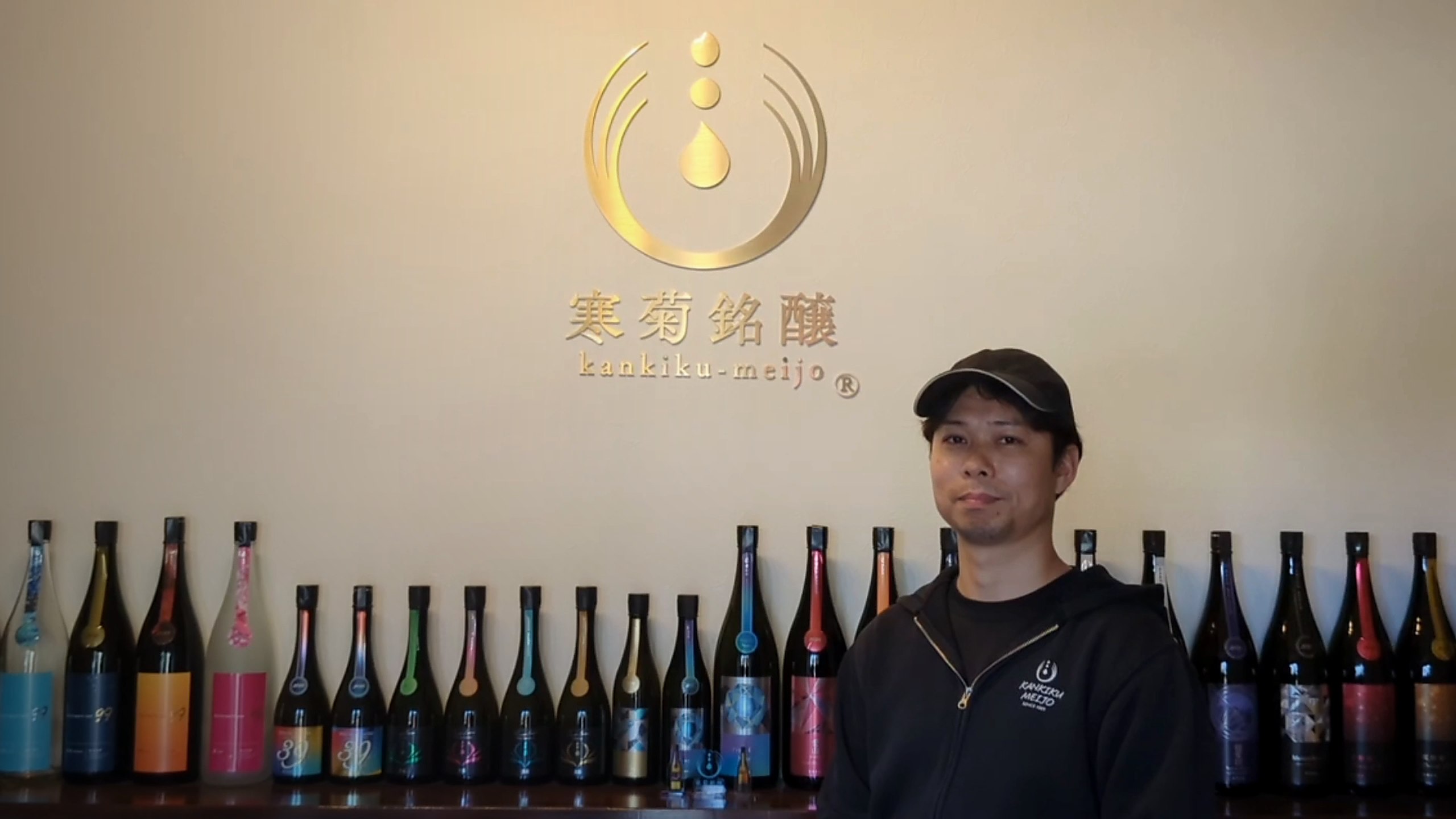
In wine, "domaine" — making wine exclusively from grapes in your own vineyard, imprinting the land's character on the bottle — is standard practice. But in the sake industry, rice was long purchased from agricultural cooperatives or specialist farmers. Breweries nationwide ordered Hyogo-grown Yamada Nishiki and fermented it with the same association yeasts; that was considered the mark of quality. Senkin's eleventh-generation Kazuki Usui overturned this convention from the ground up.

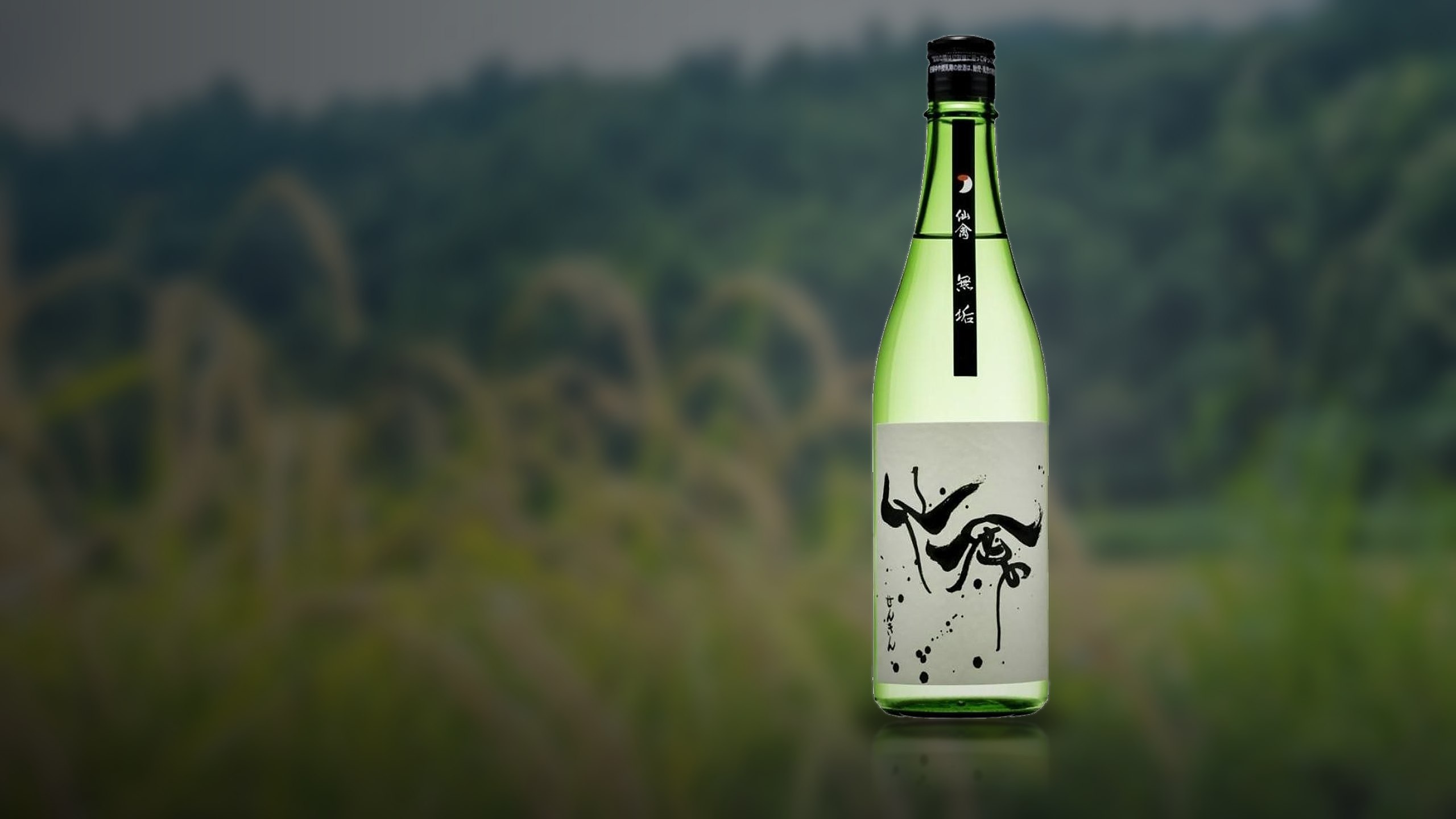
The stage is Sakura City, Tochigi Prefecture. Founded in 1806, the brewery takes its name, Senkin (仙禽), from the crane that serves the mountain hermits of legend. Where the Kinugawa River's underground water flows abundantly, Senkin cultivates Kamenoo and Yamada Nishiki in its own and contracted paddies, brewing exclusively with rice and water from within a 5km radius of the brewery. And the water irrigating those paddies comes from the same vein as the brewing water. Matching the provenance of rice and water completely — this is a domaine declaration, made to prove a taste that can be born only of this land.

Quick Specs & 2026 Rating Summary

Brewery & Location
Senkin (Sakura City, Tochigi / founded 1806)
Water & Principal Rice
Kinugawa subsoil water (ultra-soft) / Kamenoo and Yamada Nishiki from estate and contracted paddies within a 5km radius
Brewing Philosophy & Technique
Domaine (rice and water from the same vein); a "return to Edo" via kimoto and wooden-vat brewing; unfiltered nama genshu balancing sweet and sour
2026 Global Standing
Expanding placements in natural-wine restaurants in Paris and London; a rising name in Seoul's gastronomy-sake scene
Serving Temperature, Glassware & Pairing
8-12°C (Burgundy-shaped white wine glass) / acid-driven starters, cheese, dishes built on fermented seasonings

Senkin's Philosophy — A Sommelier's Eye

Kazuki Usui's background is singular. Before returning to the brewery, he worked in the wine world and trained as a sommelier. Seeing sake from the outside — from the far side of the glass — produced his bold slogan: "Sweet and sour is justice." Breaking the orthodoxy that light-and-dry is authentic sake, he pursues wine-like acidity balanced with fruity sweetness.

The underlying strategy is recontextualizing sake in the grammar of wine. Acidity is not merely one element of taste: it cuts through richness, stimulates the palate, and calls forth the next sip — a structural role. Sweetness gains dimension only in tension with acid. This is an architecture of flavor only a sommelier-turned-brewer could design, and a common language for conveying sake's appeal, without translation, to wine-literate drinkers worldwide. On the brewhouse floor, his brother Masato Usui serves as toji; the elder brother draws the vision and the younger builds it — a fraternal engine that drives Senkin forward.

The Return to Edo — Kimoto and Wooden Vats

Senkin's other keyword is the "return to Edo": going back to methods predating fast-starter techniques and cultured yeasts. Kimoto starters that harness the brewery's resident microbes, and fermentation in wooden vats. The seemingly contradictory pairing of cutting-edge modern labels with the oldest of methods is precisely Senkin's essence.

The ultra-soft Kinugawa water is low in minerals, so fermentation proceeds slowly. It is exactly this delicate water that lets the complex acidity woven over time by lactic bacteria and yeast express itself with soft, rounded contours. Not bending nature with technology, but adapting method to the land's conditions — the inevitable conclusion of domaine thinking.

Flagship Lines: Modern and Classic

Senkin's lineup divides into "Modern Senkin" and "Classic Senkin." Modern features the freshness of unfiltered, unpasteurized nama genshu — just-pressed juiciness sealed in the bottle, with a faint spritz on the palate recalling Sauvignon Blanc or Riesling. Classic, by contrast, is pasteurized and poised, offering smooth, layered depth through maturation; it is the better match for Japanese cuisine.

The "Modern Kamenoo" masterfully fuses the wild character of Kamenoo — an heirloom rice born in the Meiji era — with Senkin's sweet-sour aesthetic, a bottle that impresses beginners and connoisseurs alike. Seasonal releases such as "Kabutomushi" (summer's acidity) and "Yukidaruma" (winter's nigori) evaporate from shelves on release day.

Organic Nature

Senkin's recent focus is the Organic Nature series: pesticide-free Kamenoo, fermented with the brewery's indigenous yeast and natural lactic acid bacteria. No yeast is even added — zero additives, the vanguard of natural sake. The rice is polished to just 90% — brewed nearly as brown rice, a head-on antithesis to the aesthetics of polishing.

The profile features yogurt-like acidity, creamy texture, and complex umami drawn from the rice's outer layers. As natural wine lovers put it, this is "sake you can understand in the context of orange wine" — and placements are spreading through the vin nature restaurants of Paris and London.

Senkin Modern vs. Classic: A Hands-On Comparison

The fastest route to understanding Senkin is to drink "Modern" and "Classic" side by side. From the same domaine rice and the same ultra-soft water, two different worlds emerge purely through design philosophy — a masterclass staged by Kazuki Usui himself.

CuvéeClass & PolishRef. Price in Japan (720ml)Character & Serving Temp
Modern Senkin MukuJunmai, Sakura-grown Yamada Nishiki, 50%approx. ¥1,800 (2-3x abroad)Sweet-sour balance evoking white wine; the definitive introduction. 8-10C
Modern Senkin KamenooJunmai, Domaine Sakura Kamenoo, 50%approx. ¥2,000Complex acidity and wildness of the heirloom variety at its most vivid. 8-10C
Classic Senkin MukuJunmai, kimoto, 50%approx. ¥1,800Lactic depth from wooden vats and kimoto; superb gently warmed. 10C or 40C
Senkin Organic NatureJunmai, pesticide-free Kamenoo, wooden-vat kimoto, no additionsapprox. ¥2,200No added yeast, unfiltered — sake's answer to vin nature. 10-12C
Senkin Yukidaruma (winter only)Junmai, active nigoriapprox. ¥1,700Fizzy, snow-like lees; a winter tradition. 6-8C

Evolution After Opening (Day 1 → Day 7)

Day 1
Vivid acidity recalling lemon and lime; start with a wine glass
Day 3
The acid's edges round off as rice sweetness catches up — the sweet-sour balance peaks
Day 7
Nature and Classic grow more complex; enjoy the shadows at room temperature or gently warmed

Practical Buying & Storage Advice

Where to buy
Relatively steady supply at dealers nationwide; reserve seasonal bottlings like Yukidaruma in advance
Storage
Active nigori must be refrigerated — open carefully, releasing gas little by little; keep the rest below 10C
The right first step
Buy Modern and Classic Muku together and compare them over the same meal
Abroad
Senkin's acidity-driven design travels brilliantly in wine cultures — a fixture on London and Paris sake lists

What Domaine Proves

Senkin's domaine strategy proves that terroir exists in sake. Even the same rice variety tastes dramatically different depending on the water, soil, and climate where it grows. Senkin goes further, actively affirming vintage variation and importing wine's concept of the "vintage" into sake. In a world where uniformity was long a virtue, turning "different every year" into value — the pioneer of domaine is rewriting the very axes by which sake is judged.

1,215 Breweries · 2,891 Labels · Neutral Archive
Linked from 1,215 Breweries · 2,891 Labels · 8,673 Reviews

Featured Breweries, Specs & Flavor Balance

Flagship LabelBrewery & RegionSignature Rice & WaterBrewery Profile
SenkinSenkin Co., Ltd. (106 Baba, Sakura-shi, Tochigi 329-1321, Japan)Domaine Sakura Estate-Grown Rice (Kamenoo, Yamada Nishiki, Omachi) · Kinugawa River System Subterranean Ultra-Soft Water (Domaine Aquifer)Brewery Profile
Ichidai MisenSAKURAO BREWERY AND DISTILLERY CO., LTD. (1-12-1 Sakurao, Hatsukaichi-shi, Hiroshima 738-8602, Japan)Senbonnishiki, Hattannishiki, Yamadanishiki, Koiomachi · Pure soft subterranean water from the Ota River system in the Chugoku MountainsBrewery Profile
KiokeshikomiTerada Honke Co., Ltd. (1964 Kozaki-Honjuku, Kozaki-machi, Katori-gun, Chiba 289-0221, Japan)Pesticide-Free Organic Rice (Miyama Nishiki, Gohyakumangoku, Koshihikari, Kamenoo) · Sacred Forest Subterranean Well Water from Kozaki Shrine GroundsBrewery Profile
MasatoHinomaru Brewing Co., Ltd. (114-2 Nanokamachi, Masuda, Masuda-machi, Yokote-shi, Akita 019-0701, Japan)Ginnosei, Misato Nishiki, Akita Sakekomachi, Hoshiakari, Yamada Nishiki, Kamenoo · Ou & Mount Kurikoma Subterranean Soft Water (Well Inside Historic Earthen Storehouse)Brewery Profile
106 Baba, Sakura-shi, Tochigi 329-1321, Japan · Senkin Co., Ltd. (Est. 1806)
Senkinガス酸味甘酸っぱい
Kinugawa River System Subterranean Ultra-Soft Water (Domaine Aquifer) Domaine Sakura Estate-Grown Rice (Kamenoo, Yamada Nishiki, Omachi) Ambient Brewery Yeast (No Added Yeast), Tochigi Prefectural Yeast

Pioneering the 'Domaine' terroir concept in Tochigi using estate-grown Kamenoo, Yamada Nishiki, and Omachi rice irrigated by the same ultra-soft Kinugawa aquifer as its brewing water, Senkin crafts natural sake through 100% kimoto fermentation in cedar vats with minimal rice polishing. Vibrant green apple and muscat tartness intertwines with savory wood-aged minerality, making it an extraordinary match for French seafood dishes, soft bloomy-rind cheeses, and herb-driven appetizers.

Flavor Balance (1–5 Rice Grains)Shows which flavor direction the balance leans toward (1 to 5 rice grains), never a quality rank or score.
Serving & Glassware:Recommended Temperature: 10–14°C (Cool Cellar) & 42–45°C (Bain-Marie Warmed / Nurukan) / Recommended Glassware: Thin-rimmed white Burgundy or Riedel O Daiginjo wine glass. Right after opening at 10°C, savor the vibrant micro-effervescence and taut lactic/citric tension shaped by Kinugawa River System Subterranean Ultra-Soft Water (Domaine Aquifer); after 15 minutes as it reaches 14°C, multi-dimensional Domaine Sakura Estate-Grown Rice (Kamenoo, Yamada Nishiki, Omachi) umami and savory kimoto complexity blossom.
Global Gastronomy Pairings
• Charcoal-grilled Tochigi Wagyu tenderloin with tamari-sansho glaze and dashi-simmered kanpyo
• Crispy-scaled Jeju tilefish (okdom) and creamy abalone liver (geu) rice porridge risotto
• Pan-roasted Breton blue lobster with Champagne, tarragon, and cultured butter beurre blanc
“Beyond the signature juicy malic-acid brightness that made Modern Senkin famous, the recent return to Edo-era kimoto and cedar-vat methods has added remarkable mid-palate depth and structural grip. As it warms from chilled to cellar temperature, the wild, earthy umami of local Kamenoo rice blossoms beautifully.”
Domestic Review · SAKETIME / 国内口コミ東京・日本酒ペアリング研究家
“The single easiest sake to introduce to French natural wine collectors. With genuine single-aquifer Domaine terroir and electric Riesling-like acidity balanced by gentle lactic creaminess, it pairs effortlessly with pan-seared scallops and lobster.”
Global Sommelier · Vivino / Wine & Sake SommelierJulien M., Paris Sommelier
“Did a side-by-side tasting of Senkin Organic Nature and Classic Kame-no-O—unbelievable how a 90%+ rice polishing ratio can taste this luminous, brisk, and silky. The sweet-tart citrus snap and minimalist bottle design make it an instant favorite.”
SNS Buzz · X (Twitter) / Instagram@nat_sake_tokyo
1-12-1 Sakurao, Hatsukaichi-shi, Hiroshima 738-8602, Japan · SAKURAO BREWERY AND DISTILLERY CO., LTD. (Est. 1918)
Ichidai Misenガス旨味甘味
Pure soft subterranean water from the Ota River system in the Chugoku Mountains Senbonnishiki, Hattannishiki, Yamadanishiki, Koiomachi Hiroshima Momiji Yeast, Hiroshima Ginjo Yeast

Named after sacred Mount Misen on Miyajima Island, this flagship brand showcases vibrant aromatics from Hiroshima Momiji Yeast and a silky, rounded palate born from soft water brewing.

Flavor Balance (1–5 Rice Grains)Shows which flavor direction the balance leans toward (1 to 5 rice grains), never a quality rank or score.
Serving & Glassware:Recommended Temperature: 10–13°C (Chilled / Hanabie to Suzubie) / Recommended Glassware: Thin-rimmed, medium-bowled white wine glass (such as Riedel O Daiginjo). Avoid over-chilling below 6°C so the delicate esters are not muted. Upon pouring, experience crystalline purity from Pure soft subterranean water from the Ota River system in the Chugoku Mountains and lifted orchard-fruit aromatics; after 15 minutes as the glass warms to 14°C, silky Senbonnishiki, Hattannishiki, Yamadanishiki, Koiomachi mid-palate umami opens gracefully.
Global Gastronomy Pairings
• Kelp-cured & sake-steamed Hiroshima Bay jumbo oysters with Setouchi baby sardine sashimi
• Dry-aged Korean wild sea bream hoe and chilled king prawn salad (daeha-naengchae) in pine-nut sauce
• Poached lobster tail and white asparagus warm salad with yuzu-infused citrus hollandaise
“Brewed in Sakurao right across the bay from Miyajima Island, Ichidai Misen pairs ripe apple-and-pear Hiroshima Momiji yeast aromatics with soft Ota River water sweetness.”
Domestic Review · SAKETIME / 国内口コミ@kanzake_sommelier
“Sparkling and nama genshu expressions pop with lively effervescence and bright acidity—an unbeatable match for Miyajima grilled oysters and broiled conger eel (anagomeshi).”
Global Sommelier · Vivino / Fine Wine & SakeJun-ho Park
“While Sakurao is now world-famous for its gin and single malt whisky, sipping Ichidai Misen after visiting Miyajima proves their sake craftsmanship is second to none.”
SNS Buzz · X (Twitter) / Reddit r/Sake@kanpai_chronicles
1964 Kozaki-Honjuku, Kozaki-machi, Katori-gun, Chiba 289-0221, Japan · Terada Honke Co., Ltd. (Est. 1673)
Kiokeshikomi熱燗スモーキー燗酒
Sacred Forest Subterranean Well Water from Kozaki Shrine Grounds Pesticide-Free Organic Rice (Miyama Nishiki, Gohyakumangoku, Koshihikari, Kamenoo) Ambient House Wild Yeast & Natural Lactic Acid Bacteria (Zero Added Yeast)

Fermented in traditional cedar vats by natural-sake pioneer Terada Honke, 'Kiokeshikomi' delivers profound earthy depth, smoky wooden-vat complexity, and transcendent warmth when heated. Supported by Sacred Forest Subterranean Well Water from Kozaki Shrine Grounds, it layers firm structure that shines even at hot atsukan temperatures, subtle smoky, earthy complexity, savory richness that blossoms when warmed to reflect the unmistakable terroir of Chiba.

Flavor Balance (1–5 Rice Grains)Shows which flavor direction the balance leans toward (1 to 5 rice grains), never a quality rank or score.
Serving & Glassware:Recommended Temperature: 10–14°C (Cool Cellar) & 42–45°C (Bain-Marie Warmed / Nurukan) / Recommended Glassware: Thin-rimmed white Burgundy or Riedel O Daiginjo wine glass. Right after opening at 10°C, savor the vibrant micro-effervescence and taut lactic/citric tension shaped by Sacred Forest Subterranean Well Water from Kozaki Shrine Grounds; after 15 minutes as it reaches 14°C, multi-dimensional Pesticide-Free Organic Rice (Miyama Nishiki, Gohyakumangoku) umami and savory kimoto complexity blossom.
Global Gastronomy Pairings
• Whole Choshi line-caught kinmedai simmered in soy-mirin and Boso abalone with liver-butter soy
• Charcoal-seared Hanwoo 1++ brisket point (chadolbagi) paired with aromatic minari and chilled dongchimi radish
• Pan-roasted Breton blue lobster with Champagne, tarragon, and cultured butter beurre blanc
“Savored 'Kiokeshikomi' by Terada Honke Co., Ltd. from room temperature up to gentle nurukan: deep umami from pesticide-free Chiba-grown Miyamanishiki, Gohyakumangoku, Koshihikari, Kamenoo, and Asahi and Sacred Forest Subterranean Well Water from Kozaki Shrine Grounds unfolds into firm structure that shines even at hot atsukan temperatures, subtle smoky, earthy complexity, savory richness that blossoms when warmed with remarkable warmth.”
Domestic Review · SAKETIME / 国内口コミ地酒専門店バイヤー評
“Acclaimed by global gastronomy sommeliers for its temperature-versatile depth and firm structure that shines even at hot atsukan temperatures, subtle smoky, earthy complexity, savory richness that blossoms when warmed, pairing beautifully with roasted meats, wild mushrooms, and umami-rich sauces.”
Global Sommelier · Vivino / Global SakeGlobal Sake Sommelier
“Celebrated on Reddit r/Sake and X for its soulful composure in a warm ceramic tokkuri—maintaining impeccable balance even as it cools in the cup.”
SNS Buzz · X (Twitter) / Instagram@craft_sake_journal
114-2 Nanokamachi, Masuda, Masuda-machi, Yokote-shi, Akita 019-0701, Japan · Hinomaru Brewing Co., Ltd. (Est. 1689)
Masato食中酒旨味バランス
Ou & Mount Kurikoma Subterranean Soft Water (Well Inside Historic Earthen Storehouse) Ginnosei, Misato Nishiki, Akita Sakekomachi, Hoshiakari, Yamada Nishiki, Kamenoo Akita Prefectural Yeasts (AK-1, Komachi Yeast) & Kyokai Yeasts

Rooted in the local heritage of Akita, 'Masato' is brewed by Hinomaru Brewing Co., Ltd. with Ou & Mount Kurikoma Subterranean Soft Water (Well Inside Historic Earthen Storehouse) and Ginnosei, Misato Nishiki, Akita Sakekomachi, Hoshiakari, Yamada Nishiki, Kamenoo, offering gastronomic food-pairing versatility, rich, savory rice umami, harmonious balance of umami, acidity, and finish across a wide range of serving temperatures and cuisines.

Flavor Balance (1–5 Rice Grains)Shows which flavor direction the balance leans toward (1 to 5 rice grains), never a quality rank or score.
Serving & Glassware:Recommended Temperature: 8–12°C (Crisp Chilled) or 45–48°C (Jokan Warmed) / Recommended Glassware: Narrow-tulip white wine stem, thin porcelain hirahai cup, or tin (suzu) vessel. Chilled to 9°C, Ou & Mount Kurikoma Subterranean Soft Water (Well Inside Historic Earthen Storehouse) delivers razor-sharp mineral precision and a bone-dry finish; as it warms to 13°C—or when heated in a tin carafe to 45°C—savory Ginnosei, Misato Nishiki grain character emerges to frame coastal cuisine.
Global Gastronomy Pairings
• Kelp-cured Oga Peninsula wild sea bream and chilled Akita junsai water-shield in dashi gelee
• Busan Gijang conger eel & flounder sashimi alongside crispy seafood scallion jeon (haemul-pajeon)
• Mediterranean-style Acqua Pazza of line-caught white fish poached with clams, capers, and olives
“Named after Masuda's cherry-blossom landmark Matto Park, Masato opens with gentle aromatics and pillowy rice umami shaped by soft mountain water.”
Domestic Review · SAKETIME / 国内口コミ@jizake_hunter_tokyo
“Crisp and refreshing when cool, turning cozy and sweet when gently warmed—a versatile table companion for wild-vegetable tempura, grilled sandfish (hatahata), and simmered dishes.”
Global Sommelier · Vivino / Fine Wine & SakeElena Rostova
“Introduced to me by an Akita native as a beloved local secret—unpretentious yet remarkably clean in fermentation, showing Hinomaru Jozo's unmistakable touch.”
SNS Buzz · X (Twitter) / Reddit r/Sake@izakaya_hopper

Recommended Pairing

Raw Oysters with Lemon
Modern Senkin’s citrus acidity takes over the lemon’s job and amplifies the minerality.
Prosciutto with Figs
Senkin’s sweet-and-sour bridges the gap between salt and fruit seamlessly.
Brie-Style Cheese
Classic Senkin’s lactic depth folds into the creamy, ripened aromas.
SakeStream
A neutral global sake editorial archive and database documenting 1,215 breweries, 2,891 labels, brewing water & rice provenance, and 8,673 verified tasting records without proprietary ranking tiers.
Weekly Sake Dispatch

Weekly Sake & Tasting Dispatch

Curated seasonal releases, sub-zero arrivals, and tasting city guides across global editions.
ArticlesBreweries