Sake Tasting 101 for Beginners
Tasting

Sake Tasting 101 for Beginners

2025-12-207min readSakeStream
Back
EXECUTIVE SUMMARY & KEY TAKEAWAYS

Learn sake tasting basics in 3 steps: color, aroma, and flavor.

Key Sections in This Report:

Preparing for Tasting

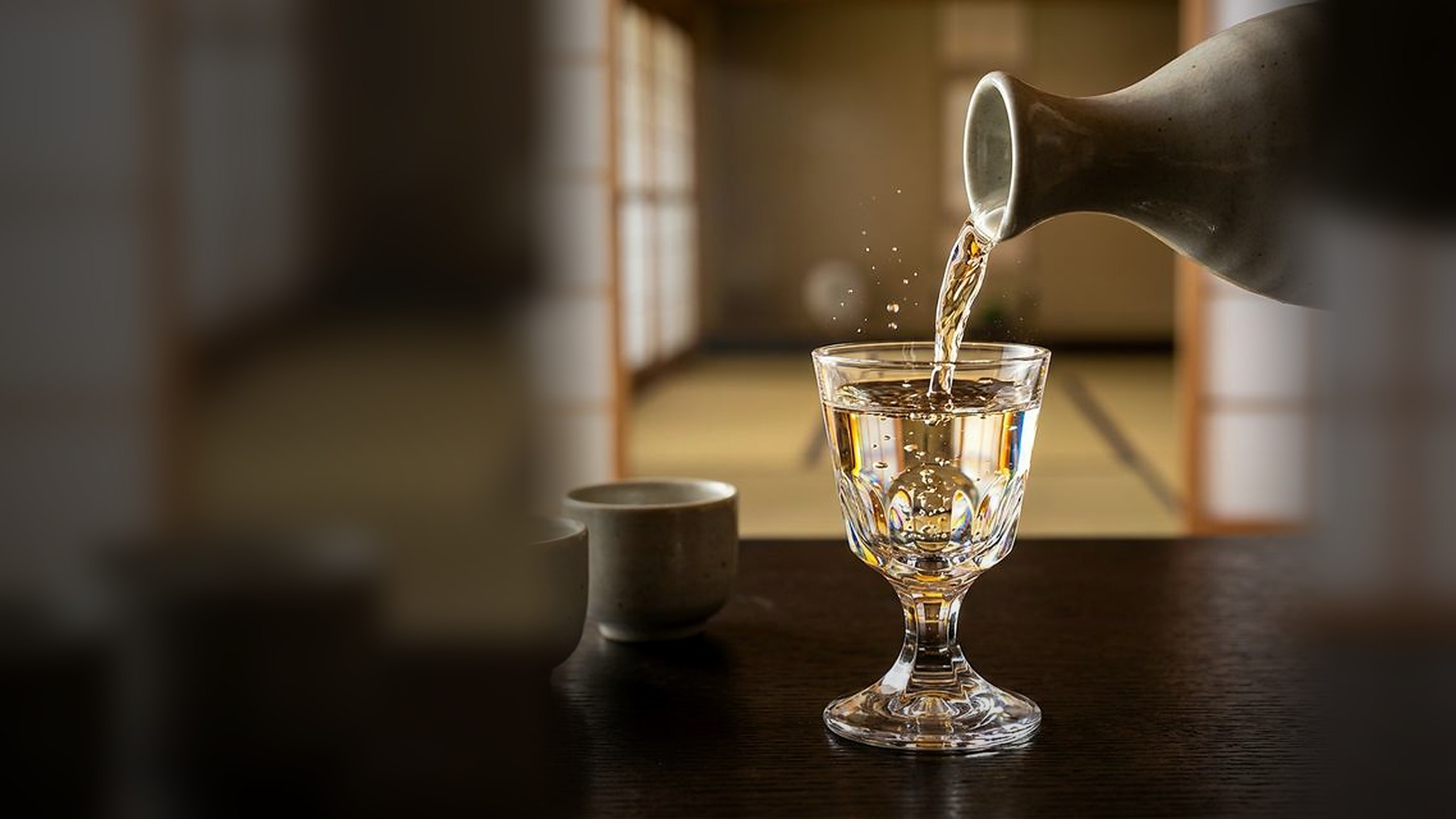
All you need is a clean wine glass (or tasting glass), white paper or a tablecloth for checking color, and a notebook. No qualifications, no expensive equipment. Optimal sake temperature is 10-15°C — about five minutes out of the fridge. Over-chilling suppresses the volatility of aromatic compounds and drastically reduces how much the nose can tell you.

Professional tasters use the kiki-choko — a white cup with concentric blue rings painted on the inside bottom. The white field shows the hue; the border with the blue reveals clarity. At home, however, a wine glass is more than enough — in fact, the aroma pooling in the bowl makes differences easier for beginners to catch.

Quick Specs & 2026 Rating Summary

Core thesis
A systematic, repeatable method in three steps — color, aroma, taste. The goal is acquiring vocabulary, not finding "right answers"
Scientific mechanism
Ginjo aroma comes from esters — ethyl caproate (apple) and isoamyl acetate (banana); aged color from the Maillard reaction; taste decomposed into five elements (sweetness, acidity, umami, bitterness, finish)
2026 global trend
Wine-glass service has become the world standard; sake sommelier courses are booming in Seoul, New York, and Paris
Benchmark bottles
A starter comparison set — Dassai (獺祭) 45 (aromatics), Hiroki (飛露喜) Tokubetsu Junmai (umami), Aramasa (新政) No.6 (acidity), Kokuryu (黒龍) (crispness)

Step 1: See the Color (Visual)

Pour the sake and hold the glass against a white background. A sake's color is its resume.

Nearly colorless — Common in young ginjo and daiginjo. A sign of low-temperature fermentation and careful filtration, promising fresh, light flavors.

Pale yellow — Common in junmai. Evidence that rice umami has thoroughly dissolved into the sake; expect substance and body.

Gold to amber — Aged sake and koshu. The Maillard reaction between sugars and amino acids deepens the color toward amber over time, promising caramel- and nut-like complexity.

Also check the sheen and, when you tilt the glass, the viscosity. Sake that leaves slow "legs" tends to be a rich, extract-heavy type.

Step 2: Smell the Aroma (Olfactory)

Gently swirl the glass and bring it to your nose — some 80 percent of a sake's character can be judged here. Four families make the aromas easy to organize.

Fruity (ginjo-ka) — Apple, banana, melon. These are esters produced by yeast during cold fermentation: apple notes from ethyl caproate, banana from isoamyl acetate. The signature of ginjo and daiginjo.

Grain-like — Fresh-steamed rice, mochi, nuts. Common in junmai, where rice and koji take the lead — a marker of food-friendliness.

Dairy — Yogurt, cheese, fresh cream. Characteristic of kimoto and yamahai, which harness lactic bacteria; warming opens up their expression.

Aged — Caramel, sherry, dried fruit, honey. Prominent in long-matured koshu, and a welcoming entry point for whisky and sherry lovers.

Step 3: Taste (Palate)

Take a small sip — about 10 ml — and roll it across the entire tongue. Focus on five elements.

Sweetness — Felt at the tip. From residual sugars and amino acids; the more negative the sake meter value (nihonshudo), the sweeter it tends to read.

Acidity — Felt on the sides. The freshness and dimension of lactic, malic, and succinic acids; modern-style brewers design this acidity deliberately.

Umami — Spreads from mid-palate to throat. The richness of koji-derived amino acids — the element that makes sake sake.

Bitterness — A subtle note at the back of the tongue. In small doses, a fine supporting actor that adds complexity and definition to the finish.

Finish — How long flavors linger after swallowing. The longer aromas and flavors take to fade beautifully, the higher the quality is generally judged — the same concept as a wine's finish.

Bonus Step: How Temperature Changes Everything

Once the three steps feel natural, try tasting the same sake at different temperatures. Sake is rare among the world's drinks in changing its expression every 5°C. Chilled to around 5°C, aromas close up and a sharp crispness dominates; at 10-15°C, ginjo aromatics open most beautifully; at room temperature (around 20°C), umami and sweetness swell; and at 40°C (nurukan), amino-acid umami blooms all at once.

The reason is twofold: temperature changes how readily aromatic compounds volatilize, and the perception of sweetness and umami is itself temperature-dependent — the human tongue reads sweetness most strongly near body temperature. That is why the same sake tastes drier cold and rounder warm. Enjoying so many faces from a single bottle is a privilege unique to sake, with its exceptionally wide serving range of 5-55°C for a brewed beverage. Always note the temperature in your tasting log.

Writing Tasting Notes

Record in order: appearance → aroma → palate → overall impression. At first, simple words are fine — "apple-ish," "smells like rice." Note the brand, polishing ratio, temperature, and what you ate alongside; by the time you have logged a few dozen bottles, the contours of your own taste will be unmistakable.

And the most important thing: did YOU enjoy it? Critics' scores and label credentials are mere reference material before the verdict of your own tongue. There are no wrong answers in tasting.

A Working Tasting Sheet — and Your First Five Bottles

Once you know the theory, all that remains is comparative drinking. Assemble five bottles of genuinely different types and sake's coordinate system enters your body in a single evening. Here is the blueprint.

TypeExample BottlesWhat This Bottle TeachesTemperature
Aromatic (ginjo-ka)Dassai 45, Kokuryu DaiginjoEthyl caproate's apple and melon tones10C
Juicy (sweet-sour)Jikon Tokubetsu Junmai, KankikuThe modern balance of sweetness and acid8-10C
Acid-driven (modern)Aramasa No.6, Modern SenkinThe dimensionality of lactic and citrus acidity8-10C
Umami (classic)Hiroki Tokubetsu Junmai, Daishichi KimotoThe traditional architecture of rice umami and a dry finishBoth 15C and 40C
Outlier (aged, nigori, etc.)Daruma Masamune koshu, Tsuki no Katsura nigoriHow wide sake's expressive range truly isDepends on type

The Recording Template: Five Fields Are Enough

Appearance
Clear / faintly gold / cloudy — one word
Nose
Which leads — fruit, grain, or maturation — and how loudly
Palate
The two most memorable of sweet, sour, umami, bitter
Finish
Short / medium / long
Would you drink it again?
A five-star rating — ultimately the most important data point

The Protocol for Comparative Tasting

1
Use identical glasses for every sake and every taster — matching wine glasses are ideal
2
Pour in order: aromatic, then acid-driven, then umami, then outliers — strongest aromas last
3
Taste the first round blind, the second with labels and specs in view; the pleasure of checking your answers is what makes learning stick
4
Keep water and plain crackers between pours — differences only show on a reset palate
1,215 Breweries · 2,891 Labels · Neutral Archive
Linked from 1,215 Breweries · 2,891 Labels · 8,673 Reviews

Featured Breweries, Specs & Flavor Balance

Flagship LabelBrewery & RegionSignature Rice & WaterBrewery Profile
DassaiDassai Inc. (Asahi Shuzo Co., Ltd.) (2167-4 Osogoe, Shuto-cho, Iwakuni-shi, Yamaguchi 742-0422, Japan)Yamada Nishiki (100% Exclusive Use) · Osogoe Natural Subterranean Soft Water (Shuto-cho, Iwakuni)Brewery Profile
HirokiHiroki Shuzo Honten Co., Ltd. (Ko 3574 Shichuniban, Aizubange-machi, Kawanuma-gun, Fukushima 969-6543, Japan)Yamadanishiki, Gohyakumangoku, Omachi, Fukunoka, Yumenoka · Subsurface snowmelt water from the Mt. Iide range in the Aizu Basin (soft water)Brewery Profile
AramasaAramasa Co., Ltd. (6-2-35 Omachi, Akita-shi, Akita 010-0921, Japan)Pesticide-Free & Estate-Grown Akita Rice (Kairyo Shinko, Rikuu No. 132, Misato Nishiki, Akita Sakekomachi) · Mount Taihei Subterranean Soft Water (Akita City)Brewery Profile
KokuryuKokuryu Sake Brewing Corporation (1-38 Matsuoka-Kasuga, Eiheiji-cho, Yoshida-gun, Fukui 910-1133, Japan)Hyogo Tojo Yamada Nishiki, Fukui Sakahomare, Gohyakumangoku, Koshinoshizuku · Mt. Hakusan Range & Kuzuryu River Subterranean Soft WaterBrewery Profile
JikonKiyasho Sake Brewery Co., Ltd. (314-1 Honmachi, Nabari-shi, Mie 518-0726, Japan)Yamadanishiki, Aiyama, Omachi, Hattannishiki, Senbonnishiki · Subsurface water from the Nunobiki mountain range (brewery well water, soft water)Brewery Profile
SenkinSenkin Co., Ltd. (106 Baba, Sakura-shi, Tochigi 329-1321, Japan)Domaine Sakura Estate-Grown Rice (Kamenoo, Yamada Nishiki, Omachi) · Kinugawa River System Subterranean Ultra-Soft Water (Domaine Aquifer)Brewery Profile
DaishichiDaishichi Sake Brewery Co., Ltd. (1-66 Takeda, Nihonmatsu-shi, Fukushima 964-0904, Japan)Yamadanishiki, Gohyakumangoku, Yumenoka (100% Super-Flat Rice Polishing) · Mt. Adatara subterranean spring water and Hikage well water (medium-hard water)Brewery Profile
Daruma MasamuneShiraki Tsunesuke Shoten Co., Ltd. (61 Kadoyamon, Gifu-shi, Gifu 501-2528, Japan)Nihonbare, Hidahomare, and Yamada Nishiki (Bespoke Vintage Aging Mash) · Nagara River Tributary Mugigawa Subterranean Soft WaterBrewery Profile
Tsuki no KatsuraMasuda Tokubee Shoten Co., Ltd. (135 Shimotoba Osadacho, Fushimi-ku, Kyoto-shi, Kyoto 612-8471, Japan)Iwai, Yamadanishiki, Gohyakumangoku, Asahi · Famous Fushimi Water, Momoyama Hills Subsurface Water (soft water pumped from 80m underground)Brewery Profile
Tsuki no KatsuraMoriyama Sake Brewery (1067-1 Oho, Ogori-shi, Fukuoka 838-0115, Japan)Fukuoka Yamada Nishiki, Yumeikkon · Homan River & Chikugo River Subterranean Water (Soft Water)Brewery Profile
2167-4 Osogoe, Shuto-cho, Iwakuni-shi, Yamaguchi 742-0422, Japan · Dassai Inc. (Asahi Shuzo Co., Ltd.) (Est. 1948)
Dassai安定フルーティガス
Osogoe Natural Subterranean Soft Water (Shuto-cho, Iwakuni) Yamada Nishiki (100% Exclusive Use) Proprietary Cultured Ginjo Yeast (Kyokai No. 9 & No. 1801 Strains)

From the mountain valleys of Iwakuni, Yamaguchi, Dassai revolutionized global sake through data-driven precision brewing and ultra-polished Yamada Nishiki rice. Led by the iconic Dassai 23, its opulent aromas of white peach and Poire Williams, silky-smooth mid-palate, and crystalline finish pair effortlessly with fine Edomae sushi and Michelin-starred French cuisine.

Flavor Balance (1–5 Rice Grains)Shows which flavor direction the balance leans toward (1 to 5 rice grains), never a quality rank or score.
Serving & Glassware:Recommended Temperature: 10–13°C (Chilled / Hanabie to Suzubie) / Recommended Glassware: Thin-rimmed, medium-bowled white wine glass (such as Riedel O Daiginjo). Avoid over-chilling below 6°C so the delicate esters are not muted. Upon pouring, experience crystalline purity from Osogoe Natural Subterranean Soft Water (Shuto-cho, Iwakuni) and lifted orchard-fruit aromatics; after 15 minutes as the glass warms to 14°C, silky Yamada Nishiki (100% Exclusive Use) mid-palate umami opens gracefully.
Global Gastronomy Pairings
• Shimonoseki wild tiger pufferfish tessa wrapped around Yasuoka green onion and kelp-cured Hagi tilefish
• Dry-aged Korean wild sea bream hoe and chilled king prawn salad (daeha-naengchae) in pine-nut sauce
• Poached lobster tail and white asparagus warm salad with yuzu-infused citrus hollandaise
“Returning to Dassai 23 after years of drinking geeky craft sake reminds you just how astonishingly pure and regal it is. Honeyed melon and floral notes glide across the palate before vanishing into a water-pure finish.”
Domestic Review · SAKETIME / 国内口コミ吟醸香マイスター
“The most requested luxury sake in our Paris dining room. The elegance achieved from Yamada Nishiki polished down to 23% creates a transcendent pairing with poached blue lobster and caviar, rivaling prestige Champagne.”
Global Sommelier · Vivino / Global SakeClaire Laurent
“Opened a bottle of Dassai Beyond for visiting international guests. The moment it hit the Riedel glasses, the entire table lit up with floral perfume—an undeniable superstar bottle.”
SNS Buzz · X (Twitter) / Instagram@tokyo_gourmet_note
Ko 3574 Shichuniban, Aizubange-machi, Kawanuma-gun, Fukushima 969-6543, Japan · Hiroki Shuzo Honten Co., Ltd. (Est. 1892)
Hirokiバランス旨味フルーティ
Subsurface snowmelt water from the Mt. Iide range in the Aizu Basin (soft water) Yamadanishiki, Gohyakumangoku, Omachi, Fukunoka, Yumenoka Kyokai No. 9 strain yeast, Utsukushima Yume Yeast (F7-01)

Named 'Droplets of Joy Flying Forth,' 9th-generation brewer Kenji Hiroki ignited Japan's unfiltered unpasteurized (muroka nama genshu) boom and propelled Fukushima to national acclaim. Combining polished Yamadanishiki for mid-palate depth and Gohyakumangoku for crisp structure, it delivers fresh lychee and pear aromatics with vibrant acidity that pairs effortlessly with seasonal sashimi and charcoal-grilled yakitori.

Flavor Balance (1–5 Rice Grains)Shows which flavor direction the balance leans toward (1 to 5 rice grains), never a quality rank or score.
Serving & Glassware:Recommended Temperature: 10–13°C (Chilled / Hanabie to Suzubie) / Recommended Glassware: Thin-rimmed, medium-bowled white wine glass (such as Riedel O Daiginjo). Avoid over-chilling below 6°C so the delicate esters are not muted. Upon pouring, experience crystalline purity from Subsurface snowmelt water from the Mt. Iide range in the Aizu Basin (soft water) and lifted orchard-fruit aromatics; after 15 minutes as the glass warms to 14°C, silky Yamadanishiki, Gohyakumangoku, Omachi, Fukunoka, Yumenoka mid-palate umami opens gracefully.
Global Gastronomy Pairings
• Aged Joban coastal flounder sashimi and Aizu white asparagus & kuruma prawn tempura with mountain salt
• Dry-aged Korean wild sea bream hoe and chilled king prawn salad (daeha-naengchae) in pine-nut sauce
• Poached lobster tail and white asparagus warm salad with yuzu-infused citrus hollandaise
“Hiroki Tokubetsu Junmai Namazume never fails to astonish. Subtle on the nose yet explosive on the palate with juicy orchard fruit, supple rice sweetness, and a razor-clean finish—it remains the eternal benchmark for modern Tokubetsu Junmai.”
Domestic Review · SAKETIME 福島県ランキング 最上位常連Aizu_Sake_Meister
“Hiroki Junmai Daiginjo captivates with its poised, muscular structure rather than ostentatious aromatics. Evoking a Premier Cru white Burgundy in its mineral tension and depth, it pairs brilliantly with pan-seared lobster and scallop carpaccio.”
Global Sommelier · International Sake Challenge / VivinoMarcus Chen, DipWSET
“Popped the once-a-year Hiroki Tokubetsu Junmai Kasumizake! The delicate lees lend a creamy texture balanced by lively new-season effervescence and a noble, dry finish—our 720ml bottle vanished in record time.”
SNS Buzz · Instagram / X (Twitter)@tokyo_sakagura_log
6-2-35 Omachi, Akita-shi, Akita 010-0921, Japan · Aramasa Co., Ltd. (Est. 1852)
Aramasaガス酸味ワイン
Mount Taihei Subterranean Soft Water (Akita City) Pesticide-Free & Estate-Grown Akita Rice (Kairyo Shinko, Rikuu No. 132, Misato Nishiki, Akita Sakekomachi) Kyokai No. 6 Yeast (Birthplace Brewery, 100% Exclusive Use)

As the birthplace of Kyokai No. 6 yeast, Aramasa represents the pinnacle of modern sake brewing through 100% kimoto fermentation in cedar vats using exclusively Akita-grown rice. Its vibrant citrus acidity, low-alcohol elegance, and silky sweetness evoke fine white Burgundy, pairing effortlessly with sashimi, crudo, and modern gastronomy.

Flavor Balance (1–5 Rice Grains)Shows which flavor direction the balance leans toward (1 to 5 rice grains), never a quality rank or score.
Serving & Glassware:Recommended Temperature: 10–14°C (Cool Cellar) & 42–45°C (Bain-Marie Warmed / Nurukan) / Recommended Glassware: Thin-rimmed white Burgundy or Riedel O Daiginjo wine glass. Right after opening at 10°C, savor the vibrant micro-effervescence and taut lactic/citric tension shaped by Mount Taihei Subterranean Soft Water (Akita City); after 15 minutes as it reaches 14°C, multi-dimensional Pesticide-Free & Estate-Grown Akita Rice (Kairyo Shinko, Rikuu No. 132) umami and savory kimoto complexity blossom.
Global Gastronomy Pairings
• Charcoal-grilled Hinai-jidori chicken kiritanpo hotpot and smoked iburigakko with sake-lees cream cheese
• Charcoal-seared Hanwoo 1++ brisket point (chadolbagi) paired with aromatic minari and chilled dongchimi radish
• Pan-roasted Breton blue lobster with Champagne, tarragon, and cultured butter beurre blanc
“Opened a bottle of No. 6 X-type and was floored by the burst of Shine Muscat and white peach aromatics, backed by multi-dimensional kimoto acidity and crystalline purity from cedar vat fermentation. An absolute masterpiece of contemporary Japanese brewing.”
Domestic Review · SAKETIME / 国内口コミ六号酵母の求道者
“A revelation for Burgundy and Champagne lovers: laser-focused lactic and malic tension, delicate wooden-vat complexity, and incredible concentration at just 13% ABV. Pairs brilliantly with Dover sole and shellfish.”
Global Sommelier · Vivino / Fine Wine & SakeMarc L.
“Finally scored Amaneko and Ecru through a bottle shop lottery! That lively micro-effervescence on opening and bright, juicy sweet-tart balance is unmatched—turned my wine-drinking friends into instant sake fanatics.”
SNS Buzz · X (Twitter) / Reddit r/Sake@tokyo_sake_hunter
1-38 Matsuoka-Kasuga, Eiheiji-cho, Yoshida-gun, Fukui 910-1133, Japan · Kokuryu Sake Brewing Corporation (Est. 1804)
Kokuryuメロン旨味フルーティ
Mt. Hakusan Range & Kuzuryu River Subterranean Soft Water Hyogo Tojo Yamada Nishiki, Fukui Sakahomare, Gohyakumangoku, Koshinoshizuku Proprietary In-House Cultured Yeast

Founded in 1804 in Eiheiji, Fukui, Kokuryu pioneered commercial luxury Daiginjo in Japan, uniting soft Kuzuryu River water with prized Tojo Yamada Nishiki and local Sakahomare rice. Legendary bottlings like Ishidaya, Nizaemon, Shizuku, and Hachijuhachigo deliver crystalline elegance that elevates Echizen snow crab and haute kaiseki.

Flavor Balance (1–5 Rice Grains)Shows which flavor direction the balance leans toward (1 to 5 rice grains), never a quality rank or score.
Serving & Glassware:Recommended Temperature: 10–13°C (Chilled / Hanabie to Suzubie) / Recommended Glassware: Thin-rimmed, medium-bowled white wine glass (such as Riedel O Daiginjo). Avoid over-chilling below 6°C so the delicate esters are not muted. Upon pouring, experience crystalline purity from Mt. Hakusan Range & Kuzuryu River Subterranean Soft Water and lifted orchard-fruit aromatics; after 15 minutes as the glass warms to 14°C, silky Hyogo Tojo Yamada Nishiki, Fukui Sakahomare, Gohyakumangoku, Koshinoshizuku mid-palate umami opens gracefully.
Global Gastronomy Pairings
• Iced Echizen snow crab sashimi and kelp-cured Wakasa guji (tilefish)
• Dry-aged Korean wild sea bream hoe and chilled king prawn salad (daeha-naengchae) in pine-nut sauce
• Wild sea bream carpaccio with bergamot olive oil, shaved bottarga, and micro herbs
“Kokuryu Daiginjo Shizuku and Hachijuhachigo—collected drop by drop via shizuku bag-hanging—glide effortlessly across the palate with noble white peach and melon aromatics. Sublime with Echizen crab.”
Domestic Review · SAKETIME / 国内口コミ大吟醸の求道者
“Kokuryu Ishidaya and Nizaemon belong at the same table as Grand Cru Montrachet—defined by weightless silk texture, profound purity, and an aristocratic finish.”
Global Sommelier · Vivino / Global SakeSébastien Girard
“Even beyond the ultra-rare flagships, everyday bottles like Kokuryu Icchorai and Junmai Ginjo deliver astonishing value with the same unmistakable Kuzuryu clarity and poise.”
SNS Buzz · X (Twitter) / Instagram@fukui_eshikoto_fan
314-1 Honmachi, Nabari-shi, Mie 518-0726, Japan · Kiyasho Sake Brewery Co., Ltd. (Est. 1818)
Jikonバランスガス旨味
Subsurface water from the Nunobiki mountain range (brewery well water, soft water) Yamadanishiki, Aiyama, Omachi, Hattannishiki, Senbonnishiki In-house cultured yeast (Kyokai No. 9 lineage)

Named after the Zen phrase 'living fully in the present moment,' Jikon by 6th-generation brewer Tadakatsu Onishi in Nabari, Mie stands at the absolute summit of modern sake. Radiant muscat and white peach aromatics, crystalline Nunobiki mountain soft-water sweetness, and electric acidity achieve a golden-ratio balance that enchants on its own or alongside Matsusaka Wagyu and fine sushi.

Flavor Balance (1–5 Rice Grains)Shows which flavor direction the balance leans toward (1 to 5 rice grains), never a quality rank or score.
Serving & Glassware:Recommended Temperature: 10–13°C (Chilled / Hanabie to Suzubie) / Recommended Glassware: Thin-rimmed, medium-bowled white wine glass (such as Riedel O Daiginjo). Avoid over-chilling below 6°C so the delicate esters are not muted. Upon pouring, experience crystalline purity from Subsurface water from the Nunobiki mountain range (brewery well water, soft water) and lifted orchard-fruit aromatics; after 15 minutes as the glass warms to 14°C, silky Yamadanishiki, Aiyama, Omachi, Hattannishiki, Senbonnishiki mid-palate umami opens gracefully.
Global Gastronomy Pairings
• Ise-Shima spiny lobster sashimi and chilled ginjo-steamed Matoya oysters
• Jeju silver belt-fish sashimi and delicate pan-fried scallop & cod jeon with citrus soy
• Poached lobster tail and white asparagus warm salad with yuzu-infused citrus hollandaise
“Jikon Tokubetsu Junmai Muroka Nama and Junmai Ginjo Aiyama deliver bursting freshness, translucent juicy sweetness, and a laser-precise acid line—the Platonic ideal of modern Japanese sake.”
Domestic Review · SAKETIME / 国内口コミ日本酒マイスター
“One of the most coveted cult sakes among global sommeliers; the contrast between silky Nunobiki soft-water texture and vibrant acidity commands the spotlight at any Michelin table.”
Global Sommelier · Vivino / Global SakeAlexander Sterling
“How Toji Tadakatsu Onishi translates every rice variety—from Iga Yamada Nishiki to Sakemirai and Hakutsuru Nishiki—through Jikon's golden balance is pure wizardry.”
SNS Buzz · X (Twitter) / Instagram@jikon_chronicles
106 Baba, Sakura-shi, Tochigi 329-1321, Japan · Senkin Co., Ltd. (Est. 1806)
Senkinガス酸味甘酸っぱい
Kinugawa River System Subterranean Ultra-Soft Water (Domaine Aquifer) Domaine Sakura Estate-Grown Rice (Kamenoo, Yamada Nishiki, Omachi) Ambient Brewery Yeast (No Added Yeast), Tochigi Prefectural Yeast

Pioneering the 'Domaine' terroir concept in Tochigi using estate-grown Kamenoo, Yamada Nishiki, and Omachi rice irrigated by the same ultra-soft Kinugawa aquifer as its brewing water, Senkin crafts natural sake through 100% kimoto fermentation in cedar vats with minimal rice polishing. Vibrant green apple and muscat tartness intertwines with savory wood-aged minerality, making it an extraordinary match for French seafood dishes, soft bloomy-rind cheeses, and herb-driven appetizers.

Flavor Balance (1–5 Rice Grains)Shows which flavor direction the balance leans toward (1 to 5 rice grains), never a quality rank or score.
Serving & Glassware:Recommended Temperature: 10–14°C (Cool Cellar) & 42–45°C (Bain-Marie Warmed / Nurukan) / Recommended Glassware: Thin-rimmed white Burgundy or Riedel O Daiginjo wine glass. Right after opening at 10°C, savor the vibrant micro-effervescence and taut lactic/citric tension shaped by Kinugawa River System Subterranean Ultra-Soft Water (Domaine Aquifer); after 15 minutes as it reaches 14°C, multi-dimensional Domaine Sakura Estate-Grown Rice (Kamenoo, Yamada Nishiki, Omachi) umami and savory kimoto complexity blossom.
Global Gastronomy Pairings
• Charcoal-grilled Tochigi Wagyu tenderloin with tamari-sansho glaze and dashi-simmered kanpyo
• Crispy-scaled Jeju tilefish (okdom) and creamy abalone liver (geu) rice porridge risotto
• Pan-roasted Breton blue lobster with Champagne, tarragon, and cultured butter beurre blanc
“Beyond the signature juicy malic-acid brightness that made Modern Senkin famous, the recent return to Edo-era kimoto and cedar-vat methods has added remarkable mid-palate depth and structural grip. As it warms from chilled to cellar temperature, the wild, earthy umami of local Kamenoo rice blossoms beautifully.”
Domestic Review · SAKETIME / 国内口コミ東京・日本酒ペアリング研究家
“The single easiest sake to introduce to French natural wine collectors. With genuine single-aquifer Domaine terroir and electric Riesling-like acidity balanced by gentle lactic creaminess, it pairs effortlessly with pan-seared scallops and lobster.”
Global Sommelier · Vivino / Wine & Sake SommelierJulien M., Paris Sommelier
“Did a side-by-side tasting of Senkin Organic Nature and Classic Kame-no-O—unbelievable how a 90%+ rice polishing ratio can taste this luminous, brisk, and silky. The sweet-tart citrus snap and minimalist bottle design make it an instant favorite.”
SNS Buzz · X (Twitter) / Instagram@nat_sake_tokyo
1-66 Takeda, Nihonmatsu-shi, Fukushima 964-0904, Japan · Daishichi Sake Brewery Co., Ltd. (Est. 1752)
Daishichi燗酒熱燗旨味
Mt. Adatara subterranean spring water and Hikage well water (medium-hard water) Yamadanishiki, Gohyakumangoku, Yumenoka (100% Super-Flat Rice Polishing) Kyokai No. 7 & No. 9 strain yeasts (Traditional Kimoto fermentation)

Dedicated exclusively to traditional Kimoto-method brewing since 1752 in Nihonmatsu, Daishichi revolutionized the craft with its proprietary 'ultra-flat rice polishing' (cho-henpei seimai) technology. Offering rich, creamy lactic depth, velvety texture, and complex savory resonance that blossoms from chilled to gentle warm (nurukan), its sakes pair majestically with grilled unagi, Wagyu steak, and aged Comté cheese.

Flavor Balance (1–5 Rice Grains)Shows which flavor direction the balance leans toward (1 to 5 rice grains), never a quality rank or score.
Serving & Glassware:Recommended Temperature: 15–18°C (Cellar Temp) or 40–43°C (Gentle Warmth / Nurukan) / Recommended Glassware: Wide-bowled Burgundy stem or artisanal Bizen/Karatsu stoneware cup. Cellar temperature (16°C) unlocks complex notes of toasted hazelnut, dried fig, and caramel matured from Mt. Adatara subterranean spring water and Hikage well water (medium-hard water) and Yamadanishiki, Gohyakumangoku, Yumenoka (100% Super-Flat Rice Polishing). Warming gently to 40°C seamlessly integrates its savory umami and velvety acidity alongside rich meats or aged cheeses.
Global Gastronomy Pairings
• Charcoal-seared Aizu heritage chicken and rich Fukushima monkfish dobujiru liver-miso stew
• Soy-marinated West Sea female blue crab (ganjang-gejang) rich in roe served with gamtae seaweed rice
• Roasted venison loin with cacao-peppercorn sauce Grand Veneur and black Perigord truffle risotto
“Tasted Daishichi Junmai Daiginjo Minowamon alongside the classic Daishichi Junmai Kimoto. Thanks to ultra-flat rice polishing, there is zero roughness—offering silky clarity when chilled and enveloping umami when gently warmed.”
Domestic Review · SAKETIME 生もと部門・福島県名門レビューKimoto_Kanzake_Master
“Daishichi Myoka Rangyoku possesses the complexity and persistence of aged Grand Cru white Burgundy or vintage Champagne. No other sake in the world stands up so effortlessly to game birds, black truffle, and foie gras.”
Global Sommelier · Kura Master / European Royal & Summit BanquetsJean-Luc Bernard, MOF Sommelier
“Few pleasures rival warming Daishichi Junmai Kimoto to 42°C on a winter evening alongside oden or simmered yellowtail. That such profound traditional craftsmanship remains an accessible daily bottle is a national treasure.”
SNS Buzz · X (Twitter) / Reddit r/Sake@kanzake_philosophy
61 Kadoyamon, Gifu-shi, Gifu 501-2528, Japan · Shiraki Tsunesuke Shoten Co., Ltd. (Est. 1835)
Daruma Masamune紹興酒カラメル燗酒
Nagara River Tributary Mugigawa Subterranean Soft Water Nihonbare, Hidahomare, and Yamada Nishiki (Bespoke Vintage Aging Mash) Kyokai Yeast (Rich-Bodied Fermentation for Long-Term Vintage Maturation)

Founded in 1835 in northern Gifu City inside Registered Tangible Cultural Property earthen storehouses, Shiraki Tsunesuke Shoten's Daruma Masamune is Japan's undisputed pioneer and global benchmark for long-aged vintage sake (koshu). Brewed specifically for multi-decade maturation using soft Mugi River / Nagara River subterranean water and rich mashes of Nipponbare, Hidahomare, and Yamada Nishiki rice, its vintages—spanning 3 to over 50 years—glow amber and ruby with opulent layers of burnt caramel, roasted hazelnut, dried fig, and warm spice. Pair it with marbled Hida Wagyu steak, tare-glazed unagi, Peking duck, aged Comté, or dark chocolate.

Flavor Balance (1–5 Rice Grains)Shows which flavor direction the balance leans toward (1 to 5 rice grains), never a quality rank or score.
Serving & Glassware:Recommended Temperature: 15–18°C (Cellar Temp) or 40–43°C (Gentle Warmth / Nurukan) / Recommended Glassware: Wide-bowled Burgundy stem or artisanal Bizen/Karatsu stoneware cup. Cellar temperature (16°C) unlocks complex notes of toasted hazelnut, dried fig, and caramel matured from Nagara River Tributary Mugigawa Subterranean Soft Water and Nihonbare, Hidahomare, and Yamada Nishiki (Bespoke Vintage Aging Mash). Warming gently to 40°C seamlessly integrates its savory umami and velvety acidity alongside rich meats or aged cheeses.
Global Gastronomy Pairings
• A5 Hida Wagyu grilled over Hoba magnolia miso and wild boar simmered in aged white miso
• Soy-marinated West Sea female blue crab (ganjang-gejang) rich in roe served with gamtae seaweed rice
• 24-month aged Comté cheese and Bresse chicken fricassée with morel mushrooms & Vin Jaune cream
“Opened Daruma Masamune 10-Year Aged alongside a birth-year single vintage. Because it is mashed specifically for long aging, the structure remains taut after decades—layering burnt caramel, black honey, and dried fig over bright acidity. Transcendent with Hida Wagyu sukiyaki or drizzled over vanilla ice cream.”
Domestic Review · SAKETIME / 国内口コミ熟成古酒の探求者
“A secret weapon on Michelin tasting menus for game birds, foie gras, and aged cheese boards. Daruma Masamune delivers the walnut, toffee, and rancio complexity of great Oloroso Sherry or aged Vouvray, yet with the unmistakable savory soul of rice.”
Global Sommelier · Vivino / Fine Wine & SakeAlexandre R.
“Daruma Masamune from Gifu completely transforms how you think about sake aging! Swirl it at room temperature in a brandy snifter, then warm it gently to 45°C to watch waves of toasted hazelnut, maple, and warm spice blossom.”
SNS Buzz · X (Twitter) / Instagram@koshu_vintage_lover
135 Shimotoba Osadacho, Fushimi-ku, Kyoto-shi, Kyoto 612-8471, Japan · Masuda Tokubee Shoten Co., Ltd. (Est. 1675)
Tsuki no Katsuraガス旨味甘味
Famous Fushimi Water, Momoyama Hills Subsurface Water (soft water pumped from 80m underground) Iwai, Yamadanishiki, Gohyakumangoku, Asahi Kyokai Yeast, Kyoto Yeast, Ambient Brewery Yeast

Founded in 1675 as one of Fushimi's oldest breweries, Masuda Tokubee Shoten pioneered the world's first sparkling nigori sake in 1964 with Tsuki no Katsura. Bottle-conditioned effervescence, bright orchard fruit aromatics, and a crisp, dry finish make its Daigokujo Nakagumi Nigori an iconic match for both Kyoto appetizers and spicy Asian cuisine.

Flavor Balance (1–5 Rice Grains)Shows which flavor direction the balance leans toward (1 to 5 rice grains), never a quality rank or score.
Serving & Glassware:Recommended Temperature: 5–8°C (Well-Chilled / Yukibie) / Recommended Glassware: Tall flute or thin-rimmed tulip Champagne stem. Chill thoroughly before opening to preserve pinpoint effervescence shaped by Famous Fushimi Water, Momoyama Hills Subsurface Water (soft water pumped from 80m underground). Immediately upon pouring, enjoy the vibrant spritz and lifted aromatics; after 10–15 minutes as it warms toward 10°C, silky Iwai, Yamadanishiki, Gohyakumangoku, Asahi umami and bright acid tension unfold across the mid-palate.
Global Gastronomy Pairings
• Kyoto kaiseki dashi soup of Tango tilefish & fresh yuba with blanched hamo pike conger and plum puree
• Tongyeong raw oyster bossam with delicate white baek-kimchi and pine nut emulsion
• Brittany raw oysters in Champagne gelee and creamy Pugliese burrata with ripe white peach
“Tsuki no Katsura Daigokujo Nakagumi Nigori shatters the stereotype that cloudy sake is heavy or sweet—lively bottle-fermented bubbles and a creamy yogurt note finish surprisingly crisp and dry.”
Domestic Review · SAKETIME洛南の酒徒
“Masuda Tokubee Shoten is not only the historic originator of sparkling nigori, but also a visionary in 10+ year aged Koshu and the 8% abv 'Kasegiatama', whose bright malic acidity dazzles Riesling lovers.”
Global Sommelier · Vivino / New York Times Wine & SakeOlivier P.
“Tsuki no Katsura Yanagi Junmai Ginjo showcases Fushimi's soft water and Kyoto-grown Iwai rice in a silk-textured pour that is pure perfection alongside Kyoto yudofu tofu and blanched pike conger.”
SNS Buzz · X (Twitter)@kyoto_sake_walk
1067-1 Oho, Ogori-shi, Fukuoka 838-0115, Japan · Moriyama Sake Brewery (Est. 1915)
Tsuki no Katsura食中酒旨味バランス
Homan River & Chikugo River Subterranean Water (Soft Water) Fukuoka Yamada Nishiki, Yumeikkon Kyokai No. 9 Yeast

The classic house label cherished in Ogori since 1915, offering gentle aromatics and comforting, food-friendly rice warmth. Brewed by Moriyama Sake Brewery in Fukuoka using Homan River & Chikugo River Subterranean Water (Soft Water) and Fukuoka Yamada Nishiki, Yumeikkon, it brings together versatile, cuisine-elevating table-sake poise, savory, resonant rice umami, harmonious balance of umami, acidity, and finish with memorable poise.

Flavor Balance (1–5 Rice Grains)Shows which flavor direction the balance leans toward (1 to 5 rice grains), never a quality rank or score.
Serving & Glassware:Recommended Temperature: 8–12°C (Crisp Chilled) or 45–48°C (Jokan Warmed) / Recommended Glassware: Narrow-tulip white wine stem, thin porcelain hirahai cup, or tin (suzu) vessel. Chilled to 9°C, Homan River & Chikugo River Subterranean Water (Soft Water) delivers razor-sharp mineral precision and a bone-dry finish; as it warms to 13°C—or when heated in a tin carafe to 45°C—savory Fukuoka Yamada Nishiki, Yumeikkon grain character emerges to frame coastal cuisine.
Global Gastronomy Pairings
• Live-cut Genkai Sea spear squid (yari-ika) sashimi and Hakata sesame-dressed mackerel (gomasaba)
• Busan Gijang conger eel & flounder sashimi alongside crispy seafood scallion jeon (haemul-pajeon)
• Mediterranean-style Acqua Pazza of line-caught white fish poached with clams, capers, and olives
“Tasted 'Tsuki no Katsura' by Moriyama Sake Brewery: opening with the pure touch of Homan River & Chikugo River Subterranean Water (Soft Water), it reveals savory layers from Fukuoka Yamada Nishiki, Yumeikkon and versatile, cuisine-elevating table-sake poise, savory, resonant rice umami, harmonious balance of umami, acidity, and finish before finishing with crisp precision.”
Domestic Review · SAKETIME / 国内口コミ銘酒居酒屋 利き酒記録
“Highly rated on global sake platforms for its poised structure shaped by Homan River & Chikugo River Subterranean Water (Soft Water) in Fukuoka, offering versatile, cuisine-elevating table-sake poise, savory, resonant rice umami, harmonious balance of umami, acidity, and finish that pairs seamlessly with sushi, sashimi, and contemporary cuisine.”
Global Sommelier · Vivino / Global SakeGlobal Sake Sommelier
“Loved on X and Instagram for its dynamic temperature evolution—showing crisp mineral clarity when chilled and generous Fukuoka Yamada Nishiki, Yumeikkon umami as it warms.”
SNS Buzz · X (Twitter) / Instagram@sake_tasting_tokyo

Recommended Pairing

White Fish Sashimi
The most delicate baseline — sake differences show most honestly beside it.
Yakitori with Salt
Moderate fat and char that clashes with nothing — the universal test bench.
Miso-Cured Cream Cheese
One bite reveals what umami-rich and aged sake can do — a tasting-night classic.
SakeStream
A neutral global sake editorial archive and database documenting 1,215 breweries, 2,891 labels, brewing water & rice provenance, and 8,673 verified tasting records without proprietary ranking tiers.
Weekly Sake Dispatch

Weekly Sake & Tasting Dispatch

Curated seasonal releases, sub-zero arrivals, and tasting city guides across global editions.
ArticlesBreweries