Shinkame Shuzo Co., Ltd.
Founded in 1848 in Hasuda City, Shinkame Shuzo made history in 1987 under visionary leader Yoshiyuki Ogawahara by becoming the very first post-war brewery in Japan to convert 100% of its production to pure rice (junmai) sake—completely eliminating added brewer's alcohol.
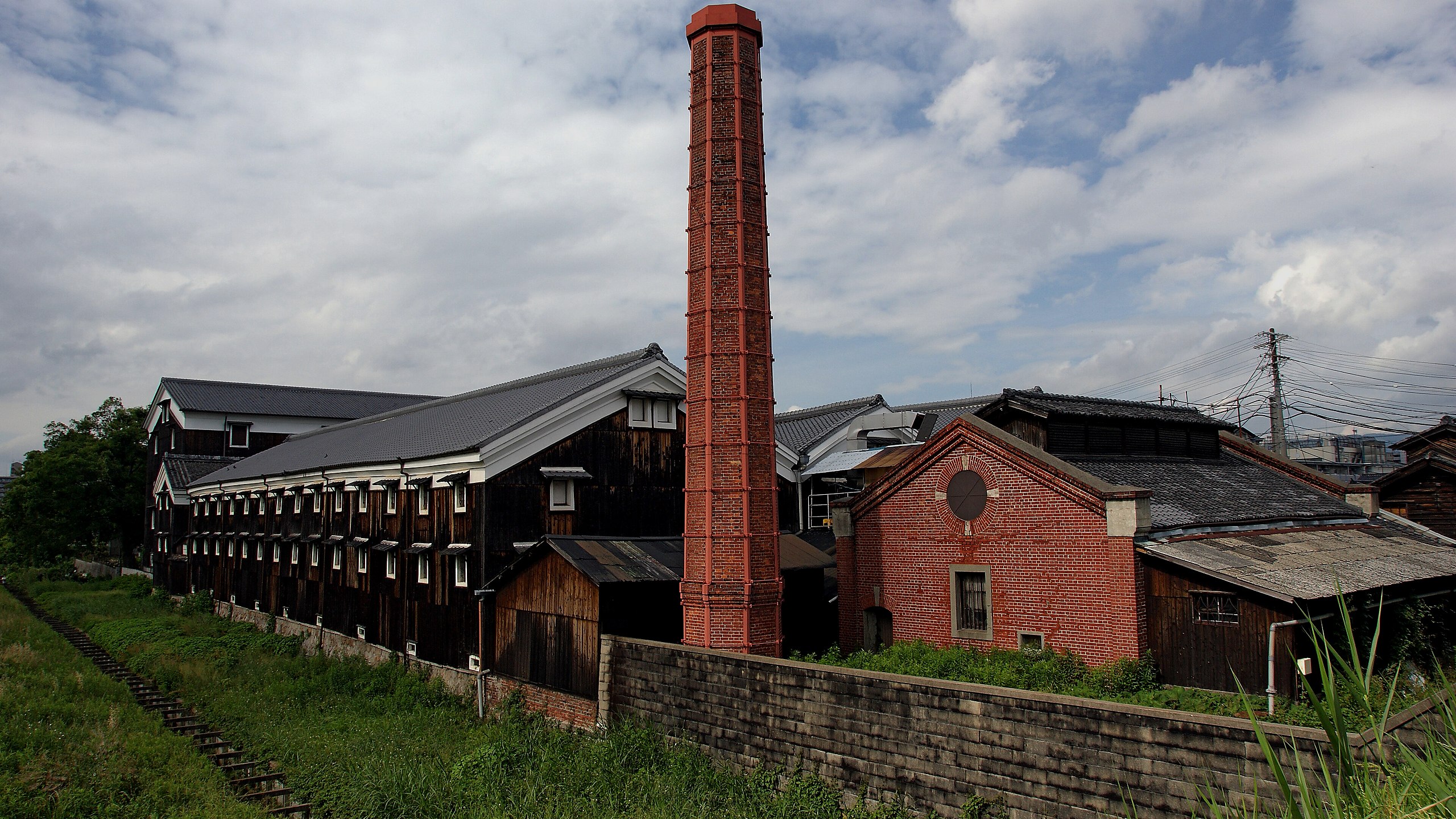
History & Brewing Heritage of Shinkame Shuzo Co., Ltd.
Founded in 1848 in Hasuda City, Shinkame Shuzo made history in 1987 under visionary leader Yoshiyuki Ogawahara by becoming the very first post-war brewery in Japan to convert 100% of its production to pure rice (junmai) sake—completely eliminating added brewer's alcohol. A revered pioneer of aged junmai and warm sake (kanzake) gastronomy, Shinkame matures all of its sakes for at least two to three years before release. Its flagship 'Shinkame' and long-aged 'Hikomago' blossom magnificently when gently warmed, delivering profound savory depth, nutty complexity, and unmatched culinary harmony.
Signature Brand Lineup & Yearly Flavor Profile
Select a Year (2022–2026) to explore how each harvest’s climate and rice quality shaped the 1–5 rice-grain flavor balance:
[2026BY Latest Vintage] Crafted with Chichibu Range & Arakawa Subterranean Water and fresh harvest rice, showcasing crystalline purity and vibrant acidity in flagship "".
Featured SakeStream Editorial Articles
Tasting Notes & Comments (12)
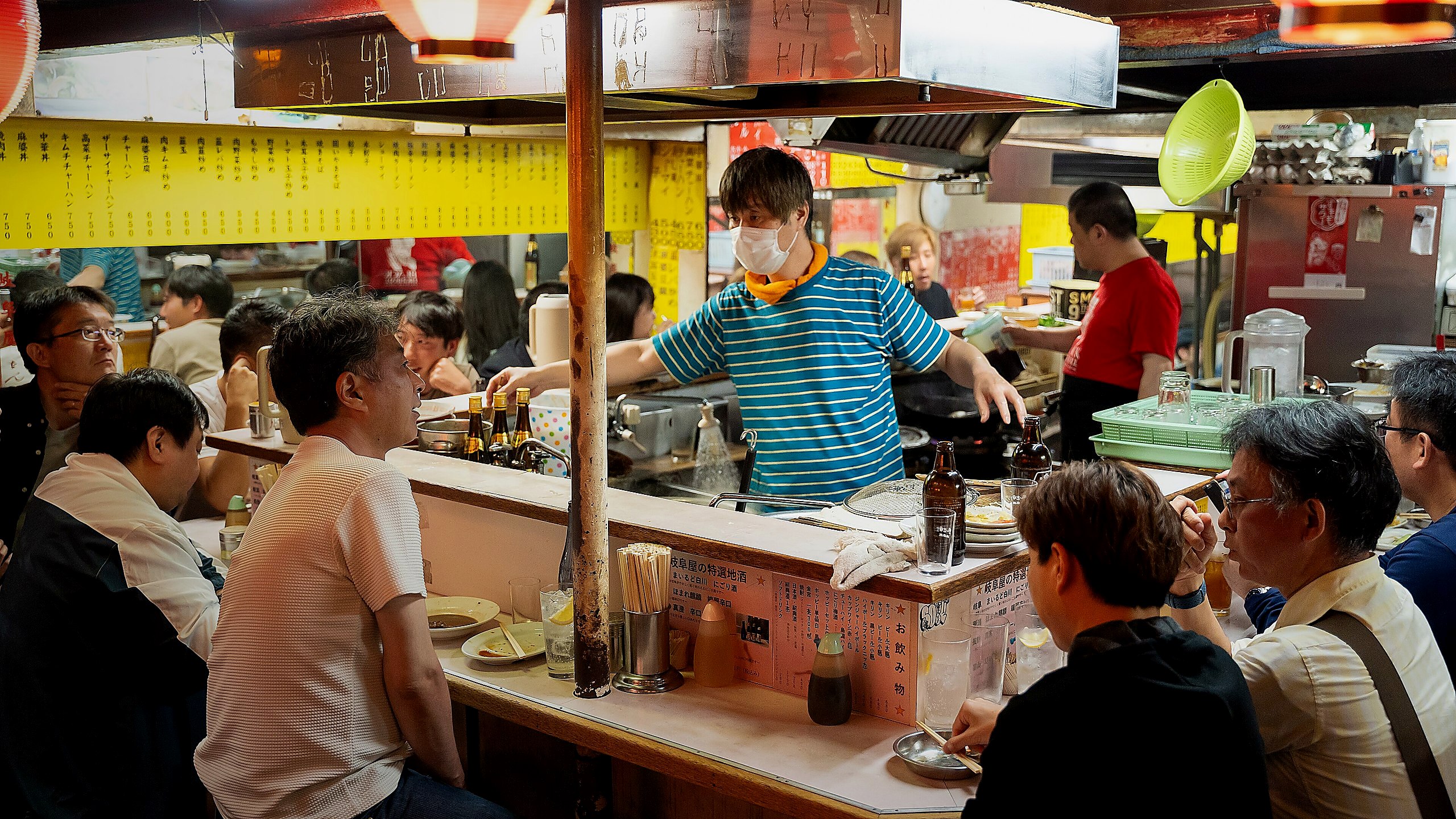
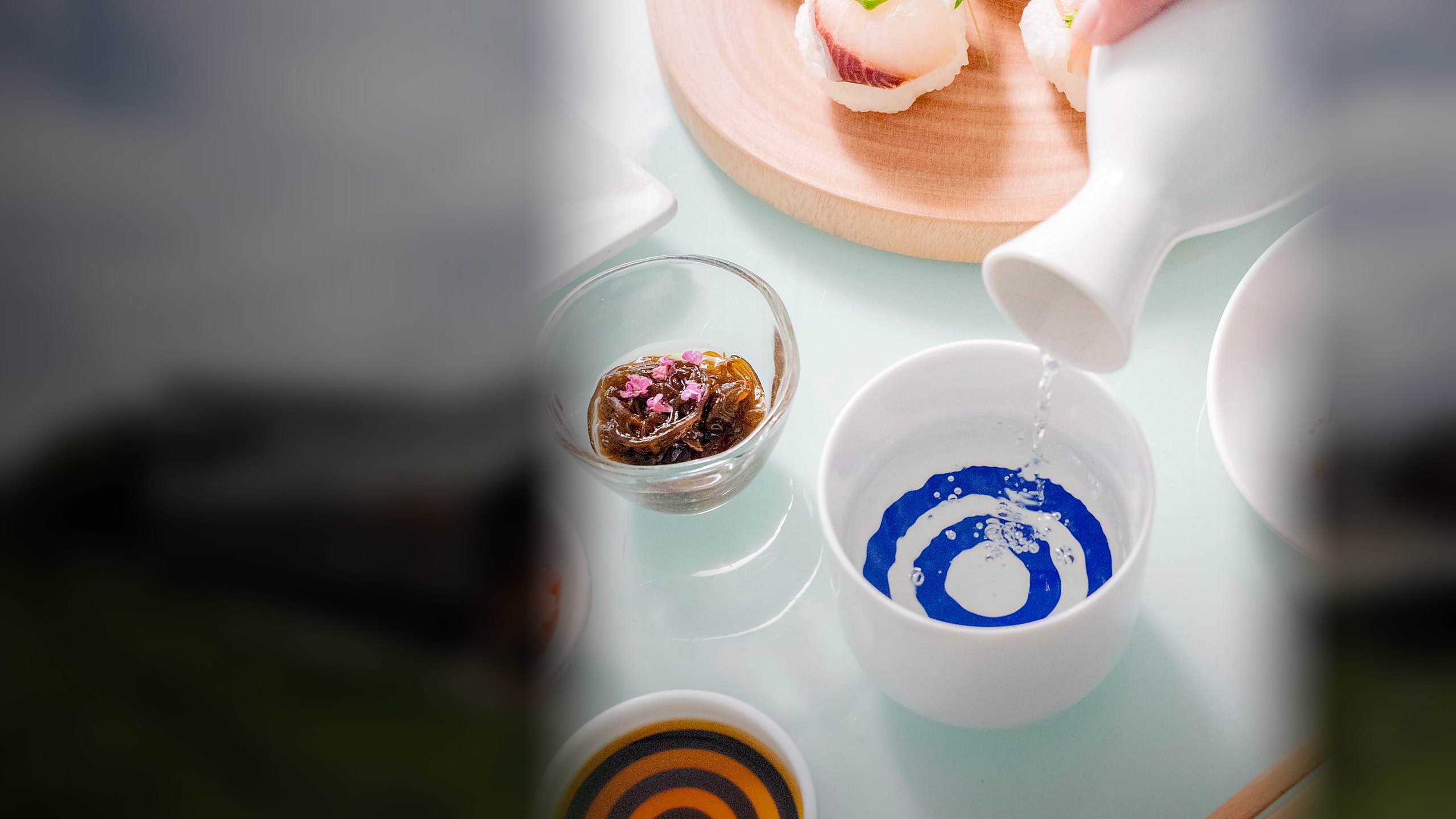
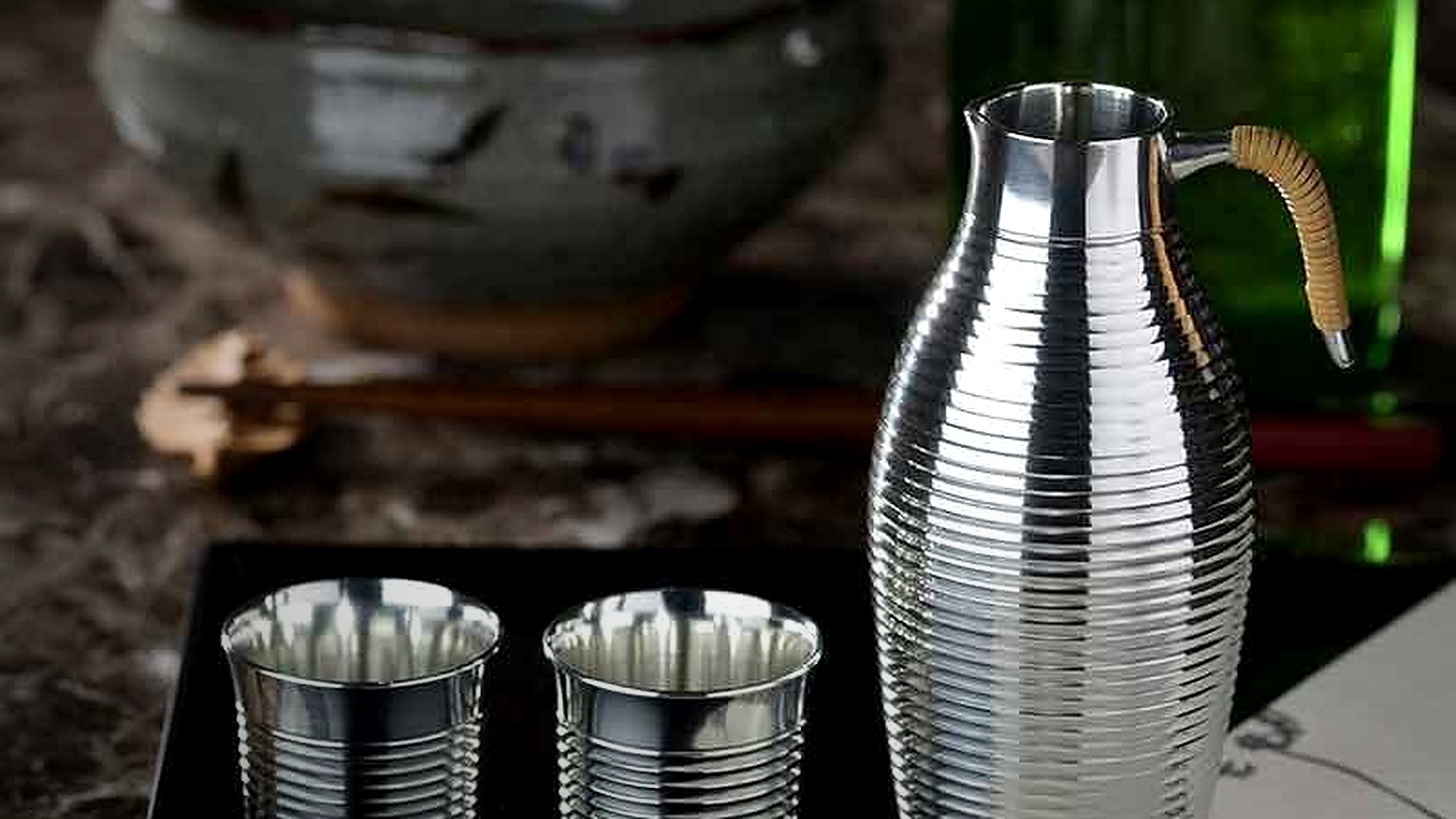
“Warmed both the classic 'Shinkame Tezukuri Junmai' and three-year-aged 'Hikomago' to 50°C and served them in a flat hirahai cup. Firm and muscular at room temperature, heat unlocks waves of toasted hazelnut, honeycomb, and savory roasted grain that melt into a bone-dry finish—unbeatable with kabayaki eel.”
“Possesses the savory, oxidative intrigue of Jura Vin Jaune or dry Amontillado while retaining razor-clean Japanese rice acidity. As postwar Japan's first 100% Junmai brewery, Shinkame offers a transcendent pairing for roasted game birds, black truffle, and aged Comté.”
“Shinkame from Hasuda, Saitama is the bottle that forever changed how I think about warm sake! Even their active sparkling nigori nama turned into hot 'kan-nigori' is an explosion of creamy, savory umami and lively fizz.”
“The signature long-aged junmai of Shinkame Shuzo, Hikomago glows light amber with roasted nut and caramel aromatics and velvety, time-mellowed rice umami.”
“Heated to 50-55C and served in a wide flat cup, its Chichibu subterranean water structure and layered rice richness bloom gloriously alongside broiled unagi, braised pork belly, and aged cheeses.”
“Ever since tasting it at a legendary kanzake bar, it's been my winter staple—the way its savory sweetness lingers as the cup cools (kanzamashi) is pure magic.”
“Polishing Special-A Yamadanishiki to 40% and fermenting it in Shinkame's bold, full-fermentation style, Senkame unites aristocratic aromatics with concentrated rice energy and firm acidity.”
“Unpasteurized releases pair lively micro-effervescence with plush umami, while matured bottlings turn into pure silk—magnificent alongside roast wagyu, fugu sashimi, and fine kaiseki.”
“The bottle that taught me the luxury of warming a Junmai Daiginjo—gently heated to body temperature (37C), its unfolding sweetness and endless finish are unforgettable.”
“Released each spring, Kotori no Saezuri layers the rich, chewy umami of Awa Yamadanishiki over lively unpasteurized freshness and bright, bird-song acidity.”
“Shows crisp green-apple and herb notes when chilled, then softens into creamy richness when gently warmed—superb with wild mountain-vegetable tempura and seared spring bonito.”
“Drawn in by the poetic name and bird illustration, I was floored by its authentic Shinkame depth—saving a bottle in the fridge until autumn is a yearly treat.”
Write a Review
Share your tasting notes and food pairings with sake lovers around the world.