[Decoding Sake Meter Value (SMV), Acidity & Amino Acids] Why "+5 = Dry" Is Outdated — How Sommeliers Predict Flavor from Technical Specs
Tasting

[Decoding Sake Meter Value (SMV), Acidity & Amino Acids] Why "+5 = Dry" Is Outdated — How Sommeliers Predict Flavor from Technical Specs

2026-10-219min readSakeStream
Back
EXECUTIVE SUMMARY & KEY TAKEAWAYS

For decades, drinkers were told that a positive Sake Meter Value (+5) meant "dry" and a negative number (-5) meant "sweet." In modern craft sake, why can a bottle with an SMV of -4 taste bone-dry and electric? Inside the NRIB Sweetness-Dryness equation and the three organic acids of sake.

Key Sections in This Report:

Why the Old "+5 = Dry, -5 = Sweet" Rule No Longer Works

Flip over a bottle of Japanese sake or scan the technical sheet at a specialty bar, and you will see three numbers printed side by side: Sake Meter Value / Nihonshu-do (e.g., +4.0), Acidity / Sando (e.g., 1.5), and Amino Acid Level / Aminosan-do (e.g., 1.0).

For decades, introductory textbooks repeated a simple rule of thumb: a positive Sake Meter Value (+) means dry (karakuchi), and a negative value (−) means sweet (amakuchi). Yet in 2026, anyone who drinks modern cult bottles like Kaze no Mori, Mimurosugi, Ubusuna, or Kankiku knows that a sake with an SMV of −4 or −6 can taste electric, crisp, and bone-dry on the finish. How is that possible? Let’s decode the brewing science behind all three numbers.


Part I: What Sake Meter Value (SMV / 日本酒度) Actually Measures

Despite its reputation, a Sake Meter (Nihonshu-do-kei) does not measure sweetness directly—it is a hydrometer that measures the specific gravity (density) of the liquid relative to pure water at 4°C (1.000):

Formula
SMV = (1 ÷ Specific Gravity at 15°C − 1) × 1443
Why Residual Sugar Drives SMV Negative (−)
Glucose and oligosaccharides dissolved from rice starch are heavier than water. The more unfermented sugar remains in the sake, the denser the liquid becomes, pushing the hydrometer up into negative (−) territory.
Why Alcohol Drives SMV Positive (+)
Ethanol has a specific gravity of roughly 0.79 (lighter than water). When yeast ferments nearly all the sugar into alcohol, the liquid becomes lighter than water, sinking the hydrometer into positive (+) territory.

While SMV tells you the approximate density of residual extract, human perception of sweetness vs. dryness is governed by the tug-of-war between sugar and ACIDITY.


Part II: The NRIB Sweetness-Dryness Equation & 4-Quadrant Matrix

At Japan’s National Research Institute of Brewing (NRIB), Dr. Makoto Sato and his research team analyzed hundreds of sensory panels against chemical metrics and derived the definitive Amakara-do (Perceived Sweetness/Dryness) Equation:

●
Amakara-do (Sweetness Index) = 193593 ÷ (1443 + SMV) − (1.16 × Acidity) − 132.57
●
Notan-do (Richness/Lightness Index) = 94368 ÷ (1443 + SMV) + (1.88 × Acidity) − 65.48

Look closely at the − (1.16 × Acidity) term. Every 1.0-point increase in Acidity subtracts 1.16 points of perceived sweetness—roughly equivalent to shifting the Sake Meter Value by +7 to +8 points toward dry! That is why a modern craft sake with an SMV of −3 and bright Acidity of 1.8 tastes far crisper and drier than an old-school sake with an SMV of +2 and flat Acidity of 1.1. Add natural micro-carbonation (gas-kan), and the finish tightens even further.
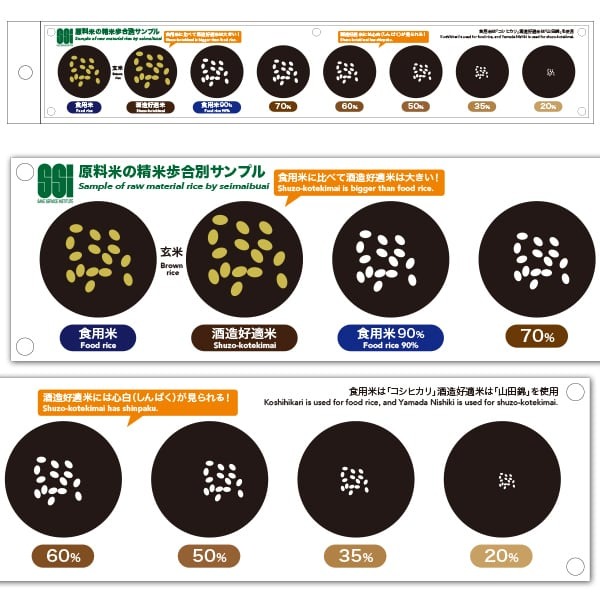
Beyond polishing ratios and raw hydrometer numbers: the living balance of sake rice and fermentation
4-Quadrant StyleTypical SMVTypical AcidityStructural & Sensory ProfileBenchmark Bottles (720ml Japan Retail)
Rich & Dry (Nojun Karakuchi)+2 to +81.6 to 2.2Fully attenuated sugar with bold lactic & succinic backboneShinkame Junmai (~¥1,870), Hiokizakura Kimoto
Light & Dry (Tanrei Karakuchi)+3 to +101.0 to 1.4Minimal residual extract & low amino acids; crisp, water-clean cutKubota Senju (~¥1,430), Hakkaisan Tokubetsu Honjozo
Rich & Juicy Modern (Nojun Umakuchi)−10 to ±01.6 to 2.5Lush fruit-like sweetness balanced by electric malic/lactic acid & CO₂Kaze no Mori ALPHA (~¥1,980), Aramasa No. 6 (~¥3,000)
Silky & Floral (Tanrei Amakuchi)−5 to +11.1 to 1.5Ultra-soft water & low amino acids yielding weightless silkinessTabika Junmai Ginjo (~¥2,200), Tenbi Hotaten (¥1,980 incl. tax)

Part III: Why Two Sakes with "Acidity 1.6" Taste Completely Different — The 4 Organic Acids

Even more important than the total acidity number (measured in mL of sodium hydroxide required to neutralize 10 mL of sake) is which organic acids make up that number:

#1

Malic Acid (リンゴ酸) — White-Wine Snap & Chilled Precision

Sensory Profile
The crisp, high-toned acid found in green apples and cool-climate Sauvignon Blanc. Strikes early on the tip of the tongue and vanishes cleanly—making it dazzling at 8–12°C.
Benchmark Bottles
Mimurosugi Dio Abita (Nara), Tenbi Hotaten (Yamaguchi), Ki-oku 14% Genshu (Aichi).
#2

Lactic Acid (乳酸) — Creamy Mid-Palate Spine

Sensory Profile
Abundant in Kimoto, Yamahai, and Bodaimoto sakes. Round, velvety, and savory, like cultured butter or yogurt, providing the structural weight needed for grilled meats and aged cheeses.
Benchmark Bottles
Aramasa No. 6 (Akita), Gensai Tokubetsu Junmai (Fukushima), Ubusuna (Kumamoto), Tachibanaya (Miyagi).
#3

Succinic Acid (コハク酸) — The Umami Acid of Shellfish

Sensory Profile
The exact organic acid responsible for the savory depth of clams (asari and hamaguri). While slightly astringent if served ice-cold, succinic acid blossoms explosively when warmed to 40–45°C (*nurukan*).
Benchmark Bottles
Gensai (served warm), Shinkame, matured Junmai.
#4

Citric Acid (クエン酸) — Electric Citrus Zest (White Koji)

Sensory Profile
Produced when brewers incorporate shiro-koji (white koji, traditionally used in shochu), delivering lemonade-like brightness.
Benchmark Bottles
Aramasa Amaneko (Akita), Senkin Senko Hanabi (Tochigi), Kankiku Denshogiku (Chiba).

Part IV: Amino Acid Level (アミノ酸度) — The Crystal Clarity vs. Savory Depth Dial

Finally, professional buyers always check Amino Acid Level (typically 0.7 to 1.8):

Low Amino Acids (0.7 – 1.0) = Crystal Transparency
Zero off-flavors and pure liquid silk. Mastered by Hayakawa Shuzo’s Tabika (Mie), Ugo no Tsuki (Hiroshima), and Shinshu Kirei (Nagano).
High Amino Acids (1.4 – 1.8+) = Brothy Umami Richness
Deep, savory complexity built for roast game, eel kabayaki, and miso dishes.
"Think of Sake Meter Value as the size of the canvas, Acidity as the architectural line drawing, and Amino Acids as the thickness of the oil paint. Only when you read all three together does the portrait inside the bottle come into focus." — Master Kikisakeshi & Sommelier Handbook

Many fourth-generation breweries now intentionally omit SMV and Acidity from their back labels so drinkers judge the sake by its live balance of organic acids, dissolved CO₂, and serving temperature rather than outdated "+/-" stereotypes.

1,215 Breweries · 2,891 Labels · Neutral Archive
Linked from 1,215 Breweries · 2,891 Labels · 8,673 Reviews

Featured Breweries, Specs & Flavor Balance

Flagship LabelBrewery & RegionSignature Rice & WaterBrewery Profile
KazenomoriYucho Sake Brewery Co., Ltd. (1160 Nakahonmachi, Gose-shi, Nara 639-2216, Japan)Akitsuho, Tsuyuhakaze, Yamadanishiki, Omachi · Deep subterranean water from the Mt. Kongo and Mt. Katsuragi range (hard water, approx. 214 mg/L)Brewery Profile
MimurosugiImanishi Sake Brewery Co., Ltd. (510 Miwa, Sakurai-shi, Nara 633-0001, Japan)Tsuyuhakaze, Yamadanishiki, Omachi · Subsurface water from sacred Mt. Miwa (medium-soft water)Brewery Profile
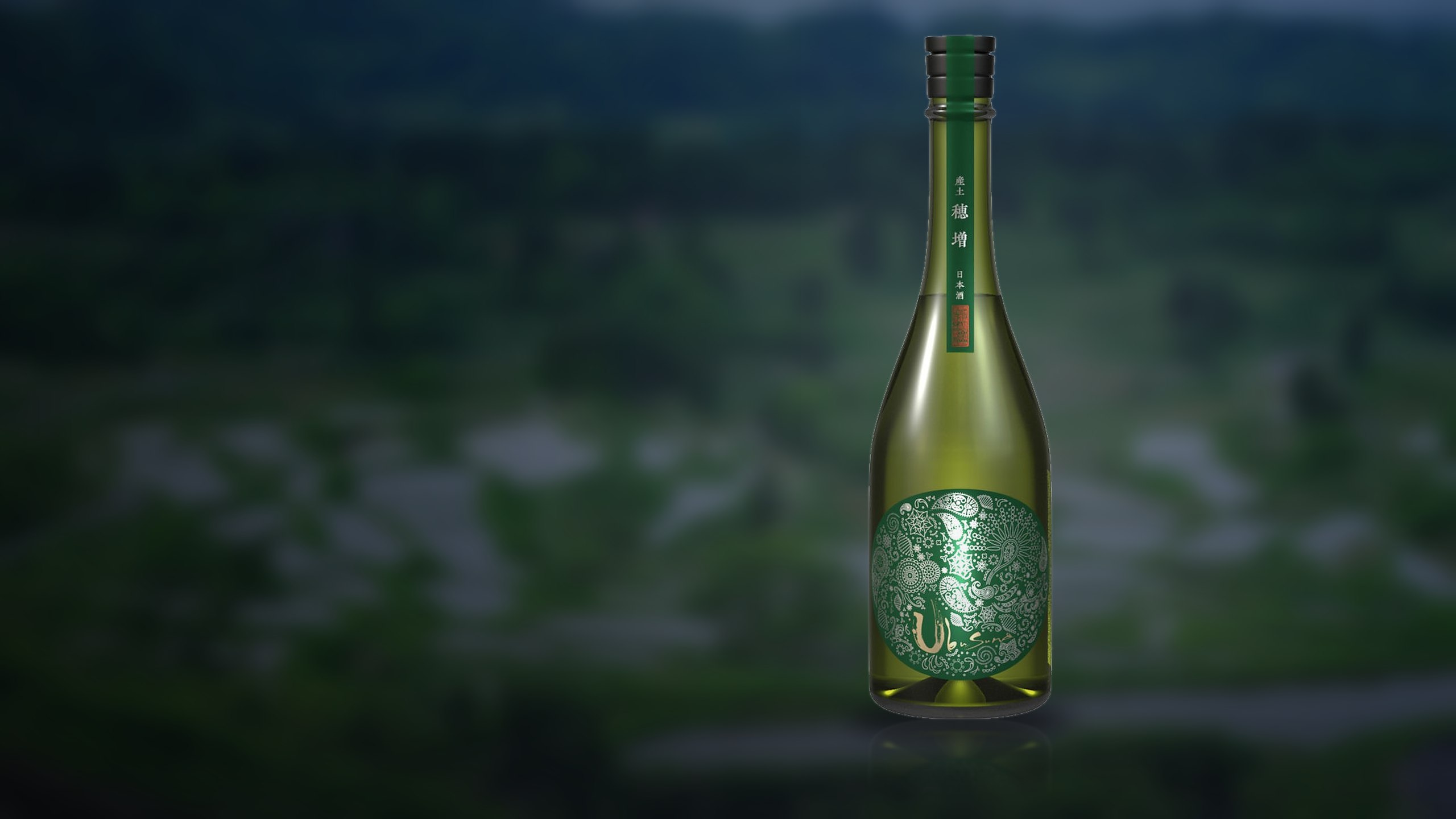
UbusunaHananoka Shuzo Co., Ltd. (2226-2 Nishiyoshiji, Nagomi-machi, Tamana-gun, Kumamoto 861-0906, Japan)Nagomi-machi Natural-Farmed Homase, Higo Kabashiko, Yamada Nishiki · Brewery Shrine Spring Water (Kikuchi River Basin Subterranean Water from the Former Bairin Tenmangu Well)Brewery Profile
ShinkameShinkame Shuzo Co., Ltd. (3-74 Magome, Hasuda-shi, Saitama 349-0101, Japan)Yamada Nishiki, Gohyaku Mangoku, Miyama Nishiki, Awa Yamada Nishiki, Omachi · Chichibu Paleozoic Subterranean Well WaterBrewery Profile
HiokizakuraYamane Sake Brewery Co., Ltd. (249 Otsubo, Aoya-cho, Tottori-shi, Tottori 689-0518, Japan)Goriki, Tamasakae, Yamada Nishiki, Torihime, Kamenoo · Subterranean mountain stream water from the foot of Mt. Hachibuse in the Hioki River basin (ultra-soft water)Brewery Profile
KubotaAsahi-Shuzo Sake Brewing Co., Ltd. (880-1 Asahi, Nagaoka-shi, Niigata 949-5494, Japan)Gohyakumangoku, Takane Nishiki, Koshitanrei (Estate & Local Contract Grown) · Takaramizu — Soft Subterranean Water from the Shibumi River BasinBrewery Profile
HakkaisanHakkaisan Brewery Co., Ltd. (1051 Nagamori, Minamiuonuma-shi, Niigata 949-7112, Japan)Yamada Nishiki, Gohyakumangoku, Miyama Nishiki, Koshitanrei · Raiden-sama no Shimizu — Ultra-Soft Snowmelt Spring Water of Sacred Mt. HakkaiBrewery Profile
AramasaAramasa Co., Ltd. (6-2-35 Omachi, Akita-shi, Akita 010-0921, Japan)Pesticide-Free & Estate-Grown Akita Rice (Kairyo Shinko, Rikuu No. 132, Misato Nishiki, Akita Sakekomachi) · Mount Taihei Subterranean Soft Water (Akita City)Brewery Profile
TabikaHayakawa Sake Brewery Co. (468 Ojima, Komono-cho, Mie-gun, Mie 510-1323, Japan)Kaminoho, Yamadanishiki, Omachi, Gohyakumangoku · Subsurface water from Mount Shakagatake in the Suzuka Mountains (soft water)Brewery Profile
TenbiChoshu Brewery Co., Ltd. (72 Yoshika, Kikugawa-cho, Shimonoseki-shi, Yamaguchi 750-0316, Japan)Yamada Nishiki, Saito no Shizuku · Koya River System & Kikugawa Natural Subterranean Medium-Soft WaterBrewery Profile
1160 Nakahonmachi, Gose-shi, Nara 639-2216, Japan · Yucho Sake Brewery Co., Ltd. (Est. 1719)
Kazenomoriガス酸味フルーティ
Deep subterranean water from the Mt. Kongo and Mt. Katsuragi range (hard water, approx. 214 mg/L) Akitsuho, Tsuyuhakaze, Yamadanishiki, Omachi Kyokai No. 7, Bodaimoto Indigenous Lactic Acid Bacteria and Yeast

Brewed in Gose City, Nara by 1719-founded Yucho Shuzo, Kaze no Mori unites ancient Muromachi-era Bodaimoto heritage with cutting-edge fermentation science across an all-Muroka Nama Genshu lineup. Fermented with ultra-hard Katsuragi Mountain subsurface water (over 200mg/L hardness) and local Akitsuho rice, its signature micro-effervescence, Muscat and pear aromatics, and chiseled mineral finish captivate diners from sushi counters to Michelin-starred French and Italian tables.

Flavor Balance (1–5 Rice Grains)Shows which flavor direction the balance leans toward (1 to 5 rice grains), never a quality rank or score.
Serving & Glassware:Recommended Temperature: 10–14°C (Cool Cellar) & 42–45°C (Bain-Marie Warmed / Nurukan) / Recommended Glassware: Thin-rimmed white Burgundy or Riedel O Daiginjo wine glass. Right after opening at 10°C, savor the vibrant micro-effervescence and taut lactic/citric tension shaped by Deep subterranean water from the Mt. Kongo and Mt. Katsuragi range (hard water, approx. 214 mg/L); after 15 minutes as it reaches 14°C, multi-dimensional Akitsuho, Tsuyuhakaze, Yamadanishiki, Omachi umami and savory kimoto complexity blossom.
Global Gastronomy Pairings
• Charcoal-grilled Yamato heritage chicken with narazuke sake-lees glaze and Yamato Wagyu shabu-shabu
• Crispy-scaled Jeju tilefish (okdom) and creamy abalone liver (geu) rice porridge risotto
• Pan-roasted Breton blue lobster with Champagne, tarragon, and cultured butter beurre blanc
“Kaze no Mori Akitsuho 657 opens with a lively pop and a ribbon of fine micro-bubbles in the glass: fresh Muscat and green apple aromatics, a juicy burst of rice sweetness, and a taut, stony finish driven by ultra-hard Katsuragi mountain water. Experiencing this level of craftsmanship at an everyday price is nothing short of a miracle.”
Domestic Review · SAKETIME大和の美酒巡礼
“Chobee Yamamoto's work at Yucho Shuzo—bridging 15th-century Nara temple brewing texts with precision low-temperature fermentation—is thrilling. The high-hardness mineral tension and natural effervescence of Kaze no Mori ALPHA and 807 deliver a gastronomic experience unlike anything else in the world of wine or sake.”
Global Sommelier · Vivino / World Sommelier AssociationMaximilian H.
“Opened Kaze no Mori ALPHA 8 alongside Yamadanishiki 807 tonight—807's crystalline purity and mineral grip at 80% polishing defy belief, while the ALPHA series pushes boundaries with every release. Still the #1 bottle that turns friends into lifelong sake lovers.”
SNS Buzz · X (Twitter)@kazenomori_holic
510 Miwa, Sakurai-shi, Nara 633-0001, Japan · Imanishi Sake Brewery Co., Ltd. (Est. 1660)
Mimurosugiラムネガス華やか
Subsurface water from sacred Mt. Miwa (medium-soft water) Tsuyuhakaze, Yamadanishiki, Omachi Kyokai No. 9 strain, Miwa Heritage Yeast and Bodaimoto

Founded in 1660 at the foot of sacred Mount Miwa and Omiwa Shrine—revered as the ancestral deity of Japanese sake brewing—Imanishi Shuzo crafts Mimurosugi using shrine-mountain subterranean water and locally grown Yamadanishiki and Tsuyuhakaze rice. Luminous lychee, white peach, and Muscat aromas flow into a crystal-clear, juicy palate with a brisk finish that pairs effortlessly with sushi, sashimi, and delicate crudo.

Flavor Balance (1–5 Rice Grains)Shows which flavor direction the balance leans toward (1 to 5 rice grains), never a quality rank or score.
Serving & Glassware:Recommended Temperature: 10–14°C (Cool Cellar) & 42–45°C (Bain-Marie Warmed / Nurukan) / Recommended Glassware: Thin-rimmed white Burgundy or Riedel O Daiginjo wine glass. Right after opening at 10°C, savor the vibrant micro-effervescence and taut lactic/citric tension shaped by Subsurface water from sacred Mt. Miwa (medium-soft water); after 15 minutes as it reaches 14°C, multi-dimensional Tsuyuhakaze, Yamadanishiki, Omachi umami and savory kimoto complexity blossom.
Global Gastronomy Pairings
• Charcoal-grilled Yamato heritage chicken with narazuke sake-lees glaze and Yamato Wagyu shabu-shabu
• Crispy-scaled Jeju tilefish (okdom) and creamy abalone liver (geu) rice porridge risotto
• Dover sole meunière with cultured hazelnut brown butter, Meyer lemon, and capers
“Mimurosugi Roman Junmai Ginjo Yamadanishiki and Dio Abita open with morning-dew clarity and delicate lychee and white peach notes—juicy on the mid-palate yet vanishing effortlessly thanks to soft Mount Miwa water. The absolute pinnacle of the 'clean and juicy' style.”
Domestic Review · SAKETIME三輪の酒神礼賛
“Mimurosugi Kioke Bodaimoto—fermented in vats coopered from sacred Mount Miwa cedar using ambient lactic bacteria and brewery yeast—is true terroir sake, weaving silky acidity with white peach and cedar-herb nuances for Michelin-level pairings.”
Global Sommelier · Vivino / Michelin Guide Sommelier SelectionCamille L.
“Stopped by Imanishi Shuzo after visiting Omiwa Shrine and picked up Mimurosugi 'Hanakyun' Origarami and Junmai Ginjo Tsuyuhakaze—the Tsuyuhakaze's pink-grapefruit acidity and subtle bitterness are addictive at the dinner table.”
SNS Buzz · X (Twitter)@nara_sake_pilgrim
2226-2 Nishiyoshiji, Nagomi-machi, Tamana-gun, Kumamoto 861-0906, Japan · Hananoka Shuzo Co., Ltd. (Est. 1902)
Ubusunaガスシャンパン酸味
Brewery Shrine Spring Water (Kikuchi River Basin Subterranean Water from the Former Bairin Tenmangu Well) Nagomi-machi Natural-Farmed Homase, Higo Kabashiko, Yamada Nishiki Kyokai No. 9 (Kumamoto Yeast) & Indigenous Brewery Yeast

Created in Nagomi, Kumamoto by Kiyotaka Kanda of Hananoka Shuzo to embody 'earth, native ecosystem, and ancestral regenerative agriculture,' Ubusuna stands at the absolute pinnacle of contemporary craft sake. Brewed with pesticide-free local Yamada Nishiki and revived Edo-era heirloom rices (Homase and Kabashiko) using kimoto and wooden vats, its Champagne-like pinpoint mousse and electric orchard-and-yuzu complexity transfix fine-dining tables worldwide.

Flavor Balance (1–5 Rice Grains)Shows which flavor direction the balance leans toward (1 to 5 rice grains), never a quality rank or score.
Serving & Glassware:Recommended Temperature: 10–14°C (Cool Cellar) & 42–45°C (Bain-Marie Warmed / Nurukan) / Recommended Glassware: Thin-rimmed white Burgundy or Riedel O Daiginjo wine glass. Right after opening at 10°C, savor the vibrant micro-effervescence and taut lactic/citric tension shaped by Brewery Shrine Spring Water (Kikuchi River Basin Subterranean Water from the Former Bairin Tenmangu Well); after 15 minutes as it reaches 14°C, multi-dimensional Nagomi-machi Natural-Farmed Homase, Higo Kabashiko, Yamada Nishiki umami and savory kimoto complexity blossom.
Global Gastronomy Pairings
• Charcoal-grilled Kumamoto Akaushi beef steak and Binchotan-roasted Amakusa Daio giant heritage chicken
• Charcoal-seared Hanwoo 1++ brisket point (chadolbagi) paired with aromatic minari and chilled dongchimi radish
• Pan-roasted Breton blue lobster with Champagne, tarragon, and cultured butter beurre blanc
“Miraculously secured Ubusuna Homase 5-Nojo and Yamada Nishiki 2-Nojo. Fine, persistent bubbles carry waves of Japanese citrus, white peach, wild herbs, and living earth minerality—one of the most spine-tingling bottles of my life.”
Domestic Review · SAKETIME / 国内口コミテロワール日本酒探求家
“Encountering Ubusuna gave me the same electric shock as my first glass of Jacques Selosse. The vibrating energy born from regenerative paddies, native microbes, and wooden vats stands shoulder to shoulder with the greatest wines on earth.”
Global Sommelier · Vivino / Global SakeGuillaume Delacroix
“Popped Ubusuna Kabashiko 4-Nojo! To think an heirloom Edo-era Kumamoto rice once praised as the finest in the realm has been revived into something so dewy, aromatic, and transcendent—pure genius from Hananoka Shuzo.”
SNS Buzz · X (Twitter) / Instagram@craft_sake_chronicle
3-74 Magome, Hasuda-shi, Saitama 349-0101, Japan · Shinkame Shuzo Co., Ltd. (Est. 1848)
Shinkame燗酒熱燗ガス
Chichibu Paleozoic Subterranean Well Water Yamada Nishiki, Gohyaku Mangoku, Miyama Nishiki, Awa Yamada Nishiki, Omachi Kyokai Yeasts (No. 7 & No. 9 Strains) & Ambient Brewery Yeast

Founded in 1848 in Hasuda, Saitama, Shinkame Shuzo made history in 1987 under visionary leader Yoshiyuki Ogawahara by becoming postwar Japan's very first 100% Junmai brewery. Fermented to full strength using Chichibu paleozoic subterranean water and prized Yamada Nishiki and Gohyakumangoku rice, every bottle of Shinkame is aged for at least two to five years before release. Golden-hued, nutty, and profoundly savory, it reaches nirvana when warmed in a tin chirori to 45–55°C alongside charcoal-grilled unagi eel, monkfish liver (ankimo), or aged beef.

Flavor Balance (1–5 Rice Grains)Shows which flavor direction the balance leans toward (1 to 5 rice grains), never a quality rank or score.
Serving & Glassware:Recommended Temperature: 13–16°C (Cool Cellar) & 40–48°C (Nurukan to Jokan Warmth) / Recommended Glassware: Medium Burgundy bowl or artisanal Mino/Bizen ceramic guinomi (warmed via tin chirori in a water bath). Starting at 13°C allows Chichibu Paleozoic Subterranean Well Water and Yamada Nishiki, Gohyaku Mangoku, Miyama Nishiki, Awa Yamada Nishiki, Omachi to express generous grain umami without astringency; warming to 42–45°C unlocks plush savory depth ideal for grilled Wagyu and rich dashis.
Global Gastronomy Pairings
• Binchotan-grilled Kawagoe unagi (kabayaki & shirayaki) and Fukaya sweet-leek duck hotpot
• Charcoal-grilled Hanwoo 1++ striploin with truffle salt and pickled mountain garlic leaf (myeongi-namul)
• Roasted Bresse poularde with porcini mushroom & cultured butter jus alongside 18-month Comté
“Warmed both the classic 'Shinkame Tezukuri Junmai' and three-year-aged 'Hikomago' to 50°C and served them in a flat hirahai cup. Firm and muscular at room temperature, heat unlocks waves of toasted hazelnut, honeycomb, and savory roasted grain that melt into a bone-dry finish—unbeatable with kabayaki eel.”
Domestic Review · SAKETIME / 国内口コミ全量純米の伝道師
“Possesses the savory, oxidative intrigue of Jura Vin Jaune or dry Amontillado while retaining razor-clean Japanese rice acidity. As postwar Japan's first 100% Junmai brewery, Shinkame offers a transcendent pairing for roasted game birds, black truffle, and aged Comté.”
Global Sommelier · Vivino / Master Sommelier PickAntoine D.
“Shinkame from Hasuda, Saitama is the bottle that forever changed how I think about warm sake! Even their active sparkling nigori nama turned into hot 'kan-nigori' is an explosion of creamy, savory umami and lively fizz.”
SNS Buzz · X (Twitter) / Reddit r/Sake@shinkame_kanzake
249 Otsubo, Aoya-cho, Tottori-shi, Tottori 689-0518, Japan · Yamane Sake Brewery Co., Ltd. (Est. 1887)
Hiokizakura燗酒熱燗常温
Subterranean mountain stream water from the foot of Mt. Hachibuse in the Hioki River basin (ultra-soft water) Goriki, Tamasakae, Yamada Nishiki, Torihime, Kamenoo Kyokai No. 7, No. 6, No. 9, and Ambient Brewery Yeast (Kimoto method)

Revered nationwide as a temple of warm Junmai sake under the motto 'Sake must be Junmai, and better yet warm,' Yamane Shuzojo in Tottori ferments native Goriki, Tamasakae, and organically grown Yamada Nishiki to complete dryness using ultra-soft water from Mt. Hachibuse. Uncompromisingly structured with deep savory umami, firm lactic acidity, and a razor-sharp finish, Hiokizakura blossoms dramatically when heated totobikiri-kan (piping hot 55°C). Pair it warm with Tottori Matsuba snow crab grilled in its shell with miso, wild boar hotpot, or aged game meats.

Flavor Balance (1–5 Rice Grains)Shows which flavor direction the balance leans toward (1 to 5 rice grains), never a quality rank or score.
Serving & Glassware:Recommended Temperature: 13–16°C (Cool Cellar) & 40–48°C (Nurukan to Jokan Warmth) / Recommended Glassware: Medium Burgundy bowl or artisanal Mino/Bizen ceramic guinomi (warmed via tin chirori in a water bath). Starting at 13°C allows Subterranean mountain stream water from the foot of Mt. Hachibuse in the Hioki River basin (ultra-soft water) and Goriki, Tamasakae, Yamada Nishiki, Torihime, Kamenoo to express generous grain umami without astringency; warming to 42–45°C unlocks plush savory depth ideal for grilled Wagyu and rich dashis.
Global Gastronomy Pairings
• Charcoal-grilled Tottori Matsuba snow crab tomalley in shell and Tottori Wagyu Olein 55 steak
• Pan-seared Hanwoo beef jeon and tender Jeju black pork bossam with fermented oyster condiment
• Roasted Bresse poularde with porcini mushroom & cultured butter jus alongside 18-month Comté
“Savored Hiokizakura 'Densho Goriki' and 'Kimoto Tanzo Nigori' heated all the way to 60°C and cooled back down. Because the yeast ferments every last trace of sugar, the savory grain depth and crisp lactic cut are extraordinary—pure magic with roasted snow crab miso.”
Domestic Review · SAKETIME / 国内口コミ純米燗酒の求道師
“A monumental Junmai with the architectural structure of aged Sherry or northern Rhone red wine. The earthy minerality and vibrant acidity derived from heritage Goriki rice make it an incredible partner for roasted duck, game birds, and wild mushroom risotto.”
Global Sommelier · Vivino / Fine Wine & SakeHenrik Lindqvist
“Warmed a tin chirori of Hiokizakura brewed from natural-farming Kamenoo and Tamasakae. One sip explains why Yamane Shuzojo is revered as sacred ground by serious Junmai drinkers across Japan.”
SNS Buzz · X (Twitter) / Reddit r/Sake@kanzake_pilgrim
880-1 Asahi, Nagaoka-shi, Niigata 949-5494, Japan · Asahi-Shuzo Sake Brewing Co., Ltd. (Est. 1830)
Kubota辛口スッキリフルーティ
Takaramizu — Soft Subterranean Water from the Shibumi River Basin Gohyakumangoku, Takane Nishiki, Koshitanrei (Estate & Local Contract Grown) Niigata Prefectural Yeasts, Kyokai Yeasts & Proprietary Cultured Strains

Created in 1985 by Asahi Shuzo (founded 1830 in Nagaoka, Niigata) and named after the brewery's original Edo-era house name, Kubota defined the modern 'Tanrei Karakuchi' (crisp, clean, dry) revolution in Japanese sake. From the legendary flagship 'Manju' Junmai Daiginjo and crisp 'Senju' Ginjo to the fruit-forward black-label Junmai Daiginjo, its poised floral aromatics, velvety soft-water entry, and razor-clean finish elevate everything from kaiseki and sushi to grilled meats.

Flavor Balance (1–5 Rice Grains)Shows which flavor direction the balance leans toward (1 to 5 rice grains), never a quality rank or score.
Serving & Glassware:Recommended Temperature: 10–13°C (Chilled / Hanabie to Suzubie) / Recommended Glassware: Thin-rimmed, medium-bowled white wine glass (such as Riedel O Daiginjo). Avoid over-chilling below 6°C so the delicate esters are not muted. Upon pouring, experience crystalline purity from Takaramizu — Soft Subterranean Water from the Shibumi River Basin and lifted orchard-fruit aromatics; after 15 minutes as the glass warms to 14°C, silky Gohyakumangoku, Takane Nishiki, Koshitanrei (Estate & Local Contract Grown) mid-palate umami opens gracefully.
Global Gastronomy Pairings
• Sado Island sweet shrimp & wild flounder sashimi with torched Niigata nodoguro (blackthroat seaperch) nigiri
• Jeju silver belt-fish sashimi and delicate pan-fried scallop & cod jeon with citrus soy
• Poached lobster tail and white asparagus warm salad with yuzu-infused citrus hollandaise
“No matter how many new-wave sakes I try, returning to Kubota Manju always reminds me why it is a legend. Floral poise and savory depth form a seamless sphere on the palate before vanishing like pure mountain water.”
Domestic Review · SAKETIME / 国内口コミ新潟銘酒アーカイブ
“The single most recognized luxury sake name across Seoul, New York, and London. Manju's silk-like texture and pear bouquet set the global standard, while the Snow Peak 'Seppo' Yamahai collaboration is a modern masterpiece.”
Global Sommelier · Vivino / Global Luxury Sake IndexJi-Hoon K., Seoul
“Opened Kubota Manju House-Yeast Edition for a family celebration! Even more aromatic and luminous than classic Manju, with an aristocratic finish that makes every toast feel special.”
SNS Buzz · X (Twitter) / Instagram@kampai_luxury
1051 Nagamori, Minamiuonuma-shi, Niigata 949-7112, Japan · Hakkaisan Brewery Co., Ltd. (Est. 1922)
Hakkaisan辛口安定旨味
Raiden-sama no Shimizu — Ultra-Soft Snowmelt Spring Water of Sacred Mt. Hakkai Yamada Nishiki, Gohyakumangoku, Miyama Nishiki, Koshitanrei Kyokai No. 701, No. 901, No. 1001 & No. 1801 Yeasts

Founded in 1922 in snow-blanketed Minami-Uonuma, Niigata, Hakkaisan is the global benchmark for crisp, refined Tanrei Karakuchi sake brewed with ultra-soft 'Raiden-sama no Shimizu' mountain spring water. Engineered never to tire the palate or overshadow food, its portfolio—from classic Tokubetsu Honjozo and Kongoshin to 3- and 8-year Yukimuro snow-aged Junmai Daiginjo and 'AWA' sparkling—elevates sushi, sashimi, and delicate dashi-based washoku.

Flavor Balance (1–5 Rice Grains)Shows which flavor direction the balance leans toward (1 to 5 rice grains), never a quality rank or score.
Serving & Glassware:Recommended Temperature: 5–8°C (Well-Chilled / Yukibie) / Recommended Glassware: Tall flute or thin-rimmed tulip Champagne stem. Chill thoroughly before opening to preserve pinpoint effervescence shaped by Raiden-sama no Shimizu — Ultra-Soft Snowmelt Spring Water of Sacred Mt. Hakkai. Immediately upon pouring, enjoy the vibrant spritz and lifted aromatics; after 10–15 minutes as it warms toward 10°C, silky Yamada Nishiki, Gohyakumangoku, Miyama Nishiki, Koshitanrei umami and bright acid tension unfold across the mid-palate.
Global Gastronomy Pairings
• Sado Island sweet shrimp & wild flounder sashimi with torched Niigata nodoguro (blackthroat seaperch) nigiri
• Tongyeong raw oyster bossam with delicate white baek-kimchi and pine nut emulsion
• Hokkaido scallop & Oscietra caviar crudo with finger lime and white truffle vinaigrette
“What makes Hakkaisan remarkable is the unerring purity of its Raiden-sama spring water across every tier, from Tokubetsu Honjozo to Kongoshin. The 3-year snow-cellar-aged Junmai Daiginjo achieves an astonishingly rounded, velvety calm.”
Domestic Review · SAKETIME / 国内口コミ和食板前・日本酒利酒師
“A cornerstone of Michelin-starred sushi counters in New York. Aged at freezing temperatures inside a 1,000-ton natural snow cellar, the Yukimuro Snow Aged series offers silky texture and understated elegance alongside any nigiri.”
Global Sommelier · Vivino / World Sake Sommelier ReviewMichael B., New York
“Opened the gorgeous matte-white bottle of Hakkaisan Yukimuro 3-Year Snow-Aged Junmai Daiginjo! Three years in natural snow storage rounds out its classic crispness into a velvety, pear-tinted gem.”
SNS Buzz · X (Twitter) / Instagram@sake_classic_jp
6-2-35 Omachi, Akita-shi, Akita 010-0921, Japan · Aramasa Co., Ltd. (Est. 1852)
Aramasaガス酸味ワイン
Mount Taihei Subterranean Soft Water (Akita City) Pesticide-Free & Estate-Grown Akita Rice (Kairyo Shinko, Rikuu No. 132, Misato Nishiki, Akita Sakekomachi) Kyokai No. 6 Yeast (Birthplace Brewery, 100% Exclusive Use)

As the birthplace of Kyokai No. 6 yeast, Aramasa represents the pinnacle of modern sake brewing through 100% kimoto fermentation in cedar vats using exclusively Akita-grown rice. Its vibrant citrus acidity, low-alcohol elegance, and silky sweetness evoke fine white Burgundy, pairing effortlessly with sashimi, crudo, and modern gastronomy.

Flavor Balance (1–5 Rice Grains)Shows which flavor direction the balance leans toward (1 to 5 rice grains), never a quality rank or score.
Serving & Glassware:Recommended Temperature: 10–14°C (Cool Cellar) & 42–45°C (Bain-Marie Warmed / Nurukan) / Recommended Glassware: Thin-rimmed white Burgundy or Riedel O Daiginjo wine glass. Right after opening at 10°C, savor the vibrant micro-effervescence and taut lactic/citric tension shaped by Mount Taihei Subterranean Soft Water (Akita City); after 15 minutes as it reaches 14°C, multi-dimensional Pesticide-Free & Estate-Grown Akita Rice (Kairyo Shinko, Rikuu No. 132) umami and savory kimoto complexity blossom.
Global Gastronomy Pairings
• Charcoal-grilled Hinai-jidori chicken kiritanpo hotpot and smoked iburigakko with sake-lees cream cheese
• Charcoal-seared Hanwoo 1++ brisket point (chadolbagi) paired with aromatic minari and chilled dongchimi radish
• Pan-roasted Breton blue lobster with Champagne, tarragon, and cultured butter beurre blanc
“Opened a bottle of No. 6 X-type and was floored by the burst of Shine Muscat and white peach aromatics, backed by multi-dimensional kimoto acidity and crystalline purity from cedar vat fermentation. An absolute masterpiece of contemporary Japanese brewing.”
Domestic Review · SAKETIME / 国内口コミ六号酵母の求道者
“A revelation for Burgundy and Champagne lovers: laser-focused lactic and malic tension, delicate wooden-vat complexity, and incredible concentration at just 13% ABV. Pairs brilliantly with Dover sole and shellfish.”
Global Sommelier · Vivino / Fine Wine & SakeMarc L.
“Finally scored Amaneko and Ecru through a bottle shop lottery! That lively micro-effervescence on opening and bright, juicy sweet-tart balance is unmatched—turned my wine-drinking friends into instant sake fanatics.”
SNS Buzz · X (Twitter) / Reddit r/Sake@tokyo_sake_hunter
468 Ojima, Komono-cho, Mie-gun, Mie 510-1323, Japan · Hayakawa Sake Brewery Co. (Est. 1915)
Tabika旨味甘味酸味
Subsurface water from Mount Shakagatake in the Suzuka Mountains (soft water) Kaminoho, Yamadanishiki, Omachi, Gohyakumangoku Mie Prefectural Yeast (MK-1, MK-3), Kyokai Yeast

Handcrafted by a tiny family team in Komono, Mie using ultra-soft Mt. Shakagatake snowmelt water and 100% gentle fune (box) pressing, Tabika is celebrated for its pillowy, rounded sweetness. Brewed with local Kaminoho, Omachi, and Yamada Nishiki, its soothing umami and gentle acidity pair beautifully with dashi-steamed clams and seasonal washoku.

Flavor Balance (1–5 Rice Grains)Shows which flavor direction the balance leans toward (1 to 5 rice grains), never a quality rank or score.
Serving & Glassware:Recommended Temperature: 10–13°C (Chilled / Hanabie to Suzubie) / Recommended Glassware: Thin-rimmed, medium-bowled white wine glass (such as Riedel O Daiginjo). Avoid over-chilling below 6°C so the delicate esters are not muted. Upon pouring, experience crystalline purity from Subsurface water from Mount Shakagatake in the Suzuka Mountains (soft water) and lifted orchard-fruit aromatics; after 15 minutes as the glass warms to 14°C, silky Kaminoho, Yamadanishiki, Omachi, Gohyakumangoku mid-palate umami opens gracefully.
Global Gastronomy Pairings
• Ise-Shima spiny lobster sashimi and chilled ginjo-steamed Matoya oysters
• Jeju silver belt-fish sashimi and delicate pan-fried scallop & cod jeon with citrus soy
• Poached lobster tail and white asparagus warm salad with yuzu-infused citrus hollandaise
“Tabika Junmai Ginjo Kaminoho and Omachi Muroka Nama caress the palate like feathers thanks to ultra-soft mountain water and gentle fune pressing, unfolding into warm orchard fruit and sweet rice notes.”
Domestic Review · SAKETIME / 国内口コミ三重地酒コンプリート
“A triumph of small-batch family craftsmanship using 100% traditional fune pressing; its seamless, stress-free texture shines alongside steamed shellfish and white-fish sashimi.”
Global Sommelier · Vivino / Global SakeDaniel Kim
“Across every rice variety, Tabika maintains an unmistakable thread of softness and clarity—especially the seasonal nama releases and boutique shop collaborations.”
SNS Buzz · X (Twitter) / Instagram@suzuka_water_sake
72 Yoshika, Kikugawa-cho, Shimonoseki-shi, Yamaguchi 750-0316, Japan · Choshu Brewery Co., Ltd. (Est. 1871)
Tenbiガスフレッシュ甘味
Koya River System & Kikugawa Natural Subterranean Medium-Soft Water Yamada Nishiki, Saito no Shizuku Kyokai No. 901 & Kyokai No. 701 Yeast

Launched in late 2020 in Shimonoseki, Yamaguchi by Choshu Shuzo, Tenbi skyrocketed to national stardom with its bright, uplifting house style. Bearing sun-and-moon labels for day and night expressions, it offers crisp green apple and white grape aromatics, delicate pinpoint effervescence, and vibrant malic acidity that pair beautifully with seafood ceviche, seasonal vegetable tempura, and modern izakaya fare.

Flavor Balance (1–5 Rice Grains)Shows which flavor direction the balance leans toward (1 to 5 rice grains), never a quality rank or score.
Serving & Glassware:Recommended Temperature: 10–13°C (Chilled / Hanabie to Suzubie) / Recommended Glassware: Thin-rimmed, medium-bowled white wine glass (such as Riedel O Daiginjo). Avoid over-chilling below 6°C so the delicate esters are not muted. Upon pouring, experience crystalline purity from Koya River System & Kikugawa Natural Subterranean Medium-Soft Water and lifted orchard-fruit aromatics; after 15 minutes as the glass warms to 14°C, silky Yamada Nishiki, Saito no Shizuku mid-palate umami opens gracefully.
Global Gastronomy Pairings
• Shimonoseki wild tiger pufferfish tessa wrapped around Yasuoka green onion and kelp-cured Hagi tilefish
• Jeju silver belt-fish sashimi and delicate pan-fried scallop & cod jeon with citrus soy
• Poached lobster tail and white asparagus warm salad with yuzu-infused citrus hollandaise
“Opened Tenbi Junmai Ginjo Usunigori Nama (Momoten). Silky lees-touched sweetness meets a lively tingle and a grapefruit-pith finish so refreshing the 720ml bottle vanished in an evening.”
Domestic Review · SAKETIME / 国内口コミ令和の地酒ウォッチャー
“Reminiscent of Basque Txakoli or young Loire Chenin Blanc with its lively spritz and bright acidity—an absolute dream pairing at oyster bars and seafood tapas counters.”
Global Sommelier · Vivino / Global SakeSophia Lin
“Chilled white-label Tenbi Junmai Ginjo tonight. Beyond the gorgeous mizuhiki-inspired label, that crystalline purity and bright malic lift on the palate are simply one of a kind.”
SNS Buzz · X (Twitter) / Instagram@sake_palette

Recommended Pairing

Sake-Steamed Clams (Succinic Acid Synergy)
Shared succinic acid in shellfish and sake creates an unforgettable savory broth
Shio-Koji Grilled Pork Shoulder with Green Apple Relish (Malic × Lactic Acid)
High-malic/lactic modern sake cuts sweet pork fat even when SMV is slightly negative
SakeStream
A neutral global sake editorial archive and database documenting 1,215 breweries, 2,891 labels, brewing water & rice provenance, and 8,673 verified tasting records without proprietary ranking tiers.
Weekly Sake Dispatch

Weekly Sake & Tasting Dispatch

Curated seasonal releases, sub-zero arrivals, and tasting city guides across global editions.
ArticlesBreweries