Kubota Sake Brewery Co., Ltd.
Founded in 1844 (Koka 1) in Negoya, Midori Ward, Sagamihara City (formerly Tsukui District), Kanagawa Prefecture, at the northern foothills of the Tanzawa Mountains where the clear Kushikawa and Sagami rivers meet. Housed in thick-walled earthen storehouses dating back to the late Edo period, the brewery has practiced winter brewing for 180 years. Drawing pure soft spring water flowing from Mount Shiroyama directly behind the brewery, brother owner-brewers Akira and Toru Kubota handcraft small batches using carefully selected Yamadanishiki, Miyamanishiki, Omachi, and Gohyakumangoku fermented primarily with Kyokai No. 9 (Kumamoto) yeast. Launched in the 2000s and named after the bountiful sea fed by the Sagami River, flagship brand 'Sagaminada' gained nationwide acclaim for its traditional fune-pressed unpasteurized sakes (muroka nama genshu). Balancing refined fruit aromatics, supple rice umami, and a crisp finish, it pairs wonderfully with fresh Sagami Bay seafood and seasonal Japanese cuisine.

History & Brewing Heritage of Kubota Sake Brewery Co., Ltd.
Founded in 1844 (Koka 1) in Negoya, Midori Ward, Sagamihara City (formerly Tsukui District), Kanagawa Prefecture, at the northern foothills of the Tanzawa Mountains where the clear Kushikawa and Sagami rivers meet. Housed in thick-walled earthen storehouses dating back to the late Edo period, the brewery has practiced winter brewing for 180 years.
Drawing pure soft spring water flowing from Mount Shiroyama directly behind the brewery, brother owner-brewers Akira and Toru Kubota handcraft small batches using carefully selected Yamadanishiki, Miyamanishiki, Omachi, and Gohyakumangoku fermented primarily with Kyokai No. 9 (Kumamoto) yeast.
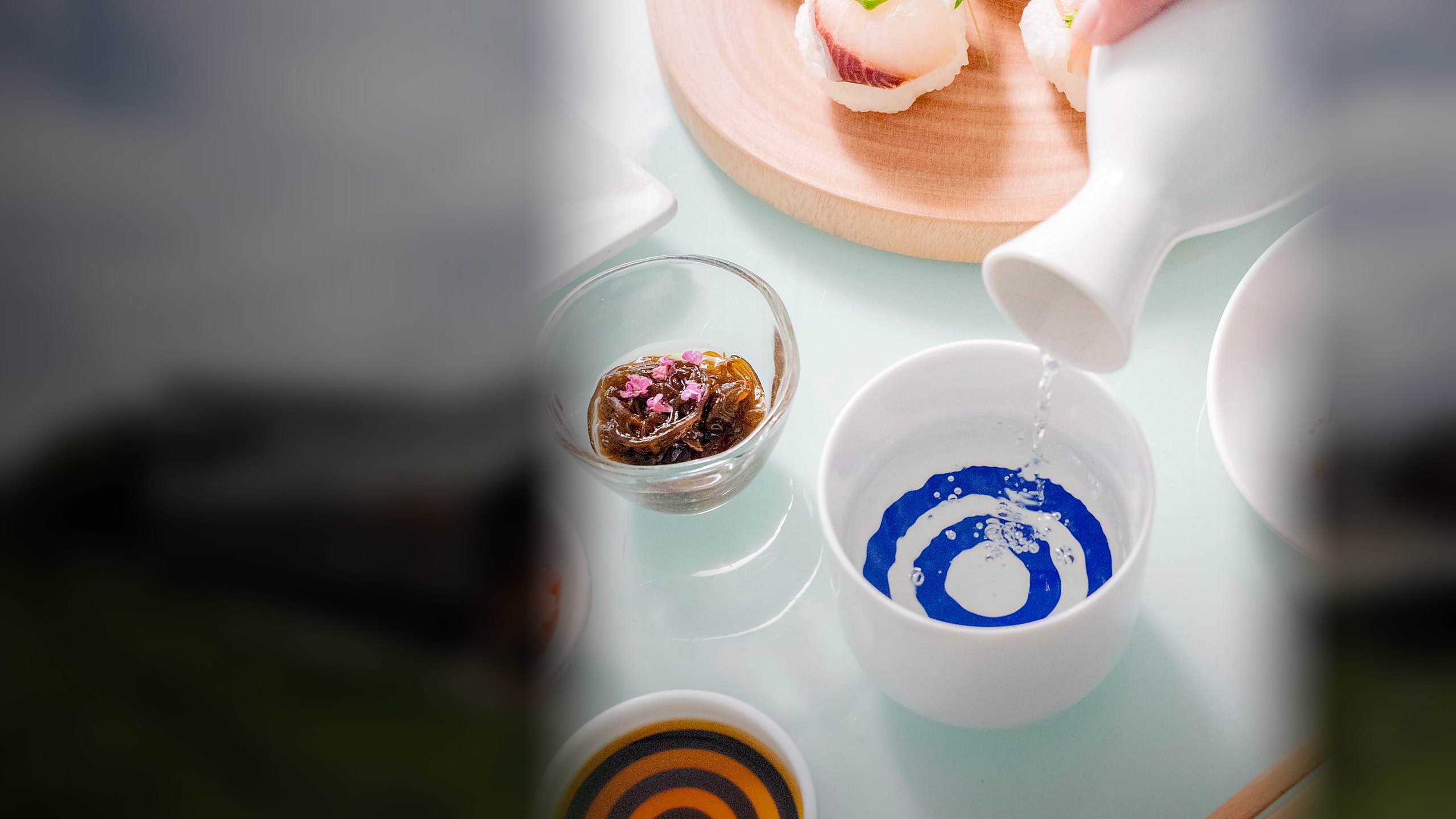
Launched in the 2000s and named after the bountiful sea fed by the Sagami River, flagship brand 'Sagaminada' gained nationwide acclaim for its traditional fune-pressed unpasteurized sakes (muroka nama genshu). Balancing refined fruit aromatics, supple rice umami, and a crisp finish, it pairs wonderfully with fresh Sagami Bay seafood and seasonal Japanese cuisine.
Signature Brand Lineup & Yearly Flavor Profile
Select a Year (2022–2026) to explore how each harvest’s climate and rice quality shaped the 1–5 rice-grain flavor balance:
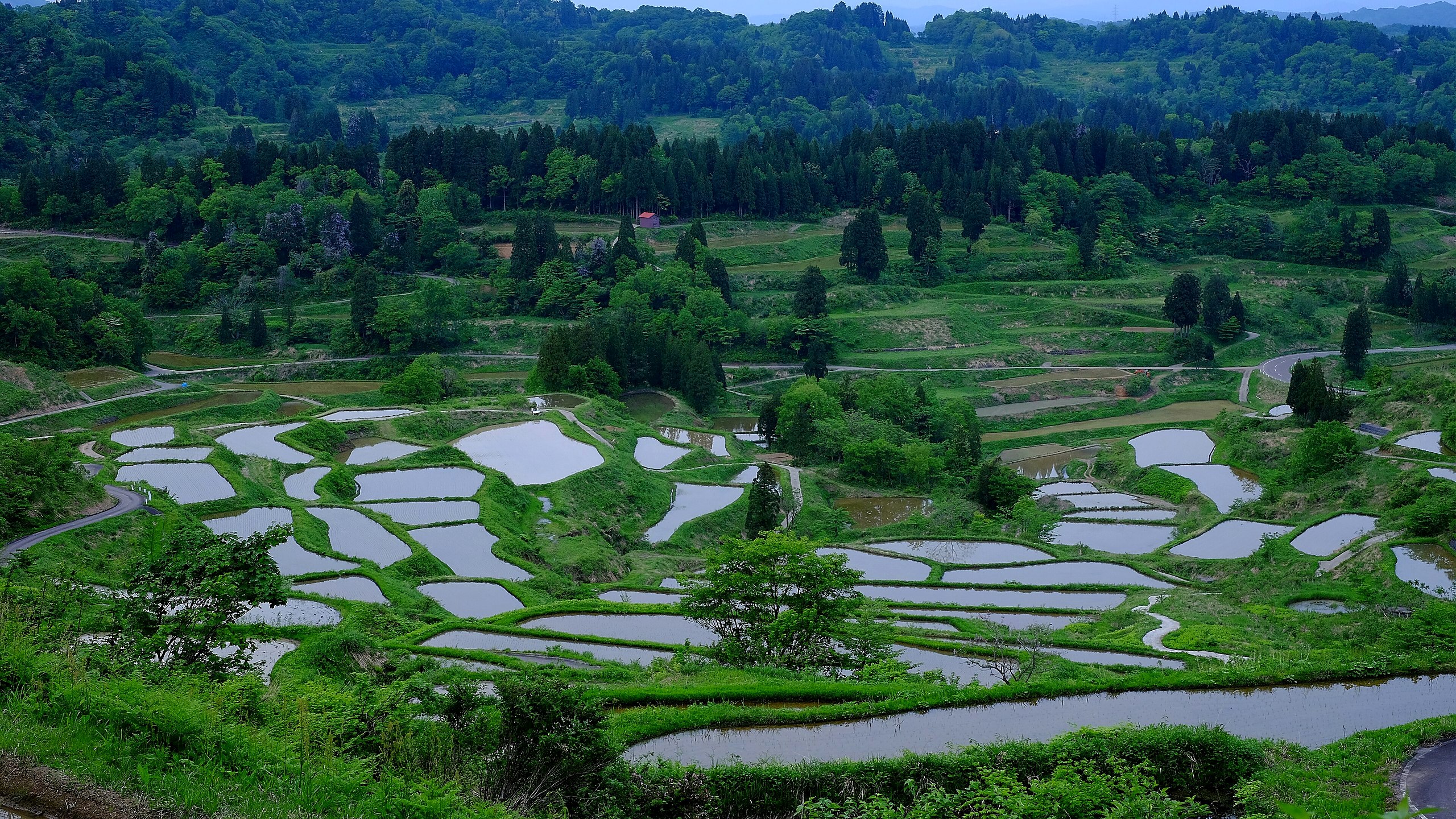
[2026BY Latest Vintage] Crafted with Tanzawa Range & Sagami River Subterranean Water and fresh harvest rice, showcasing crystalline purity and vibrant acidity in flagship "".
Featured SakeStream Editorial Articles
Tasting Notes & Comments (3)
“Opened Sagaminada Junmai Ginjo Omachi Funaba Jikagumi alongside their classic Miyamanishiki Tokubetsu Junmai. Gentle fune pressing yields a rounded, silky palate energized by lively micro-bubbles and a crisp finish.”
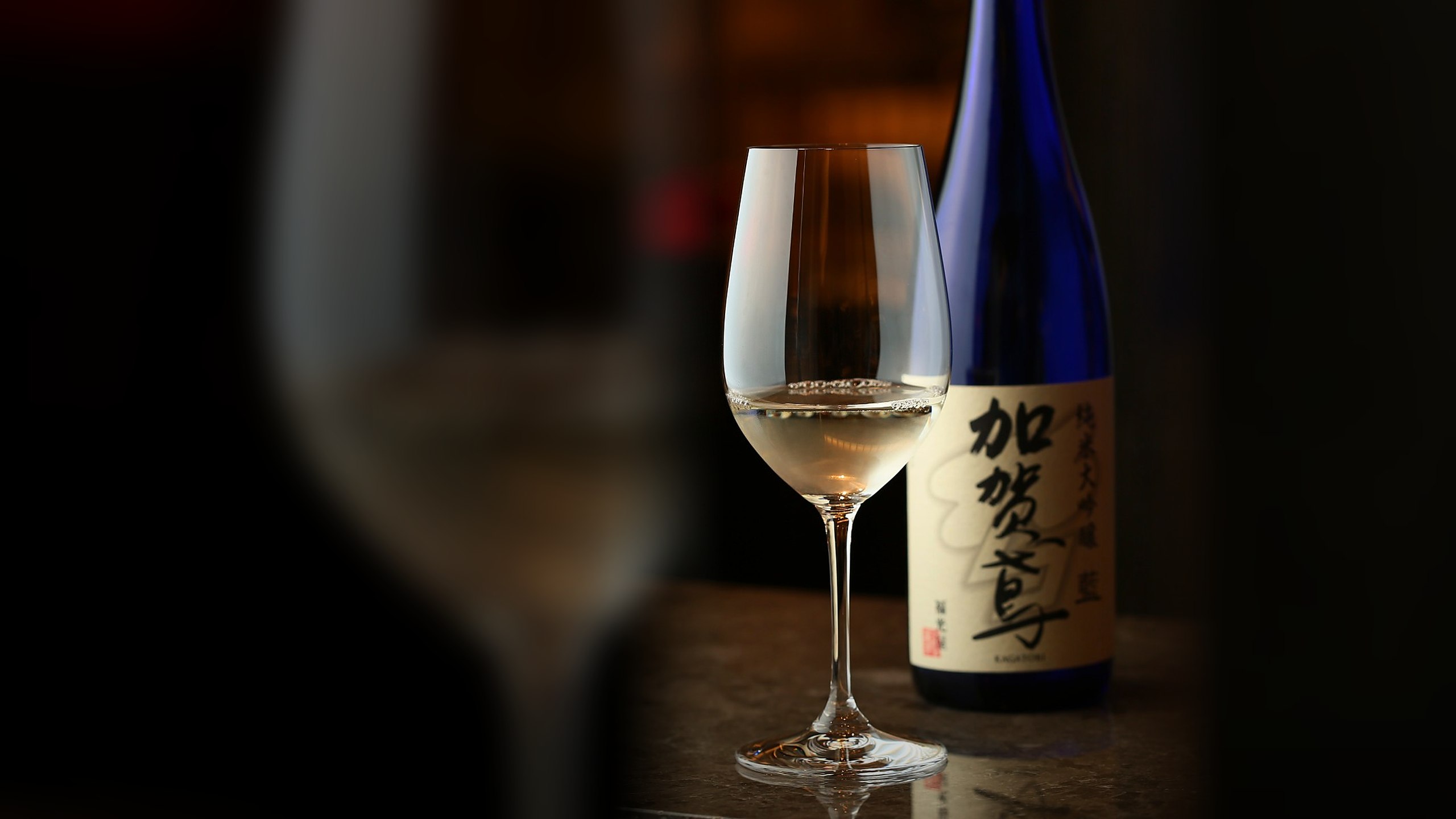
“Crystalline Junmai Ginjo born of Tanzawa mountain spring water and meticulous small-batch fermentation. Restrained cantaloupe aromatics and a poised savory mid-palate frame nigiri sushi and white fish crudo beautifully.”
“Tasted Sagaminada Yamada Nishiki Muroka Nama Genshu at a Yokohama sake bar and went straight to a bottle shop the next day! Effortless balance between aromatic lift and dinner-table dryness.”
Write a Review
Share your tasting notes and food pairings with sake lovers around the world.