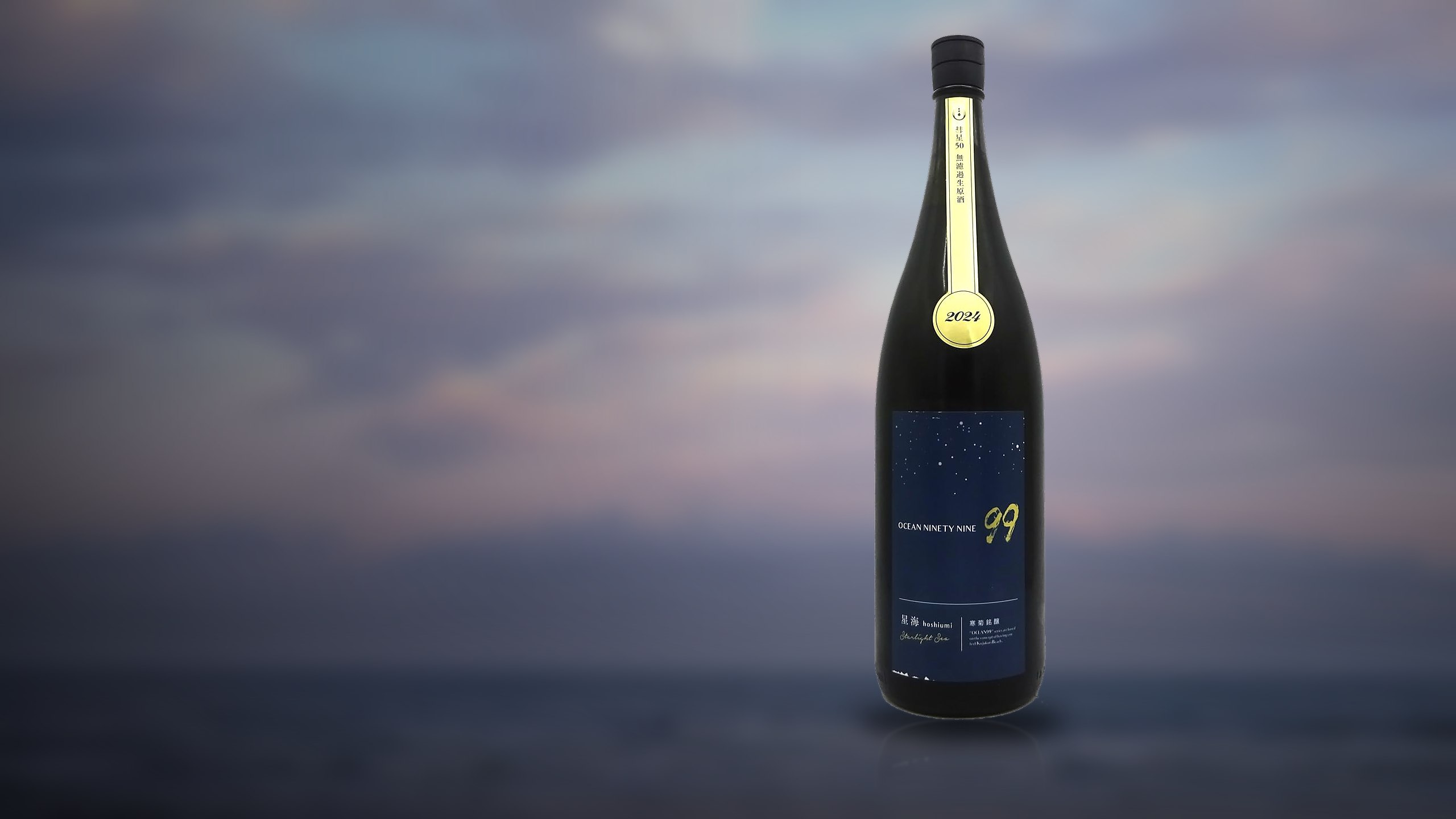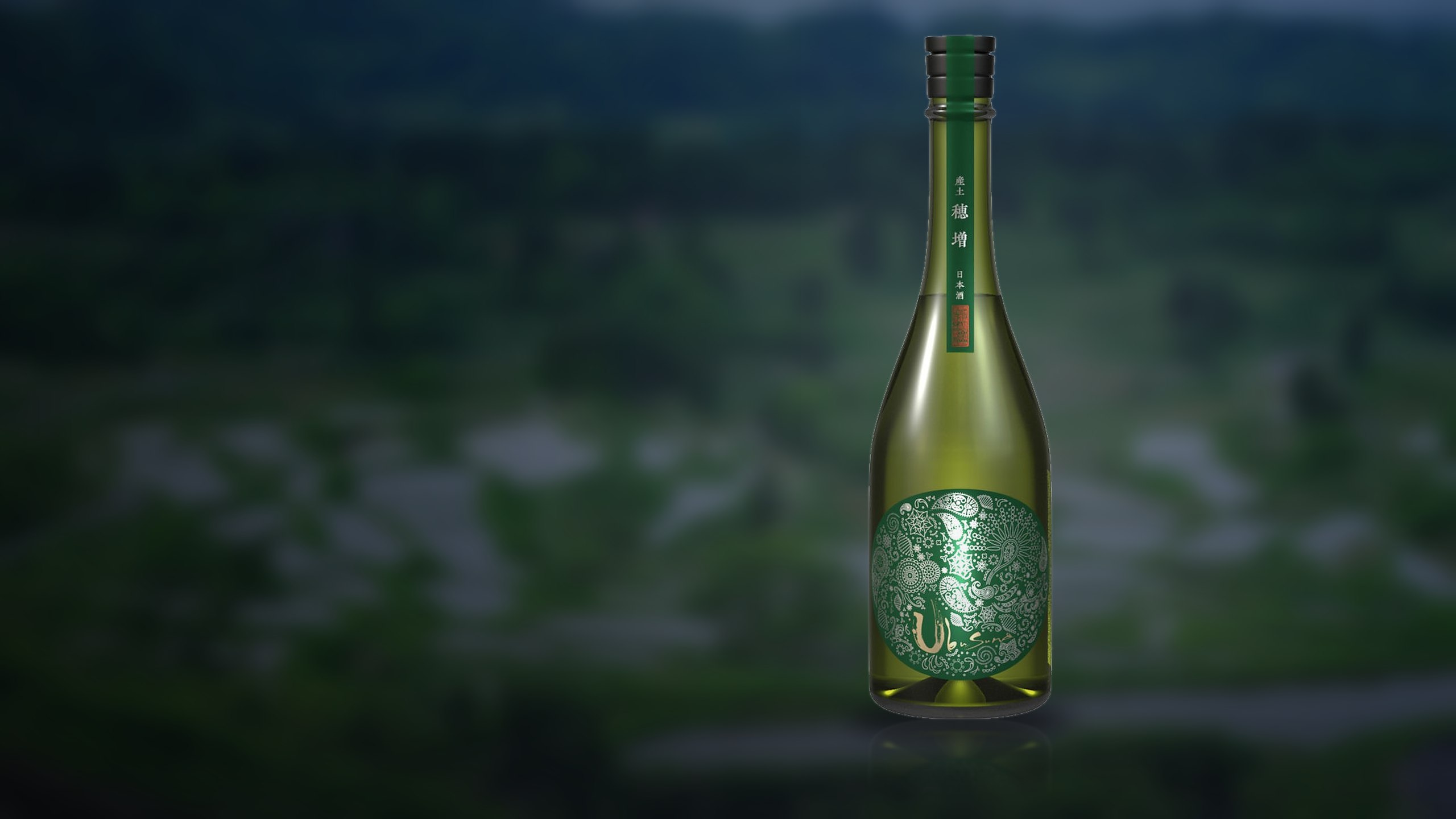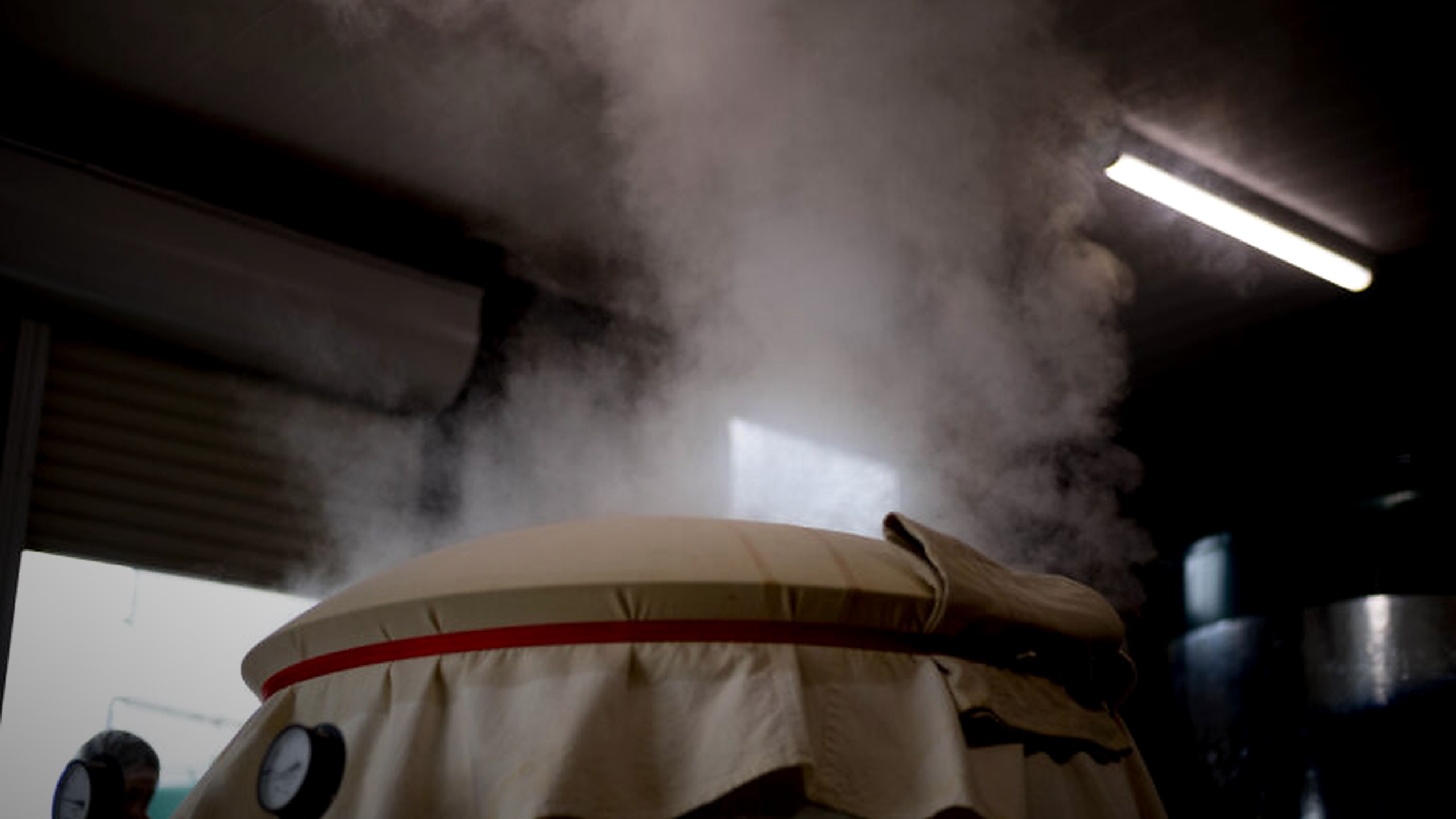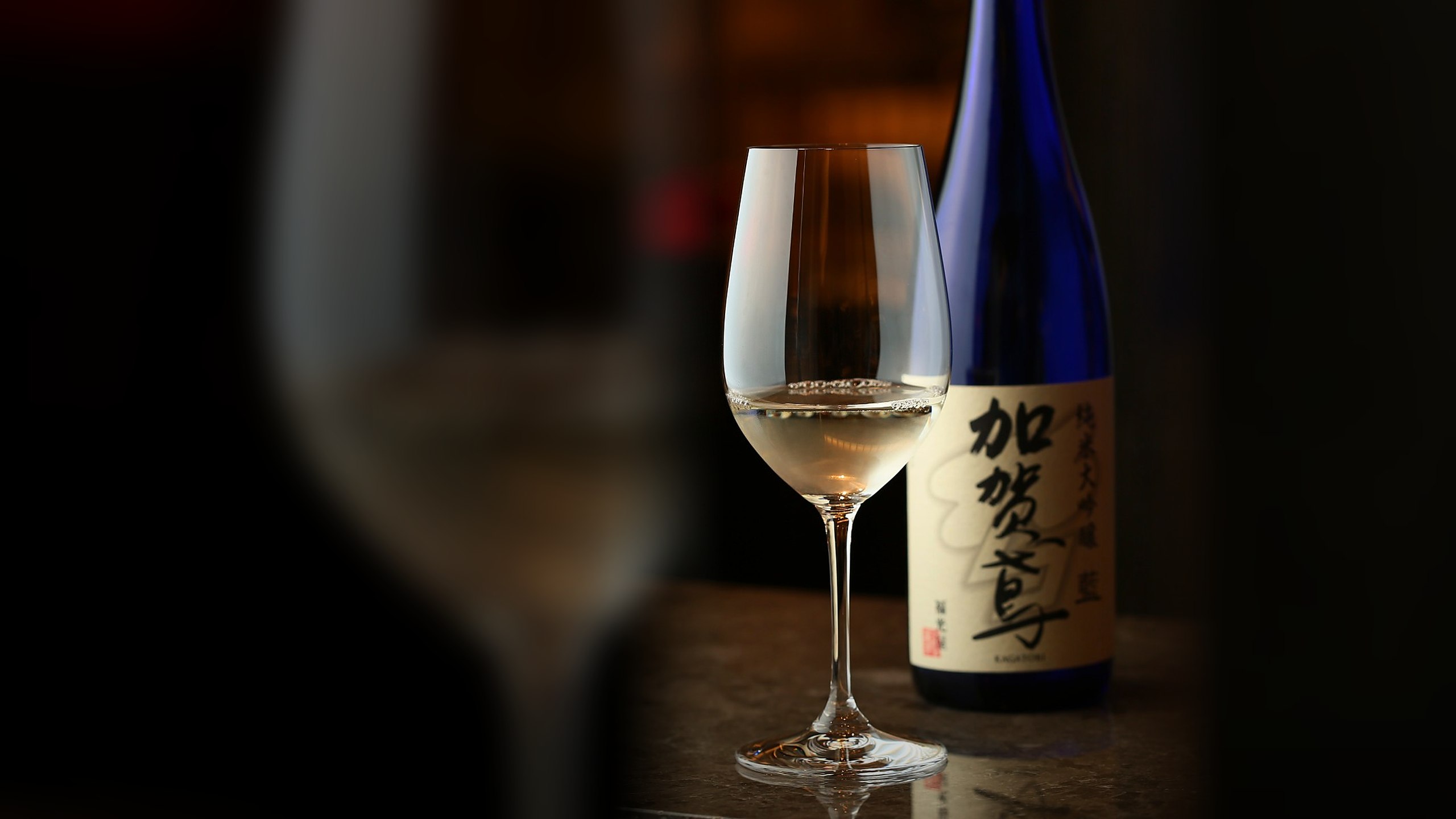
What is the real difference between Junmai Daiginjo, Daiginjo, Junmai Ginjo, Tokubetsu Junmai, and Honjozo? A complete, sommelier-grade breakdown of Japan’s 8 special designations.
Decoding Japan’s 8 Sake Grades Through Two Simple Axes
Terms like Junmai Daiginjo, Junmai Ginjo, Tokubetsu Junmai, and Honjozo are legally defined Special Designations (*Tokutei Meisho*) under Japanese tax law. While they can appear daunting at first glance, the entire system rests on just two axes:
| Special Designation | Ingredients | Polishing Ratio | Flavor Profile & Ideal Temp | Benchmark Examples |
|---|---|---|---|---|
| 1. Junmai Daiginjo | Rice, koji, water | ≤ 50% | Lifted floral esters & silky sweetness (8–12°C) | Dassai 23, Masuizumi, Ugo no Tsuki, Kankiku Seijitsu |
| 2. Daiginjo | Rice, koji, water, brewer’s alcohol | ≤ 50% | High-toned aromatics & weightless dry cut (8–12°C) | Kokuryu Shizuku, Gensai Daiginjo, Daishichi Minowamon |
| 3. Junmai Ginjo | Rice, koji, water | ≤ 60% | Golden ratio of fruit lift & food versatility (10–14°C) | Mimurosugi, Tenbi Hotaten, Tabika, Ki-oku |
| 4. Ginjo | Rice, koji, water, brewer’s alcohol | ≤ 60% | Brisk, fruity & ultra-refreshing finish (8–12°C) | Keiryu Ginjo, Kokuryu Icchorai, Hakkaisan Ginjo |
| 5. Tokubetsu Junmai | Rice, koji, water | ≤ 60% (or special craft) | Restrained aroma & savory rice spine (10–42°C) | Hiroki Tokubetsu Junmai, Jikon, Gensai, Hakurakusei |
| 6. Junmai | Rice, koji, water | No legal minimum | Rich rice umami; chilled to warm kan (10–45°C) | Daishichi Kimoto, Mimurosugi Dio Abita, Kenbishi, Kikumasamune |
| 7. Tokubetsu Honjozo | Rice, koji, water, brewer’s alcohol | ≤ 60% (or special craft) | Tailored texture & razor-sharp finish (8–45°C) | Hakkaisan Tokubetsu Honjozo, Kubota Senju, Urakasumi |
| 8. Honjozo | Rice, koji, water, brewer’s alcohol | ≤ 70% | Crisp, dry & structurally sound when warmed (10–50°C) | Juyondai Honmaru, Kikumasamune Josen, Takashimizu |
Complete Breakdown of All 8 Official Sake Grades
Junmai Daiginjo (純米大吟醸)
Daiginjo (大吟醸)
Junmai Ginjo (純米吟醸)
Ginjo (吟醸)
Tokubetsu Junmai (特別純米)
Junmai (純米)
Tokubetsu Honjozo & 8. Honjozo (特別本醸造・本醸造)
"Thinking of Junmai Daiginjo as 'superior' to Tokubetsu Junmai is like claiming grand cru white Burgundy makes red Bordeaux obsolete. They are not a hierarchy of quality—they are distinct culinary instruments." — SakeStream Sommelier Academy
Featured Breweries, Specs & Flavor Balance
| Flagship Label | Brewery & Region | Signature Rice & Water | Brewery Profile |
|---|---|---|---|
| Dassai | Dassai Inc. (Asahi Shuzo Co., Ltd.) (2167-4 Osogoe, Shuto-cho, Iwakuni-shi, Yamaguchi 742-0422, Japan) | Yamada Nishiki (100% Exclusive Use) · Osogoe Natural Subterranean Soft Water (Shuto-cho, Iwakuni) | Brewery Profile |
| Masuizumi | Masuda Sake Brewery Co., Ltd. (269 Higashi-Iwasemachi, Toyama-shi, Toyama 931-8358, Japan) | Hyogo Special-A Yamada Nishiki, Toyama Oyamanishiki, Gohyakumangoku, Tominoka · Tateyama Mountain Range Snowmelt Subterranean Soft Water | Brewery Profile |
| Ugo no Tsuki | Aihara Sake Brewery Co., Ltd. (1-25-15 Nigata-honmachi, Kure-shi, Hiroshima 737-0152, Japan) | Yamadanishiki, Hattannishiki, Omachi, Senbonnishiki · Soft subterranean underflow water filtered through granite layers of the Mount Noro range | Brewery Profile |
| Kokuryu | Kokuryu Sake Brewing Corporation (1-38 Matsuoka-Kasuga, Eiheiji-cho, Yoshida-gun, Fukui 910-1133, Japan) | Hyogo Tojo Yamada Nishiki, Fukui Sakahomare, Gohyakumangoku, Koshinoshizuku · Mt. Hakusan Range & Kuzuryu River Subterranean Soft Water | Brewery Profile |
| Daishichi | Daishichi Sake Brewery Co., Ltd. (1-66 Takeda, Nihonmatsu-shi, Fukushima 964-0904, Japan) | Yamadanishiki, Gohyakumangoku, Yumenoka (100% Super-Flat Rice Polishing) · Mt. Adatara subterranean spring water and Hikage well water (medium-hard water) | Brewery Profile |
| Gensai | Suehiro Sake Brewery Co., Ltd. (12-38 Nisshin-machi, Aizuwakamatsu-shi, Fukushima 965-0861, Japan) | Yumenoka, Fukunoka, Yamadanishiki, Gohyakumangoku, Kamenoo · Subsurface snowmelt soft water from Mt. Hakase and the Aizu Basin | Brewery Profile |
| Mimurosugi | Imanishi Sake Brewery Co., Ltd. (510 Miwa, Sakurai-shi, Nara 633-0001, Japan) | Tsuyuhakaze, Yamadanishiki, Omachi · Subsurface water from sacred Mt. Miwa (medium-soft water) | Brewery Profile |
| Tenbi | Choshu Brewery Co., Ltd. (72 Yoshika, Kikugawa-cho, Shimonoseki-shi, Yamaguchi 750-0316, Japan) | Yamada Nishiki, Saito no Shizuku · Koya River System & Kikugawa Natural Subterranean Medium-Soft Water | Brewery Profile |
| Tabika | Hayakawa Sake Brewery Co. (468 Ojima, Komono-cho, Mie-gun, Mie 510-1323, Japan) | Kaminoho, Yamadanishiki, Omachi, Gohyakumangoku · Subsurface water from Mount Shakagatake in the Suzuka Mountains (soft water) | Brewery Profile |
| Kioku | Yamazaki & Co. (Sonnoh Kuramoto) (57 Kakita, Nishihazu-cho, Nishio-shi, Aichi 444-0703, Japan) | Aichi-grown Yumesansui, Yumeginga, Yamada Nishiki · Subterranean water from the Mt. Sangane range (soft water) | Brewery Profile |
From the mountain valleys of Iwakuni, Yamaguchi, Dassai revolutionized global sake through data-driven precision brewing and ultra-polished Yamada Nishiki rice. Led by the iconic Dassai 23, its opulent aromas of white peach and Poire Williams, silky-smooth mid-palate, and crystalline finish pair effortlessly with fine Edomae sushi and Michelin-starred French cuisine.
Famed as the master of Ginjo in historic Iwase, Toyama, Masuizumi blends classic mastery with avant-garde releases like Burgundy-barrel-aged Link 8888 and Platinum Kotobuki. Rich Yamada Nishiki depth and layered elegance allow it to pair equally well with Toyama seafood, aged meats, and classic French sauces.
Crafted in Kure, Hiroshima since 1875 by Aihara Shuzo using Daiginjo-level precision and strict cold storage across every single tank, Ugo no Tsuki shines like 'the moon after the rain.' Its crystalline purity, poised orchard-fruit aromatics, and graceful umami glide effortlessly alongside Seto Inland Sea sea bream kobujime and refined kaiseki cuisine.
Founded in 1804 in Eiheiji, Fukui, Kokuryu pioneered commercial luxury Daiginjo in Japan, uniting soft Kuzuryu River water with prized Tojo Yamada Nishiki and local Sakahomare rice. Legendary bottlings like Ishidaya, Nizaemon, Shizuku, and Hachijuhachigo deliver crystalline elegance that elevates Echizen snow crab and haute kaiseki.
Dedicated exclusively to traditional Kimoto-method brewing since 1752 in Nihonmatsu, Daishichi revolutionized the craft with its proprietary 'ultra-flat rice polishing' (cho-henpei seimai) technology. Offering rich, creamy lactic depth, velvety texture, and complex savory resonance that blossoms from chilled to gentle warm (nurukan), its sakes pair majestically with grilled unagi, Wagyu steak, and aged Comté cheese.
Named in honor of Harunaka (Gensai) Tanaka—the visionary Edo-period chief retainer who reformed the Aizu domain and elevated its brewing craft—Gensai represents the pinnacle of Suehiro Shuzo's Daiginjo artistry. Brewed with Special A-grade Yamadanishiki polished to 35%–40%, it delivers regal orchard-fruit aromatics, gossamer silkiness, and a poised finish worthy of celebratory kaiseki banquets.
Founded in 1660 at the foot of sacred Mount Miwa and Omiwa Shrine—revered as the ancestral deity of Japanese sake brewing—Imanishi Shuzo crafts Mimurosugi using shrine-mountain subterranean water and locally grown Yamadanishiki and Tsuyuhakaze rice. Luminous lychee, white peach, and Muscat aromas flow into a crystal-clear, juicy palate with a brisk finish that pairs effortlessly with sushi, sashimi, and delicate crudo.
Launched in late 2020 in Shimonoseki, Yamaguchi by Choshu Shuzo, Tenbi skyrocketed to national stardom with its bright, uplifting house style. Bearing sun-and-moon labels for day and night expressions, it offers crisp green apple and white grape aromatics, delicate pinpoint effervescence, and vibrant malic acidity that pair beautifully with seafood ceviche, seasonal vegetable tempura, and modern izakaya fare.
Handcrafted by a tiny family team in Komono, Mie using ultra-soft Mt. Shakagatake snowmelt water and 100% gentle fune (box) pressing, Tabika is celebrated for its pillowy, rounded sweetness. Brewed with local Kaminoho, Omachi, and Yamada Nishiki, its soothing umami and gentle acidity pair beautifully with dashi-steamed clams and seasonal washoku.
Created by 6th-generation kuramoto-toji Masayuki Yamazaki at Yamazaki Goshi Kaisha in Nishio, Aichi, 'Kioku' weaves the brewery's iconic 'Oku' heritage with memories of his late father into a modern low-ABV vision. Fermented slowly at low temperatures with soft Mt. Sangane water and Aichi-grown Yumesansui and Yumeginga rice, this 14% ABV genshu delivers crystalline white peach and Shine Muscat aromatics with brisk, juicy acidity. Pair it with Mikawa Bay sea bream carpaccio, unagi shirayaki (white-grilled eel) from Isshiki, or seasonal fruit shira-ae.
Recommended Pairing
Weekly Sake & Tasting Dispatch
Curated seasonal releases, sub-zero arrivals, and tasting city guides across global editions.