Ichinokura Co., Ltd.
Established in 1973 through the historic merger of four long-standing Miyagi family breweries (Asami Shoten, Katsurai Shuzo, Sakurai Shuzoten, and Matsumoto Shuzoten) in Matsuyama, Osaki City, Ichinokura has been a trailblazer in modern Japanese sake. In 1977, it challenged Japan's rigid tax-grading system with 'Mukansa Honjozo,' championing consumer-driven quality and sustainable local rice farming.

History & Brewing Heritage of Ichinokura Co., Ltd.
Established in 1973 through the historic merger of four long-standing Miyagi family breweries (Asami Shoten, Katsurai Shuzo, Sakurai Shuzoten, and Matsumoto Shuzoten) in Matsuyama, Osaki City, Ichinokura has been a trailblazer in modern Japanese sake. In 1977, it challenged Japan's rigid tax-grading system with 'Mukansa Honjozo,' championing consumer-driven quality and sustainable local rice farming. In 1998, Ichinokura revolutionized the industry again by launching 'Suzune,' a bottle-fermented, low-alcohol sparkling sake that pioneered the global sparkling sake category. Combining time-honored Nanbu Toji handcraftsmanship with cutting-edge fermentation science, Ichinokura crafts everything from bone-dry daily classics to the Madeira-inspired aged sake 'Madena.'
Signature Brand Lineup & Yearly Flavor Profile
Select a Year (2022–2026) to explore how each harvest’s climate and rice quality shaped the 1–5 rice-grain flavor balance:
[2026BY Latest Vintage] Crafted with Zao Range & Mt. Funagata Soft Water and fresh harvest rice, showcasing crystalline purity and vibrant acidity in flagship "".


Featured SakeStream Editorial Articles
Tasting Notes & Comments (24)
“Tasted Ichinokura Junmai Daiginjo Shoko alongside the classic Tokubetsu Junmai Chokarakuchi. Even at bone-dry levels, the Chokarakuchi retains savory Sasanishiki rice depth, while Shoko offers pure silkiness.”
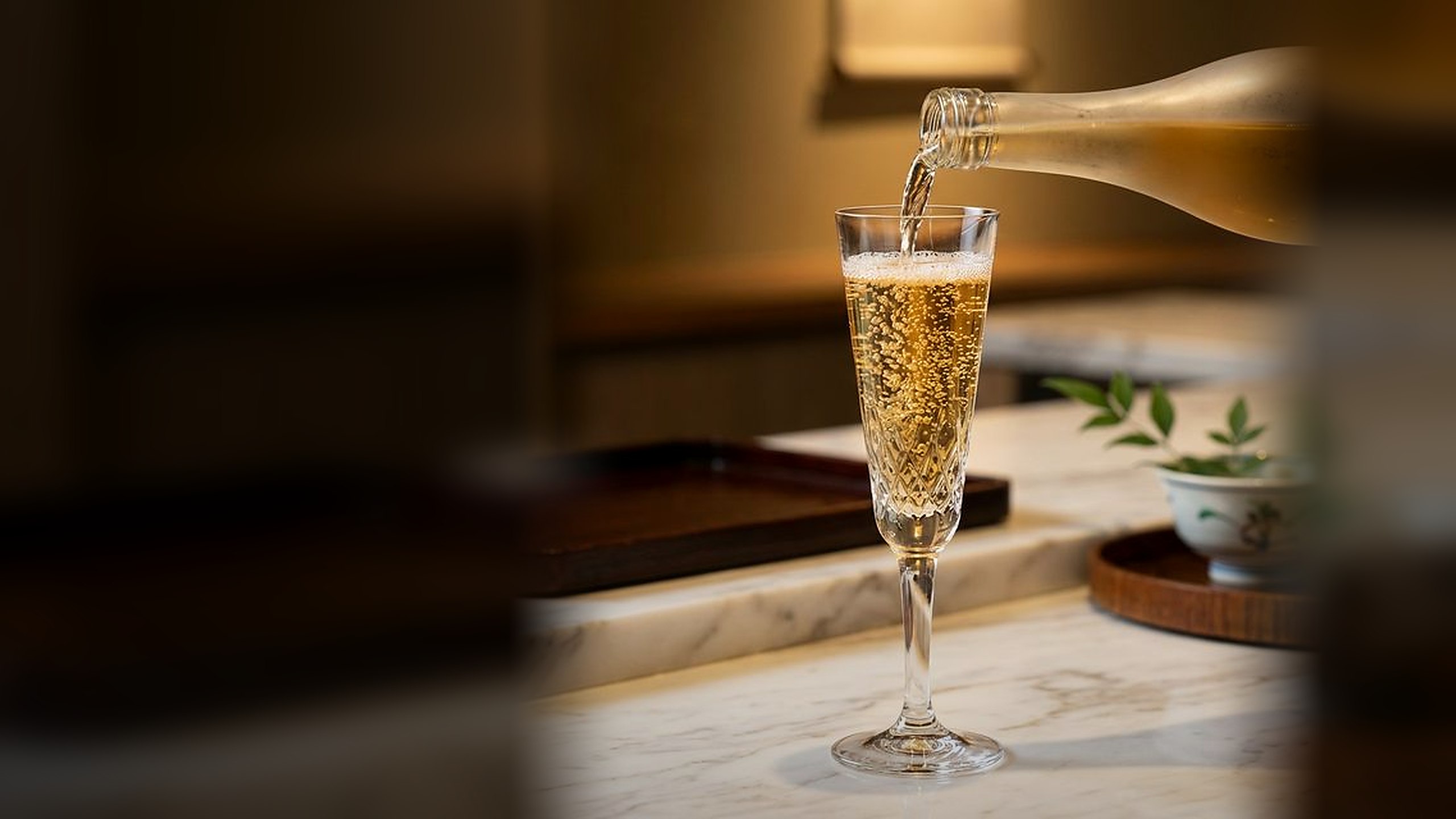
“Naturally bottle-refermented Ichinokura Suzune captivates guests who love Moscato d'Asti. Its fine mousse and gentle sweet-tart rice character shine as an aperitif or alongside fruit tarts.”
“At any Sendai izakaya serving sea squirt or fresh bonito sashimi, Ichinokura Tokubetsu Junmai Karakuchi is undefeated—equally rock-solid whether served chilled or piping hot.”
“Bottle-fermented like Champagne for fine, creamy mousse. At around 5% ABV, its yogurt-and-white-peach sweet-tart purity is utterly irresistible.”
“Silky lightly-cloudy texture with bright lactic-malic acidity. Ideal as an aperitif or paired with fresh strawberries, fruit tarts, and spicy Asian cuisine.”
“A timeless sparkling sake classic—when poured into a flute, the gentle chiming sound of rising bubbles always draws cheers at dinner parties.”
“Kinryu showcases Ichinokura's classic craftsmanship: subtle aromatics, savory Miyagi rice depth, and Ichinokura's signature crisp, dry finish.”
“Warmed gently, its savory rice core expands beautifully, making it an unbeatable companion for Sanriku sea squirt, bonito sashimi, and grilled fish.”
“Unpretentious yet endlessly drinkable—every glass reflects disciplined Nanbu Toji craftsmanship and crystal-clean fermentation.”
“Handcrafted from local Miyagi rice, Yamatoden combines a poised dry frame with solid rice umami and refreshing structure.”
“Sharp and linear when chilled, turning mellow and enveloping when warmed—a superb match for Sendai beef tongue, oden, and seasonal sashimi.”
“Ever since a veteran Sendai izakaya recommended it, Yamatoden has been my go-to whenever I crave honest, structured dry sake over flashy aromatics.”
“A charming rose sparkling sake made by blending local Miyagi black-rice extract into Suzune—naturally blossom-pink with fine, dancing bubbles.”
“Shows a touch more berry-like depth and polyphenol nuance than original Suzune, finishing with bright sweet-tart persistence alongside prosciutto, soft cheese, or berry tarts.”
“My annual go-to for hanami picnics and birthday toasts—pouring its soft pink mousse instantly brightens the table and delights every guest.”
“Hagimaru delivers Ichinokura's softer side: a pillowy soft-water entry followed by natural rice sweetness and light, refreshing acidity.”
“Despite its gentle sweetness and lower ABV, it finishes clean without heaviness, pairing wonderfully with cream cheese, fresh fruit, and delicate dashi dishes.”
“A wonderful bottle to share with family members who find standard sake too strong—served lightly chilled in a wine glass, it opens with soothing apple and white-blossom notes.”
“Brewed from 100% Miyagi rice at around 8% ABV, Again balances ripe apple and muscat sweetness with brisk, mouthwatering acidity.”
“Unlike sparkling Suzune, Again offers still-wine smoothness and vibrant fruitiness—ideal for holiday lunches alongside caprese salad or seafood ceviche.”
“Bought it after learning the heartwarming 'meet again in smiles' story behind the label, and fell in love with its feather-light yet expressive rice character.”
“Brewed with junmai sake in place of part of the brewing water and matured over three years, Madena glows amber with hypnotic layers of honey, dried fig, and caramel.”
“Velvety, honeyed richness is kept in check by complex aged acidity and a bittersweet nutty finish—heavenly with Roquefort cheese, foie gras, or poured over vanilla ice cream.”
“My favorite after-dinner nightcap—every sip captures patient Miyagi craftsmanship and the magic of time in a bottle.”
Write a Review
Share your tasting notes and food pairings with sake lovers around the world.