Tamanohikari Sake Brewing Co., Ltd.
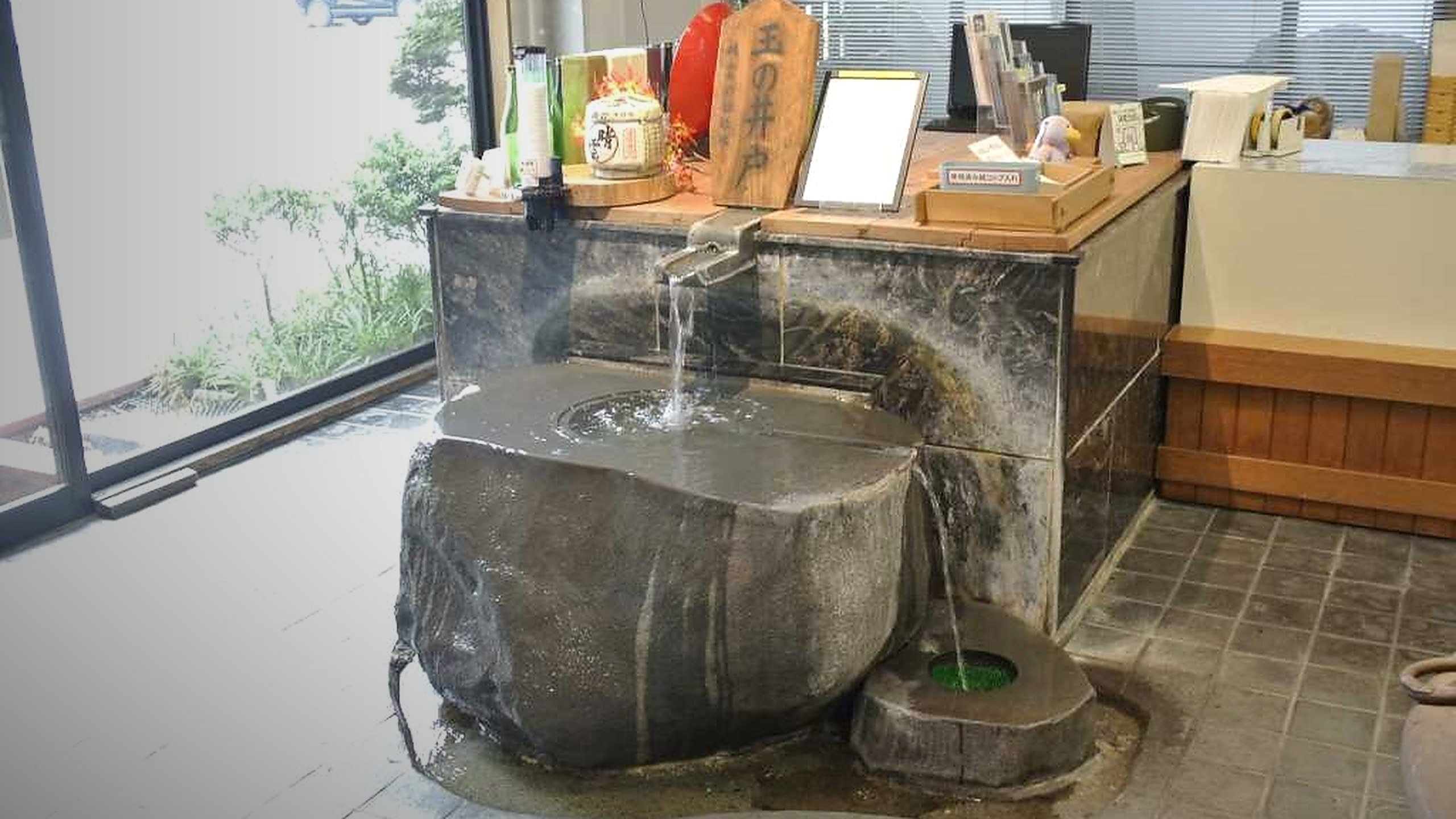
Founded in 1673 in Wakayama by Rokuzaemon Nakaya—who received the auspicious name Tamanohikari ('Light of the Sacred Jewel') from the head priest of Kumano Hayatama Grand Shrine—Tamanohikari relocated to Fushimi, Kyoto in 1952 after wartime air raids destroyed its original cellars, seeking Fushimi's legendary spring water and cold winter climate.

History & Brewing Heritage of Tamanohikari Sake Brewing Co., Ltd.
Founded in 1673 in Wakayama by Rokuzaemon Nakaya—who received the auspicious name Tamanohikari ('Light of the Sacred Jewel') from the head priest of Kumano Hayatama Grand Shrine—Tamanohikari relocated to Fushimi, Kyoto in 1952 after wartime air raids destroyed its original cellars, seeking Fushimi's legendary spring water and cold winter climate. In 1964, at the height of postwar alcohol-added sake production, Tamanohikari made history as the first brewery in Japan to revive additive-free pure rice (junmai) sake. Today, it operates exclusively as an all-junmai-ginjo and junmai-daiginjo house, pairing heirloom Bizen Omachi, Yamadanishiki, and Kyoto Iwai rice with Fushimi Gokosui subsurface water to craft balanced, food-friendly sakes.
Signature Brand Lineup & Yearly Flavor Profile
Select a Year (2022–2026) to explore how each harvest’s climate and rice quality shaped the 1–5 rice-grain flavor balance:
[2026BY Latest Vintage] Crafted with Fushimi Gokosui Medium-Soft Subterranean Water and fresh harvest rice, showcasing crystalline purity and vibrant acidity in flagship "".

Featured SakeStream Editorial Articles

Tasting Notes & Comments (6)
“Tamanohikari Junmai Daiginjo Bizen Omachi 100% and Junmai Ginjo 'Shukon' stand out in Fushimi for their vibrant natural rice acidity and savory spine that finishes bone-clean—effortless alongside any meal, chilled or warmed to nurukan.”
“Every drop Tamanohikari brews is Junmai Ginjo or Junmai Daiginjo, and that dedication shows: their Bizen Omachi and Kyoto Iwai releases feature a white-wine-like acid structure that slices cleanly through rich mackerel and roast duck.”
“Picked up Fushimi's Tamanohikari Junmai Ginjo Shiboritate Nama Genshu! Brewed with prized Gokosui spring water, its pure, unadorned rice umami and brisk acidity make it an unbeatable partner for sashimi and yudofu.”
“Tasted 'Kokoro no Kyo' by Tamanohikari Sake Brewing Co., Ltd.: opening with the pure touch of Fushimi Gokosui Subsurface Spring Water (medium-soft water), it reveals savory layers from Bizen Omachi, Yamadanishiki, Iwai and versatile, cuisine-elevating table-sake poise, savory, resonant rice umami, harmonious balance of umami, acidity, and finish before finishing with crisp precision.”
“Highly rated on global sake platforms for its poised structure shaped by Fushimi Gokosui Subsurface Spring Water (medium-soft water) in Kyoto, offering versatile, cuisine-elevating table-sake poise, savory, resonant rice umami, harmonious balance of umami, acidity, and finish that pairs seamlessly with sushi, sashimi, and contemporary cuisine.”
“Loved on X and Instagram for its dynamic temperature evolution—showing crisp mineral clarity when chilled and generous Bizen Omachi, Yamadanishiki, Iwai umami as it warms.”
Write a Review
Share your tasting notes and food pairings with sake lovers around the world.