Water makes up 80% of every bottle of sake—and shapes fermentation far more directly than in wine. From the historic rivalry between Nada’s hard Miyamizu and Fushimi’s soft Gokosui to the sacred mountain springs behind Tabika, Gensai, and Mimurosugi, here is the chemistry of Japanese brewing water.
80% of Every Bottle of Sake Is Mountain Spring Water
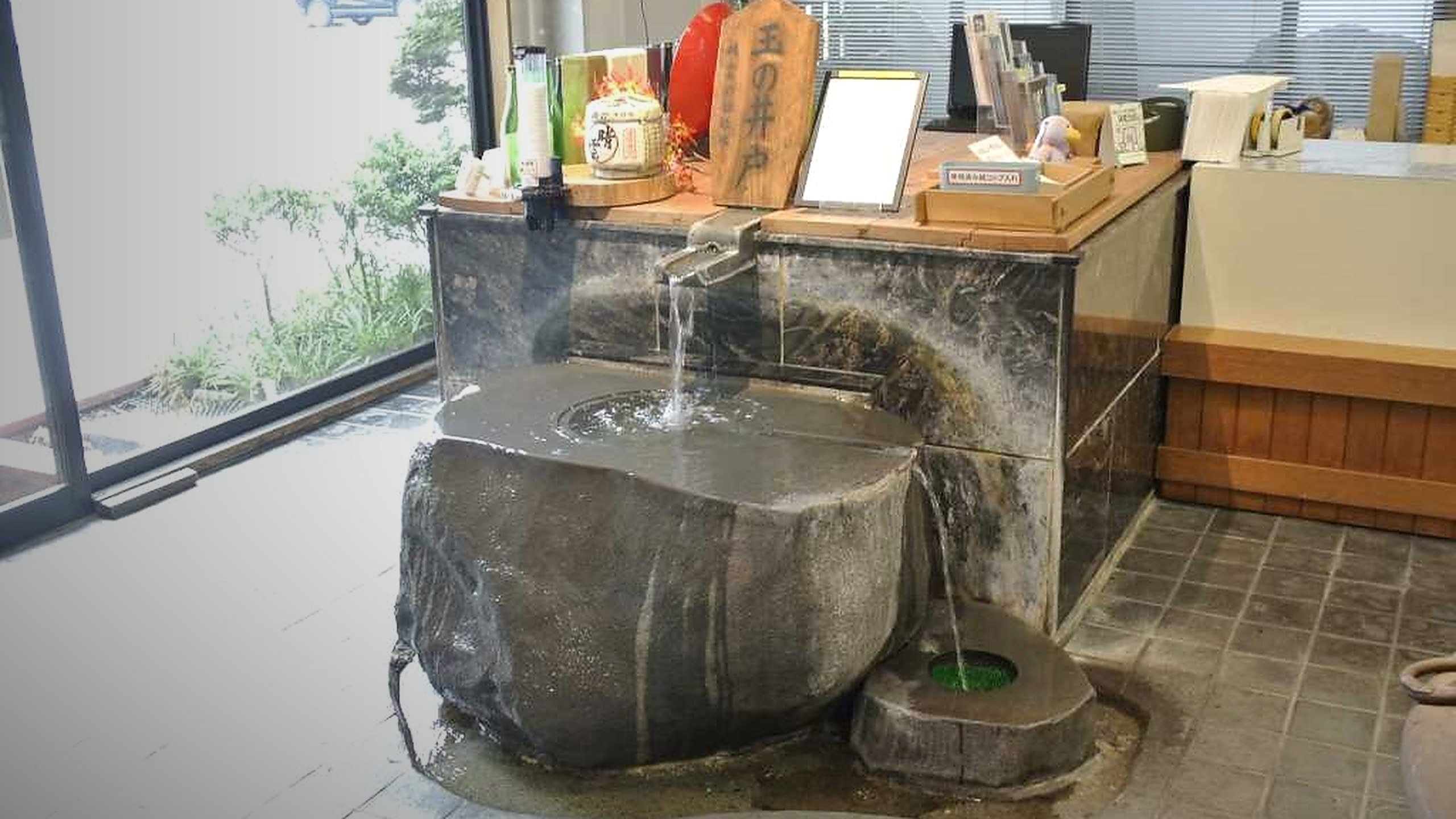
By law, wine is made from 100% pressed grape juice without a single drop of added water. Sake, by contrast, is brewed from dried, steamed rice—meaning that roughly 80% of the liquid inside every bottle of sake is pure brewing water (*shikomi-mizu*). Including the water used for washing, soaking, and steaming rice, a brewery consumes 20 to 30 times the weight of its rice harvest in spring water every winter. That is why every great sake brewery in Japan is built directly atop a sacred subterranean aquifer.
The Three Laws of Sake Water Chemistry: Hardness, Yeast Nutrients & Zero Iron
Compared to European mineral waters that percolate through limestone—such as Evian (~304 mg/L hardness) or Contrex (~1,468 mg/L)—Japanese mountain water filters rapidly through steep granite and volcanic basalt, yielding exceptionally soft to medium-hard water (15 to 180 mg/L).
Potassium, Phosphorus, Magnesium & Calcium = The Fermentation Engine
Why Iron (< 0.01 ppm) Is the Mortal Enemy of Sake
Famous Japanese Brewing Waters: Hardness & Terroir Comparison
| Spring / Aquifer (Region) | Hardness (mg/L) | Classification | Fermentation & Palate Style | Benchmark Breweries |
|---|---|---|---|---|
| Nada Miyamizu (Nishinomiya, Hyogo) | 120 – 180 | Medium-Hard | Vigorous fermentation; dry, muscular Otoko-zake | Sakura Masamune, Hakutaka, Kenbishi |
| Fushimi Gokosui (Fushimi, Kyoto) | 50 – 80 | Medium-Soft | Gentle fermentation; plush, silky Onna-zake | Tsuki no Katsura, Tamanohikari |
| Suzuka Mt. Shakagatake (Komono, Mie) | ~25 | Ultra-Soft | Slow cold fermentation; spherical liquid-silk clarity | Tabika (Hayakawa Shuzo) |
| Aizu Mt. Bandai Snowmelt (Fukushima) | 30 – 45 | Soft | Velvety entry paired with savory Yamahai spine | Gensai (Suehiro Shuzo) |
| Mt. Miwa Sacred Aquifer (Sakurai, Nara) | 40 – 60 | Soft | Crystalline white-peach elegance & bright malic lift | Mimurosugi (Imanishi Shuzo) |
| Kongokatsuragi Deep Well (Gose, Nara) | 214 – 250 | Ultra-Hard | Mineral-rich grip, explosive yeast vitality & natural CO₂ | Kaze no Mori (Yucho Shuzo) |
| Hakushu Mt. Kaikomagatake (Yamanashi) | ~30 | Soft | Granite-filtered diamond purity & fine mousse | Shichiken (Yamanashi Meijo) |
The Historic Rivalry: Nada’s Hard Miyamizu vs. Fushimi’s Soft Gokosui
Nada’s Miyamizu (Nishinomiya, Hyogo) — Hardness 120–180 mg/L (Medium-Hard)
Fushimi’s Gokosui (Kyoto) — Hardness 50–80 mg/L (Medium-Soft)
"If the terroir of Burgundy is written in Jurassic limestone soil, the terroir of Japanese sake is written in the mineral chemistry of subterranean mountain water. Taste a brewery’s well water, and you immediately understand the texture of its sake." — Brewing Hydrogeology Research Group
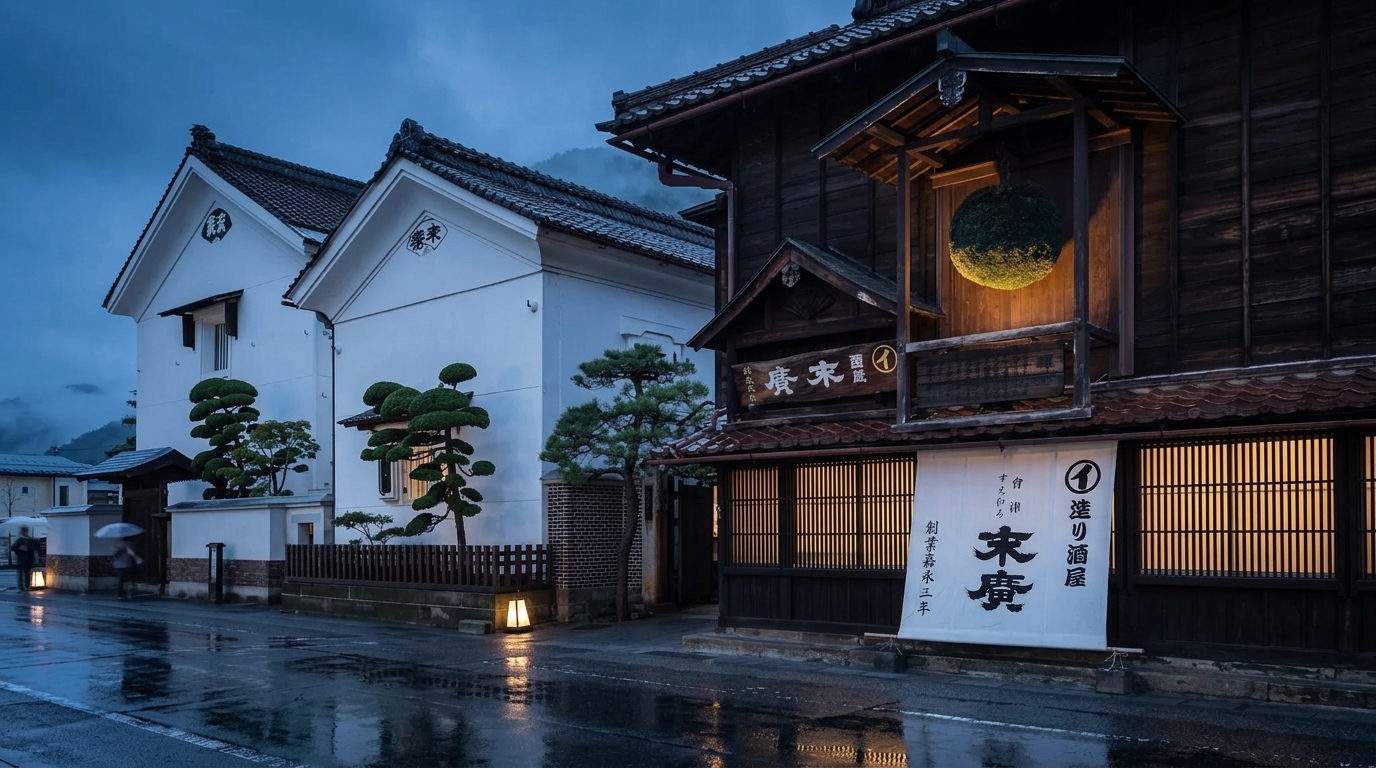
Four Sacred Brewing Waters Defining Modern Sake Terroir
Across Japan’s granite peaks and snow-country basins, four aquifers illustrate how water chemistry shapes the glass:
Suzuka Mountains’ Mt. Shakagatake Ultra-Soft Water — Hayakawa Shuzo Tabika (Mie / ~25 mg/L Ultra-Soft)
Aizu’s Mt. Bandai Perennial Snowmelt — Suehiro Shuzo Gensai (Fukushima / 30–45 mg/L Soft)
Nara’s Dramatic Geological Split: Mt. Miwa Soft Water (Mimurosugi) vs. Kongokatsuragi Ultra-Hard Water (Kaze no Mori)
Hakushu’s Mt. Kaikomagatake Granite Water — Yamanashi Meijo Shichiken (Yamanashi / ~30 mg/L Soft)
Featured Breweries, Specs & Flavor Balance
| Flagship Label | Brewery & Region | Signature Rice & Water | Brewery Profile |
|---|---|---|---|
| Tabika | Hayakawa Sake Brewery Co. (468 Ojima, Komono-cho, Mie-gun, Mie 510-1323, Japan) | Kaminoho, Yamadanishiki, Omachi, Gohyakumangoku · Subsurface water from Mount Shakagatake in the Suzuka Mountains (soft water) | Brewery Profile |
| Aizu | Aizu Shuzo Co., Ltd. (603 Anazawa, Nagata, Minamiaizu-machi, Minamiaizu-gun, Fukushima 967-0006, Japan) | Yumenoka, Fukunoka, Gohyakumangoku, Omachi, Yamadanishiki · Subsurface snowmelt water from Mt. Arakai in Okuaizu (ultra-soft water, hardness ~20 mg/L) | Brewery Profile |
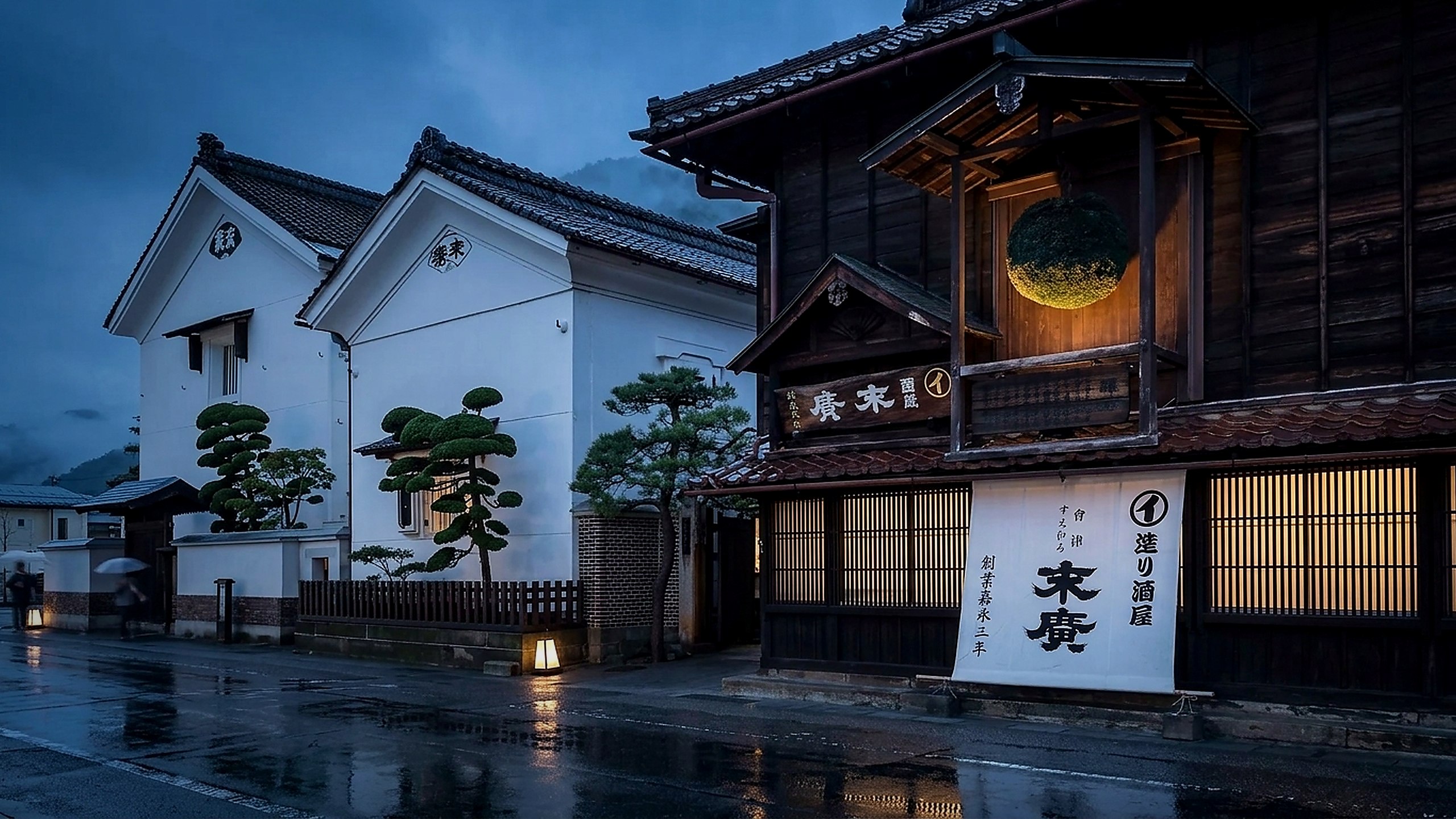
| Gensai | Suehiro Sake Brewery Co., Ltd. (12-38 Nisshin-machi, Aizuwakamatsu-shi, Fukushima 965-0861, Japan) | Yumenoka, Fukunoka, Yamadanishiki, Gohyakumangoku, Kamenoo · Subsurface snowmelt soft water from Mt. Hakase and the Aizu Basin | Brewery Profile |
| Yamanokami | Choryo Sake Brewery Co., Ltd. (4 Minami, Koryo-cho, Kitakatsuragi-gun, Nara 635-0818, Japan) | Tsuyuhakaze, Yamadanishiki, Omachi, Gohyakumangoku · Deep subterranean water from the Yamato River and Katsuragi basin (medium-soft water) | Brewery Profile |
| Mimurosugi | Imanishi Sake Brewery Co., Ltd. (510 Miwa, Sakurai-shi, Nara 633-0001, Japan) | Tsuyuhakaze, Yamadanishiki, Omachi · Subsurface water from sacred Mt. Miwa (medium-soft water) | Brewery Profile |
| Kazenomori | Yucho Sake Brewery Co., Ltd. (1160 Nakahonmachi, Gose-shi, Nara 639-2216, Japan) | Akitsuho, Tsuyuhakaze, Yamadanishiki, Omachi · Deep subterranean water from the Mt. Kongo and Mt. Katsuragi range (hard water, approx. 214 mg/L) | Brewery Profile |
| Shichiken | Yamanashi Meijo Co., Ltd. (2283 Daigahara, Hakushu-cho, Hokuto City, Yamanashi 408-0312, Japan) | Hakushu-Grown Yumesansui, Yamada Nishiki, Hitogokochi (Estate & Contract-Farmed) · Mt. Kaikomagatake Subterranean Soft Water (Ojira River System, Top 100 Famous Waters) | Brewery Profile |
| Sakuramasamune | Sakuramasamune Co., Ltd. (5-10-1 Uozakiminamimachi, Higashinada-ku, Kobe-shi, Hyogo 658-0025, Japan) | Hyogo Special A-Zone Yokawa Yamada Nishiki · Original Nada Miyamizu Discovery Well Hard Water | Brewery Profile |
| Hakutaka | Hakutaka Co., Ltd. (1-1 Hama-cho, Nishinomiya-shi, Hyogo 662-0942, Japan) | Hyogo Special A-Zone Yokawa-cho Yamada Nishiki (Muramai System) · Nishinomiya Miyamizu Hard Mineral Water | Brewery Profile |
| Kuromatsu Kenbishi | Kenbishi Sake Brewing Co., Ltd. (3-12-5 Mikagehonmachi, Higashinada-ku, Kobe-shi, Hyogo 658-0046, Japan) | Hyogo-Grown Yamada Nishiki, Aiyama, and Omachi · Mount Rokko Nada Miyamizu and Subterranean Hard Water | Brewery Profile |
Handcrafted by a tiny family team in Komono, Mie using ultra-soft Mt. Shakagatake snowmelt water and 100% gentle fune (box) pressing, Tabika is celebrated for its pillowy, rounded sweetness. Brewed with local Kaminoho, Omachi, and Yamada Nishiki, its soothing umami and gentle acidity pair beautifully with dashi-steamed clams and seasonal washoku.
Known locally as Kinmon Aizu, this heritage label has served the mountain communities of Minamiaizu since 1688 with a clean, comforting profile. Brewed by Aizu Shuzo Co., Ltd. in Fukushima using Subsurface snowmelt water from Mt. Arakai in Okuaizu (ultra-soft water, hardness ~20 mg/L) and Yumenoka, Fukunoka, Gohyakumangoku, Omachi, and Yamada Nishiki, it brings together lively micro-effervescence with memorable poise.
Named in honor of Harunaka (Gensai) Tanaka—the visionary Edo-period chief retainer who reformed the Aizu domain and elevated its brewing craft—Gensai represents the pinnacle of Suehiro Shuzo's Daiginjo artistry. Brewed with Special A-grade Yamadanishiki polished to 35%–40%, it delivers regal orchard-fruit aromatics, gossamer silkiness, and a poised finish worthy of celebratory kaiseki banquets.
Rooted in the local heritage of Nara, 'Yamanokami' is brewed by Choryo Sake Brewery Co., Ltd. with Deep subterranean water from the Yamato River and Katsuragi basin (medium-soft water) and Tsuyuhakaze, Yamadanishiki, Omachi, Gohyakumangoku, offering bright, mouthwatering acidity, refined, natural rice sweetness across a wide range of serving temperatures and cuisines. Supported by Deep subterranean water from the Yamato River and Katsuragi basin (medium-soft water), it layers vibrant, structure-defining acidity, refined, natural rice sweetness to reflect the unmistakable terroir of Nara.
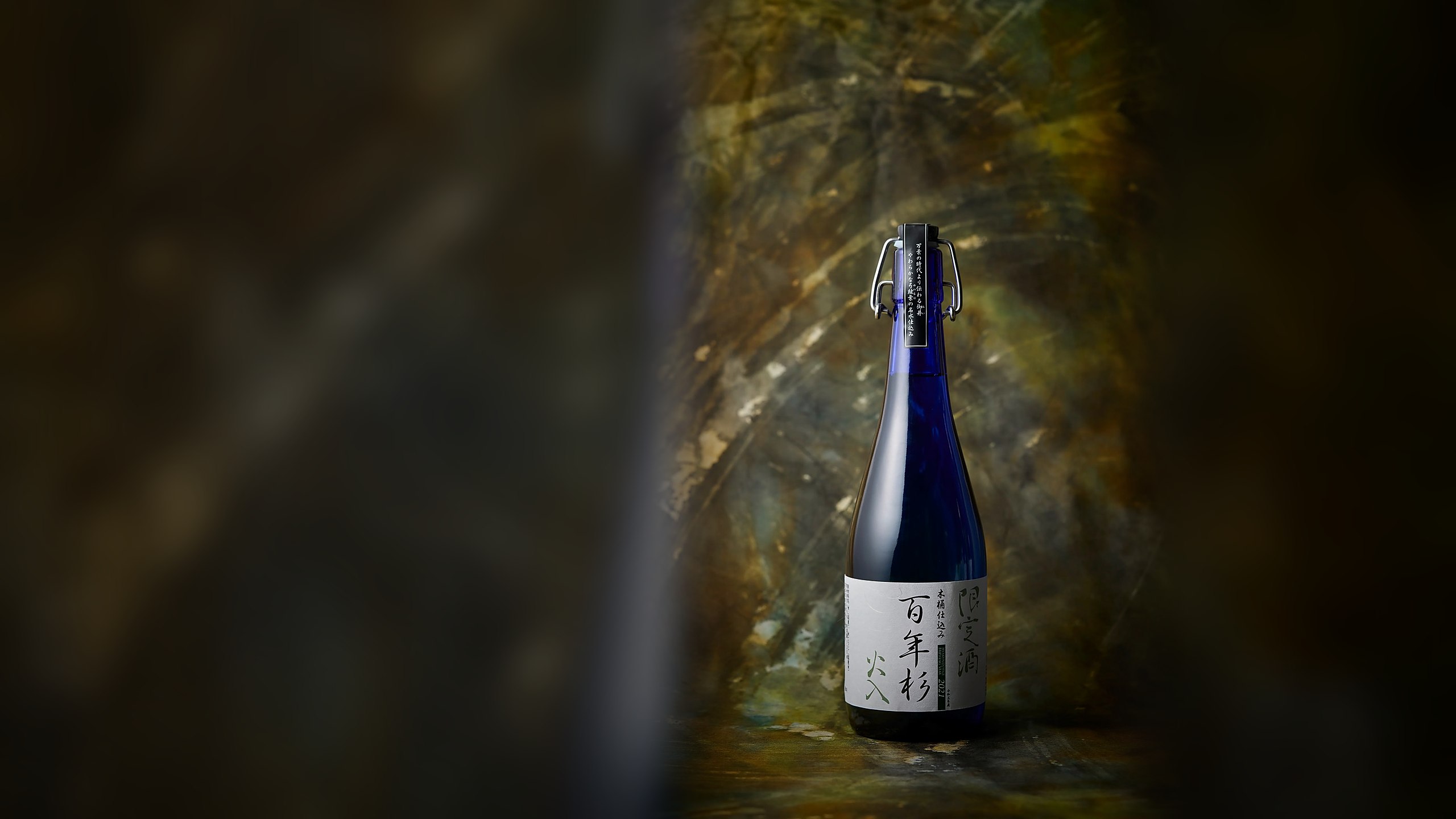
Founded in 1660 at the foot of sacred Mount Miwa and Omiwa Shrine—revered as the ancestral deity of Japanese sake brewing—Imanishi Shuzo crafts Mimurosugi using shrine-mountain subterranean water and locally grown Yamadanishiki and Tsuyuhakaze rice. Luminous lychee, white peach, and Muscat aromas flow into a crystal-clear, juicy palate with a brisk finish that pairs effortlessly with sushi, sashimi, and delicate crudo.
Brewed in Gose City, Nara by 1719-founded Yucho Shuzo, Kaze no Mori unites ancient Muromachi-era Bodaimoto heritage with cutting-edge fermentation science across an all-Muroka Nama Genshu lineup. Fermented with ultra-hard Katsuragi Mountain subsurface water (over 200mg/L hardness) and local Akitsuho rice, its signature micro-effervescence, Muscat and pear aromatics, and chiseled mineral finish captivate diners from sushi counters to Michelin-starred French and Italian tables.
Founded in 1750 in Hakushu at the foot of the Southern Japanese Alps in Yamanashi, Shichiken ('Seven Sages of the Bamboo Grove') harnesses crystal-clear Mount Kaikomagatake snowmelt water. Renowned globally for its bottle-fermented sparkling sakes—including 'Mori no Kanade' aged in Suntory Hakushu whisky barrels—as well as its crisp 'Furinbizan' Junmai and 'Onakaya' Junmai Daiginjo, it pairs seamlessly with French gastronomy, roast poultry, and sushi.
Founded in 1625 in Nada's Uozaki-go, Sakuramasamune holds three monumental distinctions in sake history: discoverer of Nada's legendary hard 'Miyamizu' water (1840), originator of the name 'Masamune', and birthplace of Kyokai No. 1 Yeast (1906). Brewed with original-well Miyamizu and Special-A Yokawa Yamadanishiki, it exemplifies classic Nada structure—dry, mineral-driven, and dignified, blossoming into autumn-clear richness ('akibare') as it ages and warms. Pair it with Akashi sea bream sashimi, Edomae sushi, or Kobe Beef sukiyaki.
Founded in 1862 in Nishinomiya (Nada Gogo) and honored since 1924 as the sole official sacred sake (Goryoshu) offered daily to the deities at Ise Grand Shrine, Hakutaka is a living monument of Nada brewing. Crafted with mineral-rich hard 'Miyamizu' water, Grand Cru Yokawa-cho Yamadanishiki sourced through the historic Muramai village-contract system, and traditional kimoto starters, it exemplifies bold, structured 'Nada Otoko-zake' (masculine sake). Its rich savory backbone and decisive dry finish shine particularly when warmed alongside salt-grilled sea bream, unagi kabayaki, or sukiyaki.
Kenbishi's signature multi-vintage blend, delivering golden amber color, rich savory depth, and a commanding finish that shines both chilled and warm.
Recommended Pairing
Weekly Sake & Tasting Dispatch
Curated seasonal releases, sub-zero arrivals, and tasting city guides across global editions.