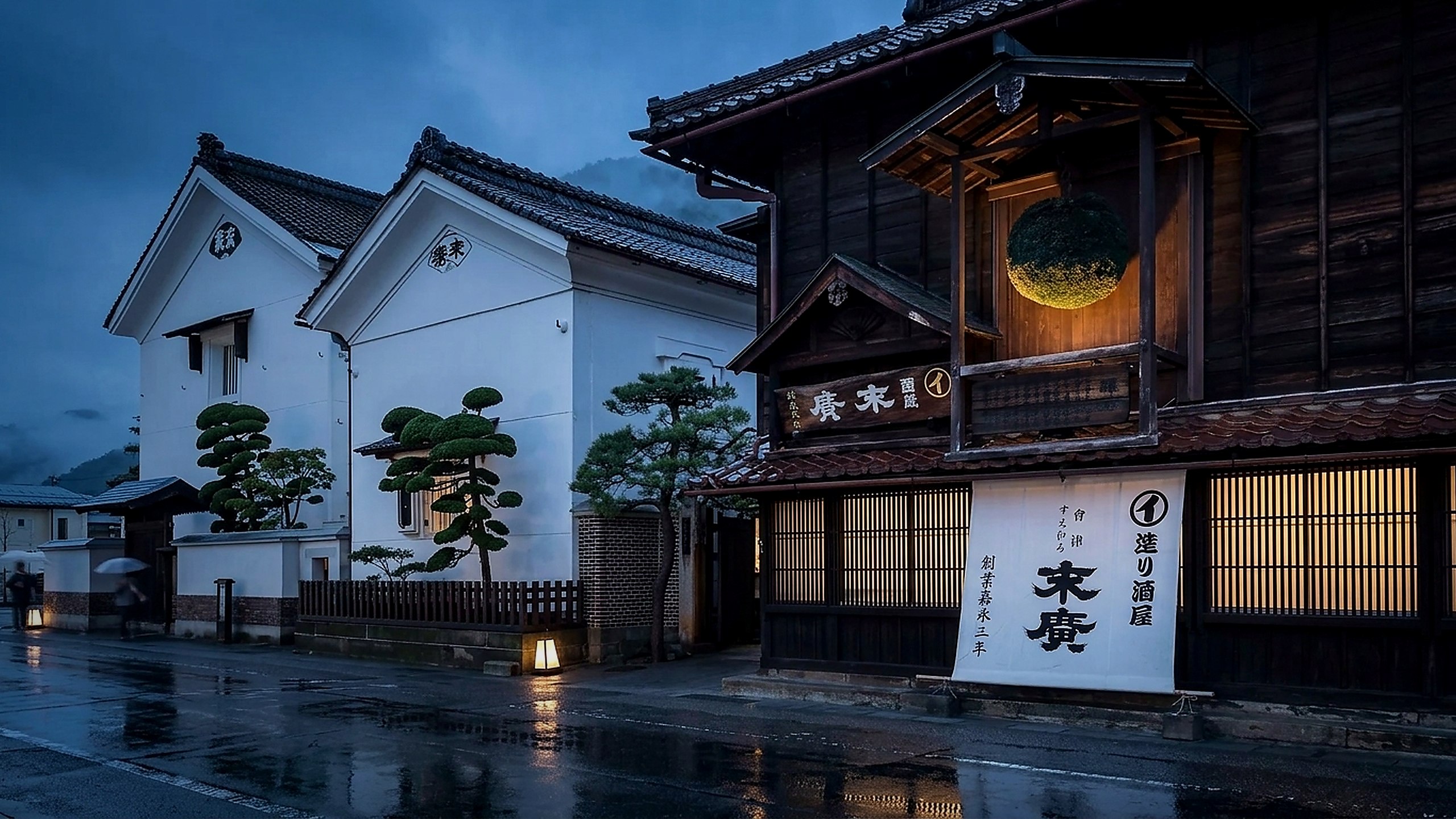
[Inside Tohoku’s Twin Sake Sanctuaries 2026] #1 Gold-Medal Fukushima (Sharaku, Gakki Masamune, Hirotogawa) × Post-NEXT5 Akita (Hanamura, Ippakusuisei, Yamamoto)
Brewery Story

[Inside Tohoku’s Twin Sake Sanctuaries 2026] #1 Gold-Medal Fukushima (Sharaku, Gakki Masamune, Hirotogawa) × Post-NEXT5 Akita (Hanamura, Ippakusuisei, Yamamoto)

2026-11-089min readSakeStream
Back
EXECUTIVE SUMMARY & KEY TAKEAWAYS

With 20 Gold Medals in the May 2026 National New Sake Appraisal (its 12th solo #1 finish) plus a 6th straight Tohoku Sake Appraisal title in November 2026, Fukushima shares Tohoku’s throne with Akita’s deep "Post-NEXT5" bench. Here is the definitive insider guide to eight under-¥2,500 Tohoku masterpieces.

Key Sections in This Report:

Why Fukushima and Akita Elevate Every Brewery in Their Borders to World-Class Status

In the wine world, a renowned estates emerge alongside diverse regional peers. What makes Tohoku’s twin sake sanctuaries—Fukushima Prefecture and Akita Prefecture—so extraordinary in 2026 is that entire prefectural ecosystems of dozens of independent breweries operate simultaneously at the global pinnacle.

Fukushima’s competitive record is unmatched in Japanese brewing history. Beyond its famous nine-year streak leading Japan’s National New Sake Appraisal, Fukushima captured 20 Gold Medals in the May 2026 "Reiwa 7 BY National New Sake Appraisal"—securing its second consecutive and 12th overall solo #1 finish in Japan—and followed up on November 10, 2026 by winning the most Honor Prizes in the Reiwa 8 Tohoku Sake Appraisal for the sixth straight year (15 breweries, 20 awards).

The secret behind Fukushima’s consistency is radical open-source collaboration centered on the Fukushima Technology Centre’s Aizuwakamatsu Technical Support Center (shaped by legendary researcher Dr. Kenji Suzuki) and the Fukushima Sake Brewers Association’s Sake Academy. Competing brewers openly share fermentation curves for prefectural rice strains (Yume no Kaori, Fuku no Ka) and Utsukushima Yume Yeast (F7-01), turning post-2011 adversity into unassailable technical excellence.

Next door in Akita, the famed NEXT5 collective (founded in 2010 by Aramasa, Ippakusuisei, Yuki no Bijin, Harukasumi, and Shirataki) pioneered joint collaborative brewing. While secondary-market hype often fixates on Aramasa, insider sommeliers know Akita’s true superpower in 2026 lies in its deep "Post-NEXT5" bench of ¥1,700–¥2,150 gastronomicgems.
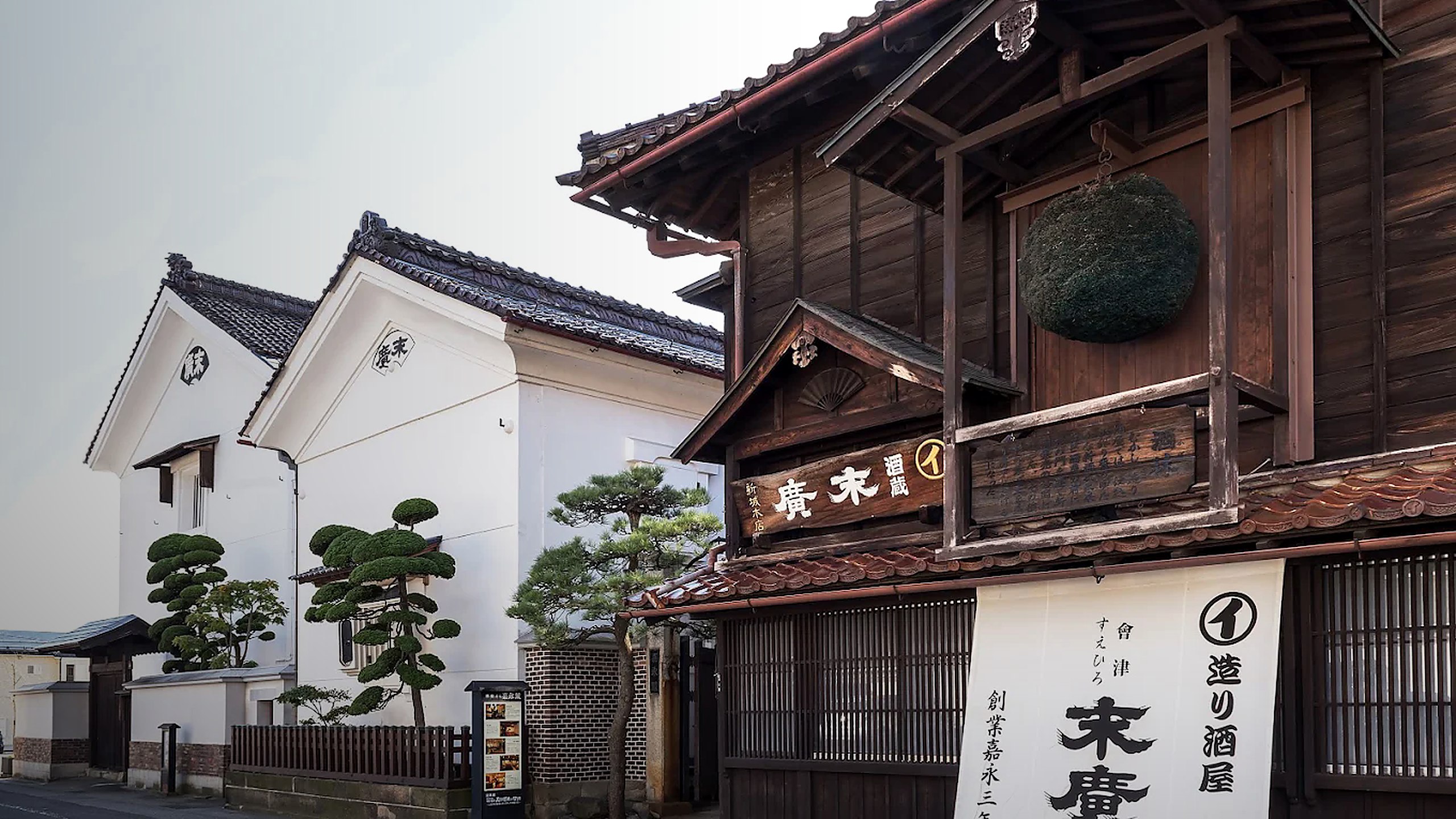
Tohoku’s collaborative guild spirit transformed Fukushima and Akita into global sake powerhouses

Eight Benchmark Bottlings: Fukushima 4 × Akita 4 Master Comparison

RegionBottlingBrewery (Municipality)Core Rice & Yeast720ml JP RetailSignature Profile & Temp
Fukushima (Aizu)Sharaku Junmai GinjoMiyaizumi Meijo (Aizuwakamatsu)Yume no Kaori / Yamada Nishiki¥2,200–¥2,640Lush melon fruit & razor finish (8–12°C)
Fukushima (Central)Gakki Masamune Junjo / NakadoriDaiki Daikichi Honten (Yabuki)Yume no Kaori / Shunyo¥1,500–¥1,6802026 triple-award value king (8–10°C)
Fukushima (Central)Hirotogawa Tokubetsu JunmaiMatsuzaki Shuzo (Ten-ei)100% Fukushima Yume no Kaori~¥1,650Plush grain poise; kappo darling (10–14°C)
Fukushima (South Aizu)Yamanoi Shiro (*Tajima*)Aizu Shuzo (Minamiaizu)Yume no Kaori × Soft Water (18)~¥1,980Reiwa 7BY Gold; cotton-candy silk (10–12°C)
Akita (South)Hanamura Omachi / Rikuu-denRyozeki Shuzo (Yuzawa)Bizen Omachi (Juyondai mentored)¥1,850–¥2,150Direct Takagi mentorship; nectar elegance (8–10°C)
Akita (Central)Ippakusuisei Tokubetsu JunmaiFukurokuju Shuzo (Gojome)Gojome Miyamanishiki / Komachi~¥1,870Archetypal pure food-pairing Junmai (10–12°C)
Akita (North)Yamamoto Pure BlackYamamoto Shuzoten (Happo)Akita Sake Komachi × Shirakami~¥1,890In-house milling & crisp malic snap (8–12°C)
Akita (South)Harukasumi Junmai GinjoKuribayashi Shuzoten (Misato)Misato Nishiki × Kumamoto #9~¥1,760Rokugo spring water & sushi harmony (10–14°C)

Part I: Four Essential Fukushima Champions

#1

Sharaku Junmai Ginjo (Miyaizumi Meijo, Aizuwakamatsu, Fukushima)

Heritage
Brewed steps north of Tsuruga Castle under President Yoshihiro Miyamori, who adopted the Sharaku brand from a shuttered Aizu brewery and elevated it into a national icon
Architecture
Hyogo Tojo Yamada Nishiki & Fukushima Yume no Kaori with rapid bottle-pasteurization cooling and sub-zero storage
720ml Pricing (JP / Global)
¥2,200–¥2,640 tax incl. in Japan / ₩68,000–₩98,000 in Seoul fine dining; ~$48–$68 USD
Optimal Service
8–12°C in a white wine glass

The golden standard of modern Fukushima sake: radiant muskmelon and white-peach aromatics on entry followed by a weightless, zero-cloy vanishing act on the finish.

#2

Gakki Masamune Junjo / Honjozo Nakadori (Daiki Daikichi Honten, Yabuki, Fukushima)

2026 Triple Crown
① Reiwa 7BY National New Sake Appraisal Gold Medal, ② 4th Place GOLD in Junmai at SAKE COMPETITION 2026, ③ VIENNA SAKE AWARD 2026 Public Choice Award
720ml Pricing (JP / Global)
¥1,500–¥1,680 tax incl. in Japan (~¥1,980 for Shunyo) / ₩45,000–₩62,000 in Seoul; ~$34–$46 USD
Optimal Service
8–10°C chilled in a wine stem

Pound for pound, the single greatest price-to-quality anomaly in Japanese sake today. At ¥1,500–¥1,680, Gakki Masamune bursts with muscat, tangerine zest, and micro-freshness that routinely beats ¥3,500 Daiginjos blind.

#3

Hirotogawa Tokubetsu Junmai (Matsuzaki Shuzo, Ten-ei Village, Fukushima)

Brewer
Crafted by gold-medal prodigy Toji Hiroyuki Matsuzaki from 55%-polished Fukushima Yume no Kaori
720ml Pricing (JP / Global)
~¥1,650 tax incl. in Japan / By-the-glass staple at top Tokyo & Seoul yakitori and kappo counters
Optimal Service
10–14°C

Subtle white-peach aromatics, warm steamed-rice comfort, and effortless drinkability make Hirotogawa an indispensable table companion.

#4

Yamanoi Shiro (Aizu Shuzo, Minamiaizu, Fukushima)

Water & Pedigree
Brewed with ultra-soft snowmelt groundwater (hardness ~18); winner of a Reiwa 7BY National Gold Medal under its competition label Tajima
720ml Pricing (JP / Global)
~¥1,980 tax incl. in Japan
Optimal Service
10–12°C in thin crystal glassware

Feather-soft, cloud-like entry balanced by crisp alpine acidity from deep snow-country Minamiaizu.


Part II: Four "Post-NEXT5" Powerhouses Proving Akita’s Depth Beyond Aramasa

#5

Hanamura Junmai Ginjo Omachi / Rikuu-den & Suigyoku (Ryozeki Shuzo, Yuzawa, Akita)

Origin Story
Born at historic 1874-founded Ryozeki Shuzo through unprecedented direct technical mentorship, rice selection, and naming by *Juyondai*’s Tatsugoro Takagi, brewed by Master Brewer Naoaki Kuribayashi
720ml Pricing (JP / Global)
¥1,850–¥2,150 tax incl. in Japan / ₩58,000–₩82,000 in Seoul; ~$44–$62 USD
Optimal Service
8–10°C in a generous wine glass

Revered by insiders as "Juyondai DNA at ¥2,000 retail," Hanamura (and its sister label Suigyoku) marries nectar-like floral lushness with Yuzawa snowmelt clarity.

#6

Ippakusuisei Tokubetsu Junmai Ryoshin (Fukurokuju Shuzo, Gojome, Akita)

Philosophy
Sixteenth-generation president Yasue Watanabe’s name means "The tastiest sake born of white rice and water," grown in partnership with Gojome’s local rice-farming guild
720ml Pricing (JP / Global)
~¥1,870 tax incl. in Japan / ₩55,000–₩75,000 in Seoul; ~$40–$56 USD
Optimal Service
10–12°C

Poised, juicy, and impeccably balanced between savory Akita grain and crisp acidity, Ippakusuisei is the platonic ideal of modern Tokubetsu Junmai.

#7

Yamamoto Pure Black Junmai Ginjo (Yamamoto Shuzoten, Happo, Akita)

Water & Milling
Direct pipeline drawing pristine spring water from the Shirakami-Sanchi UNESCO World Natural Heritage forest, paired with 100% in-house precision milling by Tomofumi Yamamoto
720ml Pricing (JP / Global)
~¥1,890 tax incl. in Japan / ₩54,000–₩72,000 in Seoul; ~$40–$55 USD
Optimal Service
8–12°C in a crisp white wine glass

Silky Akita Sake Komachi sweetness sliced cleanly by electric malic acidity—stunning with crudo, olive oil, and herbs.

#8

Harukasumi Junmai Ginjo (Kuribayashi Shuzoten, Misato, Akita)

Water & Yeast
Brewed with crystal-clear Rokugo Springs groundwater (Top 100 Waters of Japan), local Misato Nishiki rice, and classic Kumamoto No. 9 yeast
720ml Pricing (JP / Global)
~¥1,760 tax incl. in Japan / Beloved by Edomae sushi masters
Optimal Service
10–14°C

Eschewing flashy ethyl-caproate bombs for timeless Kumamoto No. 9 poise, Harukasumi completes an eight-bottle Tohoku lineup proving the world’s finest sake still belongs on everyday tables.

1,215 Breweries · 2,891 Labels · Neutral Archive
Linked from 1,215 Breweries · 2,891 Labels · 8,673 Reviews

Featured Breweries, Specs & Flavor Balance

Flagship LabelBrewery & RegionSignature Rice & WaterBrewery Profile
NipponichiGochoda Shuzo (Ko 2081 Gochoda, Shiota-machi, Ureshino-shi, Saga 849-1425, Japan)Estate-grown Yamada Nishiki (cultivated in-house since 1988), Gohyakumangoku, and Saganohana · Subterranean soft water from the Mt. Tara and Shiota River systemBrewery Profile
Gakki MasamuneOki Daikichi Honten Co., Ltd. (9 Honcho, Yabuki-machi, Nishishirakawa-gun, Fukushima 969-0213, Japan)Yumenoka, Fukunoka, Dewasansan, Omachi, Gohyakumangoku · Subsurface soft water from the Kumado River system and Abukuma HighlandsBrewery Profile
HirotogawaMatsuzaki Shuzo Co., Ltd. (47-1 Kanameya, Shimomatsumoto, Tenei-mura, Iwase-gun, Fukushima 962-0503, Japan)Yumenoka (including Tenei Village estate-grown), Fukunoka, Yamadanishiki, Omachi, Gohyakumangoku · Subsurface snowmelt soft water from Mt. Futamata in the Ou Mountain RangeBrewery Profile
YamanoiAizu Shuzo Co., Ltd. (603 Anazawa, Nagata, Minamiaizu-machi, Minamiaizu-gun, Fukushima 967-0006, Japan)Yumenoka, Fukunoka, Gohyakumangoku, Omachi, Yamadanishiki · Subsurface snowmelt water from Mt. Arakai in Okuaizu (ultra-soft water, hardness ~20 mg/L)Brewery Profile
HanamuraRyozeki Sake Brewery Co., Ltd. (4-3-18 Maemori, Yuzawa-shi, Akita 012-0813, Japan)Aiyama, Yamada Nishiki, Omachi, Misato Nishiki, Akita Sakekomachi · Mount Kurikoma Subterranean Ultra-Soft Water (Rikimizu Spring System)Brewery Profile
IppakusuiseiFukurokuju Brewery Co., Ltd. (48 Shitamachi, Gojome-machi, Minamiakita-gun, Akita 018-1706, Japan)Gojome Contract-Grown Akita Sakekomachi, Misato Nishiki, Ginnosei, Aiyama, Yamada Nishiki · Mount Taihei & Babame River Subterranean Water (Moderately Hard On-Site Well Water)Brewery Profile
YamamotoYamamoto Brewery Co., Ltd. (269 Hachimori, Hachimori, Happo-cho, Yamamoto-gun, Akita 018-2678, Japan)Akita Sakekomachi, Misato Nishiki, Ginnosei, Kamenoo (Including Estate-Grown Rice) · Shirakami-Sanchi UNESCO World Heritage Natural Spring Water (Direct 3km Pipeline Ultra-Soft Water)Brewery Profile
AramasaAramasa Co., Ltd. (6-2-35 Omachi, Akita-shi, Akita 010-0921, Japan)Pesticide-Free & Estate-Grown Akita Rice (Kairyo Shinko, Rikuu No. 132, Misato Nishiki, Akita Sakekomachi) · Mount Taihei Subterranean Soft Water (Akita City)Brewery Profile
HarukasumiKuribayashi Brewery (56 Komemachi, Rokugo, Misato-cho, Senboku-gun, Akita 019-1404, Japan)Misato Nishiki (Rokugo Contract-Grown), Akita Sakekomachi, Yamada Nishiki, Hyakuden · Rokugo Springs Top 100 Famous Waters of Japan (Ou Mountains Subterranean Soft Water)Brewery Profile
SharakuMiyaizumi Meijo Co., Ltd. (8-7 Toei-machi, Aizuwakamatsu-shi, Fukushima 965-0872, Japan)Yamadanishiki, Gohyakumangoku, Yumenoka, Fukunoka, Omachi, Aiyama, Sakemirai · Mt. Bandai subsurface spring water 'Miyaizumi Meisui' (soft water)Brewery Profile
Ko 2081 Gochoda, Shiota-machi, Ureshino-shi, Saga 849-1425, Japan · Gochoda Shuzo (Est. 1922)
Nipponichi食中酒旨味バランス
Subterranean soft water from the Mt. Tara and Shiota River system Estate-grown Yamada Nishiki (cultivated in-house since 1988), Gohyakumangoku, and Saganohana Kumamoto yeast (KA-1 / KA-4) and Kyokai No. 9 lineage yeast

A heritage label from Ureshino's Gochoda Shuzo (makers of Azumaichi) in Saga, 'Nipponichi' combines soft Mt. Taradake spring water with estate-grown Yamada Nishiki for plush umami and a clean finish.

Flavor Balance (1–5 Rice Grains)Shows which flavor direction the balance leans toward (1 to 5 rice grains), never a quality rank or score.
Serving & Glassware:Recommended Temperature: 8–12°C (Crisp Chilled) or 45–48°C (Jokan Warmed) / Recommended Glassware: Narrow-tulip white wine stem, thin porcelain hirahai cup, or tin (suzu) vessel. Chilled to 9°C, Subterranean soft water from the Mt. Tara and Shiota River system delivers razor-sharp mineral precision and a bone-dry finish; as it warms to 13°C—or when heated in a tin carafe to 45°C—savory Estate-grown Yamada Nishiki (cultivated in-house since 1988), Gohyakumangoku grain character emerges to frame coastal cuisine.
Global Gastronomy Pairings
• Translucent Yobuko swordtip squid sashimi with lemon salt and chilled Ariake Sea Takezaki crab
• Seasonal Korean croaker sashimi & warm pan-seared min-eo jeon with tangy minari salad
• Oysters Rockefeller with herb butter crust and wood-grilled sea bass with fennel & lemon
“Tasted 'Nipponichi' by Gochoda Shuzo: opening with the pure touch of Subterranean soft water from the Mt. Tara and Shiota River system, it reveals savory layers from estate-grown Yamada Nishiki (cultivated since 1988), Gohyakumangoku, and Saga no Hana and versatile, cuisine-elevating table-sake poise, savory, resonant rice umami, harmonious balance of umami, acidity, and finish before finishing with crisp precision.”
Domestic Review · SAKETIME / 国内口コミ日本酒ソムリエ・きき酒師
“Highly rated on global sake platforms for its poised structure shaped by Subterranean soft water from the Mt. Tara and Shiota River system in Saga, offering versatile, cuisine-elevating table-sake poise, savory, resonant rice umami, harmonious balance of umami, acidity, and finish that pairs seamlessly with sushi, sashimi, and contemporary cuisine.”
Global Sommelier · Vivino / Global SakeGlobal Sake Sommelier
“Loved on X and Instagram for its dynamic temperature evolution—showing crisp mineral clarity when chilled and generous estate-grown Yamada Nishiki (cultivated since 1988), Gohyakumangoku, and Saga no Hana umami as it warms.”
SNS Buzz · X (Twitter) / Instagram@nihonshu_note_jp
9 Honcho, Yabuki-machi, Nishishirakawa-gun, Fukushima 969-0213, Japan · Oki Daikichi Honten Co., Ltd. (Est. 1865)
Gakki Masamuneガスマスカットフルーティ
Subsurface soft water from the Kumado River system and Abukuma Highlands Yumenoka, Fukunoka, Dewasansan, Omachi, Gohyakumangoku Utsukushima Yume Yeast (F7-01), Utsukushima Kirameki Yeast, Kyokai No. 1801

Revived by 5th-generation brewer Yuta Oki from a Taisho-era brand praised by the Imperial Household for 'playing harmony like a musical instrument,' Gakki Masamune has become a nationwide phenomenon from Yabuki Town. Bursting with vibrant green apple and Muscat aromatics, lively nakadori (middle-run) juiciness, and a whisper of natural spritz, it pairs effortlessly with prosciutto, crudo, and salt-grilled yakitori.

Flavor Balance (1–5 Rice Grains)Shows which flavor direction the balance leans toward (1 to 5 rice grains), never a quality rank or score.
Serving & Glassware:Recommended Temperature: 10–13°C (Chilled / Hanabie to Suzubie) / Recommended Glassware: Thin-rimmed, medium-bowled white wine glass (such as Riedel O Daiginjo). Avoid over-chilling below 6°C so the delicate esters are not muted. Upon pouring, experience crystalline purity from Subsurface soft water from the Kumado River system and Abukuma Highlands and lifted orchard-fruit aromatics; after 15 minutes as the glass warms to 14°C, silky Yumenoka, Fukunoka, Dewasansan, Omachi, Gohyakumangoku mid-palate umami opens gracefully.
Global Gastronomy Pairings
• Aged Joban coastal flounder sashimi and Aizu white asparagus & kuruma prawn tempura with mountain salt
• Dry-aged Korean wild sea bream hoe and chilled king prawn salad (daeha-naengchae) in pine-nut sauce
• Poached lobster tail and white asparagus warm salad with yuzu-infused citrus hollandaise
“Gakki Masamune Honjozo Nakadori completely shatters every preconception of the Honjozo category. Tasted blind, its juicy Muscat aromatics, crystalline purity, and snappy finish rival bottles three times its price.”
Domestic Review · SAKETIME 福島県ランキング 上位・急上昇1位Modern_Sake_Hunter
“Whenever we pour Gakki Masamune for natural wine bars and modern Asian restaurants abroad, sommeliers immediately light up at its vibrant acidity, bright orchard fruit, and zippy, low-ABV drinkability.”
Global Sommelier · Vivino / Reddit r/SakeSamir Patel
“Tasted Gakki Masamune Junjo alongside their Kijoshu! From its crisp, chilled attack to the way melon-like umami swells as it warms in the glass, the progression feels like a musical crescendo.”
SNS Buzz · X (Twitter) / Instagram@sake_melody_jp
47-1 Kanameya, Shimomatsumoto, Tenei-mura, Iwase-gun, Fukushima 962-0503, Japan · Matsuzaki Shuzo Co., Ltd. (Est. 1892)
Hirotogawaガス旨味バランス
Subsurface snowmelt soft water from Mt. Futamata in the Ou Mountain Range Yumenoka (including Tenei Village estate-grown), Fukunoka, Yamadanishiki, Omachi, Gohyakumangoku Utsukushima Yume Yeast (F7-01), Utsukushima Kirameki Yeast

Propelled to national fame when 6th-generation brewer Yuko Matsuzaki took over as toji at age 26 and immediately won Gold at the National New Sake Awards, Hirotogawa hails from snow-draped Tenei Village in Fukushima. Maximizing local Yumenoka rice alongside Yamadanishiki, it offers crisp Asian pear and white peach aromatics, juicy mid-palate sweetness, and bright acidity that elevate both washoku and modern bistro fare.

Flavor Balance (1–5 Rice Grains)Shows which flavor direction the balance leans toward (1 to 5 rice grains), never a quality rank or score.
Serving & Glassware:Recommended Temperature: 10–13°C (Chilled / Hanabie to Suzubie) / Recommended Glassware: Thin-rimmed, medium-bowled white wine glass (such as Riedel O Daiginjo). Avoid over-chilling below 6°C so the delicate esters are not muted. Upon pouring, experience crystalline purity from Subsurface snowmelt soft water from Mt. Futamata in the Ou Mountain Range and lifted orchard-fruit aromatics; after 15 minutes as the glass warms to 14°C, silky Yumenoka (including Tenei Village estate-grown), Fukunoka mid-palate umami opens gracefully.
Global Gastronomy Pairings
• Aged Joban coastal flounder sashimi and Aizu white asparagus & kuruma prawn tempura with mountain salt
• Jeju silver belt-fish sashimi and delicate pan-fried scallop & cod jeon with citrus soy
• Wild sea bream carpaccio with bergamot olive oil, shaved bottarga, and micro herbs
“Hirotogawa Tokubetsu Junmai offers some of the finest quality-to-price artistry in Japan. Toji Yuko Matsuzaki coaxes pure melon and Asian pear elegance from local Yumenoka rice with zero off-notes.”
Domestic Review · SAKETIME 福島県ランキング トップ5常連Fukushima_Jizake_Fan
“A consistent top finisher at SAKE COMPETITION, Hirotogawa Junmai Daiginjo combines feather-light softness from Tenei Village spring water with a crisp mineral backbone that pairs seamlessly with Nordic seafood.”
Global Sommelier · SAKE COMPETITION / VivinoDavid Lindqvist
“Secured the winter-release Hirotogawa Junmai Nigori Nama! Silky lees, lively micro-effervescence, and a snappy dry finish make this one of the most refreshing nigori sakes in Japan.”
SNS Buzz · X (Twitter) / Instagram@sake_nomi_diary
603 Anazawa, Nagata, Minamiaizu-machi, Minamiaizu-gun, Fukushima 967-0006, Japan · Aizu Shuzo Co., Ltd. (Est. 1688)
Yamanoi柔らかい綺麗優しい
Subsurface snowmelt water from Mt. Arakai in Okuaizu (ultra-soft water, hardness ~20 mg/L) Yumenoka, Fukunoka, Gohyakumangoku, Omachi, Yamadanishiki Utsukushima Yume Yeast (F7-01), Utsukushima Kirameki Yeast, Kyokai No. 9 strain

Brewed since 1688 at 600 meters elevation in the deep snow country of Minamiaizu, Yamanoi is the tokuyakuten-exclusive flagship of Aizu Shuzo—the oldest brewery in southern Aizu. Crafted with ultra-soft Mount Araumi snowmelt subterranean water (hardness ~20 mg/L), Fukushima-bred Yumenoka and Fukunoka, plus Omachi and Yamada Nishiki, it offers a cloud-like entry of spun sugar and white peach that melts away like fresh powder snow. Pair it with Minamiaizu hand-cut tachisoba buckwheat noodles, crisp mountain-vegetable tempura, or salt-grilled river char (iwana).

Flavor Balance (1–5 Rice Grains)Shows which flavor direction the balance leans toward (1 to 5 rice grains), never a quality rank or score.
Serving & Glassware:Recommended Temperature: 10–13°C (Chilled / Hanabie to Suzubie) / Recommended Glassware: Thin-rimmed, medium-bowled white wine glass (such as Riedel O Daiginjo). Avoid over-chilling below 6°C so the delicate esters are not muted. Upon pouring, experience crystalline purity from Subsurface snowmelt water from Mt. Arakai in Okuaizu (ultra-soft water, hardness ~20 mg/L) and lifted orchard-fruit aromatics; after 15 minutes as the glass warms to 14°C, silky Yumenoka, Fukunoka, Gohyakumangoku, Omachi, Yamadanishiki mid-palate umami opens gracefully.
Global Gastronomy Pairings
• Aged Joban coastal flounder sashimi and Aizu white asparagus & kuruma prawn tempura with mountain salt
• Jeju silver belt-fish sashimi and delicate pan-fried scallop & cod jeon with citrus soy
• Wild sea bream carpaccio with bergamot olive oil, shaved bottarga, and micro herbs
“Opened Yamanoi 60 Omachi and Yamanoi Kuro (Yumenoka). Because it's brewed with Minamiaizu's 20-mg/L ultra-soft water, even bold Omachi rice turns weightless—unfurling notes of white peach and spun sugar before vanishing like fresh snow.”
Domestic Review · SAKETIME / 国内口コミ奥会津の雪兎
“Born in an alpine 600-meter snow basin with ultra-soft snowmelt water, Yamanoi is pure elegance in a bottle. Its feather-soft texture and delicate melon bouquet pair effortlessly with scallop tartare and white asparagus.”
Global Sommelier · Vivino / Fine Wine & SakeIsabelle C.
“Whenever I spot Aizu Shuzo's Yamanoi at a bottle shop, it comes home with me! Pillow-soft on entry yet lifted by a clean acid line so it never cloys—heavenly alongside mountain-vegetable tempura or Fukushima peach and mozzarella caprese.”
SNS Buzz · X (Twitter) / Instagram@fukushima_sake_note
4-3-18 Maemori, Yuzawa-shi, Akita 012-0813, Japan · Ryozeki Sake Brewery Co., Ltd. (Est. 1874)
Hanamura甘味フルーティ華やか
Mount Kurikoma Subterranean Ultra-Soft Water (Rikimizu Spring System) Aiyama, Yamada Nishiki, Omachi, Misato Nishiki, Akita Sakekomachi Proprietary House Yeast & Akita Flowering Yeast

Born from an extraordinary technical mentorship by Tatsugoro Takagi of Yamagata's legendary Juyondai, Hanamura is an ultra-allocated jewel brewed by Ryozeki Shuzo in Yuzawa. Crafted with Omachi, Rikuuda, and Dewasansan rice and ultra-soft Kurikoma mountain water, it offers nectar-like floral sweetness and a velvet texture that shines alongside kobujime sashimi and fruit-accented appetizers.

Flavor Balance (1–5 Rice Grains)Shows which flavor direction the balance leans toward (1 to 5 rice grains), never a quality rank or score.
Serving & Glassware:Recommended Temperature: 10–13°C (Chilled / Hanabie to Suzubie) / Recommended Glassware: Thin-rimmed, medium-bowled white wine glass (such as Riedel O Daiginjo). Avoid over-chilling below 6°C so the delicate esters are not muted. Upon pouring, experience crystalline purity from Mount Kurikoma Subterranean Ultra-Soft Water (Rikimizu Spring System) and lifted orchard-fruit aromatics; after 15 minutes as the glass warms to 14°C, silky Aiyama, Yamada Nishiki, Omachi, Misato Nishiki, Akita Sakekomachi mid-palate umami opens gracefully.
Global Gastronomy Pairings
• Kelp-cured Oga Peninsula wild sea bream and chilled Akita junsai water-shield in dashi gelee
• Jeju silver belt-fish sashimi and delicate pan-fried scallop & cod jeon with citrus soy
• Wild sea bream carpaccio with bergamot olive oil, shaved bottarga, and micro herbs
“Finally got my hands on Hanamura Junmai Ginjo Nama Omachi. Aromas of white peach and lychee leap from the glass, followed by honeyed richness balanced by a delicate, refreshing bitterness on the finish.”
Domestic Review · SAKETIME / 国内口コミ芳醇甘口ファン
“Highly sought after among collectors in Hong Kong and Singapore. The contrast between its feather-light ultra-soft water texture and lush tropical fruitiness makes it spectacular with steamed reef fish and Cantonese seafood.”
Global Sommelier · Vivino / Asian Fine DiningKenneth T.
“Popped a bottle of Hanamura Rikuuda! So lush and fruit-forward, yet the finish is remarkably clean so you keep reaching for another pour. Pairing it side by side with its sister label Suigyoku is pure heaven.”
SNS Buzz · X (Twitter) / Instagram@nihonshu_sweet_club
48 Shitamachi, Gojome-machi, Minamiakita-gun, Akita 018-1706, Japan · Fukurokuju Brewery Co., Ltd. (Est. 1688)
Ippakusuisei甘味フルーティ旨味
Mount Taihei & Babame River Subterranean Water (Moderately Hard On-Site Well Water) Gojome Contract-Grown Akita Sakekomachi, Misato Nishiki, Ginnosei, Aiyama, Yamada Nishiki Akita Prefectural Yeasts (Komachi Yeast, AK-1, UT-1)

Named for 'the finest sake born of white rice and water,' Ippakusuisei is crafted by Fukurokuju Shuzo in close partnership with the Gojome Sake Rice Study Group of local young farmers. Showcasing estate-grown Akita Sakekomachi, Misatonishiki, and Omachi, it delivers a burst of ripe orchard juiciness followed by a taut, refreshing acid snap that elevates tempura and delicate seafood.

Flavor Balance (1–5 Rice Grains)Shows which flavor direction the balance leans toward (1 to 5 rice grains), never a quality rank or score.
Serving & Glassware:Recommended Temperature: 10–13°C (Chilled / Hanabie to Suzubie) / Recommended Glassware: Thin-rimmed, medium-bowled white wine glass (such as Riedel O Daiginjo). Avoid over-chilling below 6°C so the delicate esters are not muted. Upon pouring, experience crystalline purity from Mount Taihei & Babame River Subterranean Water (Moderately Hard On-Site Well Water) and lifted orchard-fruit aromatics; after 15 minutes as the glass warms to 14°C, silky Gojome Contract-Grown Akita Sakekomachi, Misato Nishiki mid-palate umami opens gracefully.
Global Gastronomy Pairings
• Kelp-cured Oga Peninsula wild sea bream and chilled Akita junsai water-shield in dashi gelee
• Jeju silver belt-fish sashimi and delicate pan-fried scallop & cod jeon with citrus soy
• Poached lobster tail and white asparagus warm salad with yuzu-infused citrus hollandaise
“Ippakusuisei Tokubetsu Junmai 'Ryoshin' truly lives up to its name ('Conscience'). Fragrant pear notes, soft Akita Sakekomachi sweetness, and a whisper-clean finish make it an unbeatable daily luxury.”
Domestic Review · SAKETIME / 国内口コミ五城目の酒好き
“A shining example of farmer-to-glass terroir in Japanese sake. Their side-by-side parent-offspring rice comparisons (like Tankan Wataribune vs. Yamadanishiki) are a masterclass in rice varietal expression.”
Global Sommelier · Vivino / International SakeHannah G.
“Opened Ippakusuisei Junmai Ginjo Aiyama for a weekend treat! Charming notes of ripe strawberry and white peach with a crisp, uplifting finish—pure happiness in a glass.”
SNS Buzz · Instagram / X (Twitter)@sake_weekend_vibes
269 Hachimori, Hachimori, Happo-cho, Yamamoto-gun, Akita 018-2678, Japan · Yamamoto Brewery Co., Ltd. (Est. 1901)
Yamamoto酸味ガスキレ
Shirakami-Sanchi UNESCO World Heritage Natural Spring Water (Direct 3km Pipeline Ultra-Soft Water) Akita Sakekomachi, Misato Nishiki, Ginnosei, Kamenoo (Including Estate-Grown Rice) Akita Flowering Yeast (AK-1), Komachi Yeast R-5, Kyokai Yeasts

Located at the foot of the UNESCO World Heritage Shirakami Mountains, Yamamoto Shuzoten grows its own estate sake rice and brews with pristine Shirakami spring water piped directly into the brewery. Famous for 'Pure Black' and 'Midnight Blue', it combines juicy fruit notes from Akita Sakekomachi and Misatonishiki rice with electric acidity that cuts through yakitori and modern fusion cuisine.

Flavor Balance (1–5 Rice Grains)Shows which flavor direction the balance leans toward (1 to 5 rice grains), never a quality rank or score.
Serving & Glassware:Recommended Temperature: 10–13°C (Chilled / Hanabie to Suzubie) / Recommended Glassware: Thin-rimmed, medium-bowled white wine glass (such as Riedel O Daiginjo). Avoid over-chilling below 6°C so the delicate esters are not muted. Upon pouring, experience crystalline purity from Shirakami-Sanchi UNESCO World Heritage Natural Spring Water (Direct 3km Pipeline Ultra-Soft Water) and lifted orchard-fruit aromatics; after 15 minutes as the glass warms to 14°C, silky Akita Sakekomachi, Misato Nishiki mid-palate umami opens gracefully.
Global Gastronomy Pairings
• Kelp-cured Oga Peninsula wild sea bream and chilled Akita junsai water-shield in dashi gelee
• Dry-aged Korean wild sea bream hoe and chilled king prawn salad (daeha-naengchae) in pine-nut sauce
• Poached lobster tail and white asparagus warm salad with yuzu-infused citrus hollandaise
“Yamamoto Pure Black is the undisputed MVP of my sake fridge. Understated aromatics give way to bright citrus acidity and the silky glide of Shirakami soft water—an impeccable food companion.”
Domestic Review · SAKETIME / 国内口コミ白神の風
“A huge favorite in San Francisco's modern Japanese dining scene. 'Midnight Blue' delivers vibrant tropical aromatics with a crisp, mineral spine that resonates immediately with California wine drinkers.”
Global Sommelier · Vivino / Global Sake ReviewEthan W.
“Opened Yamamoto's Strawberry Red (Misatonishiki) and Sunshine Yellow (Yamahai) tonight! Each color-coded release showcases a distinct yeast and rice interplay—makes you want to collect the whole spectrum.”
SNS Buzz · X (Twitter) / Instagram@next5_fanatic
6-2-35 Omachi, Akita-shi, Akita 010-0921, Japan · Aramasa Co., Ltd. (Est. 1852)
Aramasaガス酸味ワイン
Mount Taihei Subterranean Soft Water (Akita City) Pesticide-Free & Estate-Grown Akita Rice (Kairyo Shinko, Rikuu No. 132, Misato Nishiki, Akita Sakekomachi) Kyokai No. 6 Yeast (Birthplace Brewery, 100% Exclusive Use)

As the birthplace of Kyokai No. 6 yeast, Aramasa represents the pinnacle of modern sake brewing through 100% kimoto fermentation in cedar vats using exclusively Akita-grown rice. Its vibrant citrus acidity, low-alcohol elegance, and silky sweetness evoke fine white Burgundy, pairing effortlessly with sashimi, crudo, and modern gastronomy.

Flavor Balance (1–5 Rice Grains)Shows which flavor direction the balance leans toward (1 to 5 rice grains), never a quality rank or score.
Serving & Glassware:Recommended Temperature: 10–14°C (Cool Cellar) & 42–45°C (Bain-Marie Warmed / Nurukan) / Recommended Glassware: Thin-rimmed white Burgundy or Riedel O Daiginjo wine glass. Right after opening at 10°C, savor the vibrant micro-effervescence and taut lactic/citric tension shaped by Mount Taihei Subterranean Soft Water (Akita City); after 15 minutes as it reaches 14°C, multi-dimensional Pesticide-Free & Estate-Grown Akita Rice (Kairyo Shinko, Rikuu No. 132) umami and savory kimoto complexity blossom.
Global Gastronomy Pairings
• Charcoal-grilled Hinai-jidori chicken kiritanpo hotpot and smoked iburigakko with sake-lees cream cheese
• Charcoal-seared Hanwoo 1++ brisket point (chadolbagi) paired with aromatic minari and chilled dongchimi radish
• Pan-roasted Breton blue lobster with Champagne, tarragon, and cultured butter beurre blanc
“Opened a bottle of No. 6 X-type and was floored by the burst of Shine Muscat and white peach aromatics, backed by multi-dimensional kimoto acidity and crystalline purity from cedar vat fermentation. An absolute masterpiece of contemporary Japanese brewing.”
Domestic Review · SAKETIME / 国内口コミ六号酵母の求道者
“A revelation for Burgundy and Champagne lovers: laser-focused lactic and malic tension, delicate wooden-vat complexity, and incredible concentration at just 13% ABV. Pairs brilliantly with Dover sole and shellfish.”
Global Sommelier · Vivino / Fine Wine & SakeMarc L.
“Finally scored Amaneko and Ecru through a bottle shop lottery! That lively micro-effervescence on opening and bright, juicy sweet-tart balance is unmatched—turned my wine-drinking friends into instant sake fanatics.”
SNS Buzz · X (Twitter) / Reddit r/Sake@tokyo_sake_hunter
56 Komemachi, Rokugo, Misato-cho, Senboku-gun, Akita 019-1404, Japan · Kuribayashi Brewery (Est. 1874)
Harukasumiガス酸味旨味
Rokugo Springs Top 100 Famous Waters of Japan (Ou Mountains Subterranean Soft Water) Misato Nishiki (Rokugo Contract-Grown), Akita Sakekomachi, Yamada Nishiki, Hyakuden Kumamoto Yeast (KA-1 / No. 9 Lineage), Kyokai No. 1401, Akita Prefectural Yeasts

Brewed in Misato Town—famed for its Rokugo natural springs—Kuribayashi Shuzoten crafts Harukasumi under the guiding philosophy of 'sake that complements every dish on the dinner table.' Combining locally grown Misatonishiki and Sakekomachi rice with Kumamoto No. 9 yeast, it offers poised aromatics and a gentle, rounded umami that harmonizes effortlessly with seasonal washoku.

Flavor Balance (1–5 Rice Grains)Shows which flavor direction the balance leans toward (1 to 5 rice grains), never a quality rank or score.
Serving & Glassware:Recommended Temperature: 10–14°C (Cool Chilled / Hanabie to Suzubie) / Recommended Glassware: Thin-rimmed white wine stem (Riedel O Daiginjo) or stemmed porcelain cup. At 10°C upon opening, enjoy the crystalline poise of Rokugo Springs Top 100 Famous Waters of Japan (Ou Mountains Subterranean Soft Water) and refined aromatics; after 15 minutes as it warms toward 14°C, three-dimensional Misato Nishiki (Rokugo Contract-Grown), Akita Sakekomachi umami and balanced acidity expand to bridge sashimi and roasted main courses.
Global Gastronomy Pairings
• Charcoal-grilled Hinai-jidori chicken kiritanpo hotpot and smoked iburigakko with sake-lees cream cheese
• Charcoal-grilled Hanwoo beef tongue and Wando abalone butter-seared with crisp white kimchi
• Crispy-skinned sea bass poêlé in a delicate clam, saffron, and citrus nage broth
“Harukasumi Red Label Junmai and Green Label Junmai Ginjo are textbook mealtime sakes. Subtle aromatics and soft, spring-water-driven umami quietly elevate every dish on the table.”
Domestic Review · SAKETIME / 国内口コミ六郷の湧水ファン
“Among the NEXT5 breweries, Harukasumi offers the most serene, classical poise. The interplay of Misatonishiki rice acidity and Kumamoto No. 9 yeast is sublime with delicate dashi broths and poached white fish.”
Global Sommelier · Vivino / Sake Sommelier AssociationThomas H.
“Opened Harukasumi's iconic autumn Chestnut Label! Matured gently over the summer, its mellow umami was a match made in heaven with grilled pacific saury and wild mushroom rice.”
SNS Buzz · Instagram / X (Twitter)@washoku_to_sake
8-7 Toei-machi, Aizuwakamatsu-shi, Fukushima 965-0872, Japan · Miyaizumi Meijo Co., Ltd. (Est. 1955)
Sharakuメロンフルーティ旨味
Mt. Bandai subsurface spring water 'Miyaizumi Meisui' (soft water) Yamadanishiki, Gohyakumangoku, Yumenoka, Fukunoka, Omachi, Aiyama, Sakemirai Utsukushima Yume Yeast (F7-01), Kyokai No. 9 strain yeast

Inspired by Edo master printmaker Toshusai Sharaku, 4th-generation president Yoshihiro Miyamori propelled Sharaku to global stardom through uncompromising cold-chain precision in Aizuwakamatsu. Showcasing prized rice varieties from local Yumenoka to Banshu Yamadanishiki, Aizan, and Sakemirai, it marries juicy melon-and-peach vibrancy with a crystal-clear, ultra-clean finish tailored for fine dining.

Flavor Balance (1–5 Rice Grains)Shows which flavor direction the balance leans toward (1 to 5 rice grains), never a quality rank or score.
Serving & Glassware:Recommended Temperature: 10–13°C (Chilled / Hanabie to Suzubie) / Recommended Glassware: Thin-rimmed, medium-bowled white wine glass (such as Riedel O Daiginjo). Avoid over-chilling below 6°C so the delicate esters are not muted. Upon pouring, experience crystalline purity from Mt. Bandai subsurface spring water 'Miyaizumi Meisui' (soft water) and lifted orchard-fruit aromatics; after 15 minutes as the glass warms to 14°C, silky Yamadanishiki, Gohyakumangoku mid-palate umami opens gracefully.
Global Gastronomy Pairings
• Aged Joban coastal flounder sashimi and Aizu white asparagus & kuruma prawn tempura with mountain salt
• Jeju silver belt-fish sashimi and delicate pan-fried scallop & cod jeon with citrus soy
• Wild sea bream carpaccio with bergamot olive oil, shaved bottarga, and micro herbs
“Tasted Sharaku Junmai Ginjo Banshu Yamadanishiki. An immediate burst of fresh white peach and Muscat grape is framed by refined acidity and a remarkably crisp finish—proof that Miyaizumi Meijo never misses across its entire lineup.”
Domestic Review · SAKETIME 全国トップ10常連レビューGinjo_Lab_Ken
“Sharaku's Junmai Daiginjo expressions, especially those crafted with Tojo Yamadanishiki, stand in a league of their own at international competitions. Silky Aizu soft water and radiant orchard fruit achieve effortless equilibrium.”
Global Sommelier · SAKE COMPETITION / IWC LondonElena Rostova, WSET Sake Educator
“Paired Sharaku Junmai Ginjo Nagoshizake (brewed with Ushuhomare rice) with grilled Pacific saury and seared bonito. Summer aging rounded out its savory umami while preserving Sharaku's signature bright finish.”
SNS Buzz · X (Twitter) / Instagram@sake_pairings_jp

Recommended Pairing

Bluefin Chutoro & Ark Shell Nigiri
Harmonizes with rich tuna fat via Sharaku & Harukasumi
Maitake Mushroom & Cod Milt Tempura
Cut cleanly by the bright acidity of Gakki Masamune & Yamamoto
Charcoal Hinai Chicken Yakitori & Kiritanpo
Embraced by the plush rice umami of Hanamura & Ippakusuisei
SakeStream
A neutral global sake editorial archive and database documenting 1,215 breweries, 2,891 labels, brewing water & rice provenance, and 8,673 verified tasting records without proprietary ranking tiers.
Weekly Sake Dispatch

Weekly Sake & Tasting Dispatch

Curated seasonal releases, sub-zero arrivals, and tasting city guides across global editions.
ArticlesBreweries