[Edomae Sushi Omakase × Sake Pairing Secrets] Red Vinegar Shari, Kohada, Otoro, Uni & Anago — How Ginza and Seoul’s Top Sushi Masters Pair Sake
Pairing

[Edomae Sushi Omakase × Sake Pairing Secrets] Red Vinegar Shari, Kohada, Otoro, Uni & Anago — How Ginza and Seoul’s Top Sushi Masters Pair Sake

2026-10-2010min readSakeStream
Back
EXECUTIVE SUMMARY & KEY TAKEAWAYS

When pairing sake with Edomae sushi omakase, novices try to match the fish topping (neta)—while Ginza and Seoul masters match the vinegared rice (shari) and its exact temperature. Here is the definitive course-by-course sushi pairing playbook.

Key Sections in This Report:

The First Rule of Edomae Sushi Pairing: Match the Shari, Not Just the Fish

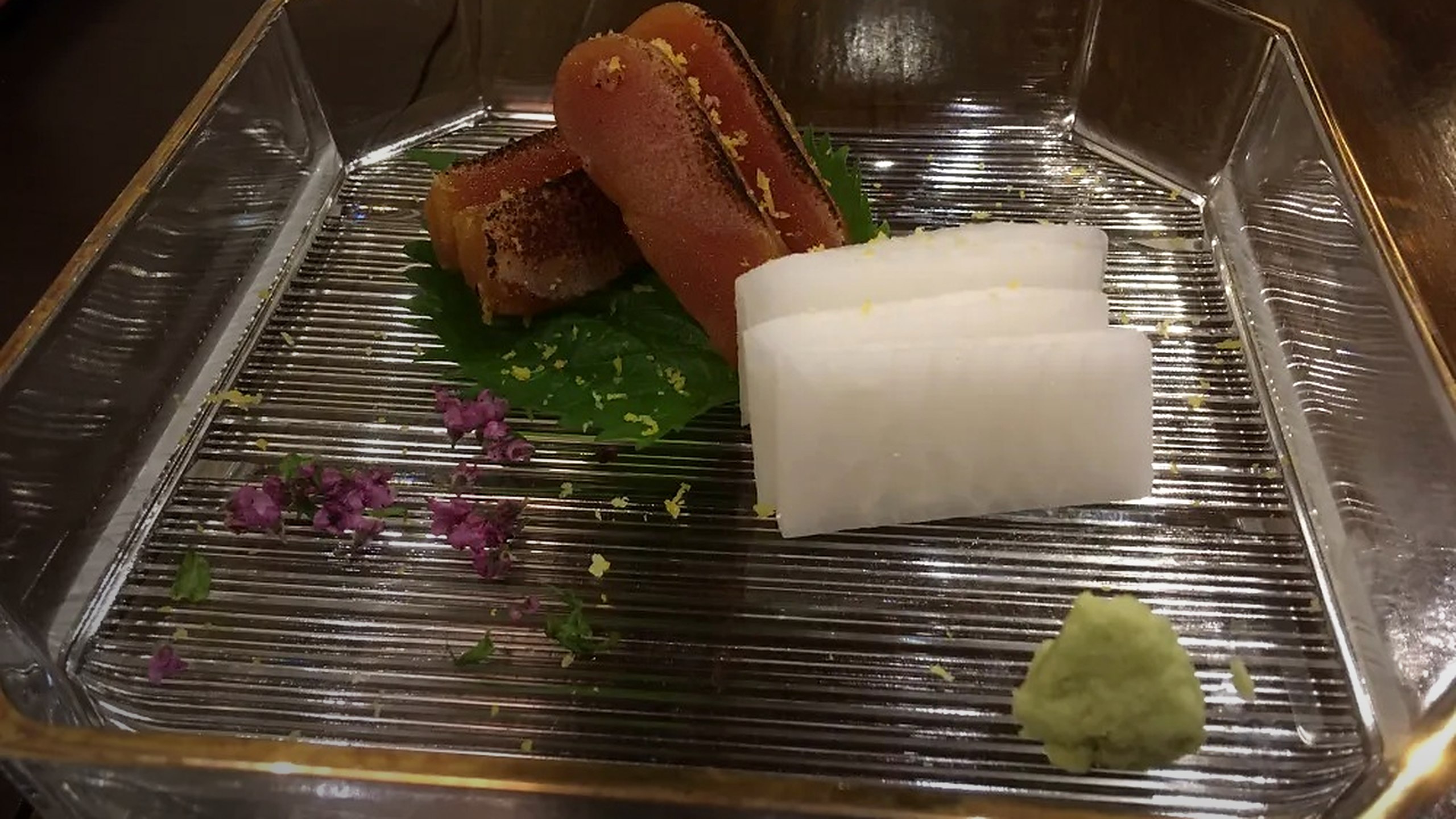
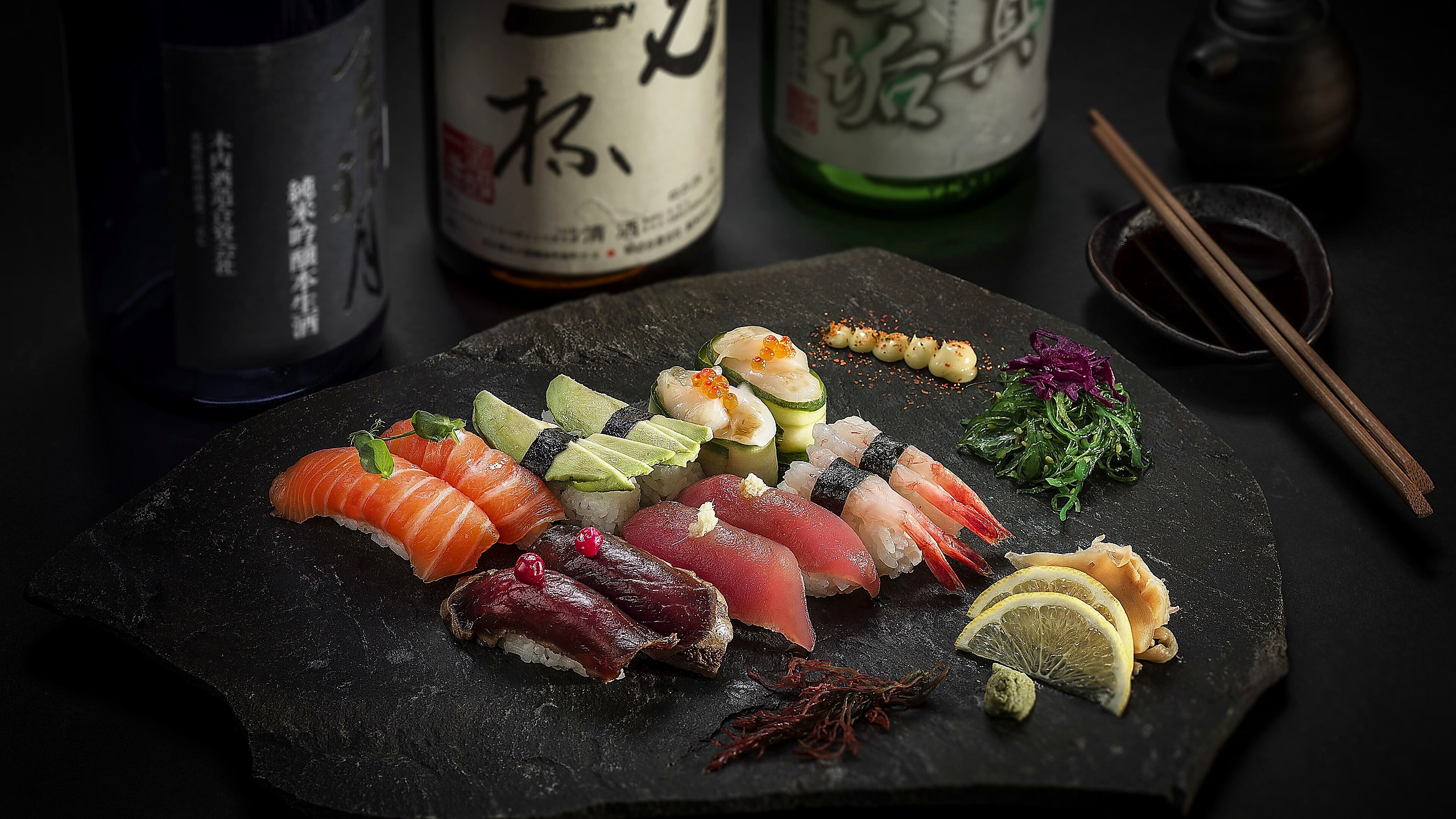
When you sit down at a high-end Edomae sushi counter in Tokyo’s Ginza or Seoul’s Cheongdam-dong, the fish topping (neta) changes completely every three minutes across an 18- to 22-piece progression—moving from delicate kelp-cured flounder to vinegar-cured gizzard shad (kohada), soy-marinated lean bluefin (akami zuke), heavily marbled belly (otoro), sea urchin (uni), and sweet braised sea eel (anago).

Yet one ingredient remains 100% constant across every single piece of nigiri: the shari (舎利 — seasoned sushi rice). Because both sushi vinegar and sake are born from fermented rice, Ginza and Seoul’s top sommeliers never start by asking which fish is on the cutting board—they start by asking which vinegar the sushi master uses to season the shari.


The Two Great Shari Schools: White Rice Vinegar (Komezu) vs. Aged Sake-Lees Red Vinegar (Akazu)

#1

Komezu (米酢 — White Rice Vinegar Shari) Counters

Shari Profile
Fermented from polished white rice and seasoned with salt and a touch of sugar. Crisp, floral, and transparent, designed to highlight pristine raw white fish and sweet shellfish.
Ideal Sake Spine
Ultra-soft-water Junmai Ginjo and Junmai Daiginjo with low amino acids and silky malic acidity.
Benchmark Bottles
Tabika Junmai Ginjo (Mie), Mimurosugi Dio Abita (Nara), Tenbi Hotaten (Yamaguchi — IWC Official 2026 Champion Sake), Ugo no Tsuki (Hiroshima).
#2

Akazu (赤酢 — Aged Sake-Lees Red Vinegar Shari) Counters

Shari Profile
The original Edo-period technique now dominant at Michelin-starred counters in Tokyo and Seoul. Brewed by aging compressed sake lees (*sake kasu*) in wooden vats for 3 to 10 years until Maillard reactions turn the cakes dark mahogany, akazu (such as Yokoi Brewing’s Yohei or Mitsuban Yamabuki) is typically seasoned with salt alone and zero sugar. It packs intense amino acid umami and brisk succinic acidity.
Ideal Sake Spine
A sweet, perfumey Daiginjo will clash with sugar-free red-vinegar shari. Instead, pair akazu with savory, structured *Tokubetsu Junmai*, *Kimoto/Yamahai*, or 14% ABV undiluted *genshu*.
Benchmark Bottles
Gensai Tokubetsu Junmai (Fukushima), Ki-oku Junmai Ginjo Genshu (Aichi), Hiroki Tokubetsu Junmai (Fukushima), Aramasa No. 6 / Colors (Akita).
"Remember that red sushi vinegar (akazu) is literally made from aged sake lees (sake kasu). Bringing a structured Junmai together with akazu shari on the palate is a reunion of sake and its own lees after years apart." — Head Sushi Sommelier, Ginza, Tokyo

The 4-Act Temperature & Bottle Progression Across an Omakase Course

Omakase ActSignature PiecesNeta & Shari Temp / VinegarIdeal Sake StyleServing Temp Progression
Act I (Opening)Tsumami, Flounder Konbujime, Cuttlefish, ScallopNeta 14–16°C × White Komezu or light AkazuUltra-soft-water Junmai Ginjo or micro-carbonated nama8°C → 10°C (Yukibie to Hanabie)
Act II (Silver Fish)Kohada (Gizzard Shad), Shimesaba, Horse MackerelNeta 16–18°C × Vinegar-cured fish & Akazu shariHigh-malic, high-lactic modern Junmai or Yamahai12°C → 14°C (Hanabie to Suzubie)
Act III (Tuna Climax)Bluefin Akami Zuke, Chutoro, OtoroNeta 20–22°C × Body-temp Akazu shari (37°C)Structured Genshu at cellar temp or warmed Yamahai/Junmai16°C → 38°C (*Hitohada-kan*)
Act IV (Grand Finale)Hokkaido Uni, Ikura, Braised Anago, TamagoRich roe to warm braised sea eel (45°C)Wooden-vat Kioke, bottle-fermented sparkling, or Daiginjo10°C (Sparkling/Kioke) → 15°C
From 8°C chilled Yukibie for white fish to 38°C body-temperature Hitohada-kan for marbled bluefin otoro

Act I: Opening Tsumami & Delicate White Fish / Squid / Shellfish

Key Pieces
Kelp-cured flounder (hirame konbujime), sea bream (madai), cuttlefish (sumi-ika) with sea salt and sudachi lime, scallop (hotate).
Pairing Strategy
Open at 8–10°C with ultra-soft-water Junmai Ginjo (Tabika) or lightly effervescent Kankiku Seijitsu, whose silky sweetness mirrors raw cuttlefish and citrus zest.

Act II: Silver-Skinned Vinegar-Cured Fish (Hikarimono: Kohada, Saba, Aji)

Key Pieces
Gizzard shad (kohada), cured mackerel (shimesaba), horse mackerel (aji).
Pairing Strategy
Match the chef’s salt-and-vinegar curing work with high-malic, high-lactic sakes like Mimurosugi Dio Abita or Tachibanaya Yamahai. Acid meeting acid neutralizes fishiness and unlocks explosive umami.

Act III: Bluefin Tuna Progression (Akami Zuke, Chutoro, Otoro) — The 37°C Temperature Secret

Key Pieces
Soy-marinated lean bluefin (zuke), medium-fatty belly (chutoro), heavily marbled belly (otoro).
The Fatal Mistake
Never wash down a piece of rich otoro with ice-cold 5°C sake! Because bluefin tuna fat melts at 25–28°C, an icy liquid solidifies the fat inside your mouth, leaving a waxy film on the tongue.
The Master Sommelier Move
Serve structured Junmai (Ki-oku Genshu or Jikon) at cool cellar temperature (15–18°C), or better yet, pour Suehiro *Gensai Tokubetsu Junmai* warmed to 37–40°C (*Hitohada-kan* — human body temperature)—matching the exact warmth of the sushi master’s freshly pressed shari so the tuna belly melts into pure silk.

Act IV: Grand Finale (Uni, Ikura, Braised Anago & Tamago)

Key Pieces
Hokkaido sea urchin (bafun uni), soy-marinated salmon roe (ikura), sweet-braised sea eel (anago with tsume reduction), and shrimp-infused tamago castella.
Pairing Strategy
Wooden-vat Ubusuna Homase or bottle-fermented Shichiken Sparkling cuts through rich uni and ikura without a trace of iron bitterness, carrying you effortlessly to the final cup of green tea.

Even when ordering a single 720ml bottle for two at a sushi counter, you can experience this entire progression by asking your sommelier for the "One-Bottle Three-Temperature Protocol": start the bottle chilled in an ice bucket at 10°C for the white fish, pull it onto the counter to reach 16°C before the tuna arrives, and ask to have the final ichigo (180ml) gently warmed in a ceramic tokkuri to 38°C for the otoro and anago.

1,215 Breweries · 2,891 Labels · Neutral Archive
Linked from 1,215 Breweries · 2,891 Labels · 8,673 Reviews

Featured Breweries, Specs & Flavor Balance

Flagship LabelBrewery & RegionSignature Rice & WaterBrewery Profile
TabikaHayakawa Sake Brewery Co. (468 Ojima, Komono-cho, Mie-gun, Mie 510-1323, Japan)Kaminoho, Yamadanishiki, Omachi, Gohyakumangoku · Subsurface water from Mount Shakagatake in the Suzuka Mountains (soft water)Brewery Profile
MimurosugiImanishi Sake Brewery Co., Ltd. (510 Miwa, Sakurai-shi, Nara 633-0001, Japan)Tsuyuhakaze, Yamadanishiki, Omachi · Subsurface water from sacred Mt. Miwa (medium-soft water)Brewery Profile
TenbiChoshu Brewery Co., Ltd. (72 Yoshika, Kikugawa-cho, Shimonoseki-shi, Yamaguchi 750-0316, Japan)Yamada Nishiki, Saito no Shizuku · Koya River System & Kikugawa Natural Subterranean Medium-Soft WaterBrewery Profile
Ugo no TsukiAihara Sake Brewery Co., Ltd. (1-25-15 Nigata-honmachi, Kure-shi, Hiroshima 737-0152, Japan)Yamadanishiki, Hattannishiki, Omachi, Senbonnishiki · Soft subterranean underflow water filtered through granite layers of the Mount Noro rangeBrewery Profile
GensaiSuehiro Sake Brewery Co., Ltd. (12-38 Nisshin-machi, Aizuwakamatsu-shi, Fukushima 965-0861, Japan)Yumenoka, Fukunoka, Yamadanishiki, Gohyakumangoku, Kamenoo · Subsurface snowmelt soft water from Mt. Hakase and the Aizu BasinBrewery Profile
KiokuYamazaki & Co. (Sonnoh Kuramoto) (57 Kakita, Nishihazu-cho, Nishio-shi, Aichi 444-0703, Japan)Aichi-grown Yumesansui, Yumeginga, Yamada Nishiki · Subterranean water from the Mt. Sangane range (soft water)Brewery Profile
HirokiHiroki Shuzo Honten Co., Ltd. (Ko 3574 Shichuniban, Aizubange-machi, Kawanuma-gun, Fukushima 969-6543, Japan)Yamadanishiki, Gohyakumangoku, Omachi, Fukunoka, Yumenoka · Subsurface snowmelt water from the Mt. Iide range in the Aizu Basin (soft water)Brewery Profile
AramasaAramasa Co., Ltd. (6-2-35 Omachi, Akita-shi, Akita 010-0921, Japan)Pesticide-Free & Estate-Grown Akita Rice (Kairyo Shinko, Rikuu No. 132, Misato Nishiki, Akita Sakekomachi) · Mount Taihei Subterranean Soft Water (Akita City)Brewery Profile
JikonKiyasho Sake Brewery Co., Ltd. (314-1 Honmachi, Nabari-shi, Mie 518-0726, Japan)Yamadanishiki, Aiyama, Omachi, Hattannishiki, Senbonnishiki · Subsurface water from the Nunobiki mountain range (brewery well water, soft water)Brewery Profile
UbusunaHananoka Shuzo Co., Ltd. (2226-2 Nishiyoshiji, Nagomi-machi, Tamana-gun, Kumamoto 861-0906, Japan)Nagomi-machi Natural-Farmed Homase, Higo Kabashiko, Yamada Nishiki · Brewery Shrine Spring Water (Kikuchi River Basin Subterranean Water from the Former Bairin Tenmangu Well)Brewery Profile
468 Ojima, Komono-cho, Mie-gun, Mie 510-1323, Japan · Hayakawa Sake Brewery Co. (Est. 1915)
Tabika旨味甘味酸味
Subsurface water from Mount Shakagatake in the Suzuka Mountains (soft water) Kaminoho, Yamadanishiki, Omachi, Gohyakumangoku Mie Prefectural Yeast (MK-1, MK-3), Kyokai Yeast

Handcrafted by a tiny family team in Komono, Mie using ultra-soft Mt. Shakagatake snowmelt water and 100% gentle fune (box) pressing, Tabika is celebrated for its pillowy, rounded sweetness. Brewed with local Kaminoho, Omachi, and Yamada Nishiki, its soothing umami and gentle acidity pair beautifully with dashi-steamed clams and seasonal washoku.

Flavor Balance (1–5 Rice Grains)Shows which flavor direction the balance leans toward (1 to 5 rice grains), never a quality rank or score.
Serving & Glassware:Recommended Temperature: 10–13°C (Chilled / Hanabie to Suzubie) / Recommended Glassware: Thin-rimmed, medium-bowled white wine glass (such as Riedel O Daiginjo). Avoid over-chilling below 6°C so the delicate esters are not muted. Upon pouring, experience crystalline purity from Subsurface water from Mount Shakagatake in the Suzuka Mountains (soft water) and lifted orchard-fruit aromatics; after 15 minutes as the glass warms to 14°C, silky Kaminoho, Yamadanishiki, Omachi, Gohyakumangoku mid-palate umami opens gracefully.
Global Gastronomy Pairings
• Ise-Shima spiny lobster sashimi and chilled ginjo-steamed Matoya oysters
• Jeju silver belt-fish sashimi and delicate pan-fried scallop & cod jeon with citrus soy
• Poached lobster tail and white asparagus warm salad with yuzu-infused citrus hollandaise
“Tabika Junmai Ginjo Kaminoho and Omachi Muroka Nama caress the palate like feathers thanks to ultra-soft mountain water and gentle fune pressing, unfolding into warm orchard fruit and sweet rice notes.”
Domestic Review · SAKETIME / 国内口コミ三重地酒コンプリート
“A triumph of small-batch family craftsmanship using 100% traditional fune pressing; its seamless, stress-free texture shines alongside steamed shellfish and white-fish sashimi.”
Global Sommelier · Vivino / Global SakeDaniel Kim
“Across every rice variety, Tabika maintains an unmistakable thread of softness and clarity—especially the seasonal nama releases and boutique shop collaborations.”
SNS Buzz · X (Twitter) / Instagram@suzuka_water_sake
510 Miwa, Sakurai-shi, Nara 633-0001, Japan · Imanishi Sake Brewery Co., Ltd. (Est. 1660)
Mimurosugiラムネガス華やか
Subsurface water from sacred Mt. Miwa (medium-soft water) Tsuyuhakaze, Yamadanishiki, Omachi Kyokai No. 9 strain, Miwa Heritage Yeast and Bodaimoto

Founded in 1660 at the foot of sacred Mount Miwa and Omiwa Shrine—revered as the ancestral deity of Japanese sake brewing—Imanishi Shuzo crafts Mimurosugi using shrine-mountain subterranean water and locally grown Yamadanishiki and Tsuyuhakaze rice. Luminous lychee, white peach, and Muscat aromas flow into a crystal-clear, juicy palate with a brisk finish that pairs effortlessly with sushi, sashimi, and delicate crudo.

Flavor Balance (1–5 Rice Grains)Shows which flavor direction the balance leans toward (1 to 5 rice grains), never a quality rank or score.
Serving & Glassware:Recommended Temperature: 10–14°C (Cool Cellar) & 42–45°C (Bain-Marie Warmed / Nurukan) / Recommended Glassware: Thin-rimmed white Burgundy or Riedel O Daiginjo wine glass. Right after opening at 10°C, savor the vibrant micro-effervescence and taut lactic/citric tension shaped by Subsurface water from sacred Mt. Miwa (medium-soft water); after 15 minutes as it reaches 14°C, multi-dimensional Tsuyuhakaze, Yamadanishiki, Omachi umami and savory kimoto complexity blossom.
Global Gastronomy Pairings
• Charcoal-grilled Yamato heritage chicken with narazuke sake-lees glaze and Yamato Wagyu shabu-shabu
• Crispy-scaled Jeju tilefish (okdom) and creamy abalone liver (geu) rice porridge risotto
• Dover sole meunière with cultured hazelnut brown butter, Meyer lemon, and capers
“Mimurosugi Roman Junmai Ginjo Yamadanishiki and Dio Abita open with morning-dew clarity and delicate lychee and white peach notes—juicy on the mid-palate yet vanishing effortlessly thanks to soft Mount Miwa water. The absolute pinnacle of the 'clean and juicy' style.”
Domestic Review · SAKETIME三輪の酒神礼賛
“Mimurosugi Kioke Bodaimoto—fermented in vats coopered from sacred Mount Miwa cedar using ambient lactic bacteria and brewery yeast—is true terroir sake, weaving silky acidity with white peach and cedar-herb nuances for Michelin-level pairings.”
Global Sommelier · Vivino / Michelin Guide Sommelier SelectionCamille L.
“Stopped by Imanishi Shuzo after visiting Omiwa Shrine and picked up Mimurosugi 'Hanakyun' Origarami and Junmai Ginjo Tsuyuhakaze—the Tsuyuhakaze's pink-grapefruit acidity and subtle bitterness are addictive at the dinner table.”
SNS Buzz · X (Twitter)@nara_sake_pilgrim
72 Yoshika, Kikugawa-cho, Shimonoseki-shi, Yamaguchi 750-0316, Japan · Choshu Brewery Co., Ltd. (Est. 1871)
Tenbiガスフレッシュ甘味
Koya River System & Kikugawa Natural Subterranean Medium-Soft Water Yamada Nishiki, Saito no Shizuku Kyokai No. 901 & Kyokai No. 701 Yeast

Launched in late 2020 in Shimonoseki, Yamaguchi by Choshu Shuzo, Tenbi skyrocketed to national stardom with its bright, uplifting house style. Bearing sun-and-moon labels for day and night expressions, it offers crisp green apple and white grape aromatics, delicate pinpoint effervescence, and vibrant malic acidity that pair beautifully with seafood ceviche, seasonal vegetable tempura, and modern izakaya fare.

Flavor Balance (1–5 Rice Grains)Shows which flavor direction the balance leans toward (1 to 5 rice grains), never a quality rank or score.
Serving & Glassware:Recommended Temperature: 10–13°C (Chilled / Hanabie to Suzubie) / Recommended Glassware: Thin-rimmed, medium-bowled white wine glass (such as Riedel O Daiginjo). Avoid over-chilling below 6°C so the delicate esters are not muted. Upon pouring, experience crystalline purity from Koya River System & Kikugawa Natural Subterranean Medium-Soft Water and lifted orchard-fruit aromatics; after 15 minutes as the glass warms to 14°C, silky Yamada Nishiki, Saito no Shizuku mid-palate umami opens gracefully.
Global Gastronomy Pairings
• Shimonoseki wild tiger pufferfish tessa wrapped around Yasuoka green onion and kelp-cured Hagi tilefish
• Jeju silver belt-fish sashimi and delicate pan-fried scallop & cod jeon with citrus soy
• Poached lobster tail and white asparagus warm salad with yuzu-infused citrus hollandaise
“Opened Tenbi Junmai Ginjo Usunigori Nama (Momoten). Silky lees-touched sweetness meets a lively tingle and a grapefruit-pith finish so refreshing the 720ml bottle vanished in an evening.”
Domestic Review · SAKETIME / 国内口コミ令和の地酒ウォッチャー
“Reminiscent of Basque Txakoli or young Loire Chenin Blanc with its lively spritz and bright acidity—an absolute dream pairing at oyster bars and seafood tapas counters.”
Global Sommelier · Vivino / Global SakeSophia Lin
“Chilled white-label Tenbi Junmai Ginjo tonight. Beyond the gorgeous mizuhiki-inspired label, that crystalline purity and bright malic lift on the palate are simply one of a kind.”
SNS Buzz · X (Twitter) / Instagram@sake_palette
1-25-15 Nigata-honmachi, Kure-shi, Hiroshima 737-0152, Japan · Aihara Sake Brewery Co., Ltd. (Est. 1875)
Ugo no Tsukiフルーティ旨味甘味
Soft subterranean underflow water filtered through granite layers of the Mount Noro range Yamadanishiki, Hattannishiki, Omachi, Senbonnishiki Hiroshima Ginjo Yeast, Kyokai No. 9 Yeast strain

Crafted in Kure, Hiroshima since 1875 by Aihara Shuzo using Daiginjo-level precision and strict cold storage across every single tank, Ugo no Tsuki shines like 'the moon after the rain.' Its crystalline purity, poised orchard-fruit aromatics, and graceful umami glide effortlessly alongside Seto Inland Sea sea bream kobujime and refined kaiseki cuisine.

Flavor Balance (1–5 Rice Grains)Shows which flavor direction the balance leans toward (1 to 5 rice grains), never a quality rank or score.
Serving & Glassware:Recommended Temperature: 10–13°C (Chilled / Hanabie to Suzubie) / Recommended Glassware: Thin-rimmed, medium-bowled white wine glass (such as Riedel O Daiginjo). Avoid over-chilling below 6°C so the delicate esters are not muted. Upon pouring, experience crystalline purity from Soft subterranean underflow water filtered through granite layers of the Mount Noro range and lifted orchard-fruit aromatics; after 15 minutes as the glass warms to 14°C, silky Yamadanishiki, Hattannishiki, Omachi, Senbonnishiki mid-palate umami opens gracefully.
Global Gastronomy Pairings
• Kelp-cured & sake-steamed Hiroshima Bay jumbo oysters with Setouchi baby sardine sashimi
• Dry-aged Korean wild sea bream hoe and chilled king prawn salad (daeha-naengchae) in pine-nut sauce
• Wild sea bream carpaccio with bergamot olive oil, shaved bottarga, and micro herbs
“Savored Ugo no Tsuki Black Moon alongside the autumn Jusanya release. Clear as moonlight after a storm, with a silken entry and a poised sweetness that vanishes like mist.”
Domestic Review · SAKETIME / 国内口コミ広島吟醸ファン
“A masterclass in modern Hiroshima soft-water brewing. Even bold rice varieties like Omachi and Hattan Nishiki are transformed by Aihara Shuzo into sakes of astonishing finesse and poise.”
Global Sommelier · Vivino / Global SakeElena Rostova
“Every autumn I hunt down Ugo no Tsuki Jusanya. Unbelievably expressive for 13% ABV—weightless clarity that pairs like a dream with grilled Pacific saury and matsutake dashi.”
SNS Buzz · X (Twitter) / Instagram@setouchi_sake_trip
12-38 Nisshin-machi, Aizuwakamatsu-shi, Fukushima 965-0861, Japan · Suehiro Sake Brewery Co., Ltd. (Est. 1850)
Gensaiガスフルーティ旨味
Subsurface snowmelt soft water from Mt. Hakase and the Aizu Basin Yumenoka, Fukunoka, Yamadanishiki, Gohyakumangoku, Kamenoo Suehiro Proprietary Yeast (M310 strain & Kaeigura Yeast), Utsukushima Yume Yeast (F7-01)

Named in honor of Harunaka (Gensai) Tanaka—the visionary Edo-period chief retainer who reformed the Aizu domain and elevated its brewing craft—Gensai represents the pinnacle of Suehiro Shuzo's Daiginjo artistry. Brewed with Special A-grade Yamadanishiki polished to 35%–40%, it delivers regal orchard-fruit aromatics, gossamer silkiness, and a poised finish worthy of celebratory kaiseki banquets.

Flavor Balance (1–5 Rice Grains)Shows which flavor direction the balance leans toward (1 to 5 rice grains), never a quality rank or score.
Serving & Glassware:Recommended Temperature: 10–13°C (Chilled / Hanabie to Suzubie) / Recommended Glassware: Thin-rimmed, medium-bowled white wine glass (such as Riedel O Daiginjo). Avoid over-chilling below 6°C so the delicate esters are not muted. Upon pouring, experience crystalline purity from Subsurface snowmelt soft water from Mt. Hakase and the Aizu Basin and lifted orchard-fruit aromatics; after 15 minutes as the glass warms to 14°C, silky Yumenoka, Fukunoka, Yamadanishiki, Gohyakumangoku, Kamenoo mid-palate umami opens gracefully.
Global Gastronomy Pairings
• Aged Joban coastal flounder sashimi and Aizu white asparagus & kuruma prawn tempura with mountain salt
• Jeju silver belt-fish sashimi and delicate pan-fried scallop & cod jeon with citrus soy
• Wild sea bream carpaccio with bergamot olive oil, shaved bottarga, and micro herbs
“Tasted Suehiro Daiginjo Gensai. Radiant melon and white-peach aromatics meet a crystal-clear, silky palate that showcases over 170 years of competition-level brewing mastery.”
Domestic Review · SAKETIME 福島県大吟醸・鑑評会受賞酒レビューAizu_Domain_Heritage
“Gensai Daiginjo embodies the timeless elegance of competition-grade Daiginjo—seamless, floral, and weightless on the palate alongside caviar and white-truffle hors d'oeuvres.”
Global Sommelier · IWC / Luxury Sake ConnoisseurVictoria Sterling
“Opened a paulownia-boxed bottle of Daiginjo Gensai for a family milestone celebration. Its regal presentation and effortlessly graceful, floral palate delighted every guest at the table.”
SNS Buzz · X (Twitter) / Instagram@celebration_sake
57 Kakita, Nishihazu-cho, Nishio-shi, Aichi 444-0703, Japan · Yamazaki & Co. (Sonnoh Kuramoto) (Est. 1903)
Kioku原酒14度夢吟香フルーティー
Subterranean water from the Mt. Sangane range (soft water) Aichi-grown Yumesansui, Yumeginga, Yamada Nishiki Kyokai No. 1801, Kyokai No. 10-derived yeast

Created by 6th-generation kuramoto-toji Masayuki Yamazaki at Yamazaki Goshi Kaisha in Nishio, Aichi, 'Kioku' weaves the brewery's iconic 'Oku' heritage with memories of his late father into a modern low-ABV vision. Fermented slowly at low temperatures with soft Mt. Sangane water and Aichi-grown Yumesansui and Yumeginga rice, this 14% ABV genshu delivers crystalline white peach and Shine Muscat aromatics with brisk, juicy acidity. Pair it with Mikawa Bay sea bream carpaccio, unagi shirayaki (white-grilled eel) from Isshiki, or seasonal fruit shira-ae.

Flavor Balance (1–5 Rice Grains)Shows which flavor direction the balance leans toward (1 to 5 rice grains), never a quality rank or score.
Serving & Glassware:Recommended Temperature: 10–13°C (Chilled / Hanabie to Suzubie) / Recommended Glassware: Thin-rimmed, medium-bowled white wine glass (such as Riedel O Daiginjo). Avoid over-chilling below 6°C so the delicate esters are not muted. Upon pouring, experience crystalline purity from Subterranean water from the Mt. Sangane range (soft water) and lifted orchard-fruit aromatics; after 15 minutes as the glass warms to 14°C, silky Aichi-grown Yumesansui, Yumeginga, Yamada Nishiki mid-palate umami opens gracefully.
Global Gastronomy Pairings
• Thinly sliced Mikawa Bay wild tiger pufferfish (tessa) and tender-simmered Himakajima octopus
• Jeju silver belt-fish sashimi and delicate pan-fried scallop & cod jeon with citrus soy
• Wild sea bream carpaccio with bergamot olive oil, shaved bottarga, and micro herbs
“Tried the new 'Kioku' release from the makers of Oku. Despite being a 14% ABV genshu, it delivers lush white peach and Muscat fruitiness that vanishes into a feather-soft finish from Mt. Sangane water.”
Domestic Review · SAKETIME / 国内口コミ三河の地酒探訪
“A brilliant modern light-bodied expression from a sixth-generation master in Aichi. The clean sweetness of local Yumesansui and Yumeginga rice meets delicate acidity, making it effortless alongside white fish crudo and herb-driven starters.”
Global Sommelier · Vivino / Fine Wine & SakeJulian Meyer
“Bought a bottle of Kioku at a Nagoya bottle shop after hearing the touching story behind the name. Served chilled in a white wine glass, its juicy transparency and clean acid line are pure joy!”
SNS Buzz · X (Twitter) / Reddit r/Sake@nagoya_sake_modern
Ko 3574 Shichuniban, Aizubange-machi, Kawanuma-gun, Fukushima 969-6543, Japan · Hiroki Shuzo Honten Co., Ltd. (Est. 1892)
Hirokiバランス旨味フルーティ
Subsurface snowmelt water from the Mt. Iide range in the Aizu Basin (soft water) Yamadanishiki, Gohyakumangoku, Omachi, Fukunoka, Yumenoka Kyokai No. 9 strain yeast, Utsukushima Yume Yeast (F7-01)

Named 'Droplets of Joy Flying Forth,' 9th-generation brewer Kenji Hiroki ignited Japan's unfiltered unpasteurized (muroka nama genshu) boom and propelled Fukushima to national acclaim. Combining polished Yamadanishiki for mid-palate depth and Gohyakumangoku for crisp structure, it delivers fresh lychee and pear aromatics with vibrant acidity that pairs effortlessly with seasonal sashimi and charcoal-grilled yakitori.

Flavor Balance (1–5 Rice Grains)Shows which flavor direction the balance leans toward (1 to 5 rice grains), never a quality rank or score.
Serving & Glassware:Recommended Temperature: 10–13°C (Chilled / Hanabie to Suzubie) / Recommended Glassware: Thin-rimmed, medium-bowled white wine glass (such as Riedel O Daiginjo). Avoid over-chilling below 6°C so the delicate esters are not muted. Upon pouring, experience crystalline purity from Subsurface snowmelt water from the Mt. Iide range in the Aizu Basin (soft water) and lifted orchard-fruit aromatics; after 15 minutes as the glass warms to 14°C, silky Yamadanishiki, Gohyakumangoku, Omachi, Fukunoka, Yumenoka mid-palate umami opens gracefully.
Global Gastronomy Pairings
• Aged Joban coastal flounder sashimi and Aizu white asparagus & kuruma prawn tempura with mountain salt
• Dry-aged Korean wild sea bream hoe and chilled king prawn salad (daeha-naengchae) in pine-nut sauce
• Poached lobster tail and white asparagus warm salad with yuzu-infused citrus hollandaise
“Hiroki Tokubetsu Junmai Namazume never fails to astonish. Subtle on the nose yet explosive on the palate with juicy orchard fruit, supple rice sweetness, and a razor-clean finish—it remains the eternal benchmark for modern Tokubetsu Junmai.”
Domestic Review · SAKETIME 福島県ランキング 最上位常連Aizu_Sake_Meister
“Hiroki Junmai Daiginjo captivates with its poised, muscular structure rather than ostentatious aromatics. Evoking a Premier Cru white Burgundy in its mineral tension and depth, it pairs brilliantly with pan-seared lobster and scallop carpaccio.”
Global Sommelier · International Sake Challenge / VivinoMarcus Chen, DipWSET
“Popped the once-a-year Hiroki Tokubetsu Junmai Kasumizake! The delicate lees lend a creamy texture balanced by lively new-season effervescence and a noble, dry finish—our 720ml bottle vanished in record time.”
SNS Buzz · Instagram / X (Twitter)@tokyo_sakagura_log
6-2-35 Omachi, Akita-shi, Akita 010-0921, Japan · Aramasa Co., Ltd. (Est. 1852)
Aramasaガス酸味ワイン
Mount Taihei Subterranean Soft Water (Akita City) Pesticide-Free & Estate-Grown Akita Rice (Kairyo Shinko, Rikuu No. 132, Misato Nishiki, Akita Sakekomachi) Kyokai No. 6 Yeast (Birthplace Brewery, 100% Exclusive Use)

As the birthplace of Kyokai No. 6 yeast, Aramasa represents the pinnacle of modern sake brewing through 100% kimoto fermentation in cedar vats using exclusively Akita-grown rice. Its vibrant citrus acidity, low-alcohol elegance, and silky sweetness evoke fine white Burgundy, pairing effortlessly with sashimi, crudo, and modern gastronomy.

Flavor Balance (1–5 Rice Grains)Shows which flavor direction the balance leans toward (1 to 5 rice grains), never a quality rank or score.
Serving & Glassware:Recommended Temperature: 10–14°C (Cool Cellar) & 42–45°C (Bain-Marie Warmed / Nurukan) / Recommended Glassware: Thin-rimmed white Burgundy or Riedel O Daiginjo wine glass. Right after opening at 10°C, savor the vibrant micro-effervescence and taut lactic/citric tension shaped by Mount Taihei Subterranean Soft Water (Akita City); after 15 minutes as it reaches 14°C, multi-dimensional Pesticide-Free & Estate-Grown Akita Rice (Kairyo Shinko, Rikuu No. 132) umami and savory kimoto complexity blossom.
Global Gastronomy Pairings
• Charcoal-grilled Hinai-jidori chicken kiritanpo hotpot and smoked iburigakko with sake-lees cream cheese
• Charcoal-seared Hanwoo 1++ brisket point (chadolbagi) paired with aromatic minari and chilled dongchimi radish
• Pan-roasted Breton blue lobster with Champagne, tarragon, and cultured butter beurre blanc
“Opened a bottle of No. 6 X-type and was floored by the burst of Shine Muscat and white peach aromatics, backed by multi-dimensional kimoto acidity and crystalline purity from cedar vat fermentation. An absolute masterpiece of contemporary Japanese brewing.”
Domestic Review · SAKETIME / 国内口コミ六号酵母の求道者
“A revelation for Burgundy and Champagne lovers: laser-focused lactic and malic tension, delicate wooden-vat complexity, and incredible concentration at just 13% ABV. Pairs brilliantly with Dover sole and shellfish.”
Global Sommelier · Vivino / Fine Wine & SakeMarc L.
“Finally scored Amaneko and Ecru through a bottle shop lottery! That lively micro-effervescence on opening and bright, juicy sweet-tart balance is unmatched—turned my wine-drinking friends into instant sake fanatics.”
SNS Buzz · X (Twitter) / Reddit r/Sake@tokyo_sake_hunter
314-1 Honmachi, Nabari-shi, Mie 518-0726, Japan · Kiyasho Sake Brewery Co., Ltd. (Est. 1818)
Jikonバランスガス旨味
Subsurface water from the Nunobiki mountain range (brewery well water, soft water) Yamadanishiki, Aiyama, Omachi, Hattannishiki, Senbonnishiki In-house cultured yeast (Kyokai No. 9 lineage)

Named after the Zen phrase 'living fully in the present moment,' Jikon by 6th-generation brewer Tadakatsu Onishi in Nabari, Mie stands at the absolute summit of modern sake. Radiant muscat and white peach aromatics, crystalline Nunobiki mountain soft-water sweetness, and electric acidity achieve a golden-ratio balance that enchants on its own or alongside Matsusaka Wagyu and fine sushi.

Flavor Balance (1–5 Rice Grains)Shows which flavor direction the balance leans toward (1 to 5 rice grains), never a quality rank or score.
Serving & Glassware:Recommended Temperature: 10–13°C (Chilled / Hanabie to Suzubie) / Recommended Glassware: Thin-rimmed, medium-bowled white wine glass (such as Riedel O Daiginjo). Avoid over-chilling below 6°C so the delicate esters are not muted. Upon pouring, experience crystalline purity from Subsurface water from the Nunobiki mountain range (brewery well water, soft water) and lifted orchard-fruit aromatics; after 15 minutes as the glass warms to 14°C, silky Yamadanishiki, Aiyama, Omachi, Hattannishiki, Senbonnishiki mid-palate umami opens gracefully.
Global Gastronomy Pairings
• Ise-Shima spiny lobster sashimi and chilled ginjo-steamed Matoya oysters
• Jeju silver belt-fish sashimi and delicate pan-fried scallop & cod jeon with citrus soy
• Poached lobster tail and white asparagus warm salad with yuzu-infused citrus hollandaise
“Jikon Tokubetsu Junmai Muroka Nama and Junmai Ginjo Aiyama deliver bursting freshness, translucent juicy sweetness, and a laser-precise acid line—the Platonic ideal of modern Japanese sake.”
Domestic Review · SAKETIME / 国内口コミ日本酒マイスター
“One of the most coveted cult sakes among global sommeliers; the contrast between silky Nunobiki soft-water texture and vibrant acidity commands the spotlight at any Michelin table.”
Global Sommelier · Vivino / Global SakeAlexander Sterling
“How Toji Tadakatsu Onishi translates every rice variety—from Iga Yamada Nishiki to Sakemirai and Hakutsuru Nishiki—through Jikon's golden balance is pure wizardry.”
SNS Buzz · X (Twitter) / Instagram@jikon_chronicles
2226-2 Nishiyoshiji, Nagomi-machi, Tamana-gun, Kumamoto 861-0906, Japan · Hananoka Shuzo Co., Ltd. (Est. 1902)
Ubusunaガスシャンパン酸味
Brewery Shrine Spring Water (Kikuchi River Basin Subterranean Water from the Former Bairin Tenmangu Well) Nagomi-machi Natural-Farmed Homase, Higo Kabashiko, Yamada Nishiki Kyokai No. 9 (Kumamoto Yeast) & Indigenous Brewery Yeast

Created in Nagomi, Kumamoto by Kiyotaka Kanda of Hananoka Shuzo to embody 'earth, native ecosystem, and ancestral regenerative agriculture,' Ubusuna stands at the absolute pinnacle of contemporary craft sake. Brewed with pesticide-free local Yamada Nishiki and revived Edo-era heirloom rices (Homase and Kabashiko) using kimoto and wooden vats, its Champagne-like pinpoint mousse and electric orchard-and-yuzu complexity transfix fine-dining tables worldwide.

Flavor Balance (1–5 Rice Grains)Shows which flavor direction the balance leans toward (1 to 5 rice grains), never a quality rank or score.
Serving & Glassware:Recommended Temperature: 10–14°C (Cool Cellar) & 42–45°C (Bain-Marie Warmed / Nurukan) / Recommended Glassware: Thin-rimmed white Burgundy or Riedel O Daiginjo wine glass. Right after opening at 10°C, savor the vibrant micro-effervescence and taut lactic/citric tension shaped by Brewery Shrine Spring Water (Kikuchi River Basin Subterranean Water from the Former Bairin Tenmangu Well); after 15 minutes as it reaches 14°C, multi-dimensional Nagomi-machi Natural-Farmed Homase, Higo Kabashiko, Yamada Nishiki umami and savory kimoto complexity blossom.
Global Gastronomy Pairings
• Charcoal-grilled Kumamoto Akaushi beef steak and Binchotan-roasted Amakusa Daio giant heritage chicken
• Charcoal-seared Hanwoo 1++ brisket point (chadolbagi) paired with aromatic minari and chilled dongchimi radish
• Pan-roasted Breton blue lobster with Champagne, tarragon, and cultured butter beurre blanc
“Miraculously secured Ubusuna Homase 5-Nojo and Yamada Nishiki 2-Nojo. Fine, persistent bubbles carry waves of Japanese citrus, white peach, wild herbs, and living earth minerality—one of the most spine-tingling bottles of my life.”
Domestic Review · SAKETIME / 国内口コミテロワール日本酒探求家
“Encountering Ubusuna gave me the same electric shock as my first glass of Jacques Selosse. The vibrating energy born from regenerative paddies, native microbes, and wooden vats stands shoulder to shoulder with the greatest wines on earth.”
Global Sommelier · Vivino / Global SakeGuillaume Delacroix
“Popped Ubusuna Kabashiko 4-Nojo! To think an heirloom Edo-era Kumamoto rice once praised as the finest in the realm has been revived into something so dewy, aromatic, and transcendent—pure genius from Hananoka Shuzo.”
SNS Buzz · X (Twitter) / Instagram@craft_sake_chronicle

Recommended Pairing

Bluefin Otoro on Red-Vinegar Shari × 38°C Body-Temp Junmai
Warming Junmai to 38°C matches the sushi master’s shari temperature and melts tuna fat instantly
Vinegar-Cured Kohada & Kasugodai × Crisp Malic Modern Junmai
Crisp malic and lactic acids lock onto the chef’s vinegar cure to elevate silver-skinned fish
SakeStream
A neutral global sake editorial archive and database documenting 1,215 breweries, 2,891 labels, brewing water & rice provenance, and 8,673 verified tasting records without proprietary ranking tiers.
Weekly Sake Dispatch

Weekly Sake & Tasting Dispatch

Curated seasonal releases, sub-zero arrivals, and tasting city guides across global editions.
ArticlesBreweries