Pour the same bottle into a crystal Burgundy bowl, a narrow Daiginjo flute, hammered tin, or thin porcelain—and watch aroma and sweetness transform. Here is the physics behind vessel geometry.
The Vessel Is a Flavor Translator: Rim Thickness, Bowl Volume & Material Physics
Few beverage traditions boast a richer vessel vocabulary than sake. Crystal stemware unlocked dramatic aromatic clarity for modern Ginjo styles, while hammered tin, shallow porcelain hirahai, and unglazed Bizen stoneware manipulate mouthfeel and mid-palate sweetness in ways glass cannot replicate.
Six Classic Vessels & Their Sensory Impact
| Vessel Type | Geometry & Material | Sensory Transformation | Best Sake Pairing |
|---|---|---|---|
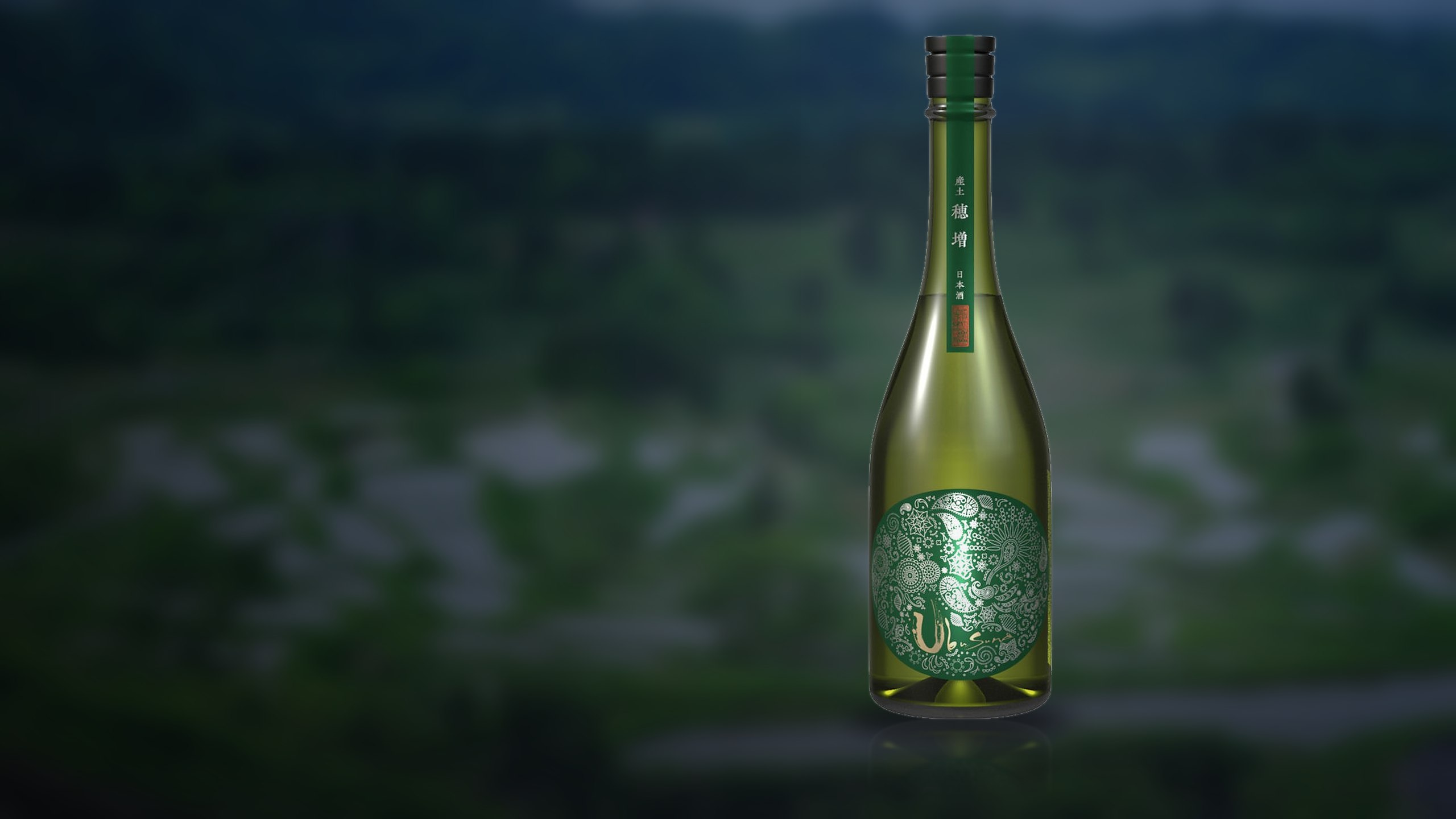
| Burgundy Wine Bowl | Wide aeration belly, tapered rim | Unlocks complex earthy, lactic & floral layers | Aramasa, Ubusuna, Kuheiji, Kimoto |
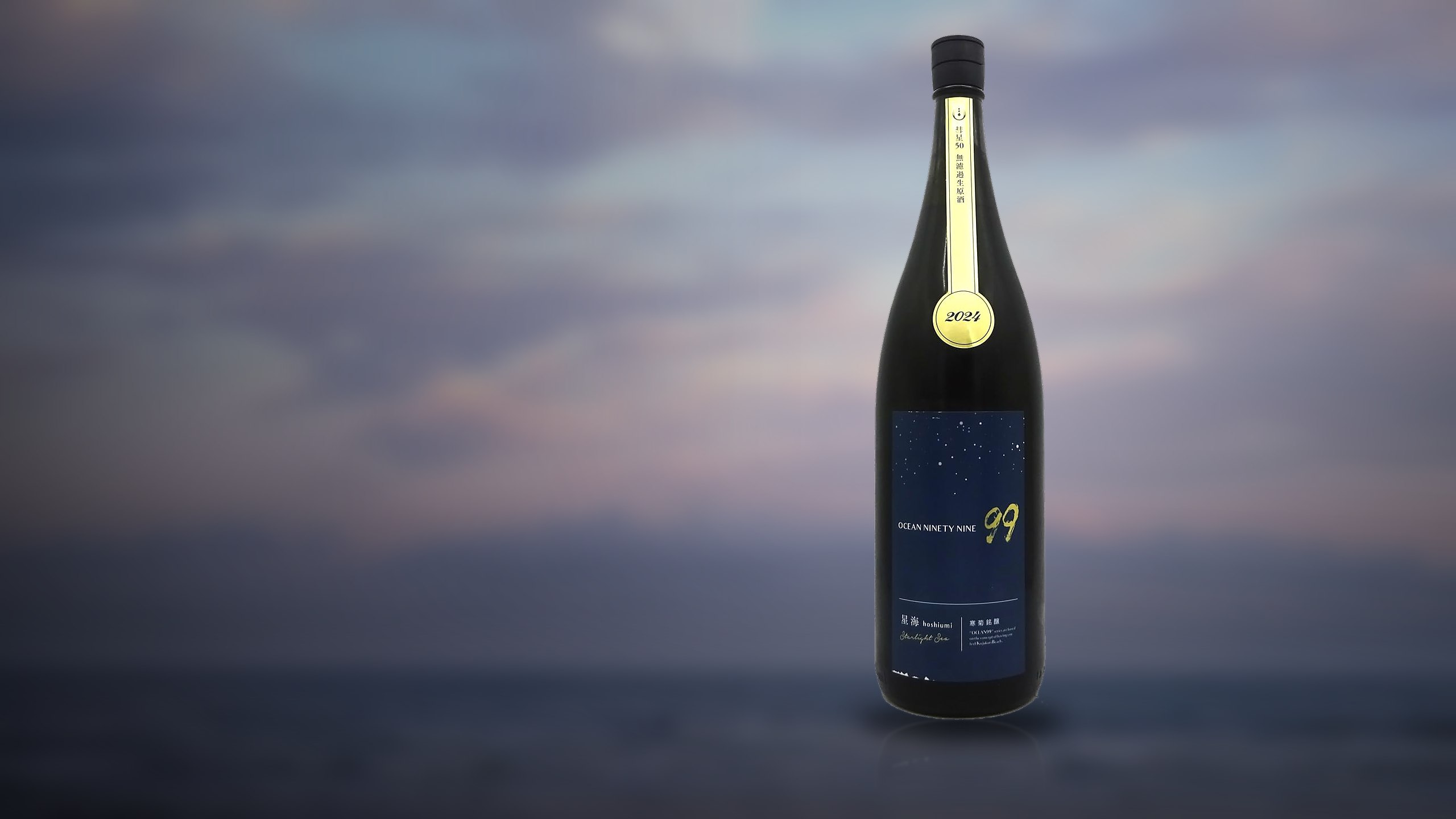
| Riedel Daiginjo Stem | Tall narrow tulip | Channels delicate melon/pear esters & crisp flow | Kankiku Seijitsu, Kokuryu, Dassai 23 |
| Ultra-Thin Usuhari Tumbler | 0.9 mm rim, straight wall | Zero lip friction; amplifies razor-sharp finish | Tabika, Kaze no Mori, Zaku |
| Shallow Porcelain *Hirahai* | Broad open saucer | Spreads liquid across sweet/umami receptors | Structured Junmai, Jikon, medium warmth |
| Hammered Tin (*Suzu*) | Rapid thermal transfer & ion smoothing | Softens alcohol edges into a plush, rounded sip | Warmed Gensai or Kenbishi |
| Unglazed Bizen Stoneware | Microscopic surface porosity | Adds rustic depth and silky density | Yamahai, Cedar-Vat Kioke, aged Koshu |
The Dual-Vessel Table Experiment
Serve the same chilled bottle—say Tabika or Kankiku—simultaneously in a small porcelain ochoko and a white-wine stem. Guests immediately taste lush rice umami in ceramic alongside high-definition aromatics in crystal, elevating bottle engagement effortlessly.
Featured Breweries, Specs & Flavor Balance
| Flagship Label | Brewery & Region | Signature Rice & Water | Brewery Profile |
|---|---|---|---|
| Aramasa | Aramasa Co., Ltd. (6-2-35 Omachi, Akita-shi, Akita 010-0921, Japan) | Pesticide-Free & Estate-Grown Akita Rice (Kairyo Shinko, Rikuu No. 132, Misato Nishiki, Akita Sakekomachi) · Mount Taihei Subterranean Soft Water (Akita City) | Brewery Profile |
| Ubusuna | Hananoka Shuzo Co., Ltd. (2226-2 Nishiyoshiji, Nagomi-machi, Tamana-gun, Kumamoto 861-0906, Japan) | Nagomi-machi Natural-Farmed Homase, Higo Kabashiko, Yamada Nishiki · Brewery Shrine Spring Water (Kikuchi River Basin Subterranean Water from the Former Bairin Tenmangu Well) | Brewery Profile |
| Kamoshibito Kuheiji | Banjo Jozo Co., Ltd. (41 Nishimonden, Odaka-cho, Midori-ku, Nagoya-shi, Aichi 458-0822, Japan) | Estate-grown Yamada Nishiki from Kurodasho (Hyogo), Omachi from Akaiwa (Okayama) · Granite spring water from the foot of Mt. Chausu at 600m elevation in Nagano (soft water) | Brewery Profile |
| Kokuryu | Kokuryu Sake Brewing Corporation (1-38 Matsuoka-Kasuga, Eiheiji-cho, Yoshida-gun, Fukui 910-1133, Japan) | Hyogo Tojo Yamada Nishiki, Fukui Sakahomare, Gohyakumangoku, Koshinoshizuku · Mt. Hakusan Range & Kuzuryu River Subterranean Soft Water | Brewery Profile |
| Dassai | Dassai Inc. (Asahi Shuzo Co., Ltd.) (2167-4 Osogoe, Shuto-cho, Iwakuni-shi, Yamaguchi 742-0422, Japan) | Yamada Nishiki (100% Exclusive Use) · Osogoe Natural Subterranean Soft Water (Shuto-cho, Iwakuni) | Brewery Profile |
| Tabika | Hayakawa Sake Brewery Co. (468 Ojima, Komono-cho, Mie-gun, Mie 510-1323, Japan) | Kaminoho, Yamadanishiki, Omachi, Gohyakumangoku · Subsurface water from Mount Shakagatake in the Suzuka Mountains (soft water) | Brewery Profile |
| Kazenomori | Yucho Sake Brewery Co., Ltd. (1160 Nakahonmachi, Gose-shi, Nara 639-2216, Japan) | Akitsuho, Tsuyuhakaze, Yamadanishiki, Omachi · Deep subterranean water from the Mt. Kongo and Mt. Katsuragi range (hard water, approx. 214 mg/L) | Brewery Profile |
| Jikon | Kiyasho Sake Brewery Co., Ltd. (314-1 Honmachi, Nabari-shi, Mie 518-0726, Japan) | Yamadanishiki, Aiyama, Omachi, Hattannishiki, Senbonnishiki · Subsurface water from the Nunobiki mountain range (brewery well water, soft water) | Brewery Profile |
| Gensai | Suehiro Sake Brewery Co., Ltd. (12-38 Nisshin-machi, Aizuwakamatsu-shi, Fukushima 965-0861, Japan) | Yumenoka, Fukunoka, Yamadanishiki, Gohyakumangoku, Kamenoo · Subsurface snowmelt soft water from Mt. Hakase and the Aizu Basin | Brewery Profile |
| Kuromatsu Kenbishi | Kenbishi Sake Brewing Co., Ltd. (3-12-5 Mikagehonmachi, Higashinada-ku, Kobe-shi, Hyogo 658-0046, Japan) | Hyogo-Grown Yamada Nishiki, Aiyama, and Omachi · Mount Rokko Nada Miyamizu and Subterranean Hard Water | Brewery Profile |
As the birthplace of Kyokai No. 6 yeast, Aramasa represents the pinnacle of modern sake brewing through 100% kimoto fermentation in cedar vats using exclusively Akita-grown rice. Its vibrant citrus acidity, low-alcohol elegance, and silky sweetness evoke fine white Burgundy, pairing effortlessly with sashimi, crudo, and modern gastronomy.
Created in Nagomi, Kumamoto by Kiyotaka Kanda of Hananoka Shuzo to embody 'earth, native ecosystem, and ancestral regenerative agriculture,' Ubusuna stands at the absolute pinnacle of contemporary craft sake. Brewed with pesticide-free local Yamada Nishiki and revived Edo-era heirloom rices (Homase and Kabashiko) using kimoto and wooden vats, its Champagne-like pinpoint mousse and electric orchard-and-yuzu complexity transfix fine-dining tables worldwide.
Farming its own Yamada Nishiki in Kurodasho, Hyogo—and also operating Domaine Kuheiji in Burgundy—Banjo Jozo in Nagoya revolutionized sake with estate terroir and vintage expression. Elegant white peach and citrus aromatics, fine micro-effervescence, taut acidity, and savory mineral bitters make Kamoshibito Kuheiji a fixture on Michelin three-star French wine lists.
Founded in 1804 in Eiheiji, Fukui, Kokuryu pioneered commercial luxury Daiginjo in Japan, uniting soft Kuzuryu River water with prized Tojo Yamada Nishiki and local Sakahomare rice. Legendary bottlings like Ishidaya, Nizaemon, Shizuku, and Hachijuhachigo deliver crystalline elegance that elevates Echizen snow crab and haute kaiseki.
From the mountain valleys of Iwakuni, Yamaguchi, Dassai revolutionized global sake through data-driven precision brewing and ultra-polished Yamada Nishiki rice. Led by the iconic Dassai 23, its opulent aromas of white peach and Poire Williams, silky-smooth mid-palate, and crystalline finish pair effortlessly with fine Edomae sushi and Michelin-starred French cuisine.
Handcrafted by a tiny family team in Komono, Mie using ultra-soft Mt. Shakagatake snowmelt water and 100% gentle fune (box) pressing, Tabika is celebrated for its pillowy, rounded sweetness. Brewed with local Kaminoho, Omachi, and Yamada Nishiki, its soothing umami and gentle acidity pair beautifully with dashi-steamed clams and seasonal washoku.
Brewed in Gose City, Nara by 1719-founded Yucho Shuzo, Kaze no Mori unites ancient Muromachi-era Bodaimoto heritage with cutting-edge fermentation science across an all-Muroka Nama Genshu lineup. Fermented with ultra-hard Katsuragi Mountain subsurface water (over 200mg/L hardness) and local Akitsuho rice, its signature micro-effervescence, Muscat and pear aromatics, and chiseled mineral finish captivate diners from sushi counters to Michelin-starred French and Italian tables.
Named after the Zen phrase 'living fully in the present moment,' Jikon by 6th-generation brewer Tadakatsu Onishi in Nabari, Mie stands at the absolute summit of modern sake. Radiant muscat and white peach aromatics, crystalline Nunobiki mountain soft-water sweetness, and electric acidity achieve a golden-ratio balance that enchants on its own or alongside Matsusaka Wagyu and fine sushi.
Named in honor of Harunaka (Gensai) Tanaka—the visionary Edo-period chief retainer who reformed the Aizu domain and elevated its brewing craft—Gensai represents the pinnacle of Suehiro Shuzo's Daiginjo artistry. Brewed with Special A-grade Yamadanishiki polished to 35%–40%, it delivers regal orchard-fruit aromatics, gossamer silkiness, and a poised finish worthy of celebratory kaiseki banquets.
Kenbishi's signature multi-vintage blend, delivering golden amber color, rich savory depth, and a commanding finish that shines both chilled and warm.
Recommended Pairing
Weekly Sake & Tasting Dispatch
Curated seasonal releases, sub-zero arrivals, and tasting city guides across global editions.