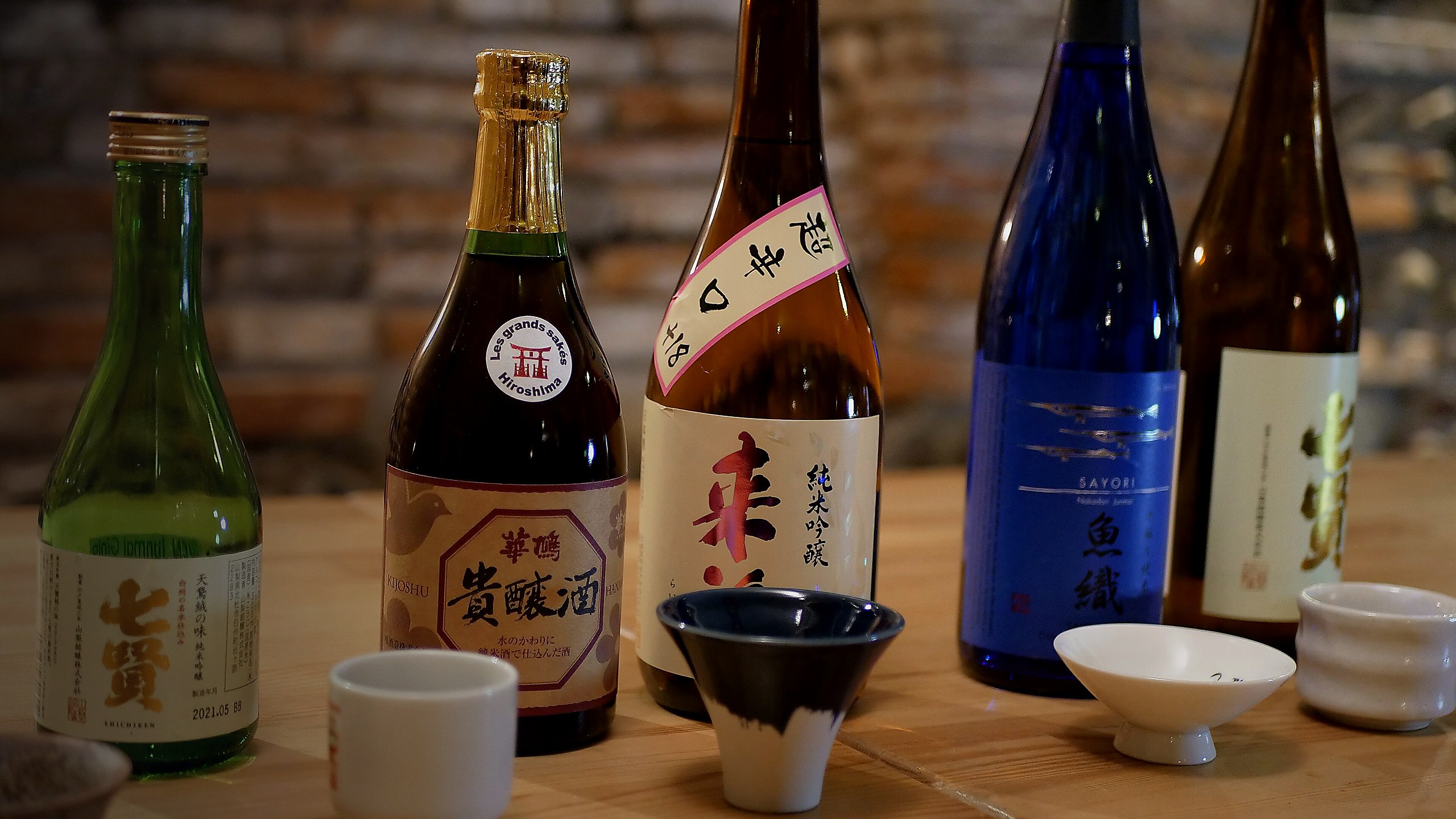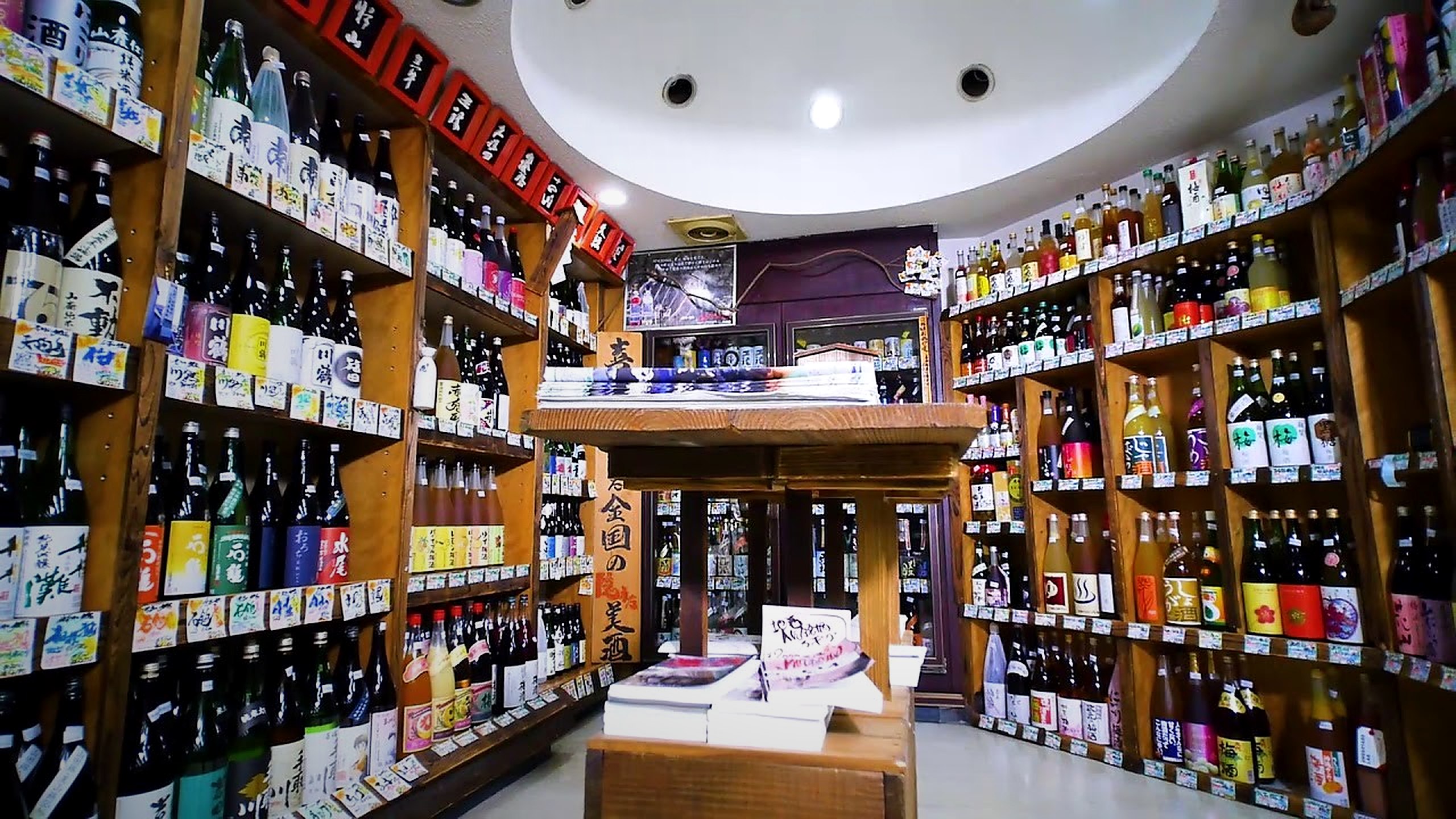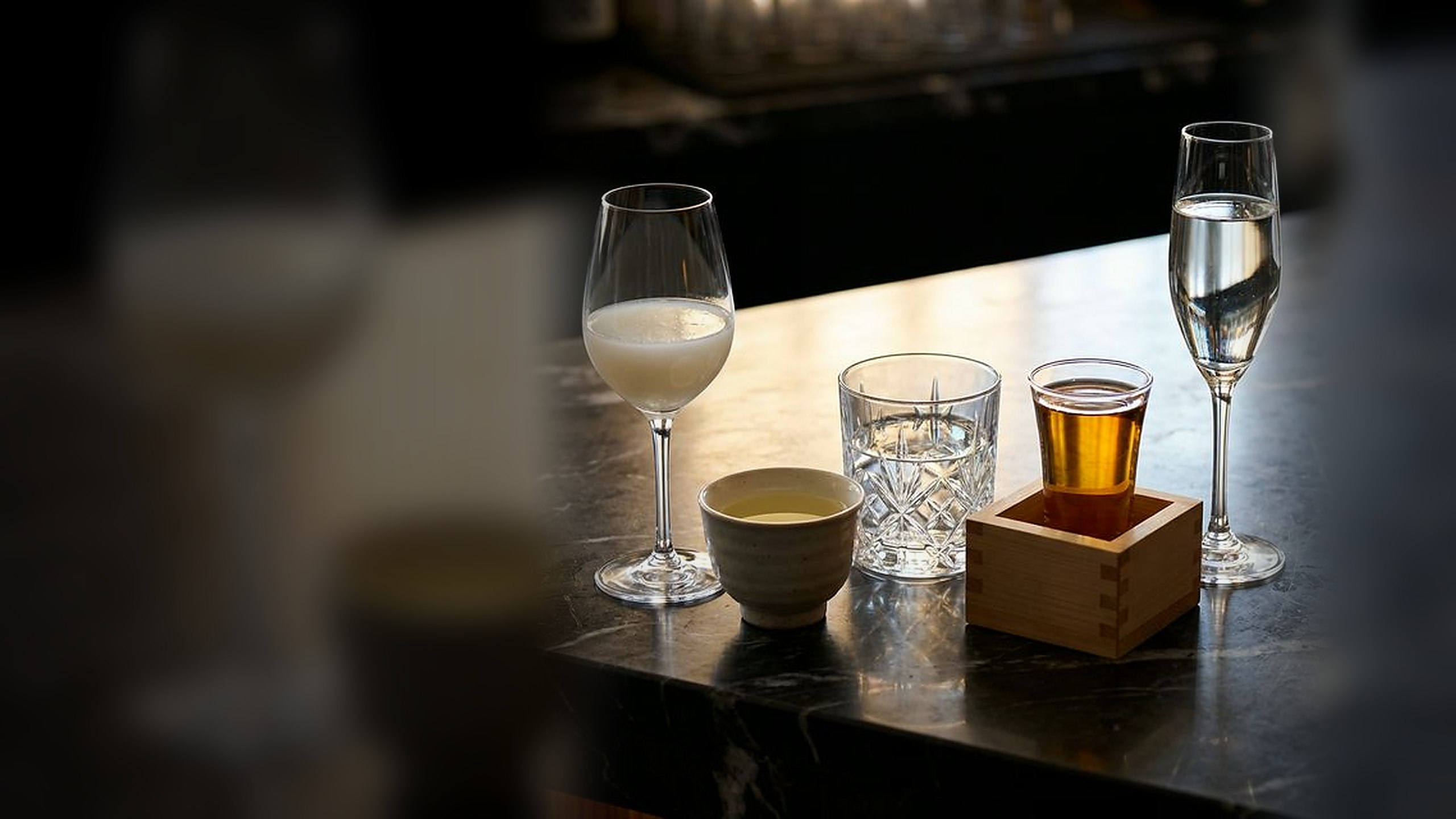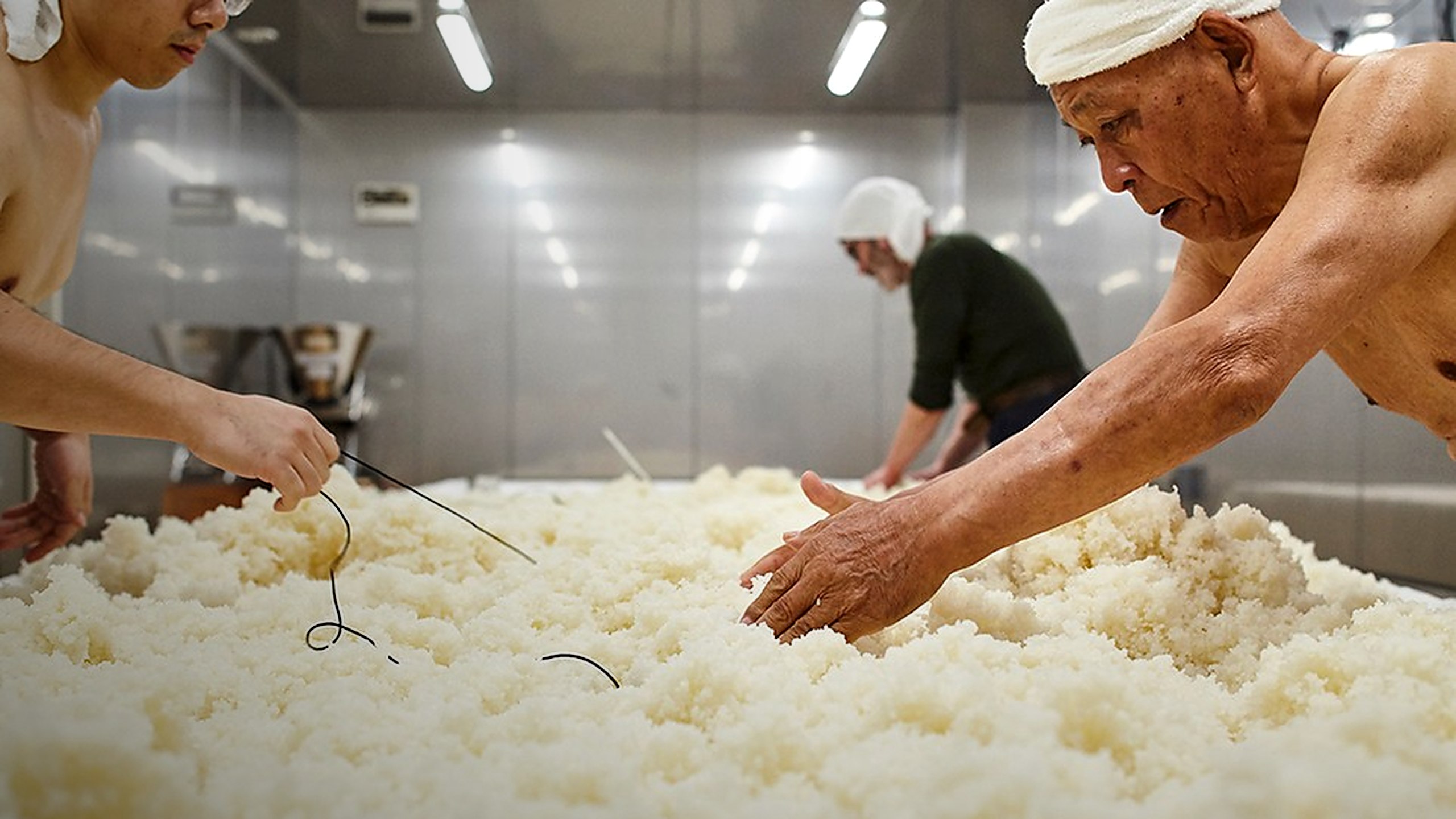
Recognized by UNESCO as Intangible Cultural Heritage of Humanity, Japan’s traditional *koji*-based brewing relies on the world’s most complex fermentation architecture: Multiple Parallel Fermentation. Here is the science behind the magic.
Why UNESCO Recognized Traditional Japanese Sake Brewing as Intangible Cultural Heritage
Following its historic inscription on UNESCO’s Representative List of the Intangible Cultural Heritage of Humanity in December 2024 (see the [National Tax Agency Official UNESCO Traditional Sake-Making Portal](https://www.nta.go.jp/taxes/sake/unesco/index.htm) for primary documentation), traditional Japanese *koji*-based sake brewing has captured the imagination of the global culinary world like never before.
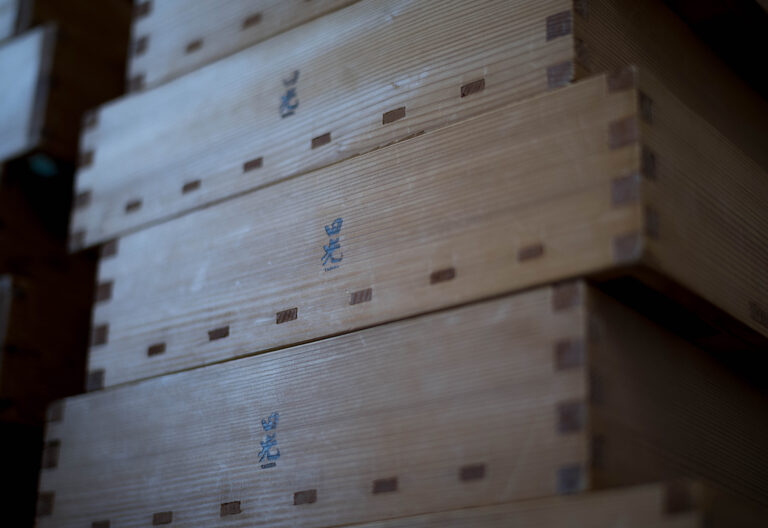
When Michelin three-star chefs and Burgundian winemakers step inside a traditional Japanese brewery cellar (kura), what astonishes them most is not merely the centuries-old cedar architecture—it is the realization that centuries before modern microbiology existed, Japanese master brewers (toji) perfected the most complex fermentation system on earth: Multiple Parallel Fermentation (*Heiko Fukuhakko*).
| Beverage Category | Fermentation Architecture | Saccharification (Starch → Sugar) | Alcohol Conversion | Natural ABV Ceiling & Umami |
|---|---|---|---|---|
| Wine (Grape) | Simple Fermentation | None required (grapes contain natural glucose/fructose) | Single-step yeast fermentation | 11–15% ABV / Low amino acid content |
| Beer (Barley) | Sequential Multiple | Malted barley enzymes convert starch in warm mash (Step 1) | Yeast pitched after mashing completes (Step 2) | 4–8% ABV / Crisp & refreshing |
| Sake (Rice + Koji) | Multiple Parallel | Aspergillus oryzae (koji) amylase & protease enzymes | Saccharification & yeast fermentation occur simultaneously in one tank | 17–20% ABV (Highest of any non-distilled drink) / 3–5× the umami of wine |
Comparing the Three Fermentation Architectures of the Beverage World
How can sake—a non-distilled, purely fermented beverage—naturally reach 17%–20% ABV in the tank while carrying three to five times the savory amino acids (umami) of wine? The answer lies in comparing how wine, beer, and sake convert raw agricultural crops into alcohol:
Simple Fermentation (Wine)
Sequential Multiple Fermentation (Beer)
Multiple Parallel Fermentation (Sake — Unique in the World)
"First Koji, Second Moto, Third Moromi" — Inside the Cedar Koji-muro
An ancient proverb among Japanese brewers states: *Ichi-koji, ni-moto, san-tsukuri ("First comes koji, second the starter mash, third the main mash"). Everything begins inside the koji-muro*—a cedar-lined incubator maintained at tropical warmth (~30–35°C).
Over a grueling 48-hour vigil, brewers dust steamed sake rice with microscopic spores of Japan’s "National Mold" (Aspergillus oryzae), massaging and wrapping the rice by hand every few hours to guide the mold’s mycelia into each grain.
During those 48 hours, koji synthesizes over 50 distinct enzymes, led by two titans:
How deeply the brewer guides those mycelia into the grain determines the architectural style of the sake:
"It is no coincidence that kitchens from Copenhagen’s Noma to Paris’s three-star temples have built dedicated koji fermentation labs. The 48-hour craft practiced inside every Japanese sake brewery’s koji-muro is the original pinnacle of microbial gastronomy." — SakeStream Fermentation Science Report
Featured Breweries, Specs & Flavor Balance
| Flagship Label | Brewery & Region | Signature Rice & Water | Brewery Profile |
|---|---|---|---|
| Kuromatsu Kenbishi | Kenbishi Sake Brewing Co., Ltd. (3-12-5 Mikagehonmachi, Higashinada-ku, Kobe-shi, Hyogo 658-0046, Japan) | Hyogo-Grown Yamada Nishiki, Aiyama, and Omachi · Mount Rokko Nada Miyamizu and Subterranean Hard Water | Brewery Profile |
| Daishichi | Daishichi Sake Brewery Co., Ltd. (1-66 Takeda, Nihonmatsu-shi, Fukushima 964-0904, Japan) | Yamadanishiki, Gohyakumangoku, Yumenoka (100% Super-Flat Rice Polishing) · Mt. Adatara subterranean spring water and Hikage well water (medium-hard water) | Brewery Profile |
| Tengumai | Shata Shuzo Co., Ltd. (60-1 Bomaru-machi, Hakusan-shi, Ishikawa 924-0823, Japan) | Hyogo Yamada Nishiki, Ishikawa Gohyakumangoku, Hyakumangoku no Shiro · Sacred Mt. Hakusan & Tedori River Subterranean Well Water | Brewery Profile |
| Kokuryu | Kokuryu Sake Brewing Corporation (1-38 Matsuoka-Kasuga, Eiheiji-cho, Yoshida-gun, Fukui 910-1133, Japan) | Hyogo Tojo Yamada Nishiki, Fukui Sakahomare, Gohyakumangoku, Koshinoshizuku · Mt. Hakusan Range & Kuzuryu River Subterranean Soft Water | Brewery Profile |
| Masuizumi | Masuda Sake Brewery Co., Ltd. (269 Higashi-Iwasemachi, Toyama-shi, Toyama 931-8358, Japan) | Hyogo Special-A Yamada Nishiki, Toyama Oyamanishiki, Gohyakumangoku, Tominoka · Tateyama Mountain Range Snowmelt Subterranean Soft Water | Brewery Profile |
| Mimurosugi | Imanishi Sake Brewery Co., Ltd. (510 Miwa, Sakurai-shi, Nara 633-0001, Japan) | Tsuyuhakaze, Yamadanishiki, Omachi · Subsurface water from sacred Mt. Miwa (medium-soft water) | Brewery Profile |
| Tenbi | Choshu Brewery Co., Ltd. (72 Yoshika, Kikugawa-cho, Shimonoseki-shi, Yamaguchi 750-0316, Japan) | Yamada Nishiki, Saito no Shizuku · Koya River System & Kikugawa Natural Subterranean Medium-Soft Water | Brewery Profile |
| Aramasa | Aramasa Co., Ltd. (6-2-35 Omachi, Akita-shi, Akita 010-0921, Japan) | Pesticide-Free & Estate-Grown Akita Rice (Kairyo Shinko, Rikuu No. 132, Misato Nishiki, Akita Sakekomachi) · Mount Taihei Subterranean Soft Water (Akita City) | Brewery Profile |
| Tabika | Hayakawa Sake Brewery Co. (468 Ojima, Komono-cho, Mie-gun, Mie 510-1323, Japan) | Kaminoho, Yamadanishiki, Omachi, Gohyakumangoku · Subsurface water from Mount Shakagatake in the Suzuka Mountains (soft water) | Brewery Profile |
| Maruto | Kurosawa Sake Brewery Co., Ltd. (1400 Hozumi, Sakuho-machi, Minamisaku-gun, Nagano 384-0702, Japan) | Estate- and Locally Contract-Grown Nagano Miyama Nishiki, Hitogokochi, and Sankei Nishiki · Northern Yatsugatake & Upper Chikuma River Subterranean Well Water (Soft Water) | Brewery Profile |
Kenbishi's signature multi-vintage blend, delivering golden amber color, rich savory depth, and a commanding finish that shines both chilled and warm.
Dedicated exclusively to traditional Kimoto-method brewing since 1752 in Nihonmatsu, Daishichi revolutionized the craft with its proprietary 'ultra-flat rice polishing' (cho-henpei seimai) technology. Offering rich, creamy lactic depth, velvety texture, and complex savory resonance that blossoms from chilled to gentle warm (nurukan), its sakes pair majestically with grilled unagi, Wagyu steak, and aged Comté cheese.
Renowned across Japan as the gold standard of Yamahai brewing, Tengumai pours with a natural golden hue, rich aromas of ripe fruit and toasted grain, and bold lactic acidity. Its full-bodied umami shines from chilled to warm kanzake, standing up effortlessly to Kanazawa duck stew, braised yellowtail, and sukiyaki.
Founded in 1804 in Eiheiji, Fukui, Kokuryu pioneered commercial luxury Daiginjo in Japan, uniting soft Kuzuryu River water with prized Tojo Yamada Nishiki and local Sakahomare rice. Legendary bottlings like Ishidaya, Nizaemon, Shizuku, and Hachijuhachigo deliver crystalline elegance that elevates Echizen snow crab and haute kaiseki.
Famed as the master of Ginjo in historic Iwase, Toyama, Masuizumi blends classic mastery with avant-garde releases like Burgundy-barrel-aged Link 8888 and Platinum Kotobuki. Rich Yamada Nishiki depth and layered elegance allow it to pair equally well with Toyama seafood, aged meats, and classic French sauces.
Founded in 1660 at the foot of sacred Mount Miwa and Omiwa Shrine—revered as the ancestral deity of Japanese sake brewing—Imanishi Shuzo crafts Mimurosugi using shrine-mountain subterranean water and locally grown Yamadanishiki and Tsuyuhakaze rice. Luminous lychee, white peach, and Muscat aromas flow into a crystal-clear, juicy palate with a brisk finish that pairs effortlessly with sushi, sashimi, and delicate crudo.
Launched in late 2020 in Shimonoseki, Yamaguchi by Choshu Shuzo, Tenbi skyrocketed to national stardom with its bright, uplifting house style. Bearing sun-and-moon labels for day and night expressions, it offers crisp green apple and white grape aromatics, delicate pinpoint effervescence, and vibrant malic acidity that pair beautifully with seafood ceviche, seasonal vegetable tempura, and modern izakaya fare.
As the birthplace of Kyokai No. 6 yeast, Aramasa represents the pinnacle of modern sake brewing through 100% kimoto fermentation in cedar vats using exclusively Akita-grown rice. Its vibrant citrus acidity, low-alcohol elegance, and silky sweetness evoke fine white Burgundy, pairing effortlessly with sashimi, crudo, and modern gastronomy.
Handcrafted by a tiny family team in Komono, Mie using ultra-soft Mt. Shakagatake snowmelt water and 100% gentle fune (box) pressing, Tabika is celebrated for its pillowy, rounded sweetness. Brewed with local Kaminoho, Omachi, and Yamada Nishiki, its soothing umami and gentle acidity pair beautifully with dashi-steamed clams and seasonal washoku.
Named after the Kurosawa family merchant crest, this artisanal series showcases estate-grown rice, wooden-vat fermentation, and natural Kimoto methods. Brewed by Kurosawa Sake Brewery Co., Ltd. in Nagano using Northern Yatsugatake & Upper Chikuma River Subterranean Well Water (Soft Water) and estate- and locally contract-grown Nagano Miyamanishiki, Hitogokochi, and Sankeinishiki, it brings together savory richness that blossoms when warmed with memorable poise.
Recommended Pairing
Weekly Sake & Tasting Dispatch
Curated seasonal releases, sub-zero arrivals, and tasting city guides across global editions.